What to Feed a Greyhound: Nutrition Guide
What to Feed a Greyhound?
Greyhounds are lean athletes with special needs: high protein, small frequent meals, and bloat prevention. Learn the full feeding playbook.
By Emily Carter · Reviewed by our vet team · Updated October 2026
Diet High proteinMeals 2 to 3 small dailyWatch Bloat risk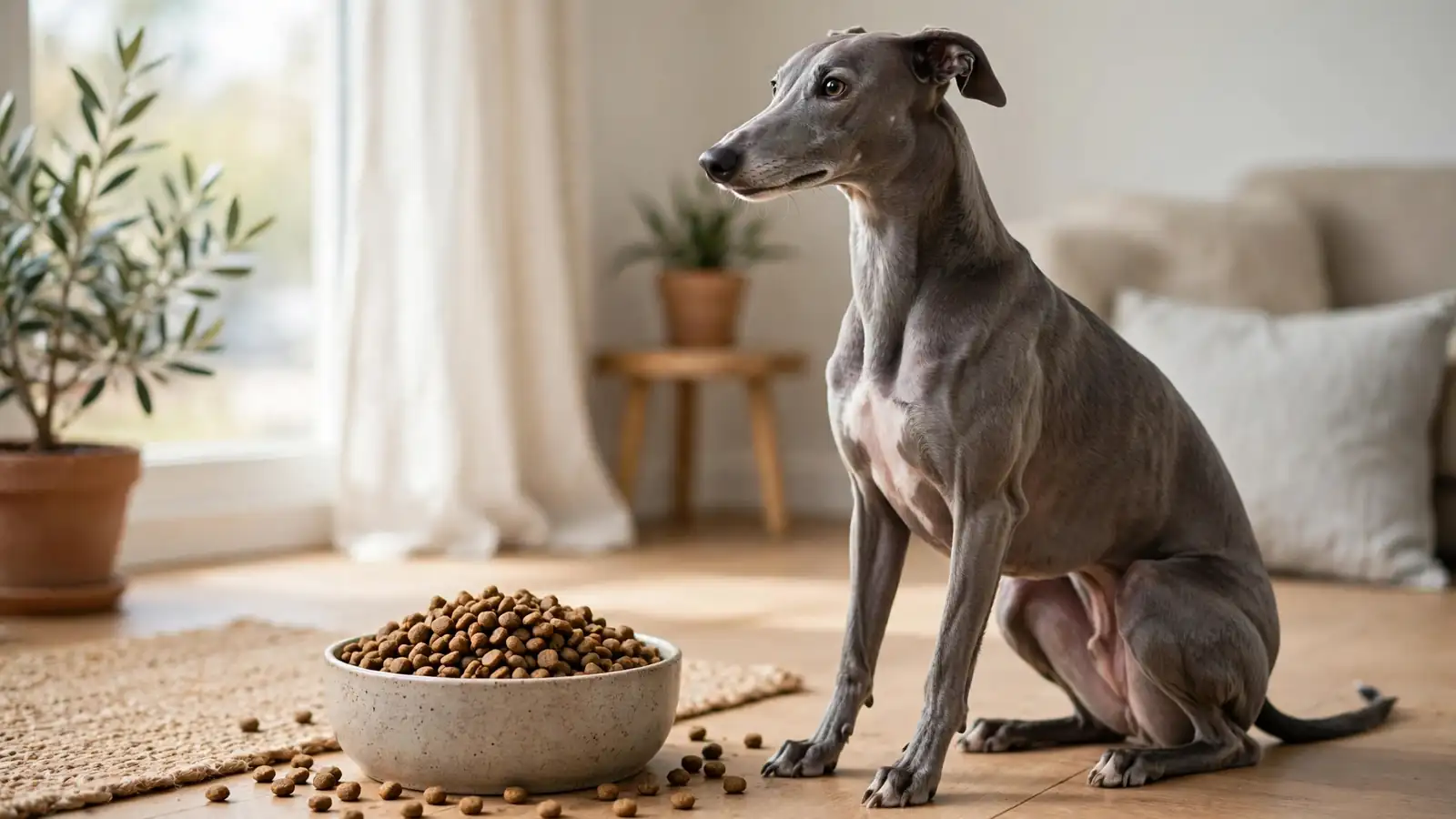
Watch a greyhound run and you will see a machine built for speed: deep chest, tucked waist, and muscles rippling under a short sleek coat. Feeding an athlete like that takes more thought than filling any old bowl.
Quick answer: What to feed a greyhound? A high quality diet rich in animal protein, split into two or three smaller meals a day to lower bloat risk. Avoid exercise right before and after meals, introduce new foods gradually for sensitive stomachs, and keep them lean with fresh water always available.
Greyhounds are lean athletes with fast metabolisms, so they burn fuel quickly and need food that keeps up. Their deep chests also bring a higher risk of bloat, a dangerous condition where the stomach twists, which means how and when you feed matters as much as what you feed. If you are asking what to feed a greyhound, this guide covers protein needs, meal timing, sensitive stomachs, and keeping that famously trim waistline.
What to Feed a Greyhound?
The foundation is simple: quality food, served the right way, on a schedule that protects that deep chest.
What to feed a greyhound comes down to a high quality diet rich in animal protein to support their muscle, divided into two or three smaller meals per day instead of one large meal. Choose formulas suited to active or athletic dogs, since a greyhound’s fast metabolism and muscular build have more in common with a working dog than a couch potato. A complete and balanced food built for active dogs covers the protein, fat, and nutrients a greyhound needs.
Retired racers and active greyhounds do not eat exactly the same way. A greyhound still running hard needs more calories to fuel that output, while a retired racer settling into sofa life needs portions adjusted down so weight does not creep up. Ask the vet about portions for retired racers versus active dogs, because getting this right early prevents weight problems later.
Consistency matters too. Greyhounds often have sensitive stomachs, so pick a food and stick with it rather than rotating brands. When you must change foods, transition gradually over a week or more to avoid digestive drama.
At a Glance
Protein for the Canine Athlete
Muscle like that does not maintain itself. Protein is the building block your greyhound runs on, and it sits at the center of what to feed a greyhound.
Feed a high quality diet rich in animal protein to support their muscle. Animal protein supplies the amino acids that maintain lean muscle, support recovery after exercise, and keep the immune system strong. Look for foods where a named meat or fish leads the ingredient list, a sign of real animal protein rather than fillers.
Fat matters too for a breed with a fast metabolism. Healthy fats provide concentrated energy that fuels an active greyhound without enormous meal volumes. Solid protein plus quality fat is what keeps the coat glossy and energy steady through the day.
When comparing options, greyhound food formulas built for active or athletic dogs are usually the best starting point. These recipes are designed around higher energy needs and typically carry the protein a muscular breed requires. When deciding what to feed a greyhound, protein quality matters more than flashy marketing claims. Your vet can help match a formula to your dog’s activity level and age.

Beating Bloat: Meal Size and Timing
This is the section that can genuinely save a greyhound’s life. Bloat is serious, and feeding habits are your best defense.
Because deep chested breeds face a higher risk of bloat, a dangerous stomach twisting condition, feed two or three smaller meals a day instead of one large meal. Smaller meals mean less volume stretching the stomach at once, which lowers the risk. Splitting the daily portion into morning and evening meals, with an optional midday meal, is a simple habit with real protective value.
Timing around exercise matters just as much. Avoid vigorous exercise right before and after meals. Wait at least an hour after eating before hard running or play, and let your greyhound settle after exercise before offering food. Meal timing is part of what to feed a greyhound safely, not just an afterthought. A calm dog with a settled stomach is far less likely to run into trouble.
- Split daily food into two or three smaller meals, never one big bowl
- Feed at consistent times each day so the routine is predictable
- Keep mealtimes calm; excited gulping is a risk factor
- Wait at least an hour after meals before vigorous exercise
- Let your greyhound rest and cool down after exercise before feeding
- Provide fresh water at all times, but avoid huge gulps right after hard running
Know the warning signs of bloat: a swollen or tight belly, restlessness, pacing, drooling, unproductive retching, and obvious distress. Bloat is an emergency that needs a vet immediately, so if you see these signs, do not wait to see if they pass.
Sensitive Stomachs: Feeding the Fussy Greyhound
Many greyhounds have digestive systems as delicate as their legs are fast. A little care goes a long way.
Greyhounds often have sensitive stomachs, so introduce new foods gradually. When switching foods or adding anything new, stretch the transition over seven to ten days, mixing in a little more of the new food each day. Rushing a change is the fastest way to trigger loose stools in a sensitive greyhound.
Rich treats and table scraps are common culprits when a greyhound’s stomach acts up. Fatty leftovers and sudden rich additions can cause upset that takes days to settle. Anyone researching what to feed a greyhound with a delicate stomach should prioritize consistency over variety. If you offer extras, keep them small and simple. A regular feeding schedule also helps: same times each day keeps digestion predictable, and smaller divided meals are gentler than one large portion.
Keeping a Greyhound at a Healthy Weight
Greyhounds are supposed to look lean. Learning what healthy lean looks like keeps you from overfeeding a breed that is not meant to be chunky.
Keep them lean: you should be able to feel but not prominently see the ribs. A healthy greyhound has a visible tuck at the waist, with ribs easy to feel under a thin covering. If ribs jut out sharply with no covering, your dog may be underweight; if you cannot feel them easily, trim portions.
This matters most for retired racers. Dogs coming off the track often arrive very lean from intense training, and owners sometimes overcompensate with extra food. As activity drops in retirement, calories must drop with it. Ask the vet about portions for retired racers versus active dogs and adjust as your dog settles into pet life.
Weigh your greyhound regularly and adjust food before small gains become big ones. Portion control is the quiet half of what to feed a greyhound well. Treats count toward daily calories, so factor training rewards into the total. A lean greyhound is not just a prettier greyhound; the right weight protects joints and keeps that athletic body moving comfortably for years.
What to Feed a Greyhound? FAQs
Quick answers to the most common questions about what to feed a greyhound.
How many times a day should a greyhound eat?
Two or three smaller meals a day is the standard for adults. This split supports their fast metabolism and lowers bloat risk compared to one large daily meal. Puppies need more frequent smaller meals.
Do greyhounds need a special type of food?
There is no single required recipe, but greyhound food formulas for active or athletic dogs usually fit best. They are built around higher protein and energy needs, which matches a greyhound’s muscular build and fast metabolism.
Can greyhounds eat once a day?
It is not recommended. One large meal raises bloat risk in this deep chested breed and does not suit their fast metabolism. Stick with two or three smaller meals for safety and steadier energy.
What should a retired racer eat?
A retired racer does well on a quality adult food rich in animal protein, with portions reduced from racing levels to match a calmer lifestyle. Many retirees gain weight quickly once training stops, so ask the vet about portions for retired racers versus active dogs and watch the waistline.
Why is my greyhound always hungry?
Fast metabolisms burn fuel quickly, so greyhounds can act hungry even on adequate portions. Check body condition first: ribs should be easy to feel but not prominently visible. If weight is right, the hunger is just enthusiasm, and puzzle feeders can help food obsessed greyhounds feel more satisfied.
The Bottom Line on Feeding Your Greyhound
A well fed greyhound is a sight to behold: sleek, muscular, and full of that famous burst of speed.
What to feed a greyhound? A high quality diet rich in animal protein, suited to active dogs, split into two or three smaller meals a day to protect against bloat. Keep exercise away from mealtimes, introduce new foods gradually for sensitive stomachs, keep them lean enough to feel the ribs, and provide fresh water at all times.
Every greyhound is a little different, so use your vet as a partner in fine tuning portions, especially when transitioning a retired racer to pet life. For more breed specific nutrition help, explore our other feeding guides.
Related Feeding Guides
Keep exploring what dogs can and cannot eat:
Keep Exploring
Browse the full A to Z dog breed collection to find your perfect match, or explore more cat breed guides.