
Cat Age Calculator
Convert Cat Years to Human Years Accurately
🐾 Calculate Cat Age
📌 Cat Life Stages
Kitten
0–1 Cat Year
Adult
2–10 Cat Years
Senior
11–14 Cat Years
Super Senior
15+ Cat Years
📊 Cat Years to Human Years Chart
| 🐈 Cat Years | 🧑 Human Years |
|---|---|
| 1 | 15 |
| 2 | 24 |
| 3 | 28 |
| 4 | 32 |
| 5 | 36 |
| 6 | 40 |
| 7 | 44 |
| 8 | 48 |
| 9 | 52 |
| 10 | 56 |
| 15 | 76 |
| 20 | 96 |
😺 Interesting Cat Age Facts
- A 1-year-old cat is roughly equal to a 15-year-old human.
- A 2-year-old cat equals around 24 human years.
- After age 2, every cat year equals about 4 human years.
- Indoor cats usually live much longer than outdoor cats.
- The oldest recorded cat lived over 38 years.
Cat Age Calculator: How Old Is Your Cat in Human Years?
You look at your cat stretched out in the sun and wonder just how old she is in human terms. Teenage? Middle-aged? Grandmother? The cat age calculator can tell you for sure. However, when it comes to cat aging, there is a lot more that needs to be considered than just calculating their age.
This guide has everything covered when it comes to converting cat years to human years, including an explanation for each stage of their life cycle along with other facts on how your feline grows.
Try the Cat Age Calculator
A cat age calculator converts your cat's actual age into an equivalent human age. The reason is that cats age rapidly during their first few years but then age much more slowly; thus, simply multiplying would be wrong. The calculator considers each stage of a cat's development and gives you a realistic estimate.
Enter Your Cat's Age
To use a cat age calculator, simply write your cat's age in years or months. If your cat is under 1 year old, use months for a more accurate result. For example, a 6-month-old kitten is roughly equivalent to a 10-year-old child.
Cat Years to Human Years Result
Once you enter the age, the calculator converts it using a tiered system based on research from the American Animal Hospital Association (AAHA). A 1-year-old cat equals about 15 human years. A 2-year-old cat equals about 24 human years. After that, each additional cat year equals roughly 4 human years.
Your Cat's Life Stage
Alongside the human-age equivalent, your calculator result will also show your cat's current life stage: kitten, young adult, mature adult, senior, or geriatric. Each stage comes with different health and care needs, which we cover in detail below.
You've probably heard the rule that 1 cat year equals 7 human years. That's a myth and a false one at that.
The fact is, cats grow up really fast in their first two years of life. At 1 year of age, a cat is sexually mature and physically developed, more like a 15-year-old teenager than a 7-year-old child. After the first couple of years, the aging rate slows down a fair bit, about 4 human years to each cat year.
Quick fact: The "1 cat year is equal to 7 human years" rule generalizes feline aging. Modern veterinary science uses a tiered model that's far more authentic.
How Cat Aging Really Works
Cats don't age at a constant rate. You should think of it like a rising curve at first, then gradually coming down.
The First Two Years of a Cat's Life
This is the most volatile growth phase. In just 12 months, a kitten goes from being a helpless newborn to a fully developed young cat. By their first birthday, they've hit puberty, learned to hunt, and grown to near their adult size. The second year is more of the same physical and emotional maturity. Think of a teenager maturing into a young adult.
Adult Cat Aging
From age 3 onward, cats age gradually. Each cat year adds nearly 4 human years. A 5-year-old cat is roughly equal to a 36-year-old adult, still vibrant but beginning to look a bit more settled.
Senior Cat Aging
Around age 11, cats enter their senior years. There’s no sudden speeding up in the rate at which they age, although the risk of illness does rise, and organ deterioration, joint stiffness, and brain changes can all happen just as they do in humans when they’re older adults.
Cat Life Stages Explained
Understanding your cat's life stage helps you provide the right care at the right time. Veterinarians typically use five life stages to classify cats.
Kitten (0–1 year)
Kittens are energetic and curious creatures. This is the stage at which the kittens develop their senses and learn to behave socially. They require a diet rich in protein and calories to keep pace with their rapid growth.
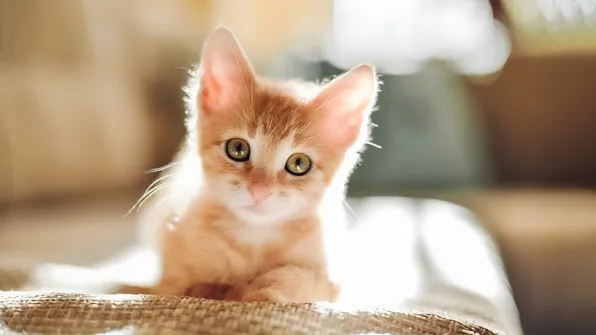
Young Adult (1–6 Years)
This is prime time for your cat. Physically mature, full of energy, and generally in good health. A healthy diet and annual vet visits go a long way to prevent problems from cropping up in the first place. And it’s a good time to develop some good dental hygiene habits.
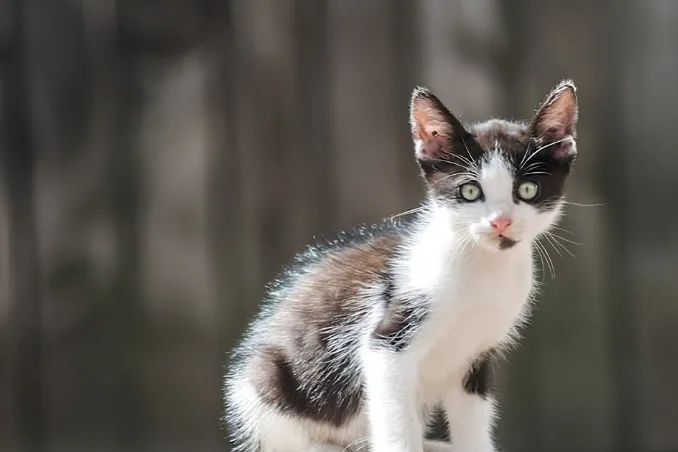
Mature Adult (7–10 Years)
The mature adult stage is the transitional stage. Your cat may begin moving slower, gaining weight faster, and becoming more routine-oriented. It is advised to change your cat's diet and take her to the veterinarian every six months.
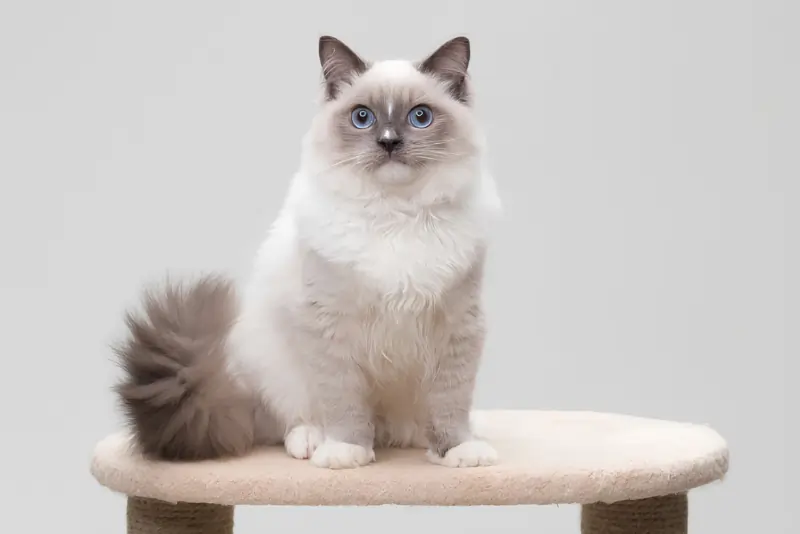
Senior Cat (11–14 Years)
Senior cats need some extra care and attention. Common health concerns include arthritis, kidney disease, hyperthyroidism, and dental disease. Watch for behavior changes, appetite changes, or increased thirst, which may indicate underlying health problems.
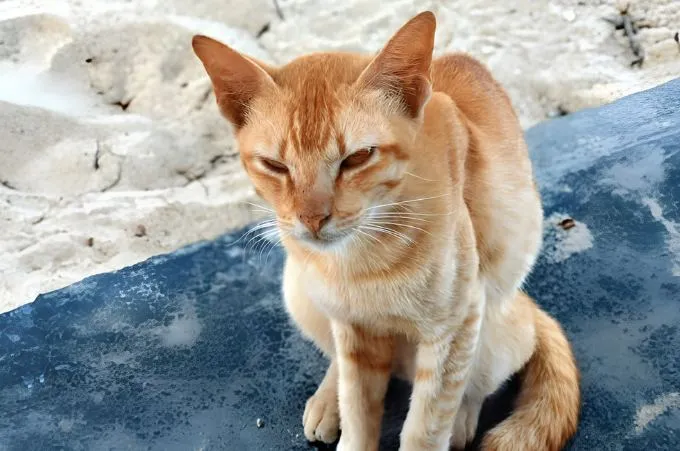
Geriatric Cat (15+ Years)
It's increasingly common for cats to reach their geriatric years, thanks to improved care. To keep these remarkable older cats comfortable, they require a gentle, low-stress environment, along with easy access to their food and litter boxes. Regular veterinary monitoring is also essential. With this good care, many geriatric cats thrive well into their late teens or even their 20s.
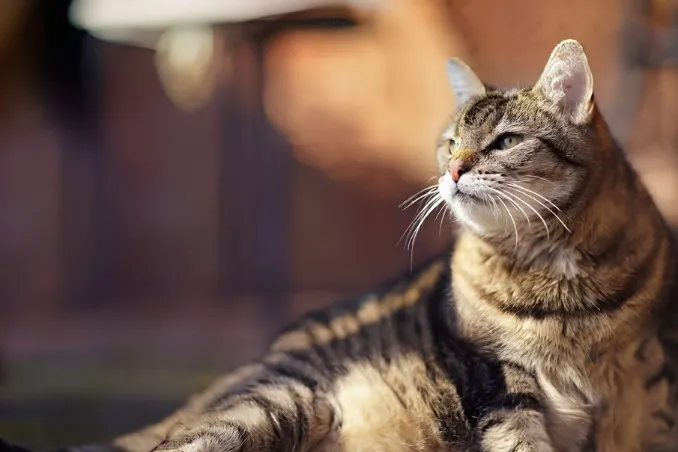
How to Tell a Cat's Age
A vet can estimate a cat's age using physical signs if its history is unknown.
Teeth
A cat's age can be reliably estimated by its teeth. Kittens develop baby teeth between 3-4 weeks and permanent teeth around 6 months. In adult cats, increased tartar and wear suggest greater age; significant staining or wear often indicates a cat is 5 years or older.
Eyes
Kitten eyes are bright and clear. Older cats may develop a cloudy or hazy appearance of the lens (lenticular sclerosis), which is normally seen after the age of 6-7. Cloudy eyes aren’t always a sign of vision problems, but they’re a good sign of aging.
Coat and Fur
Kittens have soft and fine fur. As cats age, their coats may become coarser or thinner. Senior cats often develop gray or white hairs around the face, similar to humans.
Activity and Behavior
Kittens and young adult cats are very active. As cats age, they sleep more, play less, and become more stationary. Sudden changes in behavior, not gradual ones, are more likely to signal a health concern.
Indoor vs Outdoor Cats: Lifespan Differences
The living conditions of cats have a huge impact on how long they live and how fast they age.
Indoor Cat Lifespan
Indoor cats live much longer, with an average life expectancy of 12-18 years. There are cases where some indoor cats live up to 20 years or even longer. Indoor cats have no contact with the dangers like cars, predators, infections, and bad weather conditions.
Outdoor Cat Lifespan
Feral and stray cats have a far lower life expectancy, with ferals typically living only 2-5 years on average, while domestic outdoor cats may survive to around 10-14 years. The hazards that they encounter each day can add up.
Which Cats Age Faster?
Outdoor cats do not have a biological tendency to age any faster; however, they tend to wear out more quickly physically. For example, at the age of eight, an outdoor cat could look like he is older than an indoor cat of the same age due to increased physical stress, injuries, and disease.
Factors That Affect a Cat's Lifespan
Genetics plays a role, but not wholly. Here are the factors you can actually influence:
Diet and Nutrition
Healthy eating will lay a solid basis for good health and longevity. A cat requires animal proteins because he/she is an obligate carnivore. Choose foods that are low on fillers and additives. Appropriate nutrition at each life stage will provide your cat with necessary vitamins and minerals.
Exercise and Weight
One of the biggest preventable health hazards for cats is obesity. If you have an overweight cat, they may be more susceptible to developing diabetes, arthritis, and heart conditions. Interactive play, food puzzles, and portion control will ensure your cat stays healthy.
Veterinary Care
Annual wellness check-ups (or biannual for senior cats) will ensure that any potential illnesses can be caught while still being easily treated. Getting vaccines, preventing parasites, and having blood work done are all included in preventative care.
Genetics and Breed
There are also some breeds that have a predilection for specific diseases. This means that some breeds are more susceptible to acquiring certain illnesses. One example would be the Maine Coon breed, which is vulnerable to having HCM.
Stress and Environment
Stress leads to decreased immunity in cats and causes behavioral and physiological issues. Providing a low-stress environment by giving the cat access to hiding places, vertical areas, and enrichment is key to decreasing stress levels.
Dental Health
The problem is that periodontal disease occurs in a great number of cats who have already reached three years of age, and this issue is far more complicated than just having bad breath. The bacteria produced by the inflammation can easily reach the organs such as the heart, liver, and kidneys through the bloodstream.
Common Signs Your Cat Is Getting Older
Cats are experts at hiding discomfort. Knowing what to watch for helps you catch age-related changes early.
Sleeping More
It is common for the older cats to spend 16 to 20 hours sleeping each day. Nonetheless, if you find out that your cat is lethargic, then you need to discuss this issue with your veterinarian.
Reduced Mobility
Any stiffness or reluctance to leap is also a symptom of arthritis, which is one of the most common diseases in senior cats. Cats suffering from arthritis can greatly improve their quality of life using pain relief, ramps, and low-sided litter pans.
Weight Changes
Both weight gain and unexpected weight loss indicate problems. Older cats that show weight loss may have hyperthyroidism, kidney disease, or cancer. A substantial body condition change is something that needs to be checked out by a veterinarian.
Appetite Changes
A reduced appetite may be due to toothaches, nausea, and even disease in general. On the other hand, an increased appetite in conjunction with weight loss is likely a symptom of hyperthyroidism or diabetes.
Increased Vocalization
Senior cats may become more vocal, particularly during nighttime hours. This may be associated with cognitive disorders (dementia-like), pain, anxiety, or hearing problems. This should not be overlooked.
Memory and Behavior Changes
Cognitive Dysfunction Syndrome (CDS) is a condition that plagues many felines above the age of 15 years. The symptoms include confusion, loss of memory regarding daily activities, alterations in sleep pattern, and decreased engagement with family members.
How to Help Your Cat Live Longer
Most cats have the potential to live well into their teens with the right support. Here's how to give your cat the best possible chance.
Healthy Diet Tips
Select pet foods that contain named meat protein sources as their first ingredient. Canned food can assist in hydration and reduce stress on kidney function. Do not allow free feeding, which is a significant source of obesity.
Importance of Hydration
The cat’s tendency to remain dehydrated is natural since it comes from their ancestors, who lived in the desert. They will thus easily develop problems in their kidneys. The use of water fountains, numerous water dishes, and wet cat food will ensure that the cats drink enough water.
Routine Vet Visits
Do not wait for signs of trouble to appear. Some very serious illnesses, such as kidney disorders and hyperthyroidism, show no symptoms when they first start. Annual blood tests and urinalyses may reveal any issues before they become severe.
Exercise and Mental Stimulation
Play is not only a source of entertainment but rather a healing activity for your feline pet. The daily exercise routine for cats does not have to be long—even 10-15 minutes will contribute to keeping your pet in good condition.
Dental Care
Train your cat from an early age about toothbrushing. Should you find that difficult, then dental snacks and additives, as well as professional cleaning, are effective alternatives. You can't miss this one out; after all, dental problems sneakily shorten life spans.
Creating a Stress-Free Environment
Cats like routines. Don’t make abrupt changes to the environment, and make sure there are places where the cats can hide safely. Provide individual resources for each cat (feeding and littering stations).
Frequently Asked Questions
Final Thoughts
Regardless of whether your feline is a mischievous kitten or a regal oldie, recognizing his or her age in human years will enable you to appreciate their stage in life and what they require from you. If you also have a dog, use our Dog Age Calculator to convert your dog's age into human years and understand their life stage.
This cat age converter not only serves as a humorous tool, but it also makes you aware of the importance of every passing year with your feline companion. The decisions you make regarding their nutrition, lifestyle, and other factors contribute to their longevity and quality of life.
Take advantage of this resource to better understand how to take care of your cat. Consult your veterinarian regarding your pet’s stage in life and its proper requirements.