Can Dogs Eat Garlic? Why It Is Toxic
Can Dogs Eat Garlic?
Garlic damages a dog’s red blood cells and can poison them. Learn the symptoms, why garlic bread is off limits, and what to do.
By Emily Carter · Reviewed by our vet team · Updated October 2026
Safety Toxic, neverType AlliumToxin Thiosulfate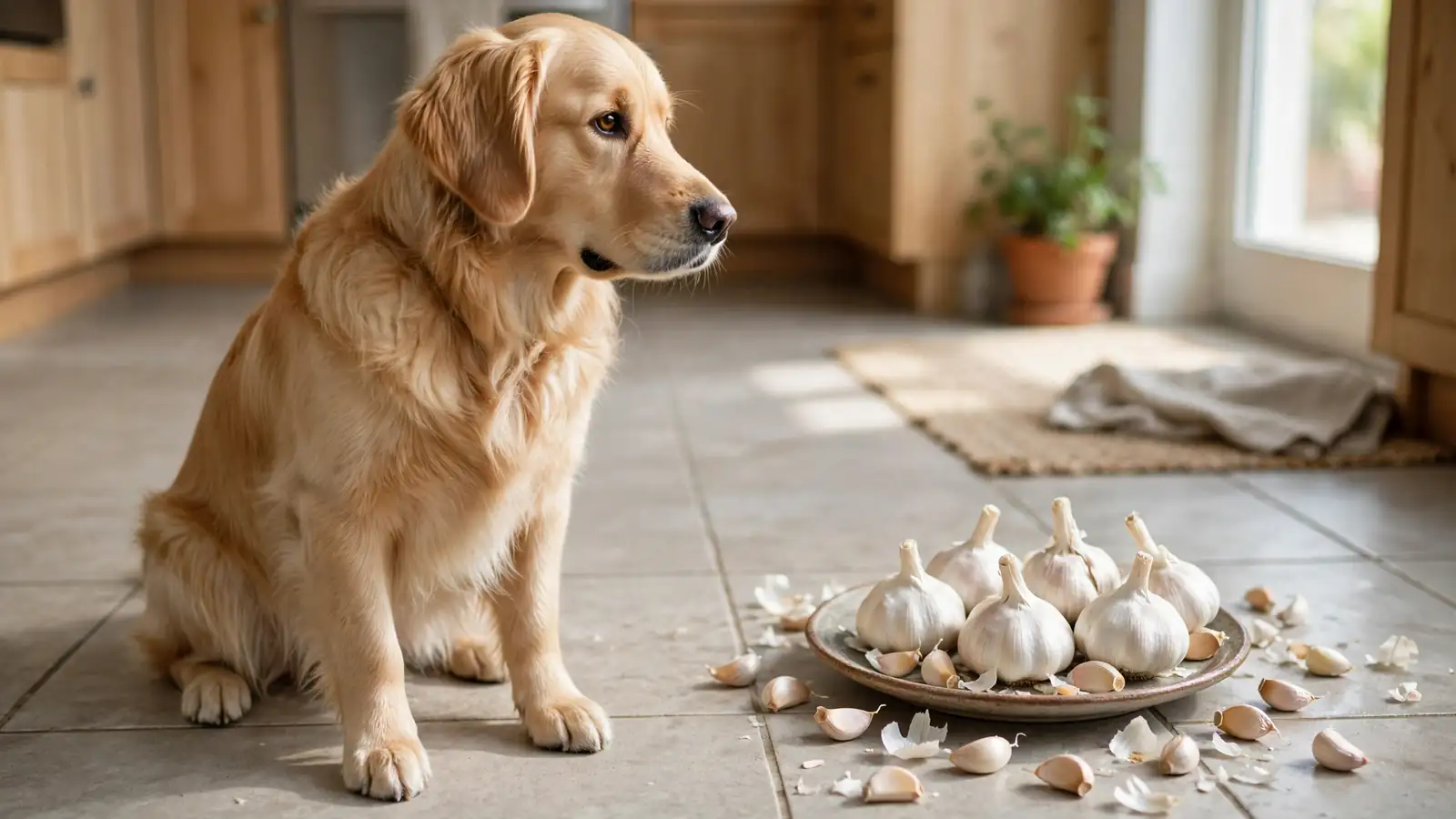
The smell of dinner cooking fills the kitchen, and your dog is sitting beside you with those hopeful eyes. A clove of garlic is sitting on the cutting board, and the thought crosses your mind. The question of can dogs eat garlic comes up in almost every kitchen, and the answer matters more than most people realize. If a clove rolls off the board and you wonder can dogs eat garlic, grab it first.
Quick answer: Can dogs eat garlic? No, dogs should not eat garlic. Garlic is toxic to dogs because a compound called thiosulfate damages their red blood cells, which carry oxygen through the body. Even small amounts in leftovers or garlic bread can cause poisoning, so keep all garlic away from your pup.
Can Dogs Eat Garlic?
When it comes to garlic, there is no gray area. Garlic is toxic to dogs and should never be offered on purpose or slipped in as a table scrap. Many home cooked meals contain garlic in some form, so dinner leftovers are off the table too.
It helps to understand where garlic sits on the safety scale. Some foods are fine in small amounts and risky in large ones. Garlic is different. There is no known safe amount for dogs.
What one dog tolerates without an obvious reaction could harm another. The only sensible rule is a firm one: no garlic, ever.
This includes every form of it. Raw cloves, cooked garlic, garlic powder, and garlic salt all carry the same risk. Cooking does not make garlic safe for dogs, and powdered or concentrated forms can be more potent by weight than a fresh clove. If a recipe includes garlic in any form, the finished dish is not dog friendly.
Garlic hides in more dishes than people expect: pasta sauces, stir fries, roasted vegetables, marinades, and soups often contain it, and even mild tasting foods may carry garlic powder in the seasoning. When in doubt about a dish, assume it is not safe to share, because the answer to can dogs eat garlic is always no.
At a Glance
Why Is Garlic Bad for Dogs?
The short version: garlic contains a compound called thiosulfate that damages a dog’s red blood cells. Red blood cells carry oxygen around the body, so when those cells are damaged, less oxygen reaches the tissues. A dog with damaged red blood cells appears weak, lethargic, and generally unwell.
Garlic also upsets the digestive system. Beyond the blood related damage, it can cause gastrointestinal issues that leave your dog uncomfortable for hours or days. Garlic hits dogs from two directions at once: the blood and the gut.
Dogs process certain compounds differently than people do, and thiosulfate is one they cannot handle well. What adds flavor to your food can quietly injure your dog’s cells.
That difference in biology is why human food rules do not transfer to pets, and why garlic is risky even when a dog seems to enjoy the taste. A dog that happily eats garlicky scraps is not proving the food is safe.
Size and quantity affect how severe the effects are, but they do not make garlic safe. A large dog may show no signs from a small amount while a small dog could become seriously ill, so avoiding garlic entirely is the only smart move.
Repeated small exposures are not safe either. Some owners assume that a tiny taste now and then cannot hurt, but since no safe quantity has been established, even occasional nibbles are a gamble. Keeping garlic completely out of reach removes the guesswork. So whenever you wonder can dogs eat garlic in tiny amounts, no safe quantity exists.
Can Dogs Eat Garlic and Seem Fine at First?
If you are asking can dogs eat garlic because yours already ate some, watch closely for these signs of poisoning:
- Lethargy and unusual tiredness
- Abdominal pain
- Vomiting
- Diarrhea
- Drooling
- Panting
- Weakness
One tricky part of garlic poisoning is timing. Symptoms can take days to appear after a dog eats garlic. Your dog might seem perfectly fine on day one, then start showing weakness or digestive upset several days later. This delay catches many owners off guard.
Because of that delayed reaction, do not wait for symptoms before acting. If you know or suspect your dog ate garlic, contact your vet promptly, even if the dog seems completely fine. When the question is can dogs eat garlic, waiting for symptoms is the mistake to avoid. Tell the vet roughly how much garlic the dog ate and when, so they can advise on the right next steps.
Pale gums are another warning sign worth knowing. Since garlic damages red blood cells, a dog with significant poisoning may develop pale or whitish gums. If you notice this along with weakness or lethargy, treat it as urgent and reach out to your vet right away.
Keep a simple record if an exposure happens. Note the time, the likely amount, and the form of garlic involved. That information helps your vet judge the situation faster than guesswork alone.
Watch your dog more closely than usual for a few days after any exposure. Since symptoms can be delayed, a dog that looks fine tonight could still develop signs later in the week.

Can Dogs Eat Garlic Bread?
No. Even small amounts of garlic in bread can harm your pup, and garlic bread brings extra problems of its own. It is made with too much oil, butter, and salt for a dog’s digestive system, so it is a poor choice even setting the garlic aside.
Garlic bread is one of the most common ways dogs get into garlic by accident. It smells amazing, it sits within reach on tables and counters, and dogs are fast. If your dog snatches a piece at a gathering or off the counter, follow the same steps as any garlic exposure: note how much was eaten and call your vet.
The same goes for other garlicky breads and leftovers. If you are wondering can dogs eat garlic knots, pizza crusts, or buttery dinner rolls, the answer is no, they all count as unsafe. Many prepared foods and restaurant meals contain garlic as a background seasoning, so keep plates out of reach and remind guests not to share.
Parties and holidays deserve extra caution. Tables full of food sit at dog nose level for hours, and well meaning guests may slip your dog a bite. A quick word to visitors before the meal starts can prevent a stressful vet call later.
What About Claims That Garlic Is Good for Dogs?
You may run into mixed messaging online. Some sources claim garlic benefits dogs, suggesting tiny amounts can support health in some way. It is true that, in theory, a very small quantity of garlic may not cause visible harm in some dogs. But that is where the reassurance ends.
The problem is that a safe quantity of garlic for dogs is unknown, and it varies between individuals. One dog’s harmless sprinkle could be another dog’s poisoning. There is no tested dose, no reliable guideline, and no way to know how your particular dog will react.
The supposed upside is usually vitamins or general wellness support, but a complete and balanced dog food already supplies all the vitamins and minerals your dog needs. There is no nutritional gap that garlic needs to fill.
So the math is simple. On one side, an unknown and unproven benefit. On the other, a known toxin with delayed symptoms and real consequences. It is not worth the risk, and your dog loses nothing by skipping it.
When you see bold claims about garlic online, look at what is missing: a defined safe dose, consistent results, and any reason a well fed dog would need it. Without those, the claims are noise. Your vet and a quality diet cover your dog’s needs without the gamble. Anyone still asking can dogs eat garlic after seeing the evidence should ask their vet instead of the internet.
FAQs
Is a small amount of garlic okay for dogs?
No. Anyone asking can dogs eat garlic in small amounts should know there is no established safe amount for dogs, and tolerance varies between individuals. A small quantity that seems harmless in one dog could cause poisoning in another. Keep garlic out of your dog’s diet completely.
What should I do if my dog ate garlic?
Contact your vet promptly, even if your dog seems fine. Symptoms of garlic poisoning can take days to appear, so early advice matters. Be ready to share how much garlic was eaten and when it happened.
Can dogs eat cooked garlic?
No. Cooking does not remove the harmful compound in garlic. Raw cloves, cooked garlic, garlic powder, and garlic salt are all unsafe for dogs. Any dish made with garlic is not dog friendly.
Is garlic more dangerous than onion for dogs?
Garlic and onion belong to the same plant family and both contain thiosulfate, which damages red blood cells. Both should be kept away from dogs. Neither one has a safe serving size.
Can dogs eat food seasoned with garlic powder?
No. Garlic powder is a concentrated form of garlic, and even the small amount used as seasoning can be harmful. Many packaged and restaurant foods contain garlic powder, so check ingredients and keep seasoned food away from your dog.
The Bottom Line on Garlic and Dogs
So, can dogs eat garlic? No, and that rule has no exceptions worth testing. Garlic is toxic to dogs, the safe amount is unknown, and the symptoms can hide for days before showing up. Keep cloves, powder, garlic bread, and garlicky leftovers out of your dog’s reach, and call your vet right away if an accident happens.
Now that you know the answer to can dogs eat garlic, explore more of our feeding guides to find out which kitchen foods are treats and which ones belong strictly on your plate.
Related Feeding Guides
Keep exploring what dogs can and cannot eat:
Keep Exploring
Browse the full A to Z dog breed collection to find your perfect match, or explore more cat breed guides.