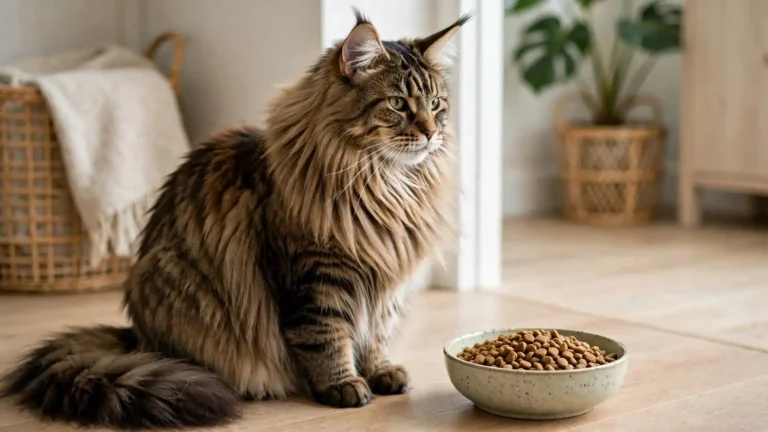
What Does Cat Eat? A Complete Guide to Cat Nutrition
What Does Cat Eat?
Cats are obligate carnivores with a taste for variety. This complete guide covers what cats eat, from kitten milk to proteins, safe human foods, and foods to avoid.
By Emily Carter · Reviewed by our vet team · Updated October 2026
Diet: Obligate carnivoreBasis: Animal proteinTreats: Max 10 percent
Watch a cat study its food bowl and you will see a tiny critic at work. One sniff, a pause, and then either enthusiastic crunching or a look of pure disappointment.
Quick answer: Cats are obligate carnivores, so meat based protein is the heart of what a cat eats: wet or dry cat food built on fish, poultry, or beef, plus occasional safe treats. Kittens start on mother’s milk, then move to moistened solids and kitten food. Avoid raw meat, bones, and milk for most adult cats.
So what does cat eat on a healthy daily menu? The short version is simple: animal protein first, served as wet food, dry kibble, or a mix, with variety to keep things interesting.
What Does Cat Eat?
A clear picture of the feline menu starts here. What does cat eat day to day? A diet built around animal based protein, delivered through wet cat food, dry kibble, or a combination of both.
New owners often search what does cat eat when they bring home their first kitten. The answer stays steady for life: meat first, quality food as the base, and variety for interest.
Cats are obligate carnivores, which is a scientific way of saying meat eaters by design. Their bodies are built to get key nutrients from animal tissue, and they cannot thrive on plants alone the way some other pets can.
That does not mean every meal must look identical. Rotating wet food, dry kibble, complements, and toppers keeps things interesting while protein stays central.
At a Glance
What Do Kittens Eat?
Kitten feeding follows a gentle progression, and rushing it never helps. Patience in these early weeks pays off in a healthier adult cat.
In the first weeks of life, kittens drink their mother’s milk, which delivers everything a newborn needs. If the mother is unavailable, ask a vet about a proper kitten milk replacer.
Next comes the transition stage: solid food moistened with water or replacer, offered in small amounts as the kitten shows interest. Over a week or two, the food gets drier and more substantial until the kitten eats it confidently.
As kittens grow, the question of what does cat eat shifts from milk to solids. Let appetite guide the pace and never rush the changeover.
From there, a complete balanced kitten food takes over. Kitten formulas are richer in protein and calories than adult food because growing bodies burn through nutrients fast. Your vet can advise when to switch to adult food, usually around the first birthday.
Protein: The Heart of a Cat’s Diet
If you remember one thing from this guide, make it this. Protein is not just part of a cat’s diet; it is the foundation everything else rests on.
Ask what does cat eat for strong muscles and bright energy, and protein is always the answer. It fuels everything from wild sprints to quiet naps.
Protein rich foods that cats enjoy include fish such as salmon, trout, tuna, and whitefish, poultry like chicken, turkey, and pheasant, and beef. Good commercial foods list these same named meats first, so label reading is a smart habit.
In the wild, cats eat a varied mix of small prey, never the same meal twice in a row. Mixing protein sources at home taps into those natural instincts and keeps mealtime exciting. A week that includes chicken, fish, and turkey mirrors the variety a wild cat would find.
Cat food is naturally higher in protein than many other pet foods, and that is by design. Non protein ingredients like rice, wheat flour, dried chicory root, and oatmeal also show up in good formulas. These support digestion and overall health, and they are tasty and easy for cats to digest when used in the right amounts.

What Human Foods Can Cats Eat?
The answer is more generous than many owners expect, with strict limits. Some human foods are perfectly fine as occasional treats, as long as they stay within the treat budget.
Safe occasional treats include blueberries, cooked eggs, and melon. Offer them plain, in tiny amounts, and only now and then. Treats of all kinds should make up no more than 10 percent of daily calories, with the other 90 percent coming from complete balanced cat food.
Knowing what does cat eat beyond the bowl helps you treat wisely. A blueberry here or a bit of cooked egg there is plenty.
Here is a fun fact about feline taste. Cats cannot taste sweetness because they lack sweet receptors on the tongue. When a cat enjoys melon or blueberries, it is not the sugar it likes but the bitter flavors, which taste similar to the amino acids found in protein.
Preparation matters as much as the food itself. Eggs must be fully cooked, fruit must be plain with no added sugar, and everything should be cut into small pieces. When in doubt about a new food, a quick call to the vet settles it.
Can Cats Drink Milk?
This one surprises a lot of people, because the image of a cat lapping milk is everywhere. The reality is less charming for most adult cats.
Most adult cats should not drink milk. After kittenhood, cats produce less lactase, the enzyme that digests milk sugar. Without enough of it, milk can cause digestive upset, including gas and diarrhea.
There is one exception worth knowing. A cat that was raised on milk and kept drinking it regularly may continue to tolerate it. Even then, milk should stay a small occasional treat rather than a daily habit.
The milk myth shows why what does cat eat needs a science based answer. Tradition says milk, but biology says water with meat based meals.
Fresh water is the drink cats truly need. Keep clean water available always; a fountain helps if your cat prefers running water. Good hydration supports healthy kidneys and a healthy urinary tract.
Foods Cats Must Avoid
Knowing what to keep away matters just as much as knowing what to serve. Some everyday foods can seriously harm a cat.
Avoid raw or undercooked meat, fish, and eggs. Raw animal products can carry foodborne illness and parasites that make cats very sick. Always cook animal based treats fully before offering them.
Keep meat and fish with bones out of reach. Bones can injure the mouth and throat on the way down and damage the intestines further along. Boneless, plain, cooked meat is the only safe way to share.
Part of knowing what does cat eat is knowing what stays out of the bowl. When unsure about any food, skip it and ask your vet.
Milk for most adult cats belongs on the avoid list too, as explained above. And of course, anything seasoned, spicy, or cooked with onion and garlic should never be offered, since those ingredients are toxic to cats.
What If Your Cat Is a Picky Eater?
Before you worry, consider a kinder explanation. A so called picky eater is often just a bored eater, tired of the same flavor and texture at every meal.
Sometimes the real question behind what does cat eat is what my cat will touch today. A rotated menu with fresh textures usually ends the standoff fast.
The fix is variety. Switch proteins, alternate wet and dry food, or add a tasty topper. These small changes keep meals interesting without a full diet overhaul.
Broths and creamy toppers are especially useful tools. A spoonful of cat safe broth over dry food adds aroma and moisture, which can tempt even a reluctant eater. Warming wet food slightly can also release more scent and spark interest.
Choose what suits your cat and your routine: dry food only, wet food only, or a mix of both. There is no single right answer, as long as the food is complete and balanced and your cat eats it happily. If a cat refuses food for more than a day, though, call the vet, since appetite loss can signal illness.
What Does Cat Eat: FAQs
Straight answers to the feeding questions cat owners ask most. Your vet can help with anything specific to your cat.
What do cats eat in the wild?
Wild cats eat a varied diet of small prey, which gives them a natural mix of proteins. This is why rotating protein sources at home, such as chicken, fish, and turkey, suits their instincts so well.
What do cats like to eat most?
Most cats like to eat meat based foods with strong aromas, especially fish and poultry served as wet food. Warming the food slightly can make it even more appealing.
Can cats eat only dry food?
Yes, cats can thrive on dry food alone as long as it is complete and balanced. Many owners mix in wet food for extra moisture and variety, which most cats appreciate.
How often should I feed my cat?
Most adult cats do well with two measured meals a day, while kittens need three to four smaller meals. Your vet can fine tune the schedule and portions for your cat’s age and weight.
Why does my cat beg for human food?
Begging usually comes from curiosity, boredom, or the smell of something interesting. It does not mean the cat is underfed, so stick to the feeding plan and offer approved treats instead of table scraps.
The Bottom Line: What Does Cat Eat?
Time to wrap up the menu. What does cat eat for a healthy life? Meat based protein at the center, served as wet food, dry kibble, or both, with enough variety to keep meals interesting and the occasional safe treat on the side.
Start kittens on mother’s milk, transition gently to solids, and feed a complete balanced kitten food. Skip raw meat, bones, and milk for most adults, keep treats within the 10 percent rule, and rotate flavors to beat boredom.
Feeding well is one of the kindest things you can do for your cat. Explore our other feeding guides for deeper dives into safe treats, foods to avoid, and nutrition tips for every life stage.
Related Feeding Guides
Keep exploring what dogs can and cannot eat:
Keep Exploring
Browse the full A to Z dog breed collection to find your perfect match, or explore more cat breed guides.