Can Dogs Eat Bread? Safety and Serving Guide
Can Dogs Eat Bread?
Plain bread is not toxic to dogs, but it offers zero nutrition and some types are dangerous. Learn which breads are safe and the raw dough emergency.
By Emily Carter · Reviewed by our vet team · Updated October 2026
Safety Plain only, rarelyType GrainDanger Raw dough, garlic bread
That warm loaf cooling on the counter smells amazing, and your dog clearly thinks so too. Those pleading eyes make it hard not to tear off a corner and share.
Quick answer: Dogs can eat small amounts of plain white or whole wheat bread as a very occasional treat. Bread has no real nutrition and is full of carbohydrates that can lead to weight gain, so feeding it is not advised. Some breads and additives are toxic, so always check the ingredients first.
Can Dogs Eat Bread?
The short answer is yes, but the longer answer is the one that matters.
Many owners ask can dogs eat bread, and the answer is yes, with clear limits. Small amounts of plain white or wheat bread can work as a very occasional treat for most dogs. The can dogs eat bread question pops up in vet offices all the time, usually right after a dog has swiped a slice off the table.
Puppies can also have tiny amounts now and then, though there is no nutritional value in it for them. Keep a close eye on young dogs for allergy signs, and always check the ingredient list for anything toxic before sharing.
Dogs with allergies should avoid bread completely. If you are ever concerned about a reaction, ask your vet before offering any bread at all.
So when can dogs eat bread without worry? When it is plain, portioned small, and rare. Remember that treats of any kind must make up 10% or less of your dog’s daily diet, and bread rarely deserves a place in that small allowance.
At a Glance
Which Types of Bread Are Safe for Dogs?
Not every loaf is equal, so here is how the common ones compare.
Once the can dogs eat bread question is settled with a cautious yes, the next step is knowing which loaf you are holding. Plain is the golden rule. Anything with added flavors, sweeteners, nuts, seeds, or dried fruit needs a closer look before it goes anywhere near your dog.
Plain White Bread
Plain white bread is generally safe for dogs that have no allergies. Keep the portion small and the occasion rare, since it adds nothing useful to the diet. A bite sized piece now and then is plenty.
Rye Bread
Plain rye bread is not toxic to dogs. It should not become a regular snack though, and dogs with a wheat or grain allergy need to skip it entirely. When in doubt, leave it out.
Whole Wheat Bread
If you are asking can dogs eat whole wheat bread, the answer is yes when it is plain and free of seeds, nuts, or dried fruit. Like white bread, it adds no nutritional value, so think of it as an empty treat rather than a healthy one.
Bread Crusts
The question of whether can dogs eat bread crusts safely comes up often, and the answer is yes for plain crusts. They are fine for dogs to enjoy, but they give no nutrition. Serve toasted crusts plain, with no butter.
Toast
Plain toast is fine in moderation with no butter. A small accidental bite of buttered toast should not cause immediate harm, but butter is mostly fat, so toast with butter is not recommended. Make plain the habit.
Sourdough
Cooked sourdough is safe as an occasional snack, though it is not nutritious. The real danger with sourdough is the raw dough, which is covered in detail below. Never let your dog near rising dough of any kind.
Breads Dogs Must Never Eat
A few common ingredients turn an innocent slice into an emergency.
This is where the can dogs eat bread conversation gets serious. Plenty of breads contain ingredients that are harmful or even toxic to dogs. Memorize this list before you share.
- Garlic bread: a firm no. Garlic is toxic to dogs, and the butter and fat in garlic bread are unhealthy. Too much garlic can cause garlic poisoning.
- Seeded bread: skip it. Seeds, nuts, cinnamon, chocolate, and dried fruits such as raisins can be toxic to dogs.
- Bread with macadamia nuts: macadamia nuts are toxic, and all nuts are very high in fat.
- Chocolate chip breads and raisin breads: both chocolate and raisins are dangerous for dogs.
- Breads baked with onion or garlic mixed into the dough: both are toxic, even in small baked in amounts.
- Dessert breads with xylitol: some sweet breads contain xylitol, a sweetener that is toxic to dogs. Always double check the ingredients before sharing any bread with your dog.
Bakery breads and store bought loaves often hide these ingredients, so read the label every time. What looks like a plain slice can carry a risky surprise.
Can Dogs Eat Bread Dough? No, Never
This is the one bread situation that can turn deadly.
If you are wondering can dogs eat bread dough in any form, the answer stays no. Uncooked bread dough is hazardous to dogs, and this warning applies to every type of dough, including pizza dough and rolls.
A dog’s warm stomach is the ideal environment for dough to rise. It expands, distends the stomach, and releases toxic ethanol into the blood, which can cause alcohol toxicosis. This is far more dangerous than a stolen slice of baked bread.
Watch for these warning signs:
- A racing heart
- Weakness
- An unsteady, drunken gait
- A distended abdomen
- Depression
- Seizures
- Respiratory failure
- Low blood pressure
- Retching or vomiting
- Coma
Contact your vet immediately if your dog eats raw dough. This is an emergency, not a wait and see situation. Fast action gives your dog the best chance.
Raw sourdough starter carries the same risk. Watch for drooling, pacing or restlessness, vomiting, and bloating or abdominal pain, and get help right away if you see them.

Is Bread Good for Dogs?
Safe and good are two different things.
When people ask is bread good for dogs, the honest answer is no. Bread has no nutritional value and is full of carbohydrates that cause weight gain. A dog that snacks on bread regularly can pack on pounds without gaining a single useful nutrient.
Your dog’s nutrition should come from a balanced dog food, not from table scraps. Dogs with a wheat allergy must avoid bread entirely, since even small amounts can trigger a reaction.
Even for dogs without allergies, regular bread feeding adds empty calories and nothing else. That is why feeding bread is not advised, even though small plain amounts are safe on rare occasions.
Healthier Alternatives to Bread
Your dog will not miss the slice once these show up.
If you love sharing a snack with your dog, pick foods that actually give something back. These options keep treat calories sensible and add real nutrients instead of empty carbs.
- Crunchy fresh vegetables such as carrots, green beans, and cucumber
- Small pieces of cooked lean meat, like plain chicken breast
- Apple slices with the seeds removed
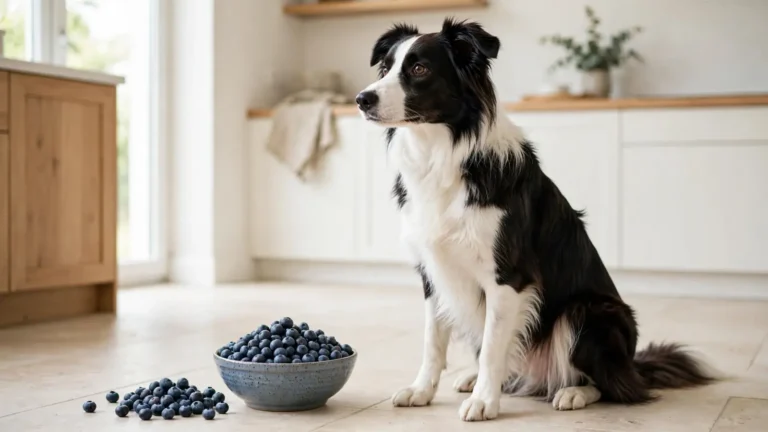
- A few blueberries as a sweet treat
Most dogs get just as excited about a crunchy carrot as they do about bread. You get the happy tail wag without the empty calories.
And when your dog has an upset stomach, skip the toast. A bland diet of boiled chicken breast and rice is the better choice for settling things down. Always consult your vet about stomach issues rather than guessing.
Frequently Asked Questions
Quick answers to the questions dog owners ask most.
Can puppies eat bread?
Puppies can eat small amounts of plain bread occasionally, but there is no nutritional value in it for growing dogs. Watch for allergy signs, and keep toxic additives far away from young dogs. Puppy tummies are sensitive, so when in doubt, skip it.
Can dogs eat bread with an upset stomach?
Plain toast is not the best remedy for a queasy stomach. A bland diet of boiled chicken breast and rice works better for most dogs. Always consult your vet if the upset stomach continues or gets worse.
Can dogs eat bread every day?
No. Bread should stay a rare treat, not a daily habit. Daily bread adds empty carbohydrates that lead to weight gain, and it can crowd out the balanced nutrition your dog needs from proper dog food.
Is toast with butter safe for dogs?
Toast with butter is not recommended, since butter is mostly fat. A small accidental bite should not cause immediate harm, but plain toast should be the rule. Save the butter for your own plate.
What should I do if my dog ate garlic bread?
Call your vet right away. Garlic is toxic to dogs, and too much of it can cause garlic poisoning. Your vet will guide you based on how much your dog ate and how your dog is acting.
Are bread crusts safe from any loaf?
Plain crusts are fine, but crusts from seeded, garlic, onion, or raisin breads carry the same dangers as the loaf itself. Check the ingredients first, because the crust is no safer than the middle.
The Bottom Line on Bread for Dogs
Now that you know the full story behind can dogs eat bread, the choice is simple. A small piece of plain bread now and then will not harm most dogs, but it adds nothing to their diet. Keep bread rare, keep it plain, and always check the ingredients for hidden dangers.
Want more feeding tips? Explore our other guides on safe and healthy foods for dogs, and find treats your dog will love that love them back.
Related Feeding Guides
Keep exploring what dogs can and cannot eat:
Keep Exploring
Browse the full A to Z dog breed collection to find your perfect match, or explore more cat breed guides.