Best Cat Bowl: How to Choose the Right Bowl for Your Cat
Best Cat Bowl
The wrong bowl can put a cat off food and water. Compare bowl types, materials, sizes, and placement to find the best cat bowl for your feline.
By Emily Carter · Reviewed by our vet team · Updated October 2026
Types 7 feeding systemsMaterials 4 comparedCare Wash daily
Most people grab whatever dish is closest and call it done. Then the cat starts pawing food out of the bowl, skipping meals, or drinking straight from the faucet. The bowl itself is often the culprit, and finding the best cat bowl for your home can fix behavior you assumed was just your cat being difficult.
Quick answer: The best cat bowl is a shallow, wide dish made of stainless steel or certified food safe ceramic that sits in a quiet spot away from the litter box, with water served separately. It should be easy to wash, gentle on sensitive whiskers, and replaced if it chips or cracks. Daily washing keeps bacteria in check and keeps meals appealing.
Why Choosing the Best Cat Bowl Matters
A bowl is not just a container. It shapes how your cat feels about every single meal.
An uncomfortable bowl can quietly change how a cat eats and drinks. This hits picky eaters and ill cats hardest, because they have less patience for anything that makes mealtime unpleasant. Something as small as a noisy dish sliding across the floor or sides that press against sore whiskers can put a cat off food entirely.
The fallout goes beyond skipped dinners. Negative feeding experiences can worsen unwanted behaviors around the house, from begging at the table to raiding counters. Choosing the best cat bowl is a simple and affordable way to head off problems that look like attitude but are really design flaws.
The good news is that no single design wins for every cat. Age, health, face shape, and personality all matter. What follows is a practical tour of the options, so you can match the dish to the cat.
At a Glance
Types of Cat Bowls
From a plain dish to a feeder that reads a collar, the range is wider than most people expect.
- Standard bowls or dishes. The most common option, sold in endless materials, shapes, and sizes. They work for most cats and cost the least.
- Raised feeding systems. These raise the dish to a comfortable height. They suit cats with neck or back pain who strain to reach food at floor level.
- Food puzzles. These turn dinner into a game and add mental stimulation. They also slow down fast eaters who inhale meals and then vomit.
- Lick mats. Flat mats that let you spread wet food over a wide area. Smearing food thin forces a fast eater to slow down and work for each bite.
- Automated feeders. Timed dispensers that release set portions on a schedule. They help when a cat needs a special diet measured with accuracy.
- Spill resistant bowls. Wide, low designs, heavier dishes, silicone mats, or raised lips that fight tipping and splashing. Clever cats defeat most designs, so a waterproof tray under the setup helps contain the mess.
- Collar sensor smart feeders. These open only for the cat wearing the matching collar sensor. They shine in homes where cats follow different diets or feeding schedules.
With so many designs on the shelf, the best cat bowl for one cat may frustrate another. Start with your cat’s habits. A fast eater needs a puzzle or a lick mat, a senior with a stiff neck needs height, and a tidy eater is often happy with a simple dish.
Best Cat Bowl Materials Compared
The material affects hygiene, safety, and whether your cat keeps eating happily.
- Plastic. Cheap, colorful, and it does not chip. The downside is real though. Plastic is linked to chin acne and mouth inflammation in some cats, and chemical concerns around plastic have not been truly studied in pets. If you use plastic, watch for skin issues around the mouth.
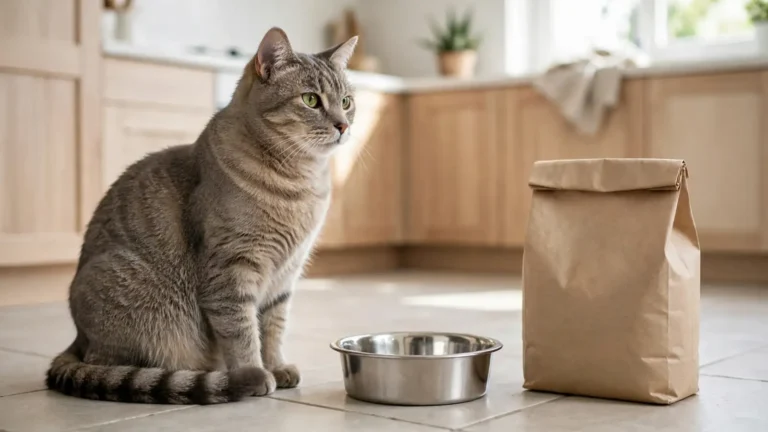
- Stainless steel. Sturdy, lightweight, and cost effective, with food contact safety you can trust. It resists odors, survives drops, and washes well. For many homes, stainless steel is the default pick for the best cat bowl.
- Ceramic. Sold in many shapes and colors, heavy enough to resist tipping, and it can go through the dishwasher for very hot cleaning. Choose ceramic certified as food safe, and retire any piece that chips.
- Glass. Sturdy and simple to clean, with no concerns about coatings or linings. The one drawback is breakage, which is a safety risk on hard floors and around skittish cats.
If you are replacing an old set today, stainless steel or ceramic gives the best mix of safety, durability, and easy cleaning. Keep one plastic dish as a backup for travel, and reserve the good dishes for daily meals.

Choosing the Right Size and Shape
Whiskers are sensory tools, and a bowl that fights them can turn a cat off dinner.
Shallow dishes suit breeds with flat faces, such as Persians, who struggle to reach into deep bowls. A wide mouth also keeps food spread out instead of piled in a tall heap that collapses as the cat eats.
Whisker fatigue comes up in every discussion of bowl shape. The theory says sensitive whiskers brushing the sides of a deep bowl can irritate a cat enough to change eating habits. A recent study found no consistent differences between bowl shapes and no clear evidence of whisker fatigue, so the science is still out.
Behaviorists suggest offering different sizes and shapes if eating problems appear. Try a wide shallow plate next to the usual dish and let the cat vote with its appetite. Picking the best cat bowl sometimes means testing two or three before one clearly wins.
Where to Place Cat Bowls
Location changes everything. A great dish in a bad spot still gets ignored.
Many cats dislike food and water placed near each other, and they dislike both near a litter box. That makes sense from a survival view. Food near waste smells wrong, and standing water near food can signal contamination to a wary animal. Choosing the best cat bowl also means thinking about where it lives.
Give each cat its own food dish and set out several water dishes around the home. Choose quiet areas away from foot traffic and other pets, where cats can see their surroundings while they eat. Avoid corners and tight spaces that leave a cat feeling trapped, since a nervous eater will simply walk away.
Cleaning and Maintaining Cat Bowls
A dirty dish grows bacteria fast, and cats notice the smell before you do.
Wash food and water dishes daily, ideally after each meal. Dishwasher cycles and hot water leave lower bacterial counts than hand washing with cold or lukewarm water. If you wash by hand, use the hottest water you can handle and let dishes air dry fully.
Replace chipped or cracked dishes promptly. Cracks harbor bacteria that scrubbing cannot reach, and chipped glaze on ceramic can expose the material underneath. A fresh dish is cheap insurance for the feeding setup you have built around the best cat bowl your cat loves.
FAQs About the Best Cat Bowl
How often should I wash my cat’s food and water dishes?
Wash them every day, and rinse the water dish each time you refill it. Daily washing with hot water or a dishwasher cycle keeps bacterial counts low and keeps the dishes smelling fresh to a sensitive nose.
Is plastic really bad for cats?
Plastic is not toxic in normal use, but it is linked to chin acne and mouth inflammation in some cats. If you notice redness or black specks on the chin, switch to stainless steel or ceramic and see if the skin clears.
Do raised bowls help all cats?
They help most with cats that have neck or back pain, since the raised height removes the strain of reaching down. Healthy young cats usually eat fine from floor level dishes.
Should food and water dishes sit side by side?
Most cats prefer them apart. Place water dishes in a few spots around the home, away from both the food and the litter box, and many cats will drink more.
When should I replace a cat dish?
Replace any dish that is chipped, cracked, or deeply scratched. Damage harbors bacteria that washing cannot remove, so a fresh dish protects your cat’s health.
Can one dish work for several cats?
Each cat should have its own food dish to reduce tension and guard against one cat blocking another from meals. Set out several water dishes too, spread through the home.
Finding the Right Dish for Your Cat
Finding the best cat bowl is less about the fanciest design and more about watching your cat. Notice which dish gets finished, which one gets pawed at, and where your cat prefers to eat and drink. Small adjustments to material, shape, and placement often fix the exact problems that look like pickiness.
Ready to keep improving mealtime? Explore more feeding guides to learn about portion sizes, food types, and hydration habits that keep cats healthy and happy.
Related Feeding Guides
Keep exploring what cats can and cannot eat:
Keep Exploring
Browse the full A to Z dog breed collection to find your perfect match, or explore more cat breed guides.