
Golden Retriever Dog Breed Guide
Golden Retriever: the friendly, devoted family dog
The friendly, devoted family dog that has topped popularity charts for decades. Personality, care, and health in one complete guide.
By Emily Carter · Reviewed by our vet team · Updated 22 October 2026 · 8 min read
Lifespan 10–12 yrsWeight 55–75 lbFriendly & devoted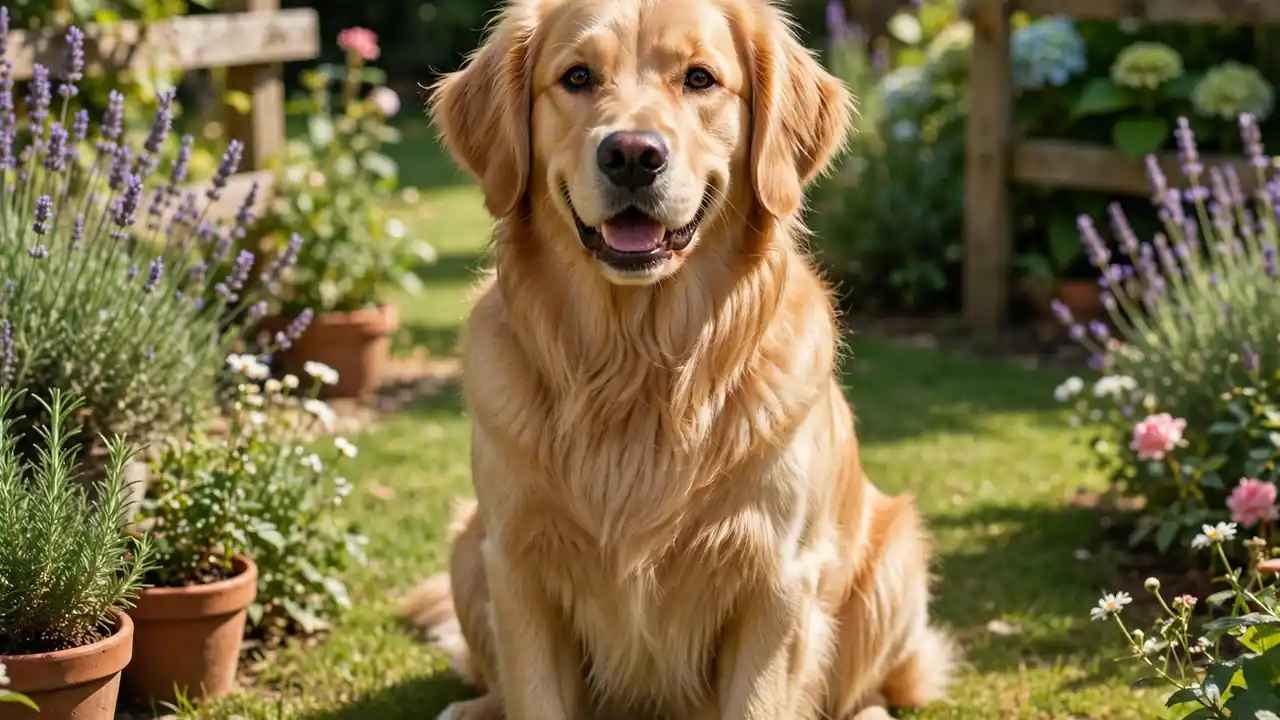
Golden Retriever dog is the friendly, devoted family dog that has topped popularity charts for decades. Here is what matters before you bring one home.
At a Glance
Size and Weight
Medium-large and solid. Here are the numbers. The Golden Retriever dog is medium-large and solid.
Males stand 23 to 24 inches and weigh 65 to 75 pounds; females are 21 to 22 inches and 55 to 65 pounds. The build is balanced and athletic, made for retrieving work.
Puppies grow fast and stay puppyish for two years or more. The Golden Retriever dog stays puppyish for two years or more.
Coat and Colors
The glorious golden coat. Here is what to expect.
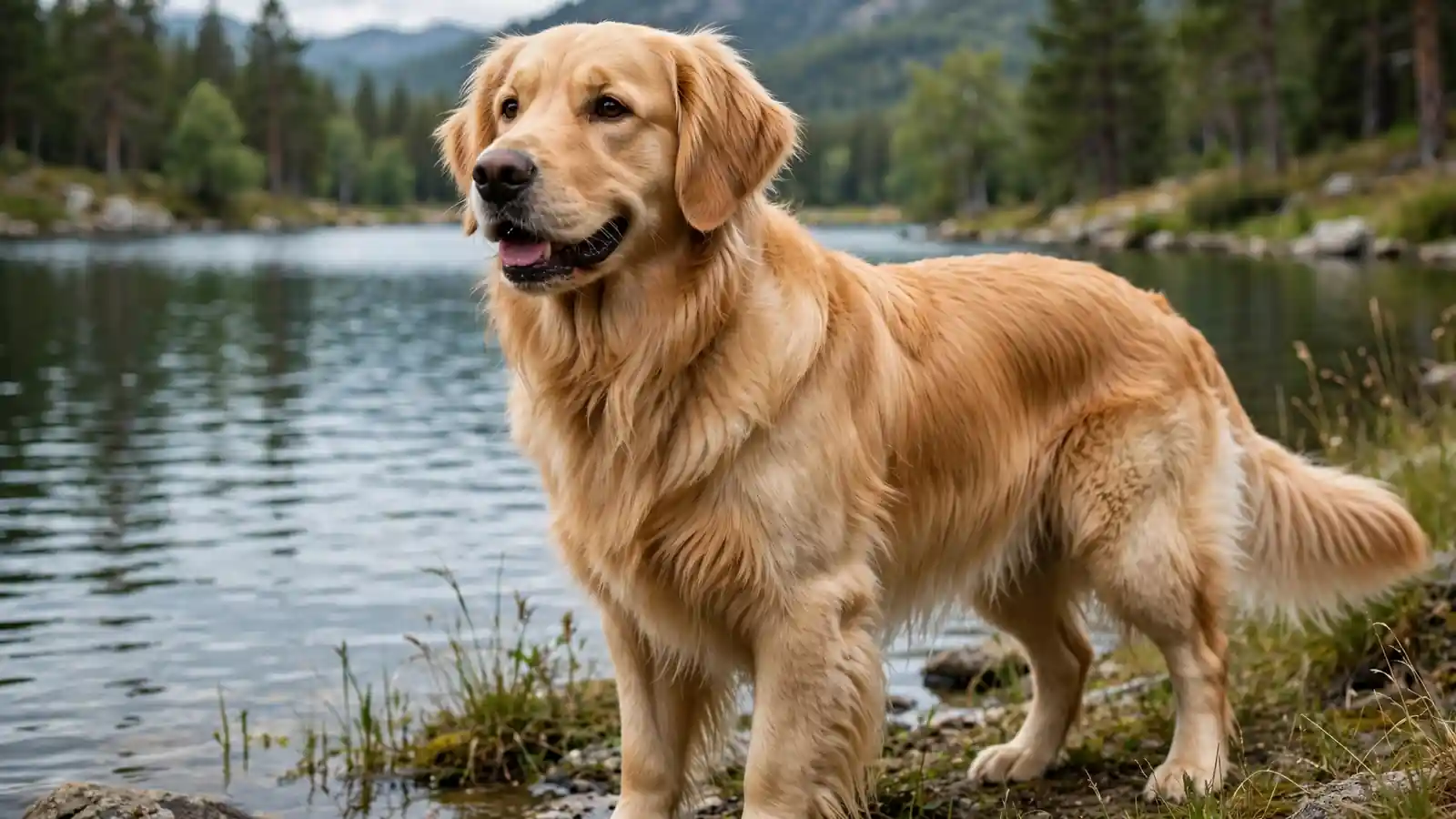
A dense, water-resistant double coat in shades from cream to deep gold. Feathering on the legs, chest, and tail. Shedding is heavy year-round with seasonal heavier periods; Golden hair is a condiment in most owners’ homes. The Golden Retriever dog wears a dense, water-resistant double coat in shades from cream to deep gold.
Weekly brushing minimum; daily during shedding season.


History and Origins
In the 1800s, Dudley Marjoribanks (Lord Tweedmouth) developed the breed at his Guisachan estate, crossing wavy-coated retrievers with Tweed Water Spaniels and others.
The goal was the perfect gundog: soft-mouthed, intelligent, and tireless.
They became beloved family dogs worldwide, famous for the friendly temperament that made them ideal companions.
Bred in Scotland for retrieving waterfowl. Here is the story. The Golden Retriever dog was bred in Scotland for retrieving waterfowl.
In the 1800s, Dudley Marjoribanks (Lord Tweedmouth) developed the breed at his Guisachan estate, crossing wavy-coated retrievers with Tweed Water Spaniels and others to create the perfect gundog: soft-mouthed, intelligent, and tireless.
They became beloved family dogs worldwide, famous for the friendly temperament that made them ideal companions.
Physical Characteristics
Balanced and beautiful. Here is the structure.
Well-proportioned body with a deep chest and strong legs. The head is broad with a friendly expression and kind eyes. The tail is carried happily with a merry wag.
Everything about the Golden says approachable and athletic.
Golden Retriever Personality and Behavior
The friendliest dog in the room. Here is the honest picture.
Goldens are famously friendly, devoted, and eager to please. They love everyone: family, strangers, other dogs. They are intelligent and highly trainable, excelling at obedience and service work. They are patient with children and famously gentle. The Golden Retriever dog is famously friendly, devoted, and eager to please.
The main cautions are exuberance (an untrained young Golden is a 70-pound bulldozer of joy) and the need for companionship; they hate being alone. They mature slowly and stay puppyish for years.
Owners consistently describe the Golden as friendly, devoted, and intelligent. In practice, owners report that the breed’s loving nature is the main reason they recommend it to families of all kinds.
The friendliest dog in the room is exactly right. The Golden Retriever dog is friendly, devoted, and eager to please, loving everyone from family to strangers to other dogs, with the intelligence and trainability that make obedience and service work a natural fit. The retrieving heritage shows in the soft mouth and the joy of carrying things, and the patience with children is genuine.
The honest cautions are exuberance and companionship needs. An untrained young Golden is a 70-pound bulldozer of joy, and a dog that hates being alone does best in a household where someone is usually around. Slow maturity means the puppyish years last longer than with many breeds, and owners who train early usually get the calmest version of the breed.
Famously friendly, devoted, and eager to please, loving everyone: family, strangers, other dogs.
Intelligent and highly trainable, excelling at obedience and service work, and famously gentle with children.
They mature slowly; an untrained youngster is a 70-pound bulldozer of joy, and they hate being alone.
- Among the best family dogs in existence
- Among the easiest breeds to train
- Friendly with literally everyone
- Cancer is the leading cause of death
- Heavy shedding year-round
- Needs companionship; hates being alone
Care Essentials
Two measured meals a day, treats counted. These dogs gain weight easily and obesity worsens joint and health problems; large-breed puppy food controls growth rate in youngsters.
Brush two to three times a week, daily during shedding season. Bathe as needed, trim nails, clean the drop ears regularly, brush teeth.
60 minutes or more of activity daily: fetch, swimming, hiking and play. They love water and retrieving games.
Indoors with its people, wanting to be with them constantly. Teach appropriate chewing early and provide plenty of toys; they are mouthy by breeding.
Exercise, training, and togetherness. Here is the daily reality.
Goldens need 60 minutes or more of daily exercise: walks, fetch, swimming. They are indoor family dogs who want to be with their people constantly. Training is a joy because they want to please. The Golden Retriever dog needs 60 minutes or more of daily exercise.
They are mouthy by breeding; teach appropriate chewing early and provide plenty of toys.
A typical day runs on exercise, training, and togetherness. Sixty minutes or more of walks, fetch, and swimming cover the activity, and the indoor family dog that results wants to be with its people constantly. Mouthiness by breeding needs early teaching of appropriate chewing, with plenty of toys to carry, since a Golden with a job for its mouth is usually a calmer dog.
Nutrition and Diet
Hearty appetites, watch the weight. Here is the plan.
Feed a measured, high-quality diet in two meals a day. Goldens gain weight easily and obesity worsens joint and health problems. Count treats. The Golden Retriever dog needs a measured, high-quality diet in two meals a day.
Large-breed puppy food controls growth rate in youngsters. Ask your vet for target weight.
Feeding needs a watchful eye. A measured, high-quality diet in two meals suits the hearty appetite, and counting treats matters, since Goldens gain weight easily and obesity worsens joint and health problems. Large-breed puppy food controls growth in youngsters, and asking the vet for a target weight keeps owners strict.

Grooming
The price of the beautiful coat. Here is the routine.
Brush two to three times a week; daily during shedding season. Bathe as needed. Trim nails, clean ears (the drop ears need regular checks), brush teeth regularly. The Golden Retriever dog needs brushing two to three times a week.
The coat is the price of the beauty. Brushing two to three times a week covers the dense, water-resistant double coat, daily brushing during shedding season manages the heavy hair, and bathing comes as needed. Drop ears need regular checks, and nails and teeth follow the same routine, so the grooming session is frequent but straightforward.

Exercise and Enrichment
High energy with retrieving drive. Here is the plan.
Aim for 60 minutes or more of activity daily: fetch, swimming, hiking, play. They love water and retrieving games. Mental work through training keeps the clever mind happy. The Golden Retriever dog needs 60 minutes or more of activity daily.
Exercise is retrieving above all. Sixty minutes or more of fetch, swimming, hiking, and play cover the need, and water is the great love: a Golden that swims regularly is usually calmer and happier than one that only walks. Mental work through training keeps the clever mind happy, and retrieving games that use nose, body, and brain together suit this breed best.

Health
Goldens live 10 to 12 years. Here are the health issues to know.
Cancer is the leading cause of death, with hemangiosarcoma and lymphoma seen too often. Hip and elbow dysplasia occur; choose screened breeders. Heart conditions (subvalvular aortic stenosis) and eye conditions occur. Skin allergies appear in some lines. The Golden Retriever dog faces cancer as its leading cause of death.
Schedule annual wellness exams, or twice-yearly exams for adults given the cancer risk, and ask your vet about screening for conditions the breed can be prone to, such as hip dysplasia and heart disease. Consult your veterinarian promptly if you notice lumps, or changes in appetite, weight, or energy. For general background, see the Golden Retriever article on Wikipedia.
Health care follows the familiar rhythm with joint, heart, and cancer vigilance in focus. Annual exams, twice-yearly exams for adults given the cancer risk, and screening for hip dysplasia and heart disease cover the ground the guide names, and breeders who screen hips, elbows, heart, and eyes and track cancer in their lines are worth seeking out. Day to day, lumps, limping, and changes in appetite, weight, or energy deserve a prompt vet call.
The leading cause of death, with hemangiosarcoma and lymphoma seen too often. Choose breeders who track cancer in their lines.
Both occur; choose screened breeders.
Subvalvular aortic stenosis and eye conditions occur, and skin allergies appear in some lines.
Indoor and Outdoor Living
Indoor family dog, outdoor athlete. Here is the balance. The Golden Retriever dog is an indoor family dog and outdoor athlete.
Goldens live indoors with their families and exercise outdoors. They love water and handle most climates with the dense coat. A fenced yard is great for play.
Indoor living with outdoor athletics defines the arrangement. The breed lives indoors with its family and exercises outdoors, loving water and handling most climates with the dense coat, and a fenced yard is great for play. A home near water is a bonus, not a requirement, but a home without daily outdoor time is a poor fit for a dog this active.

Family Suitability
Among the best family dogs in existence. Here is the picture.
Patient and gentle with children of all ages, friendly with strangers, good with other dogs and usually with cats. There is hardly a household a Golden does not fit, provided the exercise needs are met.
With families, the fit is nearly universal. The breed is among the best family dogs in existence: patient and gentle with children of all ages, friendly with strangers, and good with other dogs and usually with cats, with hardly a household it does not fit, provided the exercise needs are met. The Golden Retriever dog’s friendly, devoted character shows best in active households that welcome a large, enthusiastic friend.
Finding a Breeder or Rescue
Health testing matters enormously. Here is how.
Good breeders screen hips, elbows, heart, and eyes, and track cancer in their lines. Golden rescues are full of wonderful dogs; the breed’s popularity means surrenders happen.
- Ask what health testing the breeder does on their dogs
- Ask to see the parents and the living conditions
- Puppies should be raised in a home environment
- A good breeder answers questions openly and asks you some too
Quick Quiz: Is a Golden Retriever Right for You?
Answer four questions. Tap yes or no.
Frequently Asked Questions
Are Golden Retrievers good family dogs?
Among the best in the world. They are patient, gentle, and loving with children.
How much exercise does a Golden Retriever need?
Sixty minutes or more of activity daily.
Do Golden Retrievers shed a lot?
Heavily, year-round. This is a high-shedding breed.
Are Golden Retrievers easy to train?
They are among the easiest breeds to train. They are eager to please and highly intelligent.
How long do Golden Retrievers live?
Typically 10 to 12 years.
Do Golden Retrievers bark a lot?
Moderately. They alert but are generally not nuisance barkers.
What do Golden owners say about living with the breed?
Owners consistently describe the Golden as friendly, devoted, and intelligent. In practice, owners report that the breed’s loving nature is the main reason they recommend it to families of all kinds.
When should I ask my vet about my Golden’s health?
Schedule annual wellness exams, or twice-yearly exams for adults given the cancer risk, and ask your vet about screening for conditions the breed can be prone to, such as hip dysplasia and heart disease. Consult your veterinarian promptly if you notice lumps, or changes in appetite, weight, or energy.
The Golden Retriever is the friendliest dog in the room and among the best family dogs in existence. Bring exercise, training and togetherness, and this devoted, eager companion will fit almost any household beautifully.
Similar Breeds Worth Exploring
Related Breed Guides
Keep Exploring
Browse all our Dog Breed Guides, try the Dog Age Calculator, or explore our Cat Breed Guides.