
German Shorthaired Pointer Dog Breed Guide
German Shorthaired Pointer: the ultimate versatile hunting dog
The ultimate versatile hunting dog: tireless, intelligent, and affectionate. Exercise, training, care, and health in one complete guide.
By Emily Carter · Reviewed by our vet team · Updated 22 October 2026 · 8 min read
Lifespan 10–14 yrsWeight 45–70 lbTireless & eager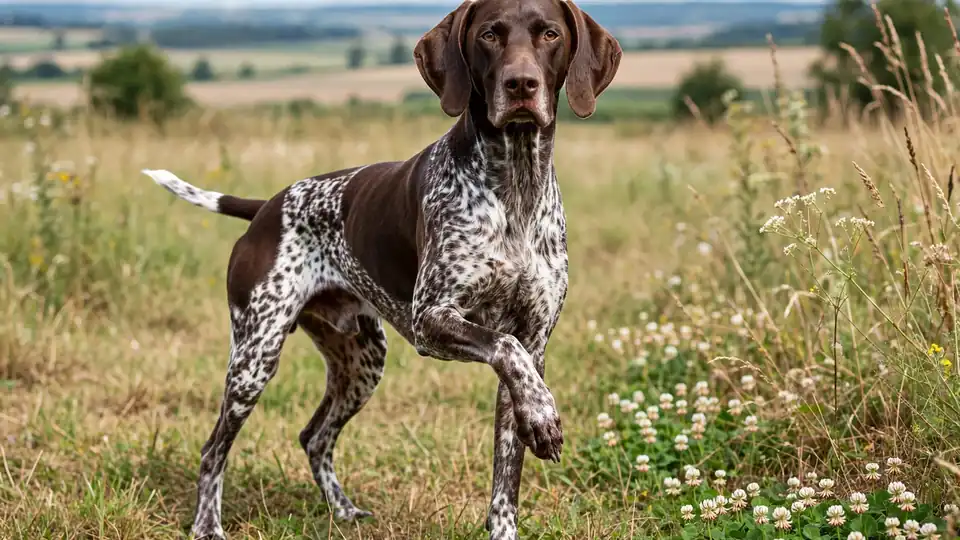
German Shorthaired Pointer dog is the ultimate versatile hunting dog: tireless, intelligent, and affectionate. Here is what matters before you commit.
At a Glance
Size and Weight
Medium-large and built for endurance. Here are the numbers. The German Shorthaired Pointer dog is medium-large and built for endurance.
Males stand 23 to 25 inches and weigh 55 to 70 pounds; females are 21 to 23 inches and 45 to 60 pounds. The build is lean, muscular, and noble.
They are bigger and more powerful than they look in photos. The German Shorthaired Pointer dog is bigger and more powerful than it looks in photos.
Coat and Colors
Short, sleek, and wash-and-wear. Here is what to expect.
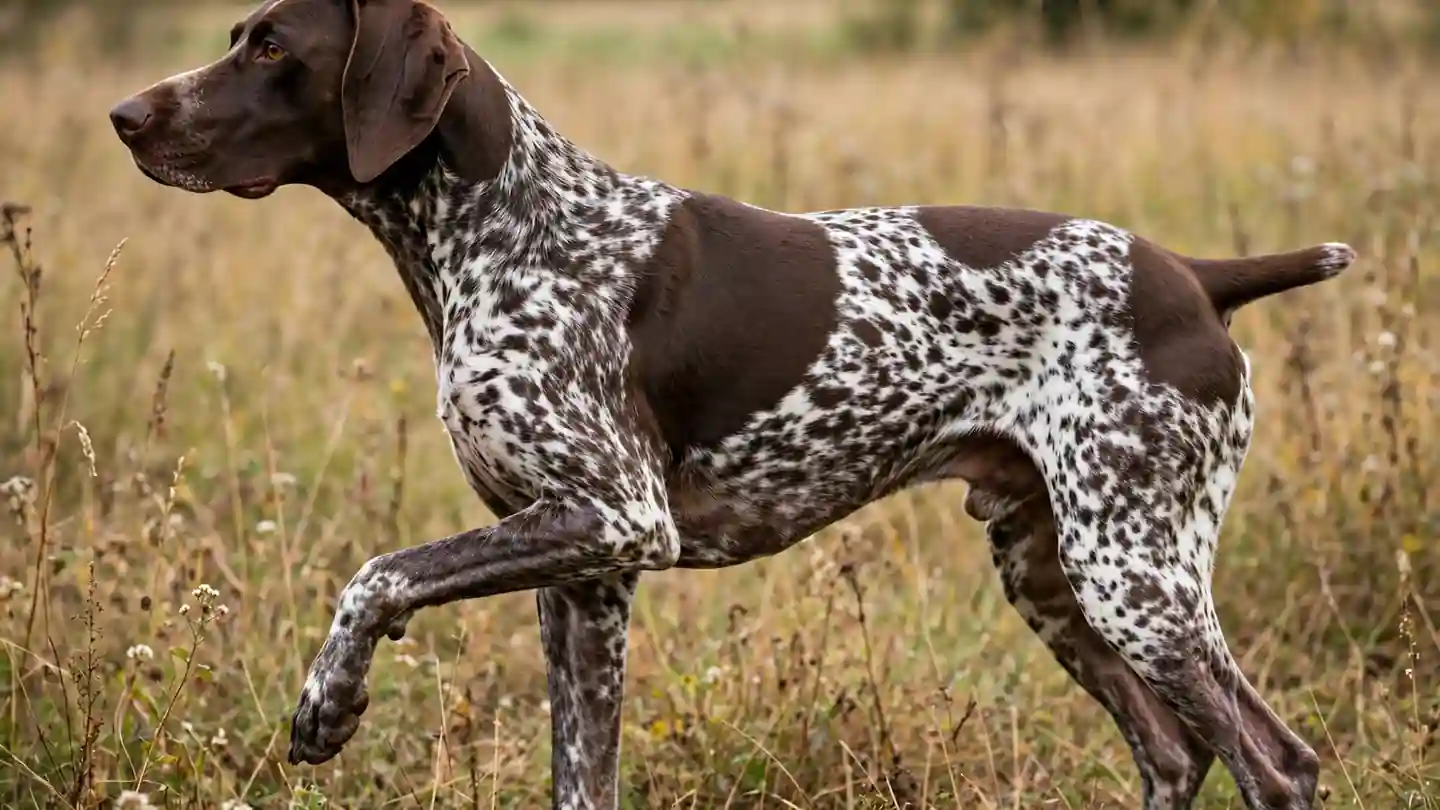
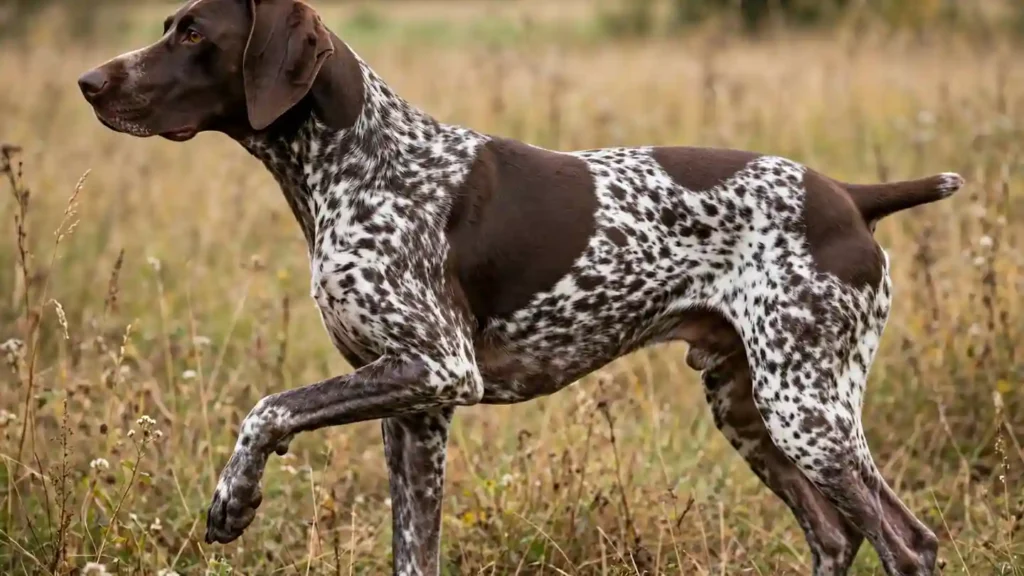
A short, thick, water-resistant coat in liver, liver and white ticked or patched, or liver roan. Shedding is moderate year-round. Grooming is minimal: weekly brushing. The German Shorthaired Pointer dog wears a short, thick, water-resistant coat in liver, liver and white ticked or patched, or liver roan.
The easy coat is one of the breed’s practical advantages.

History and Origins
German hunters wanted one dog that could point, retrieve on land and water, and track. The result was the versatile pointer that does it all.
The breed came to America after World War II and became a beloved sporting and family dog.
The hunting heritage is the whole temperament. This is a dog that must run and work.
Bred in 19th-century Germany as the all-purpose hunting dog. Here is the story. The German Shorthaired Pointer dog was bred in 19th-century Germany as the all-purpose hunting dog.
German hunters wanted one dog that could point, retrieve on land and water, and track. The result was the versatile pointer that does it all. The breed came to America after World War II and became a beloved sporting and family dog.
The hunting heritage is the whole temperament. This is a dog that must run and work.
Physical Characteristics
An athlete in every line. Here is the structure.
Balanced, muscular body with a deep chest and strong legs. The head is noble with an intelligent expression. The tail is traditionally docked. Everything says stamina and speed.
German Shorthaired Pointer Personality and Behavior
A tireless enthusiast who loves its people. Here is the honest picture.
German Shorthaired Pointers are famously energetic, intelligent, and affectionate. They bond deeply with their families and are enthusiastic about everything: walks, games, training, life. They are friendly with people and usually good with other dogs. The German Shorthaired Pointer dog is famously energetic, intelligent, and affectionate.
The energy is extreme. This is one of the highest-energy breeds in existence, and under-exercised German Shorthaired Pointers are famously destructive. They need to run, really run, every single day. They can be exuberant and puppyish for years.
Owners consistently describe the GSP as energetic, smart, and affectionate. In practice, owners report that the breed’s joyful athleticism is the main reason they recommend it only to highly active owners.
A tireless enthusiast who loves its people is exactly right. The German Shorthaired Pointer dog is energetic, intelligent, and affectionate, bonding deeply with its family and enthusiastic about everything: walks, games, training, life. The all-purpose hunting heritage shows in the versatility: one dog that points, retrieves on land and water, and tracks.
The extreme energy sets the conditions. One of the highest-energy breeds in existence, the dog needs to run, really run, every single day, and under-exercised dogs are famously destructive. Exuberance and puppyish enthusiasm last a long time, so owners who provide real running daily usually get the joyful athlete instead of the household project.
Energetic, intelligent, and affectionate, enthusiastic about everything: walks, games, training, life.
One of the highest-energy breeds in existence; under-exercised dogs are famously destructive. They need to run, really run, every single day.
Friendly with people and usually good with other dogs, exuberant and puppyish for years.
- The ultimate versatile sporting partner
- Affectionate and joyful with family
- An easy wash-and-wear coat
- Needs 90+ minutes of hard running daily
- Destructive when under-exercised
- Exuberance can overwhelm small kids
Care Essentials
A high-quality diet for very active breeds, adjusted to actual workload, in two meals a day. Keep them lean and conditioned, not thin; the athletic build should show muscle, not ribs.
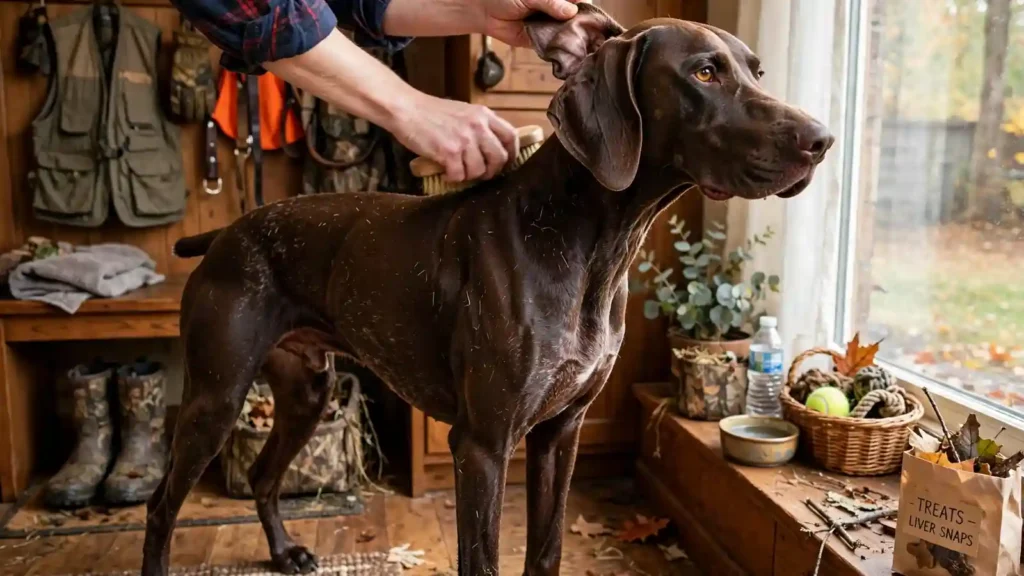
Weekly brushing, occasional baths, regular nail trims, ear checks and teeth brushing. Check ears after field work; debris and ticks hide there.
Ninety minutes or more of hard running daily is the baseline: off-leash running in safe areas, swimming and field work. A tired dog is a wonderful dog.
Indoors with family, wanting closeness. They do poorly as kennel dogs or with owners who work long hours.
Running is not optional. Here is the daily reality.
German Shorthaired Pointers need 90 minutes or more of vigorous exercise daily: running, hiking, swimming, field work. A leashed walk does not count. They excel at hunt tests, agility, and dock diving. The German Shorthaired Pointer dog needs 90 minutes or more of vigorous exercise daily.
They are indoor family dogs who want closeness. They do poorly as kennel dogs or with owners who work long hours.
A typical day runs on hard running plus closeness. Ninety minutes or more of vigorous exercise daily cover the need, with running, hiking, swimming, and field work all suited, and a leashed walk does not count. The indoor family dog that results wants closeness and does poorly as a kennel dog or with owners who work long hours.
Nutrition and Diet
High output needs serious fuel. Here is the plan.
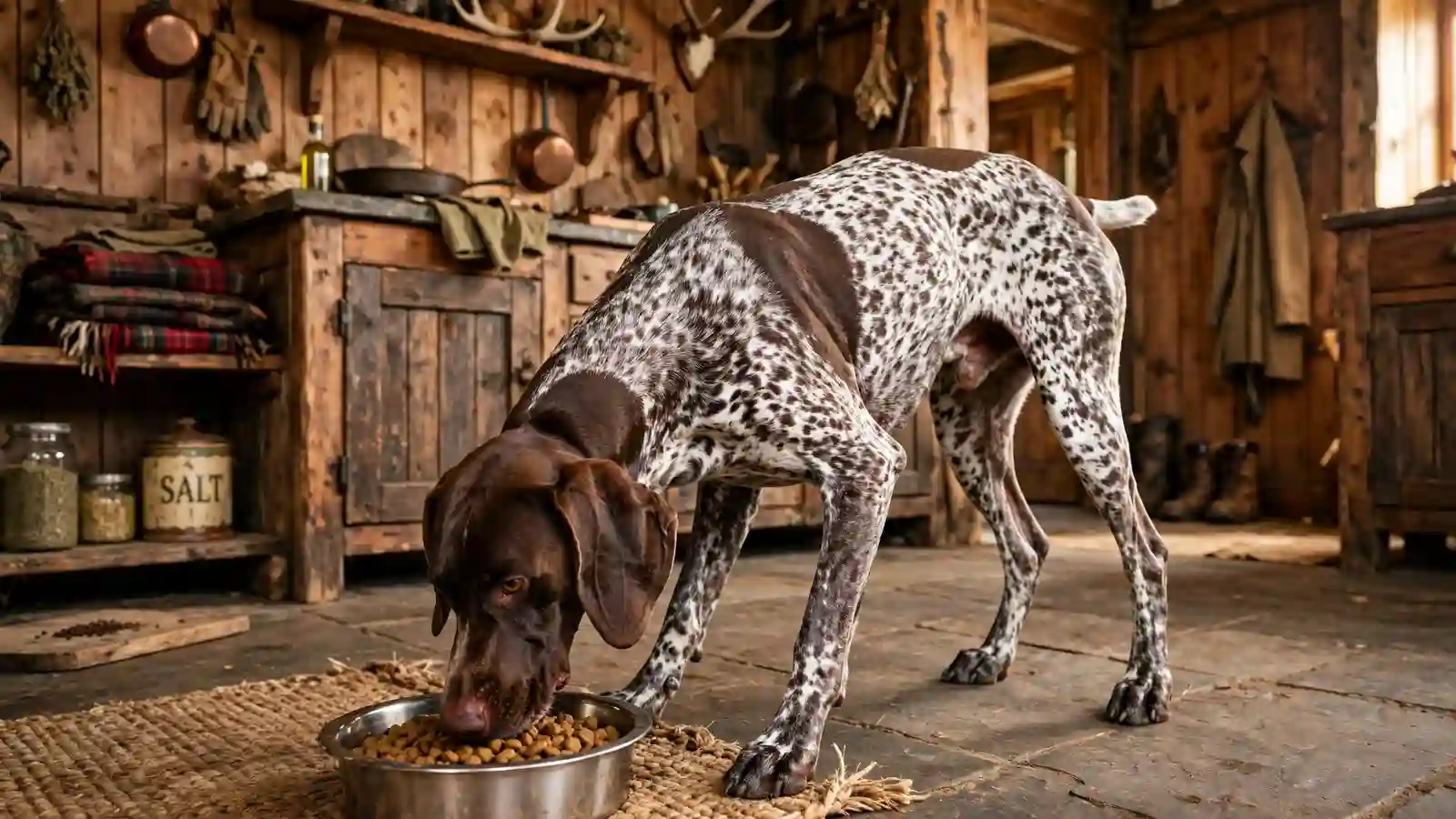
Feed a high-quality diet for very active breeds, adjusting to actual workload. Two meals a day. Active hunting dogs in season may need performance formulas; ask your vet. The German Shorthaired Pointer dog needs a high-quality diet for very active breeds in two meals a day.
Keep them lean and conditioned, not thin. The athletic build should show muscle, not ribs.
Feeding follows the workload. A high-quality diet for very active breeds, adjusted to actual workload, keeps the athlete lean and conditioned, not thin, with the build showing muscle, not ribs. Active hunting dogs in season may need performance formulas, and asking the vet keeps the fuel matched to the output.
Grooming
Minimal effort. Here is the routine.
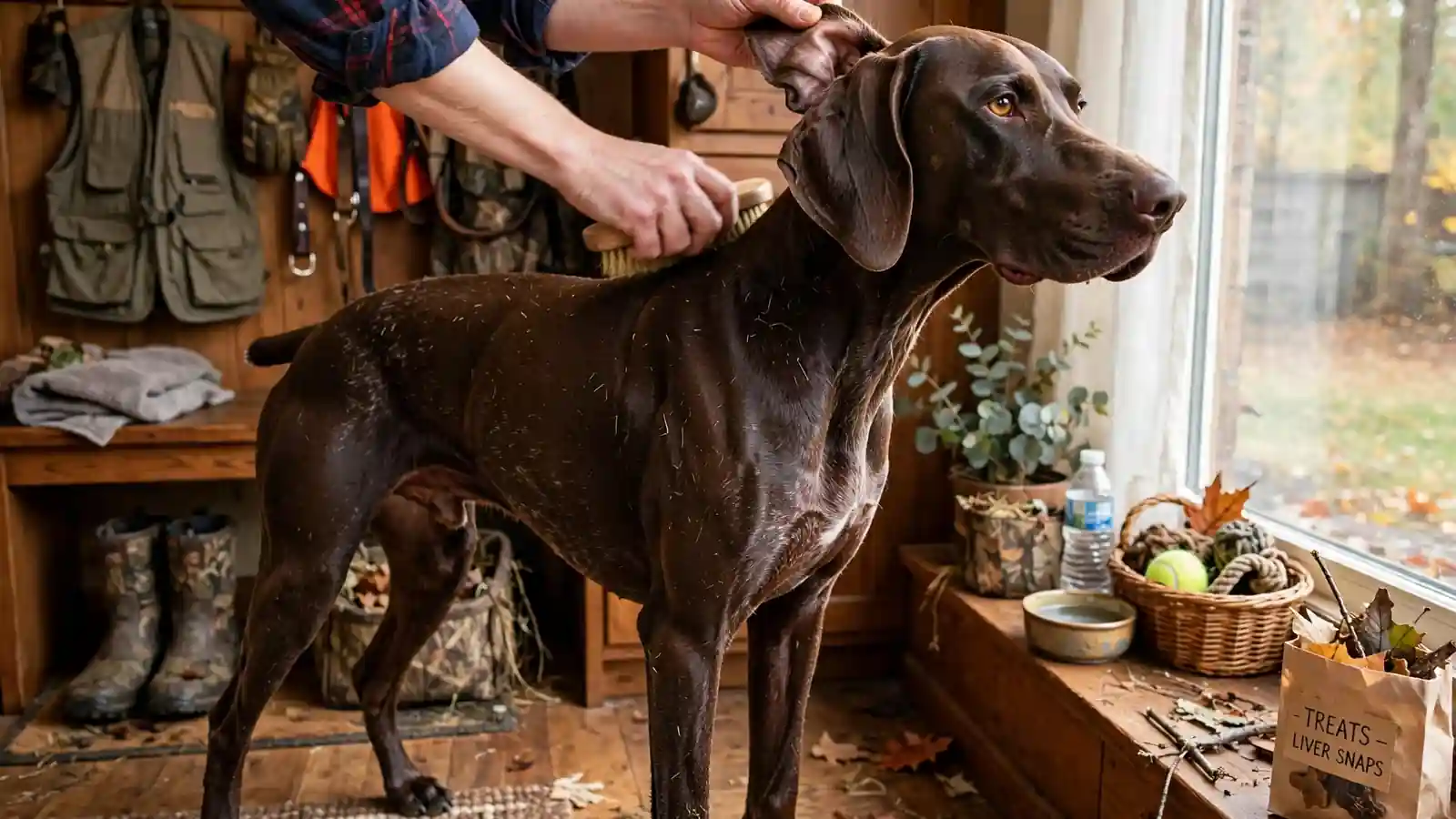
Weekly brushing, occasional baths, regular nail trims, ear checks, teeth brushing. The short coat is genuinely easy. The German Shorthaired Pointer dog needs weekly brushing, occasional baths, and regular ear checks.
Check ears after field work; debris and ticks hide there.
Grooming is minimal effort, as the guide says. Weekly brushing covers the short, thick, water-resistant coat, occasional baths come as needed, and the same session covers nails, ears, and teeth. Check ears after field work, since debris and ticks hide there, and the easy coat is one of the breed’s practical advantages.
Exercise and Enrichment
Extreme energy is the defining trait. Here is the plan.
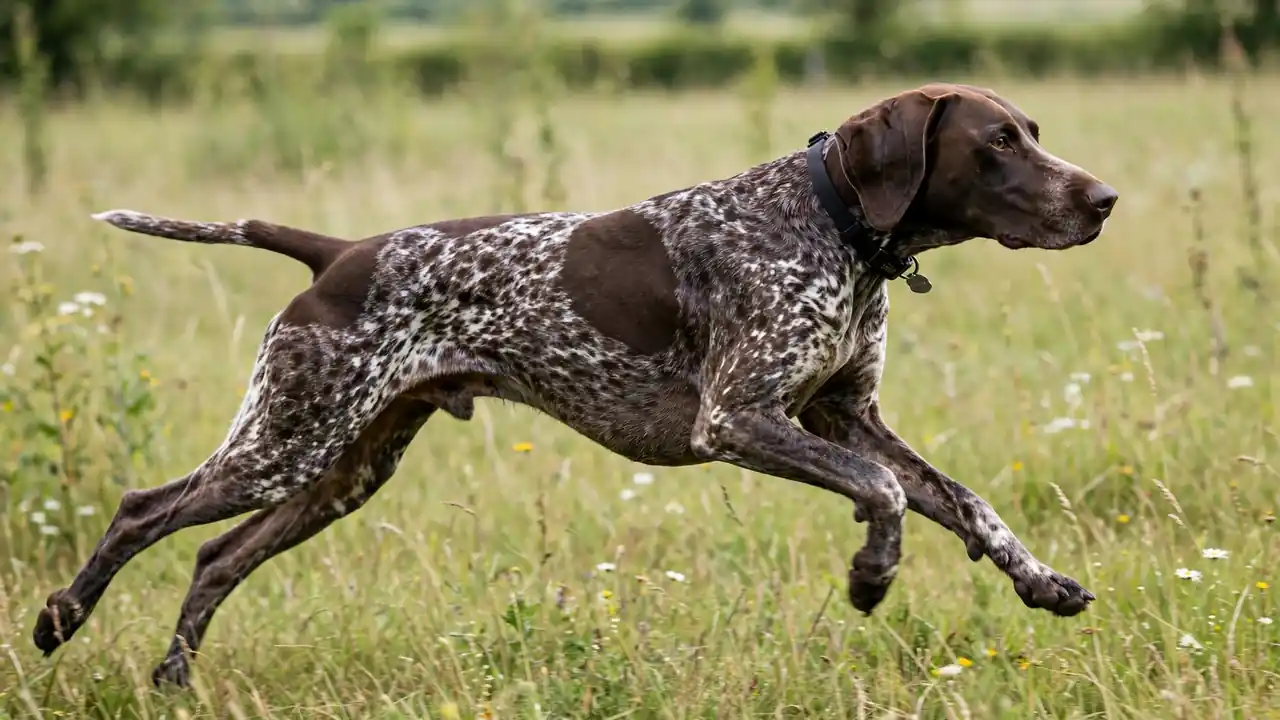
Ninety minutes or more of hard running daily is the baseline for most individuals. Off-leash running in safe areas, swimming, and field work suit the breed. Mental work through training and nose games helps. The German Shorthaired Pointer dog needs 90 minutes or more of hard running daily.
A tired GSP is a wonderful GSP. Anything less than tired is a project.
Exercise is extreme and non-negotiable. Ninety minutes or more of hard running daily is the baseline for most individuals, with off-leash running in safe areas, swimming, and field work all suited, plus mental work through training and nose games. A tired dog is a wonderful dog, and anything less than tired is a project, as the guide says.
Health
GSPs live 10 to 14 years. Here are the health issues to know.
Hip dysplasia occurs; choose screened breeders. Bloat is a risk in this deep-chested breed. Von Willebrand’s disease appears in some lines. Eye conditions occur occasionally. The German Shorthaired Pointer dog faces hip dysplasia and bloat as its top health concerns.
Schedule annual wellness exams, or twice-yearly exams for seniors, and ask your vet about screening for conditions the breed can be prone to, such as hip dysplasia. Consult your veterinarian promptly if you notice restlessness with a swollen belly, or changes in appetite, weight, or energy. For general background, see the German Shorthaired Pointer article on Wikipedia.
Health care follows the familiar rhythm with joint screening in focus. Annual exams, twice-yearly exams for seniors, and screening for hip dysplasia cover the ground the guide names, and breeders who health-test hips, eyes, heart, and Von Willebrand’s and prove dogs in the field or sport are worth seeking out. Day to day, restlessness, pacing, and changes in appetite, weight, or energy deserve a prompt vet call.
Occurs in the breed; choose screened breeders.
A risk in this deep-chested breed; know the symptoms and act fast.
Von Willebrand’s disease appears in some lines, and eye conditions occur occasionally.
Indoor and Outdoor Living
Indoor companion, outdoor athlete. Here is the balance. The German Shorthaired Pointer dog is an indoor companion and outdoor athlete.
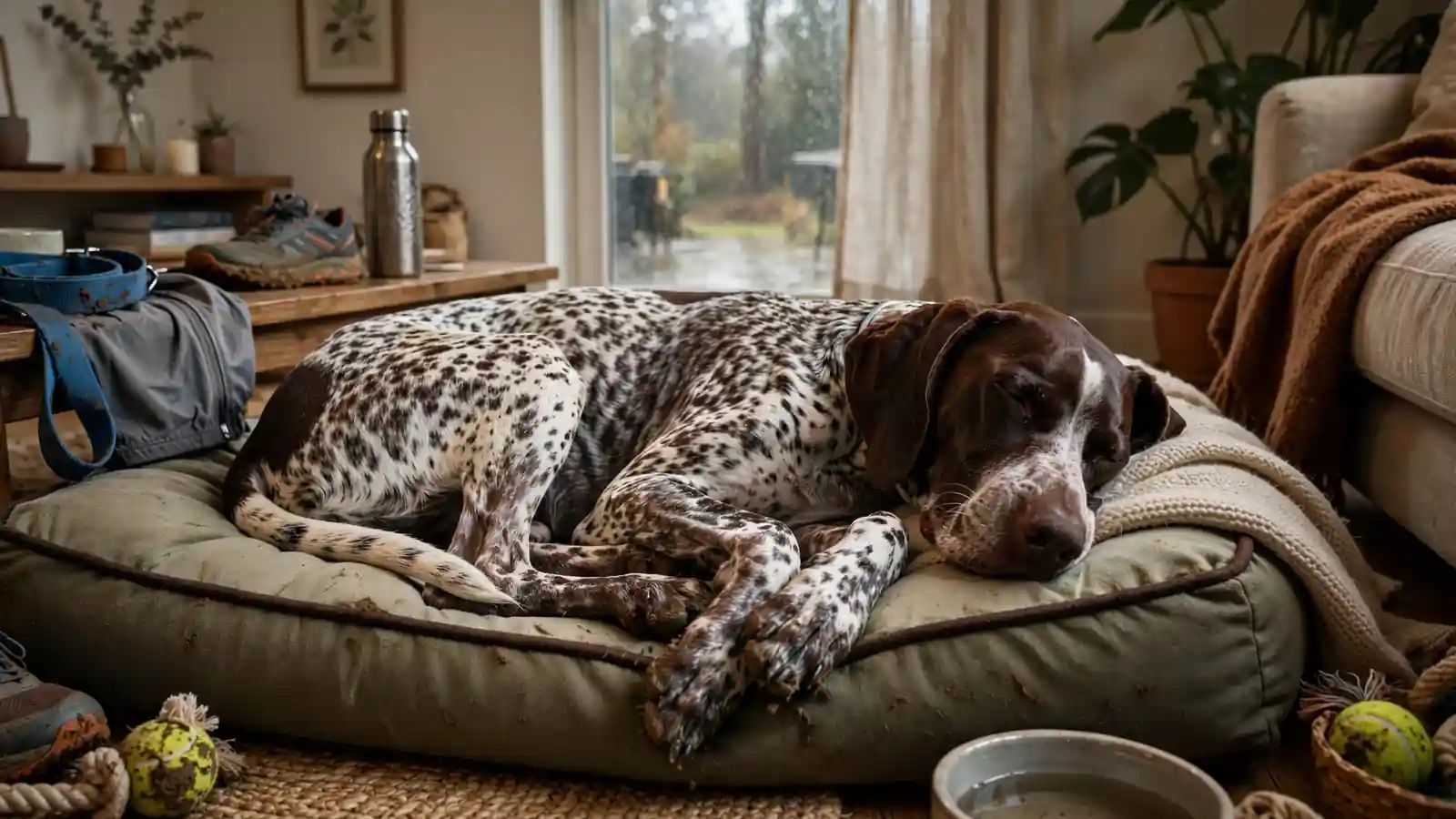
GSPs live indoors with their families and exercise outdoors hard. They handle moderate climates; the short coat means they feel the cold. A fenced yard helps but never replaces real running.
Indoor living as a companion defines the arrangement. The breed lives indoors with its family and exercises outdoors hard, handling moderate climates while feeling the cold with its short coat. A fenced yard helps but never replaces real running, which is the one condition that decides whether this breed fits a home.
Family Suitability
Wonderful with active families. Here is the picture.
Affectionate and playful with children, good with other dogs. The exuberance can overwhelm small kids; training a calm greeting helps. They usually accept cats they are raised with, though the bird instinct needs management.
With families, activity leads and exuberance sets the limit. The breed is wonderful with active families: affectionate and playful with children, good with other dogs, and usually accepting of cats raised with it, though the bird instinct needs management. Exuberance can overwhelm small kids, and training a calm greeting helps, and the German Shorthaired Pointer dog’s joyful athleticism shows best in highly active homes.
Finding a Breeder or Rescue
Field versus show lines differ. Know what you need.
Field lines are more intense; show lines are calmer. Good breeders health-test (hips, eyes, heart, von Willebrand’s) and prove dogs in the field or sport. GSP rescues have wonderful dogs.
- Ask what health testing the breeder does on their dogs
- Ask to see the parents and the living conditions
- Puppies should be raised in a home environment
- A good breeder answers questions openly and asks you some too
Quick Quiz: Is a German Shorthaired Pointer Right for You?
Answer four questions. Tap yes or no.
Frequently Asked Questions
Are German Shorthaired Pointers good family dogs?
They are wonderful for highly active families. They are affectionate and playful.
How much exercise does a GSP need?
Ninety minutes or more of vigorous running daily. This is an extreme-energy breed.
Do GSPs shed a lot?
Moderately year-round. The short coat makes it manageable.
Are GSPs easy to train?
They are smart and eager, but the energy and independence need channeling. Consistent training works well.
How long do German Shorthaired Pointers live?
Typically 10 to 14 years.
Can GSPs live in apartments?
It is very difficult. They need space and massive exercise.
What do GSP owners say about living with the breed?
Owners consistently describe the GSP as energetic, smart, and affectionate. In practice, owners report that the breed’s joyful athleticism is the main reason they recommend it only to highly active owners.
When should I ask my vet about my GSP’s health?
Schedule annual wellness exams, or twice-yearly exams for seniors, and ask your vet about screening for conditions the breed can be prone to, such as hip dysplasia. Consult your veterinarian promptly if you notice restlessness with a swollen belly, or changes in appetite, weight, or energy.
The German Shorthaired Pointer is the ultimate versatile hunting dog: tireless, intelligent and joyful about everything. Give it real running and real work daily, and this affectionate athlete is a wonderful companion; give it less, and it becomes a project.
Similar Breeds Worth Exploring
Related Breed Guides
Keep Exploring
Browse all our Dog Breed Guides, try the Dog Age Calculator, or explore our Cat Breed Guides.