
Labrador Retriever Dog Breed Guide
Labrador Retriever: the world’s most popular dog
Friendly, outgoing, and endlessly enthusiastic — the world’s favorite family dog. Care, feeding, and health in one complete guide.
By Emily Carter · Reviewed by our vet team · Updated 22 October 2026 · 10 min read
Lifespan 10–14 yrs Weight 55–80 lb Friendly & eager
Labrador Retriever dog: Friendly, outgoing, and endlessly enthusiastic, the Labrador Retriever is the world’s most popular dog — and once you meet one, it is easy to see why.
Famously friendly and eager to please, Labradors love everyone, adore children, and are enthusiastic about life. They are intelligent and highly trainable, excelling as service dogs, search dogs, and gundogs. The Labrador Retriever dog loves everyone.
The honest cautions are exuberance, mouthiness, and the legendary food obsession. They mature slowly, stay puppyish for years, and hate being alone.
At a Glance
Size and Weight
Medium-large and solid: males stand 22 to 25 inches and weigh 65 to 80 pounds; females are 21 to 23 inches and 55 to 70 pounds. The Labrador Retriever dog is solid and athletic.
English (show) Labradors are stockier; American (field) Labradors are leaner and more athletic.
Coat and Colors
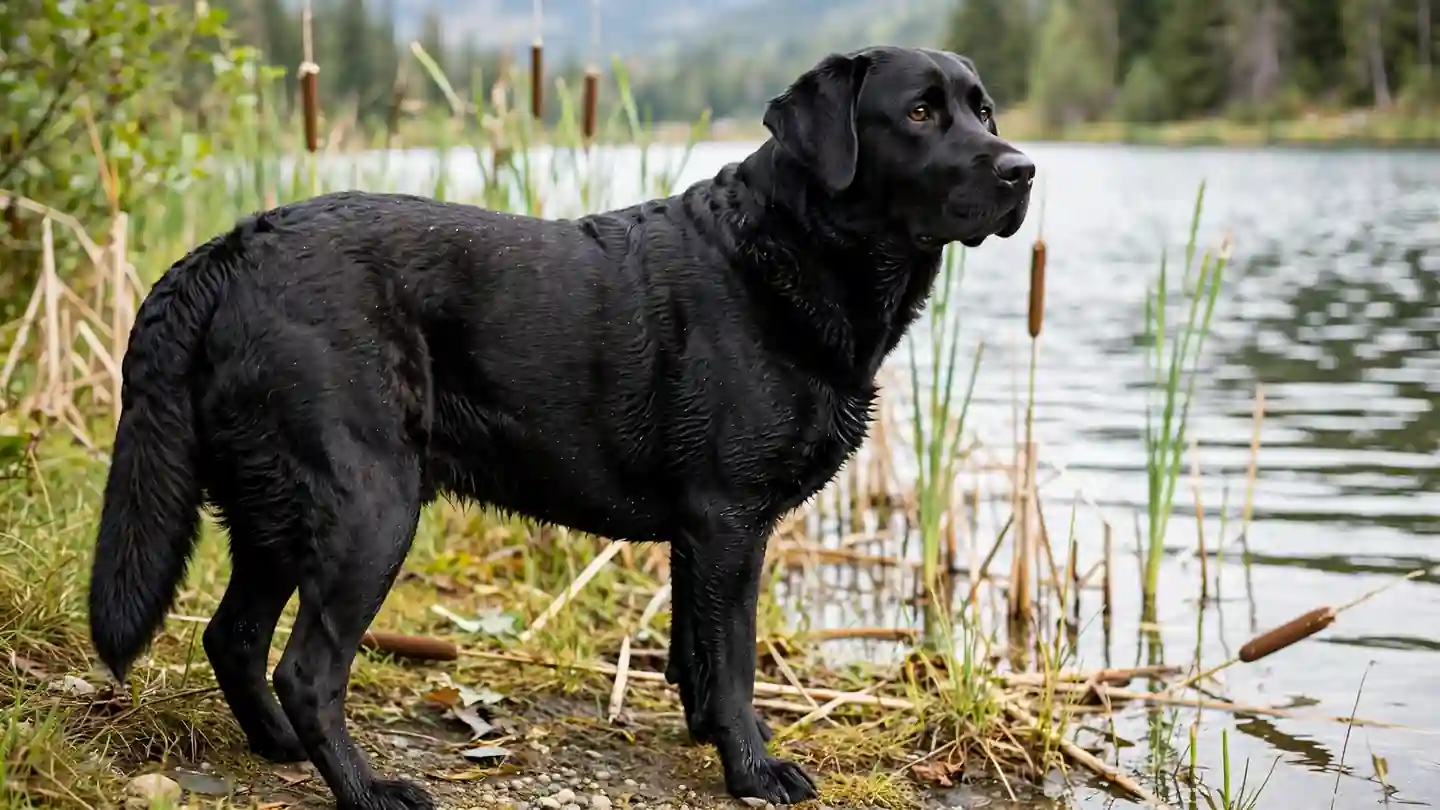
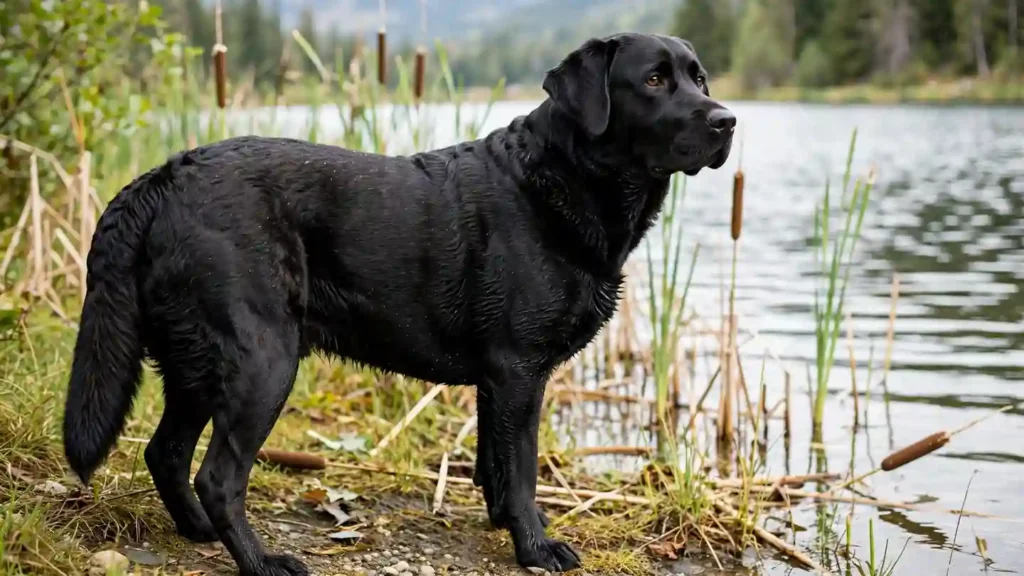
The wash-and-wear double coat: short, dense, and water-resistant, in black, yellow, or chocolate.
Shedding is heavy year-round with seasonal heavier periods; Labrador hair is a permanent fixture in owners’ homes.
Weekly brushing minimum; daily during shedding season.


History and Origins
Small water dogs in Newfoundland retrieved fishing nets and lines for the fishermen who worked those cold waters.
English sportsmen brought them to Britain in the 1800s and refined them into retrieving gundogs.
The breed’s biddable, friendly nature made it the global favorite family dog.
From Newfoundland fishing dogs to the world’s favorite: the retrieving and water heritage defines the temperament completely. The Labrador Retriever dog has a working heritage.
Physical Characteristics
Strong, athletic, and otter-tailed: a balanced, muscular body with a deep chest.
The head is broad with kind eyes and a famously friendly expression. The thick otter tail is the signature, used as a rudder when swimming.
Labrador Retriever Personality and Behavior
Friendliness as a lifestyle: famously friendly, outgoing, and eager to please. They love everyone, adore children, and are enthusiastic about life. The Labrador Retriever dog is famously friendly.
They are intelligent and highly trainable, excelling as service dogs, search dogs, and gundogs.
The cautions are exuberance — a young Lab is a large, joyful battering ram — mouthiness, and the legendary food obsession. They mature slowly and stay puppyish for years, and they hate being alone. Owners consistently describe the breed as friendly, outgoing, and eager, and its joyful nature is the main reason they recommend it to active families.
Friendliness as a lifestyle is exactly right. The Labrador Retriever dog loves everyone, adores children, and meets life with enthusiasm, and the intelligence behind the friendliness shows in service work, search work, and gundog work alike. The eager-to-please mind learns fast, and owners who channel it early usually get the most popular dog in the world at its best.
The honest cautions shape daily life. Exuberance makes a young Lab a large, joyful battering ram, mouthiness needs guidance from puppyhood, and the legendary food obsession needs management every single day. Slow maturity means the puppyish years last longer than with many breeds, and a Lab that hates being alone does best in a household where someone is usually around.
Strangers are simply friends they have not met yet.
Intelligent and biddable, they excel at everything from service work to gundog sports.
Young dogs are exuberant and mouthy, and they stay puppyish for years.
- Among the best family dogs in the world
- Friendly with strangers, dogs, and usually cats
- Intelligent and highly trainable
- Sheds heavily, year-round
- Food-obsessed — obesity is the breed’s great health enemy
- Exuberant, slow to mature, and hates being alone
Care Essentials
Exercise, training, and food management — that is the daily reality. Training is essential early; an untrained adolescent Lab is overwhelming. The Labrador Retriever dog needs daily exercise.
A typical day runs on exercise, training, and food management. Training is essential early, since an untrained adolescent Lab is overwhelming, and the daily reality is an active dog with a clever mind and an endless appetite. Given exercise, training, and measured meals, the indoor family dog that results is the friendly companion the breed is famous for.
Measured meals twice a day, puzzle feeders, and every treat counted. Food discipline is critical.
Brush two to three times a week, daily during shedding season; drop ears checked regularly.
60 minutes or more daily: walks, fetch, swimming, hiking, and play.
An indoor family home with constant companionship — this breed hates being alone.
Nutrition and Diet
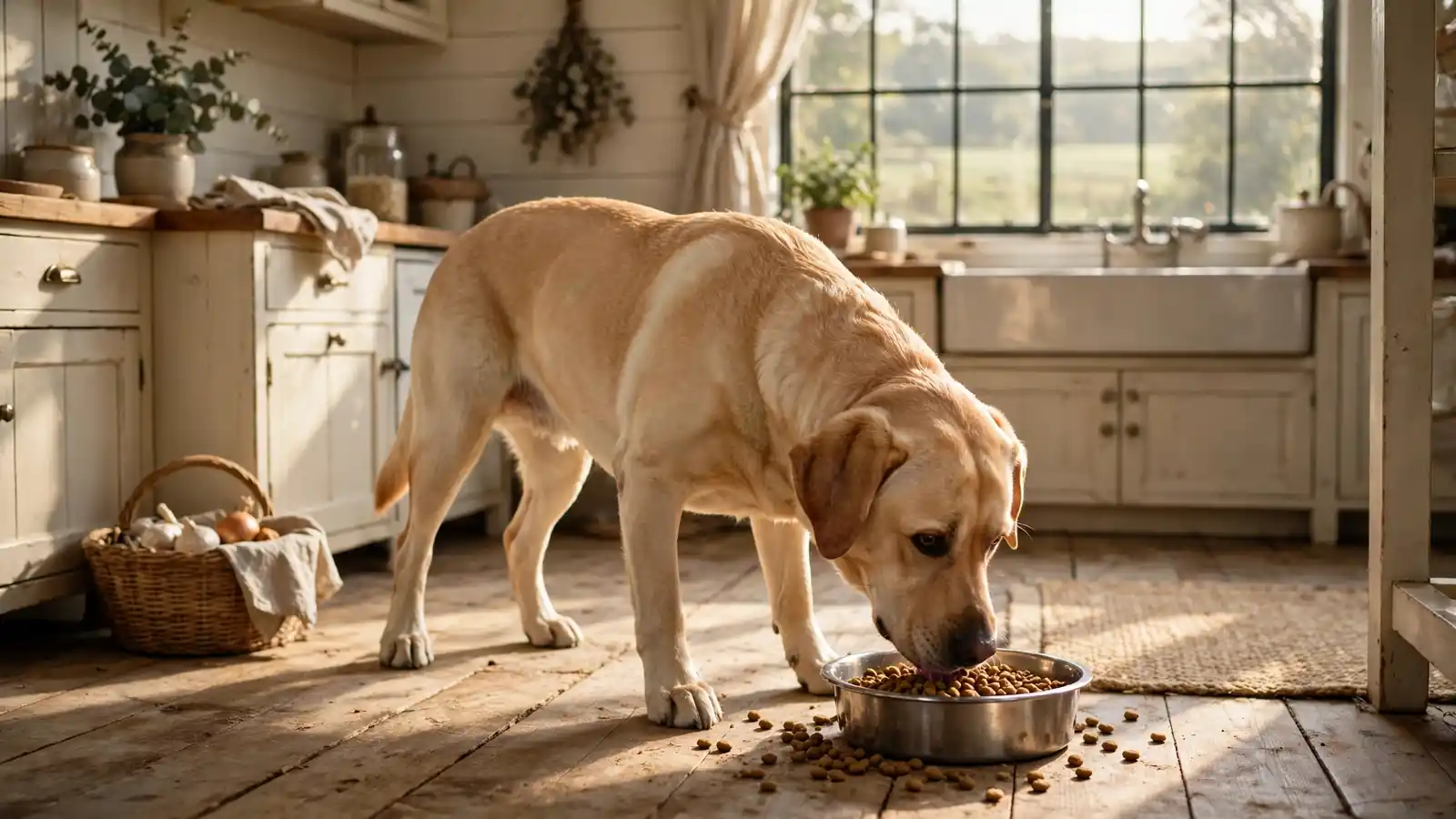
The food obsession is real: feed a measured, high-quality diet in two meals a day. The Labrador Retriever dog eats measured meals.
Labs gain weight notoriously easily; many will eat anything, anytime. Use puzzle feeders and count every treat.
Large-breed puppy food controls growth in youngsters. Ask your vet for target weight and be strict.
Feeding is management, not just meals. A measured, high-quality diet in two meals suits the food-obsessed Lab, puzzle feeders slow the eating and engage the mind, and every treat counts, since Labs gain weight notoriously easily and many will eat anything, anytime. Large-breed puppy food controls growth in youngsters, and asking the vet for a target weight keeps owners strict.
Grooming
Easy coat, endless hair: brush two to three times a week; daily during shedding season. The Labrador Retriever dog sheds heavily.
Bathe as needed. Trim nails, check ears (the drop ears need regular checks), brush teeth regularly.
The coat is easy and endless at once. Brushing two to three times a week covers the short, dense, water-resistant double coat, daily brushing during shedding season manages the heavy hair, and baths come as needed. Drop ears need regular checks, and nails and teeth follow the same routine, so the grooming session is short but frequent.

Exercise and Enrichment
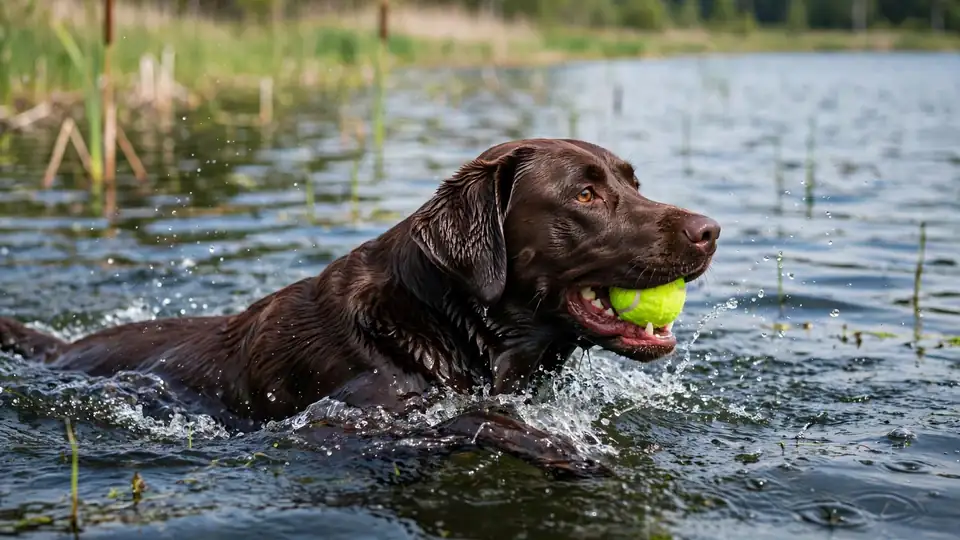
High energy with retrieving drive: aim for 60 minutes or more of activity daily — fetch, swimming, hiking, play. The Labrador Retriever dog loves to swim.
They love water above all. Mental work through training keeps the clever mind engaged.
Exercise is retrieving above all. Sixty minutes or more of fetch, swimming, hiking, and play cover the need, and water is the great love: a Lab that swims regularly is usually calmer and happier than one that only walks. Mental work through training keeps the clever mind engaged, and retrieving games that use nose, body, and brain together suit this breed best.
Health
Labradors live 10 to 14 years. Here are the health issues to know:
The top preventable problem. These dogs will eat until they burst, so food discipline is critical.
Hip and elbow dysplasia occur; choose screened breeders.
Appears in some lines; DNA testing exists.
Eye conditions such as progressive retinal atrophy occur.
Bloat is a risk in the breed.
Schedule annual wellness exams, or twice-yearly exams for seniors, and ask your vet about screening for conditions the breed can be prone to, such as hip and elbow dysplasia. Consult your veterinarian promptly if you notice collapse after exercise, or changes in appetite, weight, or energy. For general background, see the Wikipedia guide.
Health care follows the familiar rhythm with joint screening in focus. Annual exams, twice-yearly exams for seniors, and screening for hip and elbow dysplasia cover the ground the guide names, and the Labrador Retriever dog’s breeders should screen hips, elbows, eyes, and exercise-induced collapse DNA for the same reason. Day to day, collapse episodes, limping, and changes in appetite, weight, or energy deserve a prompt vet call.
Indoor and Outdoor Living
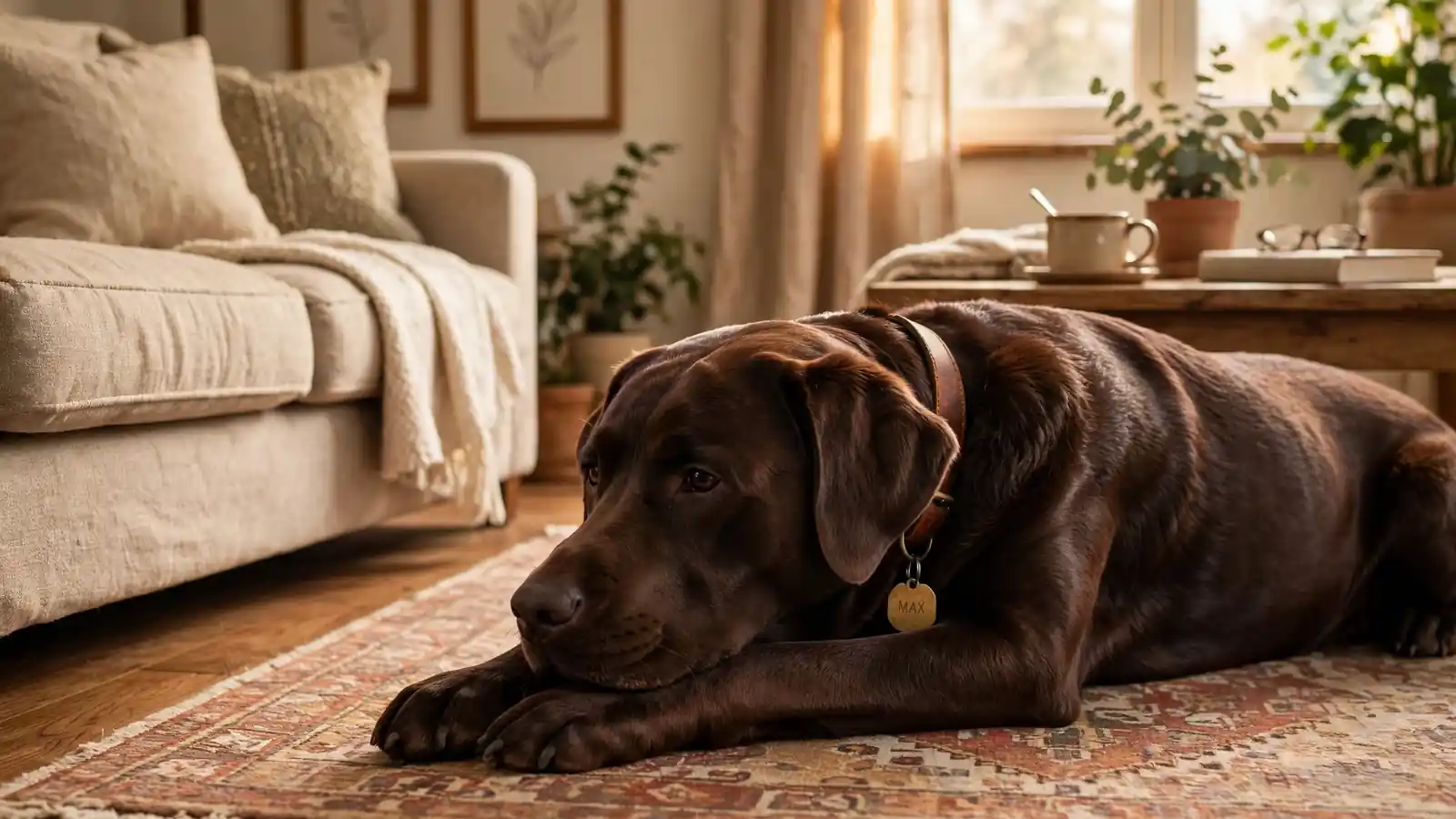
Indoor family dog, outdoor water lover: they live indoors with their families and exercise outdoors.
They love water and handle most climates with the dense coat. A fenced yard is great for play.
Indoor living with outdoor water defines the arrangement. The breed lives indoors with its family and exercises outdoors, loving water and handling most climates with the dense coat, and a fenced yard is great for play. A home near water is a bonus, not a requirement, but a home without daily outdoor time is a poor fit for a dog this active.
Family Suitability
Among the best family dogs in the world: patient and gentle with children, friendly with strangers, good with other dogs and usually with cats.
The exuberance needs managing around toddlers, but the temperament is ideal.
With families, the temperament is ideal and the exuberance needs managing. The breed is among the best family dogs in the world: patient and gentle with children, friendly with strangers, and good with other dogs and usually with cats, though the joyful battering ram needs guidance around toddlers. The Labrador Retriever dog’s friendly, outgoing character shows best in active households that welcome a large, enthusiastic friend.
Finding a Breeder or Rescue
Field versus show lines differ. Know what you need: field lines are more energetic and driven; show lines are calmer.
Good breeders screen hips, elbows, eyes, and exercise-induced collapse DNA. Lab rescues are full of wonderful dogs.
- Ask about hip, elbow, and eye screening for both parents
- Ask for exercise-induced collapse DNA results
- Ask whether the puppies are field-bred or show-bred
- Consider rescue — breed rescues are full of wonderful dogs
Quick Quiz: Is a Labrador Retriever Right for You?
Answer four questions. Tap yes or no.
Frequently Asked Questions
Are Labrador Retrievers good family dogs?
Among the best in the world. They are patient, friendly, and great with children.
How much exercise does a Lab need?
Sixty minutes or more of activity daily.
Do Labs shed a lot?
Heavily, year-round. This is a high-shedding breed.
What is the difference between English and American Labs?
English Labs are stockier and calmer; American Labs are leaner and more driven.
How long do Labs live?
Typically 10 to 14 years.
Why is my Lab always hungry?
The breed is famously food-obsessed. Measured feeding is essential.
What do Lab owners say about living with the breed?
Owners consistently describe the Lab as friendly, outgoing, and eager. In practice, owners report that the breed’s joyful nature is the main reason they recommend it to active families.
When should I ask my vet about my Lab’s health?
Schedule annual wellness exams, or twice-yearly exams for seniors, and ask your vet about screening for conditions the breed can be prone to, such as hip and elbow dysplasia. Consult your veterinarian promptly if you notice collapse after exercise, or changes in appetite, weight, or energy.
The world’s most popular dog earns the title daily: friendly, eager, gentle, and joyful, with a love of water and people that never switches off. Give this breed exercise, training, and strict food discipline, and you get the classic family dog.
Similar Breeds Worth Exploring
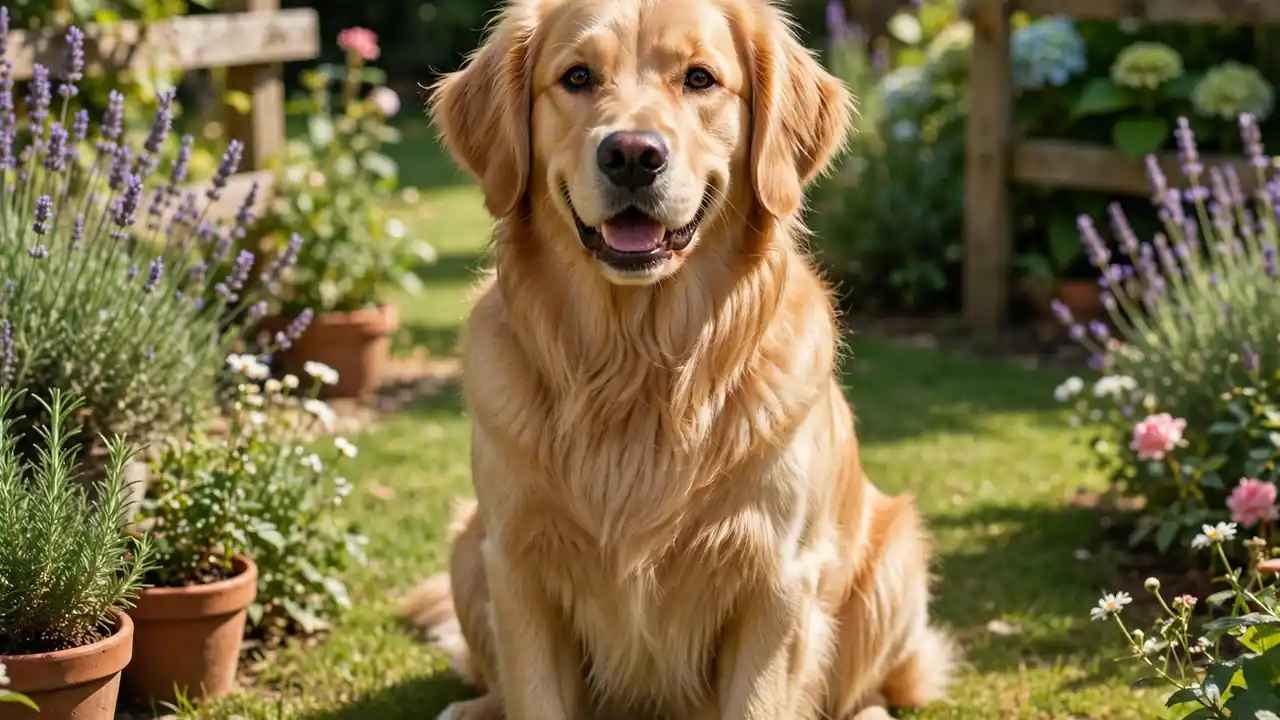
If the Lab appeals to you, consider the Golden Retriever (similar friendliness, longer coat), the Flat-Coated Retriever (joyful gundog), the Chesapeake Bay Retriever (tougher water dog), or the Nova Scotia Duck Tolling Retriever (smaller, redder).
Related Breed Guides
Keep Exploring
Browse all our Dog Breed Guides, try the Dog Age Calculator, or explore our Cat Breed Guides. Every guide on this site follows the same layout, so the facts you need are always in the same place.