
Belgian Malinois Dog Breed Guide
Belgian Malinois: the intense, driven working dog
The elite working dog: intense, brilliant, and not for casual owners. An honest guide to care and needs.
Lifespan 12 to 14 yrs Weight 40 to 80 lbs Extremely high energy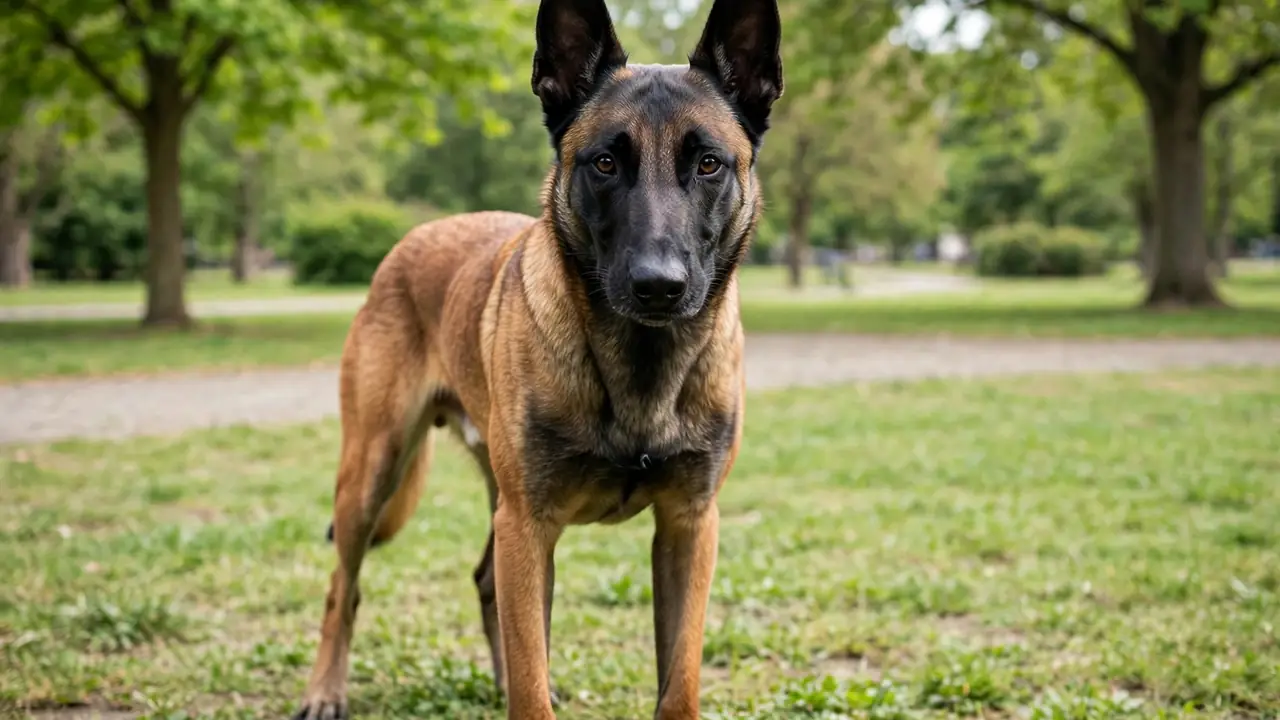
Belgian Malinois dog is the elite working dog: intense, brilliant, and not for casual owners.
At a Glance
Size and Weight
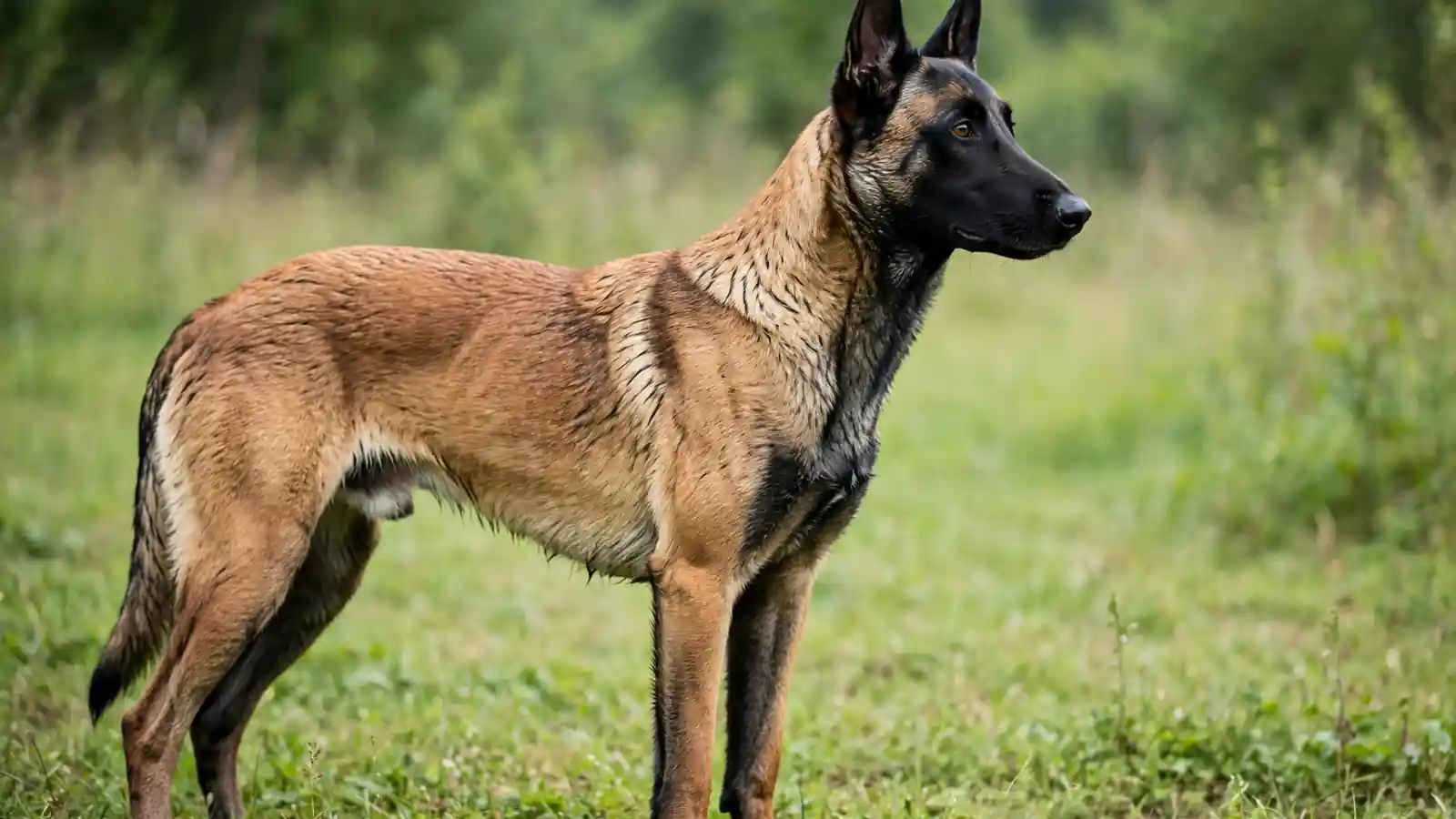
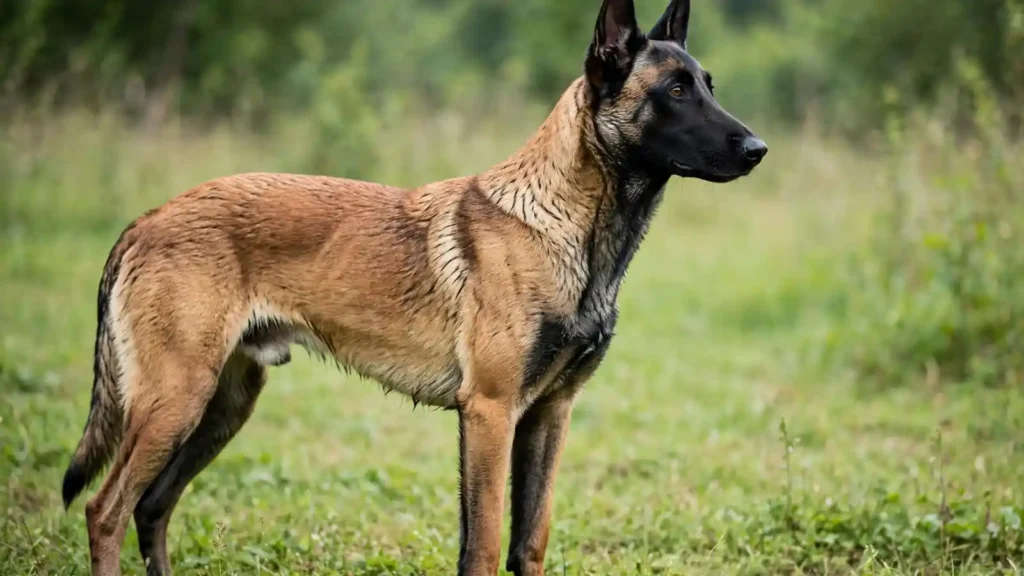
Males stand 24 to 26 inches and weigh 60 to 80 pounds; females are 22 to 24 inches and 40 to 60 pounds. The build is lean, muscular, and built for work. The Belgian Malinois dog is a large, athletic breed.
Coat and Colors
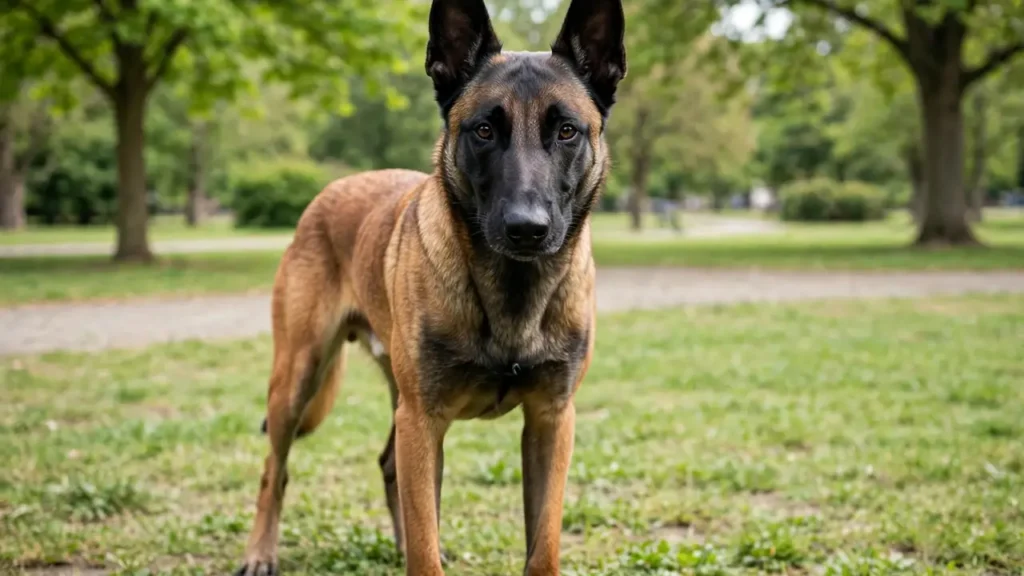
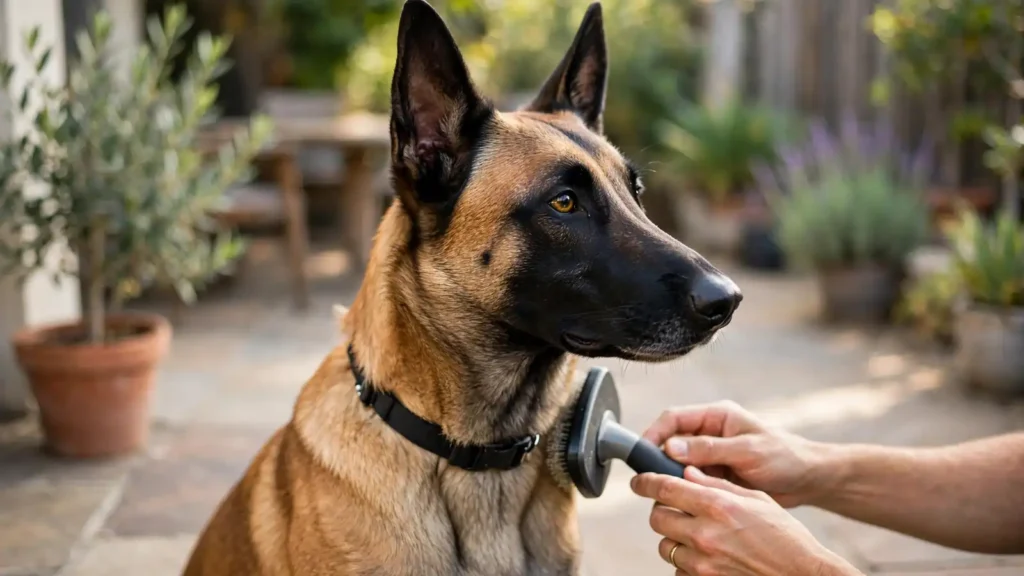
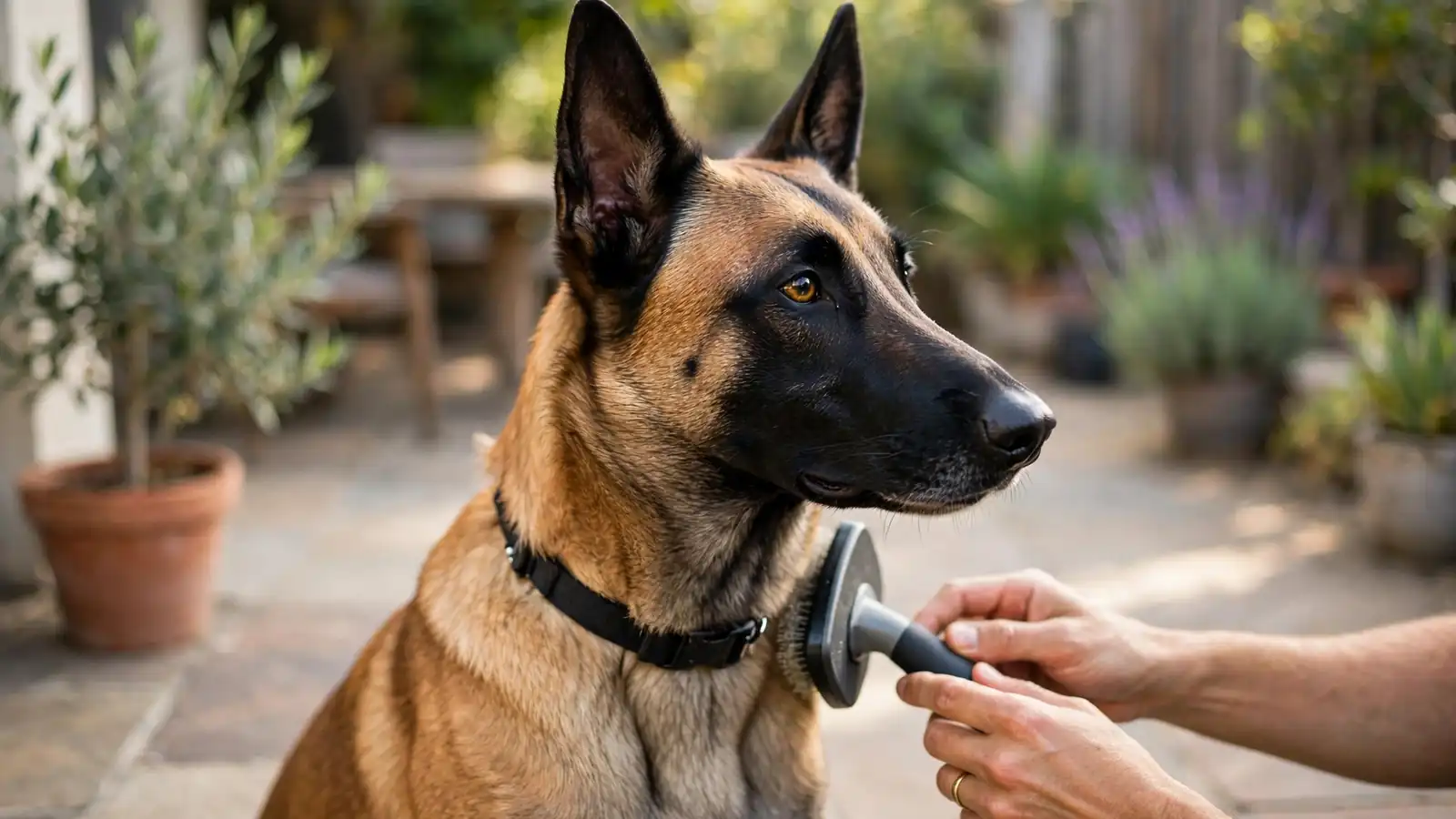
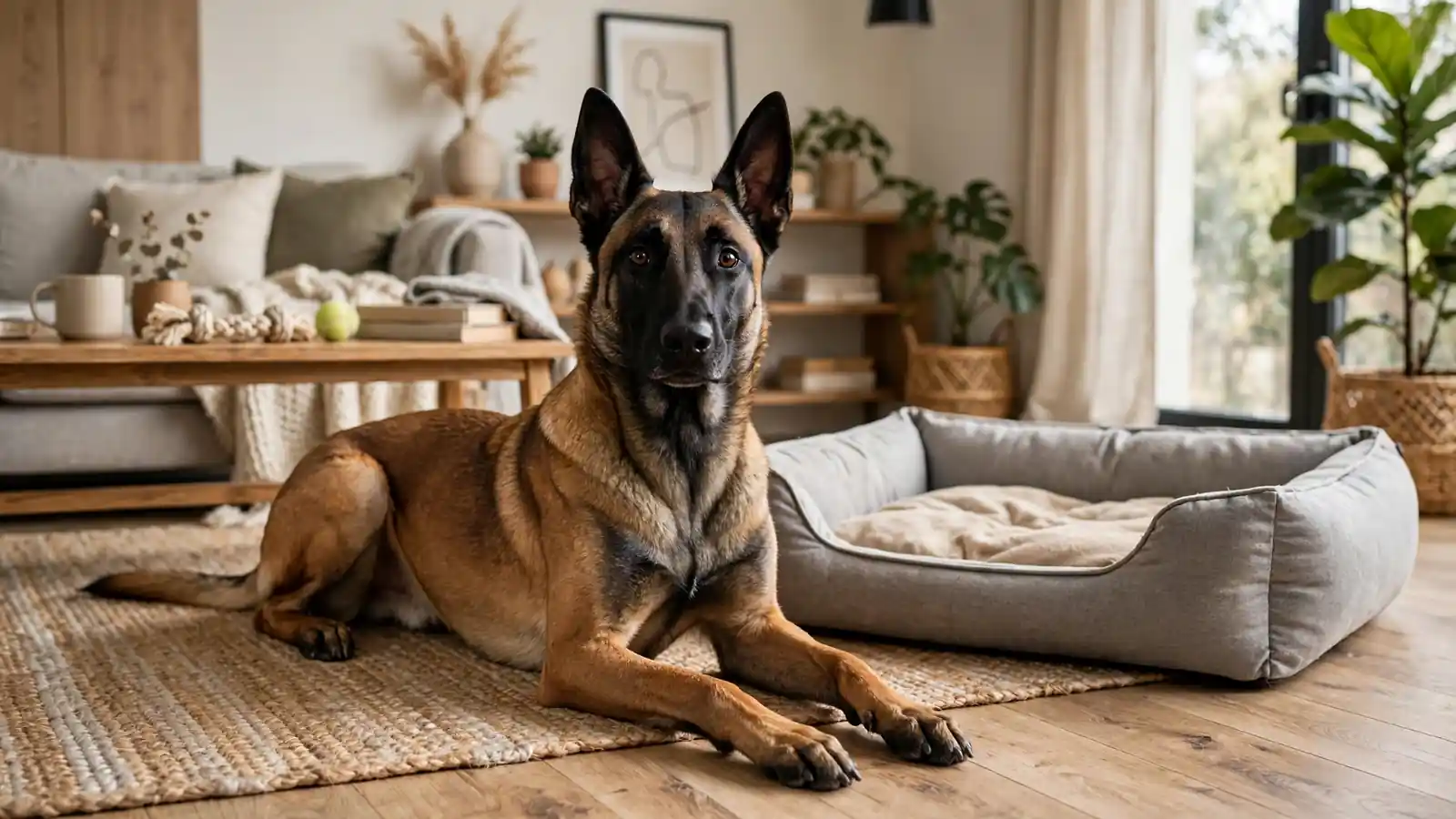
A short, straight coat in fawn to mahogany with the black mask and black-tipped hairs. Shedding is moderate to heavy. Grooming is easy: weekly brushing. The Belgian Malinois dog coat is short and easy to care for.
History and Origins
A Belgian herding dog turned elite worker.
Malinois herded in Belgium for generations; their intelligence and drive made them the world’s premier police, military, and protection sport dog.
They are the breed of elite working units worldwide. This is a dog that must work.
Physical Characteristics
Lean, muscular body with a deep chest and the alert expression. Everything says speed, agility, and intensity. The Belgian Malinois dog is lean and muscular.
Belgian Malinois Personality and Behavior
Malinois are famously intense, brilliant, and driven. They are loyal to their handlers, highly trainable, and capable of astonishing work. They need a job the way they need air. Many owners say the Belgian Malinois dog is a devoted working partner.
They are not pets in the normal sense. Without massive daily work and training, they become anxious, destructive, and unmanageable. They are not recommended for first-time owners or casual homes. They can be wary of strangers and need expert socialization.
Owners consistently describe the Malinois as intense, brilliant, and driven. In practice, owners report that the breed’s working partnership is the main reason they recommend it only to highly experienced working-dog handlers.
The working drive is the whole dog. The Belgian Malinois dog is intense, brilliant, and driven, loyal to its handler and capable of astonishing work, and it needs a job the way it needs air. This is not a temperament that idles well: a Malinois without work does not simply relax, it invents work, and the inventions are rarely ones an owner enjoys.
The honesty in this guide matters. Without massive daily work and training, the breed becomes anxious, destructive, and unmanageable, and it is not recommended for first-time owners or casual homes. Wariness of strangers is part of the same package: a Malinois bonds intensely with its handler and measures everyone else, which is exactly what a working guardian should do and exactly why casual ownership fails.
Malinois are famously intense, brilliant, and driven. They are loyal to their handlers, highly trainable, and capable of astonishing work. They need a job the way they need air.
They are not pets in the normal sense. Without massive daily work and training, they become anxious, destructive, and unmanageable. They are not recommended for first-time owners or casual homes.
Owners consistently describe the Malinois as intense, brilliant, and driven. In practice, owners report that the breed’s working partnership is the main reason they recommend it only to highly experienced working-dog handlers.
- Exceptionally smart and trainable
- Deeply loyal to its people
- Athletic partner for demanding activities
- Needs 90 or more minutes of work daily
- Too intense for sedentary or first-time homes
- Sheds moderately to heavily
Care Essentials
Malinois need hours of daily work: training, sport, exercise. They excel at protection sports, detection, agility, and obedience. They are not apartment dogs and not casual companions. The Belgian Malinois dog needs hours of daily work.
This is a specialist breed for specialist owners.
A typical day is measured in hours, not minutes. Training, sport, and exercise fill the day, with protection sports, detection, agility, and obedience all suited to the mind and body, and the dog that results is a focused partner rather than a pet. This is a specialist breed for specialist owners, and the daily schedule should reflect that before the puppy ever arrives.
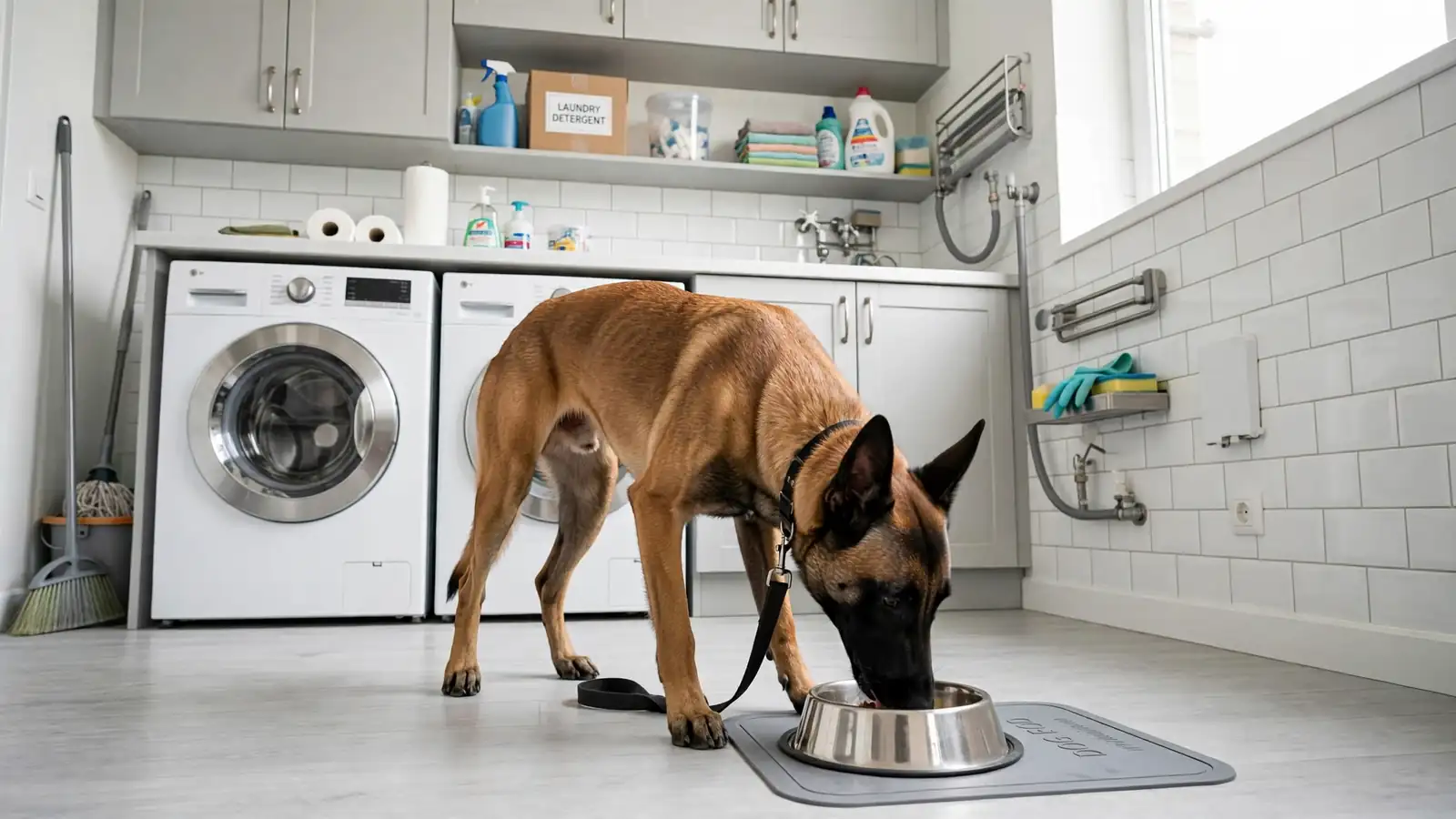
Feed a high-quality diet for very active breeds in two meals a day. Working dogs in training may need performance formulas; ask your vet. Keep them lean and conditioned.
Weekly brushing, occasional baths, regular nail trims, ear checks, teeth brushing. The short coat is genuinely low-maintenance.
Hours of daily work is the baseline: training sessions, sport, running. Mental work is equally critical; the brain must be engaged constantly.
Malinois live with their handlers and work daily. They need space and a job. They are not suited to sedentary or casual homes.
Nutrition and Diet
Feed a high-quality diet for very active breeds in two meals a day. Working dogs in training may need performance formulas; ask your vet. Keep them lean and conditioned.
Feeding follows the workload. A high-quality diet for very active breeds in two meals keeps the lean, muscular build conditioned, and working dogs in training may need performance formulas, so asking the vet is the guide’s advice rather than guessing. Keeping the dog lean matters as much as fueling it, since extra weight dulls an athlete built for speed and agility.
Grooming
Weekly brushing, occasional baths, regular nail trims, ear checks, teeth brushing. The short coat is genuinely low-maintenance.
Grooming is the easiest part of owning this breed. Weekly brushing covers the short, straight coat, occasional baths come as needed, and the real routine is nails, ear checks, and teeth brushing. Owners who expect heavy coat work will be pleasantly surprised; the short coat is genuinely low-maintenance, which leaves more time for the training this breed actually needs.
Exercise and Enrichment
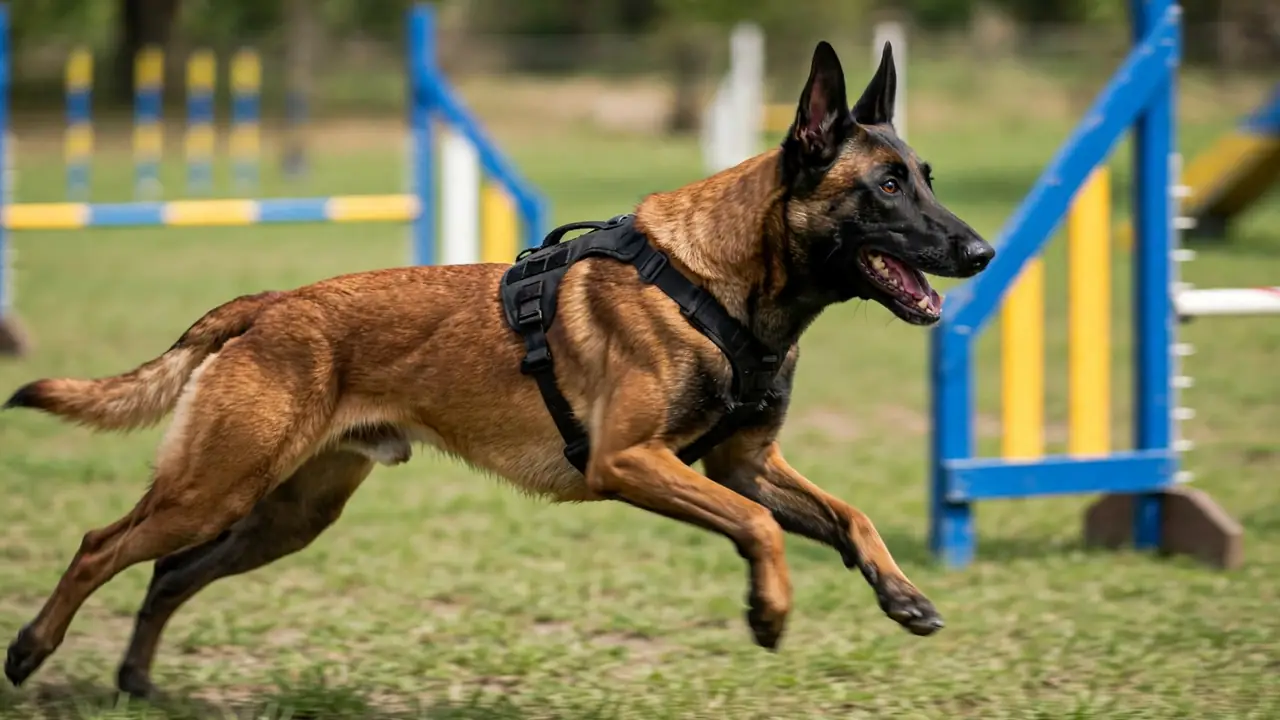
Hours of daily work is the baseline: training sessions, sport, running. Mental work is equally critical; the brain must be engaged constantly.
Work is exercise, and exercise is work. Hours of daily training sessions, sport, and running form the baseline, and mental work is equally critical: the brain must be engaged constantly, or the brilliant mind turns to mischief. A Malinois with structured work, sport, and learning is a different dog from one with only a yard and a walk, and the difference shows in behavior within days.
Health
Hip problems occur in the breed; choose breeders who screen hips.
Elbow issues also appear, so joint screening matters.
Eye conditions occur in some lines; ask about eye checks.
Schedule annual wellness exams, or twice-yearly exams for seniors, and ask your vet about screening for conditions the breed can be prone to, such as hip and elbow dysplasia. Consult your veterinarian promptly if you notice limping or changes in appetite, weight, or energy. For the Belgian Malinois dog, regular vet checks matter. For general background, see the Belgian Malinois dog reference on Wikipedia.
Health care follows the familiar rhythm with joint screening in focus. Annual exams, twice-yearly exams for seniors, and screening for hip and elbow dysplasia cover the ground the guide names, and breeders who screen hips and elbows and match puppies to working homes are worth seeking out. Day to day, limping and changes in appetite, weight, or energy deserve a prompt vet call.
Indoor and Outdoor Living
Malinois live with their handlers and work daily. They need space and a job. They are not suited to sedentary or casual homes.
Living arrangements must include space and a job. The breed lives with its handler and works daily, needs room to move and train, and is not suited to sedentary or casual homes or to apartment life without serious work commitments. A working home with structure, space, and daily training is the environment this dog was built for.
Family Suitability
They bond intensely with their handlers. They are not recommended for typical family life; the intensity and drive overwhelm normal households. Experienced working homes with structure can integrate them. The Belgian Malinois dog suits experienced handlers who want a working partner.
With families, honesty beats hope. The breed bonds intensely with its handler but is not recommended for typical family life, since the intensity and drive overwhelm normal households. Experienced working homes with structure can integrate a Malinois, and the Belgian Malinois dog’s devoted working partnership shows best there, with handlers who understand that this dog is a colleague first and a pet second.
Finding a Breeder or Rescue
Working-line breeders produce intense dogs; show lines are calmer but still demanding. Good breeders screen hips and elbows and match puppies to working homes. Malinois rescues exist; the breed’s intensity causes surrenders.
- Ask about health screening for hip dysplasia and elbow dysplasia
- Meet the puppy’s mother and see where the puppies are raised
- Ask how the puppies are socialized in their first weeks
- Consider rescue too: breed rescues place wonderful dogs
Quick Quiz: Is a Belgian Malinois Right for You?
Answer four questions. Tap yes or no.
Frequently Asked Questions
Are Belgian Malinois good family dogs?
They are not recommended for typical families. They are specialist working dogs.
How much exercise does a Malinois need?
Hours of daily work: training, sport, and exercise. This is an extreme-drive breed.
Are Malinois easy to train?
They are brilliantly trainable but need expert handling. They are not for beginners.
What is the difference between a Malinois and a German Shepherd?
Malinois are smaller, more intense, and more driven; Shepherds are more versatile family dogs.
How long do Belgian Malinois live?
Typically 12 to 14 years.
Why are Malinois used by police and military?
Their intensity, intelligence, trainability, and athleticism make them elite working dogs.
What do Malinois owners say about living with the breed?
Owners consistently describe the Malinois as intense, brilliant, and driven. In practice, owners report that the breed’s working partnership is the main reason they recommend it only to highly experienced working-dog handlers.
When should I ask my vet about my Malinois’s health?
Schedule annual wellness exams, or twice-yearly exams for seniors, and ask your vet about screening for conditions the breed can be prone to, such as hip and elbow dysplasia. Consult your veterinarian promptly if you notice limping or changes in appetite, weight, or energy.
The Belgian Malinois is a brilliant, driven working dog for experienced, highly active homes. In the right hands it is unmatched; in a quiet pet home it is too much dog.
Similar Breeds Worth Exploring
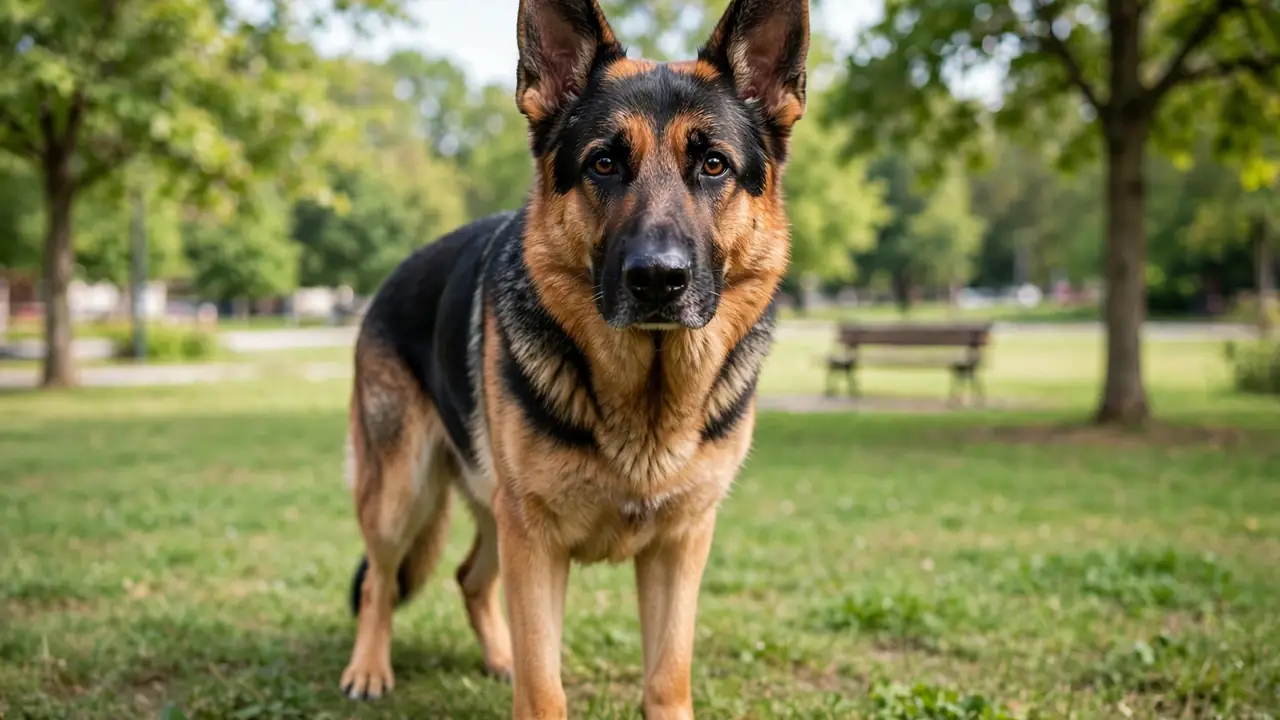
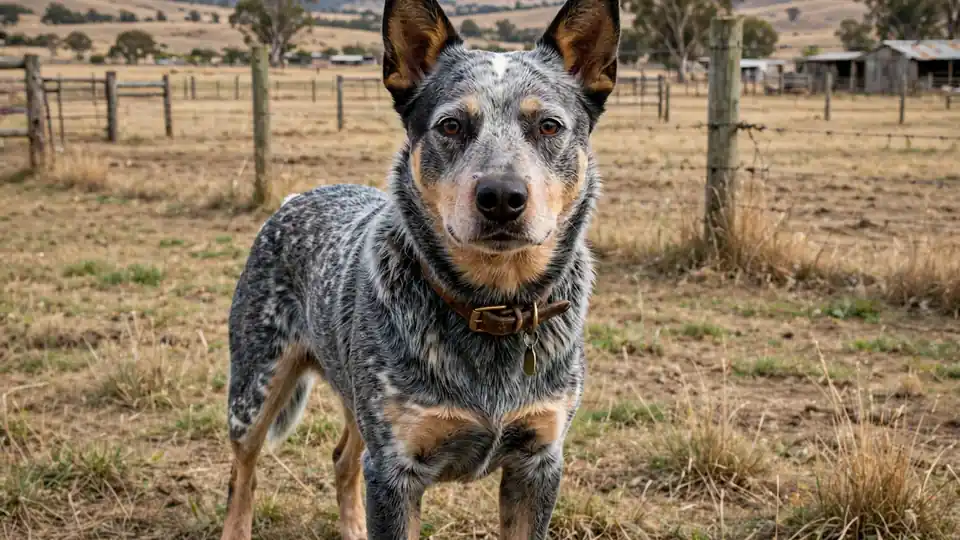
If the Malinois appeals to you, consider the German Shepherd (more versatile), the Dutch Shepherd (similar versatility), the Belgian Tervuren (the long-coated cousin), or the Australian Cattle Dog (tough herder).
Related Breed Guides
Keep Exploring
Browse all our Dog Breed Guides, try the Dog Age Calculator, or explore our Cat Breed Guides.