
Shiba Inu Dog Breed Guide
Shiba Inu: Japan’s spirited little fox
Shiba Inu dog: bold, independent, and famously dramatic. Care, grooming, and health in one complete guide.
By Emily Carter · Reviewed by our vet team · Updated 22 October 2026 · 10 min read
Lifespan 12–16 yrs Weight 17–23 lb Bold & independent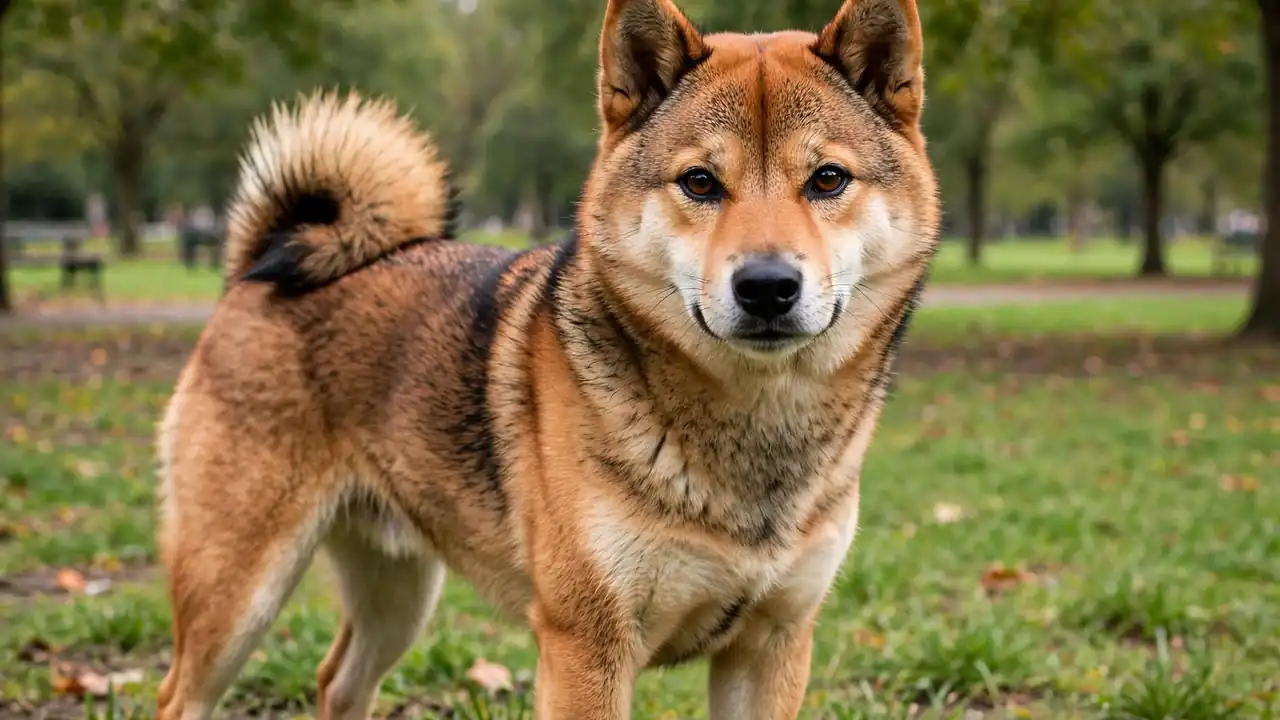
Shiba Inu dog: Japan’s spirited little fox: bold, independent, and famously dramatic.
These dogs hunted small game in Japan’s mountains for centuries, and the hunting heritage shows in the independence, alertness, and prey drive. The Shiba Inu dog was bred for mountain hunting.
They are the smallest of Japan’s native breeds — and, owner after owner will tell you, possibly the most strong-minded dog per pound in the world.
At a Glance
Size and Weight for the Shiba Inu dog
Small-medium and compact: males stand 14 to 17 inches and weigh 18 to 23 pounds; females are 13 to 16 inches and 15 to 18 pounds. The Shiba Inu dog is small and compact.
The build is compact and muscular. They are the smallest of Japan’s native breeds.
Everything is in proportion: a dog built for mountain paths, nimble on rocks and quick through brush, and it keeps that athleticism into old age.
Coat and Colors for the Shiba Inu dog
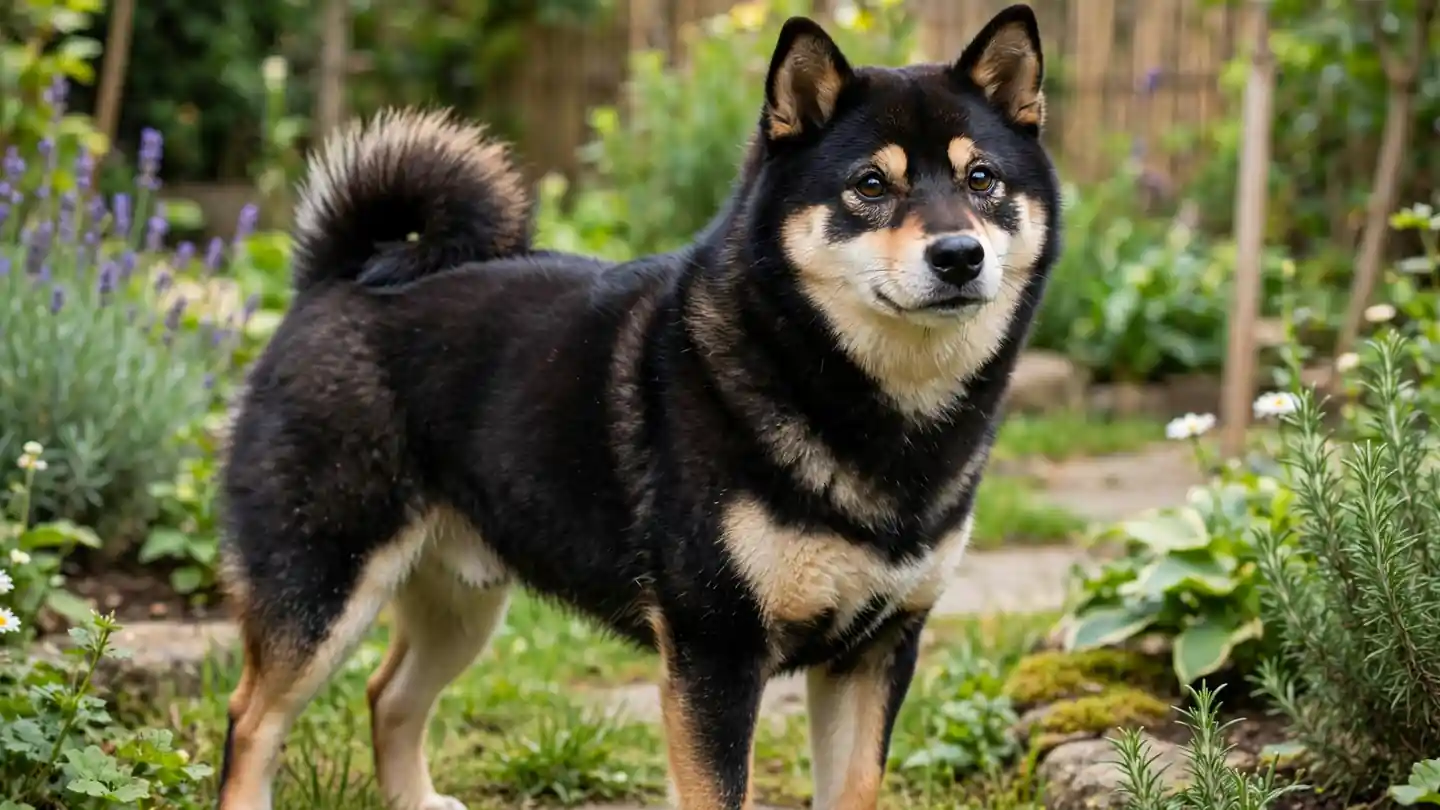
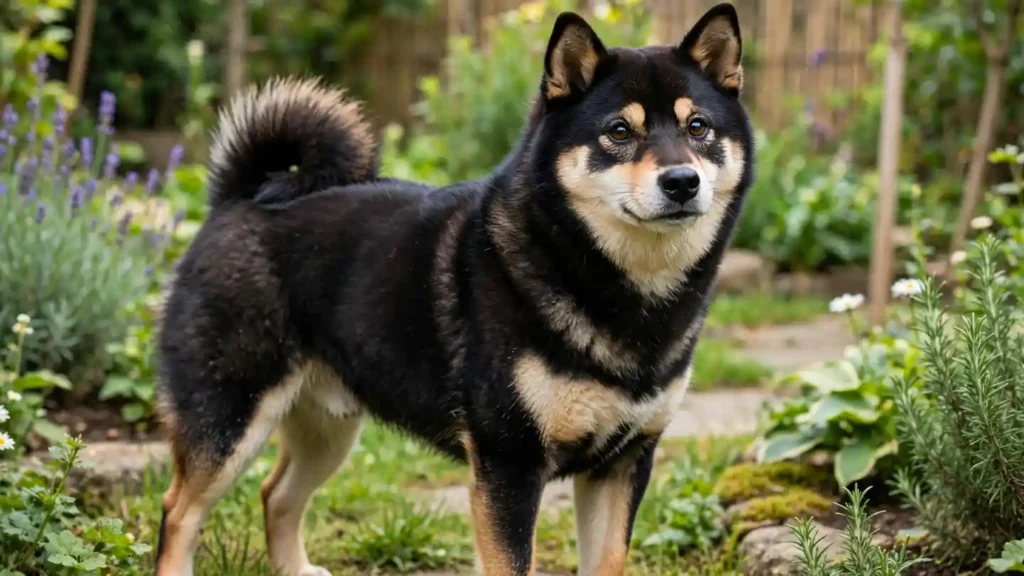
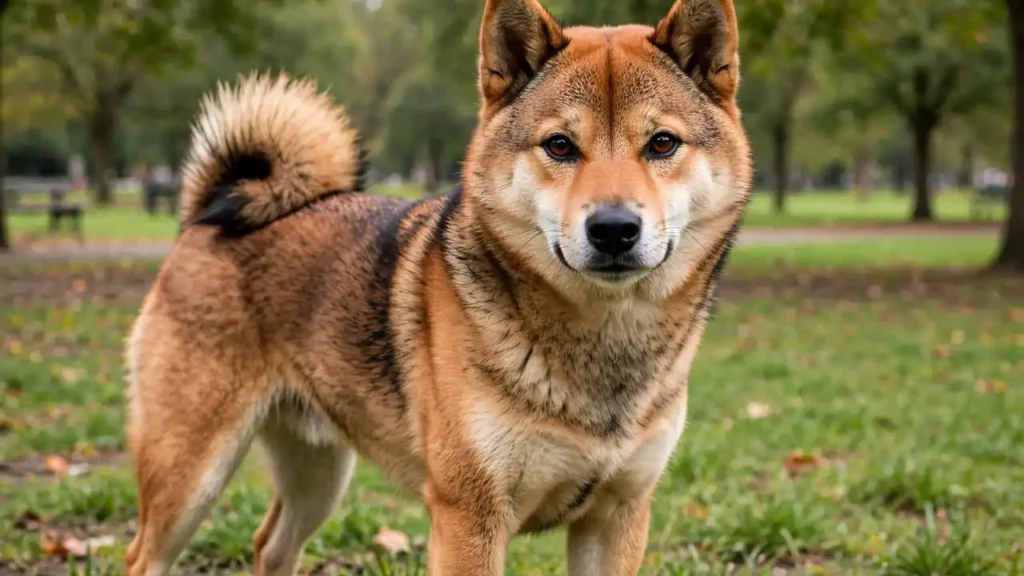
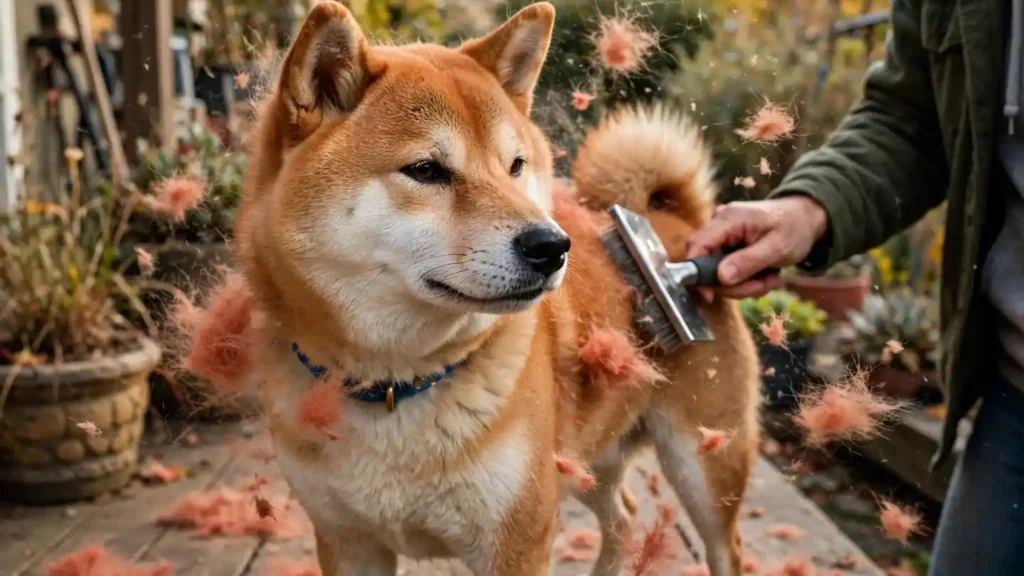
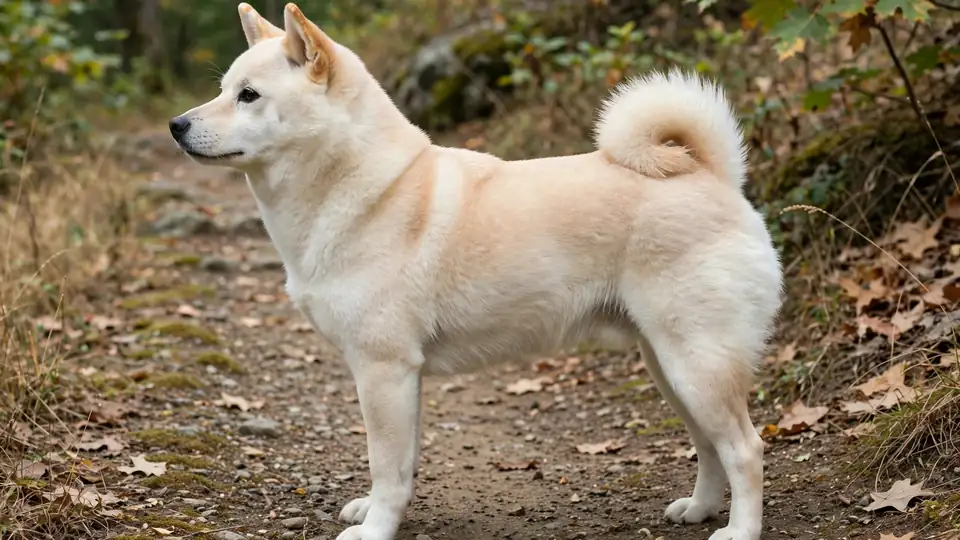
The plush double coat: thick, in red, red sesame, black and tan, or cream. The Shiba Inu dog has a plush double coat.
Shedding is heavy year-round with dramatic seasonal coat blows. Weekly brushing minimum; daily during blows.
The cream dogs are the palest version; reds range from soft orange to deep mahogany tones, and sesame adds black-tipped hairs through the red.
History and Origins
These dogs hunted small game in Japan’s mountains for centuries. The name means “brushwood dog.”
The breed nearly went extinct during World War II.
The breed was rebuilt from surviving dogs, and the hunting independence came through intact.
An ancient breed with its instincts fully preserved: nothing about this dog has been softened for modern convenience. The Shiba Inu dog kept its hunting instincts.
Physical Characteristics
A little fox: a compact, muscular body with a fox-like head, erect ears, and the curled tail over the back.
The expression is bold and confident.
Nothing is exaggerated: moderate bone, moderate angles, maximum self-possession.
Shiba Inu Personality and Behavior
Independence with drama: famously bold, independent, and spirited. They are intelligent and clean, often compared to cats in their fastidiousness and aloofness. They bond with their families but on their own terms. The Shiba Inu dog is famously independent.
They are notoriously stubborn about training and have strong opinions, expressed through the famous scream when displeased. They have a powerful prey drive and cannot be trusted off-leash. They can be scrappy with other dogs.
Owners consistently describe the breed as bold, independent, and spirited — and its cat-like character is why they recommend it to experienced, patient owners.
Expect the dog to choose its person, its chair, and its opinion of your guests, in that order, and to revisit none of those decisions lightly.
Independence with drama is exactly right. The Shiba Inu dog is bold, independent, and spirited, intelligent and clean, often compared to cats in fastidiousness and aloofness, bonding with its family but on its own terms. The mountain-hunting heritage shows in everything: the alertness, the prey drive, and the strong-minded character owners describe as the most per pound in the world.
The stubbornness and opinions need respect, not force. Training requires patience, humor, and excellent treats, since the dog does what it decides is worth it, and the famous scream when displeased is the honest signal of a dog that has made up its mind. The prey drive is the hard limit: it cannot be trusted off-leash, and scrappiness with other dogs needs early socialization.
Clean, self-possessed, and affectionate strictly on its own schedule.
Displeasure is announced dramatically; negotiation is the training method.
Squirrels end conversations; the leash is not optional equipment.
- Bold, spirited, and intelligent
- Naturally clean house dogs
- Generally healthy with a long lifespan
- Stubborn about training; strong opinions
- Cannot be trusted off-leash
- Heavy shedding with dramatic coat blows
Care Essentials
Respect the independence — here is the daily reality. Training requires patience, humor, and excellent treats; they do what they decide is worth it. They are escape artists: the yard and leash must be secure.
A typical day respects the independence. The daily reality is a clean, clever dog that chooses its person, its chair, and its opinion of guests, in that order, and revisits none of those decisions lightly. Escape-artist security is part of the routine: the yard and leash must be secure, and the recall training is a safety project, not a party trick.
A measured, high-quality diet in two meals; count treats.
Brush two to three times a week, daily during coat blows; never shave the double coat.
45 to 60 minutes daily, always on leash or in secure areas.
An indoor family home with a securely fenced yard, space respected.
Nutrition and Diet
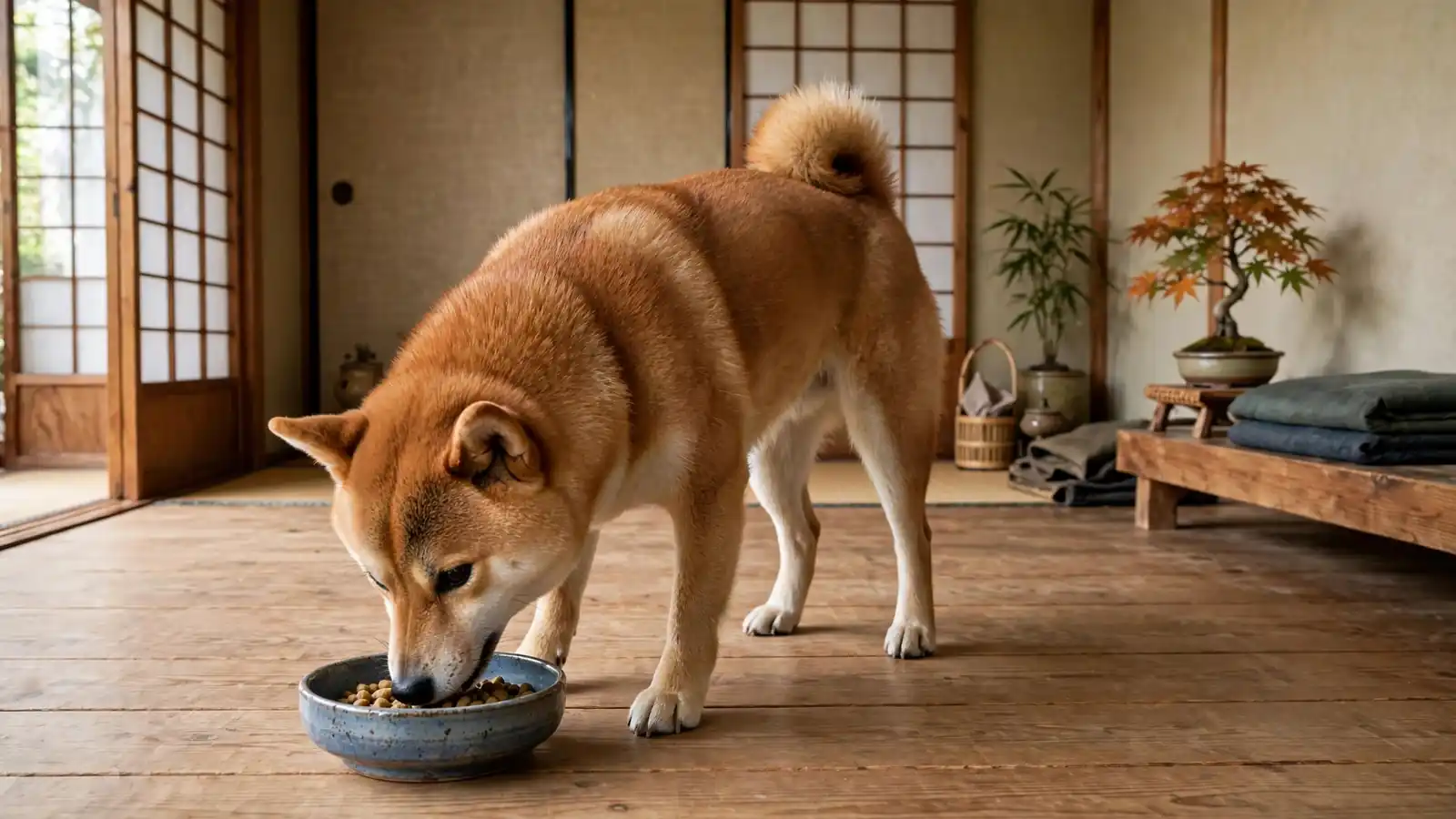
Easy keepers: feed a measured, high-quality diet in two meals a day. The Shiba Inu dog needs a measured diet.
They are not typically food-obsessed but can gain weight. Count treats — with a dog that trains on its own terms, the treats are the salary, so keep them small and budget them honestly.
Feeding suits an easy keeper. A measured, high-quality diet in two meals keeps weight steady, since the breed is not typically food-obsessed but can gain weight quietly. Count treats honestly, since treats are the salary for a dog that trains on its own terms, and small, budgeted treats train better than large ones anyway.
Grooming
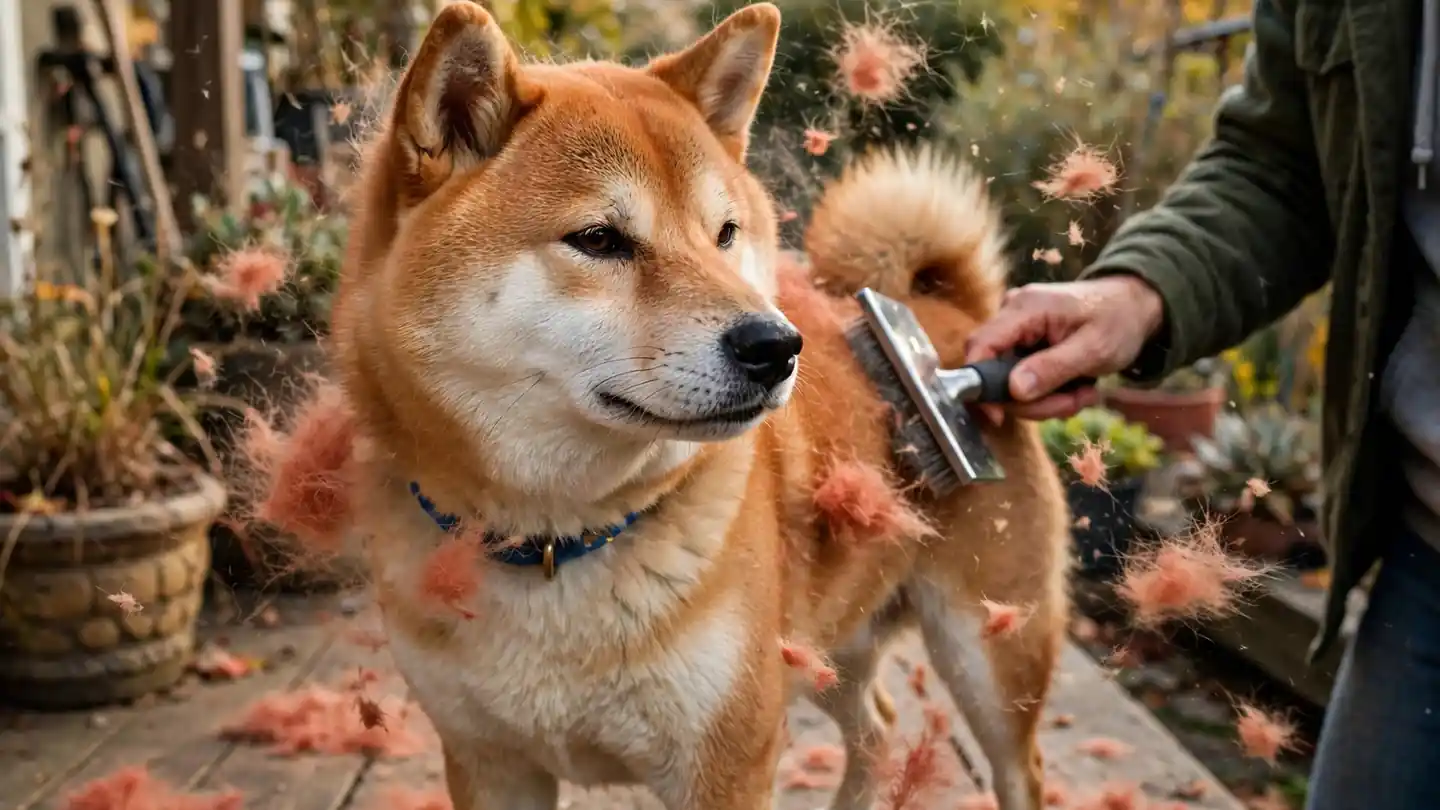
The shedding is the headline: brush two to three times a week; daily during coat blows. The Shiba Inu dog needs regular brushing.
Bathe as needed; they are naturally clean. Trim nails, clean ears, brush teeth regularly. Never shave the double coat.
The shedding is the headline, as the guide says. Brushing two to three times a week covers the plush double coat, daily brushing during the dramatic seasonal coat blows manages the worst of it, and bathing comes as needed for a naturally clean dog. Never shave the double coat, and the same session covers nails, ears, and teeth.
Exercise and Enrichment
Moderate to high energy: aim for 45 to 60 minutes of activity daily — walks, hiking, play.
Always on leash or in secure areas; the prey drive overrides recall. Mental enrichment through training and puzzle toys helps.
Rotate routes and games: a bright dog that has memorized the walk gets bored, and a bored dog of this breed invents its own projects.
Exercise is moderate to high and always secured. Forty-five to sixty minutes of walks, hiking, and play cover the need, always on leash or in secure areas, since the prey drive overrides recall. Mental enrichment through training and puzzle toys helps, and rotating routes and games matters: a bright dog that has memorized the walk gets bored, and a bored dog of this breed invents its own projects.
Health
Most live 12 to 16 years and are generally healthy. Here is what to know:
Patellar luxation (slipping kneecaps) occurs in the breed.
Hip dysplasia occurs occasionally.
Glaucoma appears in some lines.
Allergies occur in the breed.
Schedule annual wellness exams, or twice-yearly exams for seniors, and ask your vet about screening for conditions the breed can be prone to, such as patellar luxation. Consult your veterinarian promptly if you notice limping, eye pain, or changes in appetite, weight, or energy.
Health care follows the familiar rhythm with joint screening in focus. Annual exams, twice-yearly exams for seniors, and screening for patellar luxation cover the ground the guide names, and breeders who health-test patellas, eyes, and hips and breed for sound temperaments are worth seeking out. Day to day, limping, eye changes, and changes in appetite, weight, or energy deserve a prompt vet call.
Indoor and Outdoor Living
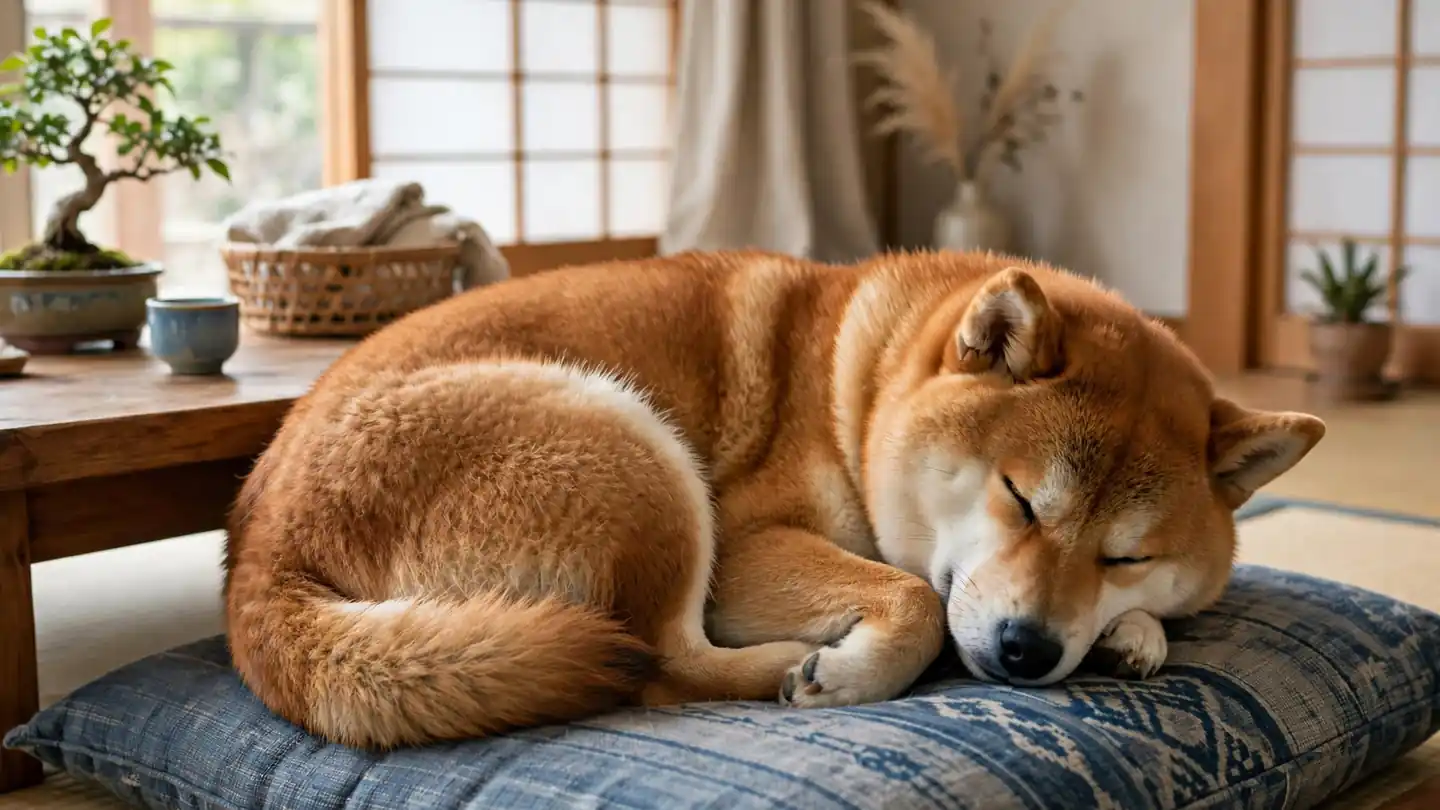
Indoor family member, secure outdoor time: they live indoors and are clean house dogs.
They need a securely fenced yard; they are escape artists. Never off-leash in unfenced areas.
Indoors, expect fastidious habits: many wash their faces with a paw like cats and keep their sleeping spots immaculate.
Indoor living as a clean family member defines the arrangement. The breed lives indoors as a clean house dog, fastidious in its habits, washing its face with a paw like a cat and keeping its sleeping spots immaculate. A securely fenced yard is essential for outdoor time, and off-leash in unfenced areas is never an option.
Family Suitability
Best with experienced households: they bond with their families but are not typically cuddly.
They can be good with respectful older kids. They are often aloof with strangers. Same-sex aggression can occur; early socialization helps.
Respect is the currency: children who learn to let the dog come to them earn a loyal, watchful companion; children who grab get a dog that simply leaves.
With families, respect is the currency. The breed suits experienced households best: it bonds with its family but is not typically cuddly, can be good with respectful older kids, and is often aloof with strangers, while same-sex aggression can occur and early socialization helps. Children who learn to let the dog come to them earn a loyal, watchful companion, and the Shiba Inu dog’s independent character shows best in homes that respect exactly that.
Finding a Breeder or Rescue
Popularity means variable quality, so choose carefully: good breeders health-test (patellas, eyes, hips) and breed for sound temperaments.
Breed rescues have wonderful dogs; the breed’s independence causes surrenders.
Meet the parents if you can, and watch how the breeder’s own dogs behave around visitors; temperament here is inherited as surely as the curled tail. Learn more about the Shiba Inu dog on Wikipedia.
- Ask about testing — patellas, eyes, and hips
- Ask how the breeder assesses temperament
- Ask how puppies are raised and socialized
- Consider a breed rescue
Quick Quiz: Is This Little Fox Right for You?
Answer four questions. Tap yes or no.
Frequently Asked Questions
Are Shiba Inus good family dogs?
They suit experienced households. They are independent and not typically cuddly.
How much exercise does a Shiba Inu need?
About 45 to 60 minutes of activity daily.
Do Shiba Inus shed a lot?
Heavily, year-round, with dramatic seasonal coat blows.
What is the Shiba scream?
A loud, dramatic vocalization when displeased. It is famous and startling.
How long do Shiba Inus live?
Typically 12 to 16 years.
Can Shiba Inus be off-leash?
It is not recommended. The prey drive overrides recall.
What do Shiba owners say about living with the breed?
Owners consistently describe the Shiba as bold, independent, and spirited. In practice, owners report that the breed’s cat-like character is the main reason they recommend it to experienced, patient owners.
When should I ask my vet about my Shiba’s health?
Schedule annual wellness exams, or twice-yearly exams for seniors, and ask your vet about screening for conditions the breed can be prone to, such as patellar luxation. Consult your veterinarian promptly if you notice limping, eye pain, or changes in appetite, weight, or energy.
Bold, independent, and spirited: a cat in a fox’s coat, with a hunter’s instincts and a comedian’s sense of timing. Not cuddly, not obedient by default, and not for first-timers — experienced, patient owners would not have it any other way.
Similar Breeds Worth Exploring
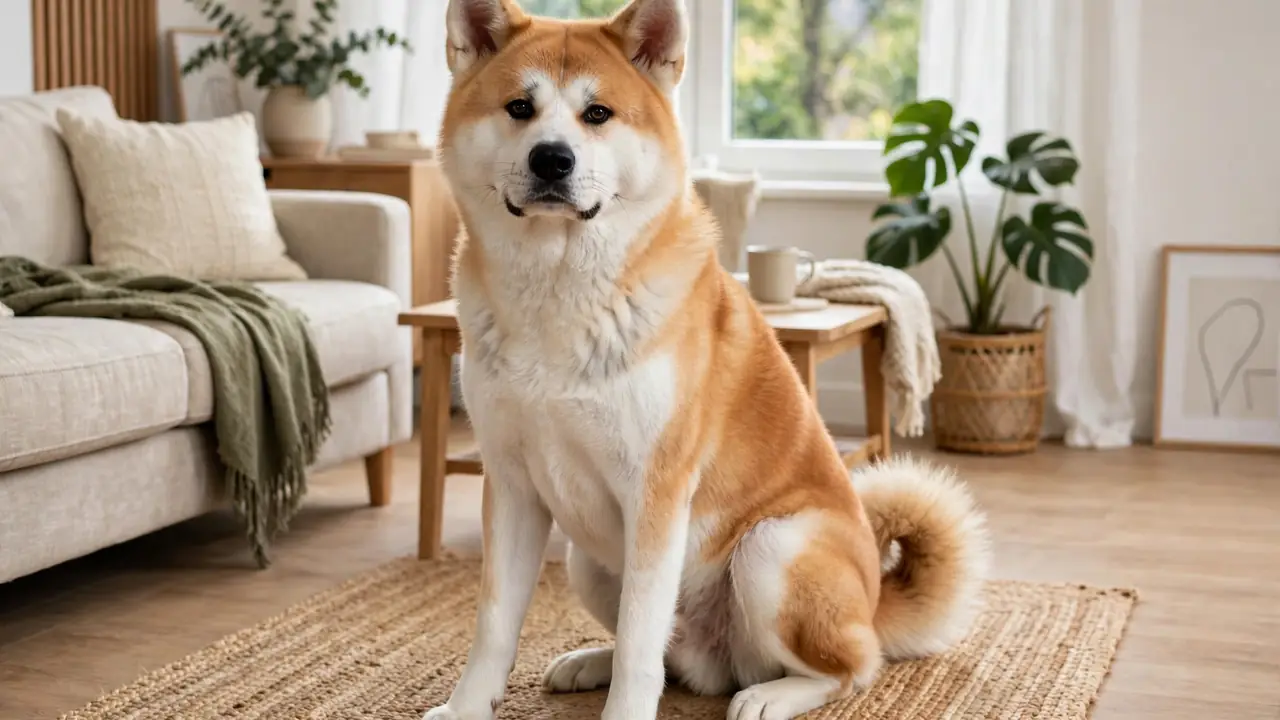
If this breed appeals to you, consider the Akita (larger Japanese guardian), the Finnish Spitz (similar northern spirit), the Basenji (independent and cat-like), or the Canaan Dog (similar independence).
Related Breed Guides
Keep Exploring
Browse all our Dog Breed Guides, try the Dog Age Calculator, or explore our Cat Breed Guides. Every guide on this site follows the same layout, so the facts you need are always in the same place.