
Australian Cattle Dog Dog Breed Guide
Australian Cattle Dog: the tough, tireless outback herder
The tireless outback herder: tough, smart, and loyal to its person. An honest guide to care and needs.
Lifespan 12 to 16 yrs Weight 35 to 50 lbs Extremely high energy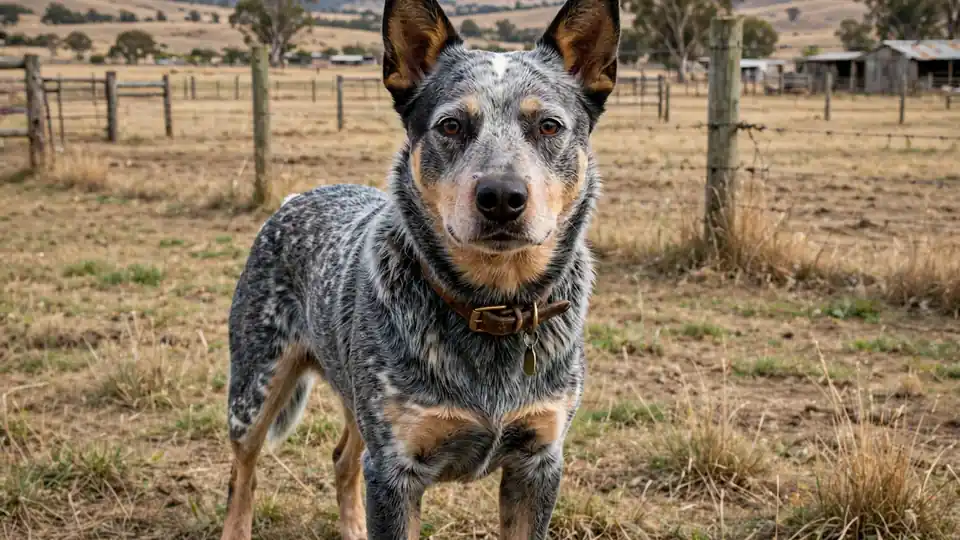
Australian Cattle Dog is the tireless outback herder: tough, smart, and loyal to its person.
This guide covers the Australian Cattle Dog in full, from size and coat to personality, care, and health, so you can decide whether this breed fits your home.
Every section below is written for future Australian Cattle Dog owners, with the real day-to-day needs of the breed in mind.
At a Glance
Size and Weight
Males stand 18 to 20 inches and weigh 35 to 50 pounds; females are 17 to 19 inches and 35 to 45 pounds. The build is sturdy and built for all-day work.
Coat and Colors
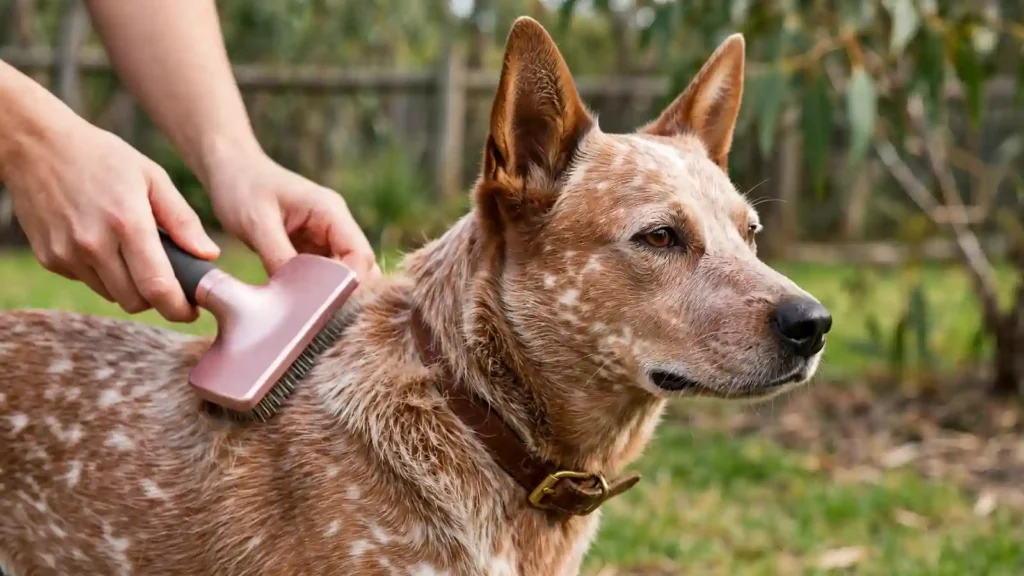
A short, dense double coat in blue or red speckle: blue mottled or speckled, or red speckled. Shedding is moderate to heavy. Grooming is easy: weekly brushing.


History and Origins
Bred for the harsh Australian outback.
Settlers needed a dog tough enough to drive cattle across vast, harsh country. Crossing dingoes with herding breeds produced the ultimate cattle dog: tireless, intelligent, and incredibly tough.
The working heritage is the whole temperament. This is a dog that must work.
Physical Characteristics
Sturdy, muscular body with a deep chest and strong legs. The expression is alert and intelligent. Everything says endurance and toughness.
Australian Cattle Dog Personality and Behavior
Cattle Dogs are famously tough, smart, and loyal. They bond intensely, often with one person, and are devoted working partners. They are independent thinkers who need a job.
Without serious daily work, they become destructive, nippy, and unmanageable. They herd everything, including children and other pets, by nipping heels. They can be wary of strangers and scrappy with other dogs.
Owners consistently describe the Cattle Dog as tough, smart, and loyal. In practice, owners report that the breed’s working partnership is the main reason they recommend it only to highly active, experienced owners.
The working partnership defines this breed. The Australian Cattle Dog bonds intensely, often with one person, and works as a devoted partner rather than a casual pet, with the independent thinking of a dog bred to make decisions far from its handler. The toughness and intelligence are real assets in work and real challenges without it: this is a dog that needs a job the way it needs exercise.
The herding instinct explains most behavior problems. Without serious daily work, the breed becomes destructive, nippy, and unmanageable, and the heel-nipping that herds cattle also herds children and other pets when no better outlet exists. Wariness of strangers and scrappiness with other dogs add their own rules: early socialization and structure are essential, and owners who understand herding breeds do far better than owners who learn on the job.
Cattle Dogs are famously tough, smart, and loyal. They bond intensely, often with one person, and are devoted working partners. They are independent thinkers who need a job.
Without serious daily work, they become destructive, nippy, and unmanageable. They herd everything, including children and other pets, by nipping heels. They can be wary of strangers and scrappy with other dogs.
Owners consistently describe the Cattle Dog as tough, smart, and loyal. In practice, owners report that the breed’s working partnership is the main reason they recommend it only to highly active, experienced owners.
- Tireless partner for active lives
- Highly intelligent and trainable
- Long-lived and hardy
- Needs 90 or more minutes of activity daily
- Will herd and nip without training
- Sheds moderately to heavily
Care Essentials
Cattle Dogs need 90 minutes or more of vigorous daily exercise plus mental work. They excel at herding, agility, and working sports. They are not apartment dogs and not casual companions.
They need owners who understand herding breeds and provide structure.
A typical day is built around hard work. Ninety minutes or more of vigorous exercise plus mental work form the baseline, with herding, agility, and working sports all suited to the mind and body, and the dog that results is a focused partner rather than a restless one. This is not an apartment dog and not a casual companion, and the daily schedule should reflect that before the puppy ever arrives.
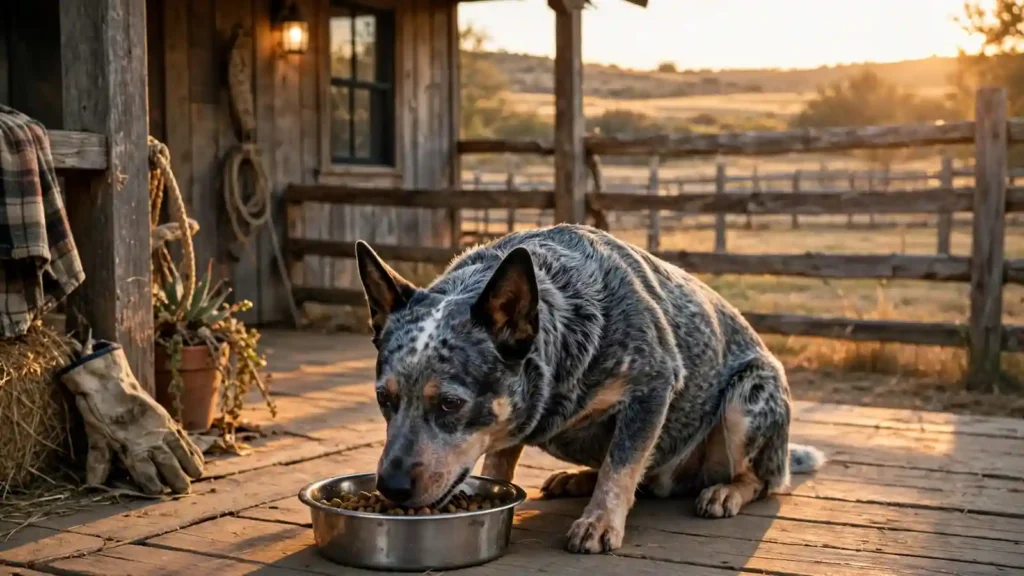
Feed a measured, high-quality diet in two meals a day. Keep them lean and conditioned. Working dogs may need more; ask your vet.
Trim nails, check ears, brush teeth regularly.
Ninety minutes or more of hard exercise daily is the baseline. Herding, running, and working sports suit the breed. Mental work through training is equally critical.
Cattle Dogs live with their people and work outdoors. They handle most climates with the weatherproof coat. They need space and a job.
Nutrition and Diet
Feed a measured, high-quality diet in two meals a day. Keep them lean and conditioned. Working dogs may need more; ask your vet.
Feeding follows the workload. A measured, high-quality diet in two meals keeps the sturdy build lean and conditioned, and working dogs may need more, so asking the vet is the guide’s advice rather than guessing. Keeping the dog lean matters as much as fueling it, since extra weight dulls an athlete built for all-day work.
Grooming
Trim nails, check ears, brush teeth regularly.
Grooming is refreshingly simple for a working breed. The short, dense double coat needs weekly brushing, shedding runs moderate to heavy in season, and the real routine is nails, ear checks, and teeth brushing. The weatherproof coat handles most climates well, which is part of why the breed works outdoors in conditions other dogs avoid.
Exercise and Enrichment
Ninety minutes or more of hard exercise daily is the baseline. Herding, running, and working sports suit the breed. Mental work through training is equally critical.
Exercise is work, and work is exercise. Ninety minutes or more of hard exercise daily is the baseline, with herding, running, and working sports all suited to the endurance build, and mental work through training is equally critical. A Cattle Dog with structured work, sport, and learning is a different dog from one with only a yard and a walk, and the difference shows in behavior within days.

Health
Joint problems occur; choose breeders who screen.
Hearing loss appears in the breed; good breeders use BAER testing.
PRA can affect vision; ask about eye screening.
Schedule annual wellness exams, or twice-yearly exams for seniors, and ask your vet about screening for conditions the breed can be prone to, such as hip dysplasia. Consult your veterinarian promptly if you notice hearing loss, limping, or changes in appetite, weight, or energy. For general background, see the Australian Cattle Dog reference on Wikipedia.
Health care follows the familiar rhythm with joint and hearing screening in focus. Annual exams, twice-yearly exams for seniors, and screening for hip dysplasia cover the ground the guide names, and the Australian Cattle Dog’s hearing deserves the same attention, since breeders screen hips, elbows, and hearing for a reason. Day to day, hearing loss, limping, and changes in appetite, weight, or energy deserve a prompt vet call.
Indoor and Outdoor Living
Cattle Dogs live with their people and work outdoors. They handle most climates with the weatherproof coat. They need space and a job.
They are not suited to sedentary homes.
Living arrangements must include space and a job. The breed lives with its people and works outdoors, handling most climates with its weatherproof coat, and needing room to move and work rather than confinement. A home without space and structure is a poor fit: this dog is not suited to sedentary homes, and the intensity that causes surrenders usually traces back to that mismatch.
Family Suitability
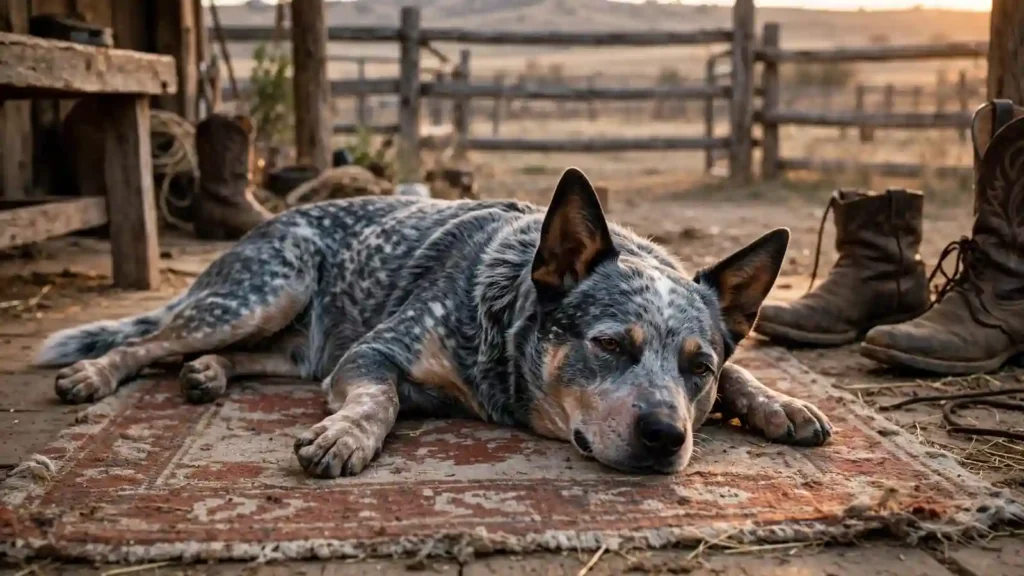
They bond deeply with their families but herd children by nipping. They suit experienced, active households. They can be scrappy with other dogs.
With families, honesty beats hope. The breed bonds deeply with its family but herds children by nipping, so it suits experienced, active households rather than typical family life, and scrappiness with other dogs needs early socialization. The Australian Cattle Dog’s devoted working partnership shows best in homes that understand herding breeds and provide the work the dog was built for.
Finding a Breeder or Rescue
Good breeders screen hips, elbows, and hearing, and match puppies to working homes. Cattle Dog rescues have wonderful dogs; the breed’s intensity causes surrenders.
- Ask about health screening for hip and elbow dysplasia and deafness
- Meet the puppy’s mother and see where the puppies are raised
- Ask how the puppies are socialized in their first weeks
- Consider rescue too: breed rescues place wonderful dogs
Quick Quiz: Is a Australian Cattle Dog Right for You?
Answer four questions. Tap yes or no.
Frequently Asked Questions
Are Australian Cattle Dogs good family dogs?
They suit very active, experienced families. They herd children by nipping heels.
How much exercise does a Cattle Dog need?
Ninety minutes or more of vigorous exercise daily, plus mental work.
Do Cattle Dogs shed a lot?
Moderately to heavily. The dense coat sheds year-round.
Are Cattle Dogs easy to train?
They are smart but independent. Consistent, confident training is essential.
How long do Australian Cattle Dogs live?
Typically 12 to 16 years.
What is the difference between Blue Heeler and Red Heeler?
They are color varieties of the same breed: blue mottled or red speckled.
What do Cattle Dog owners say about living with the breed?
Owners consistently describe the Cattle Dog as tough, smart, and loyal. In practice, owners report that the breed’s working partnership is the main reason they recommend it only to highly active, experienced owners.
When should I ask my vet about my Cattle Dog’s health?
Schedule annual wellness exams, or twice-yearly exams for seniors, and ask your vet about screening for conditions the breed can be prone to, such as hip dysplasia. Consult your veterinarian promptly if you notice hearing loss, limping, or changes in appetite, weight, or energy.
The Australian Cattle Dog is a tough, brilliant herder for very active homes. Give it work and it thrives; leave it bored and it invents its own jobs.
Similar Breeds Worth Exploring
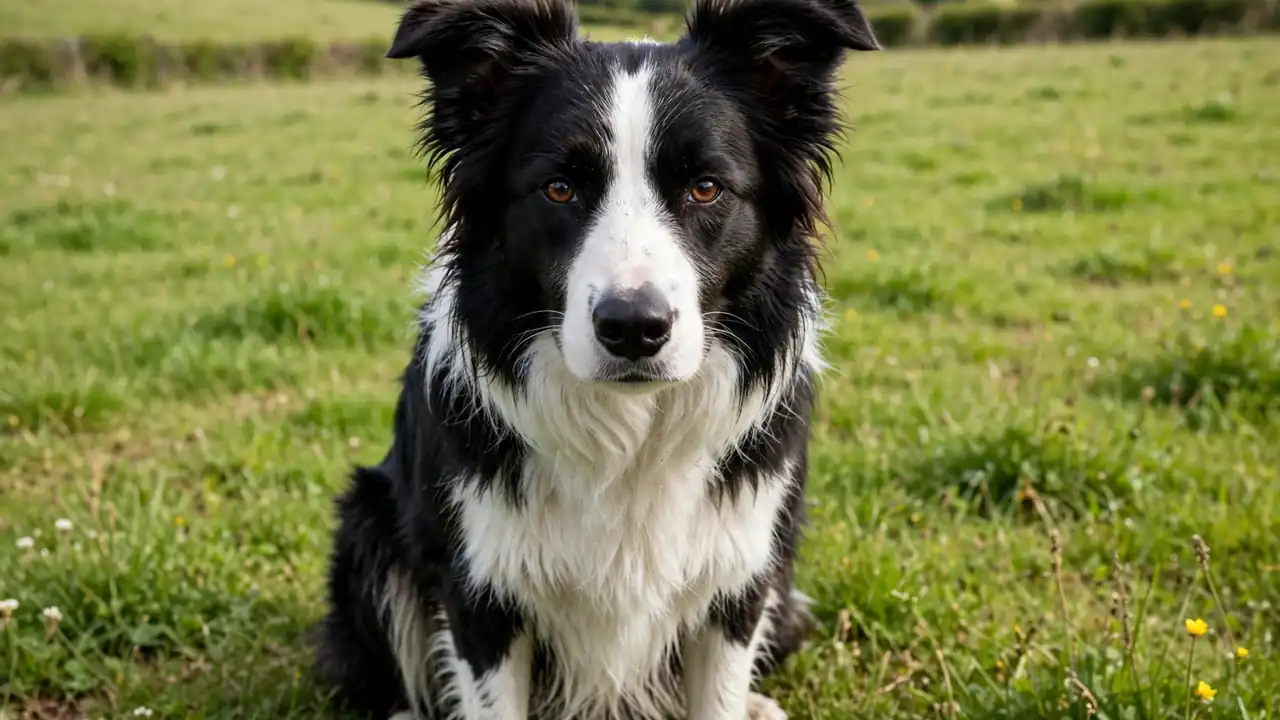
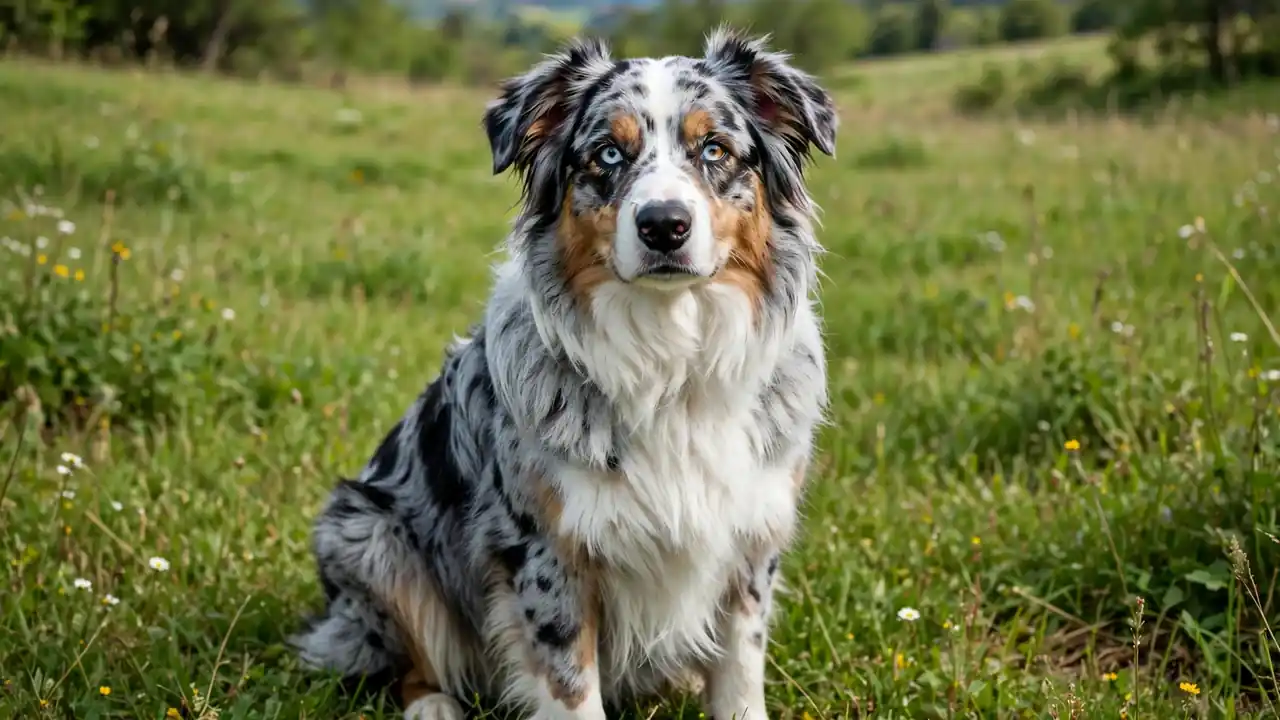
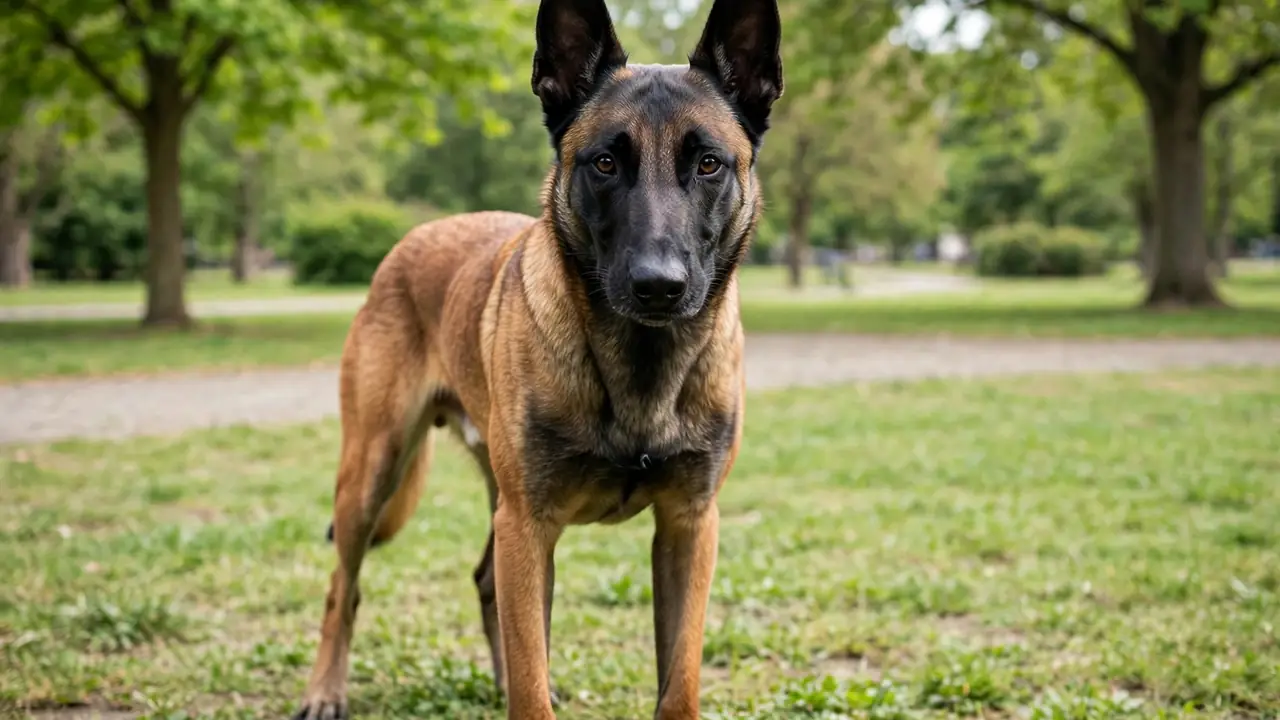
If the Cattle Dog appeals to you, consider the Border Collie (more intense herder), the Australian Shepherd (similar herding athlete), the Kelpie (another Australian worker), or the Belgian Malinois (more intense working drive).
Related Breed Guides
Keep Exploring
Browse all our Dog Breed Guides, try the Dog Age Calculator, or explore our Cat Breed Guides.