
Schnauzer Dog Breed Guide
Schnauzer: the bearded charmer
Spirited, smart, and full of personality — this guide focuses on the Miniature, the most popular of the three sizes. Care, grooming, and health in one complete guide.
By Emily Carter · Reviewed by our vet team · Updated 22 October 2026 · 10 min read
Lifespan 12–15 yrs
Weight 11–20 lb
Spirited & smart
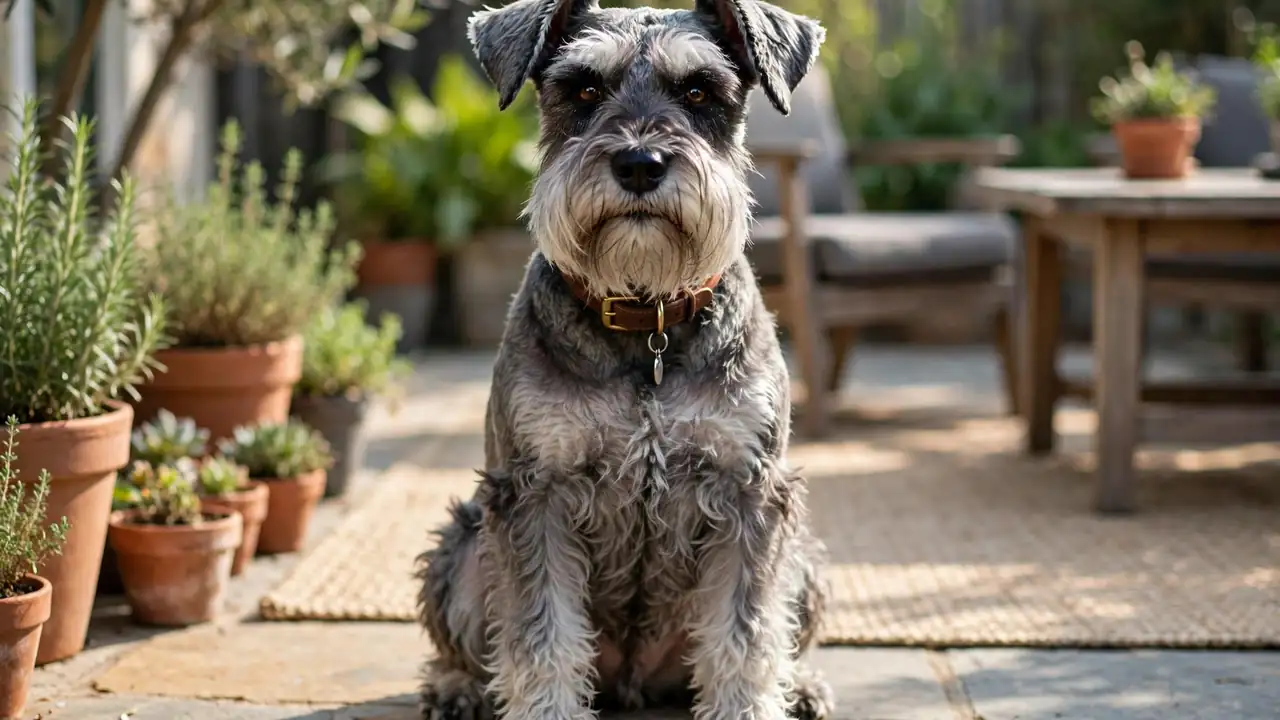
Schnauzer dog: The Miniature is the bearded charmer: spirited, smart, and full of personality.
These dogs worked German farms as ratters and guard dogs for centuries, and the working heritage shows in the alert, spirited temperament. The Schnauzer dog was bred for farm work.
Small, sturdy, and opinionated, the breed packs a big-dog personality into an apartment-sized frame — with a beard that needs its own maintenance schedule.
At a Glance
Size and Weight
Small and sturdy: the Miniature stands 12 to 14 inches and weighs 11 to 20 pounds. The Schnauzer dog is small and sturdy.
The Standard is medium (30 to 50 pounds); the Giant is large (55 to 95 pounds). This guide focuses on the Miniature, the most popular.
Coat and Colors
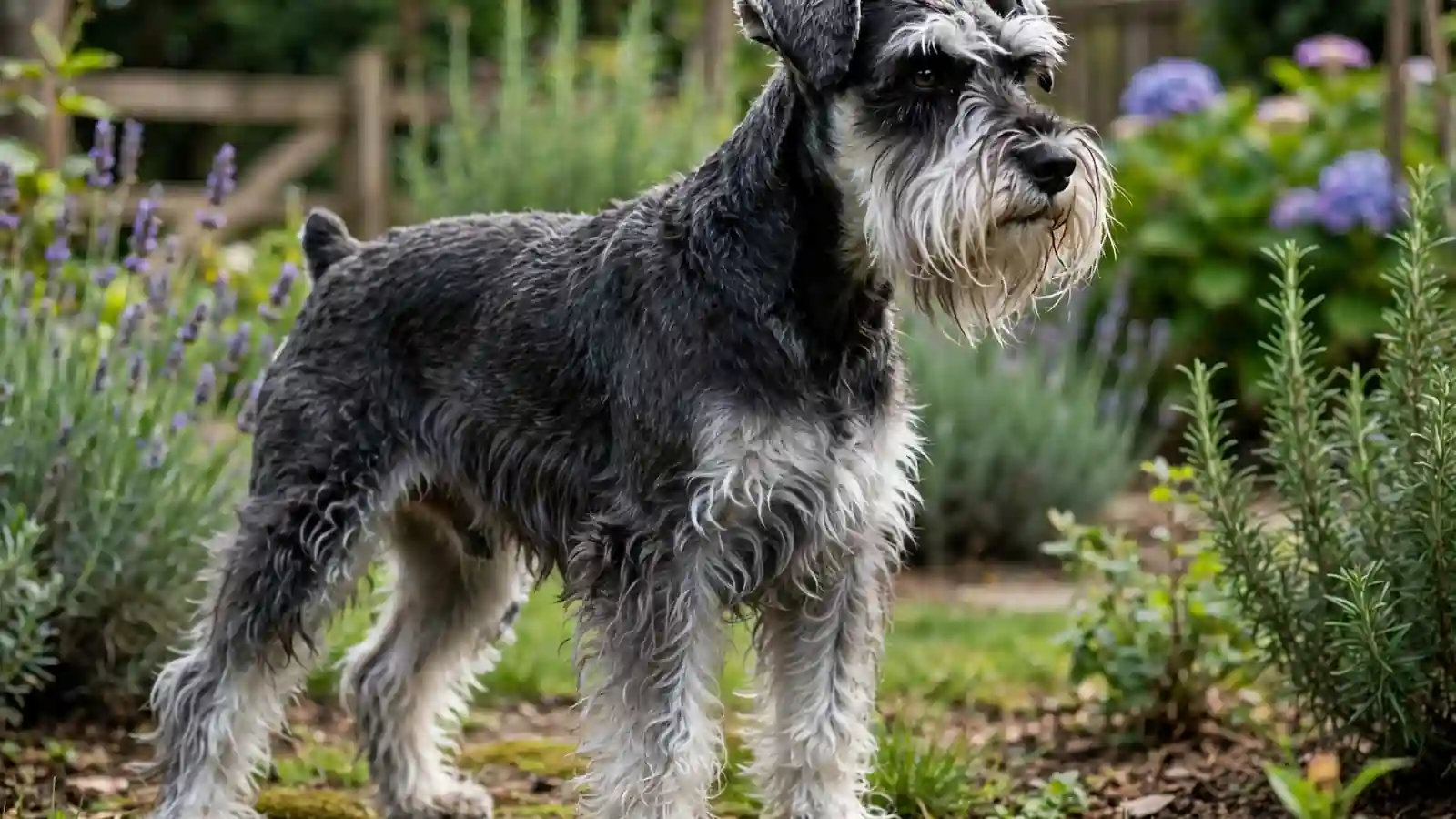
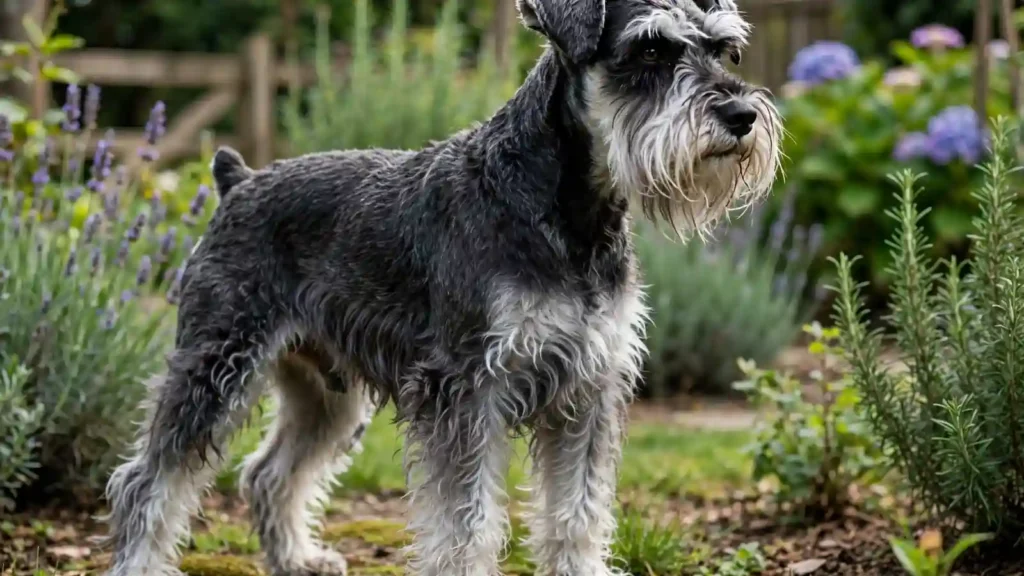
The wiry double coat with the famous beard: a harsh wiry outer coat with a soft undercoat, in salt and pepper, black and silver, or solid black. The Schnauzer dog has a famous beard.
The beard and eyebrows are the signature. The coat needs regular clipping or hand-stripping every 6 to 8 weeks.
Shedding is minimal, which suits many households.

History and Origins
These dogs worked German farms as ratters and guard dogs for centuries.
The Miniature was developed from the Standard by crossing with smaller breeds, keeping the spirit in a compact package.
The working heritage shows in the alert, spirited temperament — and the breed thrives as a lively family companion.
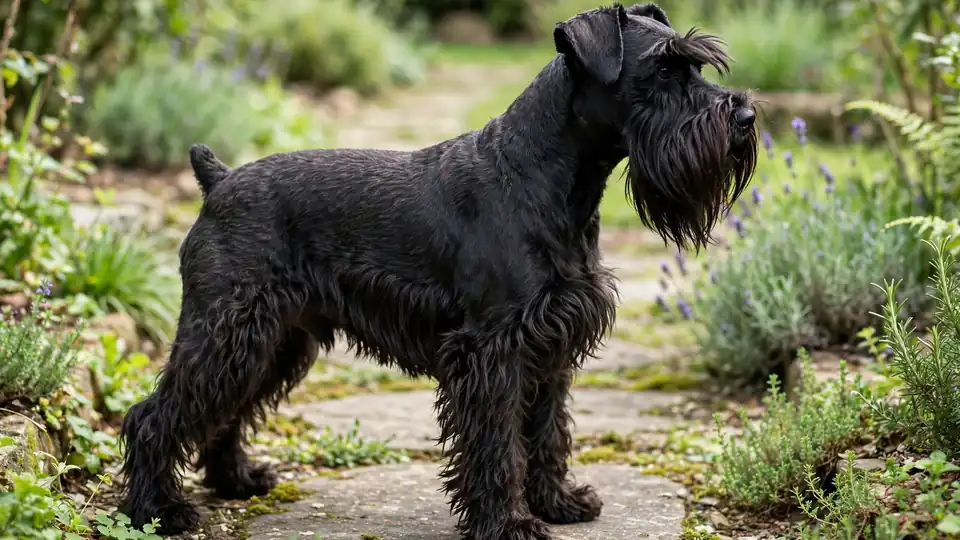
Three sizes, one unmistakable look: the beard gives the game away at any scale. The Schnauzer dog comes in three sizes.
Physical Characteristics
Sturdy, square, and bearded: a compact, square body with a harsh coat and the distinctive beard, eyebrows, and leg furnishings.
The expression is keen and intelligent. Expect a dog built like a small tank: dense bone, strong jaws for its size, and a trot that covers ground with real purpose.
Schnauzer Personality and Behavior
A spirited little extrovert: famously spirited, smart, and friendly. They are lively companions who adore their families, love to play, and are alert watchdogs. They are trainable and eager to learn. The Schnauzer dog is famously spirited.
They can be vocal and opinionated. They have terrier-like spunk and can be scrappy with larger dogs. They need training to manage the barking and bossiness.
Owners consistently describe the breed as spirited, smart, and friendly — and its lively charm is why they recommend it to engaged owners.
Expect supervising, too. Cooking, gardening, and bathroom trips all gain an attentive, bearded audience.
The spirited extrovert is the breed’s signature. The Schnauzer dog is spirited, smart, and friendly, a lively companion that adores its family, loves to play, and serves as an alert watchdog, with the trainable, eager-to-learn mind that makes training a pleasure. The supervising habit is part of the charm: cooking, gardening, and bathroom trips all gain an attentive, bearded audience.
The vocal, opinionated side needs training, not tolerance. Terrier-like spunk, scrappiness with larger dogs, and barking plus bossiness all shrink when training starts early and stays consistent, and owners who manage the voice early usually get the lively charm without the noise complaints. A Schnauzer with boundaries is a delight; one without them is a small, bearded manager of the whole household.
Nothing happens on the street without a formal announcement.
Eager to learn; training channels the cleverness and the commentary.
Terrier spunk in a small frame; socialize early with bigger dogs.
- Spirited, smart, and friendly
- Minimal shedding
- Excellent apartment size with enough activity
- Vocal and opinionated without training
- Grooming every 6 to 8 weeks is non-negotiable
- Prone to weight gain and pancreatitis
Care Essentials
Training, exercise, and grooming — here is the daily reality. The grooming commitment is real: budget for professional grooming every 6 to 8 weeks.
A typical day runs on training, exercise, and grooming together. The grooming commitment is real, with professional grooming every six to eight weeks as a fixture, and the daily reality is a spirited small dog that needs activity, attention, and a job for its clever mind. Owners who budget time and money for grooming honestly usually enjoy the breed most.
Feeding
A measured, high-quality diet in two meals; keep them lean and count treats.
Grooming
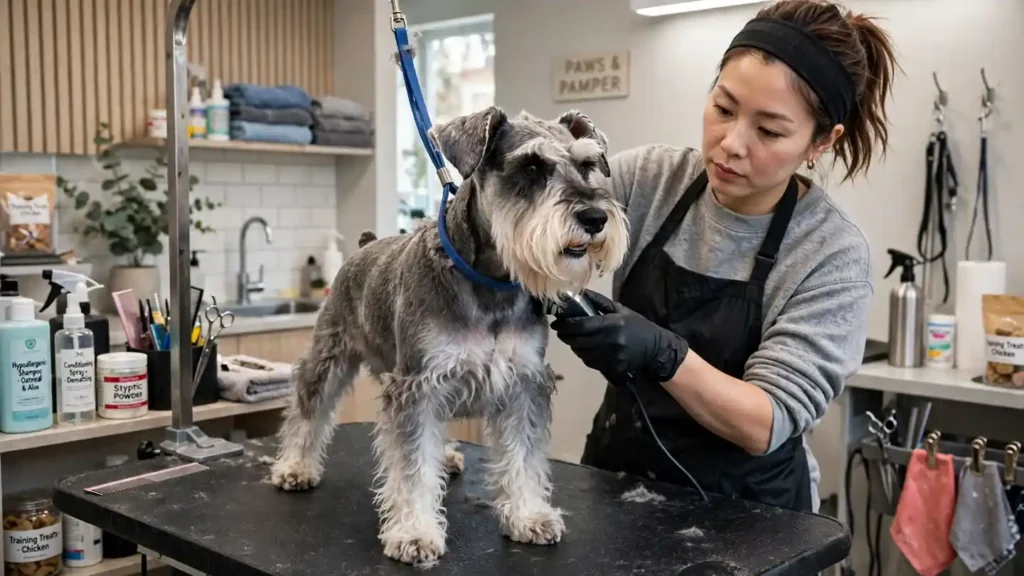
Professional clipping or hand-stripping every 6 to 8 weeks; brush the beard regularly.
Exercise
30 to 45 minutes daily plus training and games for the clever mind.
Home
An indoor family home or apartment; they want to be involved in everything.
Nutrition and Diet
Watch the waistline: feed a measured, high-quality diet in two meals a day. The Schnauzer dog needs a measured diet.
They gain weight easily and are prone to pancreatitis; keep them lean and avoid fatty table scraps. Count treats. Weigh the dog monthly rather than trusting your eye: the beard and furnishings hide a widening waistline remarkably well.
Feeding needs a watchful eye. A measured, high-quality diet in two meals suits the breed, but weight gain comes easily and pancreatitis is a named risk, so keeping the dog lean and avoiding fatty table scraps matters more than usual. Count treats, and weigh the dog monthly rather than trusting your eye, since the beard and furnishings hide a widening waistline remarkably well.

Grooming
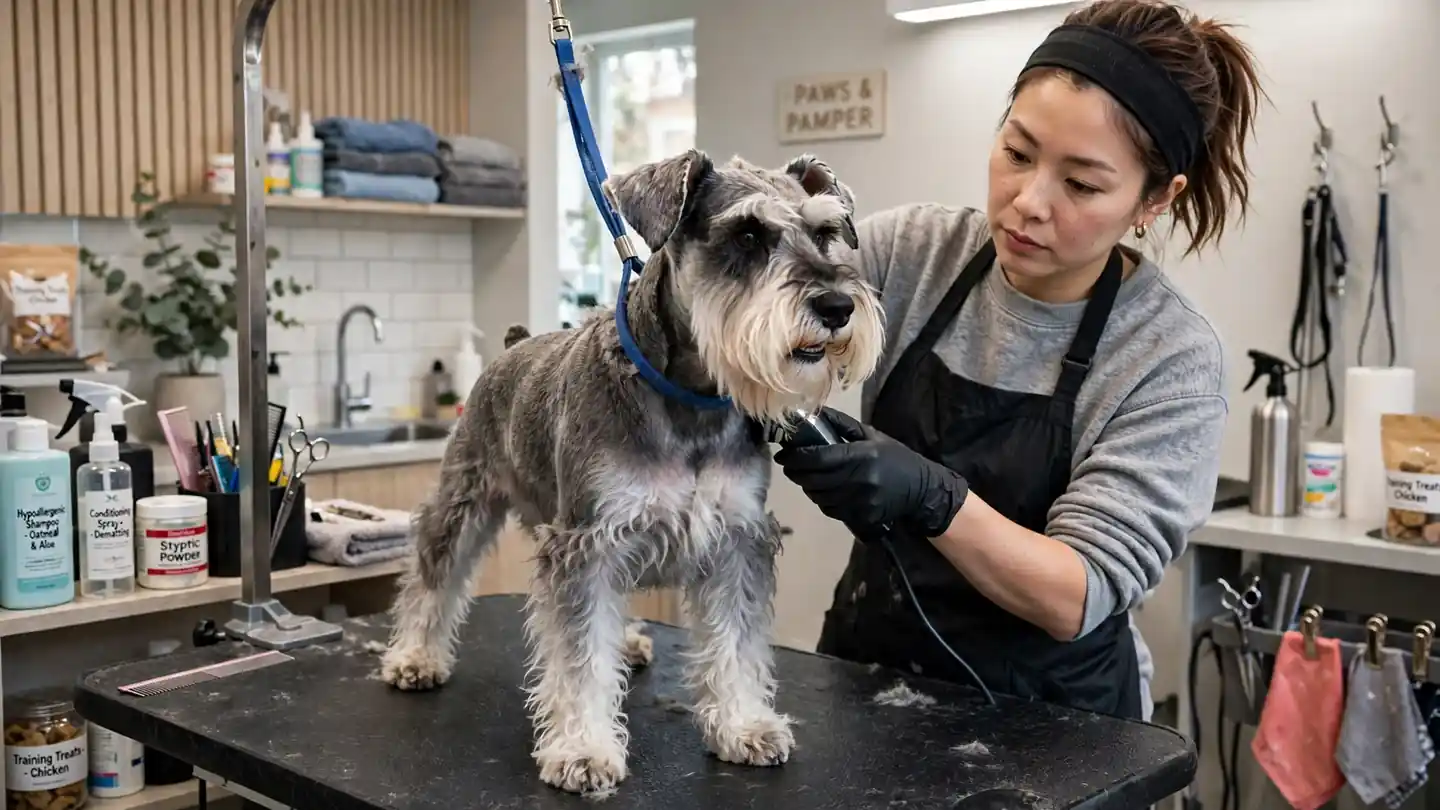
The beard needs maintenance: professional clipping or hand-stripping every 6 to 8 weeks. The Schnauzer dog needs regular brushing.
Brush the beard regularly; it collects food and water. Trim nails, clean ears, brush teeth regularly.
The beard is a maintenance project of its own. Professional clipping or hand-stripping every six to eight weeks keeps the wiry double coat in shape, and the beard needs regular brushing since it collects food and water at every meal and drink. The same session covers nails, ears, and teeth, and owners who keep the beard routine steady usually find it easier than owners who let it mat and then catch up.
Exercise and Enrichment
Moderate to high energy: aim for 30 to 45 minutes of activity daily — walks, play, training. The Schnauzer dog enjoys daily exercise.
They enjoy agility and games. Mental work suits the clever mind. A fenced garden for zoomies and a rotation of puzzle toys will do more for household peace than any single long walk.
Exercise suits the clever, spirited mind. Thirty to forty-five minutes of walks, play, and training cover the need, agility and games suit the athleticism, and mental work through puzzle toys matters as much as movement. A fenced garden for zoomies and a rotation of puzzle toys will do more for household peace than any single long walk, as the guide says.
Health
Most live 12 to 15 years. Here are the health issues to know:
A notable risk; keep the diet lean and avoid fatty foods.
Bladder stones occur in the breed.
Cataracts and progressive retinal atrophy occur.
They are prone to weight gain, which worsens everything.
Schedule annual wellness exams, or twice-yearly exams for seniors, and ask your vet about screening for conditions the breed can be prone to, such as eye conditions. Consult your veterinarian promptly if you notice vomiting, abdominal pain, straining to urinate, or changes in appetite, weight, or energy. For general background, see the Wikipedia guide.
Health care follows the familiar rhythm with eye screening in focus. Annual exams, twice-yearly exams for seniors, and screening for eye conditions cover the ground the guide names, and breeders who screen eyes and heart and breed for sound temperaments are worth seeking out. Day to day, vomiting, abdominal pain, and changes in appetite, weight, or energy deserve a prompt vet call.
Indoor and Outdoor Living
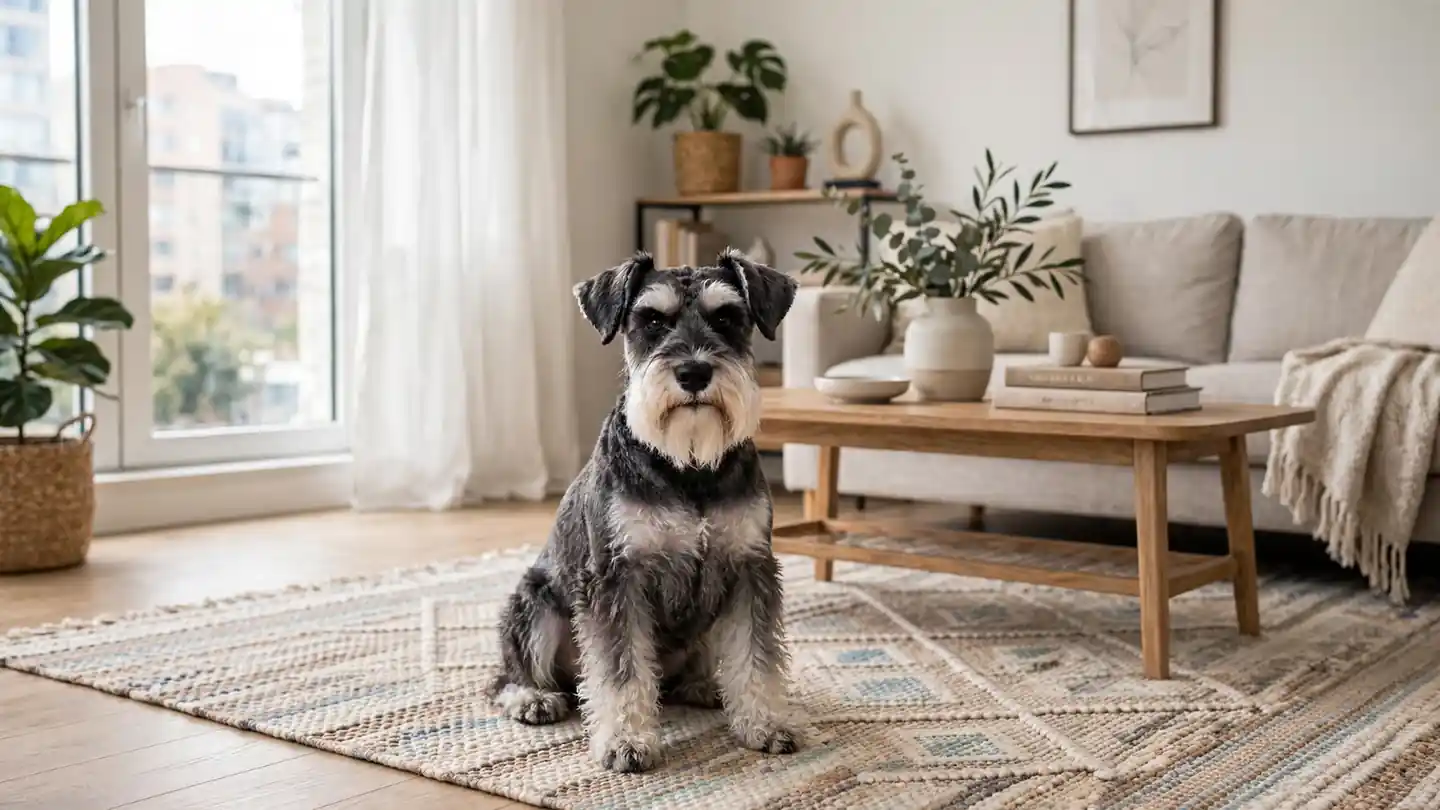
Indoor companion, outdoor player: they live indoors and are excellent apartment dogs with enough exercise. The Schnauzer dog lives indoors with its family.
They enjoy outdoor play and handle most climates with the wiry coat. Apartment life suits the breed well, provided the barking is trained early; a window perch for surveillance duty is appreciated.
Indoor living suits the breed with barking trained early. The Schnauzer lives indoors as an excellent apartment dog with enough exercise, enjoys outdoor play and handles most climates with the wiry coat, and a window perch for surveillance duty is appreciated. Apartment life suits the breed well, provided the voice is managed before neighbors notice.
Family Suitability
Great with families: lively and affectionate with their families, good with respectful children.
They are usually good with other dogs; cats they are raised with are fine, though the ratting instinct needs management. With visitors, expect an inspection, an announcement, and then, usually, a new best friend.
With families, liveliness leads and the ratting instinct sets the limit. The breed is great with families: lively and affectionate, good with respectful children, and usually good with other dogs, while cats it is raised with are fine though the instinct needs management. With visitors, expect an inspection, an announcement, and then, usually, a new best friend, and the Schnauzer dog’s spirited charm shows best in engaged homes that enjoy a bearded supervisor.
Engaged, active ownersApartment living with enough activityFamilies with respectful childrenPeople who enjoy training
You want a quiet, low-maintenance coatProfessional grooming every 6 to 8 weeks is out of budget
Finding a Breeder or Rescue
Health testing matters: good breeders screen eyes and heart, and breed for sound temperaments.
Breed rescues have wonderful dogs. A good breeder will also quiz you: this is a 12 to 15 year commitment to grooming appointments and opinionated companionship.
- Ask about screening — eyes and heart
- Ask how the breeder assesses temperament
- Ask how puppies are raised and socialized
- Consider a breed rescue
Quick Quiz: Is This Bearded Charmer Right for You?
Answer four questions. Tap yes or no.
Frequently Asked Questions
Are Schnauzers good family dogs?
Wonderful. They are lively, affectionate, and good with children.
How much exercise does a Miniature Schnauzer need?
About 30 to 45 minutes of activity daily.
Do Schnauzers shed?
Very little. The wiry coat is minimal-shedding but needs clipping.
Do Schnauzers bark a lot?
They can be vocal watchdogs. Training manages it.
How long do Miniature Schnauzers live?
Typically 12 to 15 years.
What is the difference between Miniature, Standard, and Giant Schnauzers?
They are three separate breeds in different sizes with similar looks and spirited temperaments.
What do Schnauzer owners say about living with the breed?
Owners consistently describe this breed as spirited, smart, and friendly. In practice, owners report that the breed’s lively charm is the main reason they recommend it to engaged owners.
When should I ask my vet about my Schnauzer’s health?
Schedule annual wellness exams, or twice-yearly exams for seniors, and ask your vet about screening for conditions the breed can be prone to, such as eye conditions. Consult your veterinarian promptly if you notice vomiting, abdominal pain, straining to urinate, or changes in appetite, weight, or energy.
The bearded charmer earns the title: spirited, smart, and friendly, with minimal shedding and maximum personality. Keep up the grooming appointments and the training, and you get a lively little extrovert who runs the household’s entertainment.
Similar Breeds Worth Exploring
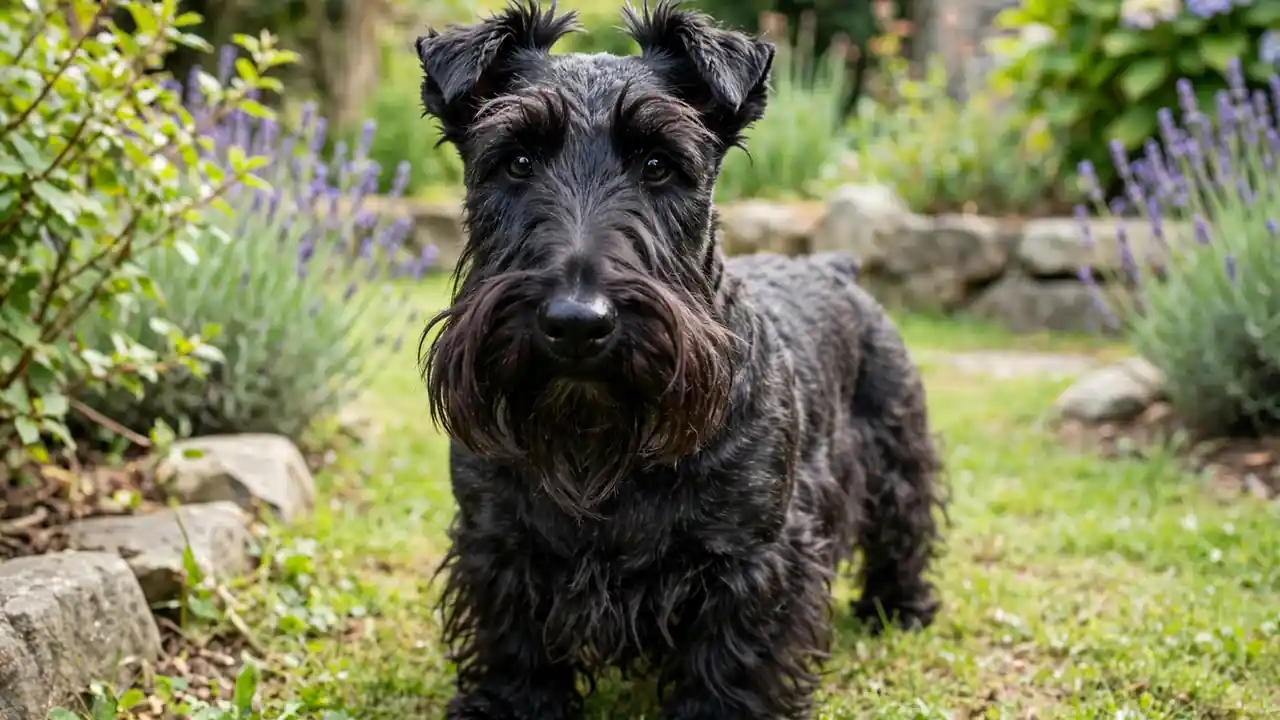
If this breed appeals to you, consider the Standard (the medium original), the Airedale Terrier (larger terrier spirit), the Scottish Terrier (similar beard, more independent), or the West Highland White Terrier (small and spirited).
Related Breed Guides
Keep Exploring
Browse all our Dog Breed Guides, try the Dog Age Calculator, or explore our Cat Breed Guides. Every guide on this site follows the same layout, so the facts you need are always in the same place.