Can Cats Eat Pork? Safety, Benefits and Serving Guide
Can Cats Eat Pork?
Pork is a meat cats can enjoy, but only rarely and cooked right. Learn the benefits, why raw pork is off limits, the bone myth, and safe serving rules.
By Emily Carter · Reviewed by our vet team · Updated October 2026
Safety: Rare treat, cooked onlyType: MeatAvoid: Raw, bones, processed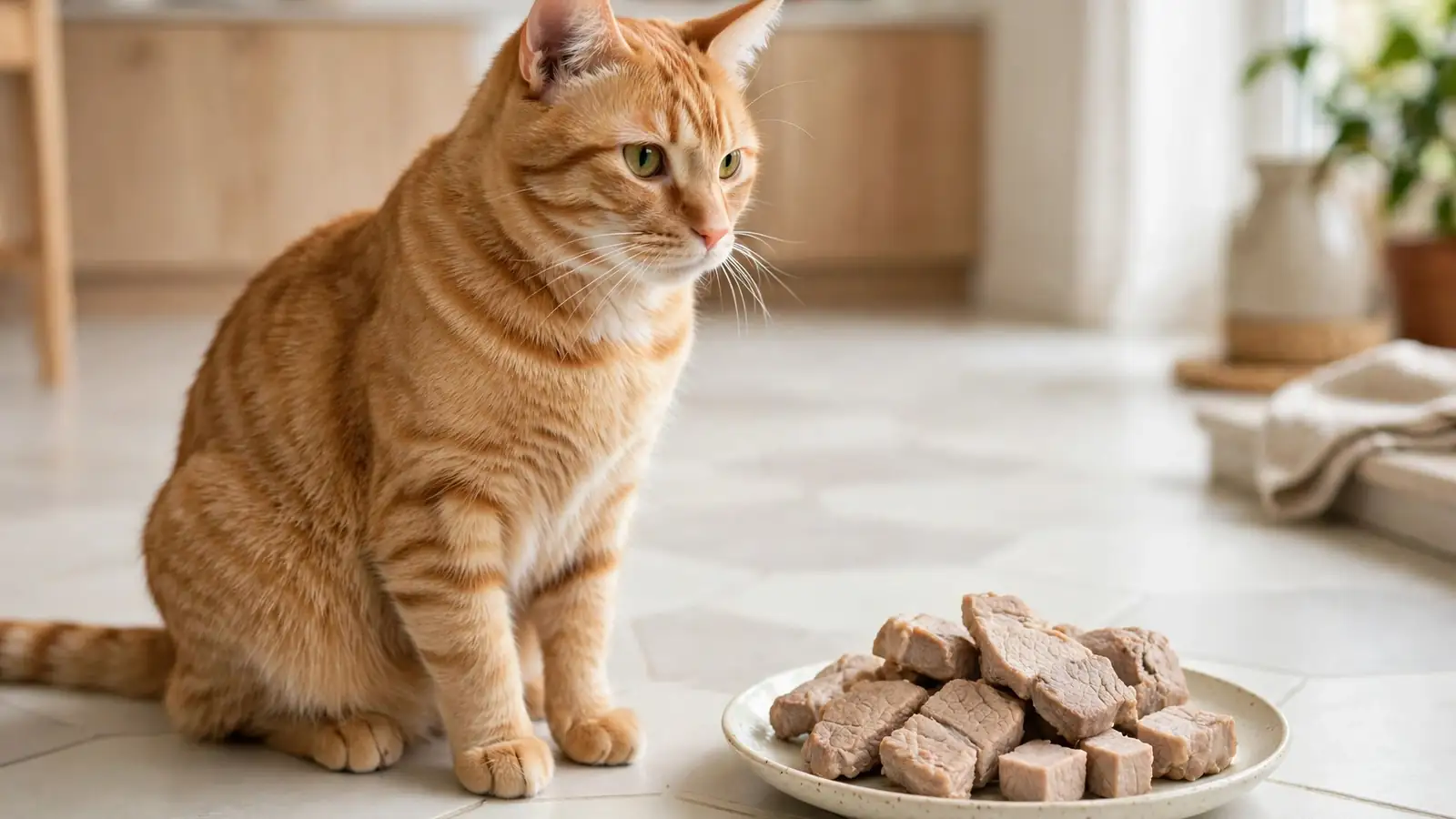
Bacon sizzling in the pan puts every cat in the house on high alert. Pork smells like the best thing in the world to a cat, and a tiny taste now and then is fine, as long as you follow a few simple rules.
Quick answer: Cats can eat pork as an occasional treat since they are built to thrive on meat protein. Never serve it raw, skip all seasoning, remove every bone, and keep portions tiny because pork is high in fat and sodium for cats.
So can cats eat pork? Yes, as a rare treat. Cats are obligate carnivores, which means meat sits at the center of what their bodies are built to use, and pork protein is much like chicken or fish protein to them.
Can Cats Eat Pork?
The short answer is yes, but rarely. Here is why pork works for cats in principle, and where the limits sit.
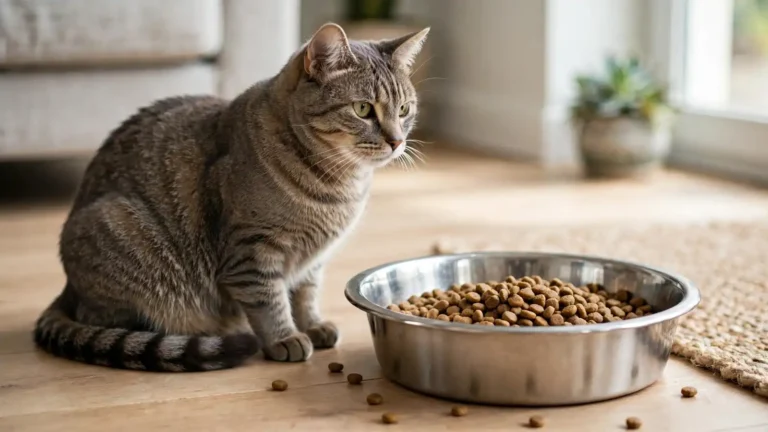
Cats are obligate carnivores, a term that means they thrive on meat protein above all else. Pork protein is similar to chicken or fish protein, and most cats love the taste of meat in any form.
But keep it rare. A few small pieces as a treat once every few months is the right pace. Pork should never become a regular human food habit for your cat.
It helps to understand what obligate carnivore really means. It means a cat’s body is built to pull what it needs from meat first, and plant foods are mostly filler to them. That is why meat of almost any kind smells irresistible to cats, and why pork protein works for them much the same way chicken or fish protein does.
Do cats eat pork eagerly when offered? Almost always. That enthusiasm is not a green light for big servings, though. Their excitement says more about the smell than about what is healthy.
At a Glance
Can Cats Eat Raw Pork?
Raw might seem natural for a hunter, but pork is one meat you should always cook first.
Never feed raw pork to your cat. Raw pork can carry parasites and bacteria that make cats sick, and cooking removes that risk. Always cook pork fully before offering any to your cat.
Add no seasoning. Spices and flavorings can disturb a cat’s digestion, so plain cooked pork is the only version worth serving.
Pork is not like the fresh caught prey a cat’s ancestors hunted. Modern pork passes through many hands before it reaches your kitchen, which is why the parasite and bacteria risk is real. Cooking is the single step that turns a risky meat into a safe rare treat, so never skip it.
Cooking also gives you control over what goes in. Boiling or baking plain pork keeps things simple, while frying adds fat your cat does not need. However you cook it, let it cool before serving, and cut it small so it is easy to chew and swallow. Fully cooked means no pink in the middle and clear juices, so when in doubt, cook it a little longer rather than a little less.
Is Pork Bad for Cats?
Pork is not poison, but it has two traits that make frequent feeding a bad idea.
Pork is high in sodium and fat. Fed often, that combination can lead to obesity or artery problems. Excess sodium can also harm the liver, kidneys, and heart over time.
When owners ask about serving pork regularly, the honest answer is no. The fat and sodium that are harmless in a rare bite become a real problem when pork shows up often.
Bones are another problem. Pork bones are a choking hazard, and the old idea that bones clean teeth is a myth. In reality, bones can damage your cat’s dental health instead of helping it.
The sodium issue deserves special attention because cats are small. What looks like a pinch of salt to us is a large dose for a ten pound cat. That is one more reason processed pork products are off the table entirely, since they pack far more sodium than fresh cooked pork ever would.
Benefits of Pork for Cats
Served rarely and plainly, pork does bring a few real nutritional plus points.
- Quality protein: A good protein source for carnivores, and easy for cats to digest.
- B vitamins and niacin: Support energy metabolism and overall health.
- Minerals: Loaded with zinc, potassium, and selenium.
- Vitamin B12: Supports the nervous system and the immune system.
These benefits only matter in the context of tiny, rare servings. Your cat’s main diet should always be a complete and balanced cat food.
Think of these nutrients as a small bonus, not a reason to feed pork. A quality cat food already delivers B vitamins and minerals in the right amounts. The pork treat is about enjoyment, and the nutrition is just a nice side effect of keeping the serving plain and simple.
To put names to the benefits: zinc supports skin and immune health, potassium helps muscles and nerves do their work, and selenium works as an antioxidant. Niacin and the other B vitamins help the body turn food into usable energy. None of this makes pork a health food for cats, but it confirms that a tiny plain piece is not empty either.
How to Feed Pork to Your Cat Safely
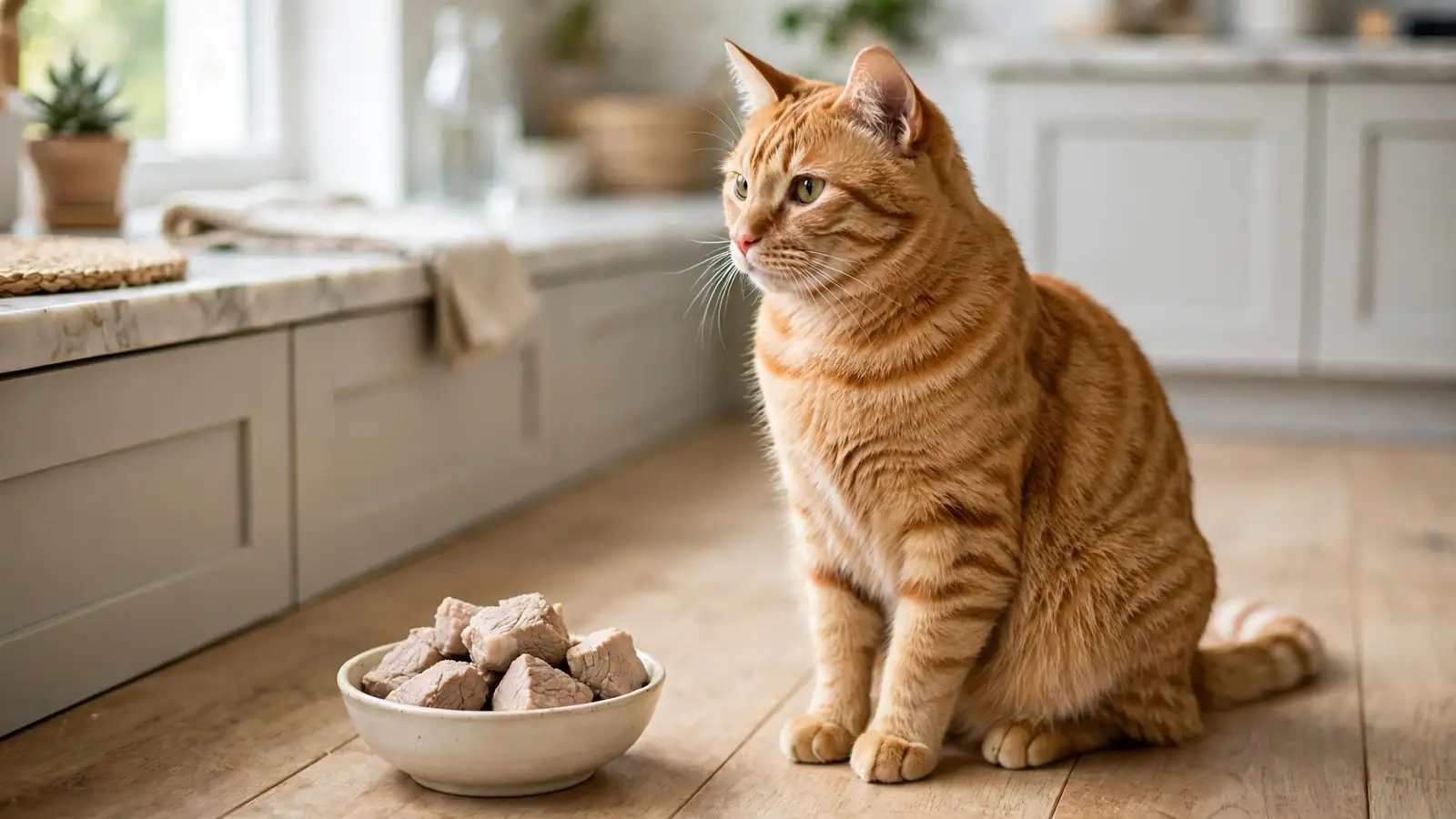
If you decide to share a little pork, these rules keep it safe.
- Offer pork as a treat only, once in a while, not as a meal.
- Choose fresh, high quality meat over processed products. Processed pork is very high in sodium.
- Remove ALL bones before serving. Every single one.
- Cut the meat into small pieces for easy digestion.
- Boil or bake it plain, with no spices or seasoning.
Learning can cats eat pork safely comes down to these five rules. So can cats have pork from your dinner plate? Only as a rare treat, and only if it meets every rule above. When in doubt, a vet can advise on the best diet choices for your cat.
What about deli slices? If you are wondering can cats eat pork meat from the deli counter, the answer is no. Deli and processed meats are far too salty for cats.
Portion size is where most owners slip up. A treat for a cat means one or two thumbnail size pieces, not a plate of leftovers. When the question is can cats eat pork safely, small is the whole answer, along with plain, cooked, and boneless.
FAQs: Can Cats Eat Pork?
Quick answers to common questions about cats and pork.
Can cats eat pork every week?
No. Can cats eat pork weekly without harm? Probably not a good idea. The fat and sodium add up, so keep pork to once every few months at most.
Can kittens eat pork?
Kittens need precise nutrition for growth, so table foods like pork are best avoided. Stick to food made for kittens.
Can cats eat pork bones if they are cooked?
No. Cooked bones can splinter, and all pork bones are a choking hazard. Remove every bone, every time.
Is bacon safe for cats?
Bacon is processed pork with very high sodium and fat, so it is one of the worst ways to share pork. Skip it.
Can cats eat pork fat trimmings?
No, trim the fat off. Pork is already high in fat, and pure fat trimmings make obesity and stomach upset far more likely. Serve lean pieces only.
What should I do if my cat ate raw pork?
Watch for vomiting, diarrhea, or lethargy, and call your vet. Raw pork can carry parasites and bacteria, so do not ignore symptoms.
The Bottom Line: Can Cats Eat Pork?
Can cats eat pork? Yes, as an occasional treat served plain, cooked, boneless, and in tiny portions. Keep it rare, skip the processed stuff, and let a complete balanced diet do the heavy lifting. The next time you are tempted to share, run through the checklist: cooked through, no seasoning, no bones, tiny piece, rare occasion. For more feeding guides that separate safe treats from risky ones, explore our other cat feeding articles.
Related Feeding Guides
Keep exploring what dogs can and cannot eat:
Keep Exploring
Browse the full A to Z dog breed collection to find your perfect match, or explore more cat breed guides.