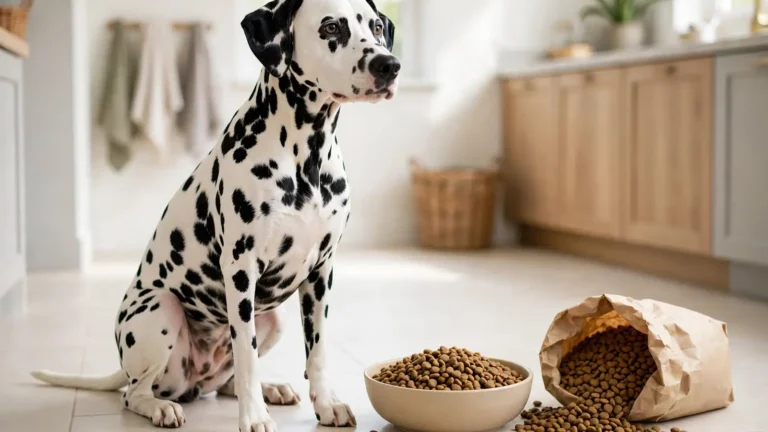
Can Dogs Eat Lamb? Benefits, Risks and Serving Guide
Can Dogs Eat Lamb?
Lamb is a rich protein many dog foods use. Here is how to serve lamb meat safely: benefits, raw vs cooked, and what to avoid.
By Emily Carter · Reviewed by our vet team · Updated October 2026
Safety Safe cooked plainType MeatServing Plain and trimmed

Roast lamb on the table turns every dog in the house into a professional food critic. That rich meaty smell drifting from the kitchen is basically irresistible to a canine nose.
Quick answer: Yes, dogs can eat lamb. Plain cooked lamb meat is a nutritious protein that is even used in limited ingredient diets, but skip heavy seasoning, onion, and garlic. Raw lamb carries the same bacterial risks as any raw meat, cooked bones can splinter, and excess fat should be trimmed to avoid stomach upset.
Lamb shows up in plenty of quality dog foods, which surprises owners who think of it as a fancy people food. If the kibble bag can include it, you might reasonably ask, can dogs eat lamb fresh from your own kitchen?
This guide covers the nutritional upsides, the raw versus cooked debate, what to avoid around bones and fat, and simple safe serving ideas for your pup.
Can Dogs Eat Lamb?
Good news for the hopeful eyes waiting under your table.
Yes. Plain cooked lamb meat is a perfectly fine protein for dogs, and many commercial recipes use it as a main ingredient without any fuss.
Lamb brings quality protein plus B vitamins and minerals like iron and zinc, the same nutrients that make it valuable on our own plates. It is real food with real nutritional weight behind it.
It is also a common pick for limited ingredient diets, since dogs with sensitivities to more common proteins sometimes do better when lamb takes the lead role.
You will notice lamb listed in many quality kibble and wet food recipes, often marketed for dogs with food sensitivities. That commercial track record is part of why the can dogs eat lamb question gets such a confident yes.
So can dogs eat lamb? Absolutely, as long as it is plain, cooked through, and served in sensible portions rather than holiday feast quantities.
At a Glance
Is Lamb Good for Dogs?
Safe is one thing. Genuinely good is another. Here is the fuller picture.
Nutritionally, the answer to is lamb good for dogs is a solid yes. It delivers complete protein for muscle maintenance and everyday energy, which is exactly what a dog’s body runs on.
The fat profile deserves respect, though. Lamb can run richer than chicken or turkey, which is why trimming visible fat keeps it gentle on digestion, especially the first few times.
That richness is also why the deeper version of can dogs eat lamb gets an enthusiastic answer from many owners: it adds welcome variety to the bowl, and rotating proteins can make meals more interesting.
One caution for sensitive stomachs: introduce lamb in small amounts first. Even good foods can surprise a delicate gut when they arrive in a full portion out of nowhere.
Lamb also works well as a training treat when cooked plain and cut tiny. Small cubes of leftover roast lamb, unseasoned and fully cooled, make high value rewards that most dogs find far more exciting than ordinary biscuit crumbs.
Raw Lamb vs Cooked Lamb
The raw feeding debate touches lamb just like every other meat.
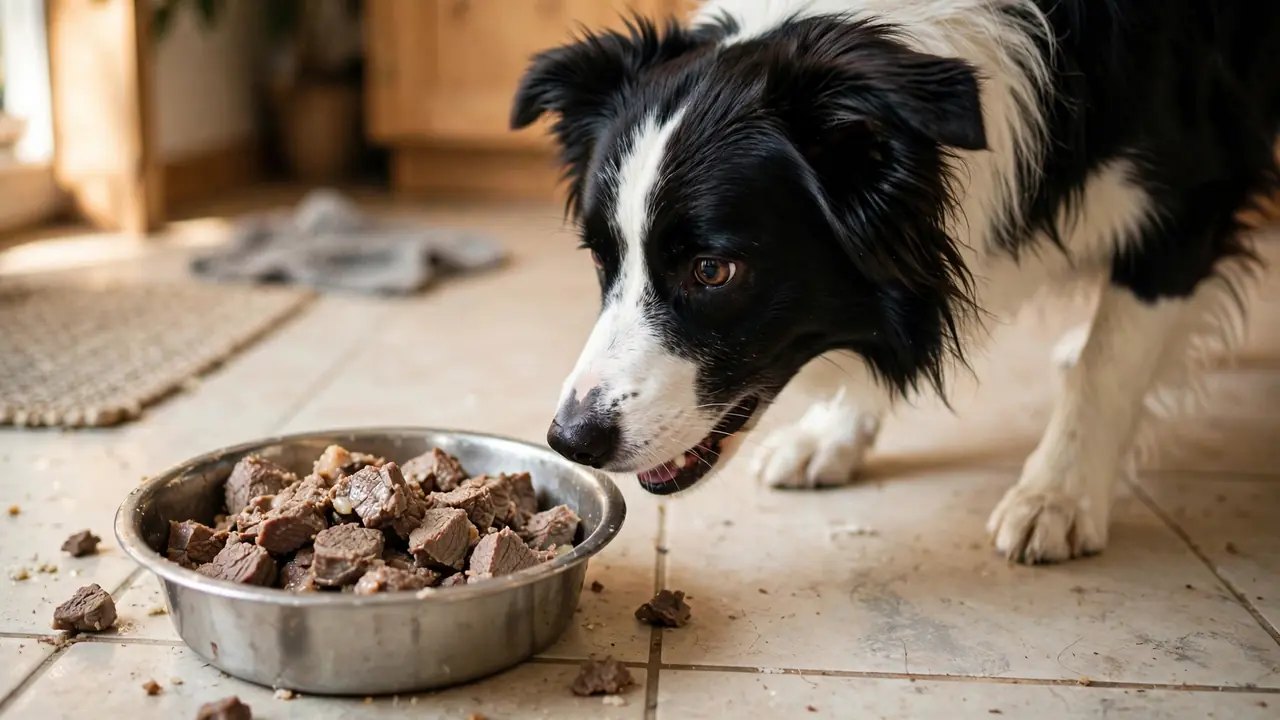
Raw lamb for dogs carries the same bacterial risks as any raw meat. Raw meat can harbor bacteria that cause serious illness in dogs and in the people who handle their food and bowls.
Cooking to a safe internal temperature removes that risk while keeping the protein benefits intact. For most households, cooked is simply the calmer and cleaner choice.
So can dogs eat lamb raw without worry? Not quite. If you feed raw under veterinary guidance, source from reputable suppliers, handle everything hygienically, and never serve meat that has been sitting out.
Some owners ask about raw lamb for dogs as part of a full raw diet plan. That is a bigger lifestyle decision than a single ingredient, so talk it through with your vet before diving in.
Freezing does not make raw meat safe, by the way. Home freezers slow bacterial growth but do not reliably kill the organisms that matter, so frozen raw lamb carries the same cautions as fresh.
Bones and Fat: What to Avoid
The meat is the easy part. These are the parts that cause vet visits.
Cooked bones can splinter into sharp fragments that injure the mouth, throat, or intestines. Never give your dog cooked lamb bones, no matter how hard they beg or how persuasive the eyes get.
Raw bones are a separate debate with their own risks, including cracked teeth. This article sticks to lamb meat, since a dedicated guide covers lamb bones in full detail.
Trim excess fat before serving. Fatty meals can trigger stomach upset and, in bad cases, pancreatitis, a painful inflammation of the pancreas that needs prompt vet care.
Seasoning is the silent spoiler. Onion and garlic are toxic to dogs, and heavy salt and strong spices have no place in their portion, so always set the dog’s share aside before you season yours.
Watch out for seasoned leftovers after roasts and holidays. A plate of lamb with garlic butter and rich gravy is a very different proposition from plain cooked lamb, so always carve the dog’s portion before the seasoning goes on.
How to Serve Lamb Safely
Simple preparation beats fancy recipes every single time.
Start with plain cuts such as leg, loin, or shoulder, with visible fat trimmed away. No marinades, no rubs, no sauces, and no butter in the pan.
Cook it through using simple methods. Boiling, baking, or grilling plain are all fine, as long as the center is fully cooked and then cooled to a safe temperature.
Cut the meat into bite size pieces suited to your dog. Small dogs need small pieces, and even big dogs do better with manageable chunks than with a slab.
A quick serving checklist:
- Plain, cooked through, with no seasoning at all
- Fat trimmed away and all bones removed
- Small portion mixed into regular food the first time
Introduce it gradually, because even fans of can dogs eat lamb agree on one rule: a little mixed into the usual dinner first, then more once you know it agrees with your dog.
Watch the stool for a day or two after that first lamb meal, just as you would with any new protein. Firm, normal results mean lamb can join the regular rotation without any worry at all.
FAQs
Can dogs eat lamb every day?
They can, as part of a balanced diet, but most vets favor variety over a single protein on repeat. Talk to your vet about the best rotation for your dog. A mix of two or three proteins across the week is a common pattern that keeps meals interesting and nutrition broad.
Can dogs eat lamb fat?
Small traces are fine, but trim the bulk of it. Large fatty portions can upset the stomach and raise the risk of pancreatitis.
Can dogs eat lamb chops?
The meat, yes. The bone, no. Serve the meaty part plain and keep the chop bone far from curious mouths.
Is lamb better than chicken for dogs?
Not better, just different. Both are quality proteins, and many owners rotate between them for variety and broader nutrition.
Can puppies eat lamb?
Yes, plain cooked lamb in small, soft pieces works for puppies too. Keep portions modest and skip all seasoning, just like with adults. Puppy stomachs are extra sensitive, so start with a teaspoon sized taste and build up slowly.
Final Thoughts
Can dogs eat lamb with confidence? Yes. Plain cooked lamb meat is a nutritious protein that fits well into a varied diet, as long as you skip the seasoning, ditch the cooked bones, and trim the fat.
If this guide answered the dinner table question for you, share it with a fellow dog owner. And for more straight answers on everyday foods, explore our other feeding guides.
Related Feeding Guides
Keep exploring what dogs can and cannot eat:
Keep Exploring
Browse the full A to Z dog breed collection to find your perfect match, or explore more cat breed guides.