Can Dogs Eat Turkey? Safety and Serving Guide
Can Dogs Eat Turkey?
Plain cooked turkey is fine as a snack, but bones, skin, and seasonings are not. Learn the safe serving checklist for holiday leftovers.
By Emily Carter · Reviewed by our vet team · Updated October 2026
Safety Plain cooked onlyType PoultryAvoid Bones, skin, raw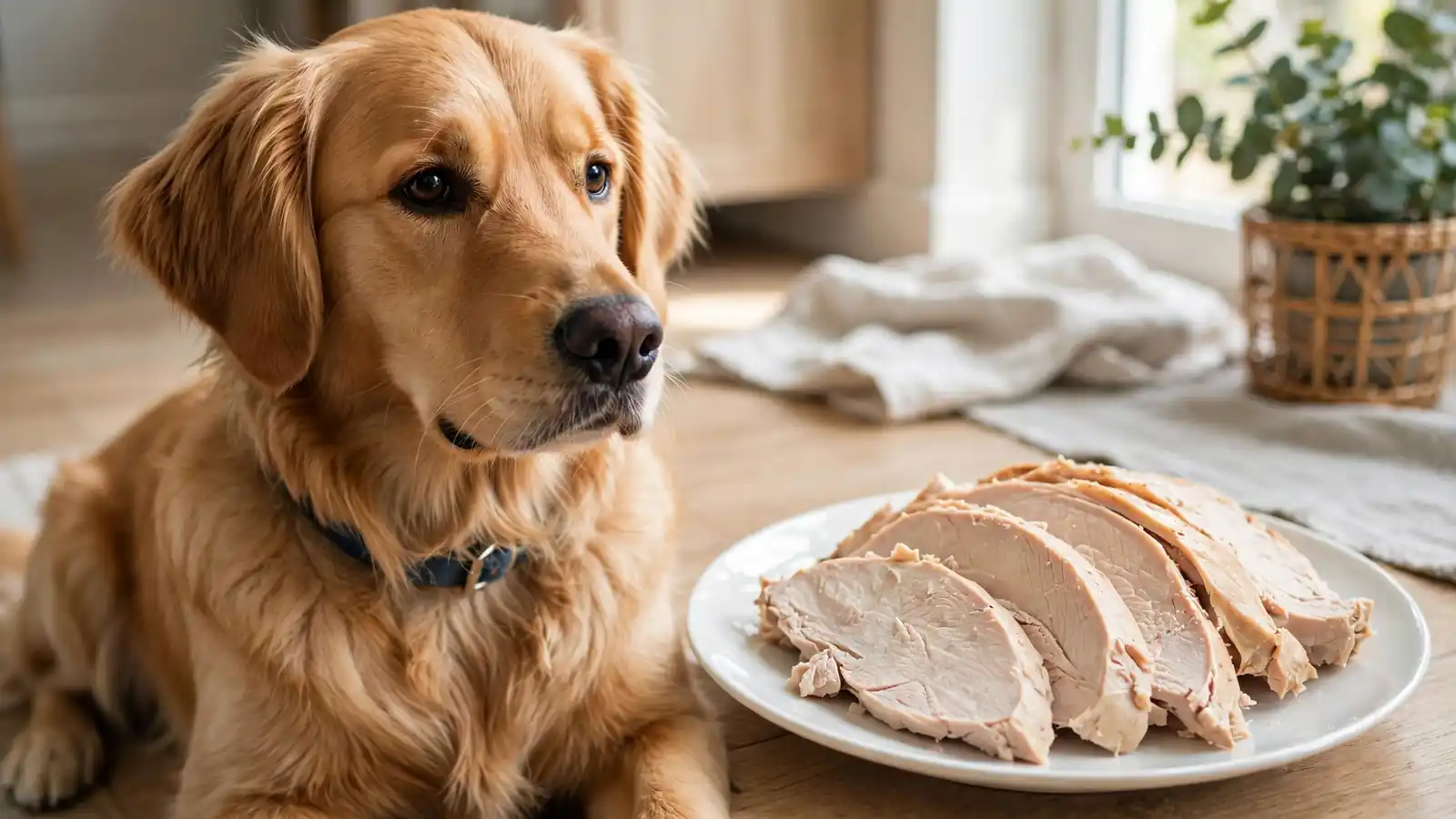
Holiday dinners have a way of turning every dog into the best behaved guest in the room. One whiff of roast turkey and those eyes say it all. The good news is that turkey can be on the menu for your dog, as long as you serve it the right way.
Quick answer: Can dogs eat turkey? Yes, with precautions. Serve only a few small bite sized pieces of plain, perfectly cooked, deboned turkey with the skin, fat, and drippings removed. Skip the bones, seasonings, butter, oils, and gravy, keep all treats within 10 percent of daily calories, and check with your vet first if your dog has health issues.
Can Dogs Eat Turkey?
Turkey is one of the safer holiday foods to share, with a few firm rules attached.
The answer is yes with precautions. Dogs can eat turkey only as a snack outside a complete balanced diet. Plain cooked turkey is digestible and most dogs love the taste. It should never replace a balanced meal, no matter how much your dog begs.
The rules matter more than the meat itself. Remove all bones, strip away the skin, fat, and drippings, and skip every seasoning, butter, oil, and gravy. These extras raise the chances of pancreatitis, vomiting, and diarrhea. Some seasonings are toxic to dogs in large amounts, so plain really means plain.
Too much turkey also unbalances the diet and causes weight gain over time. The short answer to can dogs eat turkey is yes, in small plain portions. Keep all treats, including turkey, to 10 percent of daily calories. Consult your vet before adding new foods, especially if your dog has diabetes or chronic digestive ailments.
At a Glance
Can Dogs Eat Cooked vs Raw Turkey?
Cooked turkey is fine in small amounts. Raw turkey is a hard no.
Cooked turkey is the only kind your dog should ever eat. That is why safe sharing always means cooked turkey, never raw. It is digestible and safe when plain, unseasoned, and served in small bite sized pieces. Raw turkey can carry Salmonella or E. coli, which cause serious infections in dogs. Those same bacteria can also spread to humans in the household, so raw turkey puts the whole family at risk.
So can dogs eat turkey straight from the carving board? Only after you have removed the skin, fat, bones, and seasonings. A few small pieces of plain, perfectly cooked, deboned turkey with skin and fat removed is the ideal serving. Anything less prepared than that should stay on human plates.
Can Dogs Eat Turkey Bones?
Bones look like a natural treat, but turkey bones are genuinely dangerous.
Turkey bones are a choking hazard, and cooked bones splinter into sharp pieces. Those splinters can cause mouth and tongue injuries, rectal bleeding, or even pierce the stomach or intestines. The bone rule is the strictest part of sharing turkey, and there are no exceptions for small or soft looking bones.
Swallowed bones can also cause constipation or a full blockage that may need emergency surgery. Large pieces of turkey meat carry a similar choking hazard to bones, so keep every portion small and bite sized.
If your dog loves to chew, choose dog approved chew bones instead. They satisfy the urge to gnaw without any of the danger. Your dog gets the fun, and you skip the emergency vet bill.
Can Dogs Eat Turkey Skin?
The crispy skin is the tastiest part for us and the riskiest part for dogs.
Turkey skin is loaded with fat, especially when cooked in oils and butter. Too much fat leads to pancreatitis, vomiting, and diarrhea, and a fatty holiday meal can trigger a painful episode. Skin is the main reason the plain meat rule exists. Holiday turkey skin is also coated in seasonings, herbs, onions, or garlic, which can be toxic to dogs.
Always remove the skin before sharing turkey with your dog. The plain meat underneath is the only part worth serving. It takes ten seconds and removes the biggest single risk on the plate.
Processed Turkey Products
Deli slices and breakfast meats are a different story from plain roast turkey.
Processed turkey products like deli meat, hot dogs, sausage, and smoked turkey are not ideal for dogs. They are packed with sodium and spices, high in fat, and lack the nutrients dogs need. The high fat content can cause vomiting, diarrhea, and weight gain, so these products do more harm than good.
So can dogs eat turkey bacon as an occasional treat? If you do share any processed turkey, keep the portion tiny and within the 10 percent treat limit. Plain cooked turkey is always the better choice, and your dog will enjoy it just as much.
Dark Meat vs White Meat
Both have a place on the plate, but one is clearly the better pick for dogs.
Dark meat contains more iron and B vitamins, but it is also much higher in fat and calories. White meat is leaner and higher in protein, which makes it the smarter choice for your dog. When choosing between dark meat and white meat for your dog, reach for the white meat first.
Whichever you choose, the same rules apply every time: plain, unseasoned, skinless, boneless, and served in small pieces. The cut of meat matters less than how carefully you prepare it.
How to Serve Turkey Safely
If turkey is on your mind this holiday, follow this checklist every time.
- Serve only plain, unseasoned turkey with no garlic, chives, or harmful ingredients.
- Remove all skin, fat, and drippings before serving.
- Remove every bone, large or small.
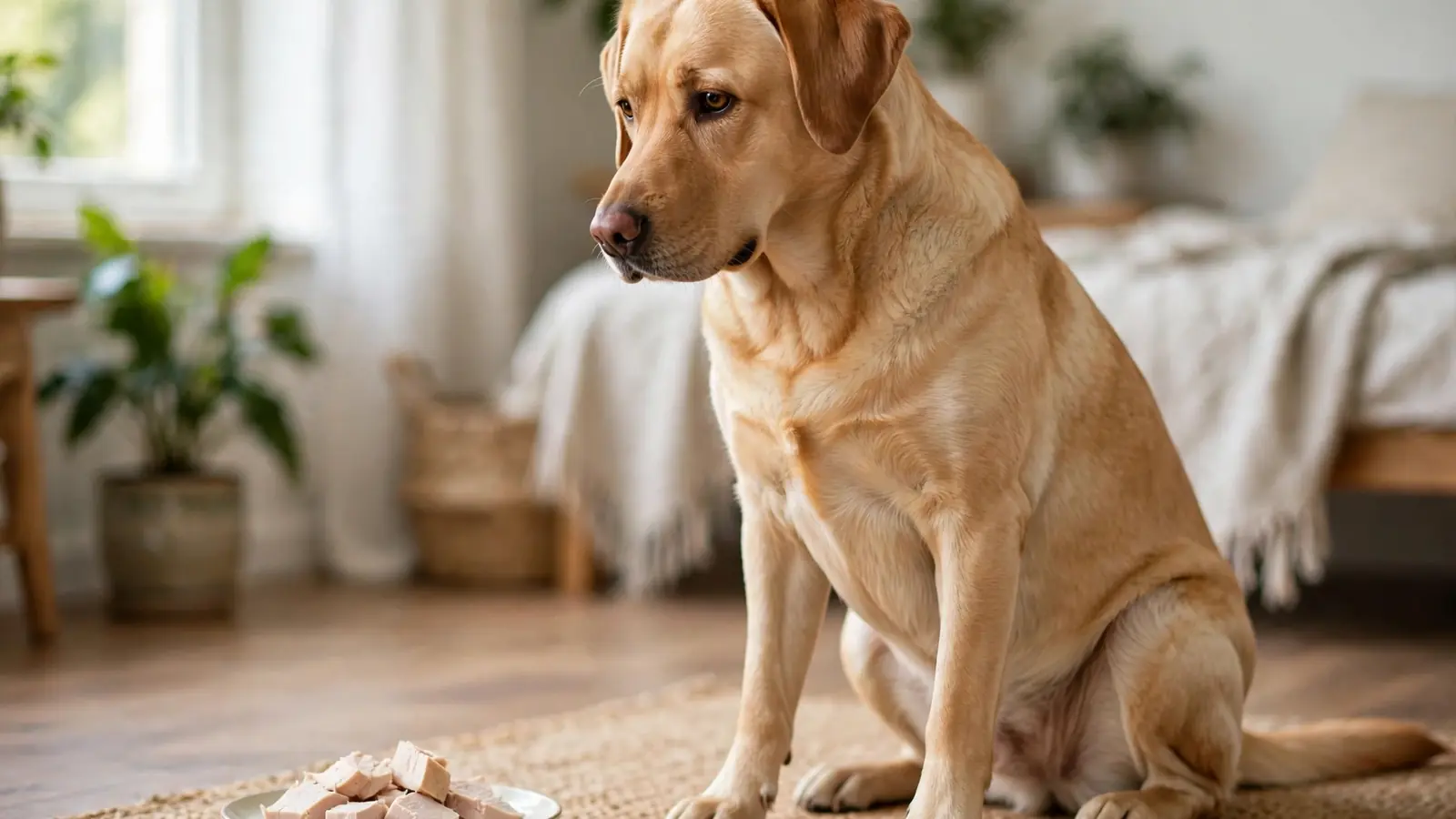
- Cut the meat into small bite sized portions.
- Keep turkey within the 10 percent daily treat limit.
- Consult your vet first, especially if your dog has diabetes or chronic digestive ailments.
Run through this list before the plate reaches your dog, and turkey time stays safe and stress free. It becomes second nature after the first holiday.
FAQs
Can dogs eat turkey every day?
No. Turkey works only as an occasional snack outside a complete balanced diet. Too much turkey unbalances the diet and causes weight gain, so keep all treats within 10 percent of daily calories.
Can turkey replace my dog’s meal?
No. Turkey is not a meal replacement for dogs. It lacks the balanced nutrition of a complete dog food, and too much of it unbalances the diet. Serve it as a small snack and keep the regular meals unchanged.
What should I do if my dog ate turkey bones?
Watch closely for choking, vomiting, or signs of pain. Splinters can injure the mouth and tongue, cause rectal bleeding, or lead to a blockage. Contact your vet right away if you notice anything unusual.
Can dogs eat turkey skin in small amounts?
It is best to avoid it entirely. The high fat content can lead to pancreatitis, vomiting, and diarrhea. Seasonings, herbs, onions, or garlic on the skin can also be toxic to dogs.
How much turkey can I give my dog?
A few small bite sized pieces are plenty. Keep all treats, including turkey, within 10 percent of your dog’s daily calories. Ask your vet what that looks like for your dog’s size and health.
Can dogs eat leftover turkey from the fridge?
Plain, unseasoned, deboned turkey is fine as an occasional snack. Make sure it was perfectly cooked, remove any skin and fat, and keep portions small. Skip any leftovers covered in gravy, butter, or seasonings.
So, can dogs eat turkey? Yes, when you keep it plain, cooked, boneless, and skinless. A few small pieces make a wonderful occasional snack, but the bones, skin, seasonings, and processed products should stay off your dog’s plate. Stick to the serving checklist above, keep treats within 10 percent of daily calories, and explore more of our feeding guides for safe holiday sharing all year long.
Related Feeding Guides
Keep exploring what dogs can and cannot eat:
Keep Exploring
Browse the full A to Z dog breed collection to find your perfect match, or explore more cat breed guides.