Sixgill Shark Facts: Size, Depth and the Ancient Hunter
Sixgill Shark: The Ancient Deep-Water Giant
The sixgill shark carries six gill slits where every other shark has five, an ancient deep-water giant that has changed little in millions of years.
By Emily Carter · Reviewed by our vet team · Updated 10 November 2026 · 7 min read
Six gill slitsMax 4.8 mNear Threatened (2019)
At a Glance
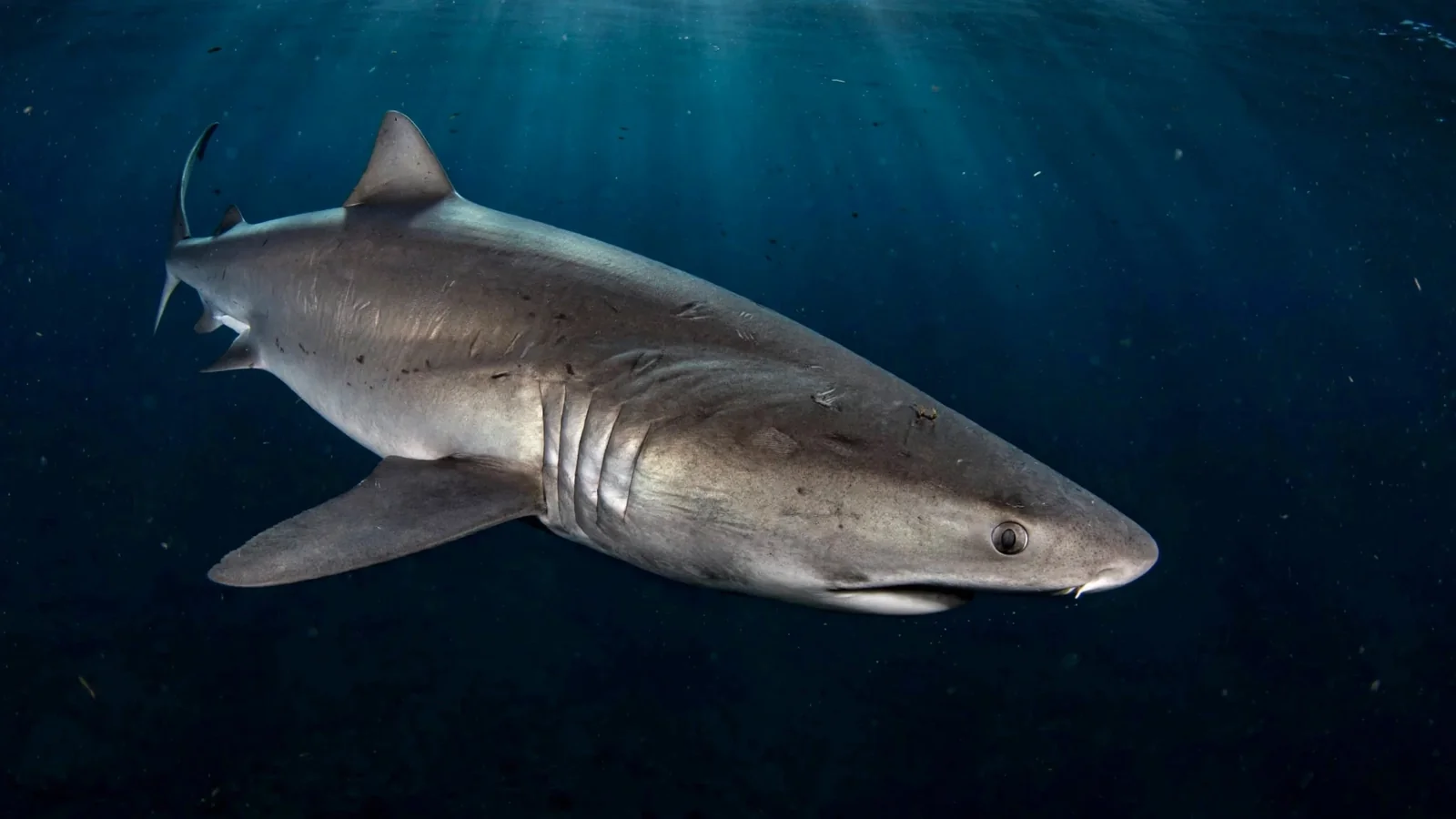
The sixgill shark is a living fossil with a saw for a mouth. Six gill slits, a single dorsal fin set far back on the body, and comb-shaped lower teeth mark it as one of the most ancient shark designs still swimming — a deep-water giant that hunts, scavenges and occasionally rises to the surface, where its young gather in the shallows of Puget Sound. This guide covers the six gills, the deep life, and the comb teeth.
Sixgill Shark Size: A Deep-Water Giant

The sixgill shark reaches a confirmed maximum of 4.8 metres and 590 kg — a true giant of the deep. Some pages cite 5.5 metres, but that figure is unverified, and 4.8 metres is the largest reliably measured animal. Most adults are smaller, in the 3 to 4 metre range, and females grow larger than males.
Its size is all the more striking for how little of it is muscle built for speed. The sixgill is a slow, heavy-bodied shark with a blunt snout and a long tail, shaped for cruising the deep rather than chasing prey. For the full species record, see the full bluntnose sixgill shark species profile.
Six Gills and One Dorsal Fin: An Ancient Design

Every other living shark has five gill slits on each side. The sixgill has six — a primitive feature it shares with only a handful of other ancient species. The extra slit is the first thing a scientist looks for, and it marks the sixgill as a survivor from a time when shark bodies were built differently. The sevengill shark is its closest living relative in gill count, carrying seven slits on each side.
The rest of the design is just as old-fashioned. There is a single dorsal fin, set far back near the tail, instead of the two fins most sharks carry. The lower teeth are shaped like combs, with one long point and a row of smaller ones — perfect for sawing through the flesh of large prey and carrion. The eyes are small and green, built for the dim light of the deep.
Where Sixgill Sharks Live: From Surface to 2,500 Metres
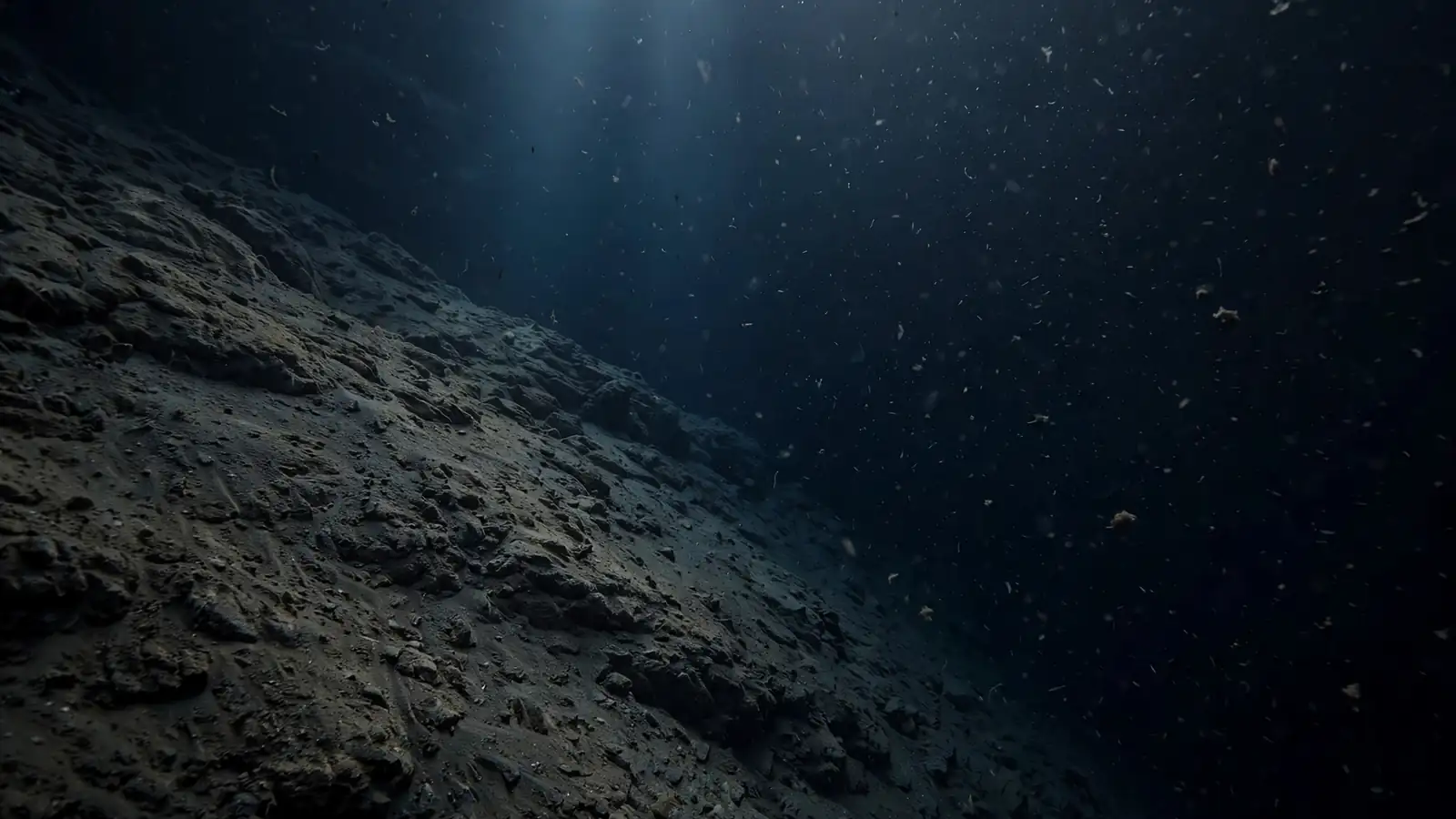
Sixgill sharks live in deep water all over the world, from the surface down to 2,500 metres, though they are usually found between 200 and 1,100 metres. They are most at home on continental slopes and in deep bays, where the water is cold, dark and rich in the large prey they favour.
They are not prisoners of the deep. Sixgills rise toward the surface at night, following the daily migration of deep-water animals, and young sixgills spend time in shallow water — most famously in Puget Sound, where juveniles gather in the shallows in numbers seen nowhere else.
Another ancient deep-water shark shares the sixgill’s world, and it is worth knowing apart from it. The Japanese sawshark is a small, slender deep-water shark with a long, saw-edged snout lined with barbels — a different species in a different family, not a kind of sixgill. Where the sixgill is a giant scavenger, the sawshark is a small bottom-hunter that uses its saw to slash at prey in the sand.
What Do Sixgill Sharks Eat? Scavengers and Hunters

The sixgill eats almost anything big enough to be worth the effort: fish, rays, other sharks, seals and carrion. Its comb teeth saw through flesh and blubber, and its slow, powerful body is built for overpowering struggling prey or tearing into a carcass on the seafloor.
Scavenging is a large part of the diet. In the deep, a dead whale or a sinking seal is a feast, and sixgills are among the first large sharks to arrive. They also hunt live prey, ambushing from below in the dark and using their size rather than speed to win.
Sixgill Shark Reproduction: Huge Litters, Slow Lives

Sixgill litters are among the largest of any shark: 22 to 108 pups, each about 70 cm long at birth. The pregnancy is thought to last more than two years, one of the longest of any shark, and females may breed only rarely.
That slow life is the sixgill’s weakness. A shark that takes decades to mature and years to produce a litter cannot replace its numbers quickly, which is why even modest fishing pressure matters for a species that lives mostly out of sight.
Young Sixgill Sharks in Puget Sound

Puget Sound in Washington state is the sixgill’s most famous nursery. Juveniles gather there in shallow water in numbers seen nowhere else, spending their early years in the sound’s deep, cold bays before moving out to the open ocean as adults.
Scientists have tracked the young sharks for years, and the sound has become a living laboratory for sixgill research — one of the few places where an ancient deep-water shark can be studied close to shore. The juveniles’ presence there is also a reminder that even the deepest shark begins its life in the shallows.
Conservation: A Near Threatened Ancient Shark
The sixgill shark is listed as Near Threatened, a status set in 2019. It is caught as bycatch in deep-water fisheries and targeted in some places for its meat and oil, and its slow reproduction means losses are hard to replace.
Because sixgills live so deep and so far from shore, their numbers are hard to count, and that uncertainty is itself a risk. Protecting the species means limiting deep-water catch and keeping the nurseries — Puget Sound above all — intact, so an animal that has survived for millions of years keeps surviving.
Fun Facts
- The sixgill has six gill slits — every other living shark has five.
- Its lower teeth are shaped like combs, for sawing through flesh and blubber.
- A sixgill litter can number up to 108 pups.
- The pregnancy is thought to last more than two years.
- Young sixgills gather in Puget Sound in numbers seen nowhere else.
- Sixgills can dive to 2,500 metres, but their young live in the shallows.
Frequently Asked Questions
How Big Do Sixgill Sharks Get?
The confirmed maximum is 4.8 metres and 590 kg. Some pages cite 5.5 metres, but that figure is unverified — 4.8 metres is the largest reliably measured animal.
Why Do Sixgill Sharks Have Six Gills?
Six gills are a primitive feature. The sixgill is one of the most ancient shark designs still swimming, and the extra slit marks it as a survivor from a time when shark bodies were built differently.
How Deep Do Sixgill Sharks Live?
From the surface down to 2,500 metres, though they are usually found between 200 and 1,100 metres on continental slopes and in deep bays.
Where Do Sixgill Sharks Live?
In deep water all over the world. They are most at home on continental slopes and in deep bays, and young sixgills gather in the shallows of Puget Sound.
What Do Sixgill Sharks Eat?
Fish, rays, other sharks, seals and carrion. Their comb-shaped lower teeth saw through flesh and blubber, and they both hunt live prey and scavenge carcasses on the seafloor.
Are Sixgill Sharks Dangerous to Humans?
Almost never encountered. Sixgills live in deep water and rise to the surface only at night, so people rarely meet them — and there is no record of them as a danger to swimmers.
Are Sixgill Sharks Endangered?
No — the sixgill shark is listed as Near Threatened (2019). Its slow reproduction and deep-water bycatch are the main concerns.
Similar Species Worth Exploring
Keep Exploring
Still exploring the deep? Meet the fastest shark in the ocean, the Shortfin Mako, size up the largest hammerhead, the Great Hammerhead, dive into the whole deep community in the Types of Deep-Sea Fish hub, and then come back to the dark water to meet the sixgill shark.