
Basset Hound Dog Breed Guide
Basset Hound: the low-slung scent hound
The low-slung scent hound with a world-class nose and a heart-melting personality. Care, training, and health in one complete guide.
By Emily Carter · Reviewed by our vet team · Updated 22 October 2026 · 10 min read
Lifespan 10–12 yrsWeight 40–65 lbGentle & merry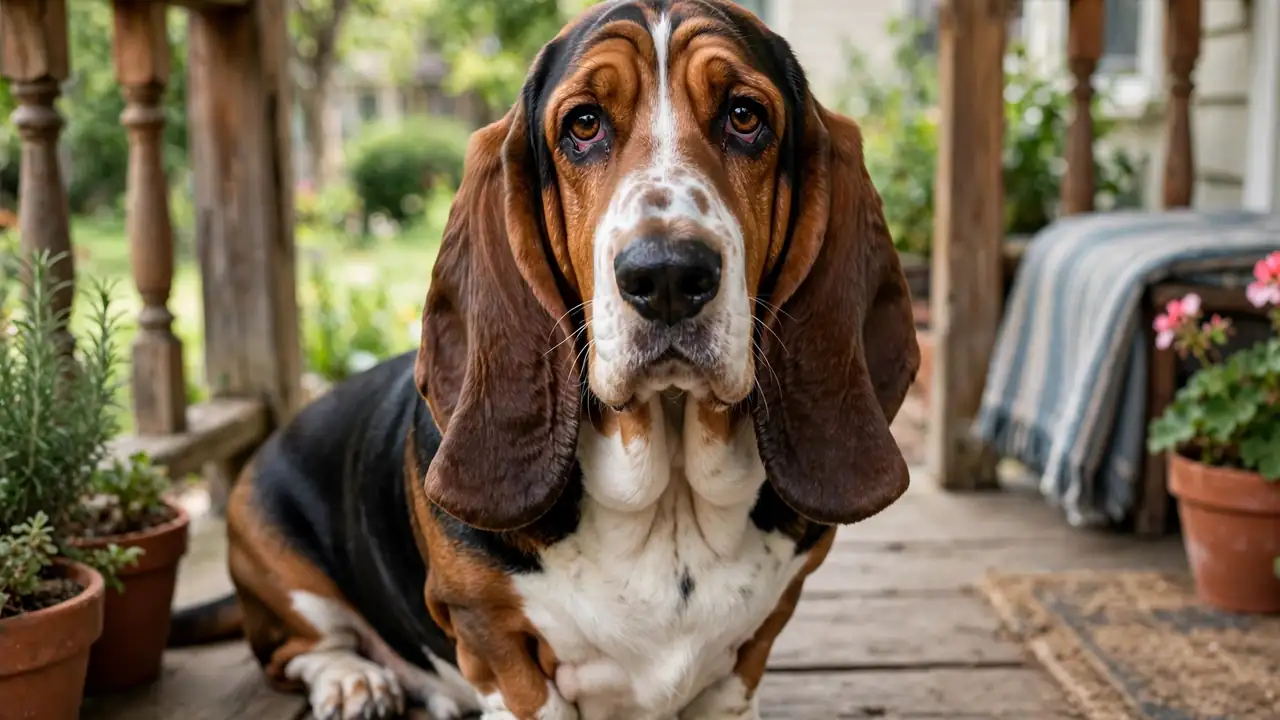
Basset Hound dog is a low-slung scent hound with a nose second only to the Bloodhound and a personality that charms everyone. Here is what matters before you bring one home.
At a Glance
Size and Weight
Short but surprisingly heavy. Here are the numbers. The Basset Hound dog is short but surprisingly heavy.
Bassets stand only 13 to 15 inches tall but weigh 40 to 65 pounds of solid, low-slung dog. The long body and heavy bone make them much weightier than they look. Puppies are adorable and clumsy; adults are couch-shaped.
Do not be fooled by the height. Lifting a 60-pound Basset into a car is a workout, and they are prone to back strain, so ramps beat lifting where possible. The Basset Hound dog may be low to the ground, but lifting one is a workout.
Coat and Colors
Short, smooth, and built for the field. Here is what to expect.
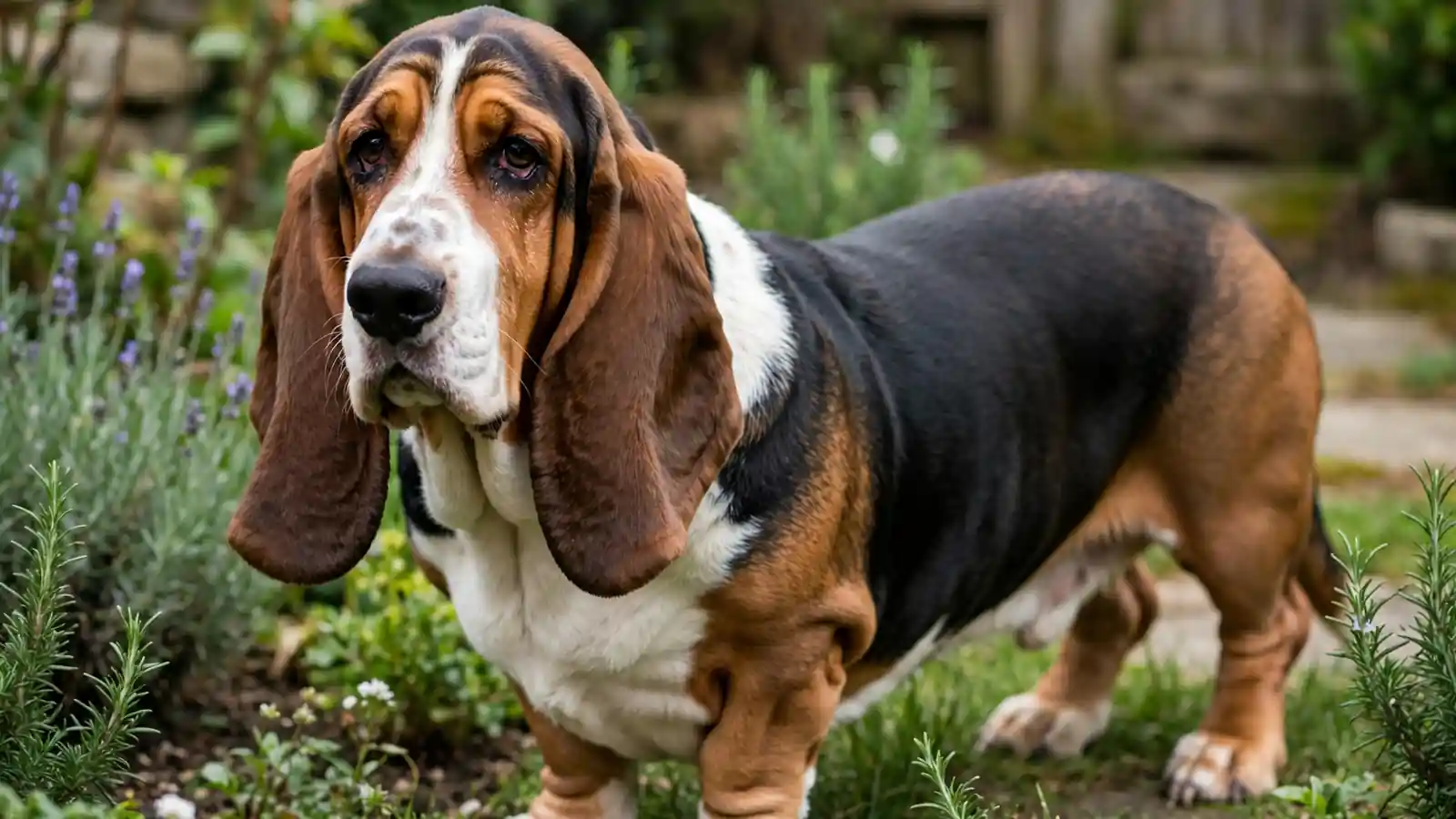
A short, dense coat that sheds moderately year-round. Classic colors are tricolor (black, white, and tan), red and white, and lemon and white. The coat is easy care but the skin folds need attention. The Basset Hound dog wears a short, dense coat in classic tricolor and other colours.
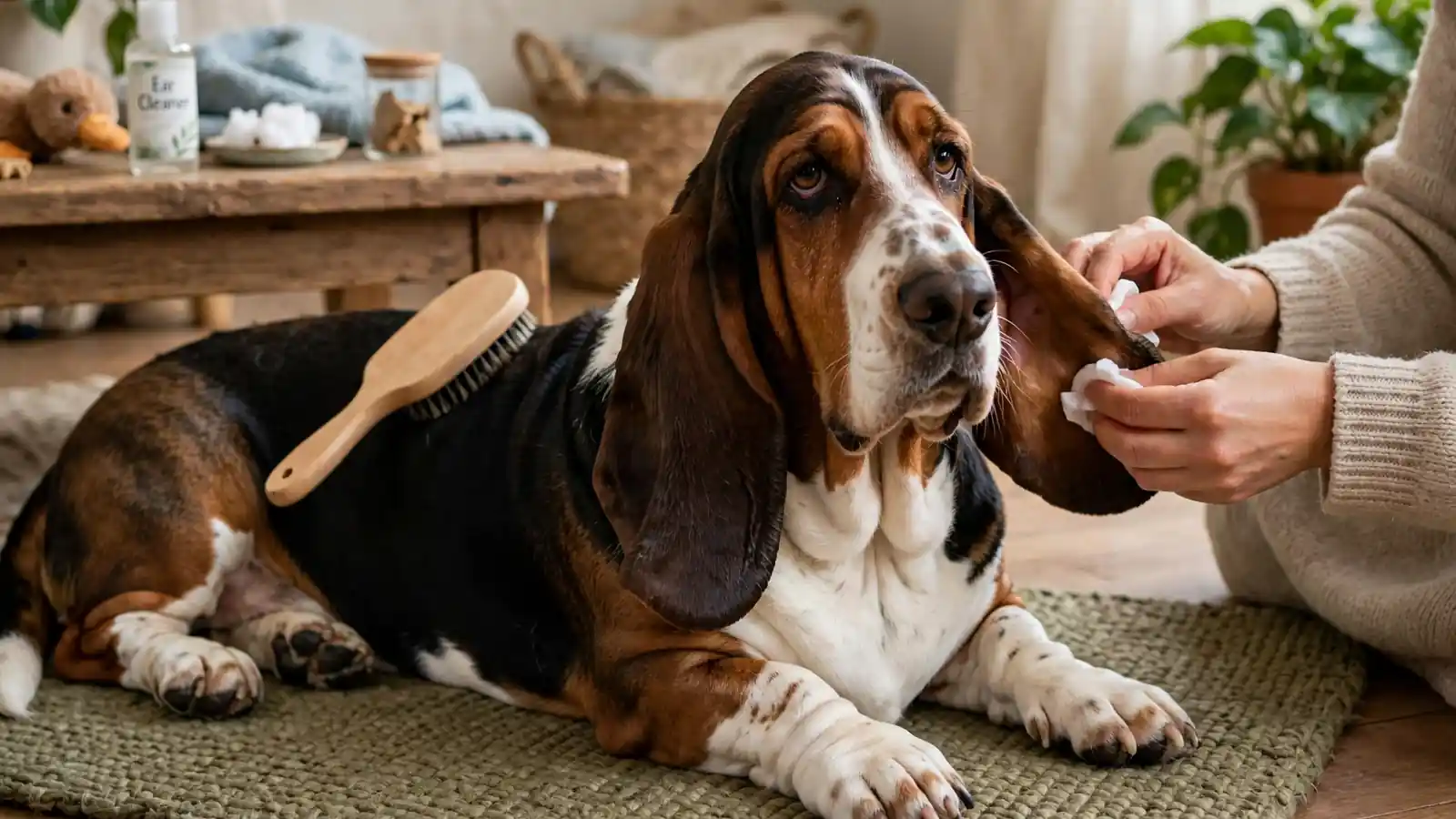
Those long ears are the grooming focus: they trap moisture and need weekly cleaning to prevent infections.


History and Origins
French monks bred low, heavy scent hounds centuries ago for tracking rabbit and hare through dense cover. The name comes from the French “bas,” meaning low.
English breeders refined the modern Basset Hound in the 1800s.
The long ears sweep scent toward the nose, the short legs keep the nose near the ground, and the loose skin helps trap scent particles. Every odd feature is functional.
The Basset was bred for slow hunters on foot. Its history explains the shape. The Basset Hound dog was bred for slow hunters on foot, which explains its shape.
French monks bred low, heavy scent hounds centuries ago for tracking rabbit and hare through dense cover. The name comes from the French “bas,” meaning low. English breeders refined the modern Basset Hound in the 1800s.
The long ears sweep scent toward the nose, the short legs keep the nose near the ground, and the loose skin helps trap scent particles. Every odd feature is functional.
Physical Characteristics
A nose with a dog attached. That is the affectionate description.
Massive paws, long body, short legs, wrinkled brow, and ears so long they can step on them. The tail is carried high like a flag so hunters could spot the dog in tall grass. The expression is mournful even when the dog is perfectly happy.
They are built for endurance tracking, not speed. Do not expect athleticism; expect determination.
Basset Hound Personality and Behavior
Sweet, stubborn, and funny. Here is the honest picture.
Bassets are famously gentle and patient, wonderful with children and generally friendly with everyone. They are pack dogs who love company and hate being alone. The famous stubbornness is real: a Basset on a scent has checked out of all human communication. The Basset Hound dog is famously gentle and patient, wonderful with children.
They are also comedians. The mournful face, the dramatic sighs, the selective hearing: Basset owners laugh daily. Training takes patience and high-value treats, because the nose always outranks your opinion.
Owners consistently describe the Basset as gentle, patient, and merry. In practice, owners report that the breed’s sweet nature is the main reason they recommend it to laid-back families.
Sweet, stubborn, and funny is exactly right. The breed is famously gentle and patient, wonderful with children and generally friendly with everyone, with a nose second only to the Bloodhound and a personality that charms everyone. Pack dogs who love company and hate being alone, the breed’s famous stubbornness is real: on a scent, the dog has checked out.
The comedy and the nose set the training conditions. The mournful face, dramatic sighs, and selective hearing make owners laugh daily, while training takes patience and high-value treats, because the nose always outranks your opinion. A dog built for endurance tracking, not speed, rewards determination over athleticism.
Bassets are famously gentle and patient, wonderful with children and generally friendly with everyone.
The famous stubbornness is real: a Basset on a scent has checked out of all human communication, and the nose always outranks your opinion.
The mournful face, the dramatic sighs, the selective hearing: Basset owners laugh daily.
- Wonderful and tolerant with children
- Friendly with everyone, other dogs included
- Modest exercise needs and a merry nature
- Famously stubborn; training takes patience
- Bays and howls when lonely
- Prone to obesity and ear infections
Care Essentials
Two measured meals a day, with treats counted in the daily total. Bassets gain weight easily, and extra pounds punish their long backs and joints.
Brush weekly, and clean those long ears weekly with a vet-approved cleaner; ear infections are the breed’s most common vet visit.
30 to 45 minutes of walking daily with plenty of sniff time. Scent games and tracking exercises are perfect enrichment for this breed.
An indoor dog that wants its people and the softest available surface, plus a securely fenced yard for safe sniffing adventures.
Low energy does not mean low maintenance. Here is the daily reality.
Bassets need moderate daily walks to stay fit; obesity is the breed’s great enemy. They cannot be trusted off-leash in unfenced areas because a scent overrides all recall training. A securely fenced yard is essential. The Basset Hound dog needs moderate daily walks to stay fit, as obesity is its great enemy.
They are indoor dogs who want to be with their people, preferably on the softest available surface. Loneliness causes howling that neighbors will not forgive.
A typical day runs on moderate walks and togetherness. Moderate daily walks keep the dog fit, since obesity is the breed’s great enemy, with a securely fenced yard essential, since a scent overrides all recall training. The indoor dog that results wants to be with its people, preferably on the softest available surface, and loneliness causes howling neighbors will not forgive.
Nutrition and Diet
This breed lives to eat. Here is how to manage it.
Feed a measured, high-quality diet and resist the begging eyes; Bassets gain weight easily and extra pounds punish their long backs and joints. Two measured meals a day, with treats counted in the daily total. The Basset Hound dog gains weight easily, so measured meals and counted treats matter.
Slow-feeder bowls help because Bassets inhale food. Ask your vet for a target weight and stick to it; “a little chunky” in this breed quickly becomes a health problem.
Feeding suits a breed that lives to eat. A measured, high-quality diet in two meals keeps weight controlled, with treats counted in the daily total, since extra pounds punish long backs and joints. Slow-feeder bowls help because the dog inhales food, and asking the vet for a target weight and sticking to it keeps ‘a little chunky’ from becoming a health problem.

Grooming
Easy coat, demanding ears. Here is the routine.
Brush weekly to control shedding. Clean those long ears weekly with a vet-approved cleaner; infections are the breed’s most common vet visit. Wipe skin folds, trim nails, and brush teeth regularly. The Basset Hound dog needs weekly brushing and weekly ear cleaning with a vet-approved cleaner.
Bassets can be drooly and gassy, which is part of the package. If fastidious cleanliness matters to you, look elsewhere.
Grooming is an easy coat with demanding ears. Weekly brushing controls the moderate shedding, with long ears cleaned weekly with a vet-approved cleaner, since infections are the breed’s most common vet visit. The same session covers skin folds, nails, and teeth, and the drooly, gassy package is part of the deal.
Exercise and Enrichment
Moderate exercise, maximum sniffing. That is the formula.
Aim for 30 to 45 minutes of walking daily, ideally with plenty of sniff time. Scent games and tracking exercises are perfect enrichment that honors the breed’s purpose. Puppies should avoid excessive stairs and jumping while joints develop. The Basset Hound dog needs 30 to 45 minutes of walking daily, ideally with plenty of sniff time.
A tired Basset is a quiet Basset. An under-walked one finds its own entertainment in the trash.
Exercise is moderate with maximum sniffing. Thirty to forty-five minutes of walking daily, ideally with plenty of sniff time, cover the need, with scent games and tracking exercises as perfect enrichment honoring the breed’s purpose. Puppies should avoid excessive stairs and jumping while joints develop, and a tired dog is a quiet dog, while an under-walked one finds its own entertainment in the trash.

Health
Bassets live 10 to 12 years. Here are the health issues to know.
Ear infections top the list due to the long, heavy ears. Obesity-related joint problems are common and largely preventable. Intervertebral disc disease can affect the long back, so keep weight down and avoid repeated stair climbing. Bloat is a risk in this deep-chested breed. Glaucoma and cherry eye occur in some lines. The Basset Hound dog is prone to ear infections from its long, heavy ears, and to obesity-related joint problems.
Schedule annual wellness exams, or twice-yearly exams for seniors, and ask your vet about screening for conditions the breed can be prone to, such as glaucoma and joint issues. Consult your veterinarian promptly if you notice changes in appetite, thirst, weight, or energy. For general background, see the Basset Hound article on Wikipedia.
Health care follows the familiar rhythm with ear and weight vigilance in focus. Annual exams, twice-yearly exams for seniors, and screening for glaucoma and joint issues cover the ground the guide names, and breeders who health-test eyes, hips, and thyroid are worth seeking out. Day to day, ear odor, weight gain, and changes in appetite, weight, or energy deserve a prompt vet call, since obesity-related joint problems are largely preventable.
Top of the health list due to the long, heavy ears that trap moisture. Weekly cleaning prevents most problems.
Intervertebral disc disease can affect the long back, and obesity-related joint problems are common but largely preventable. Keep weight down and avoid repeated stair climbing.
Glaucoma and cherry eye occur in some lines, and bloat is a risk in this deep-chested breed.
Indoor and Outdoor Living
Indoor lounger, outdoor tracker. Here is the balance. The Basset Hound dog is an indoor lounger and an outdoor tracker in equal measure.
Bassets are champion couch dogs indoors but need that fenced yard for safe sniffing adventures. They do not tolerate heat well and prefer moderate climates; provide shade and water in summer.
Never leave a Basset unsupervised in an unfenced area. The nose goes, the dog follows, and the recall training evaporates.
Indoor living as a lounger defines the arrangement. The breed is a champion couch dog indoors but needs a fenced yard for safe sniffing adventures, not tolerating heat well and preferring moderate climates, with shade and water in summer. Never leave one unsupervised in an unfenced area: the nose goes, the dog follows, and recall training evaporates.

Family Suitability
One of the most patient family dogs. Here is the picture. The Basset Hound dog is one of the most patient family dogs you can choose.
Bassets are famously tolerant of children, taking pokes and hugs with good humor. Their low energy suits calmer households. They generally love other dogs, being true pack animals.
With cats and small pets, the scent-hound chase instinct needs management, but many Bassets live peacefully with cats they are raised with.
With families, patience leads and the nose sets the limit. The Basset Hound dog is one of the most patient family dogs you can choose: famously tolerant of children, taking pokes and hugs with good humor, with low energy suiting calmer households. Generally loving other dogs as true pack animals, the breed needs chase-instinct management with cats and small pets, though many live peacefully with cats raised with.
Finding a Breeder or Rescue
The sad eyes hide a popular breed with variable breeding quality. Choose well. The Basset Hound dog is popular, so breeding quality varies and choosing well matters.
Good breeders health-test (eyes, hips, thyroid), raise puppies in the home, and breed for temperament. Basset rescues are common because people underestimate the stubbornness and the howling; adopting an adult Basset is a lovely option.
- Ask what health testing the breeder does on their dogs
- Ask to see the parents and the living conditions
- Puppies should be raised in a home environment
- A good breeder answers questions openly and asks you some too
Quick Quiz: Is a Basset Hound Right for You?
Answer four questions. Tap yes or no.
Frequently Asked Questions
Are Basset Hounds good family dogs?
Excellent. They are patient, gentle, and tolerant with children, and love being part of the pack.
Do Basset Hounds bark a lot?
They bay and howl rather than bark, especially when lonely or on a scent. Apartment neighbors may object.
How much exercise does a Basset Hound need?
About 30 to 45 minutes of walking daily with sniff time. They are not athletes but they do need movement.
Do Basset Hounds smell?
They have a natural hound odor that regular bathing manages. The ears are usually the main source.
How long do Basset Hounds live?
Typically 10 to 12 years.
Are Basset Hounds hard to train?
They are intelligent but famously stubborn, especially when a scent is involved. Patience and great treats are required.
What do Basset owners say about living with the breed?
Owners consistently describe the Basset as gentle, patient, and merry. In practice, owners report that the breed’s sweet nature is the main reason they recommend it to laid-back families.
When should I ask my vet about my Basset’s health?
Schedule annual wellness exams, or twice-yearly exams for seniors, and ask your vet about screening for conditions the breed can be prone to, such as glaucoma and joint issues. Consult your veterinarian promptly if you notice changes in appetite, thirst, weight, or energy.
The Basset Hound is a merry, patient scent hound in a low-slung package, with a world-class nose and a comedian’s timing. For laid-back families who can manage the stubborn streak, the weekly ear care and the waistline, it is one of the sweetest companions of all.
Similar Breeds Worth Exploring
Related Breed Guides
Keep Exploring
Browse all our Dog Breed Guides, try the Dog Age Calculator, or explore our Cat Breed Guides.