
Beagle Dog Breed Guide
Beagle: the merry little scent hound
The merry little scent hound that has topped family-dog lists for decades. Personality, care, training, and health in one complete guide.
By Emily Carter · Reviewed by our vet team · Updated 22 October 2026 · 9 min read
Lifespan 10–15 yrsWeight 20–30 lbMerry & friendly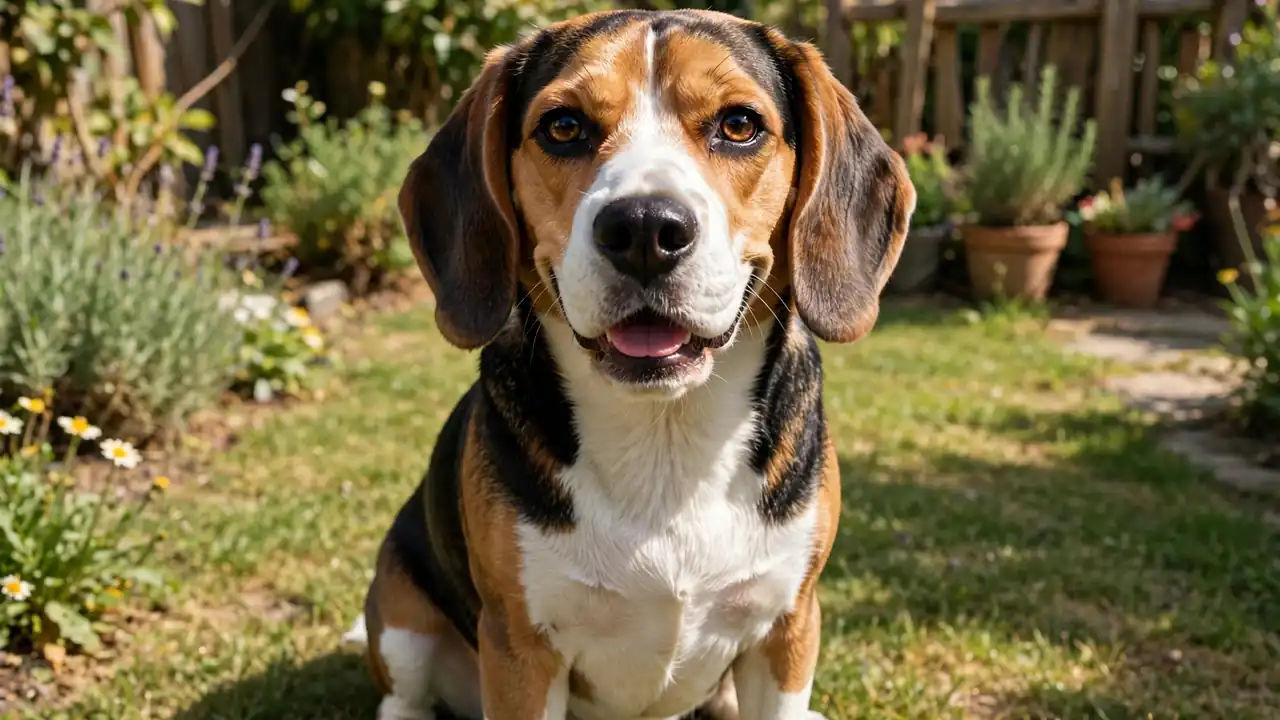
Beagle dog is the merry little scent hound that has topped family-dog lists for decades. Here is what matters before you bring one home.
At a Glance
Size and Weight
Small but sturdy. Here are the numbers. The Beagle dog is small but sturdy.
The breed comes in two height varieties: under 13 inches and 13 to 16 inches, weighing 20 to 30 pounds overall. They are compact, muscular little dogs, heavier than they look.
Do not let the size fool you. A this breed has the endurance of a much larger dog and the appetite to match. The Beagle dog may be small, but its endurance and appetite are far larger.
Coat and Colors
Wash-and-wear hound coat. Here is what to expect.
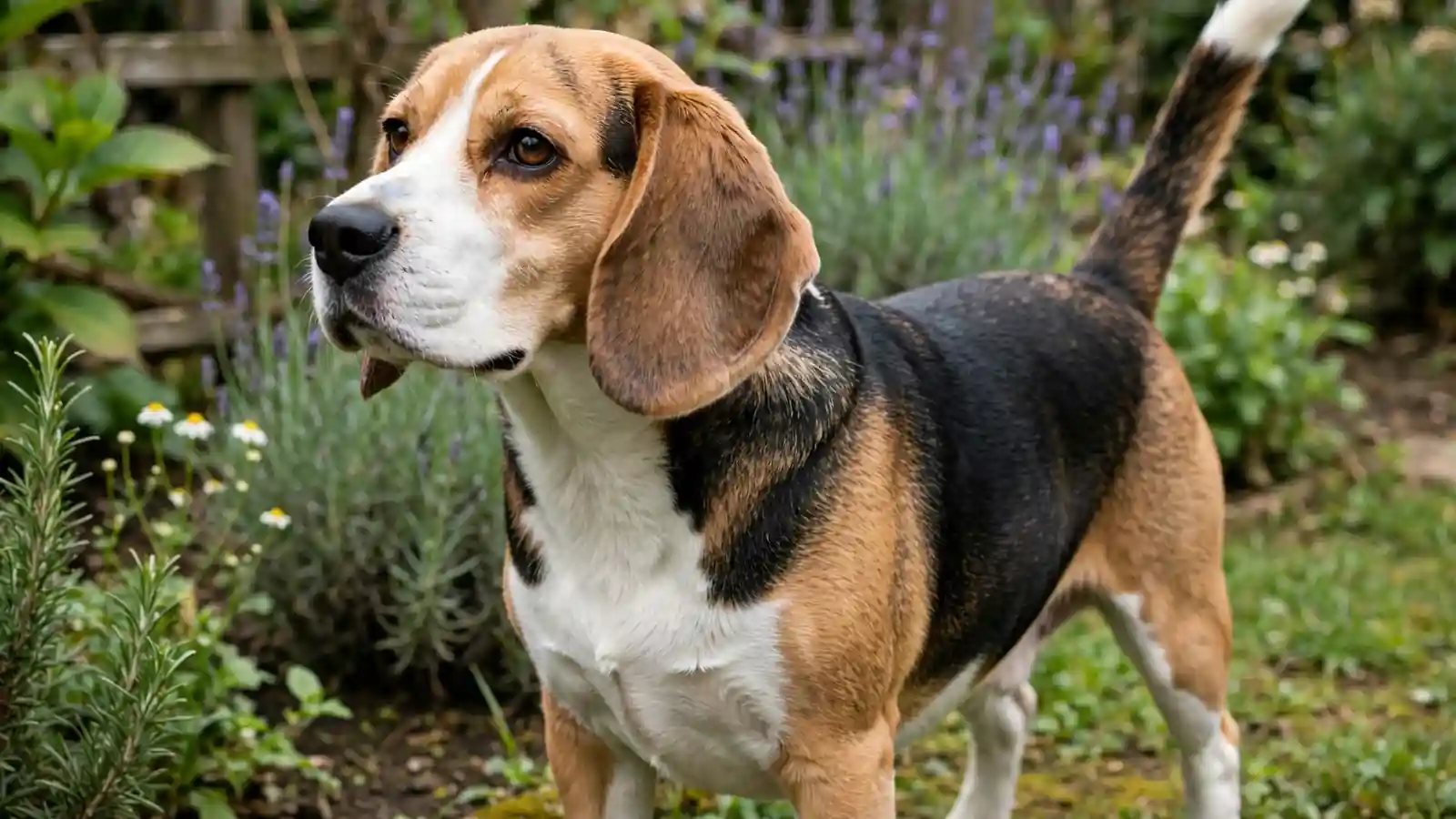
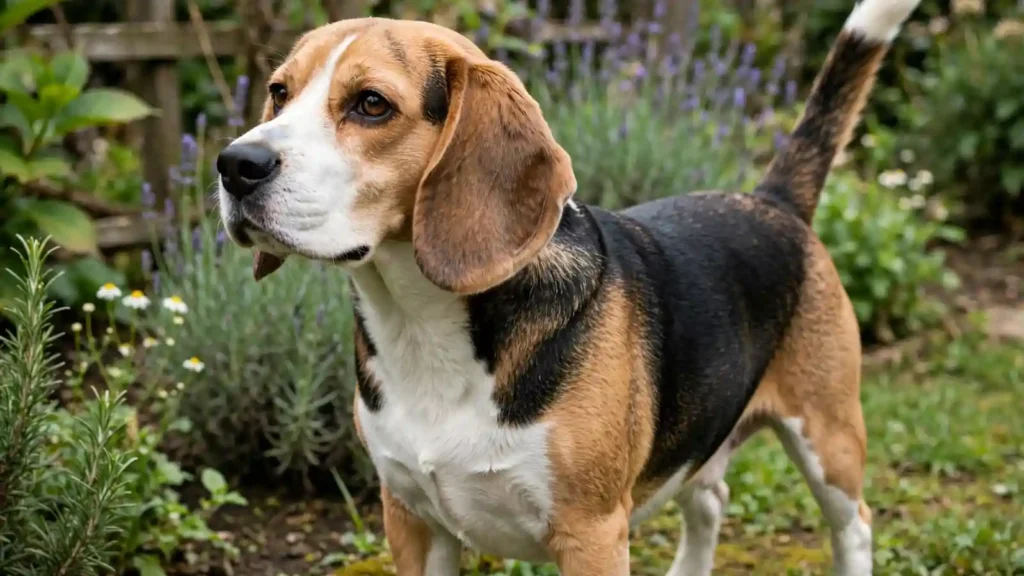
A short, dense, weather-resistant coat that sheds moderately year-round. The classic tricolor (black, white, and tan) is most famous, but they also come in red and white, lemon and white, and other hound colorings. The Beagle dog wears a short, dense, weather-resistant coat in classic tricolor and other colours.
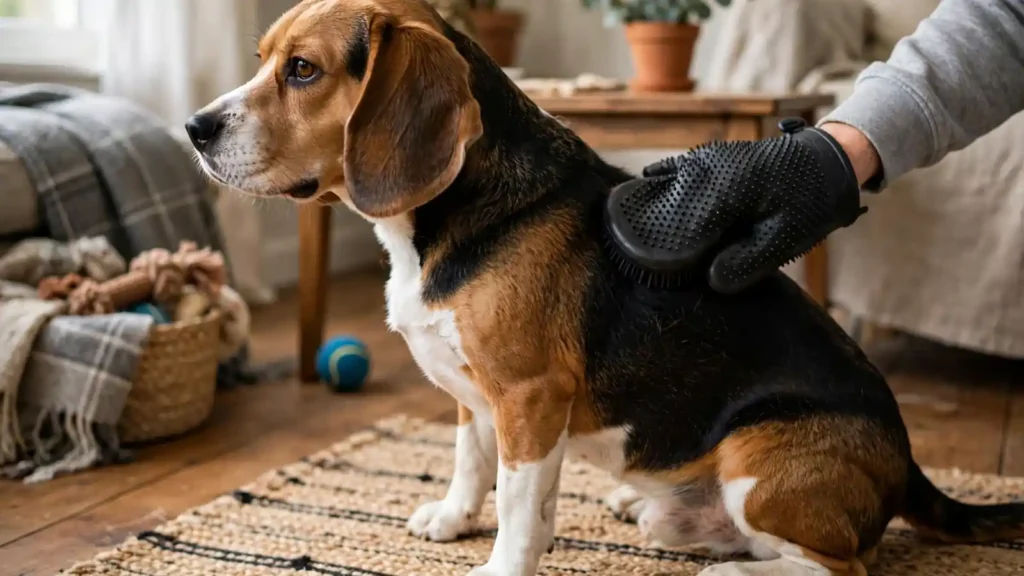
Grooming is minimal: weekly brushing and occasional baths. The ears need regular checks like all drop-eared breeds.

History and Origins
Small hounds for rabbit hunting existed in England for centuries; the modern breed was refined in the 1800s.
Bred to hunt in packs, they are deeply social dogs that expect company, canine or human.
Their fame as family pets grew in the 1900s, helped by an extremely amiable temperament and manageable size. Snoopy did the rest.
The breed is an old English hunting breed. Its history is the history of the pack. The Beagle dog is an old English hunting breed, shaped by centuries in the pack.
Small hounds for rabbit hunting existed in England for centuries; the modern breed was refined in the 1800s. Bred to hunt in packs, they are deeply social dogs that expect company, canine or human.
Their fame as family pets grew in the 1900s, helped by an extremely amiable temperament and manageable size. Snoopy did the rest.
Physical Characteristics
Built like a small athlete. Here is the structure.
Compact body, straight back, deep chest, and a tail carried high with a white tip (bred so hunters could spot the dog in cover). The head has a classic hound expression: soft brown eyes and long, low-set ears.
Everything is proportioned for stamina. This is a dog that can trot all day.
Beagle Personality and Behavior
Happy, social, and ruled by the nose. Here is the honest picture.
They are famously merry and friendly with everyone: people, children, other dogs. They were bred to work in packs and they bring that sociability home. Loneliness is their kryptonite; a solo dog with a working owner is a recipe for howling complaints. The Beagle dog is famously merry and friendly with everyone it meets.
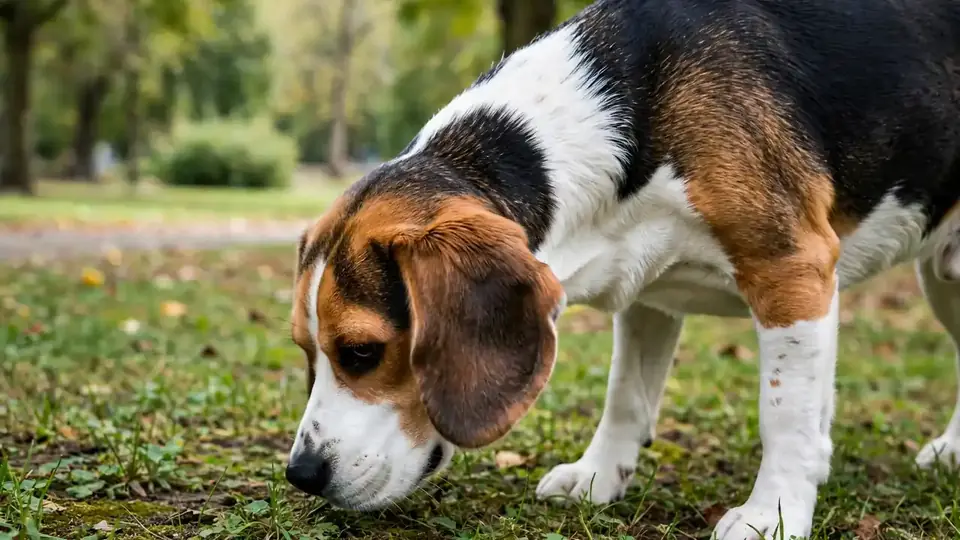
The flip side is the nose. Once on a scent, this dog is deaf to everything else, and training recall is an uphill battle against centuries of instinct. They are also famously food-obsessed, which helps training and hurts waistlines equally.
Owners consistently describe the breed as merry, friendly, and curious. In practice, owners report that the breed’s happy nature is the main reason they recommend it to social families.
Happy, social, and ruled by the nose is exactly right. The breed is famously merry and friendly with everyone: people, children, other dogs, bringing pack sociability home from centuries of hunting in packs. Loneliness is their kryptonite, and a dog that expects company, canine or human, is the daily reality.
The flip side is the nose and the appetite. Once on a scent, the dog is deaf to everything else, and training recall is an uphill battle against centuries of instinct, while food obsession helps training and hurts the waistline. The merry, friendly, curious character shows best in social families that manage both.
They are famously merry and friendly with everyone: people, children, other dogs.
Once on a scent, this dog is deaf to everything else, and training recall is an uphill battle against centuries of instinct.
They are famously food-obsessed, which helps training and hurts waistlines equally.
- Among the best family dogs of all
- Sociable with people, kids and other dogs
- An easy, wash-and-wear coat
- Bays and howls, especially when lonely
- Escape artist; needs a secure, dig-proof fence
- Gains weight with alarming ease
Care Essentials
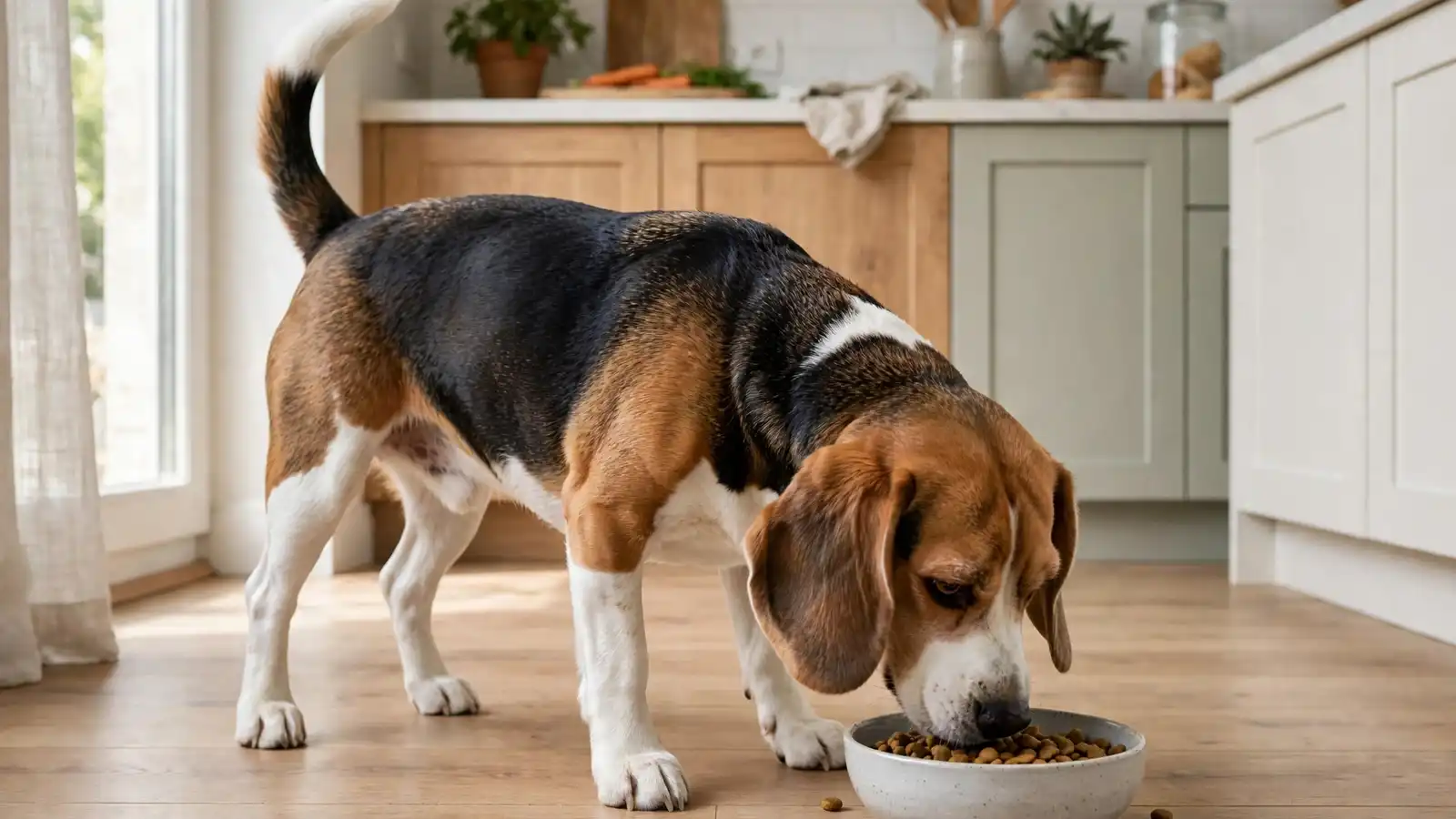
Two measured meals a day, every treat counted and the trash secured. The breed gains weight with alarming ease, and obesity is the breed’s most common preventable health problem.
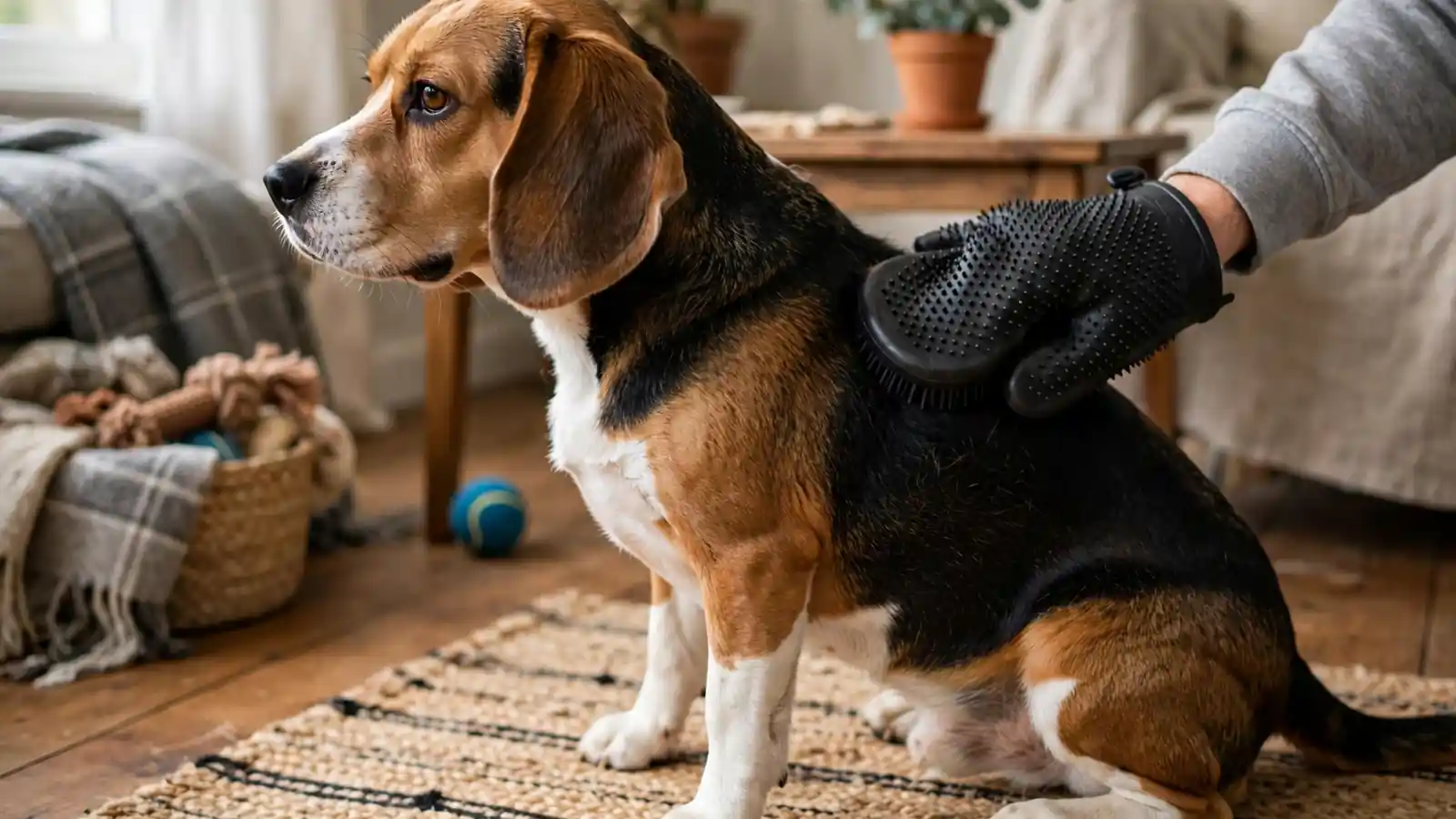
Weekly brushing with a hound mitt, weekly ear checks, monthly nail trims. One of the easiest coats in dogdom.
45 to 60 minutes of walking daily plus active play and scent games. A dog using its nose is a happy dog.
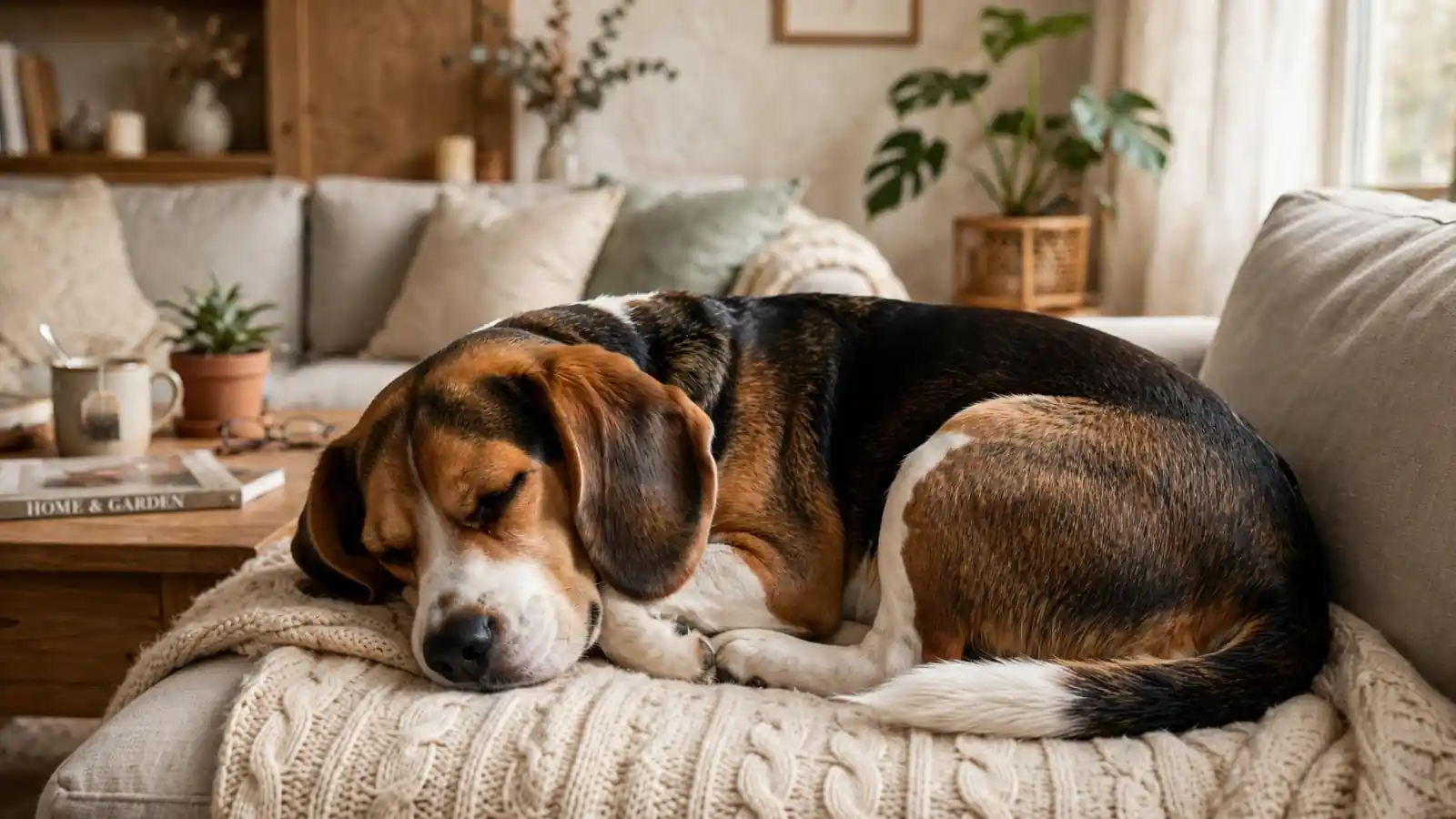
Lives indoors with its people, ideally with another dog for company, and a secure, dig-proof fence outside.
Company, exercise, and a secure fence. Here is the daily reality.
These dogs need daily walks of 45 to 60 minutes plus playtime. They do best with another dog for company or an owner who is home a lot. The fence must be secure and dig-proof; These dogs are escape artists when a scent calls. The Beagle dog needs daily walks of 45 to 60 minutes plus playtime, and company.
Never trust this breed off-leash outside fenced areas. The recall that works in the kitchen fails completely in the park.
A typical day runs on company, exercise, and a secure fence. Daily walks of 45 to 60 minutes plus playtime cover the need, with another dog for company or an owner home a lot suiting the pack-social dog best. The fence must be secure and dig-proof, since escape artistry when a scent calls is a given.
Nutrition and Diet
The appetite is legendary. Here is how to manage it.
Feed a measured, high-quality diet in two meals a day. The breed gains weight with alarming ease, and obesity is the breed’s most common preventable health problem. Count every treat, secure the trash, and never free-feed. The Beagle dog gains weight with alarming ease, so measured meals matter.
Ask your vet for a target weight and body condition score. A fit dog should have a visible waist and ribs you can feel.
Feeding suits a legendary appetite. A measured, high-quality diet in two meals keeps weight controlled, since the breed gains weight with alarming ease and obesity is the most common preventable health problem. Count every treat, secure the trash, and never free-feed, with a target weight and body condition score from the vet.
Grooming
One of the easiest coats in dogdom. Here is the routine.
Brush weekly with a hound mitt to control shedding. Bathe when dirty. Clean ears weekly, trim nails monthly, brush teeth regularly. The Beagle dog needs only weekly brushing with a hound mitt and weekly ear checks.
That is genuinely it. This is a low-maintenance breed in the grooming department.
Grooming is one of the easiest coats in dogdom. Weekly brushing with a hound mitt controls the moderate shedding, baths come when dirty, and the same session covers ears weekly, nails monthly, and teeth regularly. The drop ears need regular checks like all drop-eared breeds, and that is genuinely it.
Exercise and Enrichment
Moderate to high energy with a nose that needs work. Here is the plan.
Aim for 45 to 60 minutes of walking daily plus active play. Scent games are perfect enrichment: hide treats, try tracking games, or do nose work classes. A dog using its nose is a happy dog. The Beagle dog needs 45 to 60 minutes of walking daily plus scent games.
Puppies should build up exercise gradually to protect growing joints.
Exercise is moderate to high energy with a nose that needs work. Forty-five to sixty minutes of walking daily plus active play cover the need, with scent games as perfect enrichment: hiding treats, tracking games, and nose work classes all suit the hound. A dog using its nose is a happy dog, and puppies should build up gradually to protect growing joints.
Health
These dogs live 10 to 15 years. Here are the health issues to know.
Obesity is the top concern and drives joint problems and diabetes risk. Hypothyroidism occurs in the breed. Ear infections affect the drop ears. Epilepsy and cherry eye appear in some lines. Intervertebral disc disease can occur. The Beagle dog faces obesity as its top concern, driving joint problems and diabetes risk.
Schedule annual wellness exams, or twice-yearly exams for seniors, and ask your vet about screening for conditions the breed can be prone to, such as hypothyroidism. Consult your veterinarian promptly if you notice changes in appetite, thirst, weight, or energy. For general background, see the Beagle article on Wikipedia.
Health care follows the familiar rhythm with weight vigilance in focus. Annual exams, twice-yearly exams for seniors, and screening for hypothyroidism cover the ground the guide names, and breeders who health-test hips, eyes, and thyroid are worth seeking out. Day to day, ear odor, weight gain, and changes in appetite, weight, or energy deserve a prompt vet call, since obesity drives joint problems and diabetes risk.
The top concern, driving joint problems and diabetes risk. Ask your vet for a target weight and body condition score.
Occurs in the breed; ask your vet about screening for it.
Ear infections affect the drop ears, and epilepsy and cherry eye appear in some lines. Intervertebral disc disease can also occur.
Indoor and Outdoor Living
Indoor companion, outdoor sniffer. Here is the balance. The Beagle dog is an indoor companion and an outdoor sniffer in equal measure.
They live happily indoors with their people and need that fenced yard for safe outdoor time. They handle most climates well with the weather-resistant coat but should not live outdoors full-time; they are companion dogs.
Apartment living works with enough exercise, but the baying can disturb neighbors. This is a vocal breed.
Indoor living as a companion defines the arrangement. The breed lives happily indoors with its people and needs a fenced yard for safe outdoor time, handling most climates well with its weather-resistant coat but never living outdoors full-time. Apartment living works with enough exercise, though the baying can disturb neighbors, since this is a vocal breed.
Family Suitability
One of the all-time great family dogs. Here is the picture. The Beagle dog is one of the all-time great family dogs.
These dogs adore children and are sturdy enough for kid play, patient enough for toddler chaos. They love other dogs and usually accept cats they are raised with, though small outdoor pets trigger the chase.
The main family cautions are the food stealing (counters are not safe), the howling when left alone, and the escape artistry.
With families, merriness leads and the nose sets the limit. The breed adores children and is sturdy enough for kid play, patient enough for toddler chaos, loving other dogs and usually accepting cats raised with, though small outdoor pets trigger the chase. The main family cautions are food stealing, howling when left alone, and escape artistry, and social families usually love the great family dog most.
Finding a Breeder or Rescue
Popular means variable quality. Choose carefully. The Beagle dog is popular, so breeding quality varies and choosing carefully matters.
Good breeders health-test (hips, eyes, thyroid), raise puppies in the home, and breed for temperament. Rescues are plentiful; many wonderful adults need homes because owners underestimated the energy and vocalization.
- Ask what health testing the breeder does on their dogs
- Ask to see the parents and the living conditions
- Puppies should be raised in a home environment
- A good breeder answers questions openly and asks you some too
Quick Quiz: Is a Beagle Right for You?
Answer four questions. Tap yes or no.
Frequently Asked Questions
Are Beagles good family dogs?
Among the best. They are merry, patient with children, and love everyone.
Do Beagles bark a lot?
They bay and howl, especially when lonely or excited. They are a vocal breed.
How much exercise does a Beagle need?
About 45 to 60 minutes of walking daily plus playtime and scent games.
Are Beagles easy to train?
They are smart but scent-driven and stubborn. Food motivation helps enormously; recall outdoors remains unreliable.
Do Beagles shed a lot?
Moderately year-round. Weekly brushing manages it.
How long do Beagles live?
Typically 10 to 15 years.
What do Beagle owners say about living with the breed?
Owners consistently describe the Beagle as merry, friendly, and curious. In practice, owners report that the breed’s happy nature is the main reason they recommend it to social families.
When should I ask my vet about my Beagle’s health?
Schedule annual wellness exams, or twice-yearly exams for seniors, and ask your vet about screening for conditions the breed can be prone to, such as hypothyroidism. Consult your veterinarian promptly if you notice changes in appetite, thirst, weight, or energy.
A merry, sturdy little pack hound, this breed has earned its place among the great family dogs. Give it company, exercise, a secure fence and a watchful eye on the food bowl, and it gives back joy in full measure.
Similar Breeds Worth Exploring
Related Breed Guides
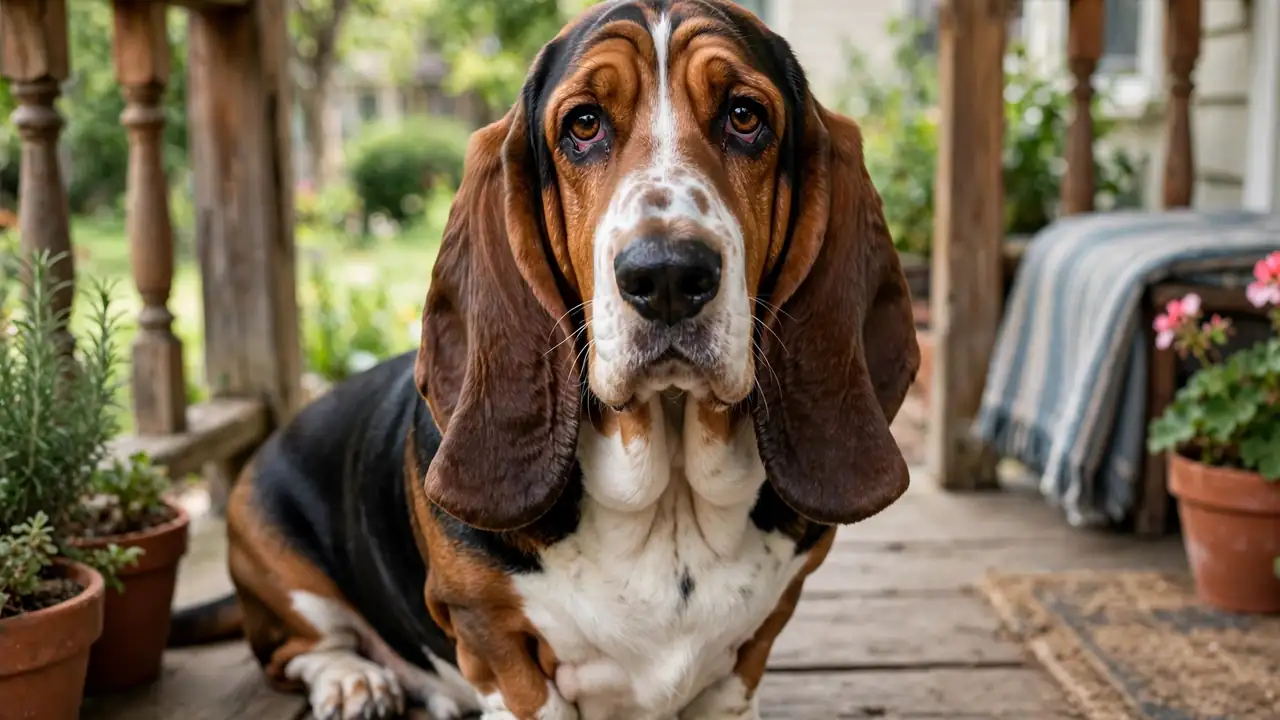
- Basset Hound Dog Breed Guide
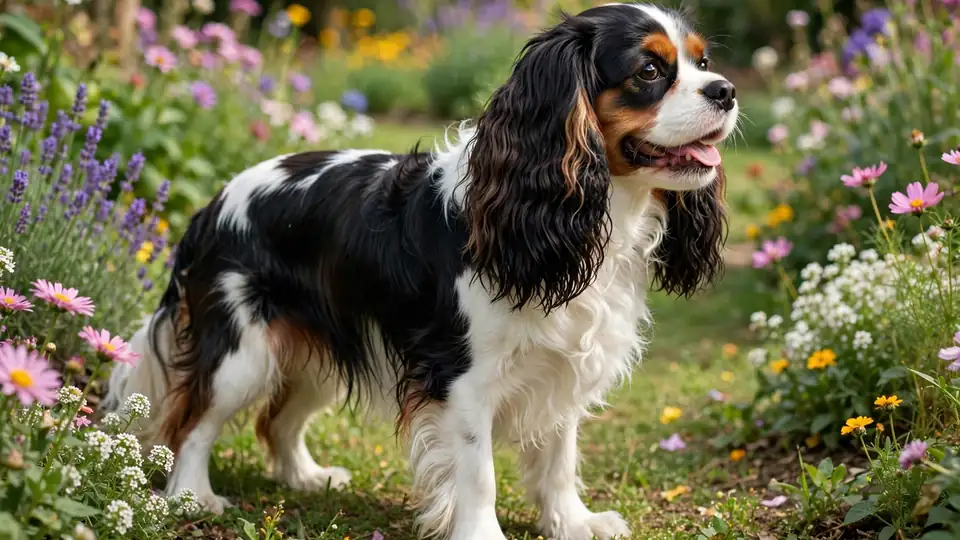
- Cavalier King Charles Spaniel Dog Breed Guide
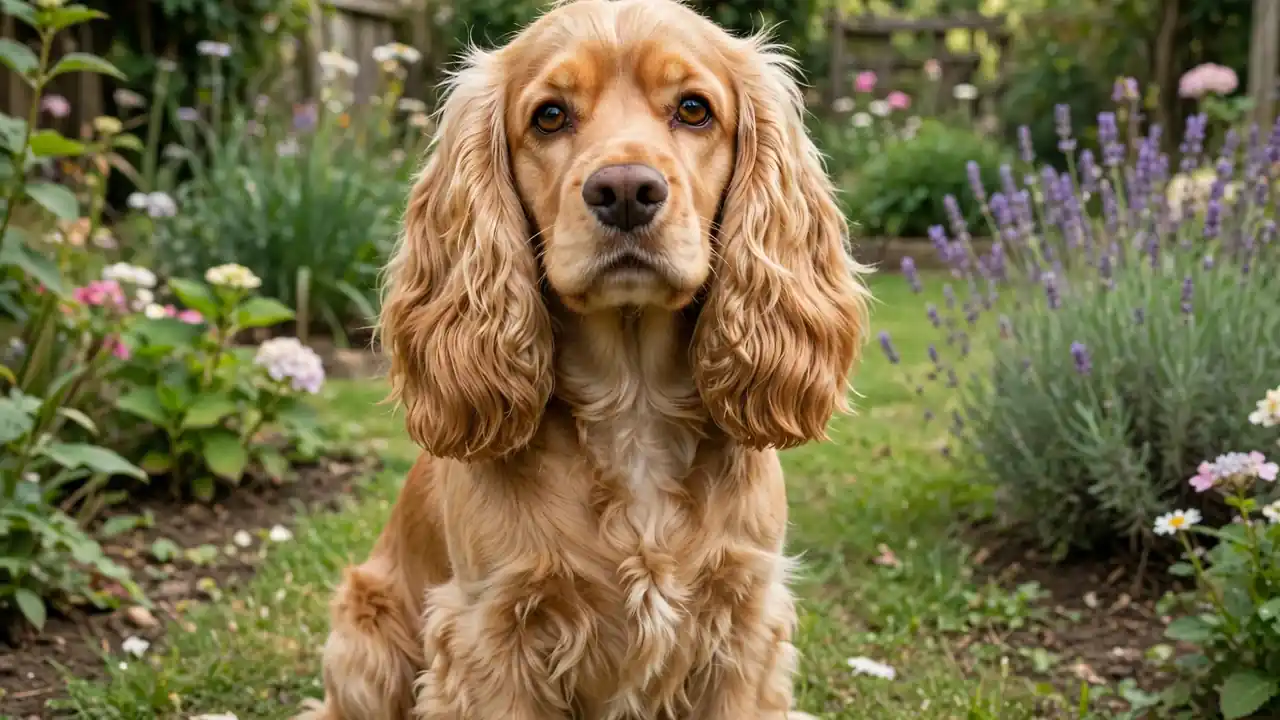
- Cocker Spaniel Dog Breed Guide
Keep Exploring
Browse all our Dog Breed Guides, try the Dog Age Calculator, or explore our Cat Breed Guides.