
Dachshund Dog Breed Guide
Dachshund: the bold little badger hunter
The bold little badger hunter with a long body, big voice, and fearless heart. Care, back health, and family fit in one complete guide.
By Emily Carter · Reviewed by our vet team · Updated 22 October 2026 · 9 min read
Lifespan 12–16 yrsWeight 11–32 lbBold & devoted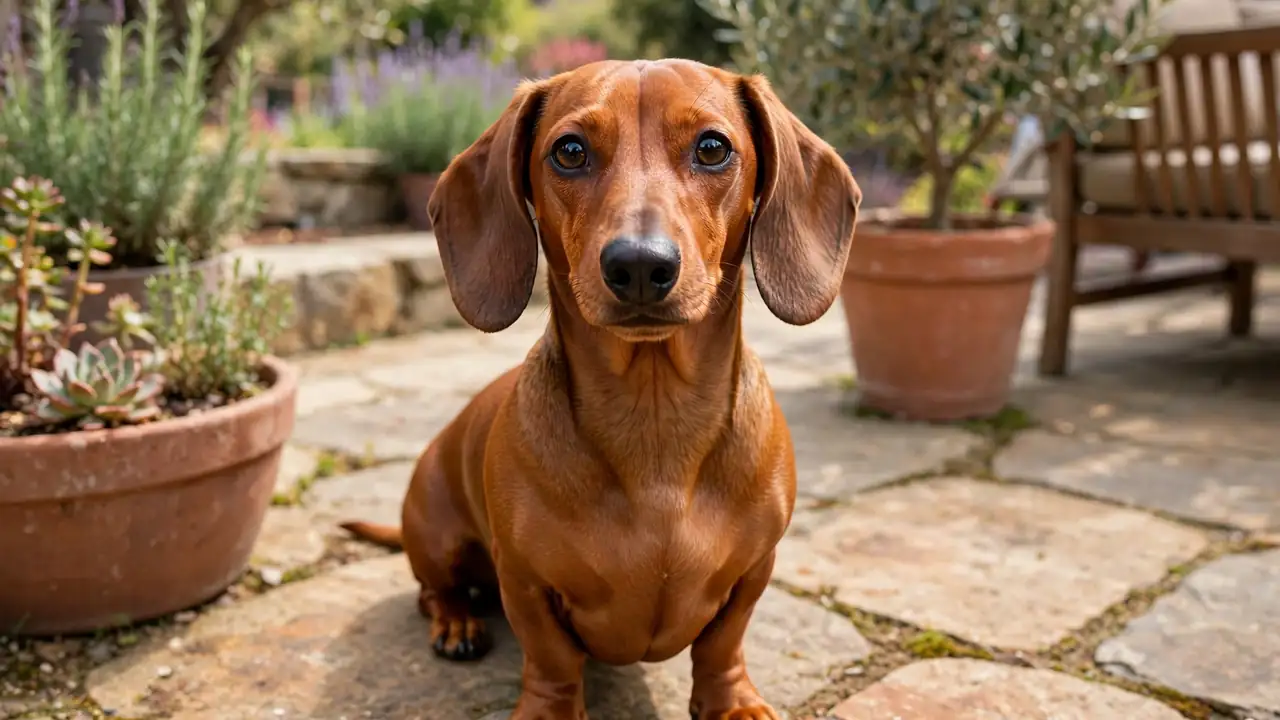
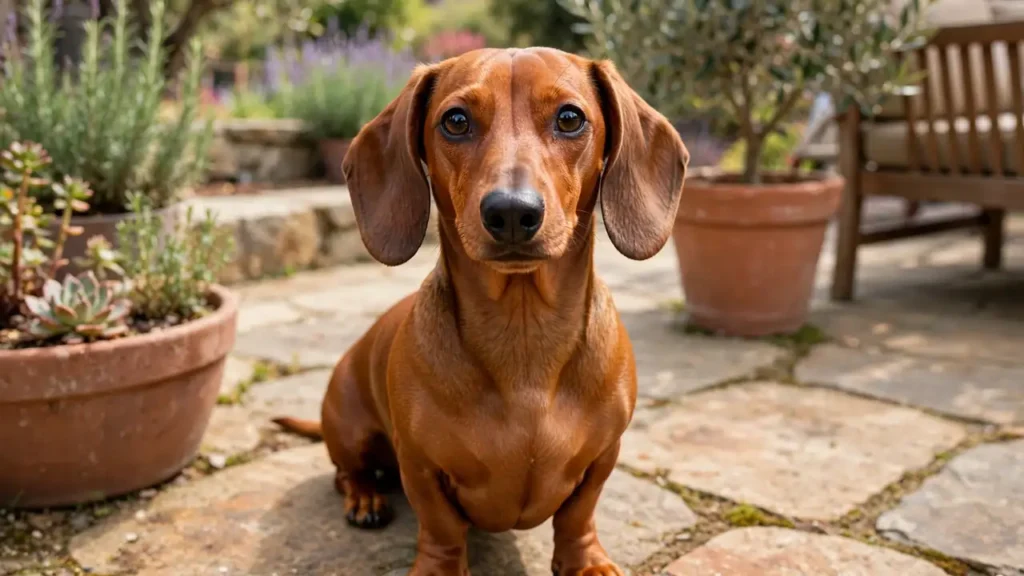
Dachshund dog is the bold little badger hunter with a long body, big voice, and fearless heart. Here is what matters before you bring one home.
At a Glance
Size and Weight
Three sizes, one long shape. Here are the numbers. The Dachshund dog comes in three sizes with one long shape.
Standard: 16 to 32 pounds. Miniature: under 11 pounds. Toy (Kaninchen): under 8 pounds. Height ranges 5 to 9 inches. All share the iconic long body and short legs. The Dachshund dog ranges from under 8 pounds for the toy variety to 16 to 32 pounds for the standard.
The size affects everything from back risk to lap fit. Know which variety you are getting.
Coat and Colors
Three coats, many colors. Here is what to expect.
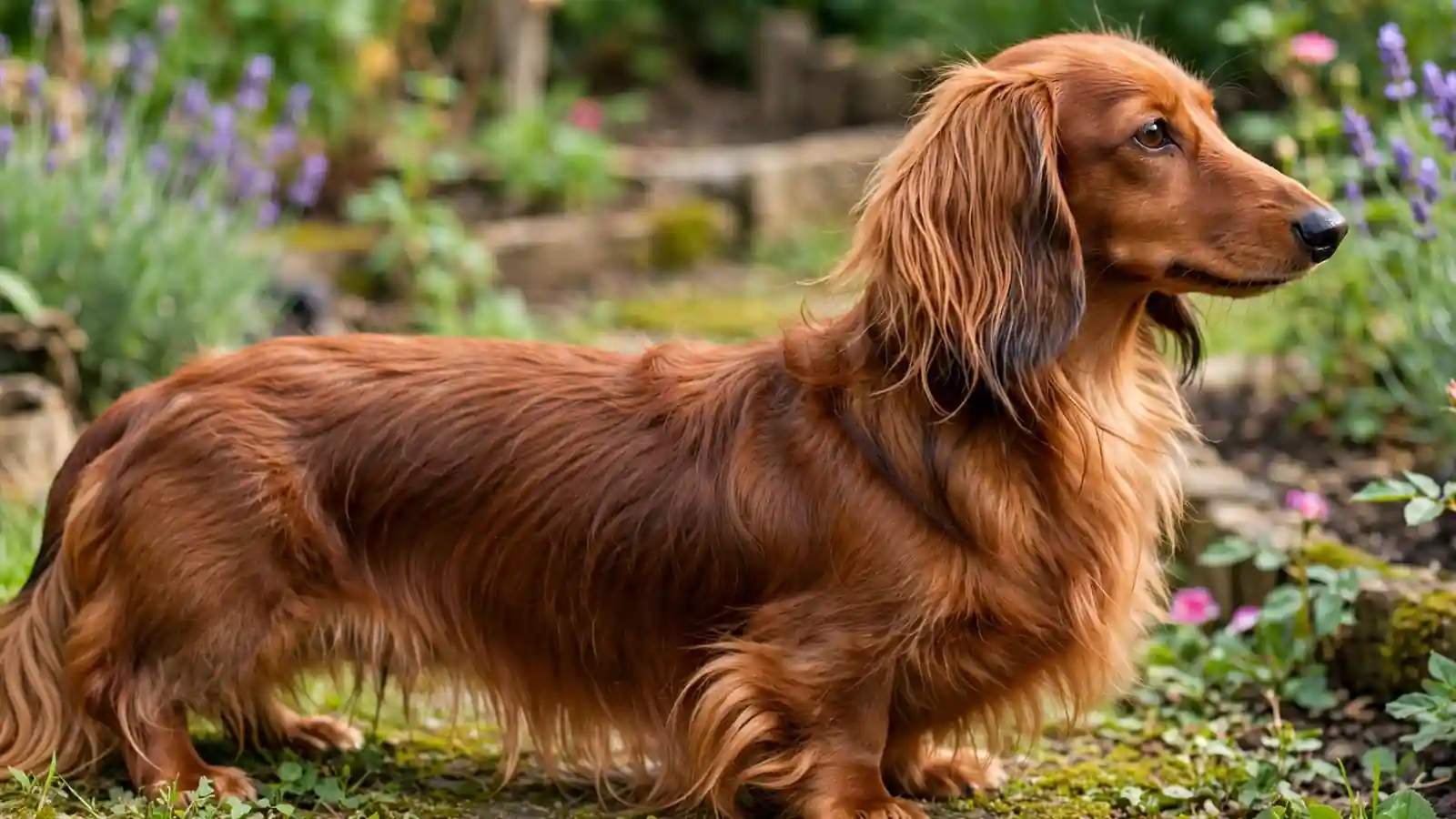
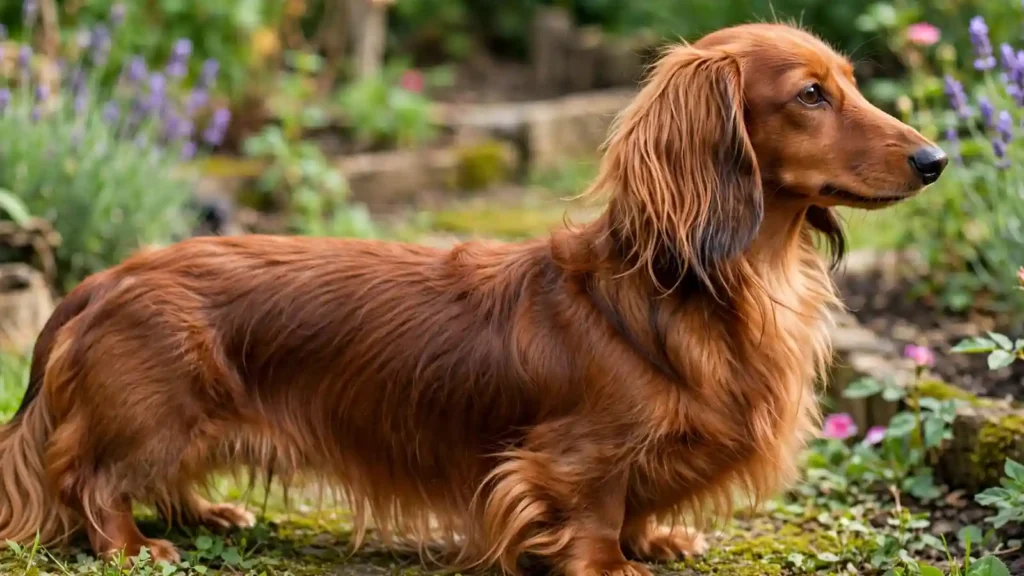
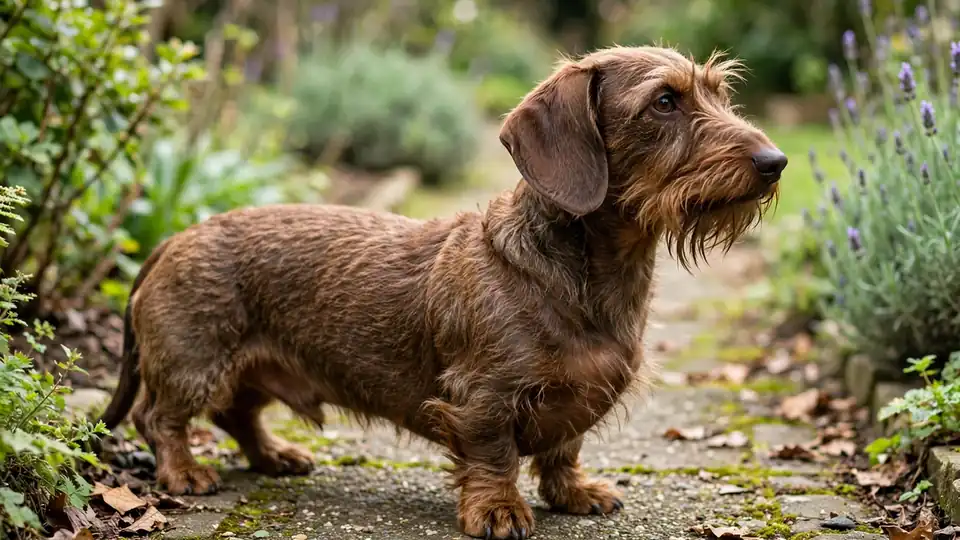
Smooth (short), long-haired, and wire-haired coats all occur. Colors include red, black and tan, chocolate, dapple, and brindle. The smooth coat is wash-and-wear; longhair needs regular brushing; wirehair needs hand-stripping or clipping. The Dachshund dog comes in smooth, long-haired, and wire-haired coats in many colours.

History and Origins
German hunters needed a fearless dog that would follow badgers into burrows and hold them at bay. The name means “badger dog.”
The long body, short legs, deep chest, and enormous courage were all functional.
The modern dog still believes it can take on anything.
Bred to fight badgers underground. Its history explains the attitude. The Dachshund dog was bred to fight badgers underground.
German hunters needed a fearless dog that would follow badgers into burrows and hold them at bay. The long body, short legs, deep chest, and enormous courage were all functional. The name means “badger dog.”
That fearlessness never left. The modern dog still believes it can take on anything.
Physical Characteristics
Long, low, and loud. Here is the structure.
The famously long back on short, sturdy legs, with a deep chest and a proud head carriage. The build is all about fitting in burrows while staying strong enough to fight.
The long back is the health vulnerability. Everything in care revolves around protecting it.
Dachshund Personality and Behavior
A big dog in a long package. Here is the honest picture.
They are famously bold, curious, and devoted to their people. They are comedians and cuddlers, fiercely loyal and often one-person dogs. They are also stubborn, independent, and convinced of their own importance. The Dachshund dog is famously bold, curious, and devoted to its people.
They bark. A lot. They were bred to announce quarry underground, and they announce everything else too. They can be wary of strangers and scrappy with larger dogs.
Owners consistently describe the breed as bold, curious, and devoted. In practice, owners report that the breed’s huge character is the main reason they recommend it to devoted owners.
A big dog in a long package is exactly right. The breed is famously bold, curious, and devoted to its people, comedians and cuddlers, fiercely loyal and often one-person dogs, with the stubborn, independent streak of a dog bred to fight badgers underground. The fearlessness never left: the modern dog still believes it can take on anything.
The voice and opinions need management. They bark a lot, since they were bred to announce quarry underground and announce everything else too, and wariness of strangers plus scrappiness with larger dogs needs early socialization. Jealousy and possessiveness of their person round out the character devoted owners find endearing rather than tiresome.
Bold, curious, and devoted: comedians and cuddlers, fiercely loyal and often one-person dogs.
Convinced of their own importance, and scrappy with larger dogs despite the size.
Bred to announce quarry underground, they announce everything else too.
- Deeply devoted and entertaining
- Excellent apartment size and energy
- Long-lived (12 to 16 years)
- IVDD affects roughly one in four
- Famously vocal
- Stubborn about housetraining
Care Essentials
Two measured meals a day, every treat counted. Obesity is the greatest preventable threat to the back; even a little extra weight multiplies disc disease risk.
Smooth coats: weekly brushing. Longhair: several times a week. Wirehair: regular brushing plus stripping or clipping a few times a year. Plus nail trims, ear checks and teeth brushing.
30 to 45 minutes of walking daily on level ground. Avoid stairs, high jumps, and rough play that jars the spine; scent games and puzzle toys add safe mental work.
Indoors, burrowing under blankets, with ramps instead of stairs and furniture jumps. Support the back when lifting: one hand under the chest, one under the rear.
Back care is the whole game. Here is the daily reality.
Protect the spine: maintain lean weight, use ramps instead of stairs and furniture jumps, support the back when lifting (one hand under chest, one under rear). Daily walks of 30 to 45 minutes keep them fit. The Dachshund dog needs its spine protected: lean weight, ramps, and support when lifted.
They are indoor family dogs who burrow under blankets and want closeness. They do poorly left alone all day.
A typical day runs on back care plus closeness. Protecting the spine is the whole game: lean weight, ramps instead of stairs and furniture jumps, and supporting the back when lifting, with one hand under the chest and one under the rear. Daily walks of thirty to forty-five minutes keep the dog fit, and burrowing under blankets at home is the reward.
Nutrition and Diet
Lean is everything. Here is the plan.
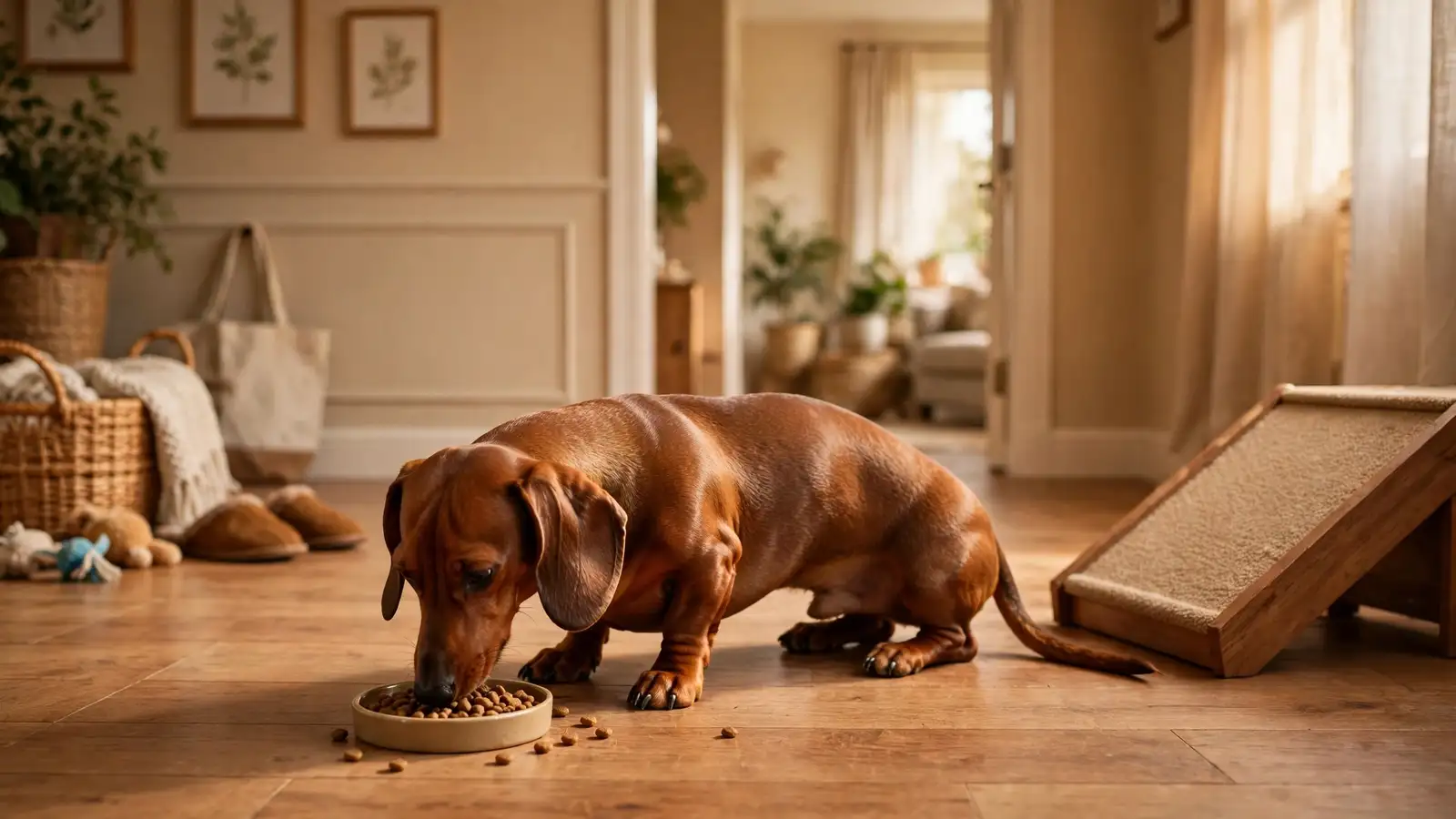
Feed a measured, high-quality diet in two meals a day. Obesity is the greatest preventable threat to this breed’s back; even a little extra weight multiplies disc disease risk. Count every treat. The Dachshund dog needs a measured, high-quality diet in two meals a day.
Ask your vet for a target weight and be strict. This is the single most important health decision you will make.
Feeding suits a back that cannot carry extra weight. A measured, high-quality diet in two meals keeps the dog lean, since obesity is the greatest preventable threat to the back and even a little extra weight multiplies disc disease risk. Counting every treat matters, and asking the vet for a target weight is the single most important health decision.
Grooming
Depends on the coat. Here is the routine.
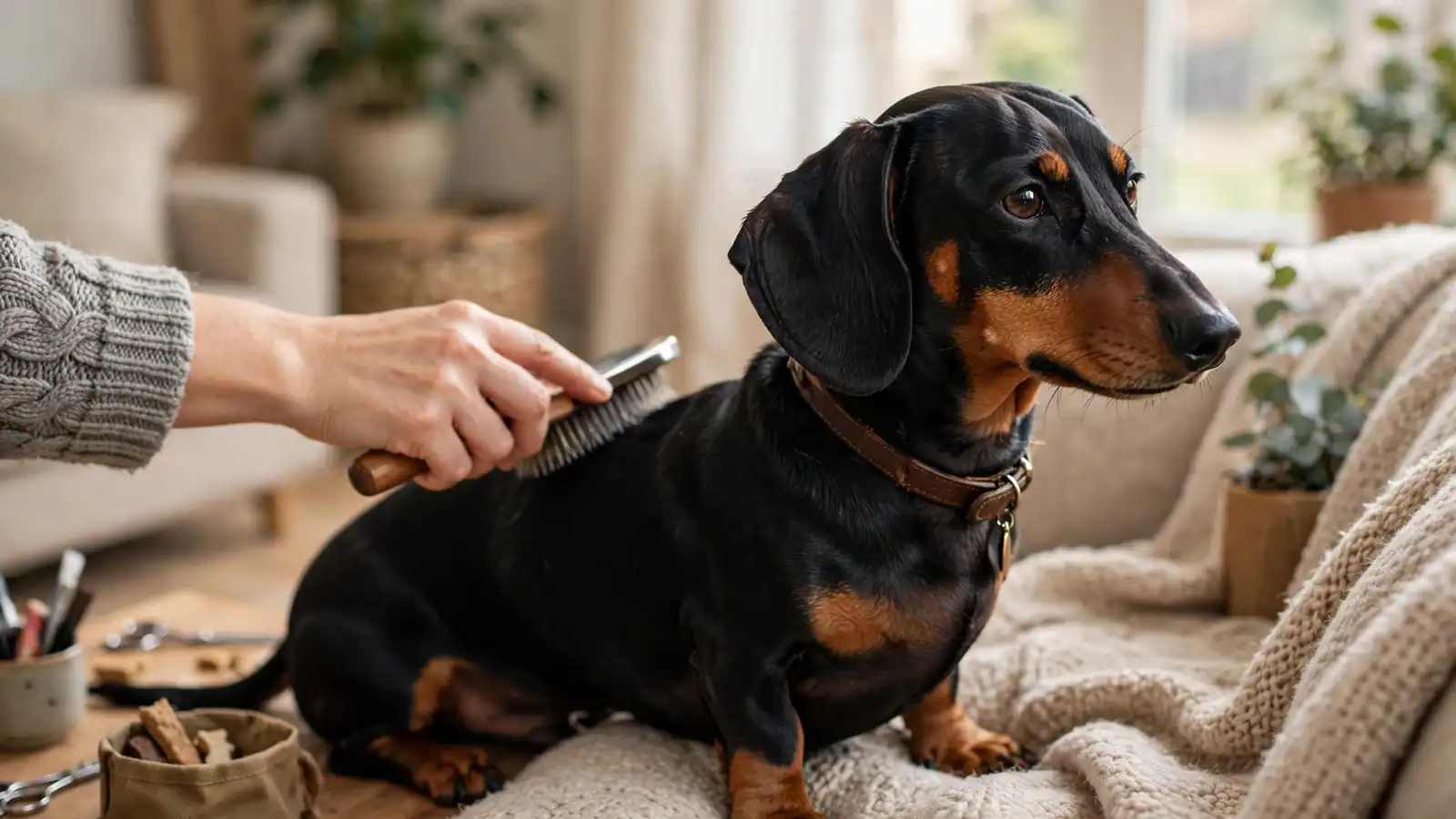
Smooth: weekly brushing, minimal effort. Longhair: brushing several times a week to prevent mats. Wirehair: regular brushing plus stripping or clipping a few times a year. All: nail trims, ear checks, teeth brushing. The Dachshund dog needs weekly brushing for the smooth coat and several brushings a week for the long coat.
Grooming depends on the coat, as the guide says. Smooth coats need weekly brushing with minimal effort, longhair needs brushing several times a week to prevent mats, and wirehair needs regular brushing plus stripping or clipping a few times a year. All coats share the same session for nails, ears, and teeth.
Exercise and Enrichment
Moderate energy, careful management. Here is the plan.
Aim for 30 to 45 minutes of walking daily on level ground. Avoid stairs, high jumps, and rough play that jars the spine. Scent games and puzzle toys provide safe mental enrichment. The Dachshund dog needs 30 to 45 minutes of walking daily on level ground.
Puppies should be especially protected while growing.
Exercise is moderate and spine-aware. Thirty to forty-five minutes of walking daily on level ground cover the need, with stairs, high jumps, and rough play that jars the spine all avoided. Scent games and puzzle toys provide safe mental enrichment, and puppies should be especially protected while growing.
Health
They live 12 to 16 years. Here are the health issues to know.
Intervertebral disc disease (IVDD) affects roughly one in four of these dogs; it is the breed’s defining health issue. Weight control, ramps, and sensible activity are the prevention. Patellar luxation occurs. Dental disease is common. Progressive retinal atrophy appears in some lines. The Dachshund dog faces intervertebral disc disease as its defining health issue, affecting roughly one in four.
Schedule annual wellness exams, or twice-yearly exams for seniors, and ask your vet about screening for conditions the breed can be prone to. Consult your veterinarian promptly if you notice back pain, reluctance to move, wobbliness, or crying when touched. For general background, see the Dachshund article on Wikipedia.
Health care follows the familiar rhythm with back protection in focus. Annual exams, twice-yearly exams for seniors, and screening for the breed’s conditions cover the ground the guide names, and breeders who screen for eye issues and patellas and breed for sound structure are worth seeking out. Day to day, back pain, reluctance to move, wobbliness, and changes in appetite, weight, or energy deserve a prompt vet call.
Affects roughly one in four of these dogs and is the breed’s defining health issue. Weight control, ramps, and sensible activity are the prevention.
Patellar luxation occurs, and dental disease is common.
Progressive retinal atrophy appears in some lines; choose breeders who screen.
Indoor and Outdoor Living
Indoor burrower, outdoor walker. Here is the balance. The Dachshund dog is an indoor burrower and an outdoor walker.
They live indoors and are excellent apartment dogs in terms of size and energy. They need daily walks and a secure area for outdoor time. They are cold-sensitive; sweaters help in winter.
They should never be left to navigate lots of stairs. Baby gates are standard equipment.
Indoor living as a burrower defines the arrangement. The breed lives indoors as an excellent apartment dog in size and energy, needing daily walks and a secure area for outdoor time, with cold sensitivity meaning sweaters help in winter. Baby gates are standard equipment, since the dog should never be left to navigate lots of stairs.

Family Suitability
Wonderful with the right families. Here is the picture. The Dachshund dog is wonderful with the right families.
Deeply devoted to their people and good with respectful children. The fragility of the back means rough toddler play is risky; they suit families with older kids or adults. They can be jealous and possessive of their person.
With other pets, early socialization helps; the hunting instinct means small animals need supervision.
With families, devotion leads and the back sets the limit. The breed is deeply devoted to its people and good with respectful children, though back fragility makes rough toddler play risky, suiting families with older kids or adults. With other pets, early socialization helps, while the hunting instinct means small animals need supervision.
Finding a Breeder or Rescue
Back-sound breeding matters. Here is how. The Dachshund dog needs a breeder who screens for eye issues and patellas and breeds for sound structure.
Good breeders screen for eye issues and patellas, breed for sound structure, and raise puppies in the home. Rescues are full of wonderful dogs; the breed’s popularity and needs cause surrenders.
- Ask what health testing the breeder does on their dogs
- Ask to see the parents and the living conditions
- Puppies should be raised in a home environment
- A good breeder answers questions openly and asks you some too
Quick Quiz: Is a Dachshund Right for You?
Answer four questions. Tap yes or no.
Frequently Asked Questions
Are Dachshunds good family dogs?
They are wonderful with respectful families. They suit adults and older kids best due to back fragility.
How much exercise does a Dachshund need?
About 30 to 45 minutes of walking daily on level ground.
Do Dachshunds bark a lot?
Yes, famously. They are vocal watchdogs.
Are Dachshunds hard to housetrain?
They can be stubborn about it. Patience and consistency are required.
How long do Dachshunds live?
Typically 12 to 16 years.
How do I protect my Dachshund’s back?
Keep weight lean, use ramps, avoid stairs and jumping, and lift with back support.
What do Dachshund owners say about living with the breed?
Owners consistently describe the breed as bold, curious, and devoted. In practice, owners report that the breed’s huge character is the main reason they recommend it to devoted owners.
When should I ask my vet about my Dachshund’s health?
Schedule annual wellness exams, or twice-yearly exams for seniors, and ask your vet about screening for conditions the breed can be prone to. Consult your veterinarian promptly if you notice back pain, reluctance to move, wobbliness, or crying when touched.
The Dachshund is a fearless badger hunter in a long, low package: bold, devoted and endlessly entertaining. Protect the back, manage the barking, and this huge character will run your household happily for years.
Similar Breeds Worth Exploring
Related Breed Guides
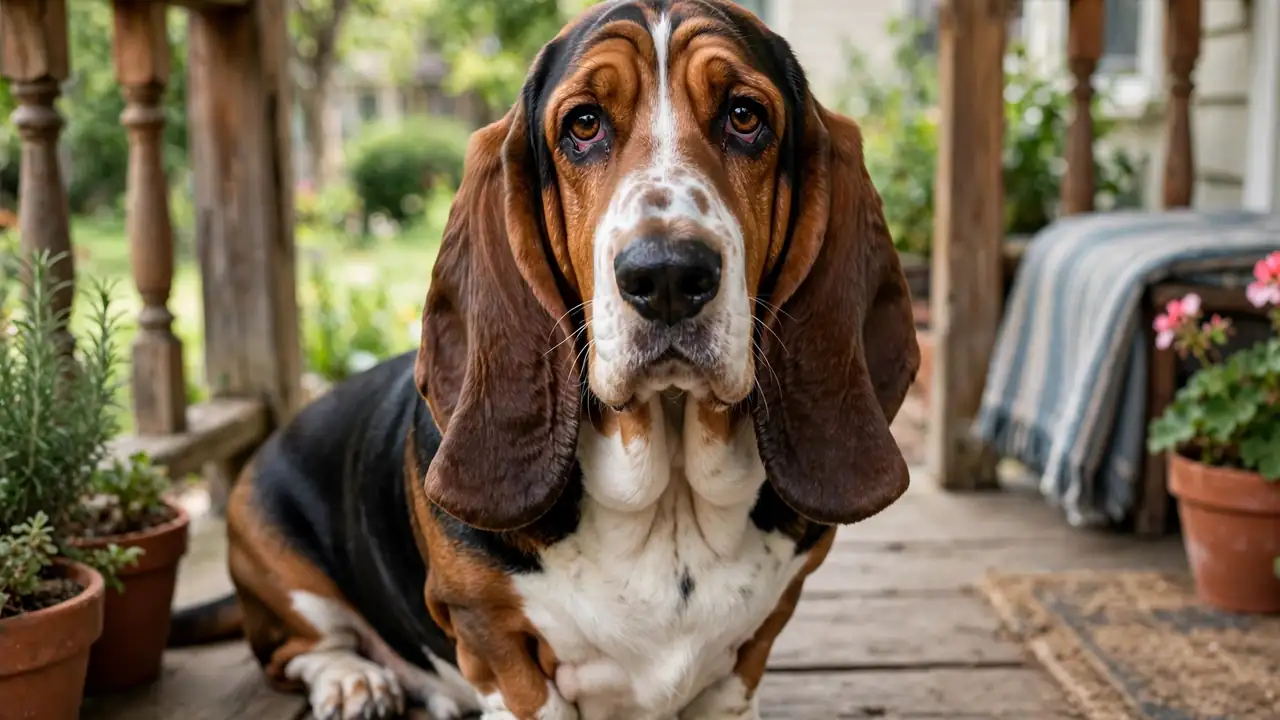
- Basset Hound Dog Breed Guide
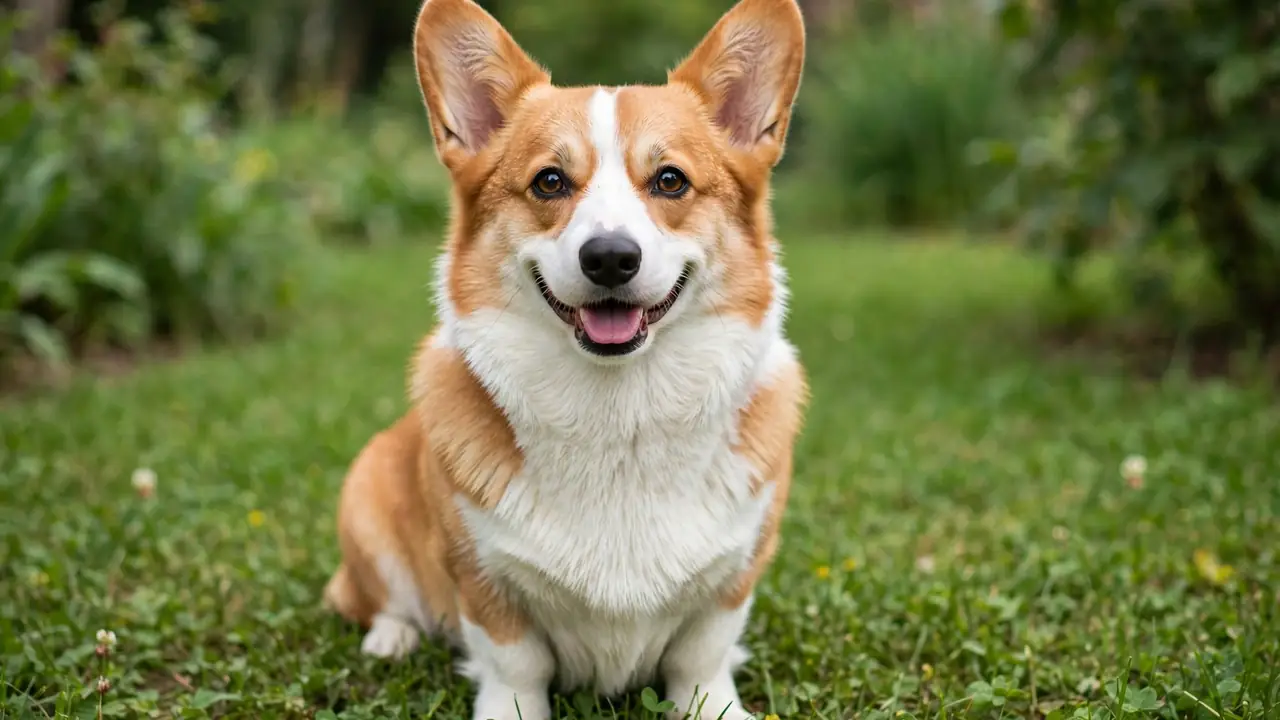
- Corgi Dog Breed Guide
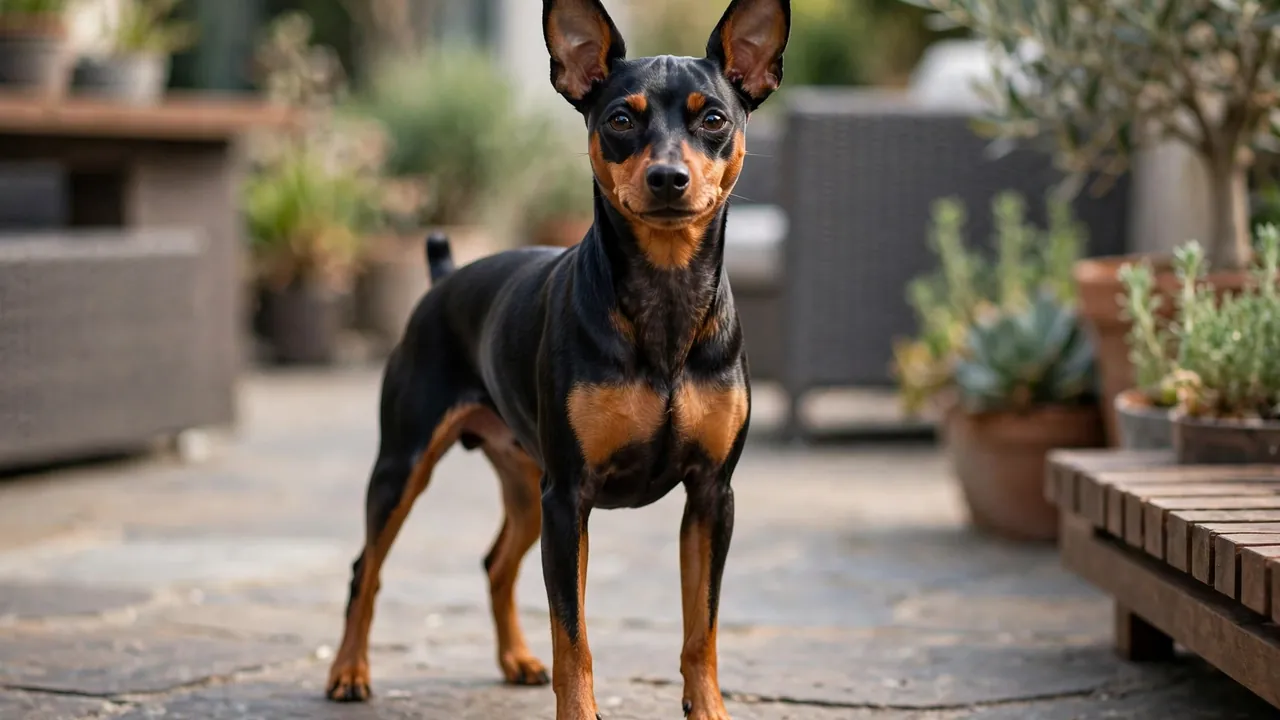
- Miniature Pinscher Dog Breed Guide
- Beagle Dog Breed Guide
Keep Exploring
Browse all our Dog Breed Guides, try the Dog Age Calculator, or explore our Cat Breed Guides.