
Pit Bull Terrier Dog Breed Guide
American Pit Bull Terrier: the strong, affectionate athlete
Too often judged by reputation rather than character — here is the honest picture. Care, training, and health in one complete guide.
By Emily Carter · Reviewed by our vet team · Updated 22 October 2026 · 10 min read
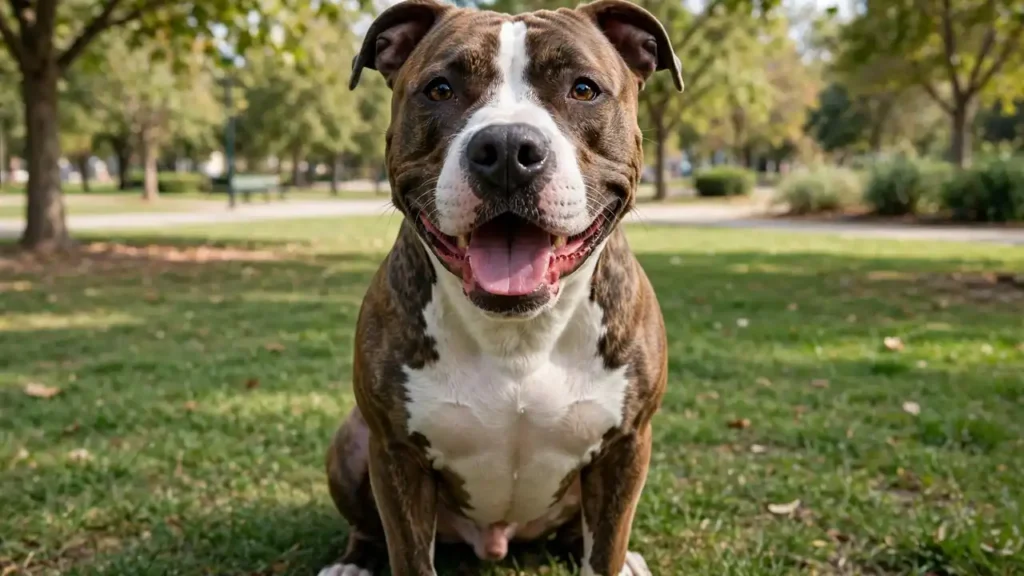
Lifespan 12–16 yrs Weight 30–65 lb Affectionate & loyal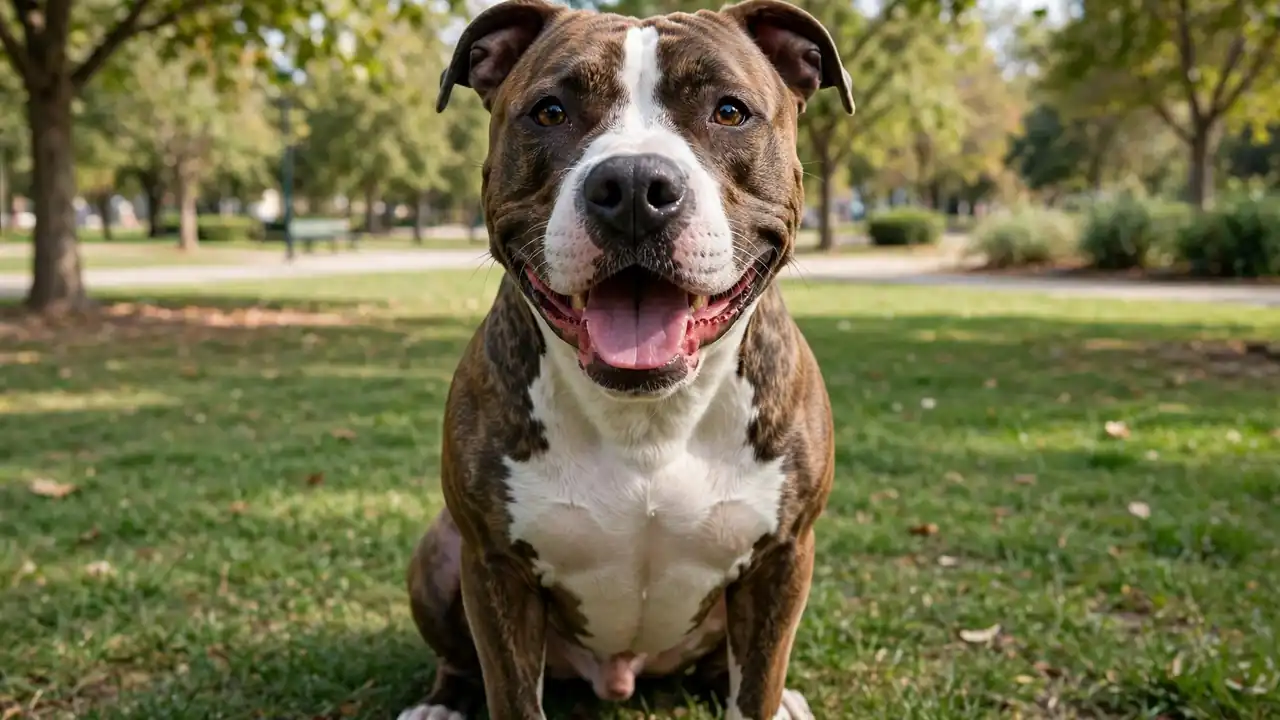
Pit Bull Terrier dog: The strong, affectionate athlete too often judged by reputation rather than character. Here is the honest picture before you commit.
Famously affectionate, loyal, and playful with their people, they are typically excellent with humans, including children, and are known for the wiggly, joyful greeting. The Pit Bull Terrier dog is affectionate and loyal.
This is a breed that rewards effort in direct proportion: the more training, structure, and activity you put in, the more the famous sweetness and clownish joy come out.
The honest cautions matter too: dog aggression can occur and must be managed, the strength needs channeling through training, and owners carry extra responsibility. These are not casual dogs for passive owners. The Pit Bull Terrier dog needs firm, kind training.
At a Glance
Size and Weight
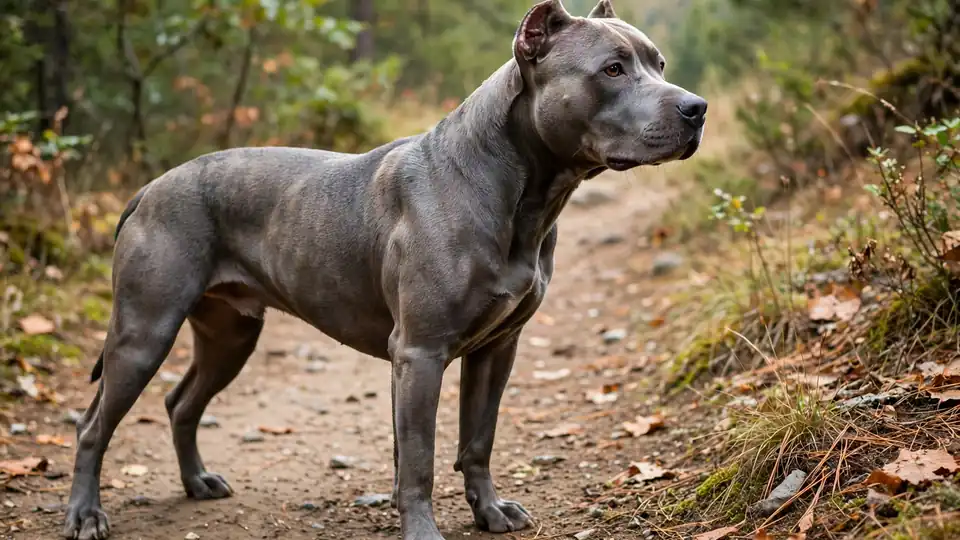
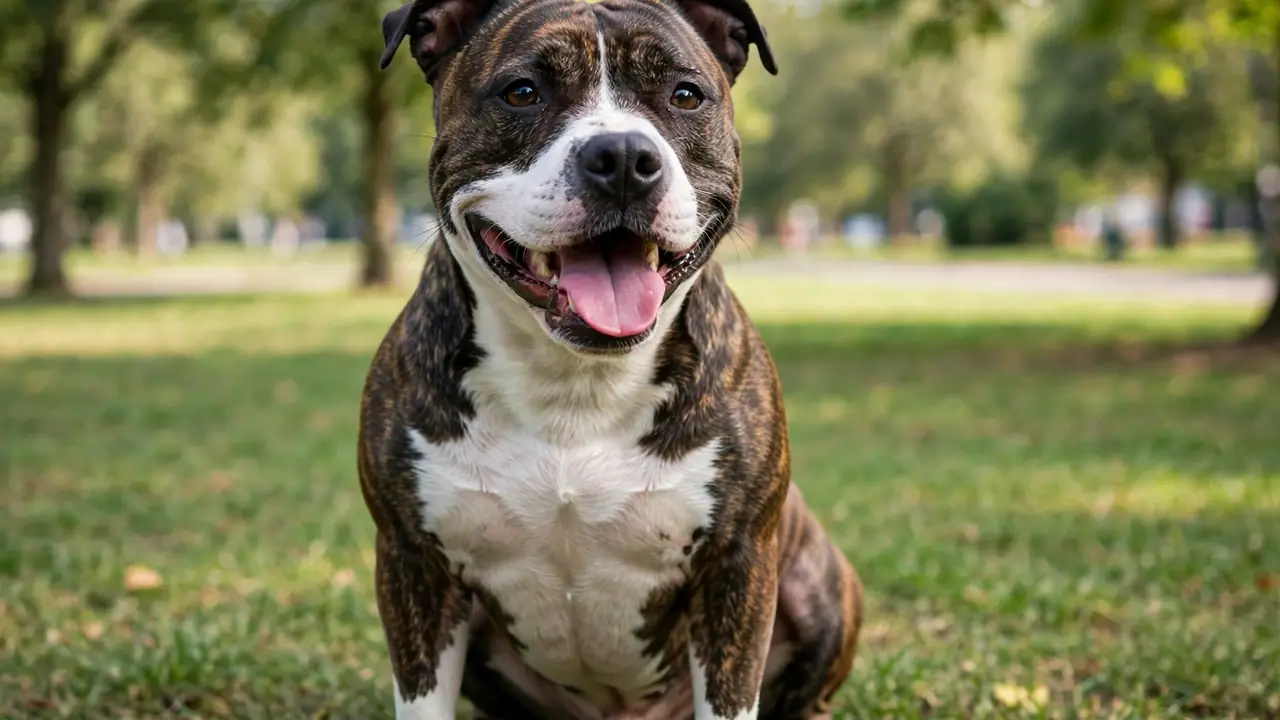
Medium, muscular, and powerful: they stand 17 to 21 inches and weigh 30 to 65 pounds. The build is athletic and muscular. The Pit Bull Terrier dog is muscular and athletic.
The name is also used loosely for several similar breeds and mixes, which is part of why the reputation game is so confused.
Know your local laws. Breed-specific legislation affects ownership in some places.
Coat and Colors
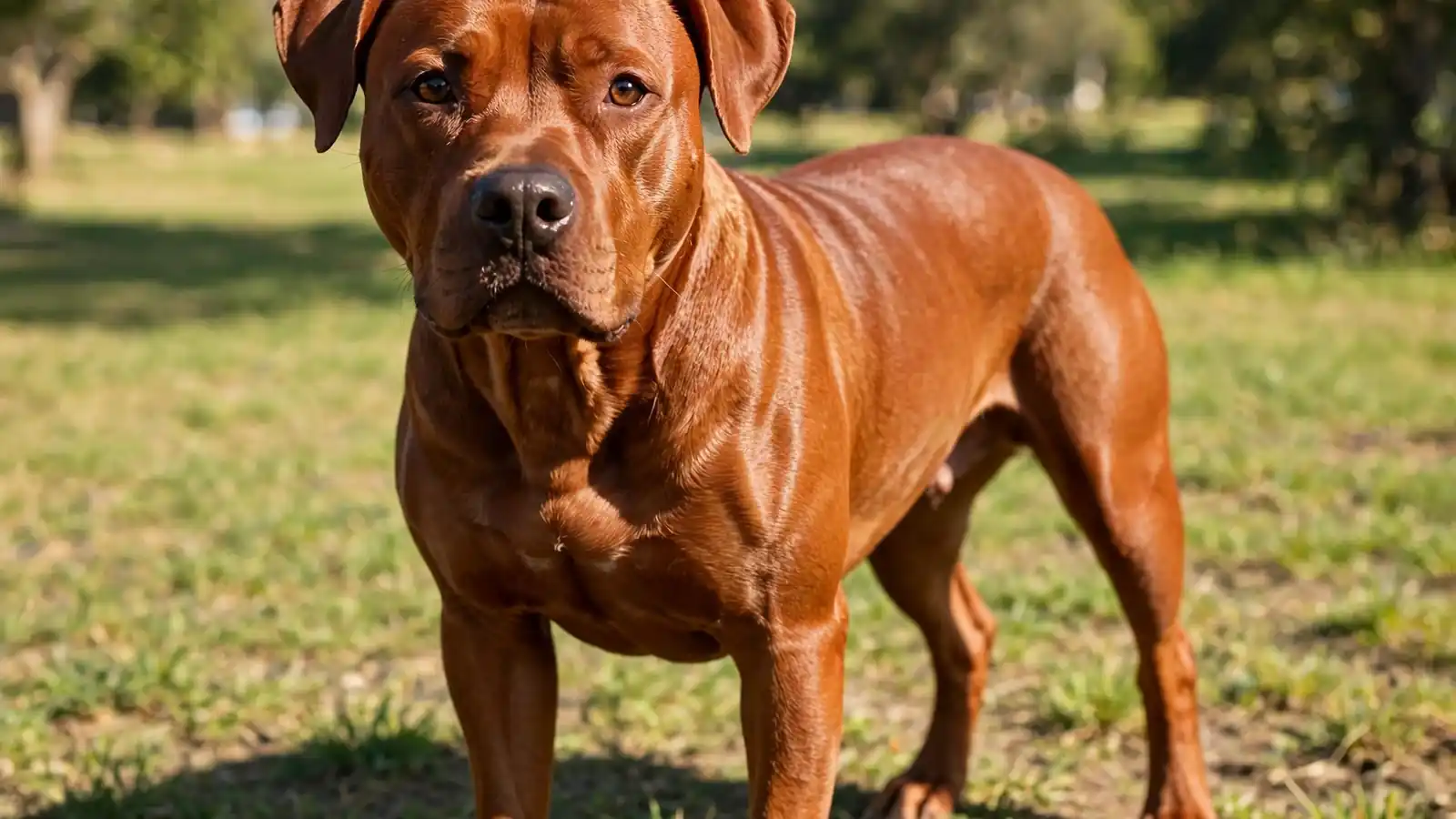
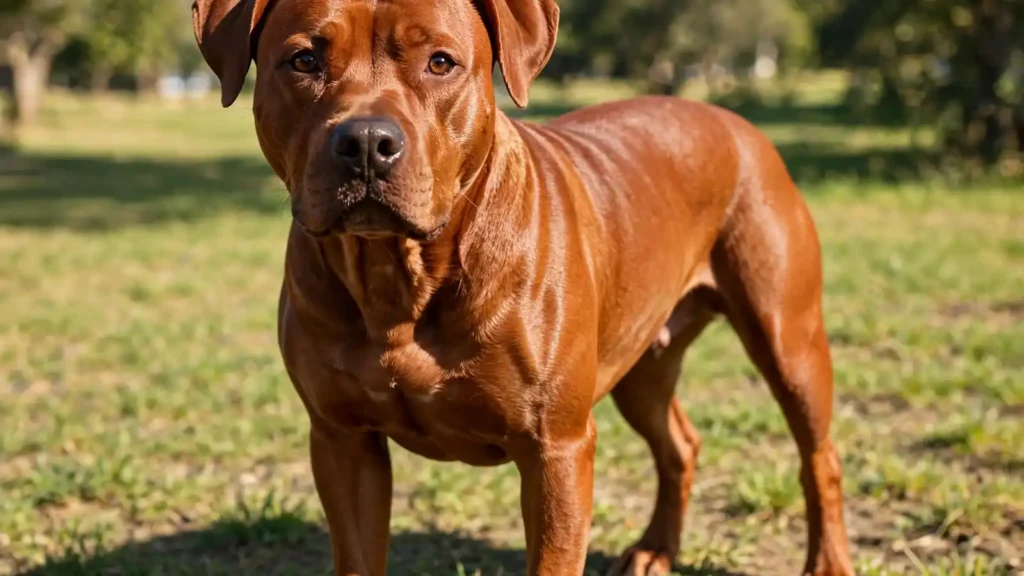
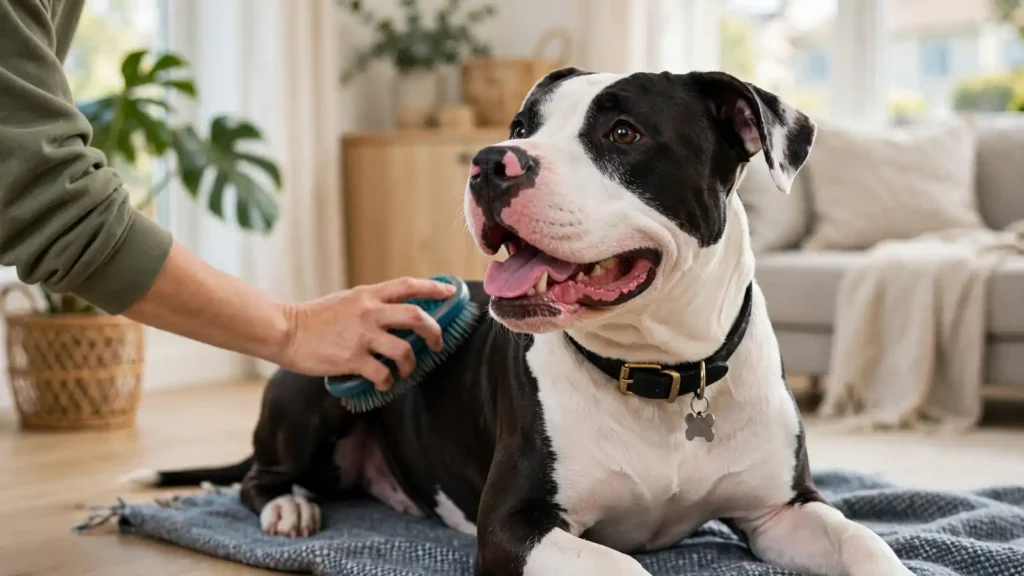
Short, sleek, and easy: a short, smooth coat in virtually any color or pattern. The Pit Bull Terrier dog has a short, easy coat.
Shedding is moderate. Grooming is minimal: weekly brushing.
History and Origins
The breed descends from 19th-century bull-and-terrier dogs in England.
Developed in America as all-around farm dogs and companions, they were once America’s beloved family dog, the face of loyalty and courage.
Well-bred and well-raised, the modern breed is known for affection toward people.
The fighting history is real and must be respected in training and management — honesty about the past is part of responsible ownership today. The Pit Bull Terrier dog has a complex history.
Physical Characteristics
An athlete in every line: a compact, muscular body with a deep chest and strong jaws.
The head is broad with an expressive face. Everything says strength and agility. The coat is short because everything about the design is practical: a wash-and-go athlete built for work, play, and mud.
Pit Bull Terrier Personality and Behavior
People-loving to the core: famously affectionate, loyal, and playful with their people. They are typically excellent with humans, including children, and are known for the wiggly, joyful greeting. They are intelligent and eager to please. The Pit Bull Terrier dog loves people.
The honest cautions: dog aggression can occur and must be managed; the strength and determination need channeling through training; and the breed’s reputation means owners carry extra responsibility for training, containment, and public perception.
They are not casual dogs for passive owners. Owners consistently describe the breed as affectionate, loyal, and playful — and its loving nature with people is why they recommend it to committed, responsible owners.
People-loving to the core is exactly right. The Pit Bull Terrier dog is affectionate, loyal, and playful with its people, typically excellent with humans, including children, and known for the wiggly, joyful greeting. The breed rewards effort in direct proportion: the more training, structure, and activity you put in, the more the famous sweetness and clownish joy come out.
The honest cautions shape responsible ownership. Dog aggression can occur and must be managed, strength and determination need channeling through training, and the breed’s reputation means owners carry extra responsibility for training, containment, and leash manners. These are not casual dogs for passive owners, and committed owners love them most.
Affection toward humans is the breed’s defining trait.
Famous for joyful, whole-body welcomes.
Whatever they do, they do wholeheartedly — channel it with training.
- Affectionate, loyal, and playful with people
- Intelligent and eager to please
- Minimal grooming; generally healthy and long-lived
- Dog aggression can occur — introductions need care
- Reputation brings extra responsibility, and restrictions in some places
- High energy and strength need real training and exercise
Care Essentials
Think of structure as kindness: clear rules, consistent routines, and plenty of praise build the calm, confident adult everyone hopes for.
Training and exercise are everything — here is the daily reality. Early, thorough socialization and lifelong training are non-negotiable. Responsible ownership includes secure containment and good leash manners.
A typical day runs on structure as kindness. Clear rules, consistent routines, and plenty of praise build the calm, confident adult everyone hopes for, with early, thorough socialization and lifelong training non-negotiable. Responsible ownership includes secure containment and good leash manners every single day.
A measured, high-quality diet in two meals a day; keep them lean and muscular.
Weekly brushing, occasional baths, nail trims, ear checks, teeth brushing. That is the whole program.
60 minutes or more of vigorous activity daily: running, fetch, tug, agility.
An indoor family home with a securely fenced yard; they crave closeness.
Nutrition and Diet
Athletic build, quality fuel: feed a measured, high-quality diet in two meals a day. The Pit Bull Terrier dog eats measured meals.
Keep them lean and muscular. Adjust to activity level. Weigh the food rather than eyeballing it, and re-check body condition monthly; muscle should be easy to feel under a thin layer of cover.
Feeding suits an athletic build. A measured, high-quality diet in two meals keeps the dog lean and muscular, adjusted to activity level, with food weighed rather than eyeballed and body condition re-checked monthly. Muscle should be easy to feel under a thin layer of cover, which is the condition to aim for.

Grooming
Minimal effort: weekly brushing, occasional baths, regular nail trims, ear checks, teeth brushing. The Pit Bull Terrier dog is easy to groom.
That is the whole program — the easiest grooming routine of any breed in this guide. Most genuinely enjoy the routine, and a weekly brush doubles as a health check for the skin issues this breed can be prone to.
Grooming is minimal effort, as the guide says. Weekly brushing covers the short, smooth coat and its moderate shedding, occasional baths come as needed, and the same session covers nails, ears, and teeth. Most genuinely enjoy the routine, and a weekly brush doubles as a health check for the skin issues this breed can be prone to.
Exercise and Enrichment
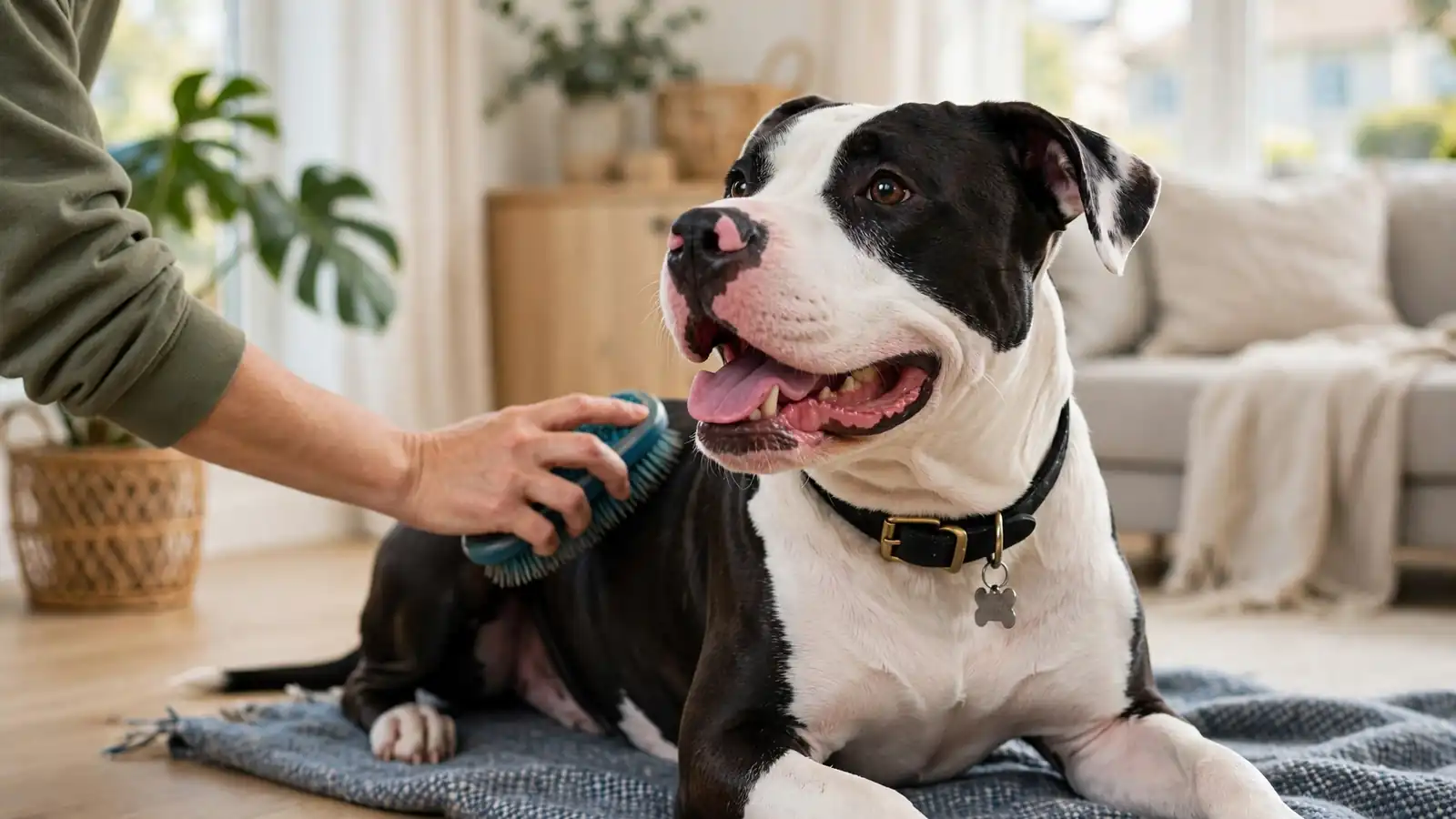
High energy with athletic drive: aim for 60 minutes or more of vigorous activity daily — running, fetch, tug, flirt pole, agility. The Pit Bull Terrier dog needs vigorous exercise.
They excel at weight pull, agility, and obedience. Mental work through training is equally important. A tired dog is a well-behaved dog, and few breeds prove the rule like this one; plan the day around burning off that athletic energy and evenings become calm and cuddly.
Exercise is vigorous and athletic. Sixty minutes or more of running, fetch, tug, flirt pole, and agility cover the need, with weight pull, agility, and obedience all suited to the athlete. Mental work through training is equally important, and a tired dog is a well-behaved dog, with few breeds proving the rule like this one.
Health
Generally healthy, with a lifespan of 12 to 16 years — a robust constitution and a long life by athletic-breed standards. Here are the health issues to know:
Hip dysplasia occurs; choose screened breeders.
Skin allergies are common in the breed.
Demodex mange appears in some young dogs.
Cruciate tears occur in athletic individuals.
Heart conditions appear occasionally.
Schedule annual wellness exams, or twice-yearly exams for seniors, and ask your vet about screening for conditions the breed can be prone to, such as hip dysplasia and skin allergies. Consult your veterinarian promptly if you notice limping, skin problems, or changes in appetite, weight, or energy. For general background, see the Wikipedia guide.
Health care follows the familiar rhythm with joint and skin screening in focus. Annual exams, twice-yearly exams for seniors, and screening for hip dysplasia and skin allergies cover the ground the guide names, and the Pit Bull Terrier dog’s breeders should health-test and breed for stable temperaments. Day to day, skin changes, limping, and changes in appetite, weight, or energy deserve a prompt vet call.
Indoor and Outdoor Living
Indoor family dog, outdoor athlete: they live indoors with their people and exercise outdoors.
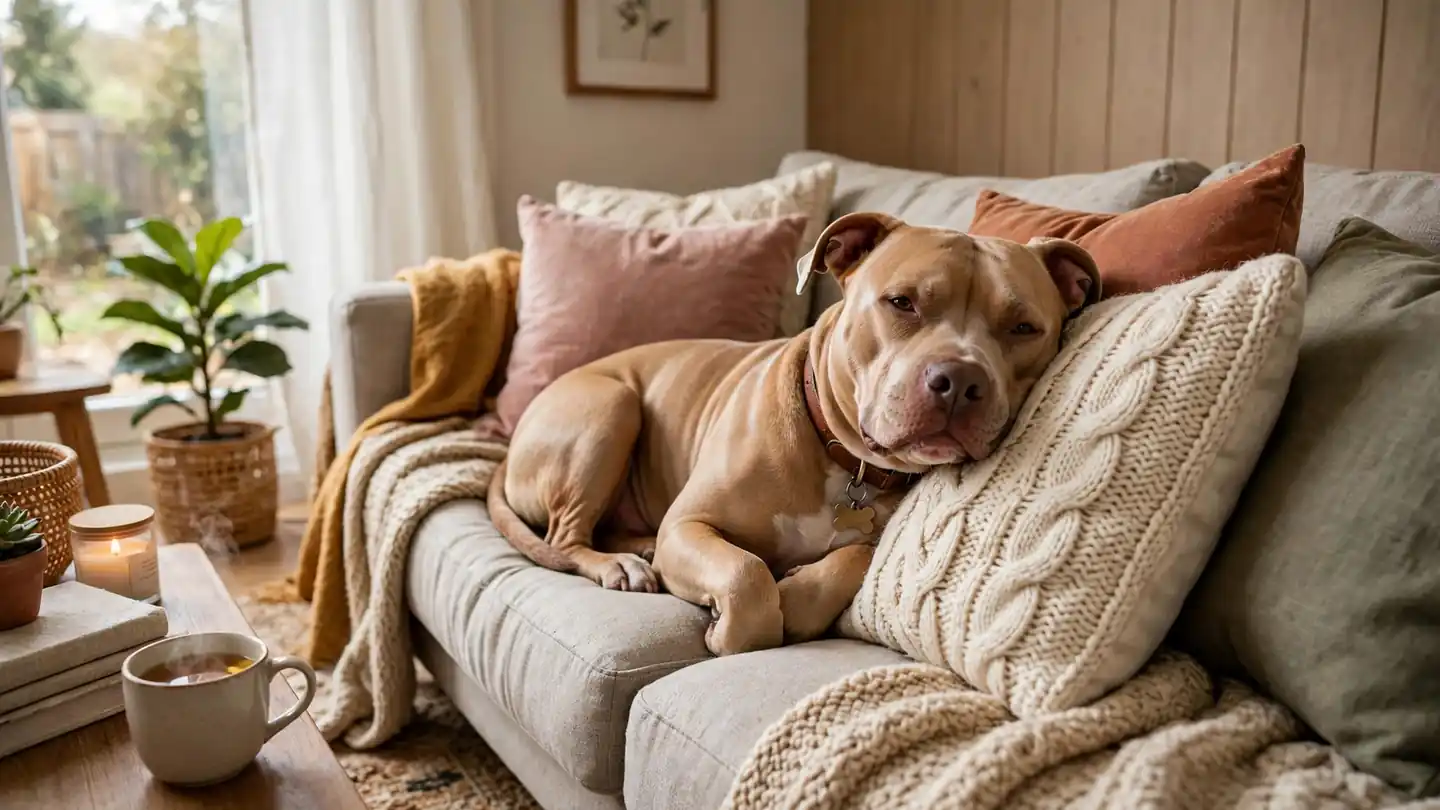
They are cold-sensitive with the short coat. A securely fenced yard is essential; they are strong and determined. Plan for a dog that believes the sofa is shared property; personal space is not a concept this breed recognizes.
Indoor living as a family dog defines the arrangement. The breed lives indoors with its people and exercises outdoors, cold-sensitive with its short coat, with a securely fenced yard essential, since the dog is strong and determined. Plan for a dog that believes the sofa is shared property: personal space is not a concept this breed recognizes.
Family Suitability
Wonderful with committed families: typically affectionate and gentle with their family’s children.
Introductions to other dogs should be staged calmly and one-to-one. The strength and exuberance need managing around small kids. Dog-to-dog introductions need care; same-sex aggression can occur. The family must be prepared for the responsibility the breed’s reputation brings.
With families, commitment leads and strength sets the limit. The breed is wonderful with committed families: typically affectionate and gentle with its family’s children, though strength and exuberance need managing around small kids. Introductions to other dogs should be staged calmly and one-to-one, since same-sex aggression can occur, and the Pit Bull Terrier dog’s loving nature with people shows best in responsible, structured homes.
Finding a Breeder or Rescue
Rescue is the breed’s great story: rescues and shelters are full of wonderful dogs; the breed’s overbreeding and reputation cause surrenders. Adoption gives a deserving dog a home.
If buying, choose breeders who health-test and breed for stable temperaments. Meeting adult dogs tells you more than any paperwork: look for relaxed, people-focused dogs that recover quickly from surprises.
- Choose breeders who health-test and breed for stable temperaments
- Ask about hip screening
- Meet the parents and judge temperament for yourself
- Strongly consider rescue or a shelter
Quick Quiz: Is This Strong, Loving Athlete Right for You?
Answer four questions. Tap yes or no.
Frequently Asked Questions
Are Pit Bulls good family dogs?
They are typically wonderful with their families, including children. They are people-loving dogs.
Are Pit Bulls aggressive?
Well-bred, well-trained Pit Bulls are known for affection toward people. Dog aggression can occur and must be managed responsibly.
How much exercise does a Pit Bull need?
Sixty minutes or more of vigorous activity daily.
Do Pit Bulls bark a lot?
Moderately. They are not typically nuisance barkers.
How long do Pit Bulls live?
Typically 12 to 16 years.
Are Pit Bulls easy to train?
They are intelligent and eager to please, responding well to consistent positive training.
What do Pit Bull owners say about living with the breed?
Owners consistently describe the Pit Bull as affectionate, loyal, and playful. In practice, owners report that the breed’s loving nature with people is the main reason they recommend it to committed, responsible owners.
When should I ask my vet about my Pit Bull’s health?
Schedule annual wellness exams, or twice-yearly exams for seniors, and ask your vet about screening for conditions the breed can be prone to, such as hip dysplasia and skin allergies. Consult your veterinarian promptly if you notice limping, skin problems, or changes in appetite, weight, or energy.
Judged by reputation, loved for character: affectionate, loyal, playful, and eager to please, with an athlete’s energy and a comedian’s greeting. For committed owners who train, exercise, and manage responsibly, few dogs love people harder.
Similar Breeds Worth Exploring
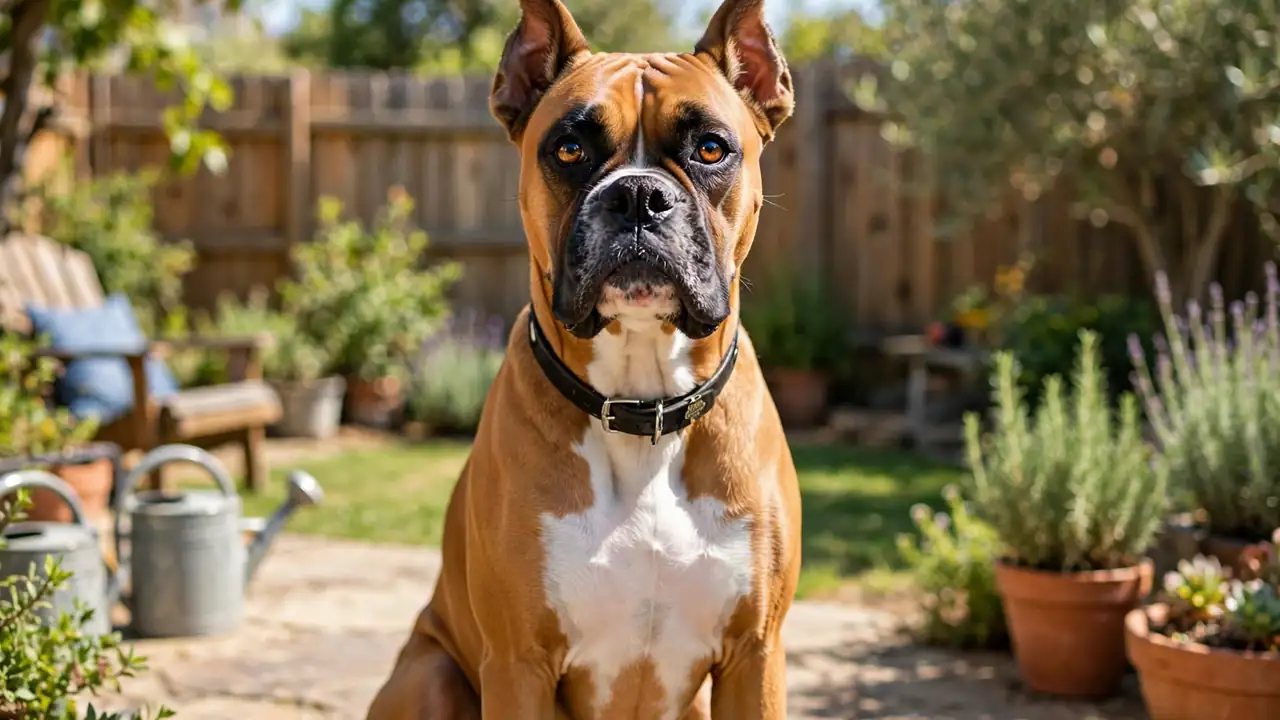
If this athlete appeals to you, consider the American Staffordshire Terrier (the show-ring cousin), the Staffordshire Bull Terrier (smaller and similar), the Boxer (playful and similar energy), or the American Bulldog (larger athletic breed).
Related Breed Guides
Keep Exploring
Browse all our Dog Breed Guides, try the Dog Age Calculator, or explore our Cat Breed Guides. Every guide on this site follows the same layout, so the facts you need are always in the same place.