
Rottweiler Dog Breed Guide
Rottweiler: the powerful, confident guardian
Calm, loyal, and deeply devoted to its family — strength under control. Care, training, and health in one complete guide.
By Emily Carter · Reviewed by our vet team · Updated 22 October 2026 · 10 min read
Lifespan 8–11 yrs
Weight 80–135 lb
Confident & calm
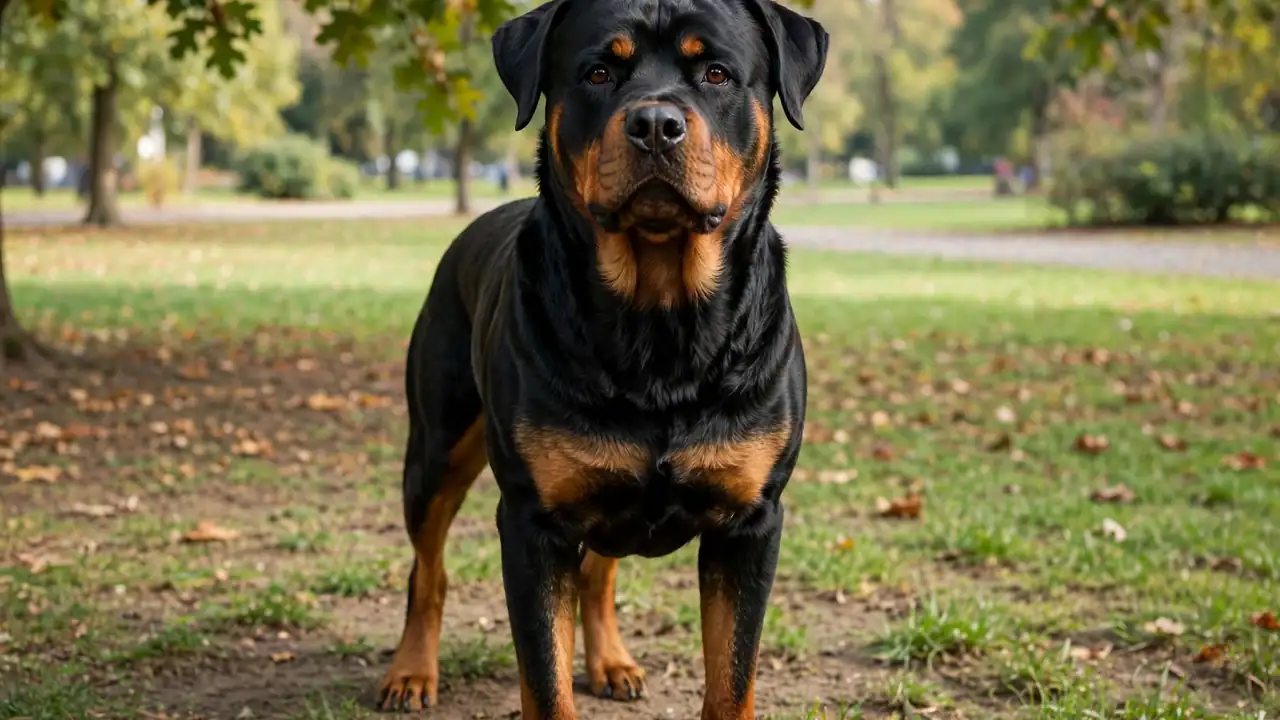
Rottweiler dog: The powerful, confident guardian: calm, loyal, and deeply devoted to its family.
Famously confident, calm, and loyal, they are deeply devoted to their families, naturally protective, and discerning with strangers. They are intelligent and trainable, thriving with confident leadership. The Rottweiler dog is confident and calm.
They are not aggressive by default; a well-bred, well-trained dog is steady and self-assured. But the guardian instincts and strength are real, and this is not a breed for passive owners. The Rottweiler dog needs experienced owners.
At a Glance
Size and Weight
Large and powerfully built: males stand 24 to 27 inches and weigh 95 to 135 pounds; females are 22 to 25 inches and 80 to 100 pounds.
The build is compact and muscular rather than tall — power in a compact frame. A big puppy grows fast and heavy: expect the cute bundle to outmuscle most adults within the year, which is exactly why manners are taught while the dog is still small enough to manage.
Coat and Colors
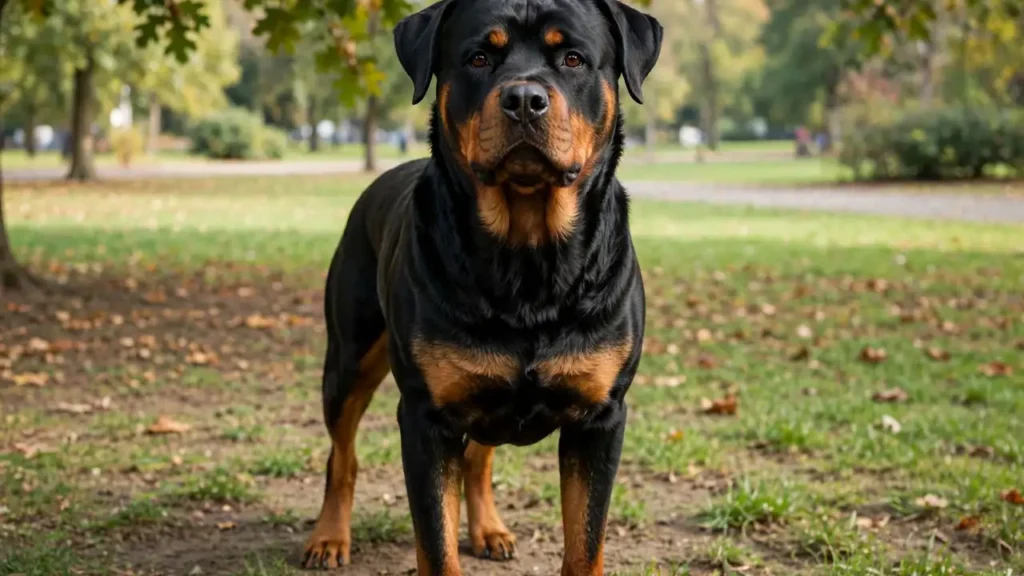
Short, dense, and easy: a short, straight outer coat with an undercoat, always black with rich tan markings.
Shedding is moderate to heavy. Grooming is easy: weekly brushing.



History and Origins
They descend from Roman mastiff-type drover dogs that moved with the legions.
In the German town of Rottweil they became cattle drivers and butchers’ dogs.
Their strength, intelligence, and guarding instinct made them natural police and service dogs.
The working and guarding heritage defines the temperament and needs. That drover past explains the modern dog: strong enough for cattle, calm enough for the household, and happiest with a job and its people nearby. The Rottweiler dog has a working heritage.
Physical Characteristics
Power in a compact frame: a broad, muscular body with a deep chest and massive head.
The expression is confident and calm. Everything says strength under control. Notice the balance: the breed should look capable rather than extreme — substance without clumsiness, and a steady, ground-covering trot that can continue all day.
Rottweiler Personality and Behavior
A calm guardian with deep loyalty: famously confident, calm, and loyal. They are deeply devoted to their families, naturally protective, and discerning with strangers. They are intelligent and trainable, thriving with confident leadership. The Rottweiler dog is a loyal guardian.
The guardian instincts and strength are real and need channeling through lifelong training and socialization. They are sensitive to their owners and do poorly with harsh methods.
Owners consistently describe the breed as confident, calm, and loyal — and its steady protectiveness is why they recommend it to experienced owners.
At home, expect a dog that leans against legs, follows from room to room, and considers your personal space a shared resource. The guarding is quiet: a watchful presence by the door rather than noise.
A calm guardian with deep loyalty is exactly right. The Rottweiler dog is confident, calm, and loyal, deeply devoted to its family, naturally protective, and discerning with strangers, with the intelligence and trainability that thrive under confident leadership. The guarding is quiet: a watchful presence by the door rather than noise, and a dog that leans against legs and follows from room to room.
The guardian instincts and strength are real and need channeling. Lifelong training and socialization shape the protective nature, and sensitivity to owners means harsh methods backfire badly. The breed is not aggressive by default: a well-bred, well-trained dog is steady and self-assured, but this is not a breed for passive owners.
Steady rather than reactive; confidence is the breed’s signature.
Polite reserve until people are accepted, then relaxed.
Harsh methods fail; confident, fair leadership succeeds.
- Confident, calm, and deeply loyal
- Naturally protective and discerning
- Intelligent and highly trainable
- Strength and guarding instincts need lifelong training
- Not a breed for passive or first-time owners
- Same-sex aggression with other dogs can occur
Care Essentials
Training, exercise, and leadership — here is the daily reality. Early, thorough socialization is essential, and training continues for life. The strength demands engagement and responsibility.
Feeding
A high-quality large-breed diet in two meals a day; no exercise right after meals.
Grooming
Weekly brushing, occasional baths, nail trims, ear checks, teeth brushing.
Exercise
60 minutes or more daily: walks, hiking, training, obedience.
Home
An indoor family home with a securely fenced yard; never an outdoor kennel dog.
A typical day runs on training, exercise, and leadership. Early, thorough socialization is essential, training continues for life, and sixty minutes or more of walks, hiking, training, and obedience cover the activity. The indoor family home that results needs a securely fenced yard, and the dog is never an outdoor kennel dog.
Nutrition and Diet
Big powerful dog, quality fuel: feed a high-quality large-breed diet in two meals a day. The Rottweiler dog eats a large-breed diet.
As a deep-chested breed, avoid exercise right after meals to reduce bloat risk. Keep them lean and muscular.
Puppies need large-breed puppy food to control growth rate. Measure meals and judge condition by eye and hand: ribs felt easily under a thin cover, and a waist visible from above. Fat hides fast under the black coat.
Feeding suits a big powerful dog. A high-quality large-breed diet in two meals keeps the build lean and muscular, with no exercise right after meals to reduce bloat risk in a deep-chested breed. Puppies need large-breed puppy food to control growth rate, and condition is judged by eye and hand, since fat hides fast under the black coat.

Grooming
Easy coat: weekly brushing, occasional baths, regular nail trims, ear checks, teeth brushing. The Rottweiler dog is easy to groom.
The short coat is genuinely low-maintenance. Expect two heavier sheds a year when the undercoat turns over; daily brushing for a fortnight keeps most of it off the floors.
The coat is genuinely low-maintenance. Weekly brushing covers the short, dense coat, occasional baths come as needed, and the same session covers nails, ears, and teeth. Two heavier sheds a year, when the undercoat turns over, need daily brushing for a fortnight to keep most of it off the floors.

Exercise and Enrichment
Moderate to high energy: aim for 60 minutes or more of activity daily — walks, hiking, training, weight pull, obedience. The Rottweiler dog needs daily exercise.
Mental work is equally critical; a bored dog of this strength is a destructive one. Build exercise around jobs: carrying a pack on hikes, structured fetch, tracking games, and obedience drills tire the mind as much as the muscles. Adolescents especially need the mental work as much as the miles. The Rottweiler dog thrives on mental work.
Exercise is job-flavored and mind-tiring. Sixty minutes or more of walks, hiking, training, weight pull, and obedience cover the need, and building exercise around jobs suits the working heritage: carrying a pack on hikes, structured fetch, tracking games, and obedience drills tire the mind as much as the muscles. Mental work is equally critical, since a bored dog of this strength is a destructive one.

Health
Most live 8 to 11 years. Here are the health issues to know:
Top concerns in the breed; choose screened breeders.
Knee injuries occur in this powerful, athletic breed.
A risk in this deep-chested breed.
Subvalvular aortic stenosis appears in the breed.
Bone cancer occurs in some lines.
Schedule annual wellness exams, or twice-yearly exams for adults, and ask your vet about screening for conditions the breed can be prone to, such as hip and elbow dysplasia. Consult your veterinarian promptly if you notice limping, restlessness with a swollen belly, or changes in appetite, weight, or energy. For general background, see the Wikipedia guide.
Health care follows the familiar rhythm with joint screening in focus. Annual exams, twice-yearly exams for adults, and screening for hip and elbow dysplasia cover the ground the guide names, and the Rottweiler dog’s breeders should screen hips, elbows, heart, and eyes and breed for stable temperaments. Day to day, limping and changes in appetite, weight, or energy deserve a prompt vet call.
Indoor and Outdoor Living
Indoor family guardian: they live indoors with their families and exercise outdoors. They handle moderate climates. The Rottweiler dog lives indoors with its family.
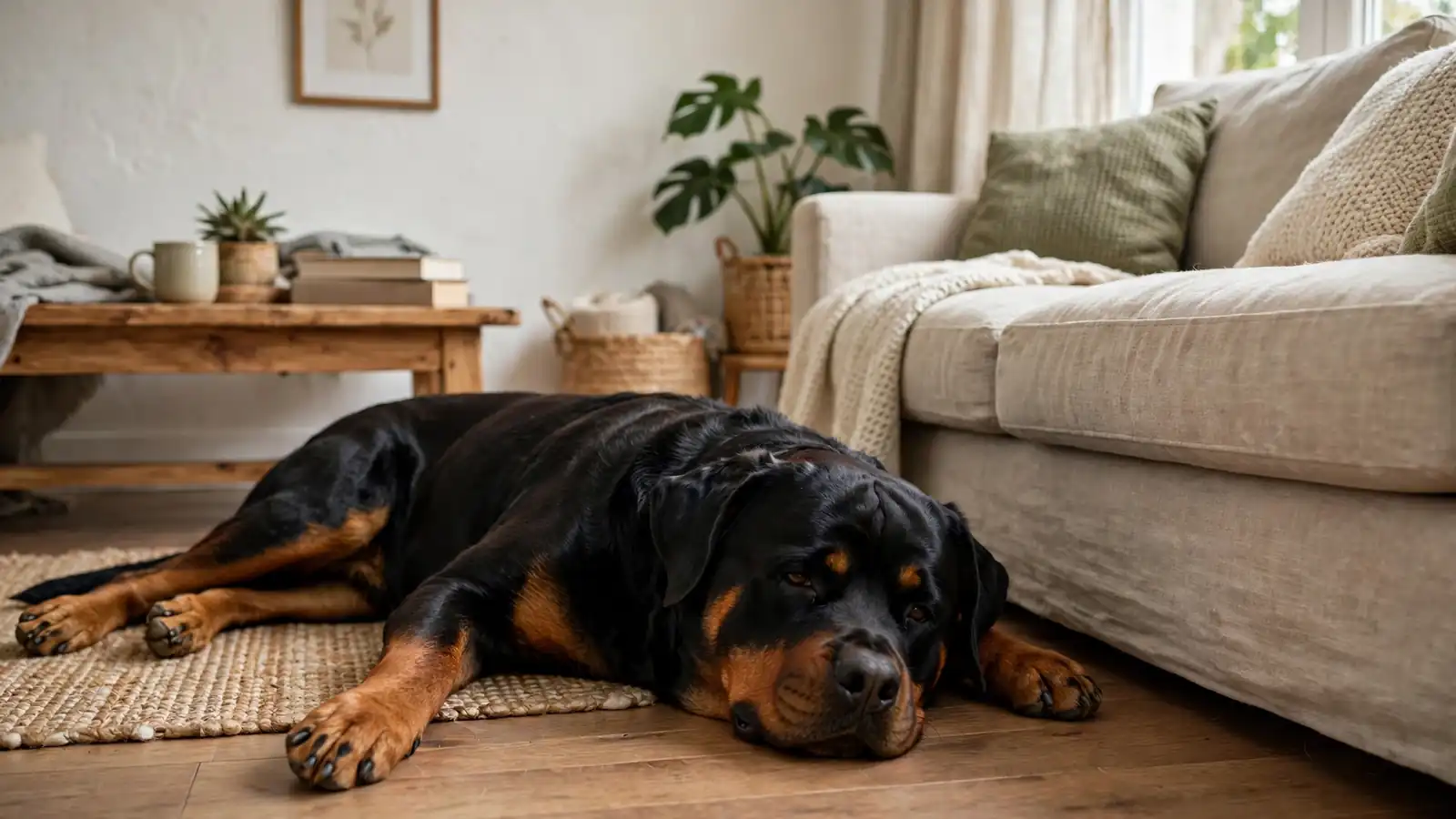
A securely fenced yard is essential. They are not outdoor kennel dogs; isolation causes problems. Indoors, a well-exercised adult is calm and mostly horizontal, saving the energy for outdoors; expect the dog to choose whichever room you are in, every time.
Indoor living as a family guardian defines the arrangement. The breed lives indoors with its family and exercises outdoors, handling moderate climates, with a securely fenced yard essential. Indoors, a well-exercised adult is calm and mostly horizontal, saving the energy for outdoors, which is the temperament at its best.
Family Suitability
Devoted family guardians: typically gentle and affectionate with their family’s children and protective of them.
Introductions to visiting children should be calm and supervised; teach children to skip rough wrestling games and to let the dog walk away when it wants space. The size and strength mean supervision with small kids. They can be wary of unfamiliar children and rough play. With other dogs, same-sex aggression can occur; early socialization is essential.
With families, devotion leads and strength sets the limit. The breed is typically gentle and affectionate with its family’s children and protective of them, though size and strength mean supervision with small kids, and introductions to visiting children should be calm and supervised. The Rottweiler dog’s calm, loyal character shows best in experienced homes that teach children to let the dog walk away when it wants space.
Experienced ownersHomes wanting a calm guardianFamilies with older childrenOwners committed to training
You are a passive or first-time ownerThe dog would live outdoors or alone
Finding a Breeder or Rescue
Temperament and health testing matter: good breeders screen hips, elbows, heart, and eyes, breed for stable temperaments, and match puppies to experienced homes.
Rescues have wonderful dogs too.
- Ask about screening — hips, elbows, heart, and eyes
- Ask how the breeder assesses and breeds for temperament
- Ask how puppies are socialized before rehoming
- Consider a breed rescue
Quick Quiz: Is This Powerful Guardian Right for You?
Answer four questions. Tap yes or no.
Frequently Asked Questions
Are Rottweilers good family dogs?
Yes, for experienced families. They are loyal, gentle with their kids, and protective.
Are Rottweilers aggressive?
Well-bred Rottweilers are confident guardians, not randomly aggressive. Training shapes the outcome.
How much exercise does a Rottweiler need?
Sixty minutes or more of activity daily, plus training.
Do Rottweilers shed a lot?
Moderately to heavily. The short coat makes it manageable.
How long do Rottweilers live?
Typically 8 to 11 years.
Are Rottweilers easy to train?
They are intelligent and trainable with confident, consistent leadership.
What do Rottweiler owners say about living with the breed?
Owners consistently describe this breed as confident, calm, and loyal. In practice, owners report that the breed’s steady protectiveness is the main reason they recommend it to experienced owners.
When should I ask my vet about my Rottweiler’s health?
Schedule annual wellness exams, or twice-yearly exams for adults, and ask your vet about screening for conditions the breed can be prone to, such as hip and elbow dysplasia. Consult your veterinarian promptly if you notice limping, restlessness with a swollen belly, or changes in appetite, weight, or energy.
Strength under control: confident, calm, and loyal, a guardian that is steady rather than reactive and devoted rather than demanding. For experienced owners who train, socialize, and lead with fairness, few dogs protect and love like this one.
Similar Breeds Worth Exploring
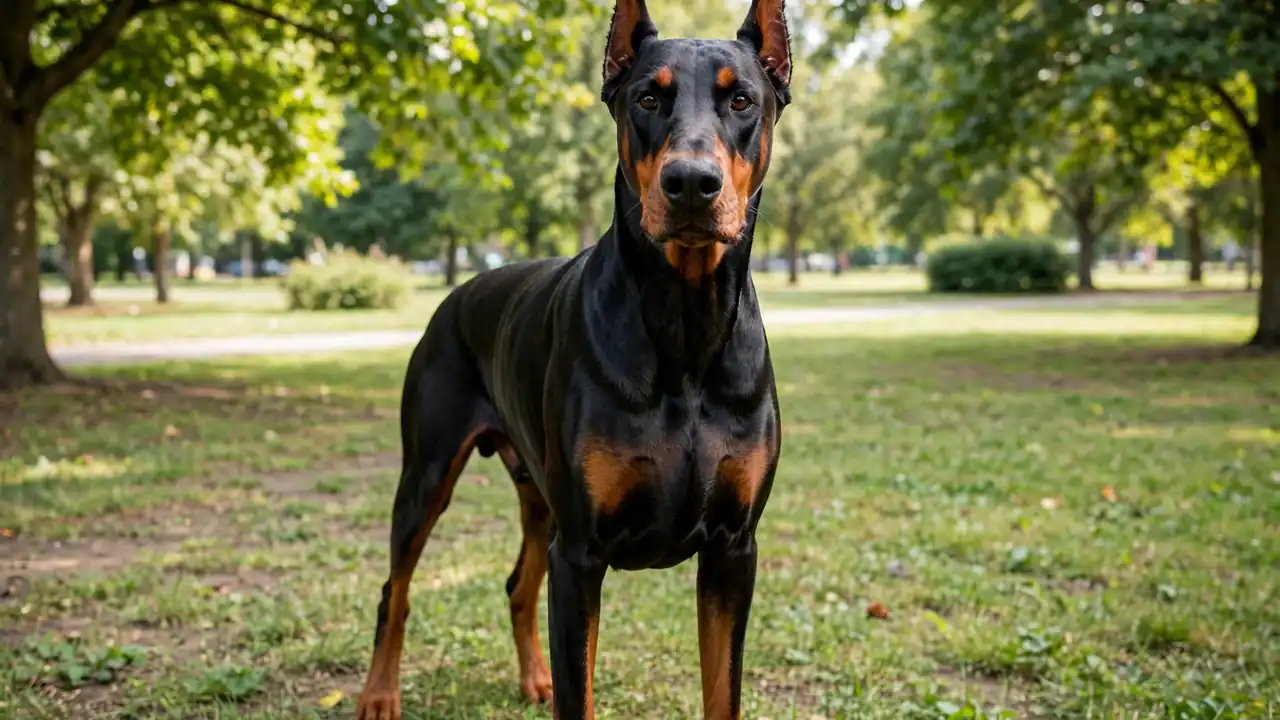
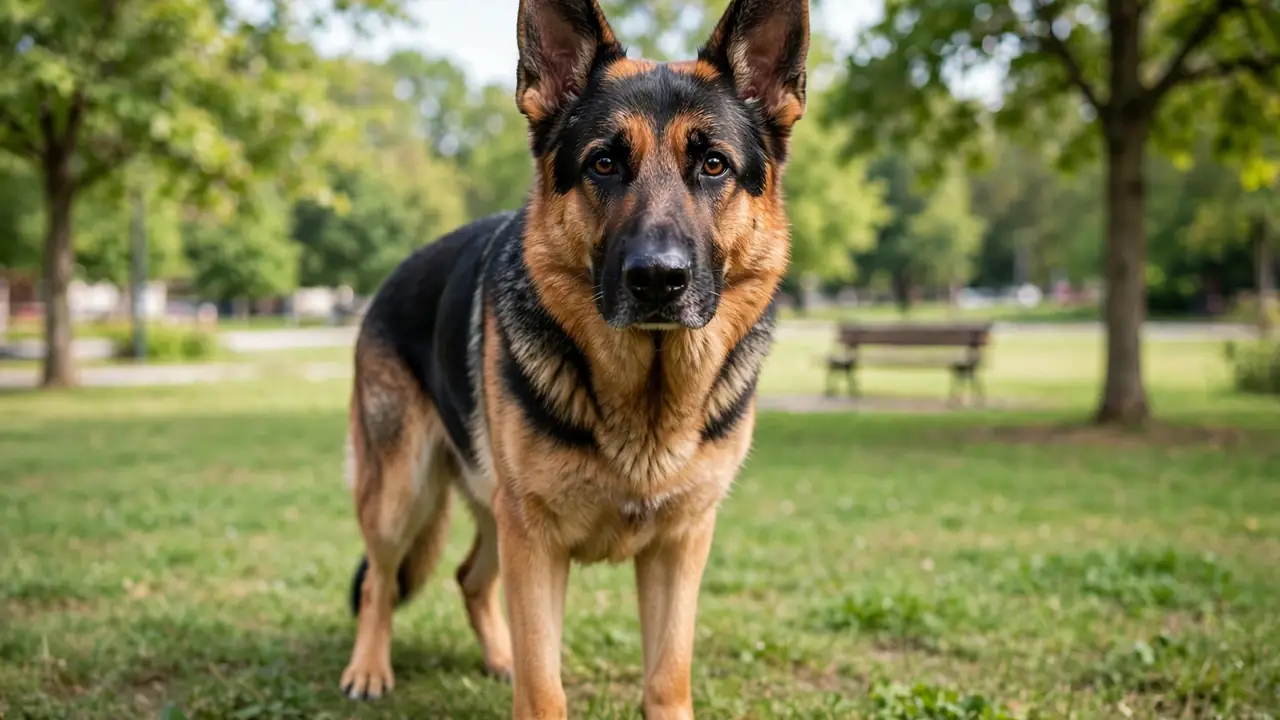
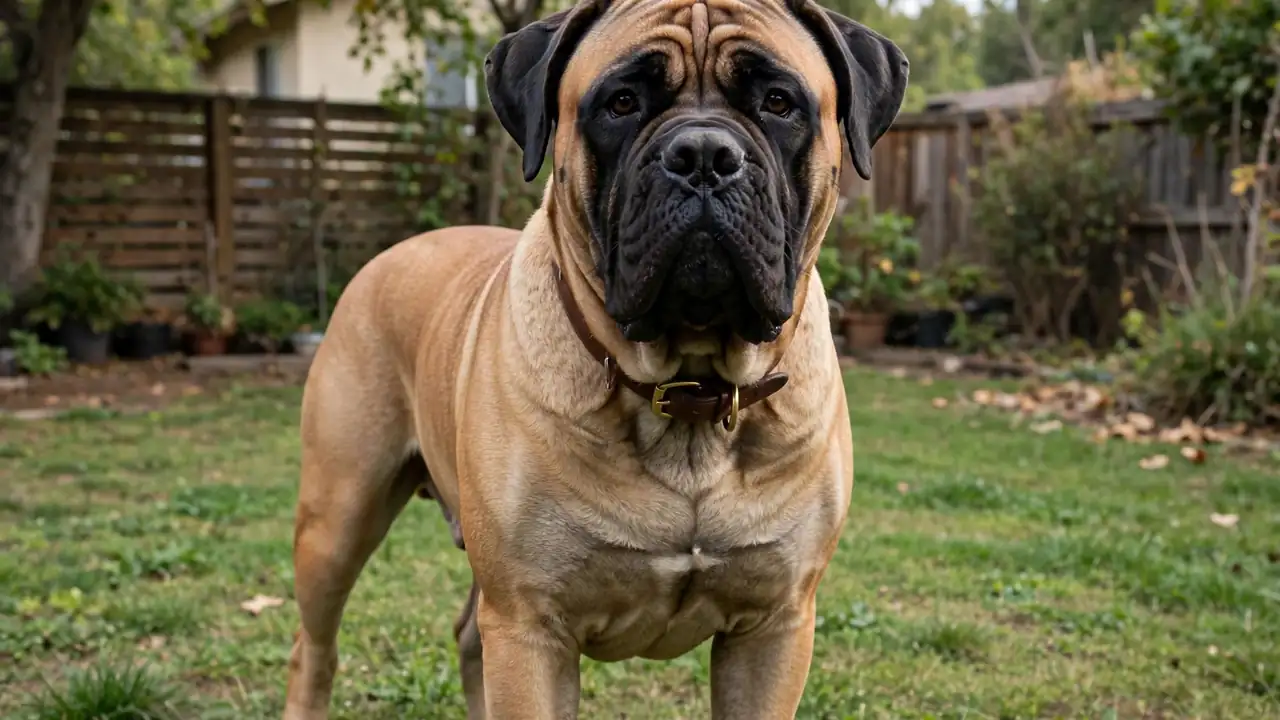
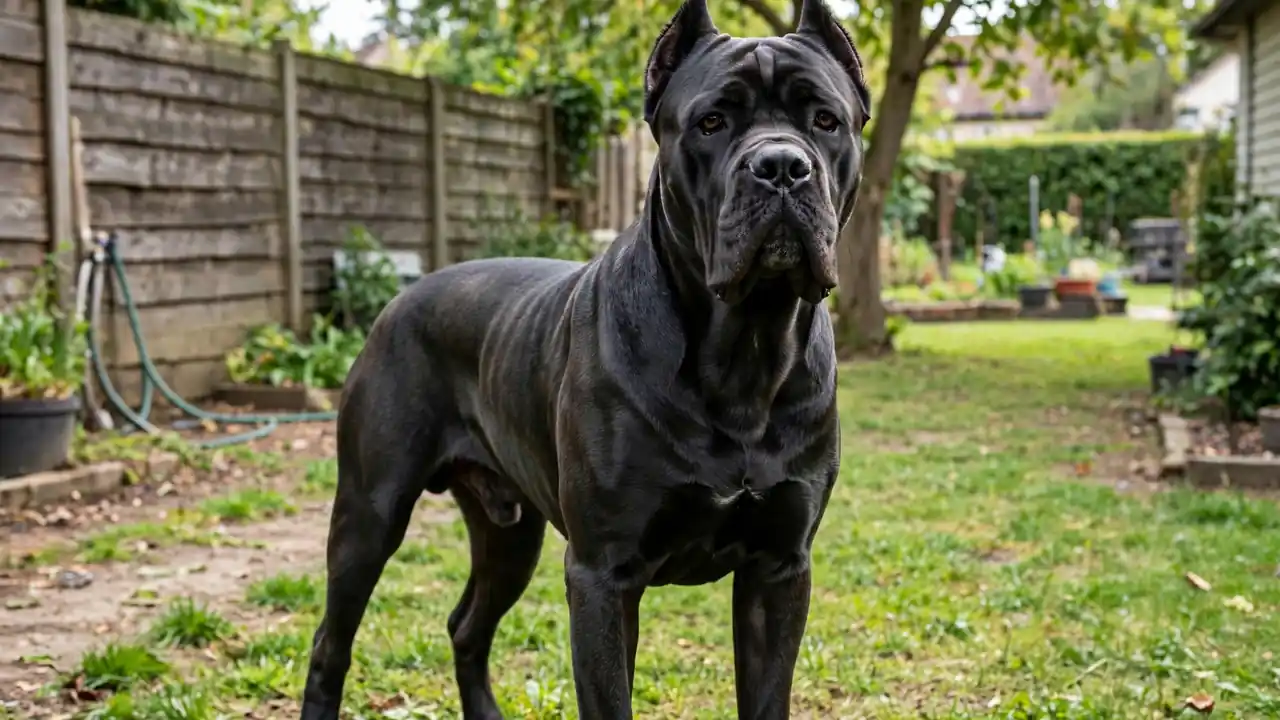
If this breed appeals to you, consider the Doberman (sleeker guardian), the German Shepherd (similar versatility), the Bullmastiff (calmer giant), or the Cane Corso (more driven guardian).
Related Breed Guides
- Doberman Dog Breed Guide
- German Shepherd Dog Breed Guide
- Bullmastiff Dog Breed Guide
- Cane Corso Dog Breed Guide
Keep Exploring
Browse all our Dog Breed Guides, try the Dog Age Calculator, or explore our Cat Breed Guides. Every guide on this site follows the same layout, so the facts you need are always in the same place.