
Italian Greyhound Dog Breed Guide
Italian Greyhound: the miniature aristocrat
Italian Greyhound dog: the miniature aristocrat: elegant, affectionate, and devoted to its people. Care and health in one complete guide.
Lifespan 12 to 15 yrs
Weight 7 to 14 lbs
Elegant, affectionate, sensitive
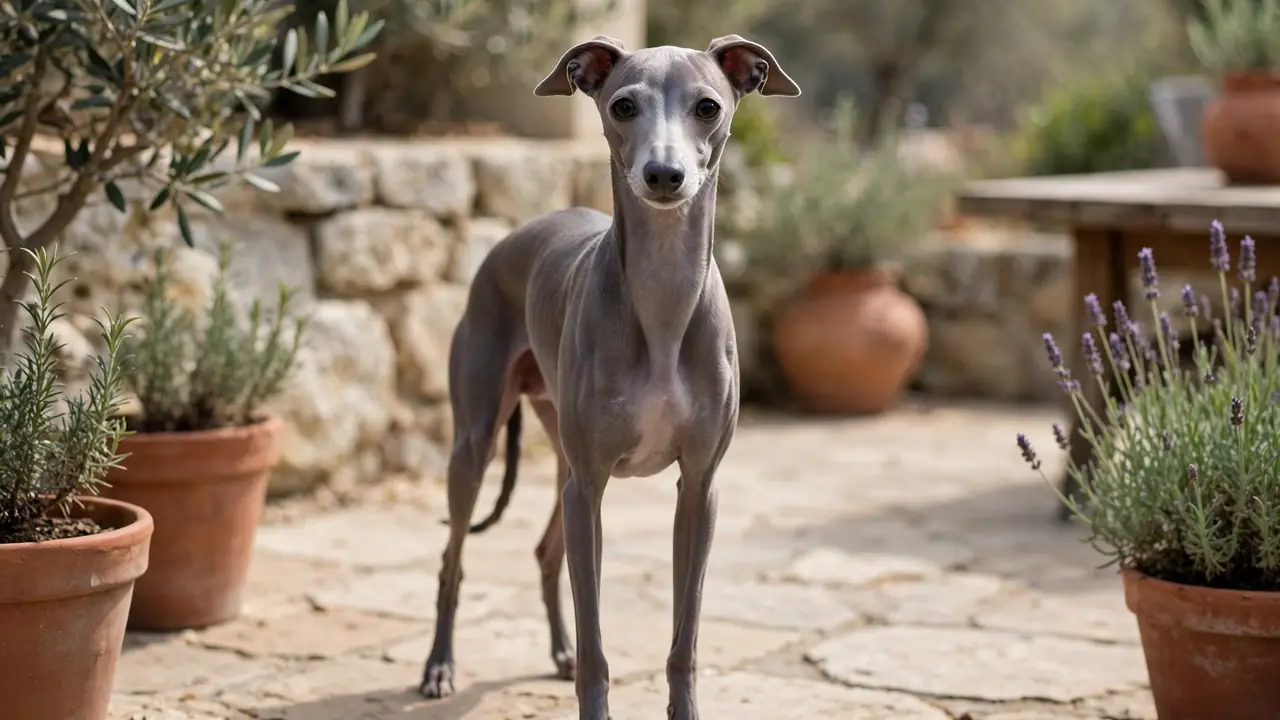
Italian Greyhound dog is the miniature aristocrat: elegant, affectionate, and devoted to its people.
At a Glance
Size and Weight
They stand 13 to 15 inches and weigh 7 to 14 pounds. The build is fine-boned and delicate. The Italian Greyhound dog is fine-boned and delicate.
Everything in care accounts for the delicate build.
Coat and Colors
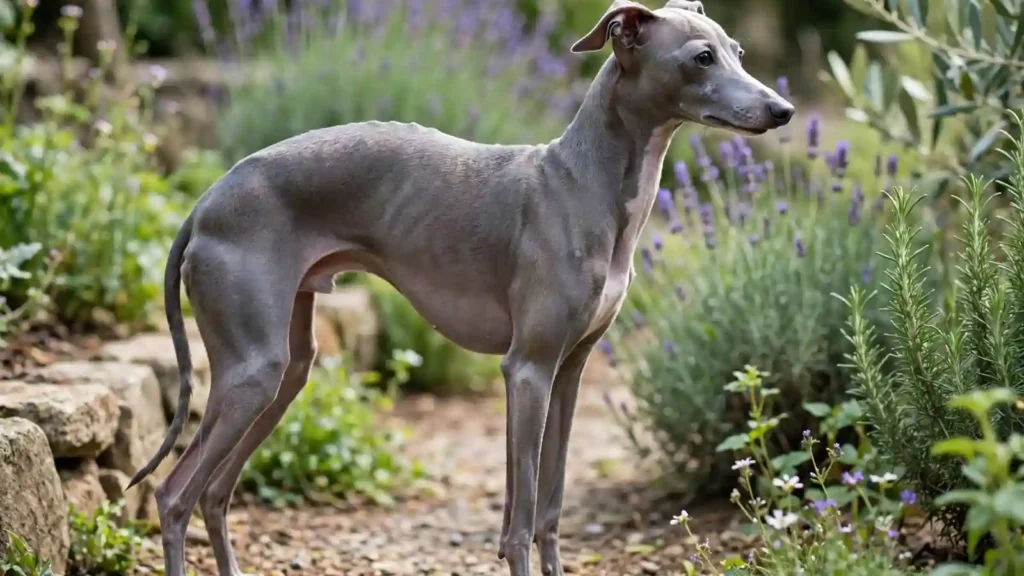
A very short, smooth coat in gray, black, fawn, red, blue, cream, or white markings. Shedding is minimal. Grooming is almost nothing: occasional wiping. The Italian Greyhound dog is famous for its very short, smooth coat.
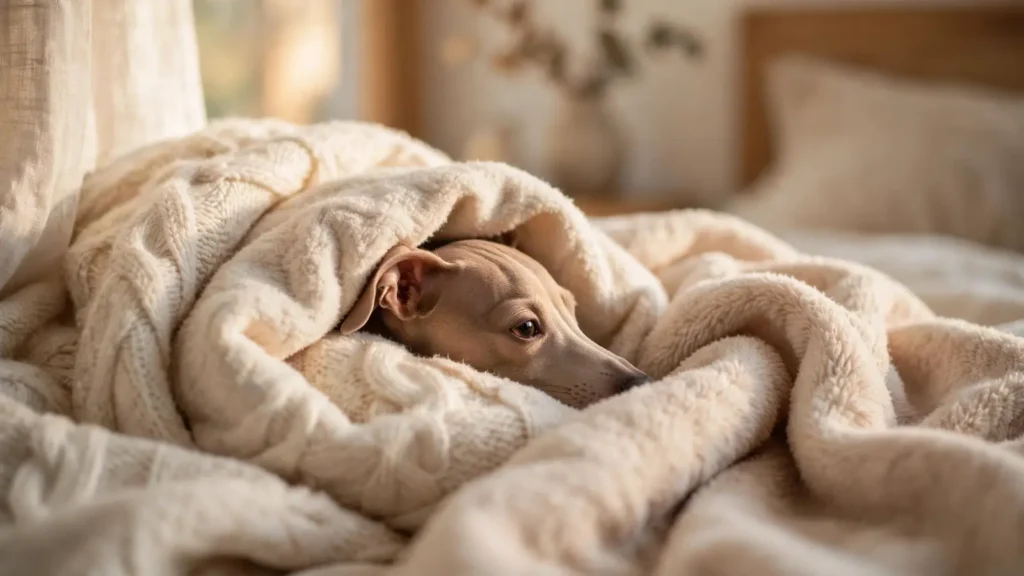
They feel the cold intensely; sweaters and coats are essential, and they need warm bedding.


History and Origins
A companion of nobility for 2,000 years.
Miniature sighthounds appear in ancient Mediterranean art; they were treasured by Italian nobility during the Renaissance and later by English aristocracy. They were always companions, never workers.
The companion heritage is the whole breed. They are purpose-built for laps.
Physical Characteristics
Slender, elegant body with a narrow head, large expressive eyes, and graceful movement. The famous “IG” look is all refinement.
Italian Greyhound Personality and Behavior
They are famously elegant, affectionate, and sensitive. They bond intensely with their families and want constant closeness. They are playful and charming at home. The Italian Greyhound dog is elegant, affectionate, and sensitive.
They are sensitive souls who need gentle handling. They can be difficult to house train; patience is essential. They are not sturdy dogs for rough households.
Owners consistently describe the breed as elegant, affectionate, and sensitive. In practice, owners report that the breed’s devoted companionship is the main reason they recommend it to gentle households.
The devotion is the defining feature. An Italian Greyhound dog bonds intensely with its people and wants constant closeness, and the sensitivity that makes the breed so affectionate also makes it responsive to tone: gentle handling and a calm household bring out the best in this dog, while rough handling or raised voices shut it down quickly.
House training deserves honest expectations. The breed can be difficult to house train, and patience is essential rather than optional, with consistent routines and gentle persistence working better than frustration. Owners who accept a longer learning curve usually end up with a clean, devoted companion; owners who expect quick results usually end up disappointed.
They are famously elegant, affectionate, and sensitive. They bond intensely with their families and want constant closeness. They are playful and charming at home.
They are sensitive souls who need gentle handling. They can be difficult to house train; patience is essential. They are not sturdy dogs for rough households.
Owners consistently describe the breed as elegant, affectionate, and sensitive. In practice, owners report that the breed’s devoted companionship is the main reason they recommend it to gentle households.
- Devoted companion built for laps
- Minimal shedding and almost no grooming
- Playful and charming at home
- Fine bones break easily
- House training can be difficult
- Feels the cold intensely
Care Essentials
They need 30 minutes of daily activity: short walks and indoor play. They are indoor lap dogs who must live in warmth. The Italian Greyhound dog needs 30 minutes of daily activity.They do poorly left alone all day.
Protect from cold, falls, and rough play. Leg breaks are the breed’s great risk.
Warmth shapes every part of daily care. An Italian Greyhound must live in warmth, needs sweaters outdoors in anything but warm weather, and wants warm bedding indoors, since the short coat and fine bones offer almost no insulation. Combined with the need for closeness, this makes the breed a true indoor lap dog rather than a part-time outdoor companion.
Feeding
Feed a measured, high-quality small-breed diet in two meals a day. Keep them lean; the slender build should show. Dental health matters.
Grooming
Occasional wiping down, regular nail trims, teeth brushing. That is the whole program.
Training & Exercise
Aim for 30 minutes of gentle activity daily. Short walks and indoor play are enough. They enjoy sprinting in safe, enclosed areas.
Home
They live indoors in warmth. They are excellent apartment dogs. They need sweaters outdoors in anything but warm weather.
Nutrition and Diet
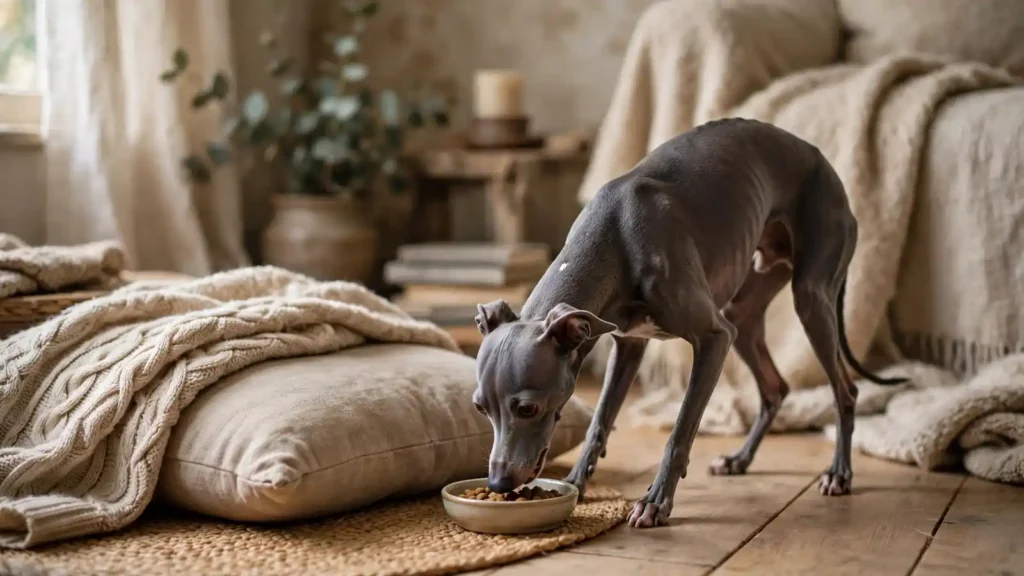
Feed a measured, high-quality small-breed diet in two meals a day. Keep them lean; the slender build should show. Dental health matters.
Feeding suits the slender build. A measured small-breed diet in two meals keeps the dog lean, and the lean look is correct for this breed rather than a sign of underfeeding, so portions should follow the guide rather than the eye. Dental health matters alongside weight, with regular tooth brushing as part of the same routine.
Grooming
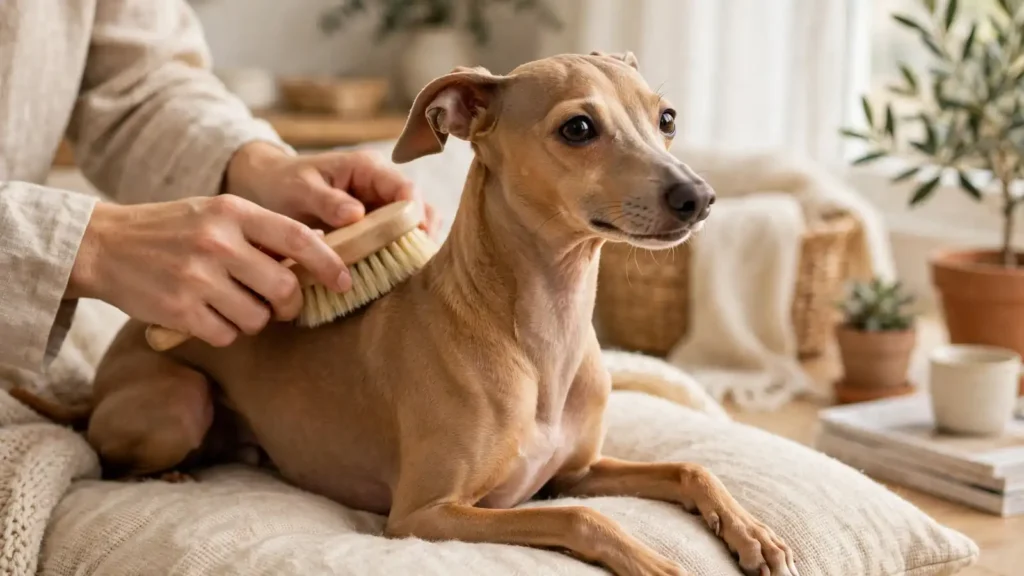
Occasional wiping down, regular nail trims, teeth brushing. That is the whole program.
Grooming is genuinely minimal. Occasional wiping down covers the very short, smooth coat, and the real routine is nails, teeth, and skin checks, with attention to the areas where a fine-boned dog shows wear first. Owners who expect heavy grooming work will be pleasantly surprised; the coat asks almost nothing.
Exercise and Enrichment
Aim for 30 minutes of gentle activity daily. Short walks and indoor play are enough. They enjoy sprinting in safe, enclosed areas. The Italian Greyhound dog loves a good sprint in a fenced area.
Exercise is gentle with one joyful exception. Short walks and indoor play cover the daily need, but a sprint in a safe, enclosed area is the breed’s great pleasure, and a fenced space to run flat out does more for happiness than any long walk. The enclosure matters: a delicate dog at full speed needs safe ground and no escape routes, and leg breaks are the risk that makes supervision essential.

Health
Leg fractures are the great risk due to the fine bones.
Dental disease is common in the small mouth.
Progressive retinal atrophy occurs, and sighthounds share anesthesia sensitivity.
Schedule annual wellness exams, or twice-yearly exams for seniors, and make sure your vet understands sighthound anesthesia protocols. Consult your veterinarian promptly if you notice limping, dental problems, or changes in appetite, weight, or energy. For general background, see the Italian Greyhound dog reference on Wikipedia.
Health care has one breed-specific point worth knowing: the vet should understand sighthound anesthesia protocols, so mentioning it at the first visit is wise rather than waiting for a procedure. Otherwise the rhythm is familiar: annual exams, twice-yearly exams for seniors, and prompt attention to limping, dental problems, or changes in appetite, weight, or energy.
Indoor and Outdoor Living
They live indoors in warmth. They are excellent apartment dogs. They need sweaters outdoors in anything but warm weather.
Apartment living is a natural fit. The size, the indoor nature, and the modest exercise need all suit small spaces, provided warmth and sweaters cover the cold and the dog is not left alone all day. An Italian Greyhound in a warm flat with its people nearby is usually a calm, affectionate housedog.
Family Suitability
Affectionate and playful with calm adults and older kids. Too fragile for rough toddler play or boisterous dogs. They are usually good with other gentle pets. The Italian Greyhound dog is affectionate and playful with calm adults and older kids.
With families, calm and gentle are the conditions. The breed is affectionate and playful with calm adults and older children, and usually good with other gentle pets, but rough toddler play and boisterous dogs are genuinely too much for a frame this fragile. The Italian Greyhound dog’s devotion shows most in gentle households, and those are the homes the breed is built for.
Gentle householdsCalm adults and older kidsOwners home most of the day
You have boisterous dogs or toddlersYou need a dog that house trains easily
Finding a Breeder or Rescue
Good breeders health-test (eyes, patellas, thyroid) and raise puppies carefully. The breed rescues have wonderful dogs. The Italian Greyhound dog does best with breeders who health-test eyes, patellas, and thyroid.
- Ask about health screening for leg fractures and dental disease
- Meet the puppy’s mother and see where the puppies are raised
- Ask how the puppies are socialized in their first weeks
- Consider rescue too: breed rescues place wonderful dogs
Quick Quiz: Is a Italian Greyhound Right for You?
Answer four questions. Tap yes or no.
Frequently Asked Questions
Are Italian Greyhounds good family dogs?
They are wonderful for calm, gentle households. They are too fragile for rough play.
How much exercise does an Italian Greyhound need?
About 30 minutes of gentle activity daily.
Are Italian Greyhounds easy to house train?
They can be difficult. Patience and consistency are essential.
Do Italian Greyhounds shed?
Very little. The short fine coat is minimal-shedding.
How long do Italian Greyhounds live?
Typically 12 to 15 years.
Why does my Italian Greyhound need sweaters?
The thin coat and low body fat mean they feel the cold intensely.
What do Italian Greyhound owners say about living with the breed?
Owners consistently describe this devoted breed as elegant, affectionate, and sensitive. In practice, owners report that the breed’s devoted companionship is the main reason they recommend it to gentle households.
When should I ask my vet about my Italian Greyhound’s health?
Schedule annual wellness exams, or twice-yearly exams for seniors, and make sure your vet understands sighthound anesthesia protocols. Consult your veterinarian promptly if you notice limping, dental problems, or changes in appetite, weight, or energy.
The Italian Greyhound is an elegant, devoted miniature aristocrat, purpose-built for laps. It needs gentle handling, warmth, and patience, and returns total devotion.
Similar Breeds Worth Exploring
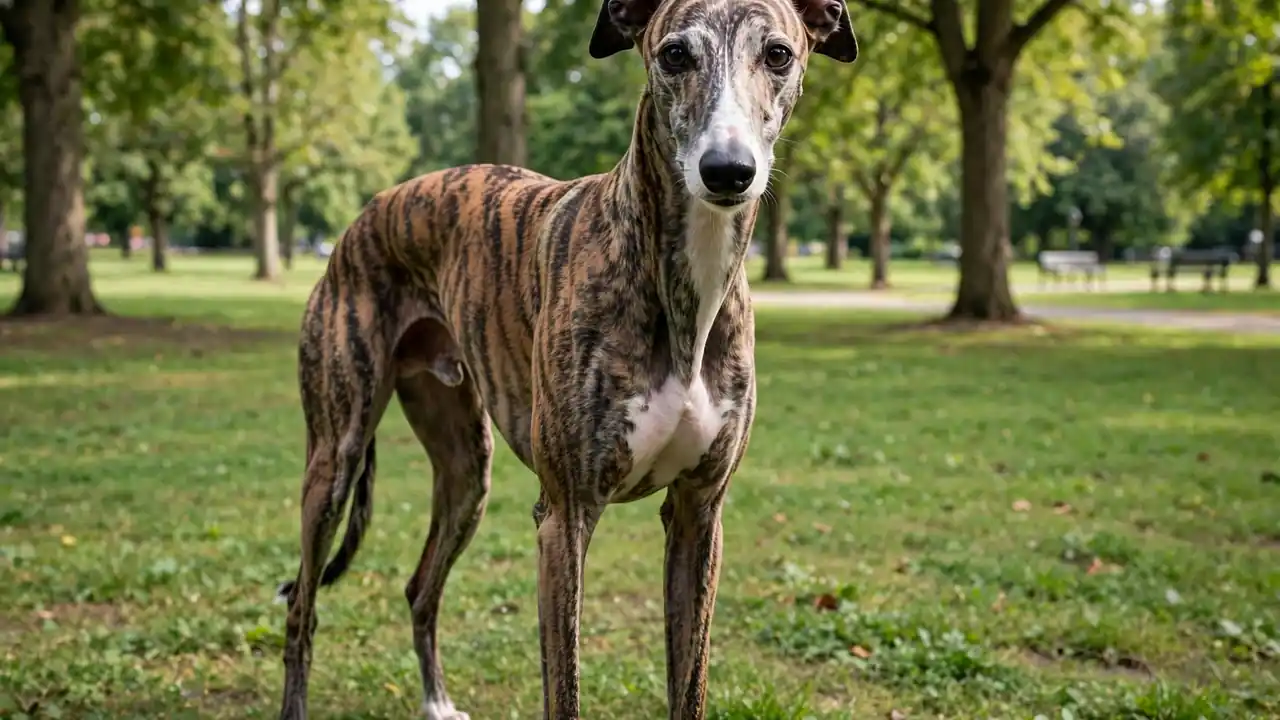
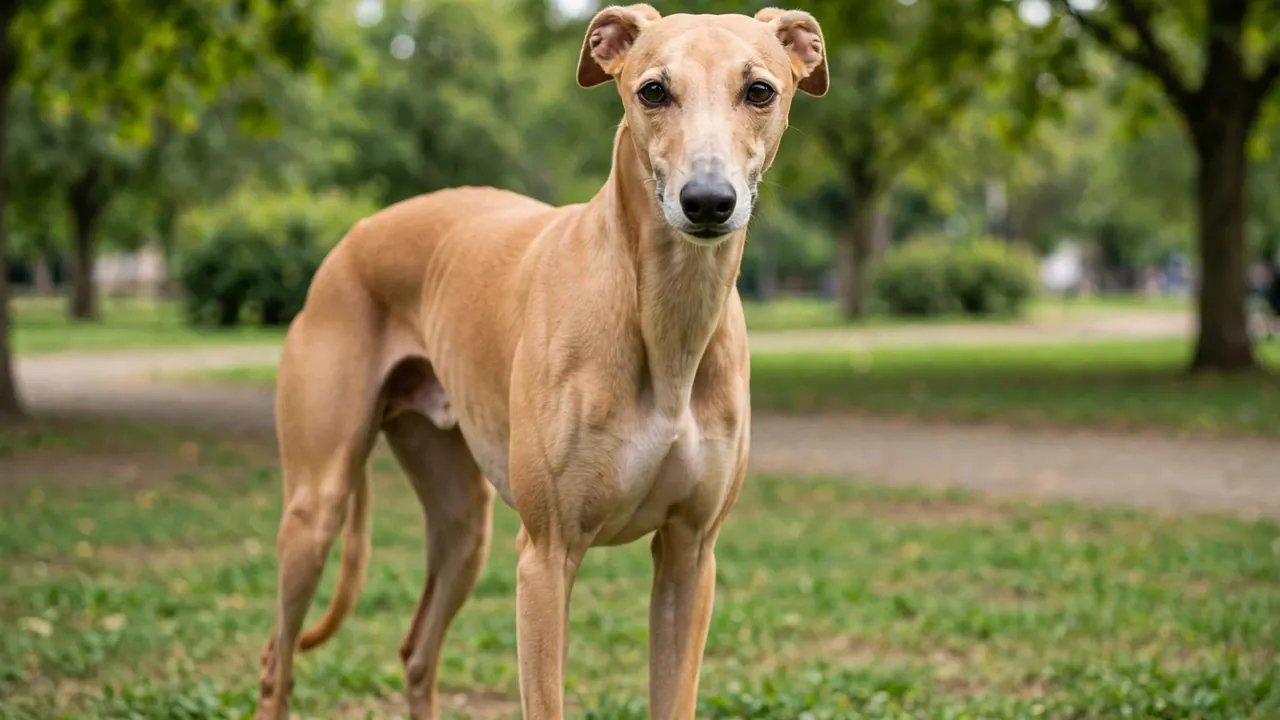
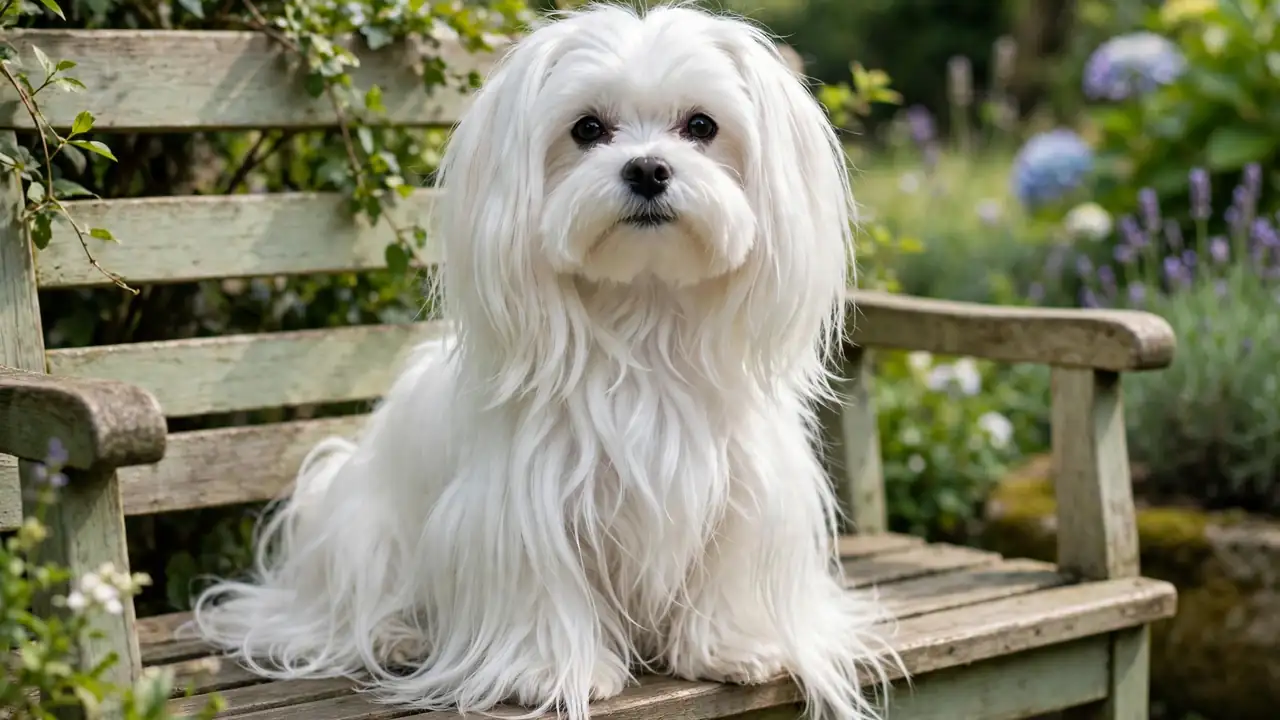
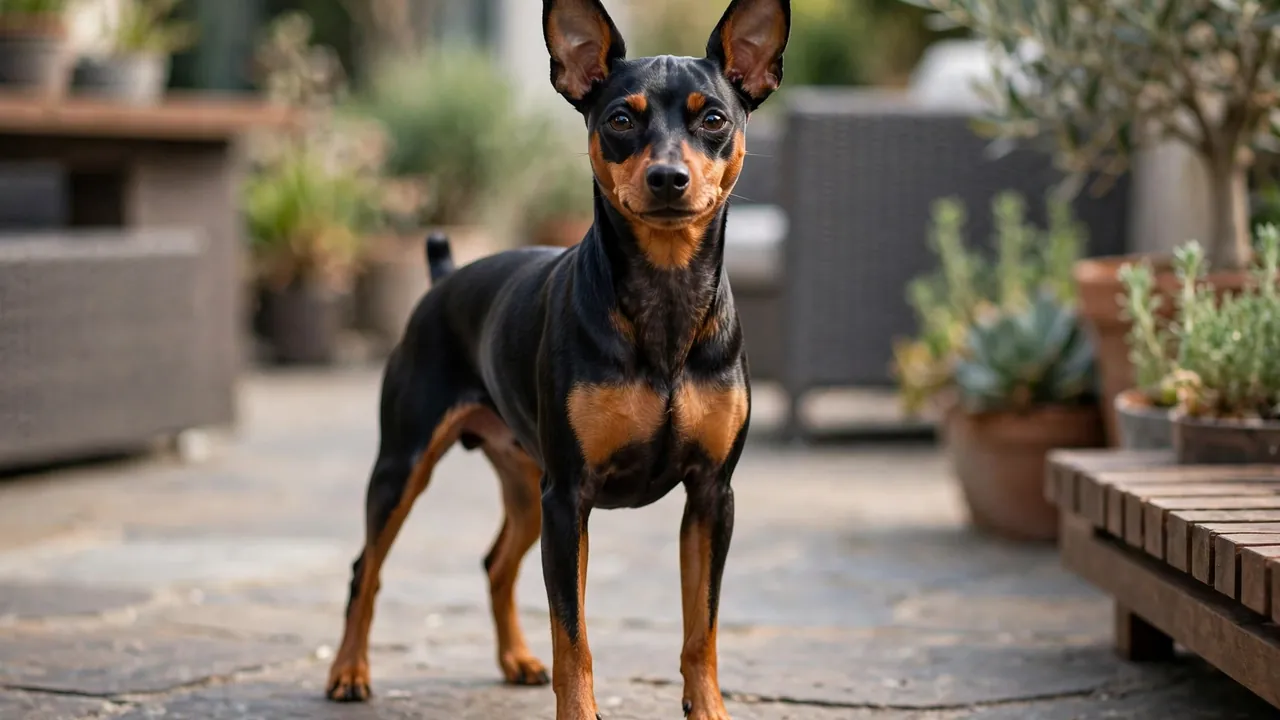
If the breed appeals to you, consider the Whippet (the medium version), the Greyhound (the large version), the Maltese (gentle toy companion), or the Miniature Pinscher (tiny and bold).
Related Breed Guides
- Greyhound Dog Breed Guide
- Whippet Dog Breed Guide
- Maltese Dog Breed Guide
- Miniature Pinscher Dog Breed Guide
Keep Exploring
Browse all our Dog Breed Guides, try the Dog Age Calculator, or explore our Cat Breed Guides.