
Yorkshire Terrier Dog Breed Guide
Yorkshire Terrier: the tiny glamour dog
Yorkshire Terrier dog: a big terrier spirit in a tiny, silky package. Care, grooming, and health in one complete guide.
By Emily Carter · Reviewed by our vet team · Updated 22 October 2026 · 10 min read
Lifespan 11–15 yrs Weight under 7 lb Bold & affectionate
Yorkshire Terrier dog: the tiny glamour dog with a big terrier spirit.
These little dogs descend from Scottish terriers brought to Yorkshire’s mills, where they caught rats; breeders miniaturized them into fashionable companions while keeping the terrier spirit.
The ratting heritage shows in the bold, feisty temperament — this is a real terrier that happens to weigh less than a house cat.
At a Glance
Size and Weight for the Yorkshire Terrier dog
Tiny and portable: they weigh under 7 pounds, typically 4 to 7, and stand 7 to 8 inches tall. They are true toy dogs.
Beware of “teacup” marketing; extremely tiny Yorkies have serious health risks.
Coat and Colors for the Yorkshire Terrier dog
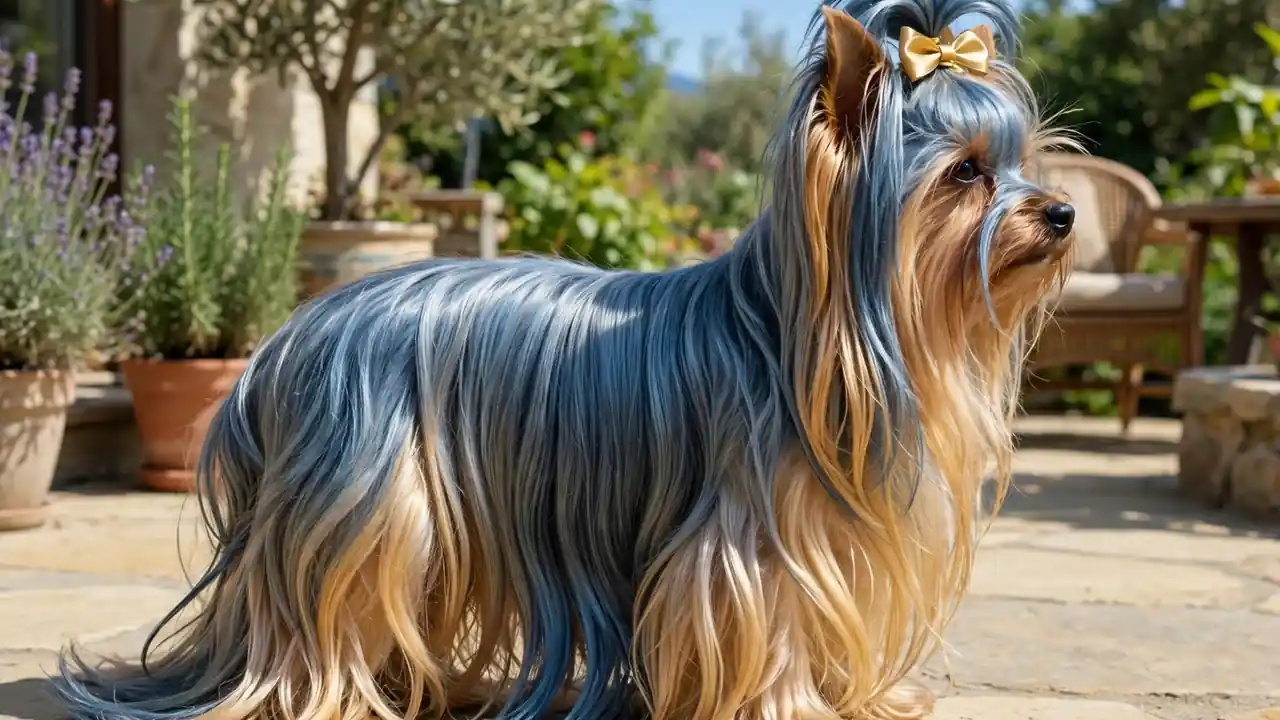
The famous silky blue and tan: a long, silky, single coat in steel blue and tan.
Kept in full coat, it needs daily brushing; most pet owners choose a short puppy cut. Shedding is minimal.



History and Origins
Scottish terriers brought to Yorkshire’s mills caught rats for working families.
Breeders miniaturized them into fashionable companions.
The glamour arrived, but the bold, feisty ratting temperament never left.
Few breeds have traveled further socially — from rat-catcher in a mill town to one of the most pampered lap dogs in the world — without changing character at all.
Physical Characteristics
Tiny, elegant, and confident: a compact body with a small head, erect ears, and the flowing silky coat. The expression is sharp and confident.
They are fragile. Everything in care accounts for the tiny size.
From across the room, the silhouette reads pure lapdog; up close, the bright, measuring stare is pure working terrier, still assessing the room for rats and laps, in that order.
Yorkshire Terrier Personality and Behavior
A terrier in a tiny package: famously bold, affectionate, and spirited. They adore their people, are lively and fun, and have the confidence of a much larger dog. They are smart and trainable.
They can be yappy and bossy without training. They are delicate; rough handling and large dogs are risks. They can be wary of strangers.
Owners consistently describe the Yorkshire Terrier dog as bold, affectionate, and spirited — and its big personality is why they recommend it to devoted toy-dog lovers.
Affection is delivered at full terrier intensity: greetings are enthusiastic, laps are claimed, and being left out of any activity is formally protested.
A terrier in a tiny package is exactly right. The Yorkshire Terrier dog is bold, affectionate, and spirited, adoring its people with lively, fun energy and the confidence of a much larger dog, smart and trainable underneath. The ratting heritage shows in the bright, measuring stare: up close, the dog is still assessing the room for rats and laps, in that order.
The feistiness needs training. Yappiness and bossiness grow without it, and wariness of strangers softens with socialization, while territorial habits yield to consistent guidance. Affection comes at full terrier intensity: greetings are enthusiastic, laps are claimed, and being left out of any activity is formally protested, which devoted owners find endearing rather than tiresome.
Confidence of a much larger dog, entirely unbothered by the evidence.
Adores its people and expects to be included at lap level.
Smart and trainable, but rules must exist or it writes its own.
- Bold, affectionate, and spirited
- Minimal shedding; ideal apartment size
- Long-lived and portable
- Fragile: falls, rough play, and large dogs are real risks
- Can be yappy and bossy without training
- Full coat means daily brushing; dental disease is common
Care Essentials
Small dog, real terrier — here is the daily reality. Yorkies need 20 to 30 minutes of daily activity: short walks and indoor play. They are indoor companions who want to be with their people, and they do poorly left alone all day.
Watch for hypoglycemia in tiny puppies. Protect from falls and rough play.
A typical day is small-scaled and people-centered. Twenty to thirty minutes of short walks and indoor play cover the activity, and the indoor companion that results wants to be with its people and does poorly left alone. Protection from falls and rough play is daily work at this size, and hypoglycemia in tiny puppies makes regular meals a safety rule.
A measured small-breed diet in two to three meals a day; dental care matters.
Full coat: daily brushing. Puppy cut: trims every 6 to 8 weeks. Teeth brushed regularly.
20 to 30 minutes daily: short walks and indoor play. Use a harness, never a collar.
An indoor apartment or house; protect from cold, hawks, and large dogs outdoors.
Nutrition and Diet
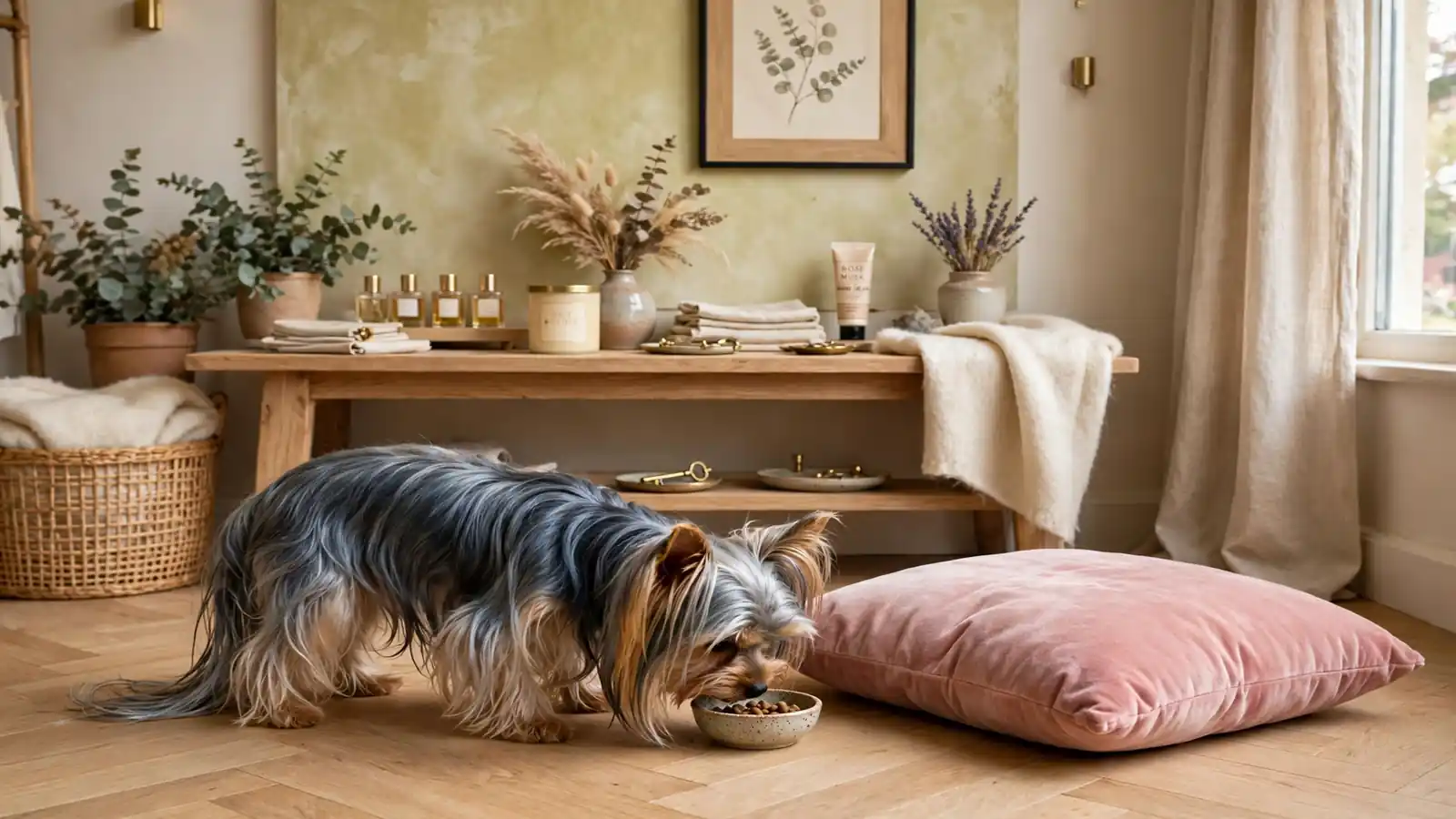
Tiny stomachs, quality food: feed a measured, high-quality small-breed diet in two to three meals a day.
Dental health matters; appropriate kibble and regular dental care help. Avoid overfeeding; extra weight is significant on a tiny frame.
Tiny mouths mean tiny kibble and, often, crowded teeth — another reason the dental routine in the health section is not optional decoration.
Feeding suits a tiny stomach. A measured, high-quality small-breed diet in two to three meals a day keeps weight steady, and dental health matters alongside weight, with appropriate kibble and regular dental care helping the small mouth. Tiny mouths mean tiny kibble and often crowded teeth, so the dental routine is not optional decoration.
Grooming
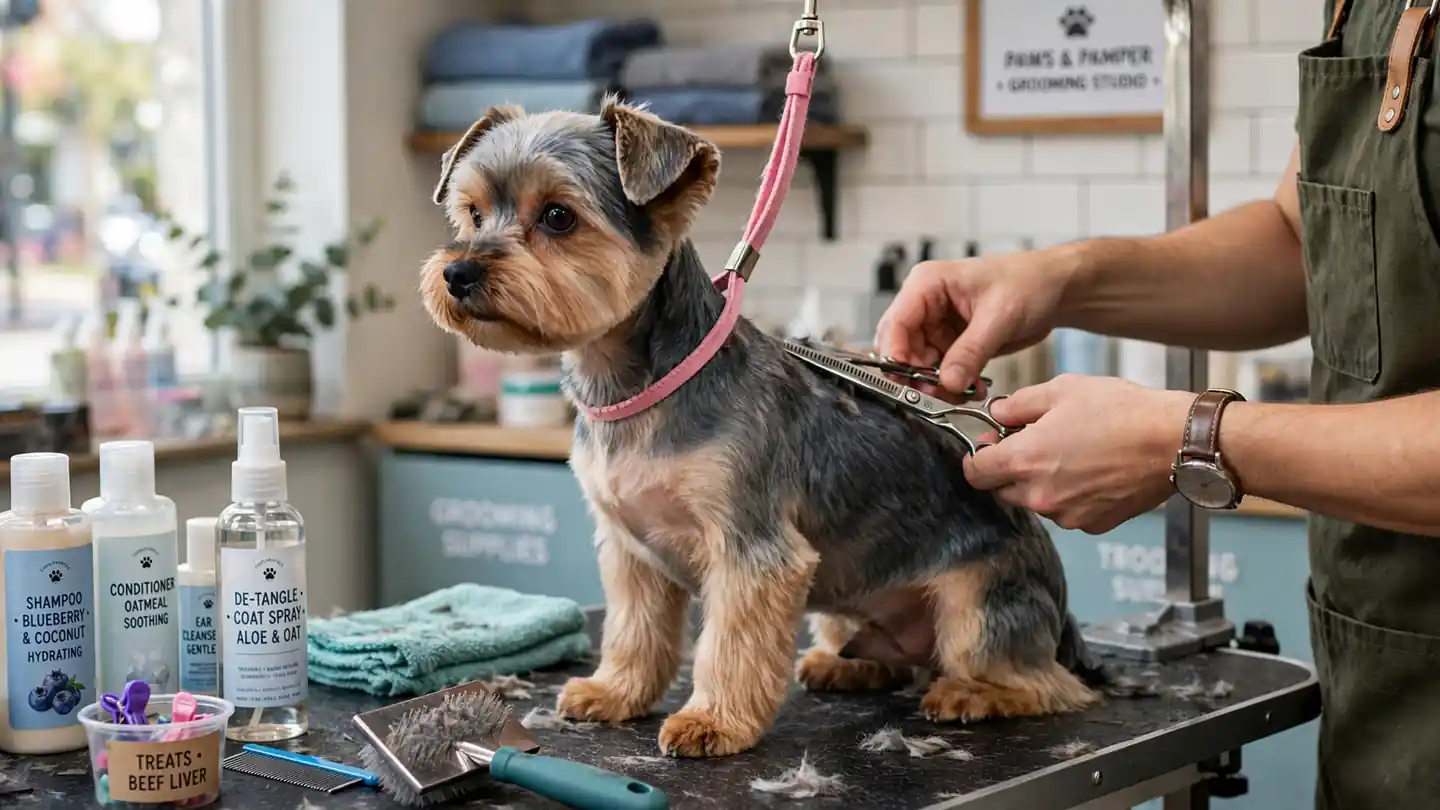
The coat decision defines the routine. Full coat: daily brushing, regular baths, professional grooming.
Puppy cut: much easier, with trims every 6 to 8 weeks. For all: regular nail trims, teeth brushing, ear checks.
The coat decision defines the routine, as the guide says. Full coat means daily brushing, regular baths, and professional grooming, while the puppy cut trades that for trims every six to eight weeks and much easier days. For all coats, regular nail trims, teeth brushing, and ear checks complete the session, and minimal shedding is the reward.
Exercise and Enrichment
Moderate energy for a tiny dog: aim for 20 to 30 minutes of activity daily. Indoor play counts.
They enjoy short walks and games.
Short legs cover surprising ground on a good walk, but judge effort by the Yorkshire Terrier dog, not the distance: twenty happy minutes beat an hour of being carried.
Exercise is moderate and distance-blind. Twenty to thirty minutes of activity daily cover the need, indoor play counts fully, and short walks plus games suit the small athlete. Judge effort by the dog, not the distance: twenty happy minutes beat an hour of being carried, and short legs cover surprising ground on a good walk.
Health
Most live 11 to 15 years. Here are the health issues to know: Learn more about the Yorkshire Terrier dog on Wikipedia.
Very common; regular dental care is essential.
Slipping kneecaps occur in the breed.
Occurs; use a harness, never a collar.
Liver shunts occur in some lines; hypoglycemia affects tiny puppies.
Schedule annual wellness exams, or twice-yearly exams for seniors, and ask your vet about screening for conditions the Yorkshire Terrier dog can be prone to, such as patellar luxation and dental disease. Consult your veterinarian promptly if you notice honking cough, limping, or changes in appetite, weight, or energy.
Health care follows the familiar rhythm with joint and dental screening in focus. Annual exams, twice-yearly exams for seniors, and screening for patellar luxation and dental disease cover the ground the guide names, and the Yorkshire Terrier dog’s breeders should health-test patellas and eyes without breeding extremely tiny dogs. Day to day, limping, mouth discomfort, and changes in appetite, weight, or energy deserve a prompt vet call.
Indoor and Outdoor Living
Indoor companion, supervised outdoor time: they live indoors and are ideal apartment dogs.
They need protection from cold, hawks, and large dogs outdoors.
Provide steps or ramps to favorite furniture rather than letting a tiny dog leap down from sofa height all day; those landings add up on small joints.
Indoor living suits the breed completely. The Yorkie lives indoors as an ideal apartment dog, with protection from cold, hawks, and large dogs outdoors as the rule. Steps or ramps to favorite furniture beat letting a tiny dog leap down from sofa height all day, since those landings add up on small joints.

Family Suitability
Wonderful with the right households: lively and affectionate with calm adults and older kids.
Too fragile for rough toddler play. They can be territorial; training manages it.
Older children usually do beautifully: they get a portable playmate with endless interest in games, provided carrying is supervised and the Yorkshire Terrier dog can always get down safely.
With families, the right household matters more than size. The breed is wonderful with the right households: lively and affectionate with calm adults and older kids, but too fragile for rough toddler play, and territorial habits yield to training. Older children usually do beautifully with a portable playmate of endless interest in games, and the Yorkshire Terrier dog’s bold, affectionate character shows best in devoted toy-dog homes.
Finding a Breeder or Rescue
Tiny breed, careful breeding: good breeders health-test (patellas, eyes), do not breed extremely tiny dogs, and raise puppies in the home.
Breed rescues have wonderful dogs.
- Ask about testing — patellas and eyes
- Avoid any breeder marketing “teacup” puppies
- Ask how puppies are raised and socialized
- Consider a breed rescue
Quick Quiz: Is This Tiny Terrier Right for You?
Answer four questions. Tap yes or no.
Frequently Asked Questions
Are Yorkshire Terriers good family dogs?
They are wonderful for calm households with older kids or adults. They are too fragile for rough play.
How much exercise does a Yorkie need?
About 20 to 30 minutes of activity daily.
Do Yorkies shed?
Very little. The single silky coat is minimal-shedding.
Are Yorkies yappy?
They can be vocal. Training manages the barking.
How long do Yorkies live?
Typically 11 to 15 years.
What is a teacup Yorkie?
A marketing term for very small Yorkies, often with serious health risks. Avoid them.
What do Yorkie owners say about living with the breed?
Owners consistently describe the Yorkie as bold, affectionate, and spirited. In practice, owners report that the breed’s big personality is the main reason they recommend it to devoted toy-dog lovers.
When should I ask my vet about my Yorkie’s health?
Schedule annual wellness exams, or twice-yearly exams for seniors, and ask your vet about screening for conditions the breed can be prone to, such as patellar luxation and dental disease. Consult your veterinarian promptly if you notice honking cough, limping, or changes in appetite, weight, or energy.
Bold, affectionate, and spirited: a glamorous coat wrapped around a genuine terrier heart. Protect the fragile little body, train the big personality, and you get a devoted, long-lived companion that fits in a tote and fills a home.
Similar Breeds Worth Exploring
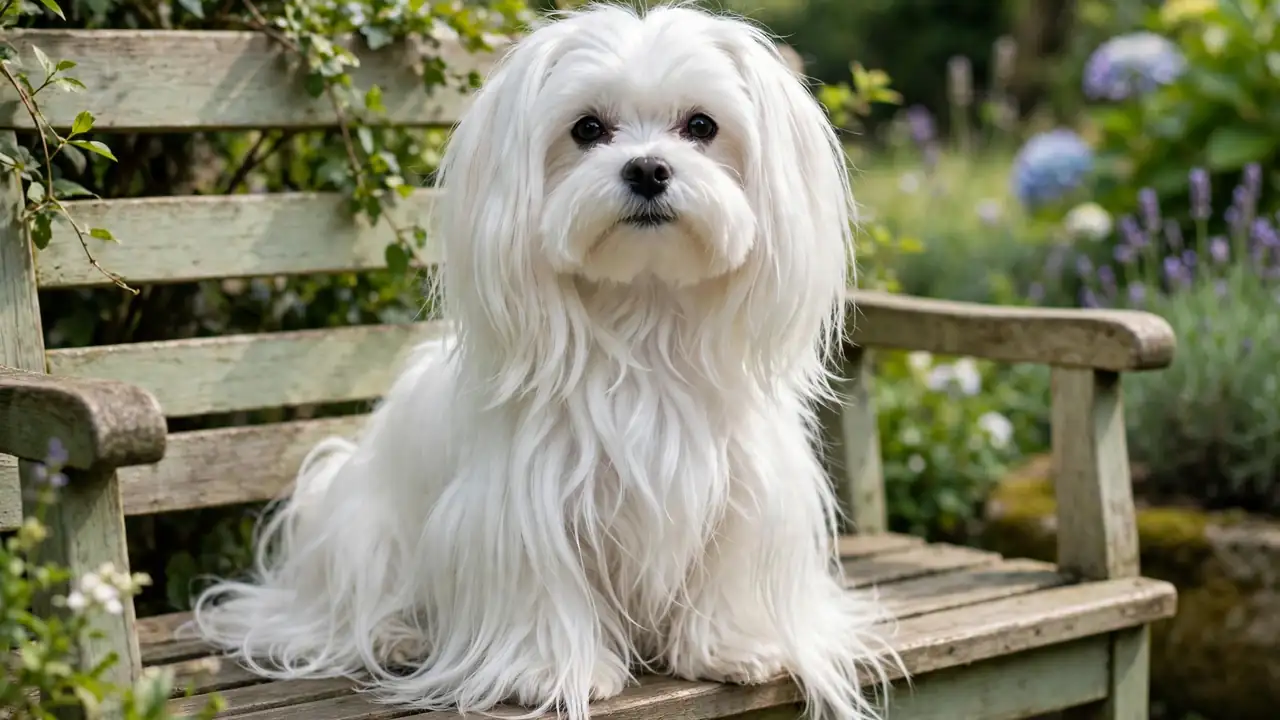
If this breed appeals to you, consider the Maltese (gentler white toy), the Silky Terrier (similar look, slightly bigger), the Australian Terrier, or the Biewer Terrier (the tricolored relative).
Related Breed Guides
Keep Exploring
Browse all our Dog Breed Guides, try the Dog Age Calculator, or explore our Cat Breed Guides. Every guide on this site follows the same layout, so the facts you need are always in the same place.