
Staffordshire Bull Terrier Dog Breed Guide
Staffordshire Bull Terrier: the stocky little powerhouse with a huge heart
The stocky little powerhouse with a huge heart: playful, affectionate, and famously good with children. Care and health in one complete guide.
Lifespan 12 to 14 yrs Weight 24 to 38 lbs Famously good with children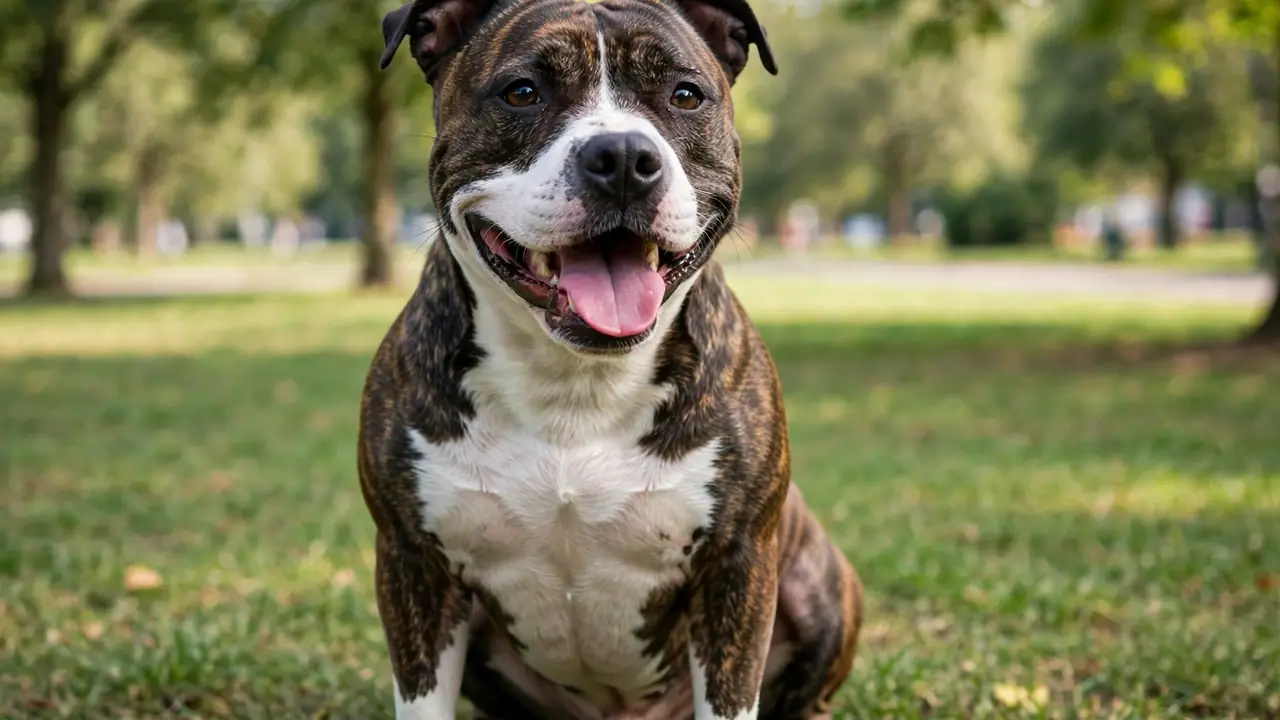
Staffordshire Bull Terrier dog is the stocky little powerhouse with a huge heart: playful, affectionate, and famously good with children.
This guide covers the Staffordshire Bull Terrier in full, from size and coat to personality, care, and health, so you can decide whether this breed fits your home.
Every section below is written for future Staffordshire Bull Terrier owners, with the real day-to-day needs of the breed in mind.
At a Glance
Size and Weight
Males stand 14 to 16 inches and weigh 28 to 38 pounds; females are 14 to 16 inches and 24 to 34 pounds. The build is stocky and powerful: a lot of muscle in a compact frame. The Staffordshire Bull Terrier dog is compact, stocky, and powerful.
Coat and Colors
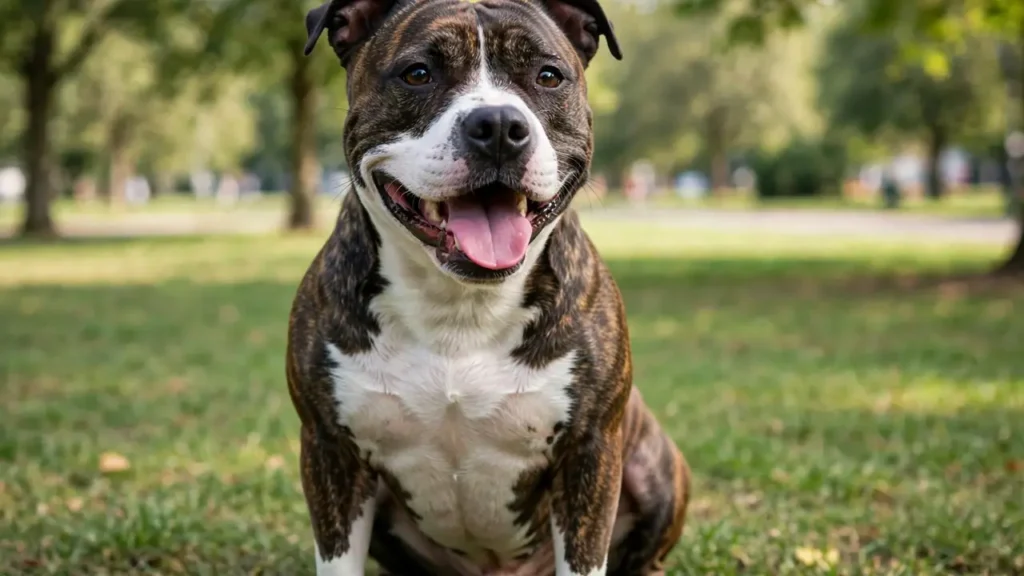
A short, smooth coat in red, fawn, white, black, blue, or brindle, with or without white markings. Shedding is moderate. Grooming is minimal: weekly brushing. The Staffordshire Bull Terrier dog is famous for its short, smooth coat.


History and Origins
Bred from bull-and-terrier crosses in Staffordshire, England.
The breed descends from 19th-century bull-and-terrier dogs. After blood sports were outlawed, breeders refined them into companions, and the breed became famous for its affection toward people, especially children, earning the nickname “nanny dog” in England.
The fighting history is real and must be respected in training and management. The modern breed, well-bred and well-raised, is known for its love of people.
Physical Characteristics
A powerhouse in a compact frame.
Stocky, muscular body with a broad head and expressive eyes. The famous Staffy smile is the signature. Everything says strength and joy. The Staffordshire Bull Terrier dog has a stocky, muscular build.
Staffordshire Bull Terrier Personality and Behavior
Staffies are famously playful, affectionate, and courageous. They adore their people, are wonderful with children, and are full of energy and fun. They are intelligent and eager to please. The Staffordshire Bull Terrier dog is playful, affectionate, and courageous.
The honest cautions: dog aggression can occur and must be managed; the strength and exuberance need channeling through training; and the breed’s reputation means owners carry extra responsibility. They are not casual dogs for passive owners.
Owners consistently describe the Staffy as playful, affectionate, and courageous. In practice, owners report that the breed’s loving nature with people is the main reason they recommend it to committed owners.
The loving nature with people is the breed’s signature. The Staffordshire Bull Terrier dog is playful, affectionate, and courageous, adoring its people and famously wonderful with children, with the Staffy smile as the visible sign of a joyful temperament. The intelligence and eagerness to please underneath make training a pleasure when it is consistent and fun.
The honest cautions deserve equal weight. Dog aggression can occur and must be managed, strength and exuberance need channeling through training, and the breed’s reputation means owners carry extra responsibility: secure containment, good leash manners, and calm introductions are not optional extras. This is why the breed is not a casual dog for passive owners, and why committed owners love it so much.
Staffies are famously playful, affectionate, and courageous. They adore their people, are wonderful with children, and are full of energy and fun. They are intelligent and eager to please.
The honest cautions: dog aggression can occur and must be managed; the strength and exuberance need channeling through training; and the breed’s reputation means owners carry extra responsibility. They are not casual dogs for passive owners.
Owners consistently describe the Staffy as playful, affectionate, and courageous. In practice, owners report that the breed’s loving nature with people is the main reason they recommend it to committed owners.
- Adores people, famously good with children
- Playful, fun, and eager to please
- Minimal grooming
- Dog aggression can occur and must be managed
- Strength and exuberance need training
- Skin allergies are common
Care Essentials
Staffies need 60 minutes or more of vigorous daily exercise plus ongoing training. They excel at agility, obedience, and games. They are indoor family dogs who crave closeness and hate being alone. The Staffordshire Bull Terrier dog needs 60 minutes or more of vigorous daily activity.
Early, thorough socialization and lifelong training are essential. Responsible ownership includes secure containment and good leash manners.
A typical day is vigorous and close. Sixty minutes or more of exercise plus ongoing training cover the need, with agility, obedience, and games all suited to the athletic mind and body, and the indoor family dog that results craves closeness and hates being alone. Early, thorough socialization and lifelong training are essential, and responsible ownership includes the containment and leash manners the guide names.
Feed a measured, high-quality diet in two meals a day. Keep them lean and muscular. They can gain weight if under-exercised.
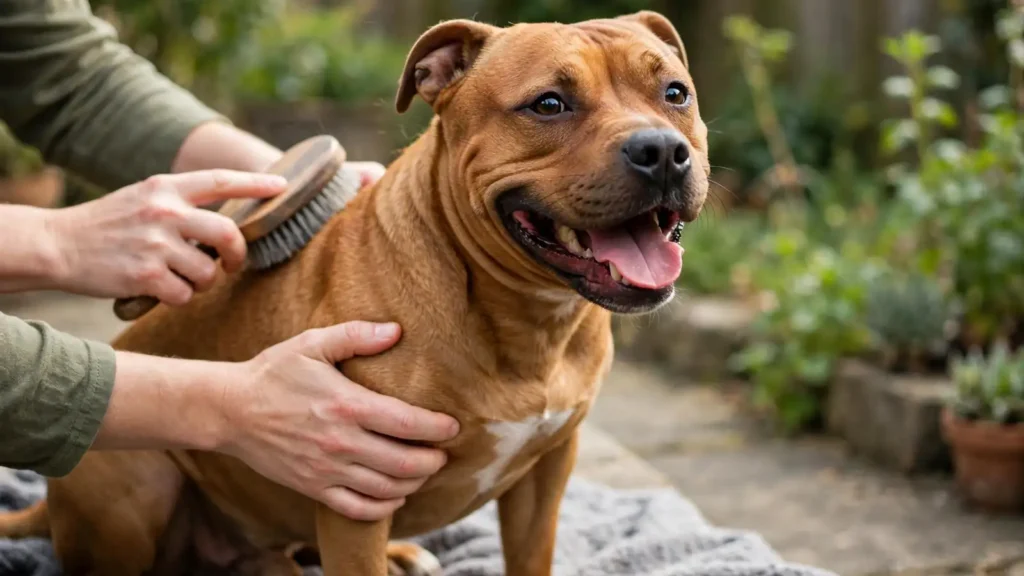
Weekly brushing, occasional baths, regular nail trims, ear checks, teeth brushing. That is the whole program.
Aim for 60 minutes or more of vigorous activity daily: running, fetch, tug, agility. Mental work through training is equally important. A tired Staffy is a wonderful Staffy.
Staffies live indoors with their people and exercise outdoors. They are cold-sensitive with the short coat. A securely fenced yard is essential.
Nutrition and Diet
Feed a measured, high-quality diet in two meals a day. Keep them lean and muscular. They can gain weight if under-exercised.
Feeding suits the muscular athlete. A measured, high-quality diet in two meals keeps the stocky build lean and muscular, and weight gain creeps up when exercise drops, so portions and treats both deserve counting. A lean Staffy moves better and plays longer than one carrying extra weight on a compact, powerful frame.

Grooming
Weekly brushing, occasional baths, regular nail trims, ear checks, teeth brushing. That is the whole program.
Grooming is genuinely minimal. Weekly brushing covers the short, smooth coat, occasional baths come as needed, and the real routine is nails, ear checks, and teeth brushing. Owners who expect heavy coat work will be pleasantly surprised; the coat asks almost nothing, which leaves more time for the training this breed actually needs.
Exercise and Enrichment
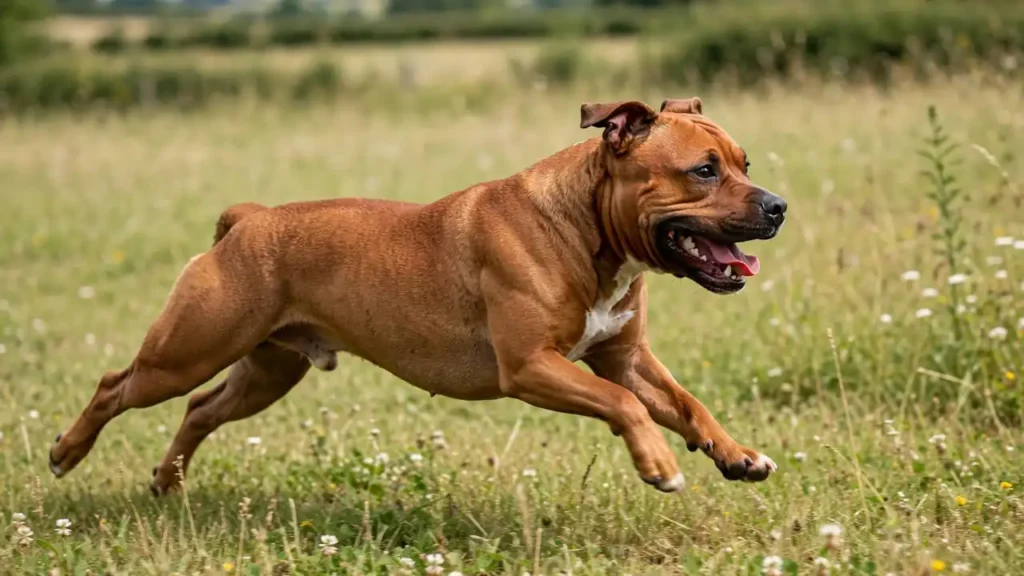
Aim for 60 minutes or more of vigorous activity daily: running, fetch, tug, agility. Mental work through training is equally important. A tired Staffy is a wonderful Staffy.
Exercise is vigorous and mental in equal measure. Running, fetch, tug, and agility cover the body, while training covers the mind, and a tired Staffy truly is a wonderful Staffy, so the two must go together every day. Games that use strength and brains together suit this breed best, and owners who provide both usually get the calmer, happier version of the dog.
Health
Hip problems occur; choose breeders who screen hips.
Both conditions have DNA tests; good breeders test for them.
Skin allergies are common in the breed.
Schedule annual wellness exams, or twice-yearly exams for seniors, and ask your vet about screening for conditions the breed can be prone to, such as hip dysplasia and hereditary cataracts. Consult your veterinarian promptly if you notice vision changes, skin problems, or changes in appetite, weight, or energy. For general background, see the Staffordshire Bull Terrier dog reference on Wikipedia.
Health care follows the familiar rhythm with joint and eye screening in focus. Annual exams, twice-yearly exams for seniors, and screening for hip dysplasia and hereditary cataracts cover the ground the guide names, and the Staffordshire Bull Terrier dog’s breeders should DNA-test for L-2-HGA and hereditary cataracts and screen hips for the same reason. Day to day, limping, vision changes, and changes in appetite, weight, or energy deserve a prompt vet call.
Indoor and Outdoor Living
Staffies live indoors with their people and exercise outdoors. They are cold-sensitive with the short coat. A securely fenced yard is essential.
Indoor living with a secure yard defines the arrangement. The breed lives indoors with its people and exercises outdoors, cold-sensitive with its short coat and in need of warm resting spots in cool weather, and a securely fenced yard is essential. A home without a fence needs a real plan for daily vigorous outings and leash manners instead.

Family Suitability
Typically affectionate and playful with children; the breed is famous for its love of kids. The strength and exuberance need managing around small kids. Dog-to-dog introductions need care. The Staffordshire Bull Terrier dog is famously good with children.
With families, affection leads and strength sets the limit. The breed is typically affectionate and playful with children and famous for its love of kids, but strength and exuberance need managing around small kids, and dog-to-dog introductions need care. The Staffordshire Bull Terrier dog’s loving, joyful character shows best in committed homes that enjoy a powerful small dog and accept the responsibility that comes with it.
Finding a Breeder or Rescue
Good breeders DNA-test for L-2-HGA and hereditary cataracts, screen hips, and breed for stable temperaments. Staffy rescues are full of wonderful dogs. The Staffordshire Bull Terrier dog does best with breeders who DNA-test for L-2-HGA and hereditary cataracts and screen hips.
- Ask about health screening for hip dysplasia and hereditary cataracts and l-2-hga
- Meet the puppy’s mother and see where the puppies are raised
- Ask how the puppies are socialized in their first weeks
- Consider rescue too: breed rescues place wonderful dogs
Quick Quiz: Is a Staffordshire Bull Terrier Right for You?
Answer four questions. Tap yes or no.
Frequently Asked Questions
Are Staffordshire Bull Terriers good family dogs?
They are typically wonderful with families, including children. They are people-loving dogs.
Are Staffies aggressive?
Well-bred, well-trained Staffies are known for affection toward people. Dog aggression can occur and must be managed responsibly.
How much exercise does a Staffy need?
Sixty minutes or more of vigorous activity daily.
What is the difference between a Staffy and a Pit Bull?
The Staffy is smaller (24 to 38 pounds) and an English breed; the American Pit Bull Terrier is larger. They are distinct breeds.
How long do Staffordshire Bull Terriers live?
Typically 12 to 14 years.
Are Staffies easy to train?
They are intelligent and eager to please, responding well to consistent positive training.
What do Staffy owners say about living with the breed?
Owners consistently describe the Staffy as playful, affectionate, and courageous. In practice, owners report that the breed’s loving nature with people is the main reason they recommend it to committed owners.
When should I ask my vet about my Staffy’s health?
Schedule annual wellness exams, or twice-yearly exams for seniors, and ask your vet about screening for conditions the breed can be prone to, such as hip dysplasia and hereditary cataracts. Consult your veterinarian promptly if you notice vision changes, skin problems, or changes in appetite, weight, or energy.
The Staffordshire Bull Terrier is a playful, affectionate powerhouse that adores its people. It needs committed training and management, and gives back enormous love.
Similar Breeds Worth Exploring
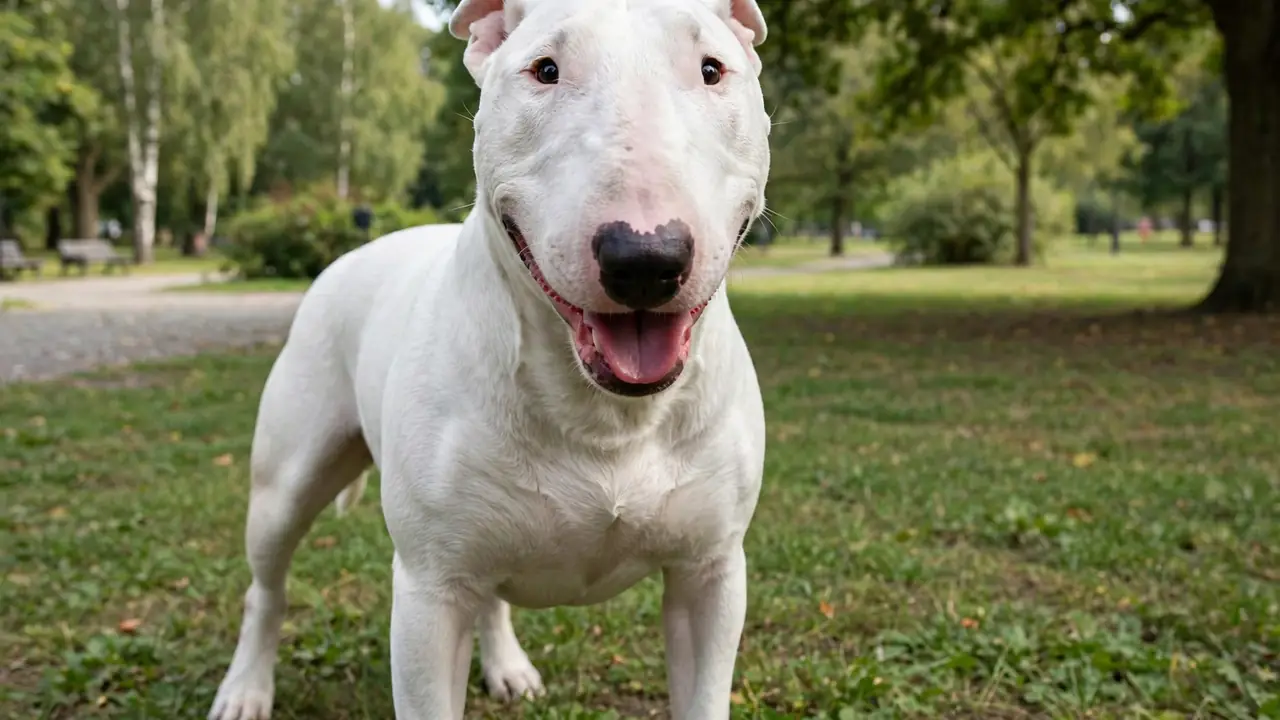
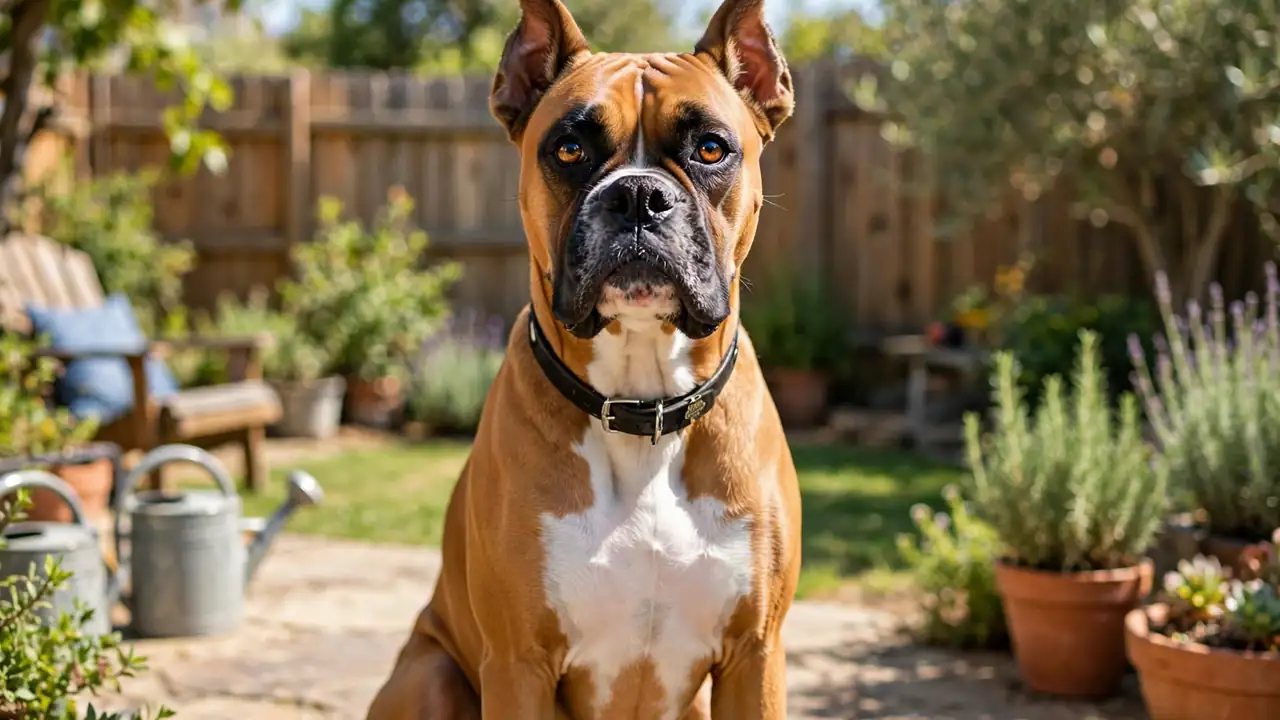
If the Staffy appeals to you, consider the American Staffordshire Terrier (larger cousin), the Pit Bull Terrier (larger American breed), the Boxer (playful and similar energy), or the Bull Terrier (the egg-headed relative).
Related Breed Guides
Keep Exploring
Browse all our Dog Breed Guides, try the Dog Age Calculator, or explore our Cat Breed Guides.