
Whippet Dog Breed Guide
Whippet: the gentle speedster that loves the sofa
The gentle speedster: a medium sighthound with a sweet nature and surprising laziness indoors. Care and health in one complete guide.
Lifespan 12 to 15 yrs
Weight 25 to 40 lbs
Calm indoors, fast outdoors
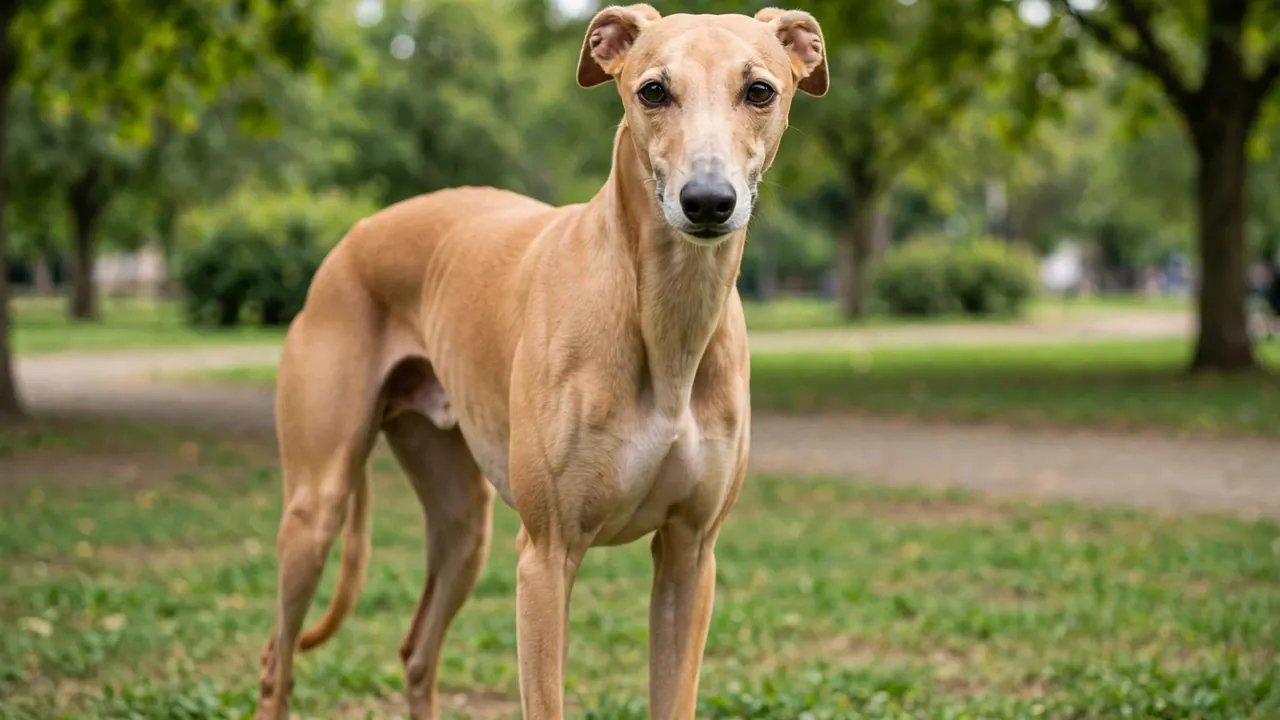
Whippet dog is the gentle speedster: a medium sighthound with a sweet nature and surprising laziness indoors.
At a Glance
Size and Weight
Males stand 19 to 22 inches and weigh 30 to 40 pounds; females are 18 to 21 inches and 25 to 35 pounds. The build is all aerodynamics in a smaller package than the Greyhound. The Whippet dog is a medium sighthound built for speed.
Coat and Colors
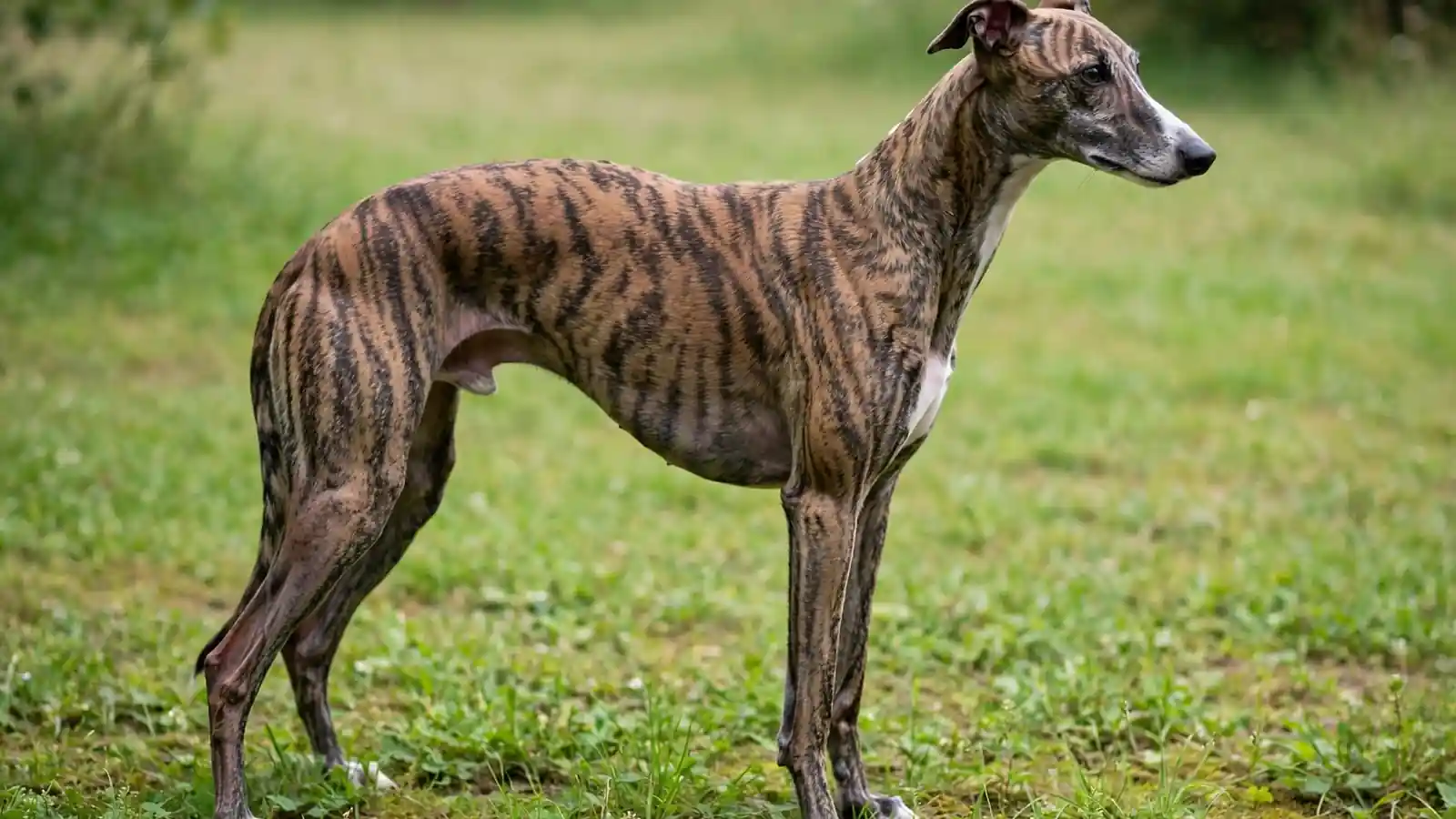
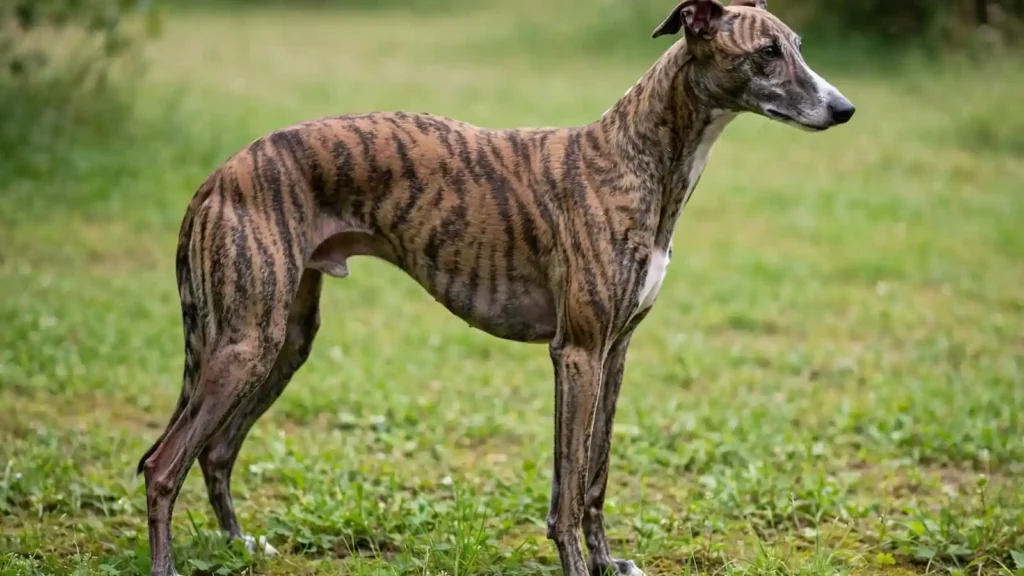
A very short, smooth coat in virtually any color or pattern. Shedding is light. Grooming is minimal: occasional brushing. The Whippet dog is famous for its very short, smooth coat.
The thin coat and low body fat mean they feel the cold; sweaters are essential in cool weather.
History and Origins
Whippets were developed in 19th-century England by working-class miners who raced small Greyhound-type dogs.
They became beloved racing and coursing dogs, then gentle companions.
The racing heritage shows in the sprint speed and the calm house manners.
Physical Characteristics
Deep chest, tucked waist, long legs, and streamlined head. At 35 miles per hour, they are among the fastest dogs for their size.
At rest, they fold into impossibly compact sleeping positions, just like their larger cousins.
Whippet Personality and Behavior
These dogs are famously gentle, quiet, and calm indoors. They are affectionate with their families in a dignified way, clean, and undemanding. The sprint drive is real outdoors, but indoors they are professional loungers. The Whippet dog is gentle, quiet, and affectionate.
They can be sensitive and a little reserved with strangers. They are rarely aggressive and almost never nuisance barkers.
Owners consistently describe the breed as gentle, quiet, and affectionate. In practice, owners report that the breed’s calm nature is the main reason they recommend it to relaxed households.
The indoor-outdoor contrast defines this breed. The Whippet dog is a gentle speedster outside and a professional lounger inside, calm, quiet, and clean in the house, and the sprint drive that makes it one of the fastest dogs for its size simply switches off on the sofa. Owners who expect a hyperactive athlete are surprised; owners who expect a calm companion with bursts of speed are exactly right.
Sensitivity shapes training and handling. The breed is gentle and a little reserved with strangers, rarely aggressive and almost never a nuisance barker, and it responds best to kind, consistent guidance rather than firm correction. A Whippet that trusts its people is affectionate in a dignified way; one handled roughly tends to withdraw rather than push back.
These dogs are famously gentle, quiet, and calm indoors. They are affectionate with their families in a dignified way, clean, and undemanding. The sprint drive is real outdoors, but indoors they are professional loungers.
They can be sensitive and a little reserved with strangers. They are rarely aggressive and almost never nuisance barkers.
Owners consistently describe the breed as gentle, quiet, and affectionate. In practice, owners report that the breed’s calm nature is the main reason they recommend it to relaxed households.
- Calm, clean, and undemanding indoors
- Among the fastest dogs for their size
- Minimal grooming and light shedding
- Feels the cold; sweaters are essential
- Sighthound anesthesia sensitivity
- Thin skin tears easily
Care Essentials
They need 30 to 45 minutes of daily walking plus occasional sprint opportunities in a fenced area. They are excellent apartment dogs: quiet, clean, and low-energy indoors. The Whippet dog needs 30 to 45 minutes of daily walking.
They must wear sweaters in cold weather. They cannot be trusted off-leash in unfenced areas; the chase instinct overrides everything at speed.
A typical day is modest by sighthound standards. Thirty to forty-five minutes of walking plus sprint opportunities in a fenced area cover the need, and the rest of the day is rest: this is an excellent apartment dog precisely because the indoor energy is so low. Two rules anchor care: sweaters in cold weather, and never off-leash outside fenced areas, since the chase instinct overrides everything at speed.
Feeding
Feed a measured, high-quality diet in two meals a day. Keep them lean; the tucked waist should be visible.
Grooming
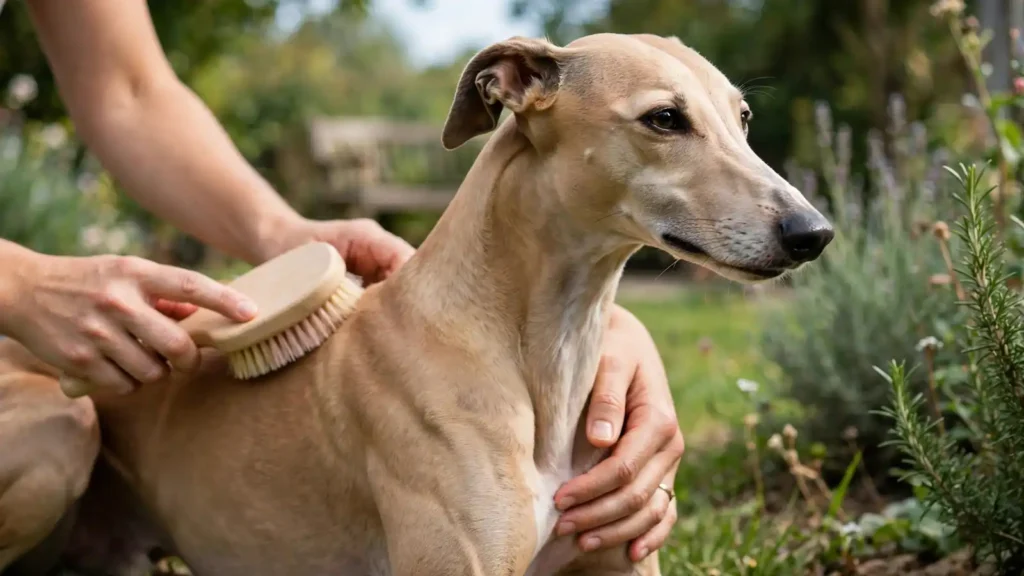
Occasional brushing, baths as needed, regular nail trims, teeth brushing. That is the whole program.
Training & Exercise
Aim for 30 to 45 minutes of walking daily plus safe sprint opportunities a few times a week in a fenced area. That is genuinely enough for most of them.
Home
They live indoors and are among the best apartment dogs. They need sweaters in cold weather and should never be off-leash outside fenced areas.
Nutrition and Diet
Feed a measured, high-quality diet in two meals a day. Keep them lean; the tucked waist should be visible.
Feeding suits the lean athlete. A measured, high-quality diet in two meals keeps the tucked waist visible, and the lean look is correct for this breed rather than a sign of underfeeding, so portions should follow the guide rather than the eye. Treats stay counted, since even a few extra pounds change how a sighthound moves and feels.

Grooming
Occasional brushing, baths as needed, regular nail trims, teeth brushing. That is the whole program.
Grooming is genuinely minimal. Occasional brushing covers the very short, smooth coat, baths come as needed, and the real routine is nails, teeth, and skin checks, with attention to the thin-coated areas where a lean dog shows wear first. Owners who expect heavy grooming work will be pleasantly surprised; the coat asks almost nothing.
Exercise and Enrichment
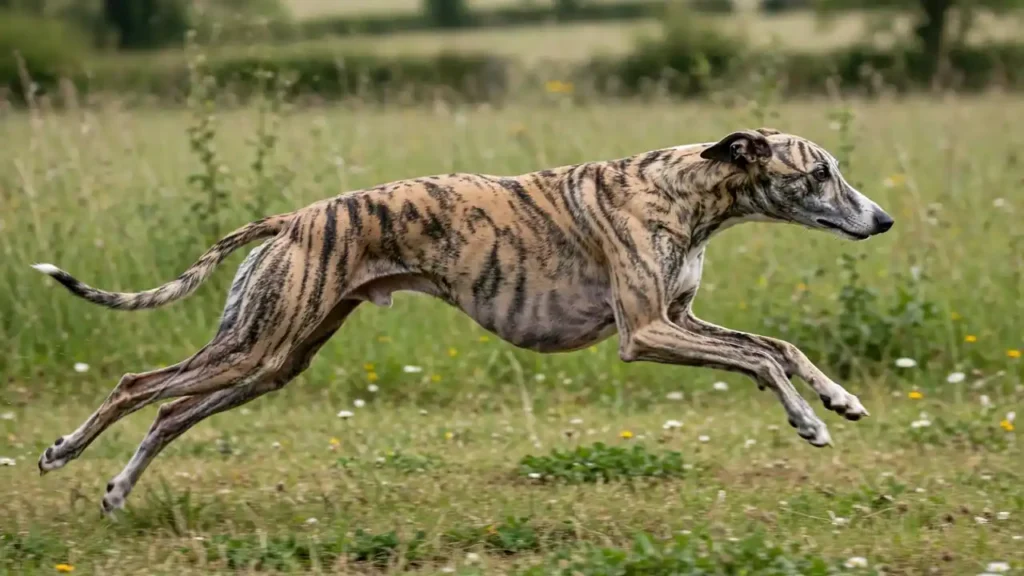
Aim for 30 to 45 minutes of walking daily plus safe sprint opportunities a few times a week in a fenced area. That is genuinely enough for most of them. The Whippet dog loves a good sprint in a fenced area.
Exercise is walking plus sprinting, in that order. Daily walks cover the baseline, and safe sprint opportunities a few times a week in a fenced area cover the joy: a Whippet at full speed is a sight worth arranging a field for. The fence is not optional, since the chase instinct at thirty-five miles per hour leaves no room for recall, and owners who plan sprint time usually get a calmer dog at home.
Health
Sighthounds share anesthesia sensitivity; your vet must know the protocols.
Mitral valve disease occurs in the breed.
Eye conditions occur occasionally, and the thin skin tears easily.
Schedule annual wellness exams, or twice-yearly exams for seniors, and make sure your vet understands sighthound anesthesia protocols. Consult your veterinarian promptly if you notice coughing, exercise intolerance, or changes in appetite, weight, or energy. For general background, see the Whippet dog reference on Wikipedia.
Health care has one breed-specific point worth knowing: the vet should understand sighthound anesthesia protocols, so mentioning it at the first visit is wise rather than waiting for a procedure. Otherwise the rhythm is familiar: annual exams, twice-yearly exams for seniors, and prompt attention to coughing, exercise intolerance, or changes in appetite, weight, or energy. Breeders who screen hearts and eyes are worth seeking out for the same reason.
Indoor and Outdoor Living
They live indoors and are among the best apartment dogs. They need sweaters in cold weather and should never be off-leash outside fenced areas.
Apartment living is a natural fit. The quiet, clean, low-energy indoor nature makes the breed one of the best apartment dogs, provided sweaters cover the cold and the dog is never off-leash outside fenced areas. A Whippet in a warm flat with a soft resting spot and regular sprint time is usually a content, undemanding housedog.

Family Suitability
Gentle and patient, good with respectful children. They are usually fine with other dogs. With cats, individual testing is essential; many live happily with cats, but never assume. The Whippet dog is gentle and patient with respectful children.
With families, gentleness leads. The breed is gentle and patient with respectful children and usually fine with other dogs, and the Whippet dog’s dignified affection suits calm households well. With cats, individual testing is essential: many live happily with cats, but never assume, and introductions deserve patience and supervision rather than hope.
Relaxed householdsApartment and city homesGentle families
You want an off-leash dog in open countryYou dislike dressing a dog for cold weather
Finding a Breeder or Rescue
Good breeders screen hearts and eyes. The breed rescues have wonderful dogs; retired racers and surrenders need homes. The Whippet dog does best with breeders who screen hearts and eyes.
- Ask about health screening for anesthesia sensitivity and heart conditions
- Meet the puppy’s mother and see where the puppies are raised
- Ask how the puppies are socialized in their first weeks
- Consider rescue too: breed rescues place wonderful dogs
Quick Quiz: Is a Whippet Right for You?
Answer four questions. Tap yes or no.
Frequently Asked Questions
Are Whippets good family dogs?
Wonderful for calm families. They are gentle, quiet, and clean indoors.
How much exercise does a Whippet need?
About 30 to 45 minutes of walking daily plus occasional sprints.
How fast can Whippets run?
Up to 35 miles per hour, making them among the fastest dogs for their size.
Do Whippets bark a lot?
No. They are famously quiet indoors.
How long do Whippets live?
Typically 12 to 15 years.
Can Whippets live in apartments?
They are among the best apartment dogs: quiet, clean, and low-energy.
What do Whippet owners say about living with the breed?
Owners consistently describe this breed as gentle, quiet, and affectionate. In practice, owners report that the breed’s calm nature is the main reason they recommend it to relaxed households.
When should I ask my vet about my Whippet’s health?
Schedule annual wellness exams, or twice-yearly exams for seniors, and make sure your vet understands sighthound anesthesia protocols. Consult your veterinarian promptly if you notice coughing, exercise intolerance, or changes in appetite, weight, or energy.
The Whippet is a gentle speedster outdoors and a professional lounger indoors. It suits relaxed households that can offer warmth, soft beds, and safe sprints.
Similar Breeds Worth Exploring
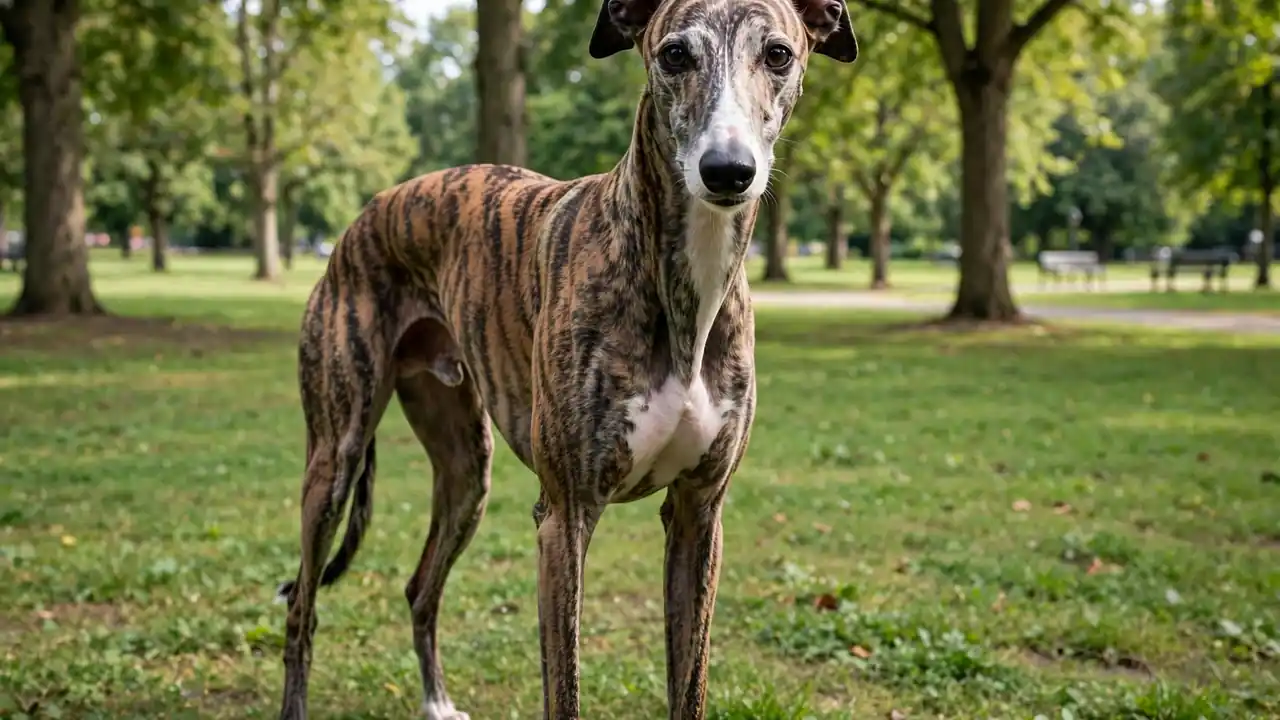
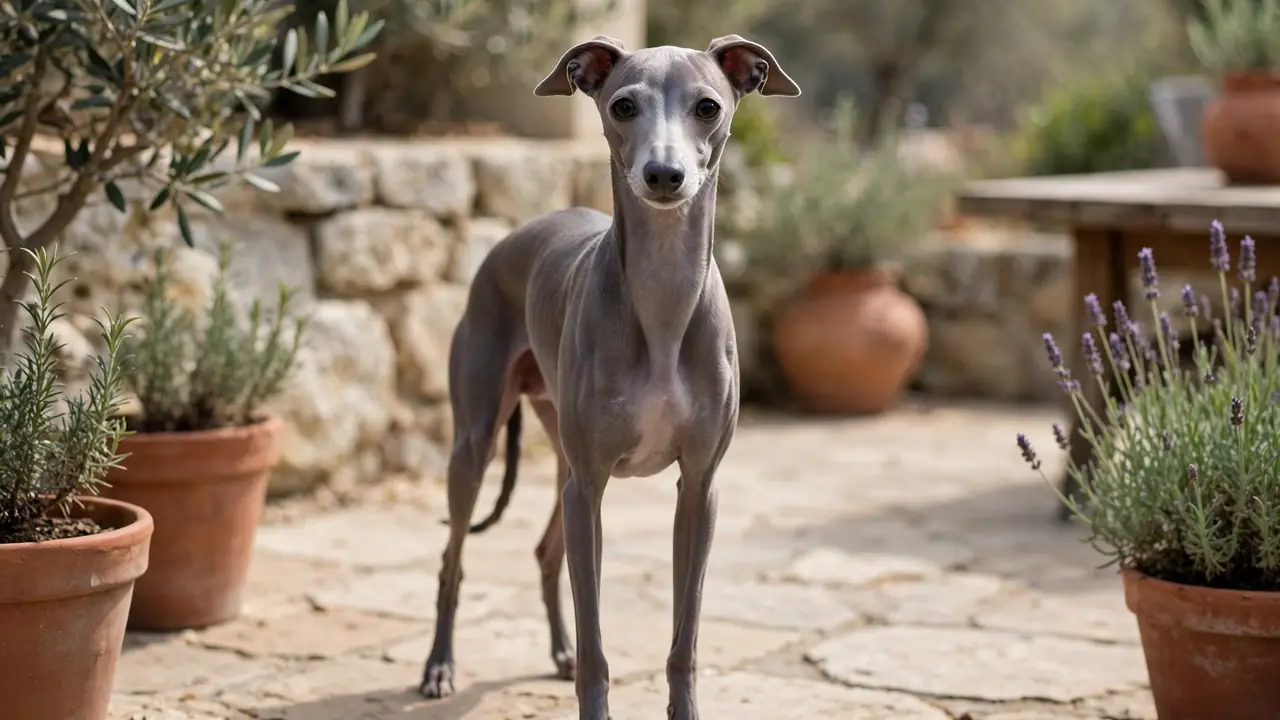
If the breed appeals to you, consider the Greyhound (the larger version), the Italian Greyhound (the toy version), the Saluki (elegant ancient sighthound), or the Basenji (similar size, more independent).
Related Breed Guides
Keep Exploring
Browse all our Dog Breed Guides, try the Dog Age Calculator, or explore our Cat Breed Guides.