
Bullmastiff Dog Breed Guide
Bullmastiff: the quiet, powerful guardian
The quiet, powerful guardian: a massive dog with a calm heart and deep devotion to its family. Care and health in one complete guide.
Lifespan 7 to 9 yrs
Weight 100 to 130 lbs
Calm heart, massive build
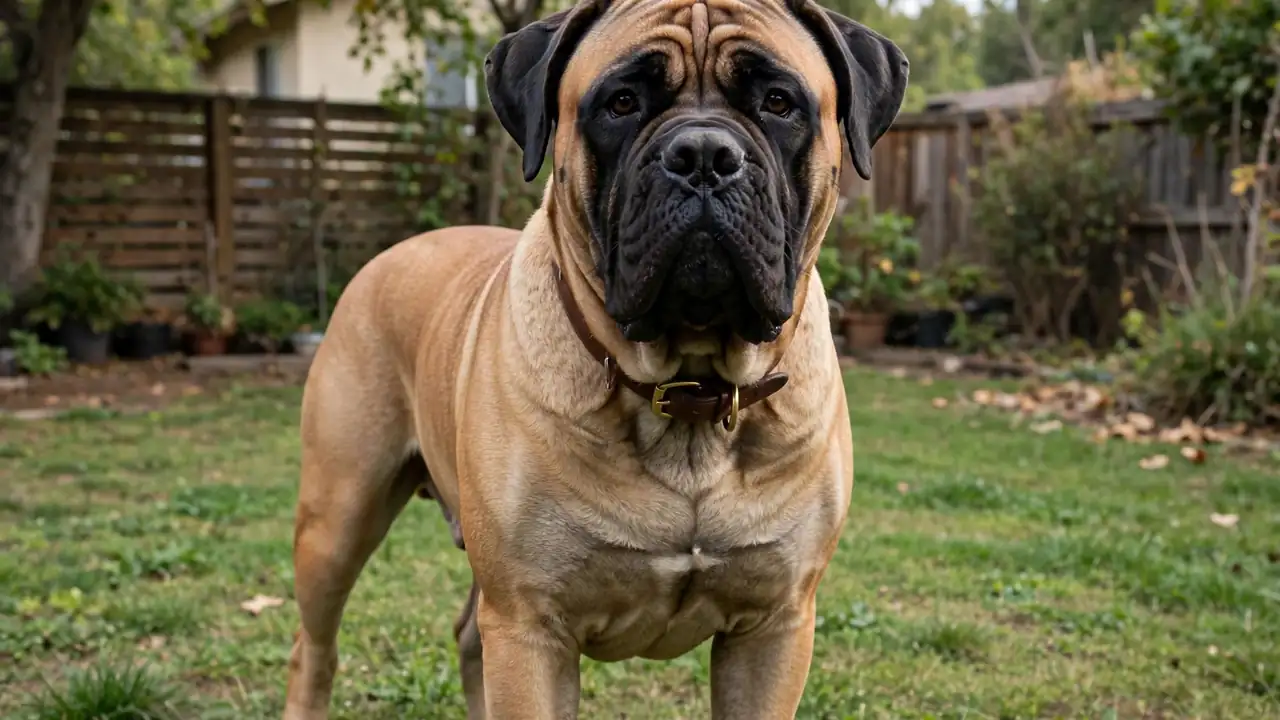
Bullmastiff dog is the quiet, powerful guardian: a massive dog with a calm heart and deep devotion to its family.
At a Glance
Size and Weight
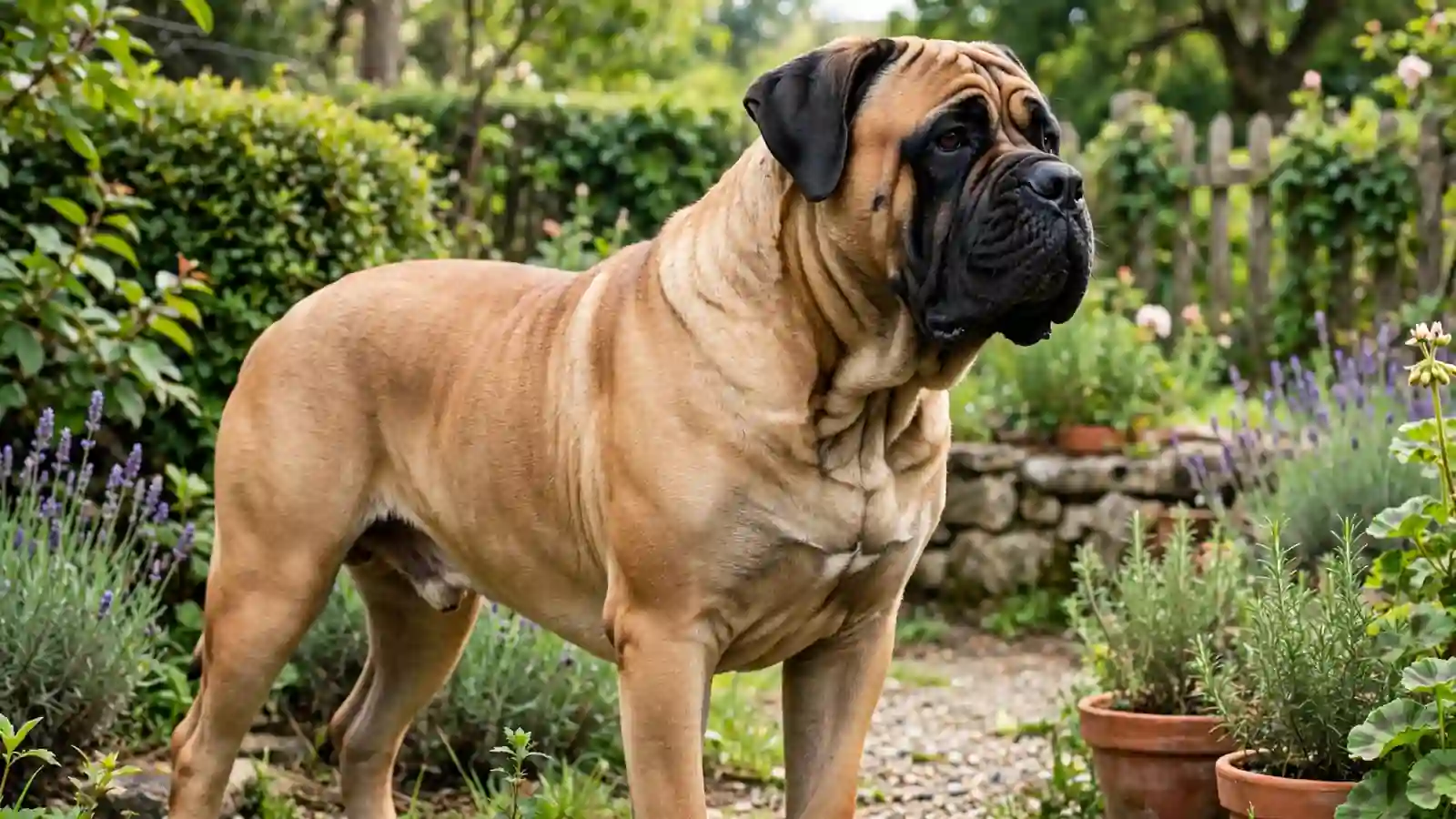
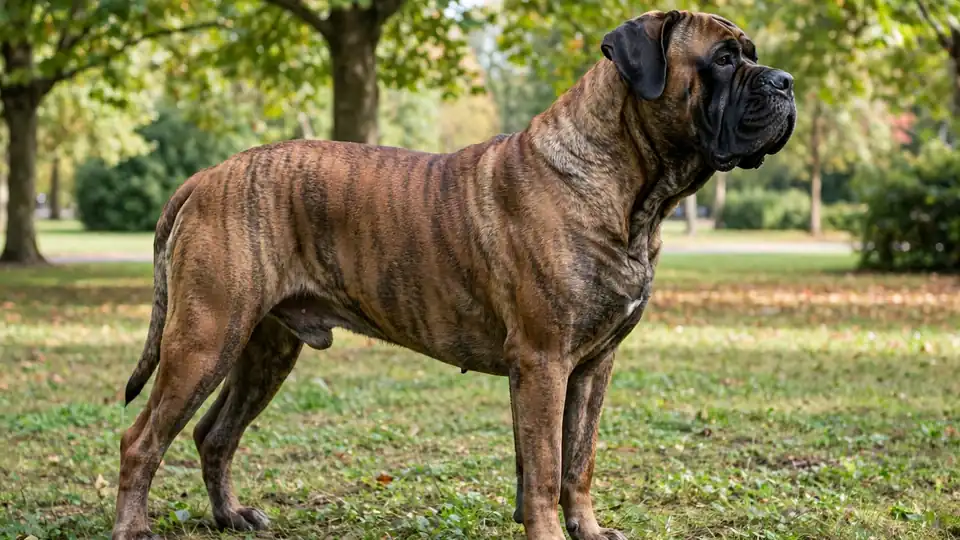
Males stand 25 to 27 inches and weigh 110 to 130 pounds; females are 24 to 26 inches and 100 to 120 pounds. The build is massive but athletic, made for silent power rather than speed. The Bullmastiff dog combines massive size with surprising agility.
Everything must be scaled up: food, space, and vet costs. Puppies grow fast and need careful management. The Bullmastiff dog needs everything scaled up, from food to space.
Coat and Colors
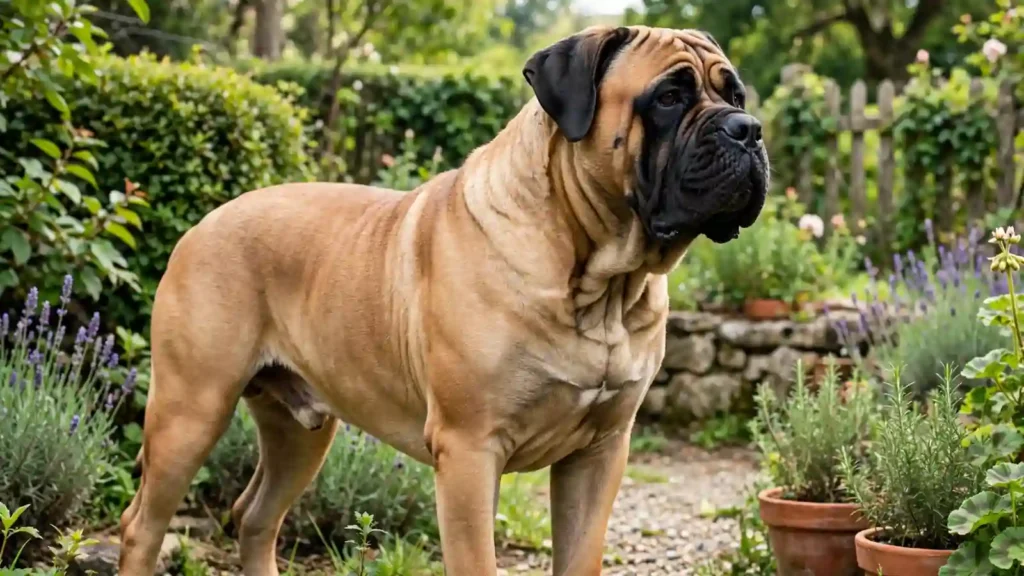
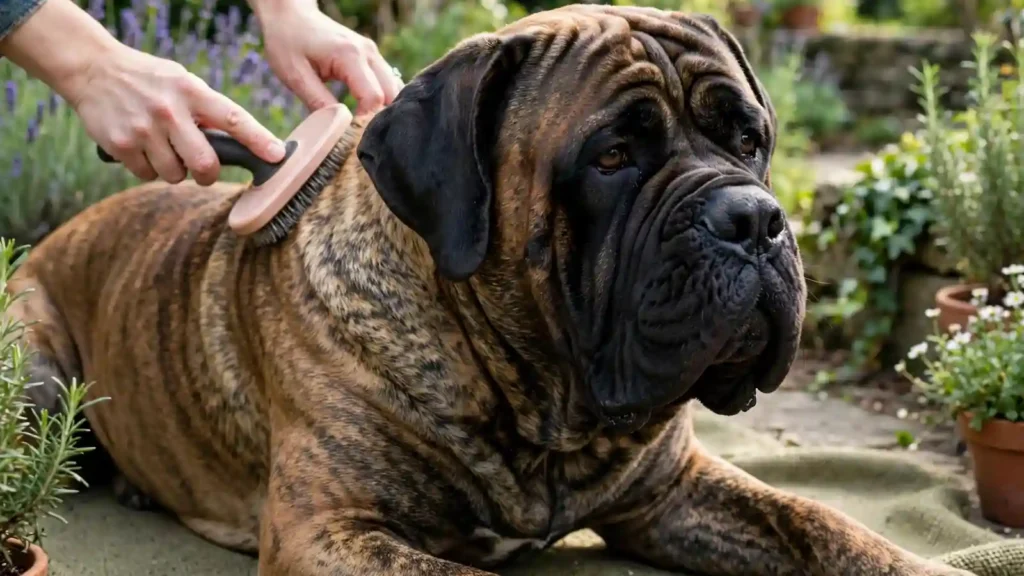
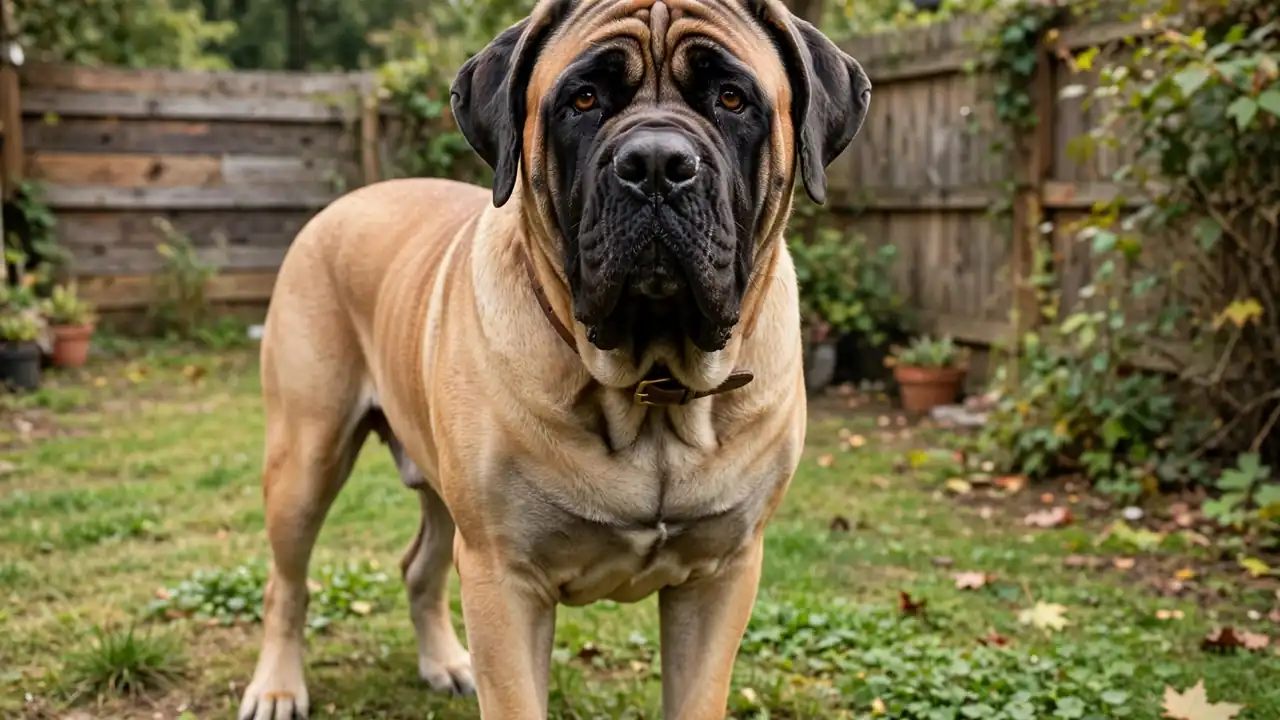
A short, dense coat in fawn, red, or brindle, always with the black mask. Shedding is moderate. Grooming is minimal: weekly brushing. The Bullmastiff dog is easy to groom despite its size.
The drool is moderate compared to some giant breeds, but it happens.

History and Origins
English gamekeepers in the 1800s needed a dog that could silently track poachers, knock them down, and hold them without mauling.
Crossing Bulldogs with Mastiffs produced the perfect night guardian: powerful, quiet, and controlled.
That controlled guardianship defines the breed today. They are watchful, not reactive.
Physical Characteristics
Massive, muscular body with a broad head and intelligent expression. The movement is surprisingly agile for the size. Everything says strength with restraint. The Bullmastiff dog is massive, muscular, and surprisingly agile.
Bullmastiff Personality and Behavior
They are famously calm, loyal, and courageous. They are deeply devoted to their families, naturally protective, and discerning with strangers. They are quiet dogs who rarely bark without reason.
They are not high-energy or demanding. But an untrained 120-pound adolescent is dangerous by accident, so training early is essential. They can be stubborn and need confident, patient leadership.
Owners consistently describe the breed as calm, loyal, and courageous. In practice, owners report that the breed’s quiet protectiveness is the main reason they recommend it to experienced owners. The Bullmastiff dog is famously calm, loyal, and courageous.
The quiet protectiveness defines this breed. The Bullmastiff dog is calm, loyal, and courageous, deeply devoted to its family and naturally protective without noise: a quiet dog that rarely barks without reason, discerning with strangers in the way a true guardian should be. The calm heart underneath the massive frame is what owners love most.
Training early is not advice but necessity. An untrained adolescent at a hundred and twenty pounds is dangerous by accident, and the stubborn streak needs confident, patient leadership from the start, before the puppy outweighs its owner. A Bullmastiff trained early is a calm, reliable giant; one trained late is a problem of sheer physics.
They are famously calm, loyal, and courageous. They are deeply devoted to their families, naturally protective, and discerning with strangers. They are quiet dogs who rarely bark without reason.
They are not high-energy or demanding. But an untrained 120-pound adolescent is dangerous by accident, so training early is essential. They can be stubborn and need confident, patient leadership.
Owners consistently describe the breed as calm, loyal, and courageous. In practice, owners report that the breed’s quiet protectiveness is the main reason they recommend it to experienced owners.
- Quiet, controlled guardian
- Deeply devoted and patient with family
- Low grooming and moderate exercise needs
- Massive size scales up every cost
- Bloat is a serious emergency risk
- Short lifespan of 7 to 9 years
Care Essentials
They need 30 to 45 minutes of moderate daily exercise. They are indoor family dogs who must live with their people; they suffer in kennels. Training should start early before the puppy outweighs you. The Bullmastiff dog needs moderate daily exercise and indoor family life.
The short lifespan is the heartbreak. Go in with open eyes.
A typical day is calm and close. Thirty to forty-five minutes of moderate exercise cover the need, and the indoor family dog that results must live with its people, suffering in kennels rather than thriving in them. Training starts early and continues gently, and the short lifespan deserves honest acknowledgment: go in with open eyes, as the guide says, and love the years fully.
Feeding
Puppies need large-breed puppy food to control explosive growth and protect joints. Adults eat a great deal; budget accordingly. Feed two to three meals a day, and avoid exercise right after eating to reduce bloat risk.
Grooming
Weekly brushing, occasional baths, regular nail trims, ear checks, teeth brushing. Wipe the jowls as needed.
Training & Exercise
Aim for 30 to 45 minutes of moderate activity daily. Avoid overexercising puppies; growing giant joints need protection. Leash training is critical; a pulling the breed is dangerous.
Home
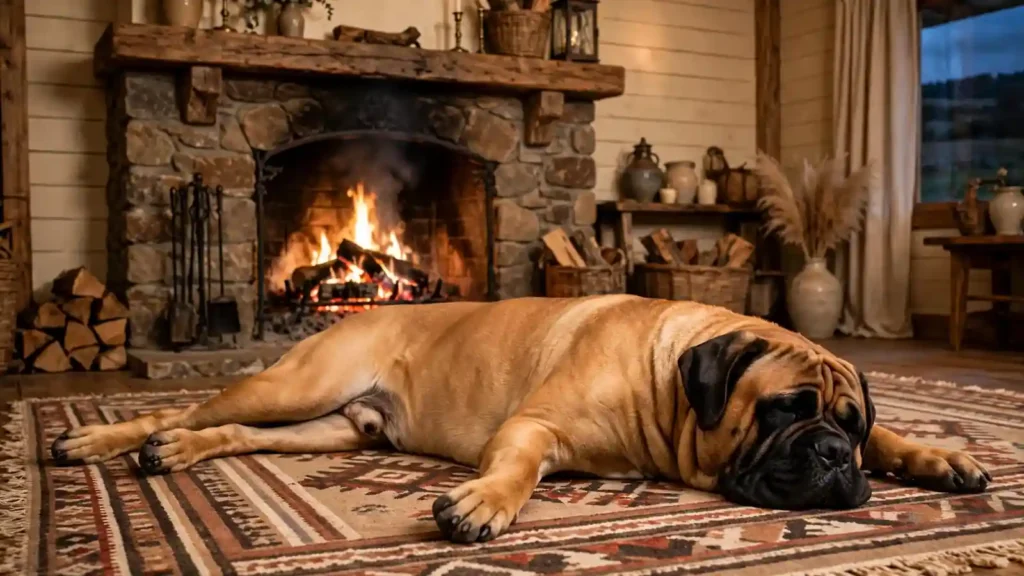
They live indoors with their families and are calm house dogs. A securely fenced yard is essential. They overheat easily; air conditioning helps in warm climates.
Nutrition and Diet
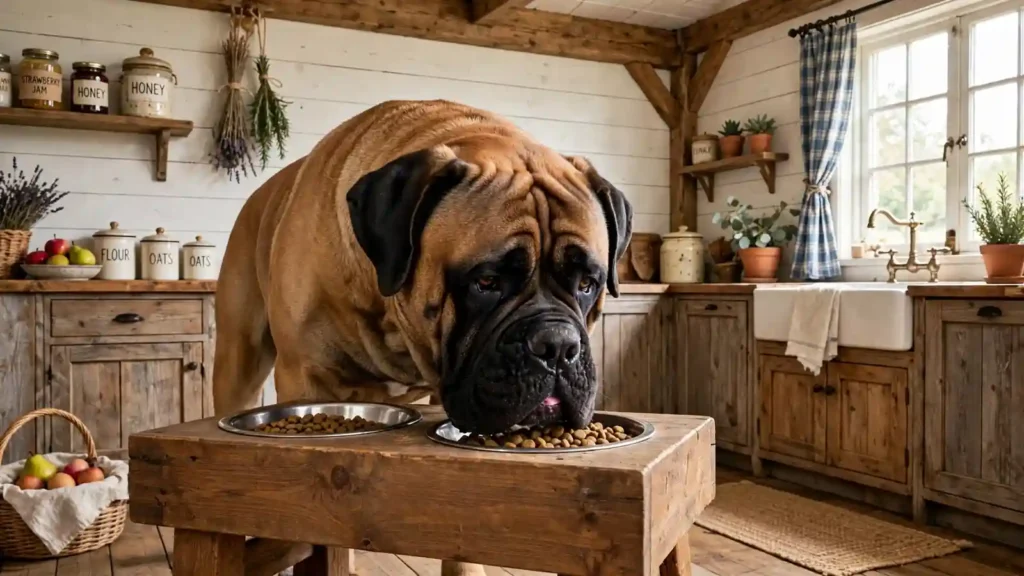
Puppies need large-breed puppy food to control explosive growth and protect joints. Adults eat a great deal; budget accordingly. Feed two to three meals a day, and avoid exercise right after eating to reduce bloat risk.
Extra weight is devastating on giant joints.
Feeding a giant needs scale and care. Puppies need large-breed puppy food to control explosive growth and protect joints, adults eat a great deal and the budget should reflect it, and two to three meals a day with no exercise right after eating reduce bloat risk. Extra weight is devastating on giant joints, so portions deserve the same discipline as the exercise.
Grooming
Weekly brushing, occasional baths, regular nail trims, ear checks, teeth brushing. Wipe the jowls as needed.
Grooming is minimal for a dog this size. Weekly brushing covers the short, dense coat, occasional baths come as needed, and the real routine is nails, ear checks, teeth brushing, and wiping the jowls as needed. The drool is moderate compared to some giant breeds, but it happens, and a towel by the door is part of the furniture.
Exercise and Enrichment
Aim for 30 to 45 minutes of moderate activity daily. Avoid overexercising puppies; growing giant joints need protection. Leash training is critical; a pulling the breed is dangerous.
Mental enrichment through gentle training suits the calm temperament.
Exercise is moderate and joint-aware. Thirty to forty-five minutes of moderate activity daily cover the need, with overexercising puppies avoided since growing giant joints need protection, and leash training critical since a pulling giant is dangerous. Mental enrichment through gentle training suits the calm temperament, and a Bullmastiff with both is steadier than one with only walks.
Health
Bloat is the great emergency risk in this breed; know the symptoms.
Joint problems occur; the best breeders screen hips, elbows, and heart.
Heart conditions appear, and the big body overheats easily.
Schedule annual wellness exams, or twice-yearly exams for adults, and ask your vet about screening for conditions the breed can be prone to, such as hip dysplasia and heart disease. Consult your veterinarian promptly if you notice restlessness with a swollen belly, or changes in appetite, weight, or energy. Consider gastropexy discussion with your vet for bloat prevention. For general background, see the Bullmastiff dog reference on Wikipedia.
Health care follows the familiar rhythm with joint and heart screening in focus. Annual exams, twice-yearly exams for adults, and screening for hip dysplasia and heart disease cover the ground the guide names, and breeders who screen hips, elbows, heart, eyes, and thyroid and track longevity are worth seeking out. Day to day, limping and changes in appetite, weight, or energy deserve a prompt vet call.
Indoor and Outdoor Living
They live indoors with their families and are calm house dogs. A securely fenced yard is essential. They overheat easily; air conditioning helps in warm climates.
Indoor living with a secure yard defines the arrangement. The breed lives indoors with its family as a calm house dog, a securely fenced yard is essential, and overheating comes easily, so air conditioning helps in warm climates. A home without space for a giant and a plan for heat management is a poor fit regardless of good intentions.
Family Suitability
Patient and devoted with their family’s children, though the sheer size means supervision with small kids. They are naturally protective. They are usually fine with other pets they are raised with. The Bullmastiff dog is patient and devoted with its family.
With families, patience leads and size sets the limit. The breed is patient and devoted with its family’s children, though sheer size means supervision with small kids, and naturally protective in a way that suits experienced homes. Usually fine with other pets it is raised with, the Bullmastiff dog’s calm, devoted character shows best in households that respect both the gentleness and the mass.
Experienced giant-breed ownersHomes wanting a calm guardianFamilies with space
You are a first-time ownerYou cannot manage a 120-pound dog on a leash
Finding a Breeder or Rescue
The best breeders screen hips, elbows, heart, eyes, and thyroid, and track longevity. The breed rescues have wonderful dogs; the breed’s size and lifespan cause surrenders. The Bullmastiff dog does best with breeders who screen hips, elbows, heart, eyes, and thyroid.
- Ask about health screening for bloat and hip and elbow dysplasia
- Meet the puppy’s mother and see where the puppies are raised
- Ask how the puppies are socialized in their first weeks
- Consider rescue too: breed rescues place wonderful dogs
Quick Quiz: Is a Bullmastiff Right for You?
Answer four questions. Tap yes or no.
Frequently Asked Questions
Are Bullmastiffs good family dogs?
Wonderful for experienced families with space. They are calm, loyal, and devoted.
How much exercise does a Bullmastiff need?
About 30 to 45 minutes of moderate activity daily.
Do Bullmastiffs drool a lot?
Moderately. Less than some giant breeds, but it happens.
How big do Bullmastiffs get?
Males reach 110 to 130 pounds. They are large, powerful dogs.
How long do Bullmastiffs live?
Typically 7 to 9 years.
Are Bullmastiffs aggressive?
Well-bred dogs are calm, controlled guardians, not aggressive. They are discerning and quiet.
What do Bullmastiff owners say about living with the breed?
Owners consistently describe this breed as calm, loyal, and courageous. In practice, owners report that the breed’s quiet protectiveness is the main reason they recommend it to experienced owners.
When should I ask my vet about my Bullmastiff’s health?
Schedule annual wellness exams, or twice-yearly exams for adults, and ask your vet about screening for conditions the breed can be prone to, such as hip dysplasia and heart disease. Consult your veterinarian promptly if you notice restlessness with a swollen belly, or changes in appetite, weight, or energy.
The Bullmastiff is a quiet, powerful guardian with a calm heart. It needs an experienced owner who can manage its size, and it rewards them with total devotion.
Similar Breeds Worth Exploring
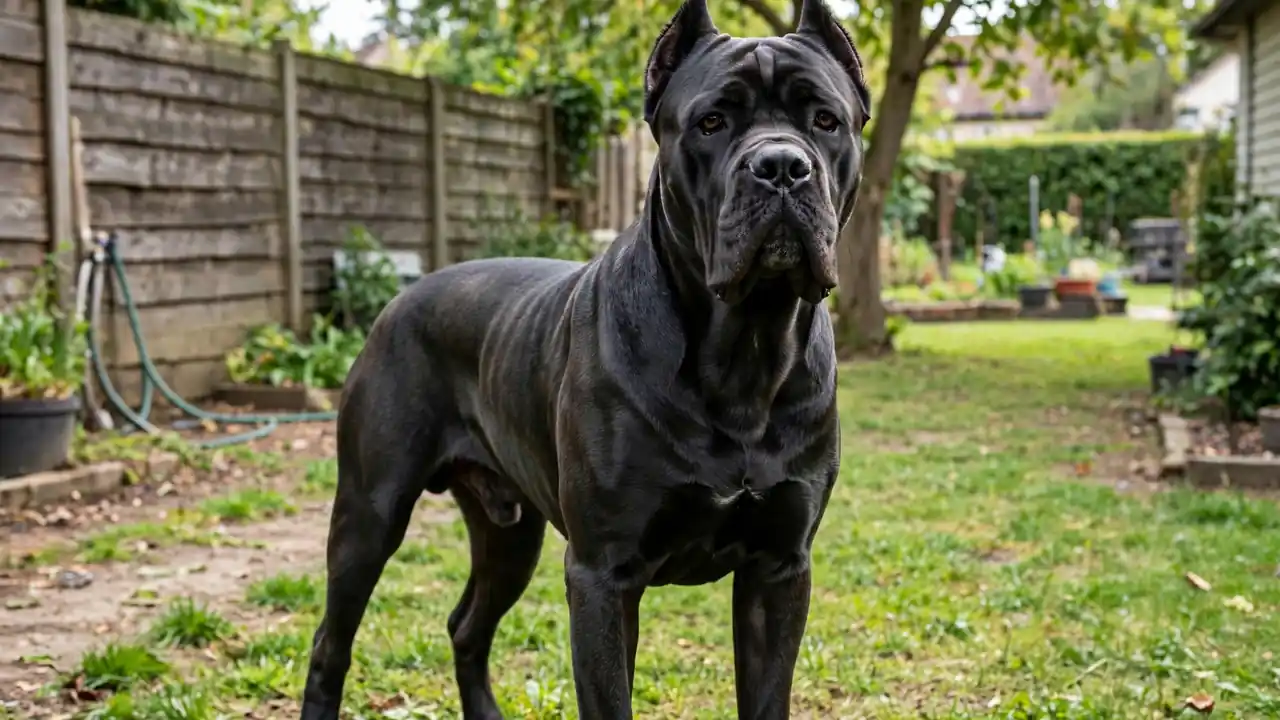
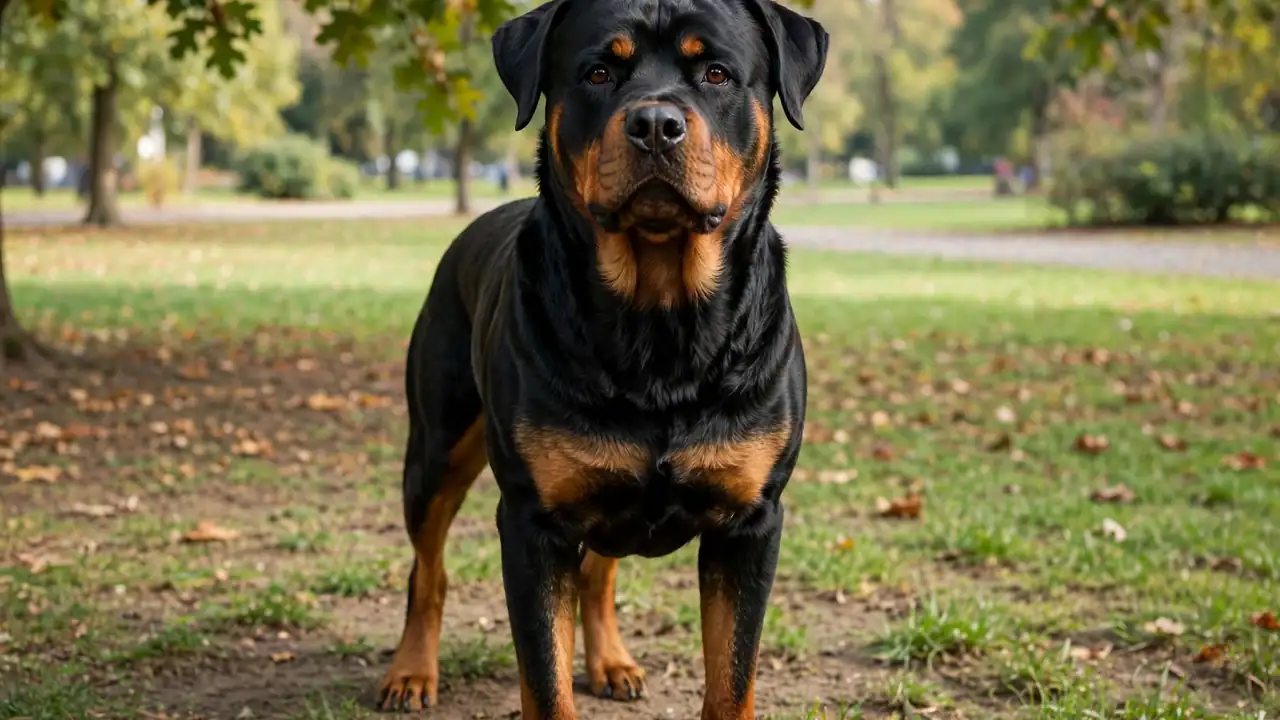
If the breed appeals to you, consider the Mastiff (larger, more massive), the Cane Corso (more athletic guardian), the Rottweiler (similar guardian versatility), or the Dogue de Bordeaux (similar French mastiff).
Related Breed Guides
Keep Exploring
Browse all our Dog Breed Guides, try the Dog Age Calculator, or explore our Cat Breed Guides.