
Mastiff Dog Breed Guide
English Mastiff: the massive, gentle guardian
One of the heaviest dog breeds on earth, with a calm and devoted heart. Care, feeding, and health in one complete guide.
By Emily Carter · Reviewed by our vet team · Updated 22 October 2026 · 10 min read
Lifespan 6–10 yrs
Weight 120–230 lb
Gentle & dignified
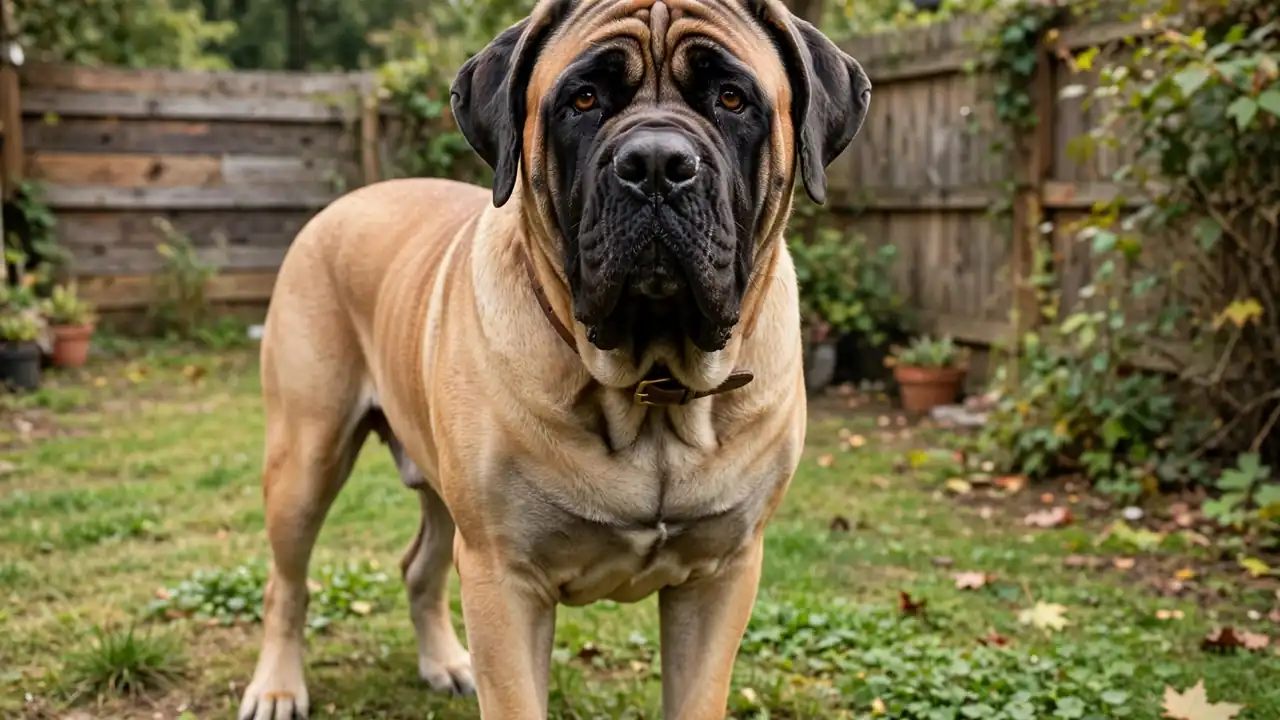
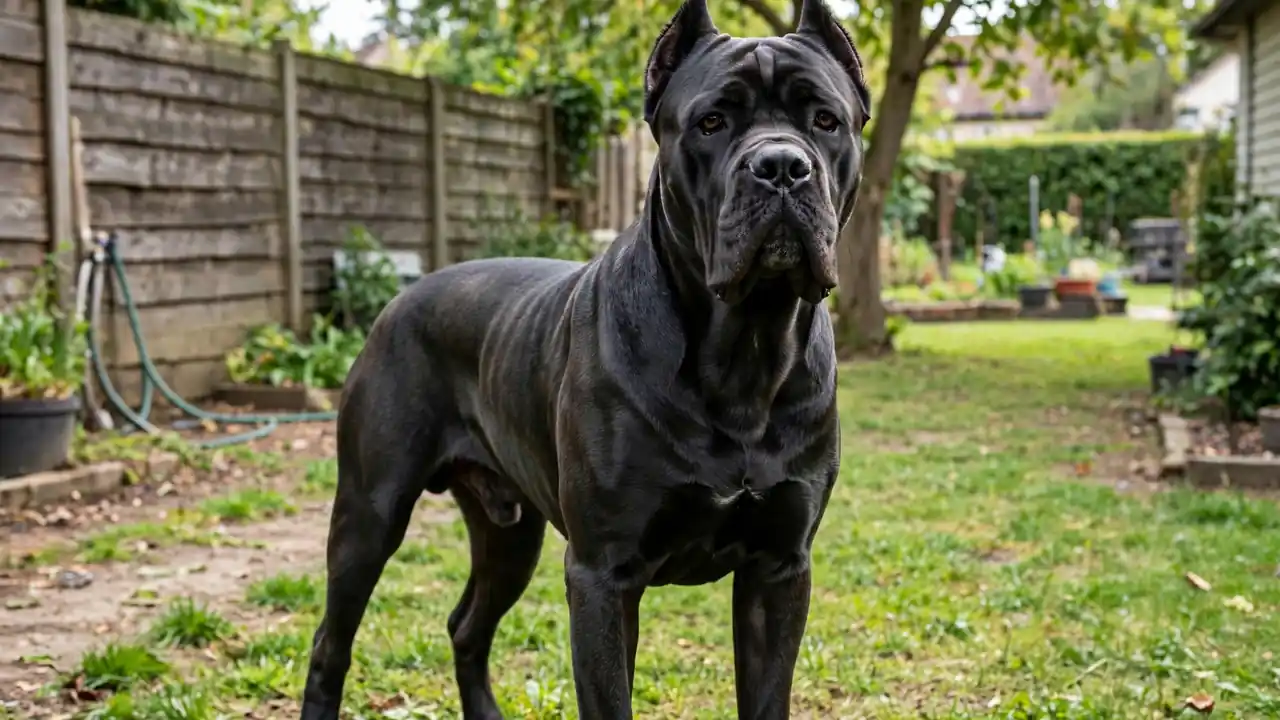
Mastiff dog: The massive, gentle guardian: one of the heaviest breeds on earth, with a calm and devoted heart.
Famously gentle, dignified, and loyal, they are calm indoors, deeply devoted to their families, and naturally protective without aggression. The Mastiff dog is calm and devoted.
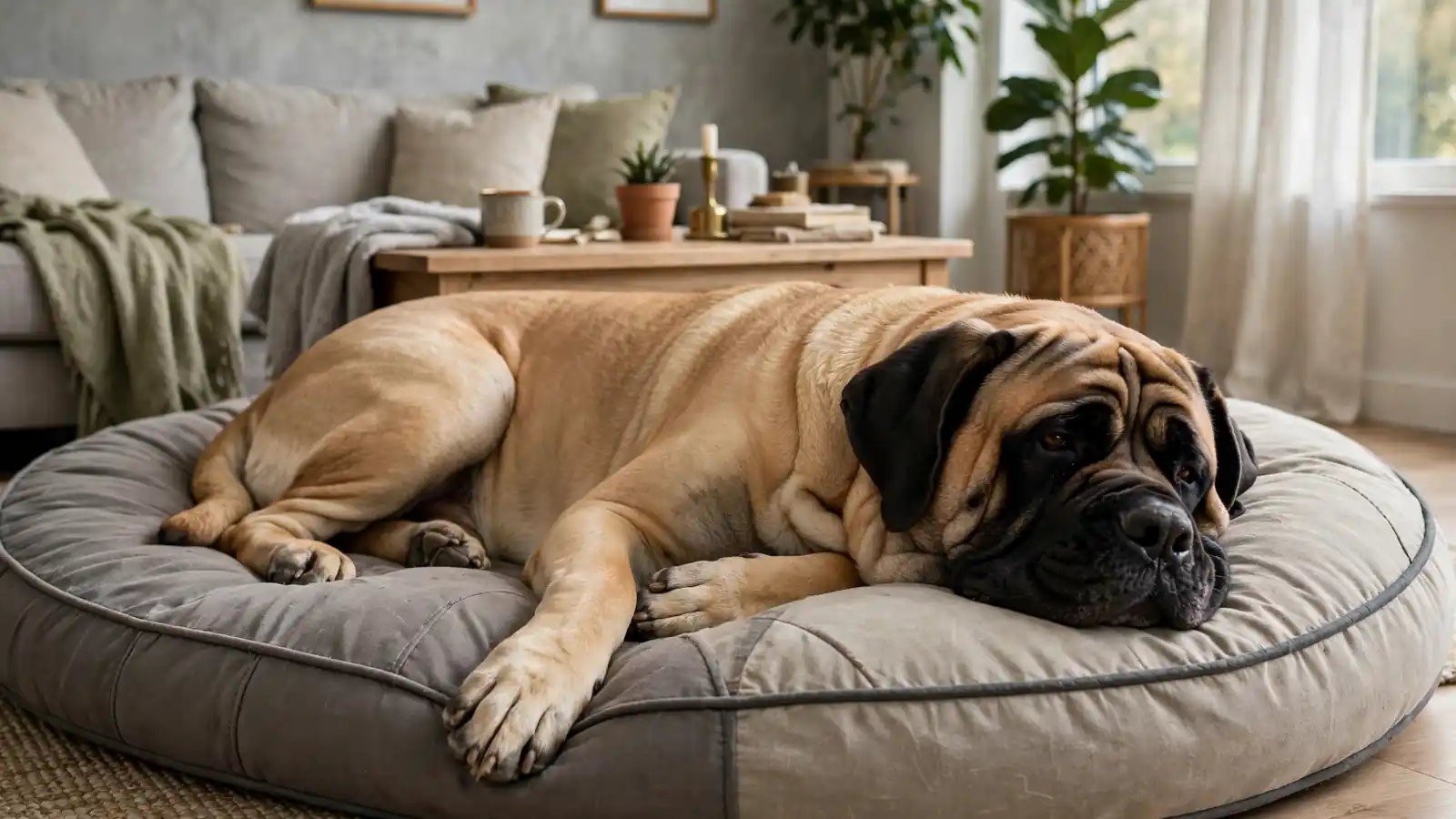
Despite the enormous size, the day-to-day dog is quiet and undemanding: a slow walk, a cool floor, and its people nearby make a complete day.
This is not a dog to choose lightly: everything is scaled up — food, space, vet costs — and the short lifespan is the heartbreak. Go in with open eyes. The Mastiff dog needs committed owners.
At a Glance
Size and Weight
Among the heaviest dogs on earth: males stand 30 to 33 inches and weigh 160 to 230 pounds; females are 27 to 30 inches and 120 to 170 pounds.
Everything must be scaled up: food, space, vet costs. Puppies grow enormously fast, and the growth must be managed carefully.
Coat and Colors
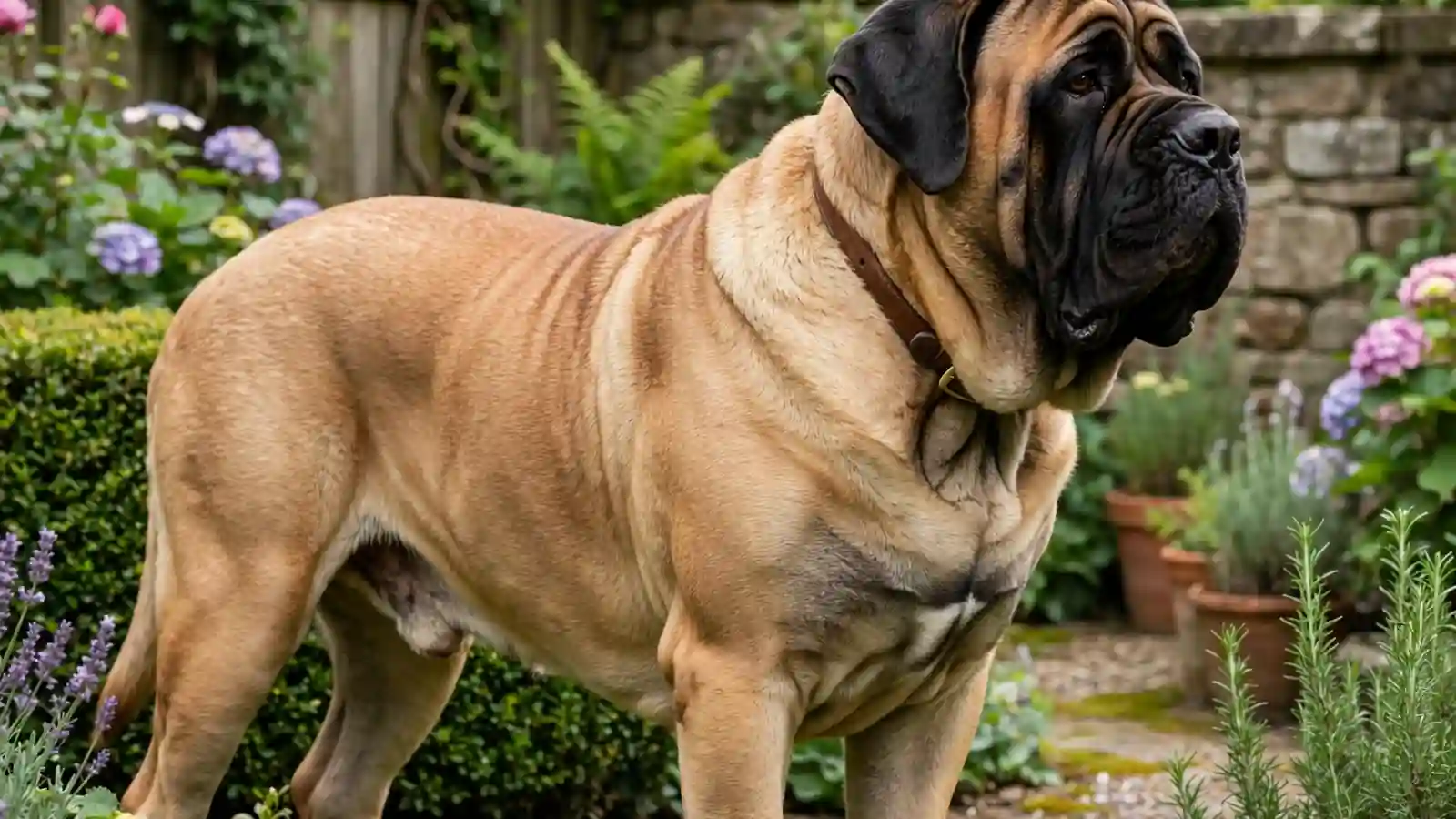
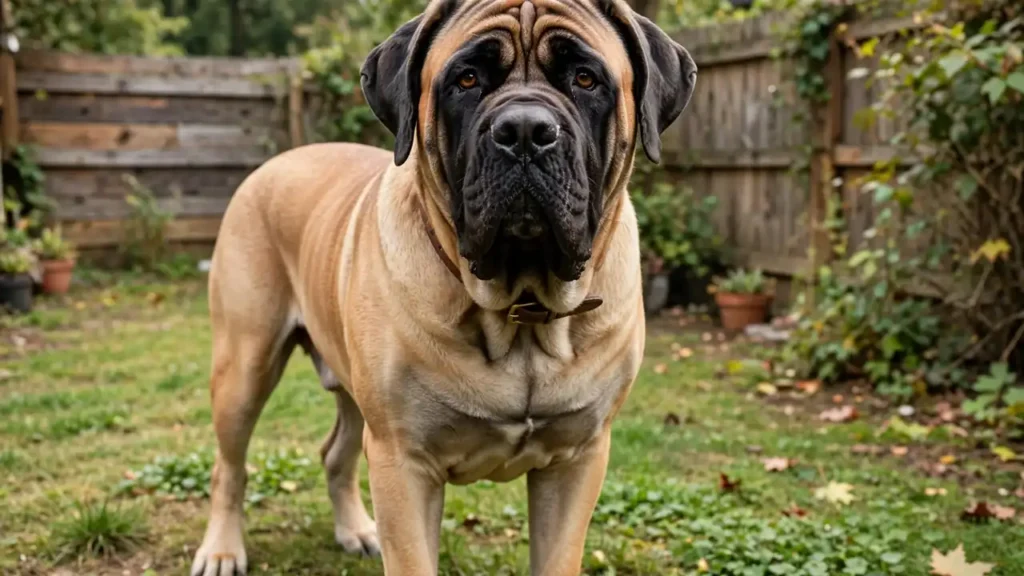
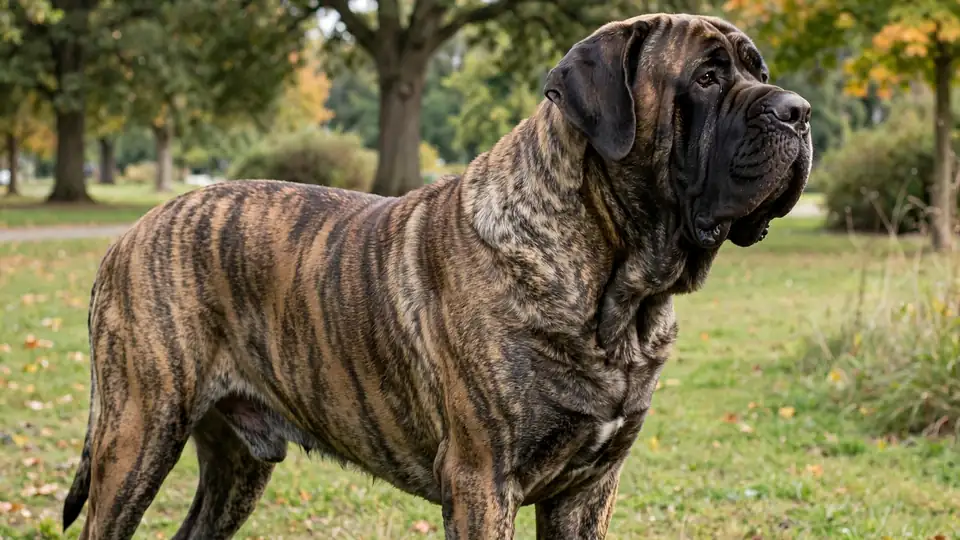
Short, easy, and drooly: a short, dense coat in fawn, apricot, or brindle, always with the black mask. The Mastiff dog has a short, easy coat.
Shedding is moderate. Grooming is easy: weekly brushing. The Mastiff dog sheds moderately.
The drool is legendary. Towels in every room are standard equipment.


History and Origins
Dogs of this type guarded estates and fought in wars for millennia. The Mastiff dog has an ancient history.
English breeders refined them into the gentle giant of today: a calm, dignified guardian rather than an aggressive one.
They have been the quiet protectors of homes for centuries.
An ancient guardian refined in England, with a modern, gentle heart.
Physical Characteristics
Massive but dignified: a huge, powerful body with a deep chest and massive head. The Mastiff dog is massive and dignified.
The expression is gentle and watchful. Despite the size, the movement is surprisingly graceful. Everything about the build speaks of power kept in reserve: a broad back, a deep body, and a head that seems carved rather than grown.
Mastiff Personality and Behavior
A calm mountain of devotion: famously gentle, dignified, and loyal in equal measure. They are calm indoors, deeply devoted to their families, and naturally protective without aggression. They are typically good-natured with everyone they accept. The Mastiff dog is gentle and loyal.
They are not high-energy or demanding. But an untrained 200-pound adolescent is dangerous by accident, so training early is essential. The Mastiff dog needs early training.
They can be wary of strangers and need socialization. Owners consistently describe the breed as gentle, dignified, and loyal — and its calm devotion is why they recommend it to giant-breed lovers.
A calm mountain of devotion is exactly right. The Mastiff dog is gentle, dignified, and loyal in equal measure, calm indoors and deeply devoted to its family, naturally protective without aggression. The ancient guardian refined in England shows in the power kept in reserve: a broad back, a deep body, and a head that seems carved rather than grown.
The size sets the training rule. An untrained 200-pound adolescent is dangerous by accident, so training should start early, before the puppy outweighs you, and wariness of strangers needs socialization. The day-to-day dog that results is quiet and undemanding: a slow walk, a cool floor, and its people nearby make a complete day.
Content to rest quietly at home; a surprisingly easy house dog for the size.
Naturally protective of family, discerning and dignified with strangers.
Quietly attached to their people, happiest simply nearby.
- Gentle, calm, and devoted
- Naturally protective without aggression
- Low exercise needs for the size
- Drool — famously, and everywhere
- A short lifespan of 6 to 10 years
- Everything costs more: food, space, vet care
Care Essentials
Giant dog, gentle needs — here is the daily reality. Training should start early, before the puppy outweighs you. Scale is the theme of ownership: bigger beds, bigger bowls, bigger bills, and a car that fits the dog.
Feeding
Large-breed puppy food to control explosive growth; adults eat a great deal, two to three meals a day.
Grooming
Weekly brushing, occasional baths, nail trims, ear checks, and jowls wiped regularly.
Exercise
30 to 45 minutes of moderate daily activity; protect growing giant joints.
Home
An indoor family home with real space and, ideally, a fenced yard.
A typical day is giant-scaled and gentle. Thirty to forty-five minutes of moderate daily activity cover the need, with growing giant joints protected, and the Mastiff dog’s scale is the theme of ownership: bigger beds, bigger bowls, bigger bills, and a car that fits the dog. The indoor family home that results needs real space and, ideally, a fenced yard.
Nutrition and Diet
Giant appetites, careful growth: puppies need large-breed puppy food to control explosive growth and protect joints.
Adults eat a great deal; budget accordingly. Feed two to three meals a day, and avoid exercise right after eating to reduce bloat risk.
Keep them lean. Extra weight is devastating on giant joints.
A giant puppy grows for the better part of two years, and every month of that growth is built from the bowl — this is not the breed for bargain food or guesswork portions.
Feeding needs careful management at giant scale. Puppies need large-breed puppy food to control explosive growth and protect joints, adults eat a great deal and deserve a budget accordingly, and two to three meals a day with no exercise right after eating reduce bloat risk. A giant puppy grows for the better part of two years, and every month of that growth is built from the bowl.

Grooming
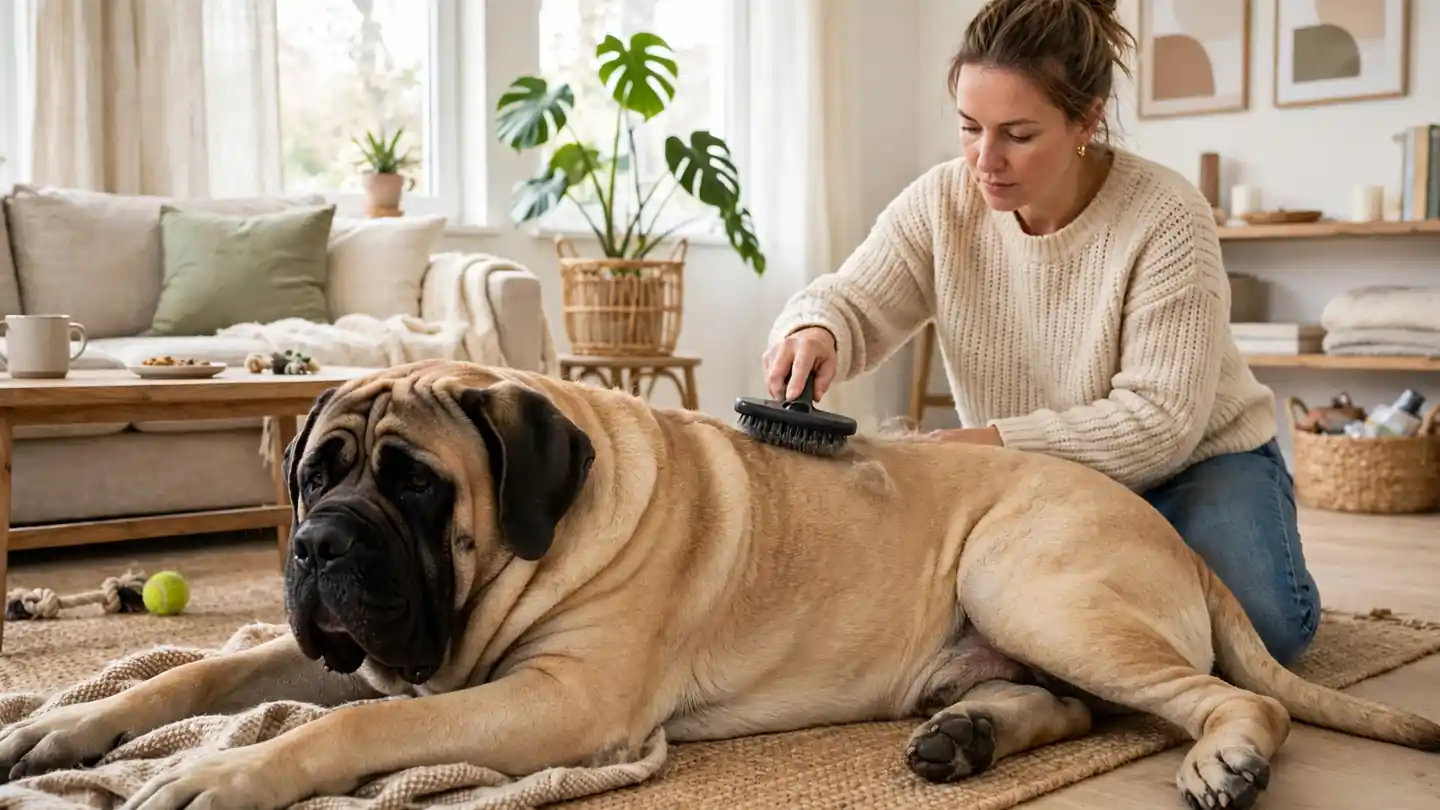
Easy coat, endless drool: weekly brushing, occasional baths, regular nail trims, ear checks, teeth brushing.
Wipe the jowls regularly. A dog of this size takes time to bathe and longer to dry; many owners book a groomer with a tub built for giants.
The coat is easy and the drool is endless. Weekly brushing covers the short, dense coat and its moderate shedding, occasional baths come as needed, and jowls wiped regularly are the real habit. A dog of this size takes time to bathe and longer to dry, so many owners book a groomer with a tub built for giants.
Exercise and Enrichment
Low to moderate energy: aim for 30 to 45 minutes of moderate activity daily.
Walks are social events: expect every passer-by to stop, stare, and ask what on earth it is and what it eats.
Avoid overexercising puppies; growing giant joints need protection until 18 months. Leash training is critical. Mental enrichment through gentle training suits the calm temperament.
Exercise is low to moderate and social. Thirty to forty-five minutes of moderate activity daily cover the need, and walks are social events, with every passer-by stopping, staring, and asking what it is and what it eats. Leash training is critical, and mental enrichment through gentle training suits the calm temperament.
Health
Most live 6 to 10 years — the short lifespan is the heartbreak of the breed. Here are the health issues to know:
The great emergency risk; know the symptoms.
Hip and elbow dysplasia occur; choose screened breeders.
Heart disease appears in the breed.
Bone cancer occurs in some lines.
Eye issues such as entropion and ectropion occur.
Schedule annual wellness exams, or twice-yearly exams for adults, and ask your vet about screening for conditions the breed can be prone to, such as hip dysplasia and heart disease. Consult your veterinarian promptly if you notice restlessness with a swollen belly, or changes in appetite, weight, or energy. Consider gastropexy discussion with your vet for bloat prevention. For general background, see the Wikipedia guide.
Health care follows the familiar rhythm with joint and heart screening in focus. Annual exams, twice-yearly exams for adults, and screening for hip dysplasia and heart disease cover the ground the guide names, and the Mastiff dog’s breeders should screen hips, elbows, heart, eyes, and thyroid and track longevity. Day to day, limping, breathing changes, and changes in appetite, weight, or energy deserve a prompt vet call.
Indoor and Outdoor Living
Indoor giant, outdoor guardian: they live indoors with their families and are calm house dogs.
A fenced yard is ideal. They handle moderate climates; the short coat means cold sensitivity. Do not let the size fool you into thinking of an outdoor dog: this is a dog that bonds hard and wants to sleep within sight of its family.
Indoor living as a giant house dog defines the arrangement. The breed lives indoors with its family as a calm house dog, with a fenced yard ideal and moderate climates handled, though the short coat means cold sensitivity. Do not let the size fool you into thinking of an outdoor dog: this is a dog that bonds hard and wants to sleep within sight of its family.
Family Suitability
Gentle giants with families: patient and gentle with children, though the sheer size means supervision with small kids.
They are naturally protective of their family. They are usually fine with other pets they are raised with. Children who grow up with one describe a patient shadow that follows them from room to room.
With families, gentleness leads and size sets the limit. The breed is patient and gentle with children, though the sheer size means supervision with small kids, and naturally protective of its family, usually fine with other pets raised with it. Children who grow up with one describe a patient shadow following them from room to room, and the Mastiff dog’s calm devotion shows best in committed giant-breed homes.
Homes with spaceGiant-breed loversCalm householdsFamilies wanting a quiet guardian
You are drool-averseBudget is tight — giant dogs cost giant money
Finding a Breeder or Rescue
Longevity and health testing matter: the best breeders screen hips, elbows, heart, eyes, and thyroid, and track longevity.
Rescues have wonderful dogs; the breed’s size and lifespan cause surrenders. Because the years are few, where those years come from matters: a careful breeder is the single biggest gift you can give a puppy of this breed.
- Ask about screening — hips, elbows, heart, eyes, and thyroid
- Ask about longevity in the breeder’s lines
- Ask how puppies are socialized
- Consider a breed rescue
Quick Quiz: Is This Gentle Giant Right for You?
Answer four questions. Tap yes or no.
Frequently Asked Questions
Are Mastiffs good family dogs?
Wonderful for families with space. They are gentle, calm, and devoted.
How much exercise does a Mastiff need?
About 30 to 45 minutes of moderate activity daily.
How big do Mastiffs get?
Males reach 160 to 230 pounds. They are among the heaviest breeds.
Do Mastiffs drool a lot?
Yes, famously. It is part of the breed.
How long do Mastiffs live?
Typically 6 to 10 years.
Are Mastiffs aggressive?
Well-bred Mastiffs are calm guardians, not aggressive. They are discerning and dignified.
What do Mastiff owners say about living with the breed?
Owners consistently describe this breed as gentle, dignified, and loyal. In practice, owners report that the breed’s calm devotion is the main reason they recommend it to giant-breed lovers.
When should I ask my vet about my Mastiff’s health?
Schedule annual wellness exams, or twice-yearly exams for adults, and ask your vet about screening for conditions the breed can be prone to, such as hip dysplasia and heart disease. Consult your veterinarian promptly if you notice restlessness with a swollen belly, or changes in appetite, weight, or energy.
A calm mountain of devotion: gentle, dignified, and loyal, protective without aggression and content with a moderate walk and a place by your side. The costs are giant-sized and the years too few — but for giant-breed lovers, nothing else compares.
Similar Breeds Worth Exploring
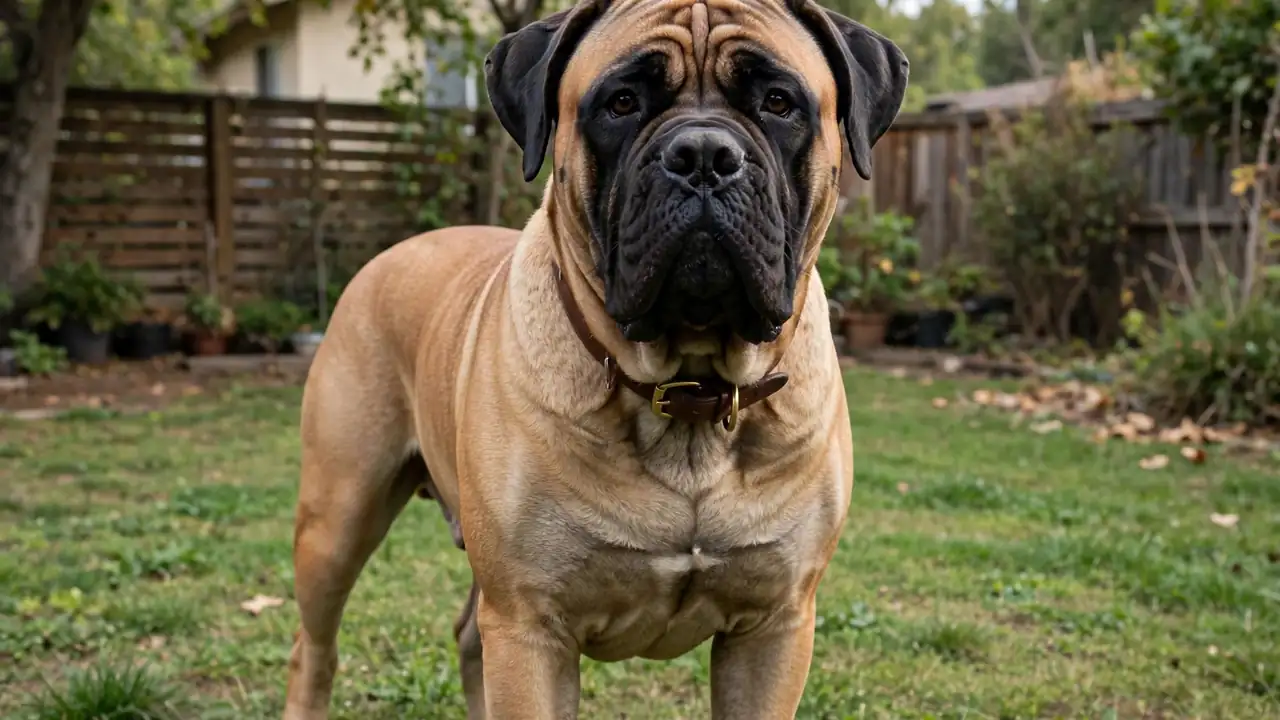
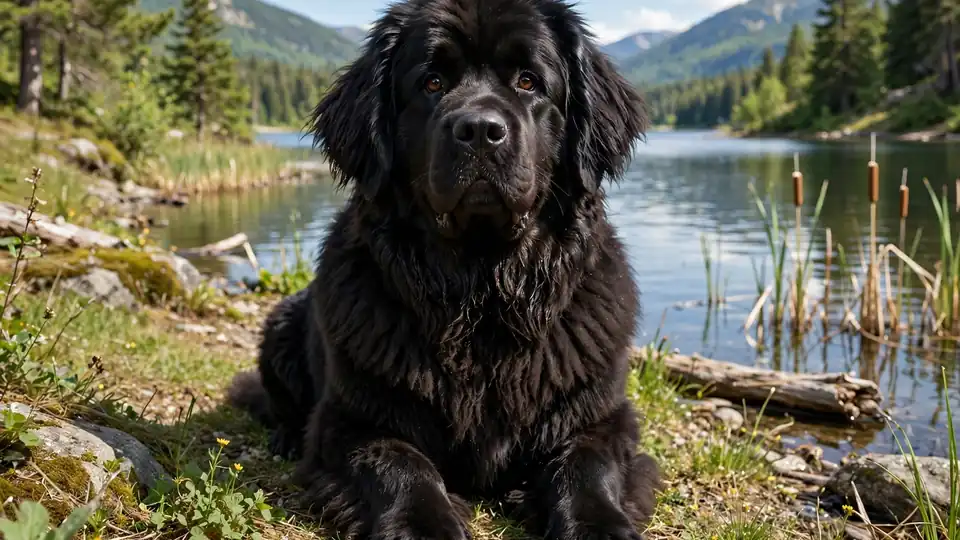
If this breed appeals to you, consider the Bullmastiff (smaller, more active), the Great Dane (taller, more elegant), the Newfoundland (gentler water-loving giant), or the Cane Corso (more driven guardian).

Related Breed Guides
- Bullmastiff Dog Breed Guide
- Great Dane Dog Breed Guide
- Newfoundland Dog Breed Guide
- Cane Corso Dog Breed Guide
Keep Exploring
Browse all our Dog Breed Guides, try the Dog Age Calculator, or explore our Cat Breed Guides. Every guide on this site follows the same layout, so the facts you need are always in the same place.