
Bulldog Dog Breed Guide
Bulldog: the calm, wrinkly companion
The calm, wrinkly companion famous for its distinctive face and gentle nature. Care, health, and family fit in one complete guide.
By Emily Carter · Reviewed by our vet team · Updated 22 October 2026 · 9 min read
Lifespan 8–10 yrsWeight 40–55 lbCalm & friendly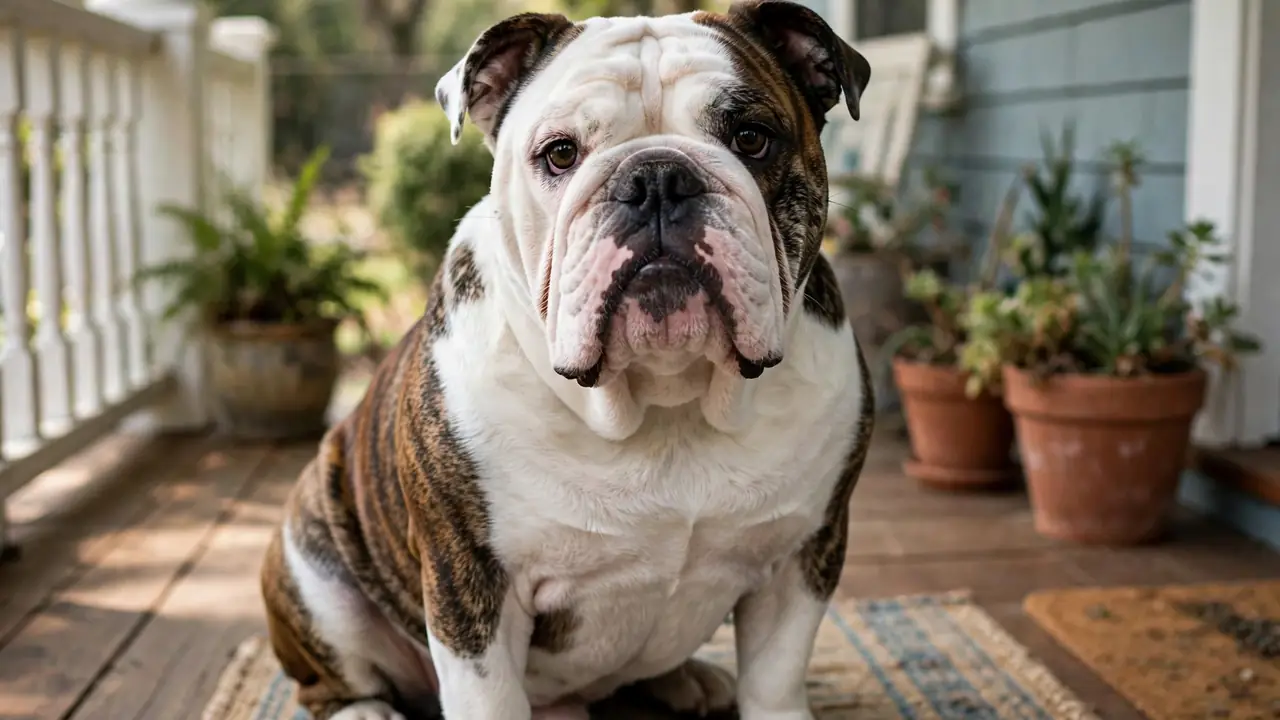
Bulldog dog is the calm, wrinkly companion famous for its distinctive face and gentle nature. Here is what matters before you commit.
At a Glance
Size and Weight
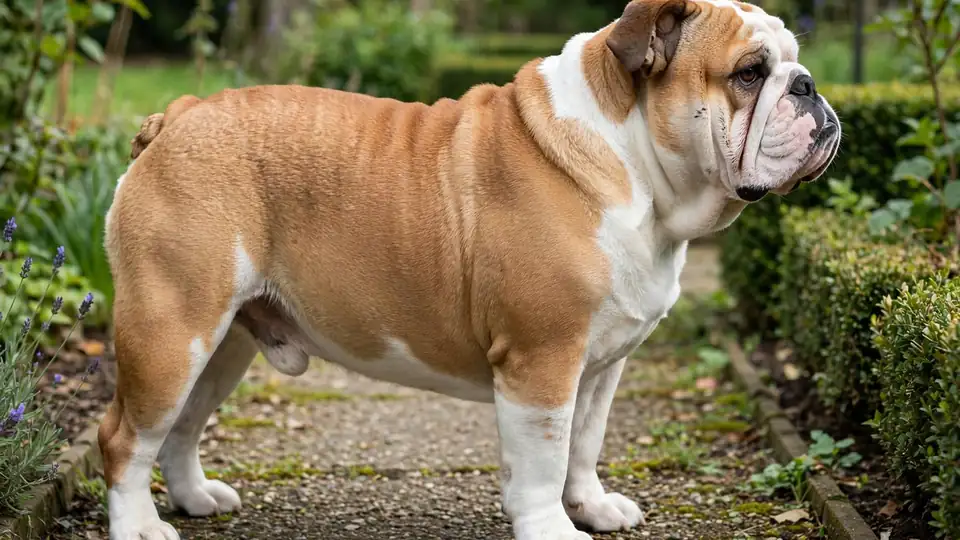
Short, wide, and solid. Here are the numbers. The Bulldog dog is short, wide, and solidly built.
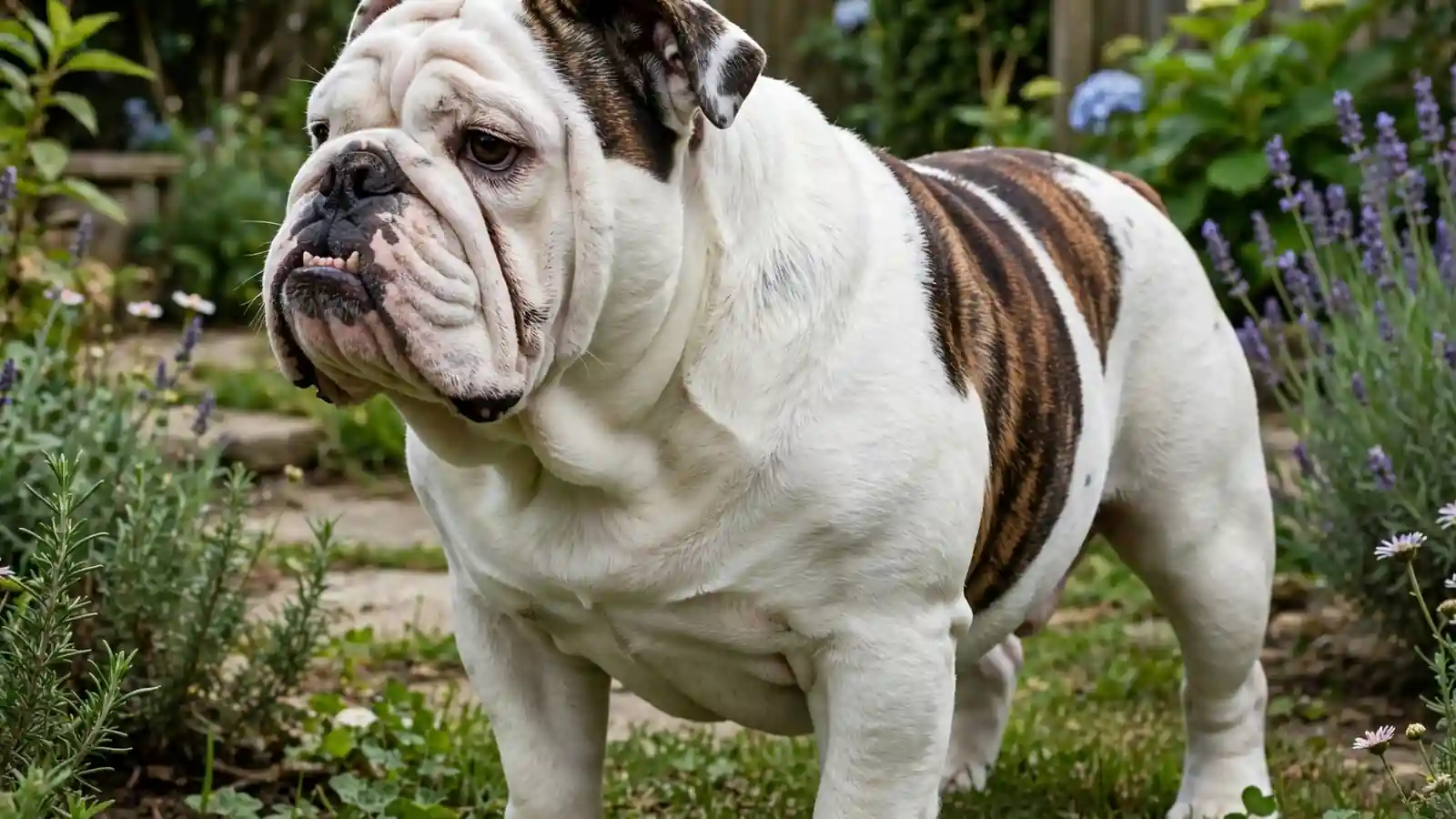
Males weigh 50 to 55 pounds; females 40 to 50 pounds, standing 14 to 16 inches tall. The build is unmistakable: massive head, wide shoulders, and a rolling gait. The Bulldog dog carries its weight low and wide.
They are heavier than they look and harder to lift than you would guess. Plan for ramps rather than carrying.
Coat and Colors
Short and smooth, with famous wrinkles. Here is what to expect.
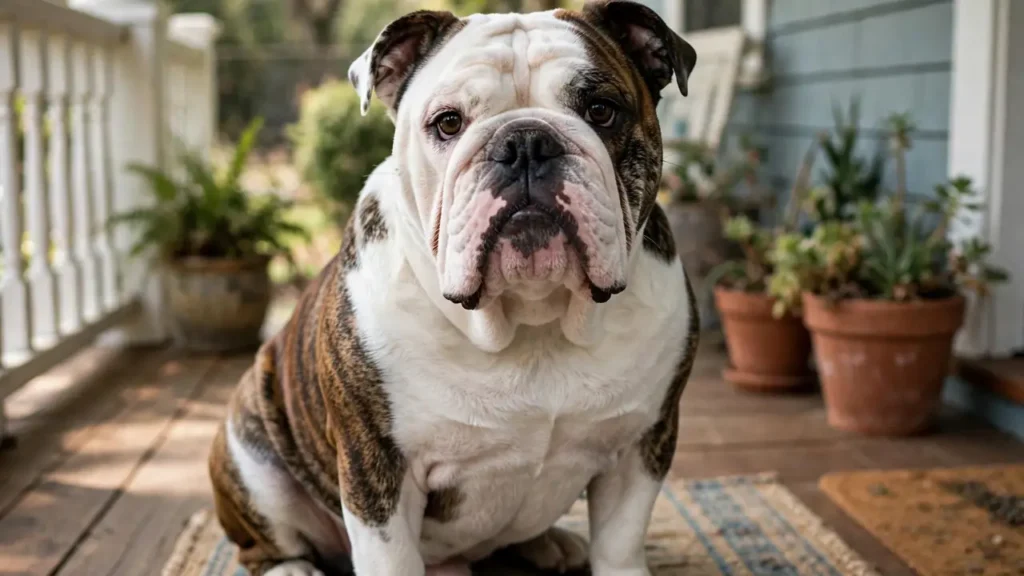
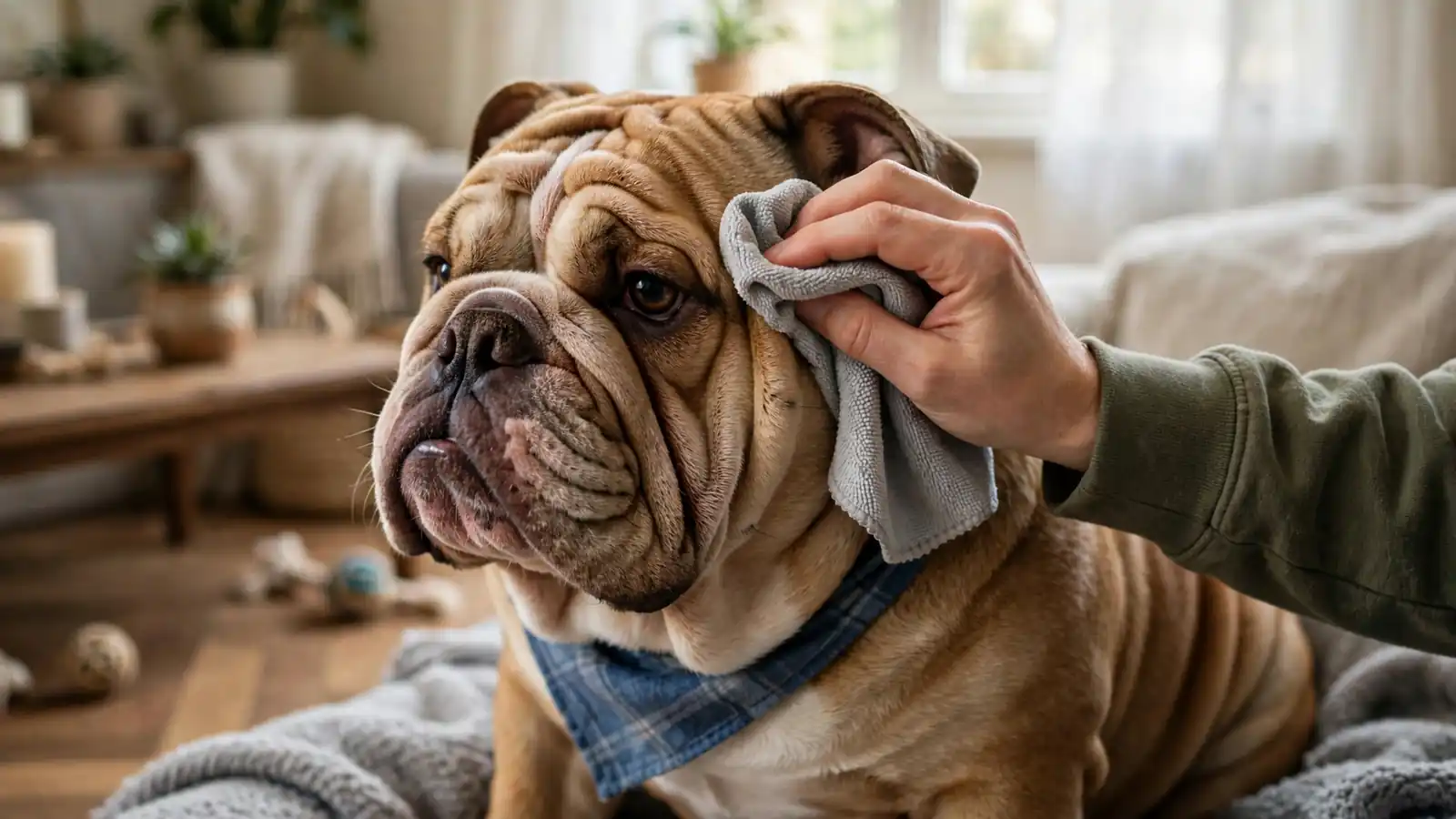
A short, flat coat in red, white, fawn, brindle, or piebald patterns. Shedding is moderate year-round. The wrinkles are the grooming focus: they must be cleaned and dried regularly to prevent infections. The Bulldog dog wears a short, flat coat in red, white, fawn, brindle, or piebald.


History and Origins
The original dogs were fierce bull-baiting dogs in England.
When the sport was outlawed in 1835, the breed faced extinction until fanciers reshaped it into a gentle companion, breeding out aggression while keeping the distinctive look.
The result is one of the most recognizable and good-natured breeds in the world.
From bull-baiting to beloved companion. The transformation is remarkable. The Bulldog dog changed from bull-baiting dog to beloved companion.
The original dogs were fierce bull-baiting dogs in England. When the sport was outlawed in 1835, the breed faced extinction until fanciers reshaped it into a gentle companion, keeping the distinctive look while breeding out aggression.
The result is one of the most recognizable and good-natured breeds in the world.
Physical Characteristics
No other breed looks like this. Here is the structure.
Massive, broad head with a short muzzle, pronounced underbite, and deep wrinkles. Wide, muscular body set low on sturdy legs. The tail is short, either straight or screwed.
The flat face (brachycephaly) defines both the look and the health challenges. Everything about the breed is extreme, which is the point and the problem.
Bulldog Personality and Behavior
A calm clown with a brave heart. Here is the honest picture.
They are famously gentle, patient, and affectionate with their families. They are dignified rather than bouncy, funny rather than frantic. They bond deeply and want to be near their people, preferably on the couch. The Bulldog dog is famously gentle, patient, and affectionate with its family.
They are stubborn in a good-natured way and not particularly eager to obey for obedience’s sake. They are courageous despite the couch-potato reputation and make surprisingly good watchdogs.
Owners consistently describe the breed as calm, friendly, and dignified. In practice, owners report that the breed’s gentle character is the main reason they recommend it to calm households.
A calm clown with a brave heart is exactly right. The breed is famously gentle, patient, and affectionate with its family, dignified rather than bouncy, funny rather than frantic. Bonding deeply and wanting to be near its people, preferably on the couch, the dog is courageous despite the couch-potato reputation and makes a surprisingly good watchdog.
The stubbornness is good-natured and needs patient handling. The breed is stubborn in a good-natured way and not particularly eager to obey for obedience’s sake, so training works best with patience and food motivation. The calm, friendly, dignified character shows best in calm households that enjoy companionship without chaos.
Gentle, patient, and affectionate: dignified rather than bouncy, funny rather than frantic.
Courageous despite the couch-potato reputation, and a surprisingly good watchdog.
Not particularly eager to obey for obedience’s sake; they bond deeply and want to be near their people, preferably on the couch.
- Wonderful and patient with children
- Low exercise needs; an ideal apartment dog
- Relatively quiet, aside from the snoring
- Extensive health needs and vet costs
- Dangerously heat-intolerant
- Snores, drools and passes gas
Care Essentials
Two measured meals a day, kept strict, with a target weight set by your vet. Many dogs do well on limited-ingredient diets for skin and digestion. Every extra pound worsens breathing and joint stress; a lean dog breathes and moves far better than a heavy one.
Clean facial wrinkles daily or every other day with a damp cloth, then dry thoroughly; skin infections in neglected wrinkles are painful and expensive. Brush weekly for shedding, clean ears, trim nails, and brush teeth regularly. This routine is non-negotiable.
20 to 30 minutes of gentle walking daily, split into short sessions, in cool hours only. Avoid heat, humidity and strenuous exercise entirely, and never leave one near water unsupervised: most cannot swim safely. Gentle training and food puzzles provide mental enrichment.
Indoors in climate-controlled comfort, full stop. Air conditioning is essential in warm climates; never leave one outside unsupervised.
Low energy but high maintenance in other ways. Here is the daily reality.
They need only modest exercise: short daily walks suffice. They are extremely heat-sensitive due to the flat face and can overheat dangerously; air conditioning is essential in warm climates, and exercise happens in cool hours only. The Bulldog dog needs only modest exercise and close attention in heat.
They snore, drool, and pass gas. This is the package. If you need a quiet, odorless dog, keep looking.
A typical day runs on low energy with high maintenance elsewhere. Short daily walks suffice for exercise, with air conditioning essential in warm climates and exercise in cool hours only, since the flat face makes the dog extremely heat-sensitive. The snoring, drooling, and gas are the package, and owners who embrace them love the breed most.
Nutrition and Diet
Easy keepers with sensitive systems. Here is the plan.
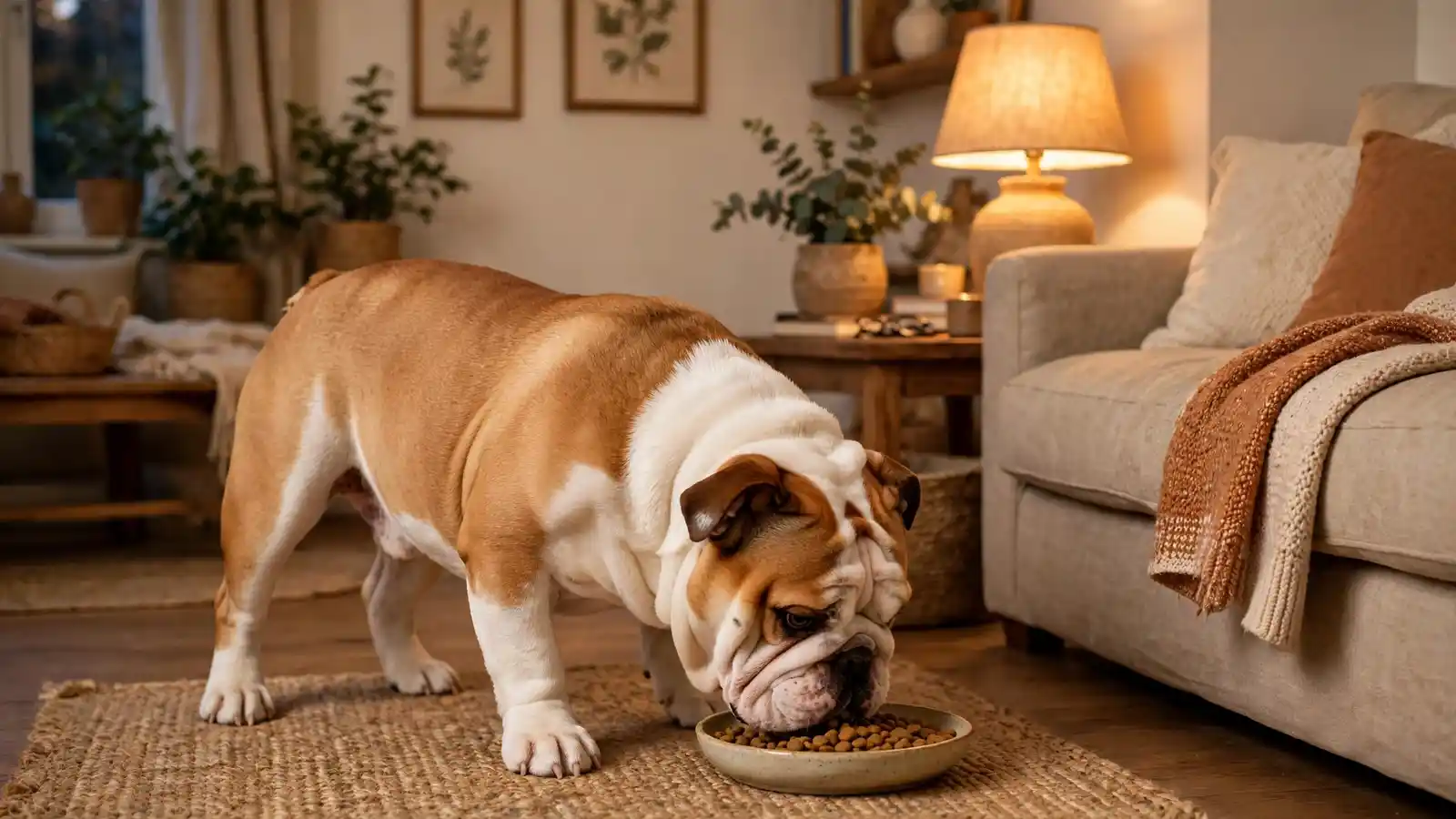
Feed a measured, high-quality diet; They gain weight easily and every extra pound worsens breathing and joint stress. Two meals a day. Many do well on limited-ingredient diets for skin and digestion. The Bulldog dog gains weight easily, so meals must stay measured.
Ask your vet for a target weight and be strict. A lean dog breathes and moves far better than a heavy one.
Feeding suits an easy keeper with a sensitive system. A measured, high-quality diet in two meals keeps the dog lean, since weight gain worsens breathing and joint stress, and many do well on limited-ingredient diets for skin and digestion. Asking the vet for a target weight and being strict pays off, since a lean dog breathes and moves far better than a heavy one.
Grooming
Wrinkles are the job. Here is the routine.
Clean facial wrinkles daily or every other day with a damp cloth, then dry thoroughly. Brush weekly for shedding. Clean ears, trim nails, brush teeth regularly. The Bulldog dog needs daily or every-other-day wrinkle cleaning.
Skin infections in neglected wrinkles are painful and expensive. This routine is non-negotiable.
Grooming is wrinkles as the job. Cleaning facial wrinkles daily or every other day with a damp cloth, then drying thoroughly, prevents the painful, expensive skin infections of neglected wrinkles, with weekly brushing covering the moderate shedding. The same session covers ears, nails, and teeth, and the routine is non-negotiable.
Exercise and Enrichment
Low energy by design. Here is the right amount.
Aim for 20 to 30 minutes of gentle walking daily, split into short sessions. Avoid heat, humidity, and strenuous exercise entirely; They can collapse from overheating. Swimming is dangerous for most due to the heavy front end. The Bulldog dog needs 20 to 30 minutes of gentle walking daily, split into short sessions.
Mental enrichment through gentle training and food puzzles suits the temperament.
Exercise is low energy by design. Twenty to thirty minutes of gentle walking daily, split into short sessions, cover the need, with heat, humidity, and strenuous exercise avoided entirely, since the dog can collapse from overheating. Swimming is dangerous for most due to the heavy front end, and mental enrichment through gentle training and food puzzles suits the temperament.
Health
They live 8 to 10 years, and health needs are extensive. Here is the honest picture.
Brachycephalic airway syndrome affects breathing; many need surgical correction. Hip and elbow dysplasia, skin infections, cherry eye, and allergies are common. They are heat-intolerant to a dangerous degree. Reproduction usually requires veterinary assistance, which is why puppies are expensive. The Bulldog dog often needs help breathing comfortably, so airway health comes first.
This is the breed where vet budgets matter most. Schedule twice-yearly exams, and ask your vet about screening for conditions the breed can be prone to, such as hip dysplasia and airway issues. Consult your veterinarian promptly if you notice labored breathing, overheating, or skin problems. For general background, see the Bulldog article on Wikipedia.
Health care follows the familiar rhythm with airway vigilance in focus. Twice-yearly exams and screening for hip dysplasia and airway issues cover the ground the guide names, and breeders who health-test hips, elbows, heart, trachea, and eyes and breed for better breathing are worth seeking out. Day to day, noisy breathing, coughing, and changes in appetite, weight, or energy deserve a prompt vet call, and vet budgets matter most in this breed.
The flat face affects breathing; many dogs need surgical correction, and reproduction usually requires veterinary assistance, which is why puppies are expensive. This is the breed where vet budgets matter most, so plan for twice-yearly exams.
Hip and elbow dysplasia, skin infections, cherry eye, and allergies are all common.
Dangerous to a degree few breeds match. Know the signs of overheating and act fast.
Indoor and Outdoor Living
Indoor dog, full stop. Here is why. The Bulldog dog is an indoor dog in climate-controlled comfort.
They must live indoors in climate-controlled comfort. They cannot tolerate heat, struggle in humidity, and should never be left outside unsupervised. Short, supervised yard time in mild weather is plenty.
They are ideal apartment dogs in terms of energy and size, if you can handle the snoring.
Indoor living as a climate-controlled companion defines the arrangement. The breed must live indoors in climate-controlled comfort, unable to tolerate heat and struggling in humidity, never left outside unsupervised. Short, supervised yard time in mild weather is plenty, and the breed is an ideal apartment dog in energy and size, if you can handle the snoring.

Family Suitability
Wonderful with kids, tolerant of everyone. Here is the picture. The Bulldog dog is wonderful with children and tolerant of everyone.
They are famously patient with children and sturdy enough for family life. They are generally friendly with other dogs and with cats. Their calm nature suits households that want companionship without chaos.
The cautions are health costs, heat sensitivity, and the general messiness.
With families, patience leads and health costs set the limit. The breed is famously patient with children and sturdy enough for family life, generally friendly with other dogs and with cats, suiting households that want companionship without chaos. The cautions are health costs, heat sensitivity, and general messiness, and families that accept all three usually love the gentle companion most.
Finding a Breeder or Rescue
The most important breeder decision you will make. Here is how.
Exceptional breeders health-test extensively (hips, elbows, heart, trachea, eyes), breed for better breathing, and are transparent about health. Expect high prices; cheap puppies come from suffering. Rescues are full of wonderful dogs needing homes.
- Ask what health testing the breeder does on their dogs
- Ask to see the parents and the living conditions
- Puppies should be raised in a home environment
- A good breeder answers questions openly and asks you some too
Quick Quiz: Is a Bulldog Right for You?
Answer four questions. Tap yes or no.
Frequently Asked Questions
Are Bulldogs good family dogs?
Wonderful. They are patient, gentle, and affectionate with children.
How much exercise does a Bulldog need?
Only 20 to 30 minutes of gentle walking daily. They are a low-energy breed.
Do Bulldogs have a lot of health problems?
Honestly, yes. Breathing, skin, joints, and heat tolerance all need management. Budget for vet care.
Do Bulldogs bark a lot?
No. They are relatively quiet, though the snoring compensates.
How long do Bulldogs live?
Typically 8 to 10 years.
Can Bulldogs swim?
Most cannot swim safely due to the heavy build and short muzzle. Never leave one near water unsupervised.
What do Bulldog owners say about living with the breed?
Owners consistently describe the breed as calm, friendly, and dignified. In practice, owners report that the breed’s gentle character is the main reason they recommend it to calm households.
When should I ask my vet about my Bulldog’s health?
Schedule twice-yearly exams, and ask your vet about screening for conditions the breed can be prone to, such as hip dysplasia and airway issues. Consult your veterinarian promptly if you notice labored breathing, overheating, or skin problems.
A calm, dignified clown with a brave heart and an unmistakable face. It asks little in exercise and much in care: bring air conditioning, wrinkle wipes and a real vet budget, and it brings devotion in return. Patient with children, tolerant of everyone, and happiest on the couch beside its people, it suits households that want companionship without chaos. Go in with open eyes about breathing, skin and heat, and choose the most health-focused breeder you can find.
Similar Breeds Worth Exploring
Related Breed Guides
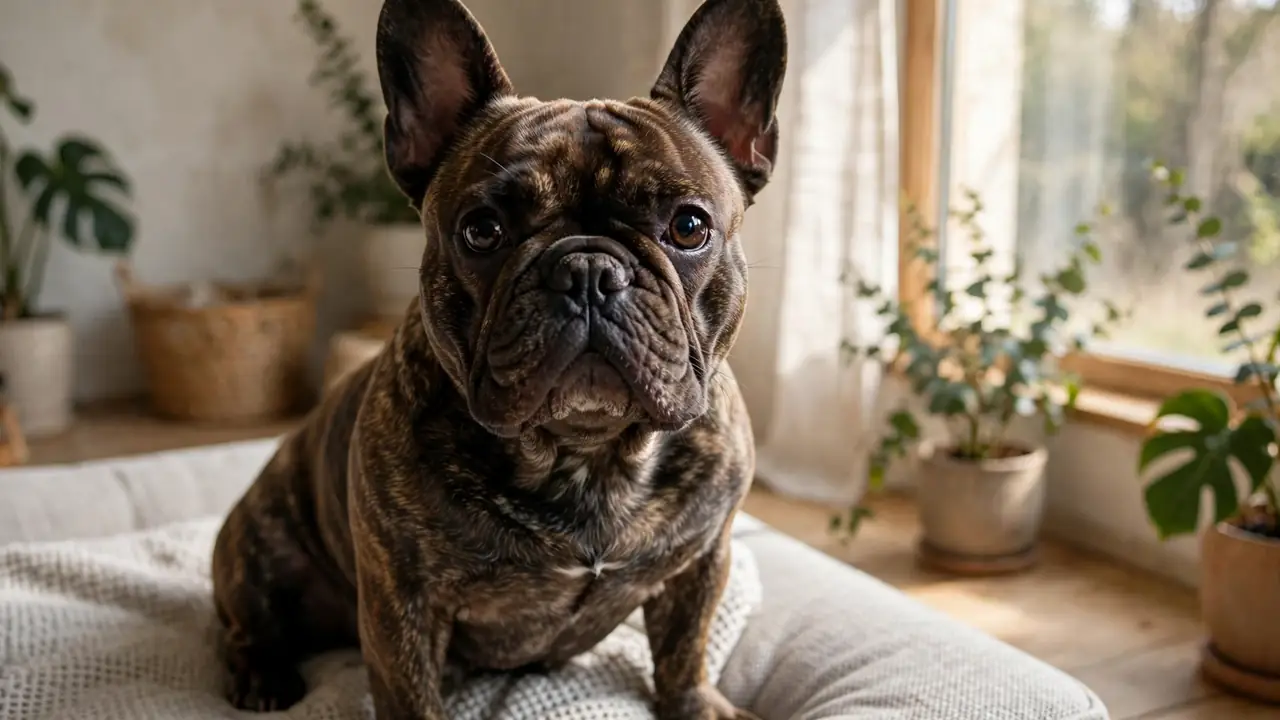
- French Bulldog Dog Breed Guide
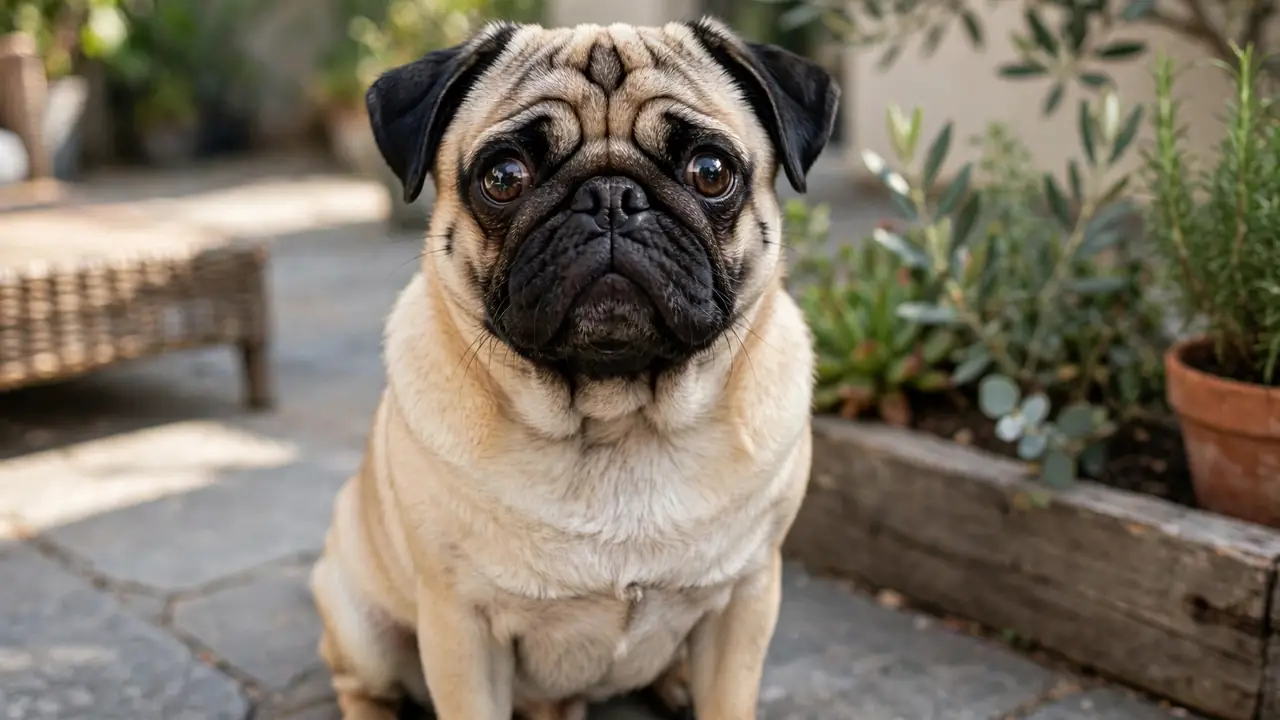
- Pug Dog Breed Guide
- Boxer Dog Breed Guide
- Cavalier King Charles Spaniel Dog Breed Guide
Keep Exploring
Browse all our Dog Breed Guides, try the Dog Age Calculator, or explore our Cat Breed Guides.