
Boxer Dog Breed Guide
Boxer: the clown of the working breeds
The clown of the working breeds: athletic, exuberant, and devoted. Personality, training, care, and health in one complete guide.
By Emily Carter · Reviewed by our vet team · Updated 22 October 2026 · 9 min read
Lifespan 10–12 yrsWeight 50–80 lbPlayful & loyal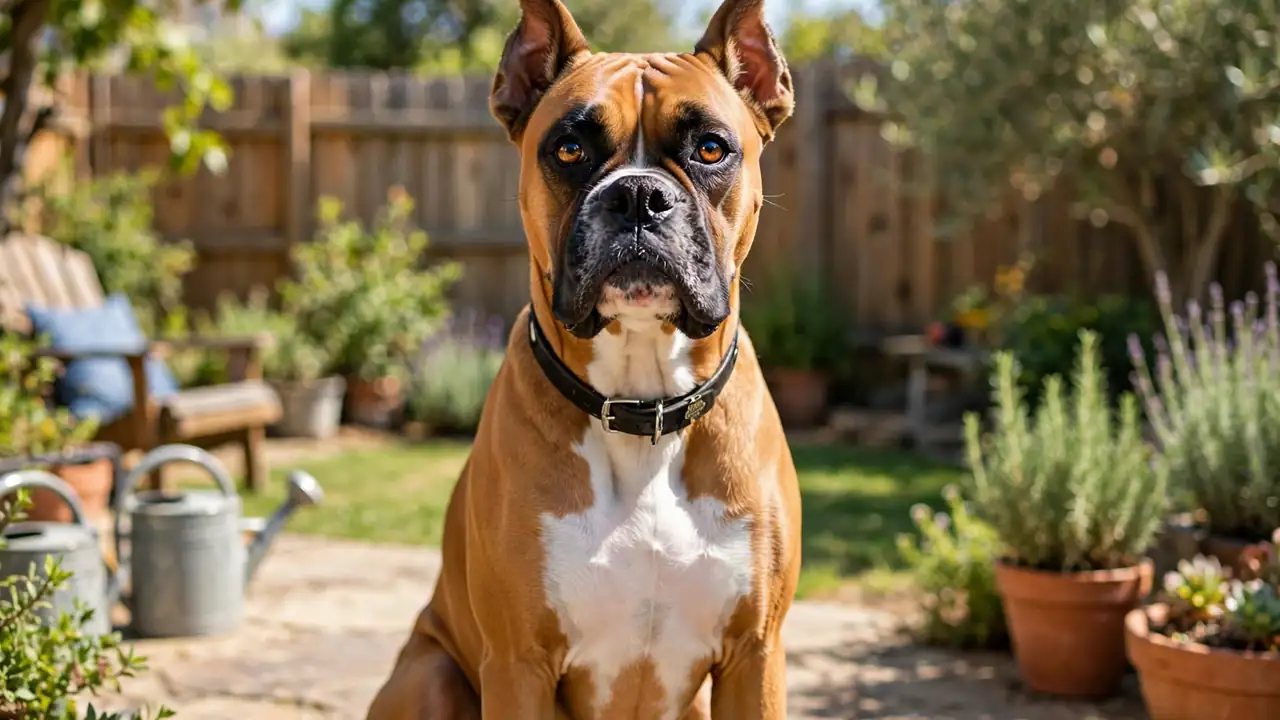
Boxer dog is the clown of the working breeds: athletic, exuberant, and devoted to its people. Here is what matters before you bring one home.
At a Glance
Size and Weight
Medium-large and all muscle. Here are the numbers. The Boxer dog is medium-large and all muscle.
Males stand 23 to 25 inches and weigh 65 to 80 pounds; females are 21 to 23 inches and 50 to 65 pounds. The build is square and athletic, with a deep chest and powerful legs.
They stay puppyish in body and spirit for two to three years. The adolescent phase is long and bouncy. The Boxer dog stays puppyish in body and spirit for two to three years.
Coat and Colors
Short, sleek, and easy. Here is what to expect.
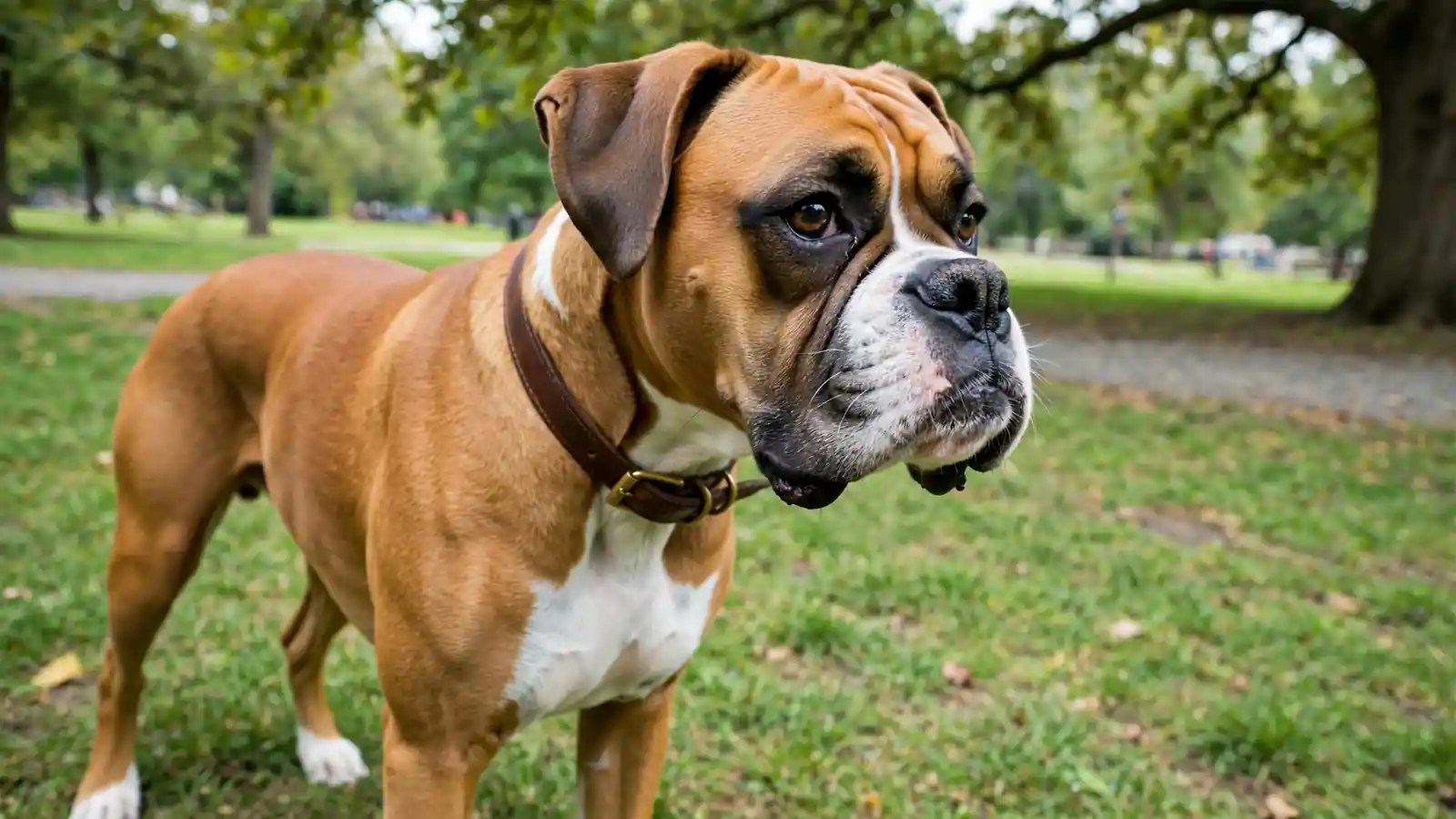
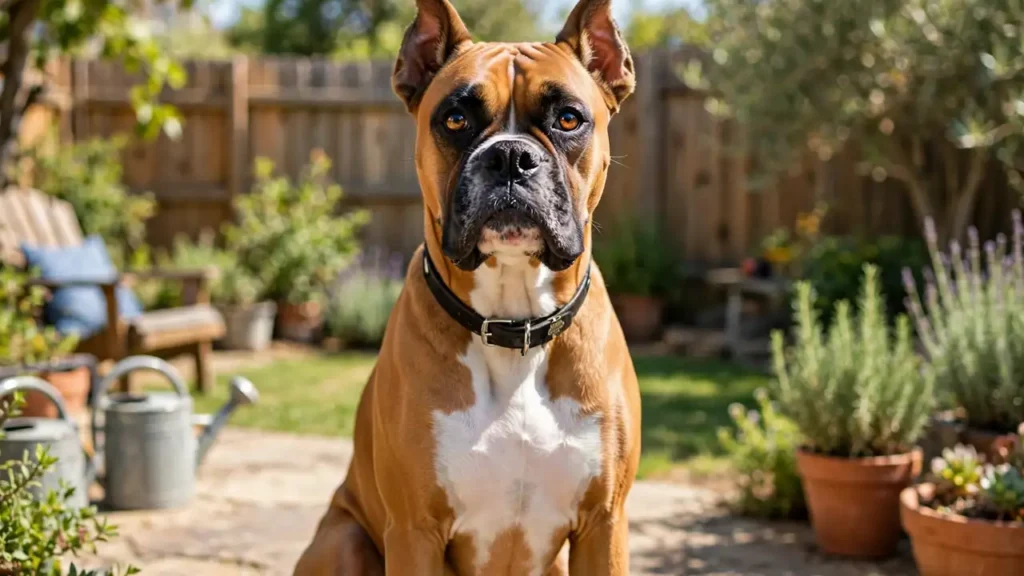
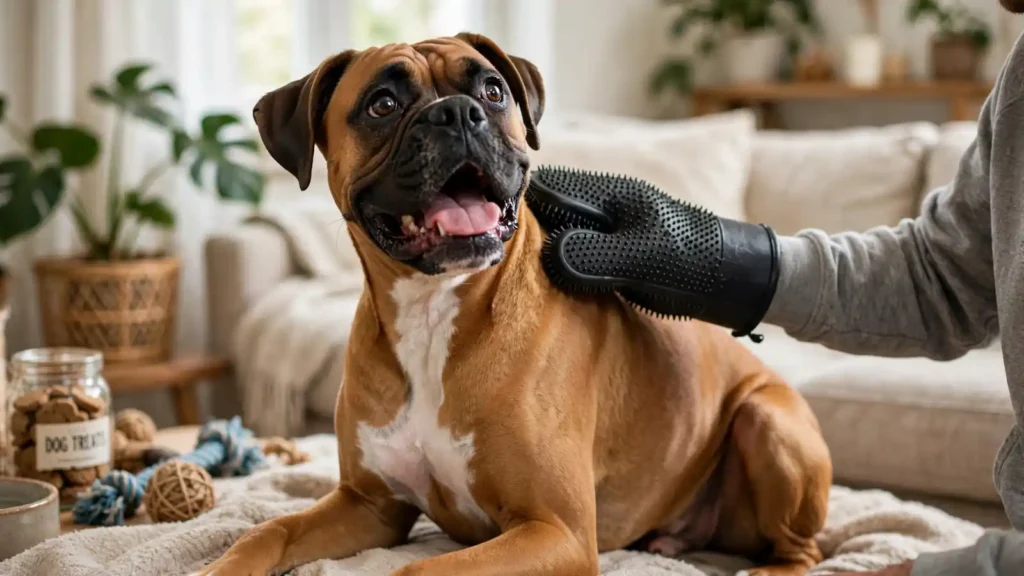
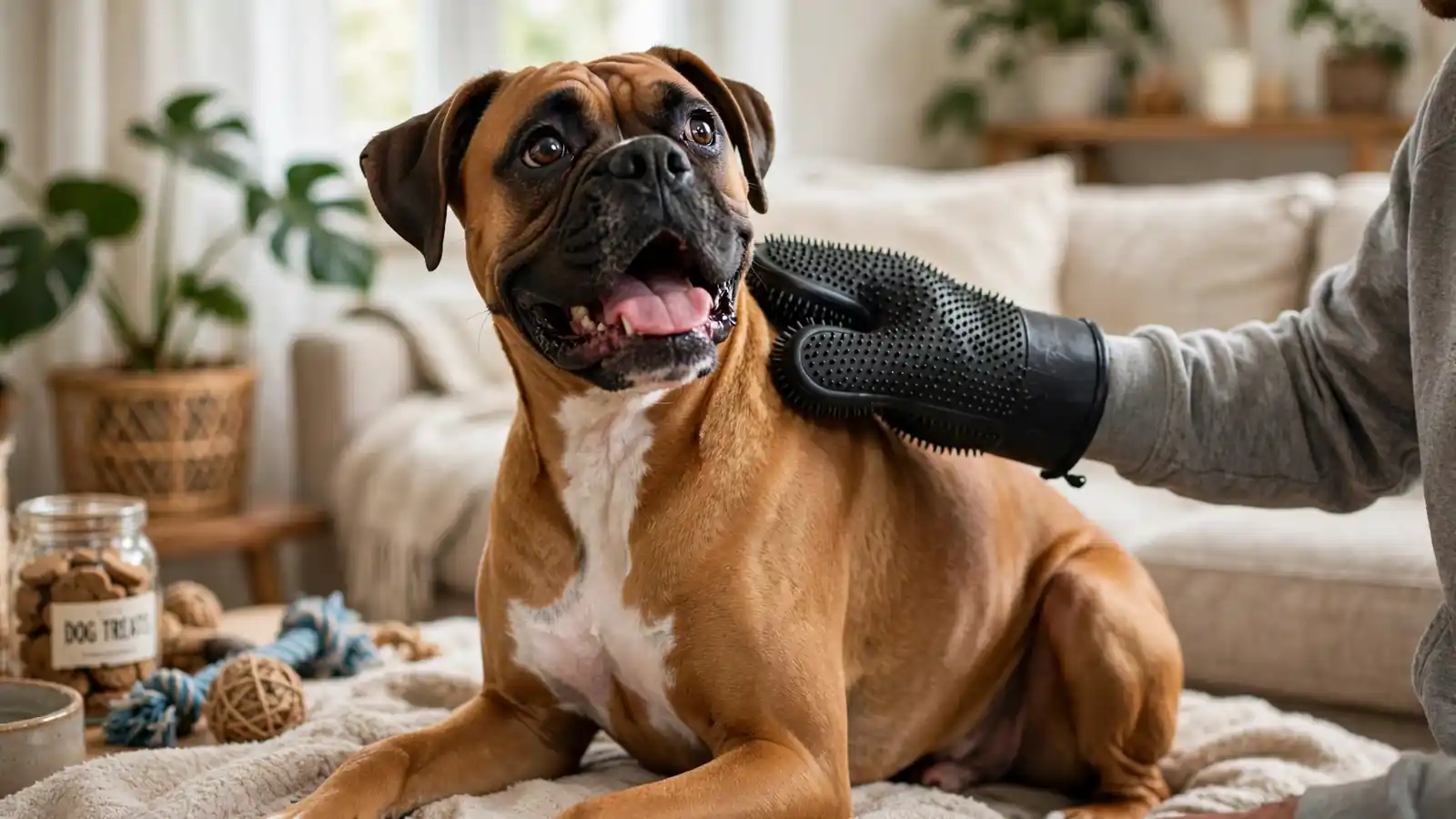
A short, tight coat in fawn or brindle, often with white markings. Shedding is moderate and grooming is minimal: weekly brushing with a hound mitt. The Boxer dog wears a short, tight coat in fawn or brindle, often with white markings.
The short coat means they feel the cold and need a jacket in winter. They are not outdoor-in-winter dogs.

History and Origins
The breed descends from the Bullenbeisser, a German hunting dog used for boar and bear.
When bull-baiting was outlawed, breeders refined the breed into an all-purpose farm and guard dog. The name may come from the habit of “boxing” with its front paws in play.
They became popular family dogs in America after World War II, when returning soldiers brought them home.
A German working breed with bull-baiting ancestors. Here is the story. The Boxer dog is a German working breed with bull-baiting ancestors.
The breed descends from the Bullenbeisser, a German hunting dog used for boar and bear. When bull-baiting was outlawed, breeders refined the breed into an all-purpose farm and guard dog. The name may come from the breed’s habit of “boxing” with its front paws in play.
They became popular family dogs in America after World War II, when returning soldiers brought them home.
Physical Characteristics
An athlete with a comedian’s face. Here is the structure.
Square, muscular body with a deep chest and strong, straight legs. The head is distinctive: broad skull, short muzzle, and an undershot jaw. The expression is alert and mischievous.
Docked tails and cropped ears are traditional but increasingly left natural. The natural look suits the breed’s friendly character.
Boxer Personality and Behavior
A perpetual puppy in a powerful body. Here is the honest picture.
They are famously playful, exuberant, and affectionate with their families. They are patient and protective with children, earning a reputation as excellent family dogs. The clownishness is real: They wiggle their whole bodies when happy, “kidney bean” dancing around their people. The Boxer dog is famously playful, exuberant, and affectionate with its family.
They are also strong-willed and need consistent training; an untrained 75-pound dog is a menace. They can be wary of strangers, making them good watchdogs. They mature slowly, so expect an extended goofy adolescence.
Owners consistently describe the breed as playful, loyal, and bright. In practice, owners report that the breed’s joyful devotion is the main reason they recommend it to active families.
A perpetual puppy in a powerful body is exactly right. The breed is famously playful, exuberant, and affectionate with its family, patient and protective with children, earning a reputation as excellent family dogs. The clownishness is real: whole-body wiggling at greetings is the breed’s signature, and the goofy adolescence lasts two to three years.
The strength and wariness set the training conditions. Strong-willed dogs need consistent training, since an untrained 75-pound dog is a menace, and wariness of strangers makes the breed a good watchdog. Maturing slowly means the extended goofy adolescence needs patience, and the breed respects confident, positive leadership.
Playful, exuberant, and affectionate, staying puppyish in body and spirit for two to three years.
They wiggle their whole bodies when happy, “kidney bean” dancing around their people.
They need consistent training; an untrained 75-pound dog is a menace. They can be wary of strangers, making them good watchdogs.
- Patient and protective with children
- Endlessly playful and devoted
- An easy wash-and-wear coat
- Cancer is the leading cause of death
- Heat-sensitive; exercise in cool hours only
- Exuberance can knock over small kids
Care Essentials
Two meals a day of a high-quality diet that agrees with your dog. Keep them lean and muscular, not heavy; extra weight stresses the heart and joints.
Weekly brushing, occasional baths, regular nail trims and teeth brushing. One of the easiest coats of any breed.
60 minutes or more of vigorous exercise daily: running, fetch, agility, play. A tired dog is a delightful dog.
An indoor family dog that wants to be with its people constantly, in climate-controlled comfort; heat and cold both bite.
Energy, training, and closeness. Here is the daily reality.
They need 60 minutes or more of vigorous exercise daily plus training. They are indoor family dogs who want to be with their people constantly; isolation causes destructive behavior. They are heat-sensitive due to the short muzzle, so exercise in cool hours and never leave one in a hot car. The Boxer dog needs 60 minutes or more of vigorous exercise daily plus training.
Training should start early and stay consistent. This breed respects confident, positive leadership.
A typical day runs on energy, training, and closeness. Sixty minutes or more of vigorous exercise daily plus training cover the need, and the indoor family dog that results wants to be with its people constantly, since isolation causes destructive behavior. Heat sensitivity from the short muzzle means exercise timing needs care.
Nutrition and Diet
Big appetite, sensitive stomachs. Here is the plan.
Feed a high-quality diet in two meals a day. They can have sensitive digestion, so find a food that agrees with your dog and stick with it. As a deep-chested breed, avoid exercise right after meals to reduce bloat risk. The Boxer dog needs a high-quality diet in two meals a day, chosen for sensitive digestion.
Keep them lean and muscular, not heavy. Extra weight stresses the heart and joints.
Feeding suits a big appetite with a sensitive stomach. A high-quality diet in two meals keeps the dog lean and muscular, not heavy, since extra weight stresses the heart and joints, and finding a food that agrees and sticking with it suits the sensitive digestion. As a deep-chested breed, exercise right after meals is avoided to reduce bloat risk.

Grooming
One of the easiest coats. Here is the routine.
Weekly brushing, occasional baths, regular nail trims, and teeth brushing. Check facial wrinkles lightly; This breed has fewer than Bulldogs but still benefit. The Boxer dog needs weekly brushing, occasional baths, regular nail trims, and teeth brushing.
That is it. This is a wash-and-wear breed.
Grooming is one of the easiest coats in this guide. Weekly brushing with a hound mitt covers the short, tight coat and its moderate shedding, occasional baths come as needed, and the same session covers nails and teeth. Facial wrinkles need only light checking, fewer than Bulldogs but still worth a look, and the short coat means a jacket in winter.
Exercise and Enrichment
High energy that lasts for years. Here is the plan.
Aim for 60 minutes or more of active exercise daily: running, fetch, agility, play. Mental work through training keeps the clever mind busy. Puppies should build up gradually to protect growing joints. The Boxer dog needs 60 minutes or more of active exercise daily: running, fetch, agility, play.
A tired dog is a delightful dog. An under-exercised one bounces off walls, literally.
Exercise is high energy that lasts for years. Sixty minutes or more of running, fetch, agility, and play cover the need, with mental work through training keeping the clever mind busy. Puppies should build up gradually to protect growing joints, and a tired dog is a delightful dog, while an under-exercised one bounces off walls, literally.

Health
They live 10 to 12 years. Here are the health issues to know.
Cancer is the leading cause of death, with mast cell tumors and lymphoma seen too often. Heart conditions, especially aortic stenosis and cardiomyopathy, occur in the breed; cardiac screening of breeding stock matters. Hip dysplasia, bloat, and degenerative myelopathy also occur. The Boxer dog faces cancer as the leading cause of death, with mast cell tumors and lymphoma seen too often.
Schedule annual wellness exams, or twice-yearly exams for adults given the cancer and heart risk, and ask your vet about screening for conditions the breed can be prone to, such as heart disease and hip dysplasia. Consult your veterinarian promptly if you notice lumps, coughing, fainting, or changes in appetite, weight, or energy. For general background, see the Boxer article on Wikipedia.
Health care follows the familiar rhythm with cancer and heart vigilance in focus. Annual exams, twice-yearly exams for adults given the cancer and heart risk, and screening for heart disease and hip dysplasia cover the ground the guide names, and breeders who screen hearts, hips, thyroid, and degenerative myelopathy and track cancer in their lines are worth seeking out. Day to day, lumps, coughing, and changes in appetite, weight, or energy deserve a prompt vet call.
The leading cause of death, with mast cell tumors and lymphoma seen too often. Choose breeders who track cancer in their lines.
Aortic stenosis and cardiomyopathy occur in the breed; cardiac screening of breeding stock matters.
Hip dysplasia, bloat, and degenerative myelopathy also occur. Avoid exercise right after meals to reduce bloat risk.
Indoor and Outdoor Living
Indoor clown, outdoor athlete, with climate limits. Here is the balance. The Boxer dog is an indoor clown and an outdoor athlete, with climate limits.
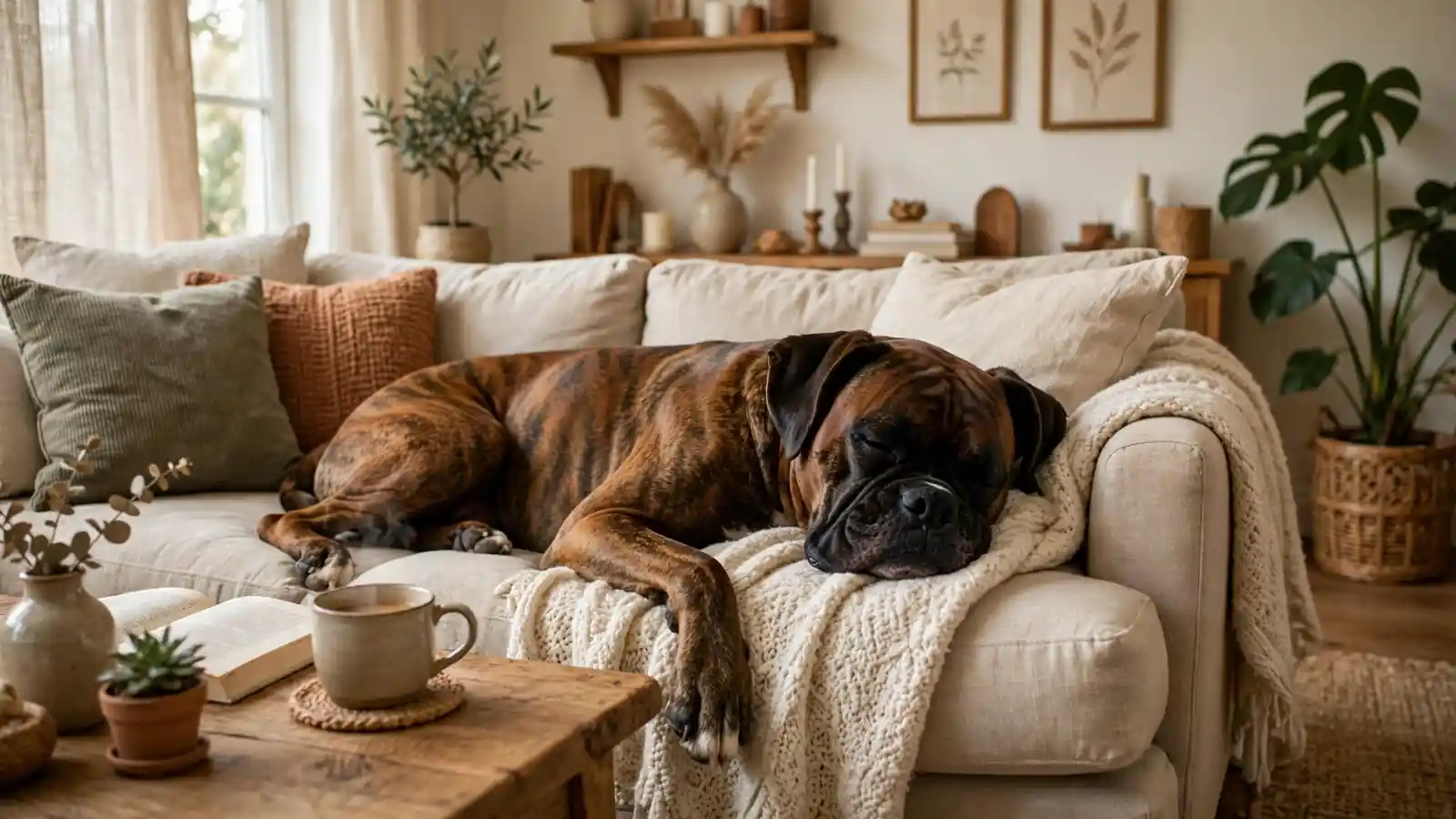
They live indoors with their families. The short coat and short muzzle make them sensitive to both heat and cold; they need climate-controlled comfort and careful exercise timing.
A fenced yard is great for play but never a substitute for engaged exercise and companionship.
Indoor living as a clown defines the arrangement. The breed lives indoors with its family, with the short coat and short muzzle making it sensitive to both heat and cold, so climate-controlled comfort and careful exercise timing matter. A fenced yard is great for play but never a substitute for engaged exercise and companionship.
Family Suitability
Superb family dogs for active households. Here is the picture. The Boxer dog is a superb family dog for active households.
Patient with children, protective, and endlessly playful. The main caution is size and exuberance knocking over small kids; training a calm greeting is essential. They usually do well with other dogs and with cats they are raised with.
With families, playfulness leads and size sets the limit. The breed is patient with children, protective, and endlessly playful, though size and exuberance can knock over small kids, so training a calm greeting is essential. Usually doing well with other dogs and with cats raised with, the breed’s joyful devotion shows best in active households.
Finding a Breeder or Rescue
Health testing is critical in this breed. Here is how. The Boxer dog needs health testing above all in a breeder, given the cancer and heart risk.
Good breeders screen hearts, hips, thyroid, and degenerative myelopathy, and track cancer in their lines. Rescues are common because people underestimate the energy; adult rescues make wonderful family dogs.
- Ask what health testing the breeder does on their dogs
- Ask to see the parents and the living conditions
- Puppies should be raised in a home environment
- A good breeder answers questions openly and asks you some too
Quick Quiz: Is a Boxer Right for You?
Answer four questions. Tap yes or no.
Frequently Asked Questions
Are Boxers good family dogs?
Excellent for active families. They are patient with children, protective, and playful.
How much exercise does a Boxer need?
Sixty minutes or more of vigorous activity daily, plus training and play.
Do Boxers bark a lot?
Moderately. They are good watchdogs who alert to strangers but are not nuisance barkers.
Are Boxers easy to train?
They are smart and eager but exuberant and strong-willed. Consistent positive training works well.
Do Boxers shed a lot?
Moderately year-round. The short coat makes it manageable.
How long do Boxers live?
Typically 10 to 12 years.
What do Boxer owners say about living with the breed?
Owners consistently describe the breed as playful, loyal, and bright. In practice, owners report that the breed’s joyful devotion is the main reason they recommend it to active families.
When should I ask my vet about my Boxer’s health?
Schedule annual wellness exams, or twice-yearly exams for adults given the cancer and heart risk, and ask your vet about screening for conditions the breed can be prone to, such as heart disease and hip dysplasia. Consult your veterinarian promptly if you notice lumps, coughing, fainting, or changes in appetite, weight, or energy.
The Boxer is a perpetual puppy in a powerful body: playful, loyal and devoted to its family. Give it exercise, training and closeness, and the clown of the working breeds will keep you laughing for a decade.
Similar Breeds Worth Exploring
Related Breed Guides
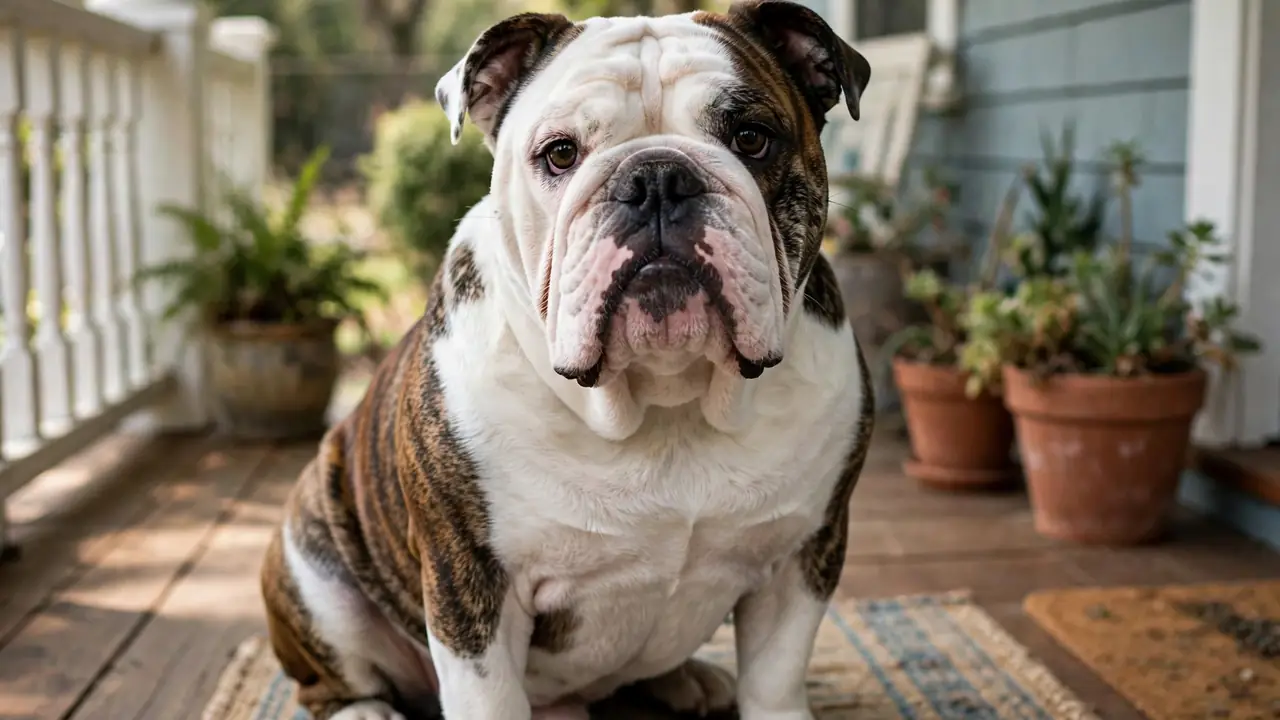
- Bulldog Dog Breed Guide
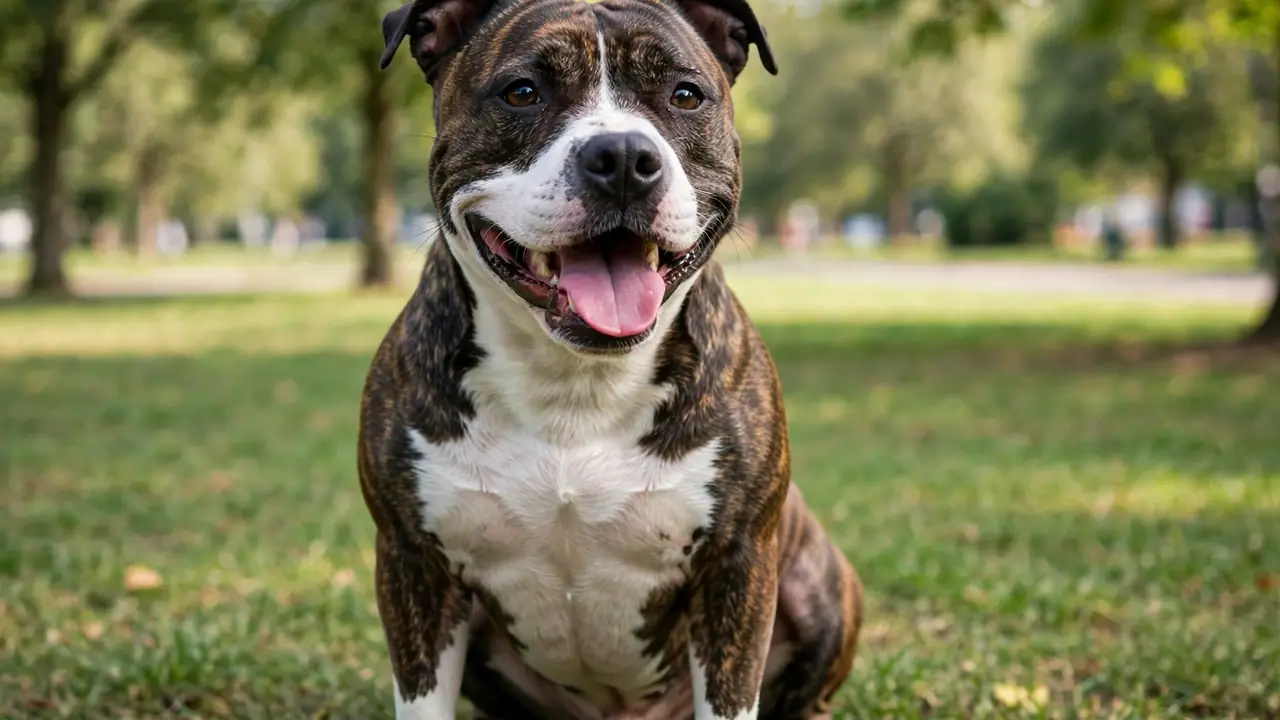
- Staffordshire Bull Terrier Dog Breed Guide
- Doberman Dog Breed Guide
- Rhodesian Ridgeback Dog Breed Guide
Keep Exploring
Browse all our Dog Breed Guides, try the Dog Age Calculator, or explore our Cat Breed Guides.