
Cavalier King Charles Spaniel Dog Breed Guide
Cavalier King Charles Spaniel: the ultimate lap dog
The ultimate lap dog: gentle, affectionate, and happy, bred for centuries as a royal companion. Care and health in one complete guide.
By Emily Carter · Reviewed by our vet team · Updated 22 October 2026 · 9 min read
Lifespan 9–14 yrsWeight 12–18 lbGentle & cheerful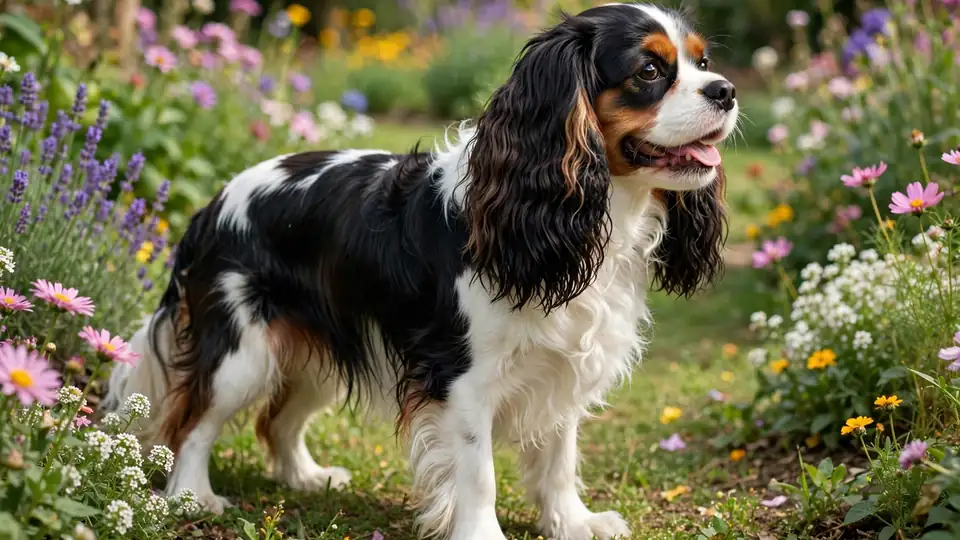
Cavalier King Charles Spaniel dog is the ultimate lap dog: gentle, affectionate, and happy, bred for centuries as a royal companion. Here is what matters before you bring one home.
At a Glance
Size and Weight
Small and perfectly lap-sized. Here are the numbers. The Cavalier King Charles Spaniel dog is small and perfectly lap-sized.
Cavalier King Charles Spaniels stand 12 to 13 inches tall and weigh 12 to 18 pounds. They are sturdy for a toy breed, not fragile, which makes them better with children than more delicate small dogs. The Cavalier King Charles Spaniel dog stands 12 to 13 inches tall and weighs 12 to 18 pounds.
The size makes them ideal for apartments, travel, and laps of all dimensions.
Coat and Colors
Silky and feathered. Here is what to expect.
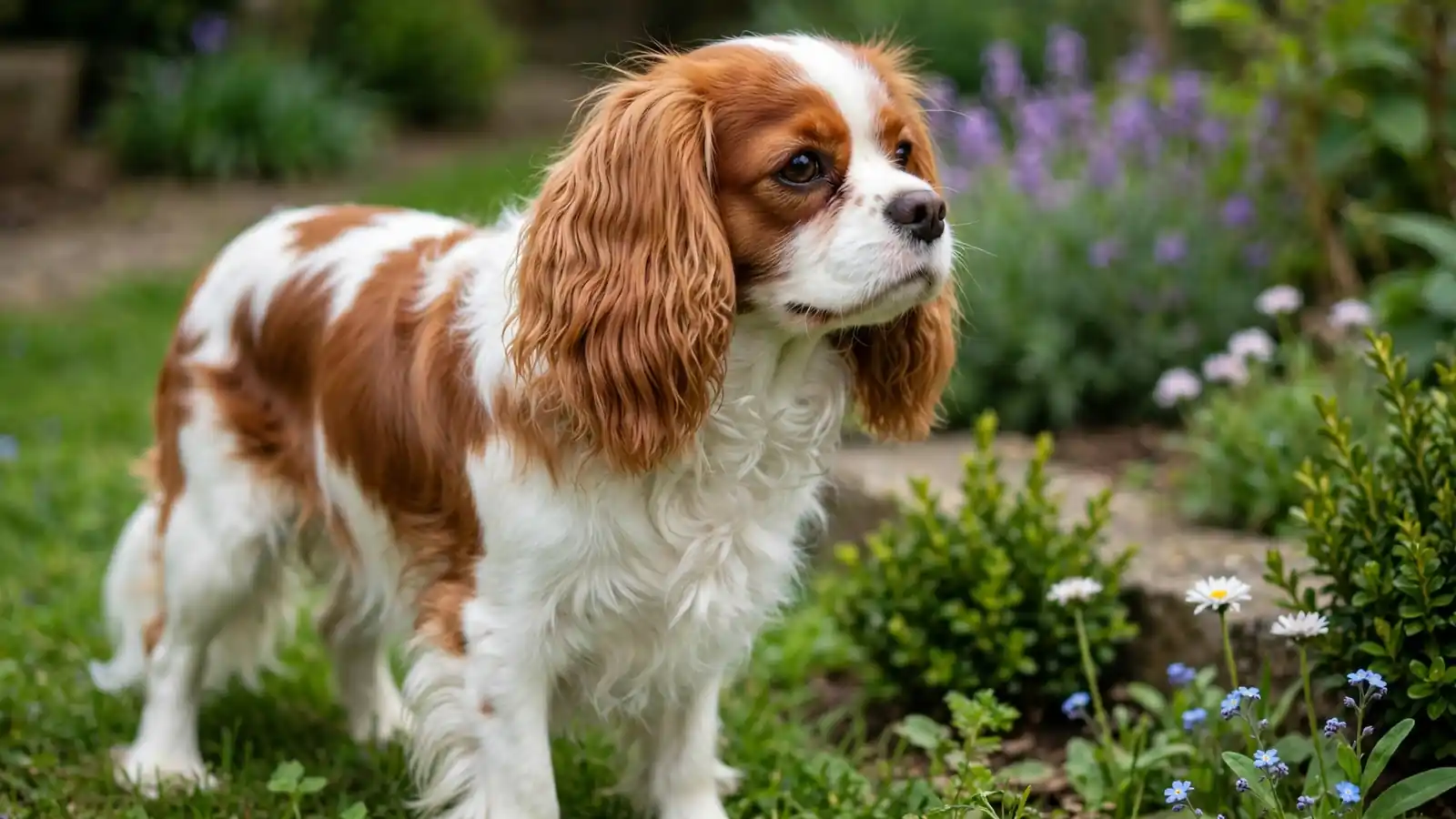
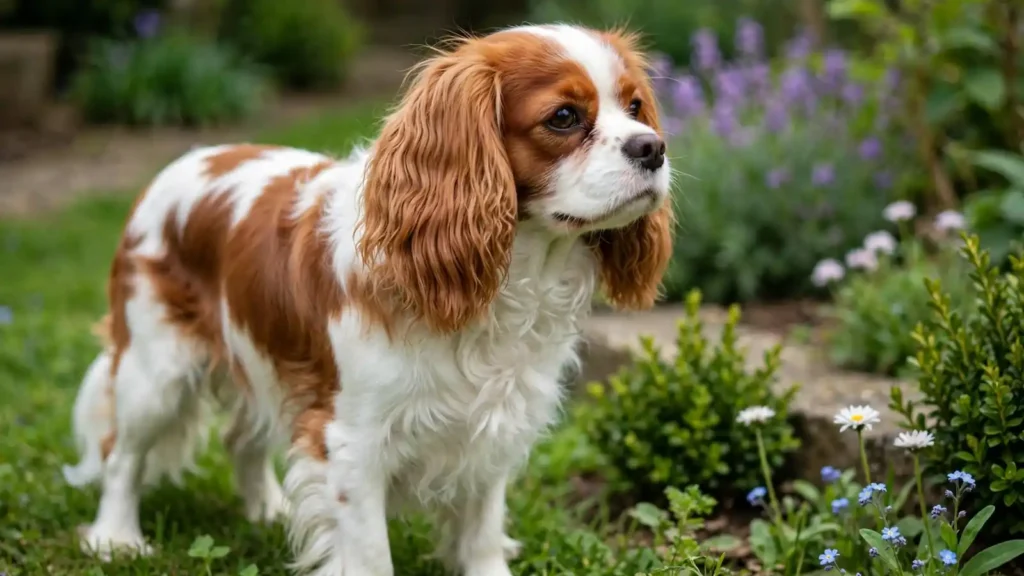
A medium-length silky coat with feathering on the ears, chest, legs, and tail. Four color patterns: Blenheim (chestnut and white), tricolor, black and tan, and ruby. Shedding is moderate year-round. The Cavalier King Charles Spaniel dog wears a medium-length silky coat with feathering on the ears, chest, legs, and tail.
Regular brushing prevents mats in the feathering. The coat is beautiful but not wash-and-wear.


History and Origins
Small spaniels warmed laps in British royal courts for hundreds of years; King Charles II was so devoted the breed bears his name.
The modern Cavalier was recreated in the 1920s to match the old paintings, with a longer muzzle than the flatter-faced King Charles Spaniel.
They have been companion dogs, first and always. There is no working past to manage, which explains the temperament.
A royal companion for centuries. Here is the story. The Cavalier King Charles Spaniel dog has been a royal companion for centuries.
Small spaniels warmed laps in British royal courts for hundreds of years; King Charles II was so devoted the breed bears his name. The modern Cavalier was recreated in the 1920s to match the old paintings, with a longer muzzle than the flatter-faced King Charles Spaniel.
They have been companion dogs, first and always. There is no working past to manage, which explains the temperament.
Physical Characteristics
Elegant and sweet-faced. Here is the structure.
Slightly longer than tall, with a graceful outline. The head has a gentle expression, large dark eyes, and long feathered ears. The tail is carried happily.
Everything about the Cavalier King Charles Spaniel says soft and friendly. There is nothing sharp or extreme in the design.
Cavalier King Charles Spaniel Personality and Behavior
Happiness in dog form. Here is the honest picture.
Cavalier King Charles Spaniels are famously affectionate, gentle, and eager to please. They adore everyone: family, strangers, other dogs, cats. There is no guard instinct and almost no wariness; a Cavalier King Charles Spaniel has never met a lap it did not like. The Cavalier King Charles Spaniel dog is famously affectionate, gentle, and eager to please.
They are adaptable to their owner’s lifestyle, happy with a walk or a cuddle, and famously good with children. The main temperament caution is separation anxiety; they hate being alone and can become distressed.
Owners consistently describe the Cavalier King Charles Spaniel as gentle, affectionate, and cheerful. In practice, owners report that the breed’s loving nature is the main reason they recommend it to anyone wanting a true companion.
Happiness in dog form is exactly right. The breed is famously affectionate, gentle, and eager to please, adoring everyone: family, strangers, other dogs, cats, with no guard instinct and almost no wariness. As companion dogs first and always, with no working past to manage, the temperament is the whole point.
The main temperament caution is separation anxiety. The breed hates being alone and can become distressed, which is why owners who work from home or can bring the dog along suit it best, and why adaptability to the owner’s lifestyle matters so much. A Cavalier that is happy with a walk or a cuddle is the reward for a home that is actually home.
They adore everyone: family, strangers, other dogs, cats. A Cavalier has never met a lap it did not like.
Happy with a walk or a cuddle, they fit themselves to their owner’s lifestyle and are famously good with children.
The main temperament caution is separation anxiety; they can become distressed when left.
- Superb with children, dogs and cats
- The ultimate companion dog
- Quiet, small and apartment-friendly
- Mitral valve disease shadows the breed
- Separation anxiety; needs company
- Gains weight easily, straining the heart
Care Essentials
Two measured meals a day of a high-quality small-breed diet, treats counted. Extra pounds strain the heart, the breed’s vulnerable organ.
Brush two to three times a week to prevent mats in the feathering. Bathe monthly, clean the long ears regularly, trim nails, brush teeth.
30 to 45 minutes of walking daily plus playtime: fetch, gentle games and sniffy walks.
Indoors with family, with someone home most of the day. An excellent apartment dog: quiet, small and adaptable.
Companionship is the core need. Here is the daily reality.
Cavalier King Charles Spaniels need to be with their people most of the day. They suit owners who work from home or can bring the dog along. Moderate daily walks plus playtime keep them fit and happy. The Cavalier King Charles Spaniel dog needs to be with its people most of the day.
They are easy to train because they want to please, and they thrive on gentle, positive methods.
A typical day runs on companionship. Needing to be with its people most of the day, the dog suits owners who are home or can bring it along, with moderate daily walks plus playtime keeping it fit and happy. Easy to train because it wants to please, the dog thrives on gentle, positive methods every single day.
Nutrition and Diet
Small dog, real appetite. Here is the plan.
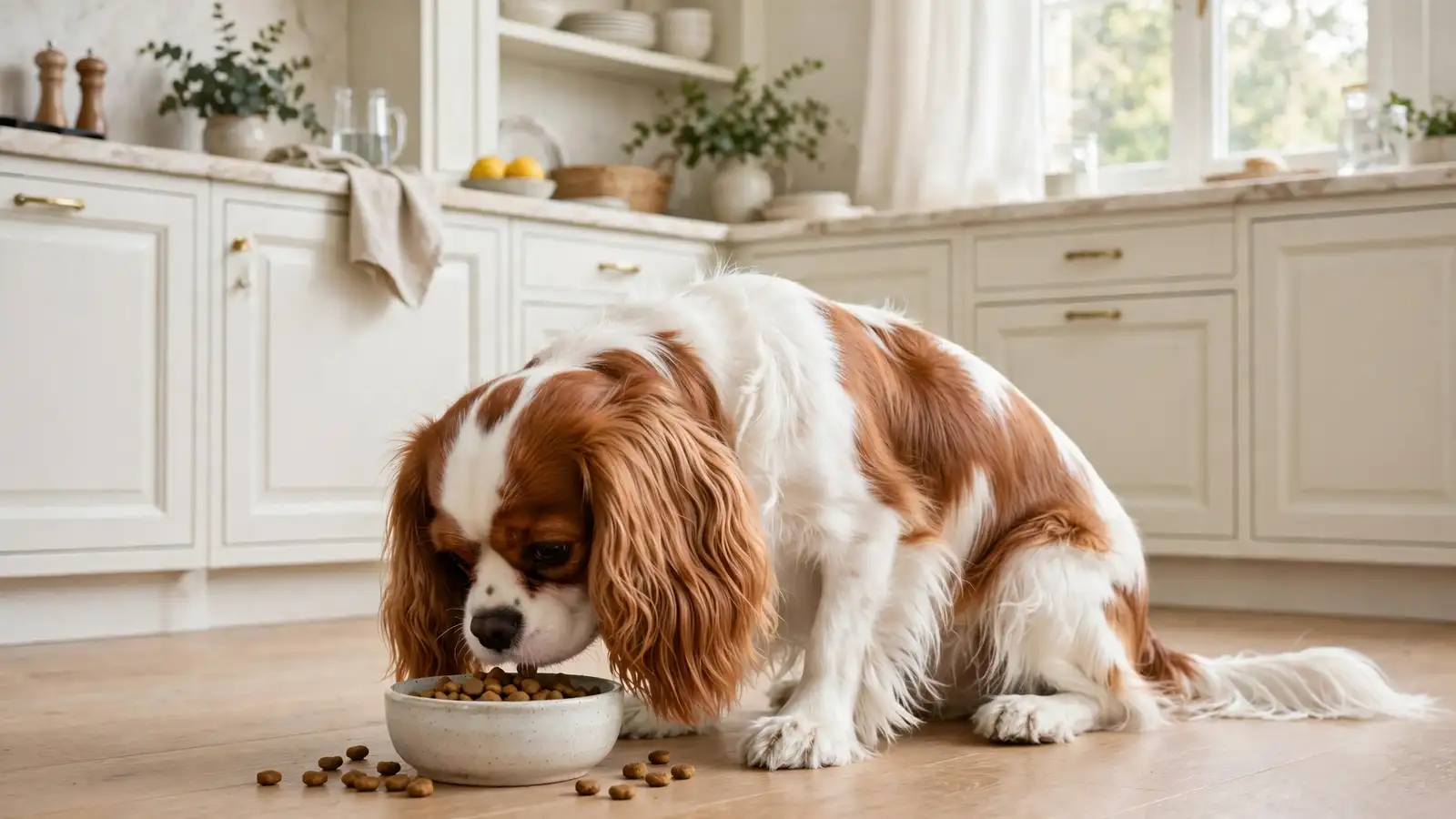
Feed a measured, high-quality small-breed diet in two meals a day. Cavaliers gain weight easily, and extra pounds strain the heart, which is the breed’s vulnerable organ. Treats count. The Cavalier King Charles Spaniel dog needs a measured, high-quality small-breed diet in two meals a day.
Ask your vet for a target weight and keep them lean. A fit Cavalier lives longer.
Feeding suits a small dog with a real appetite. A measured, high-quality small-breed diet in two meals keeps weight controlled, since the breed gains weight easily and extra pounds strain the heart, the vulnerable organ. Treats count toward the daily total, and asking the vet for a target weight keeps the dog lean, since a fit Cavalier lives longer.
Grooming
Silky coat, regular attention. Here is the routine.
Brush two to three times a week to prevent mats in the feathering. Bathe monthly or as needed. Trim nails, clean ears (the long ears need regular checks), brush teeth regularly. The Cavalier King Charles Spaniel dog needs brushing two to three times a week to prevent mats in the feathering.
Grooming is regular attention for a silky coat. Brushing two to three times a week prevents mats in the feathering on the ears, chest, legs, and tail, with baths monthly or as needed. The same session covers nails, ears, and teeth, and the long ears need regular checks, since the beautiful coat is not wash-and-wear.

Exercise and Enrichment
Moderate energy, adaptable. Here is the right amount.
Aim for 30 to 45 minutes of walking daily plus playtime. They enjoy fetch, gentle games, and sniffy walks. They are not athletes but they are not couch-only either; regular movement keeps weight and mood healthy. The Cavalier King Charles Spaniel dog needs 30 to 45 minutes of walking daily plus playtime.
Exercise is moderate and adaptable. Thirty to forty-five minutes of walking daily plus playtime cover the need, with fetch, gentle games, and sniffy walks all enjoyed. The breed is not athletic but not couch-only either, and regular movement keeps weight and mood healthy, which matters twice over for a dog prone to weight gain.

Health
Cavaliers live 9 to 14 years, but heart disease shadows the breed. Here is the honest picture.
Mitral valve disease (MVD) affects the majority of Cavaliers eventually; it is the leading cause of death. Buy only from breeders who follow heart-testing protocols and breed away from early-onset MVD. Syringomyelia (a neurological condition) occurs in some lines. Hip dysplasia and eye conditions are also seen. The Cavalier King Charles Spaniel dog faces mitral valve disease as its leading cause of death.
This is a breed where breeder selection is everything. Schedule annual wellness exams with cardiac auscultation, or twice-yearly exams for adults, and ask your vet about screening for conditions the breed can be prone to, such as mitral valve disease. Consult your veterinarian promptly if you notice coughing, exercise intolerance, or changes in appetite, weight, or energy. For general background, see the Cavalier King Charles Spaniel article on Wikipedia.
Health care follows the familiar rhythm with heart screening in focus. Annual exams with cardiac auscultation, twice-yearly exams for adults, and screening for heart disease cover the ground the guide names, and breeder selection is everything: only breeders who follow heart-testing protocols and breed away from early-onset MVD, testing eyes and hips, are worth choosing. Day to day, coughing, tiring easily, and changes in appetite, weight, or energy deserve a prompt vet call.
Affects the majority of Cavaliers eventually and is the leading cause of death. Buy only from breeders who follow heart-testing protocols and breed away from early-onset disease.
A neurological condition occurring in some lines; MRI screening matters where possible.
Hip dysplasia and eye conditions are also seen in the breed.
Indoor and Outdoor Living
Indoor companion, outdoor enjoyer. Here is the balance. The Cavalier King Charles Spaniel dog is an indoor companion and an outdoor enjoyer.
Cavaliers live indoors with their families and enjoy outdoor walks and play. They handle moderate climates well. A fenced yard is nice but they are not yard dogs; they want to be with you.
They are excellent apartment dogs: quiet, small, and adaptable.
Indoor living as a companion defines the arrangement. The breed lives indoors with its family and enjoys outdoor walks and play, handling moderate climates well, with a fenced yard nice but not a substitute for being with you. Excellent apartment dogs, quiet, small, and adaptable, the breed wants to be with its people above all.
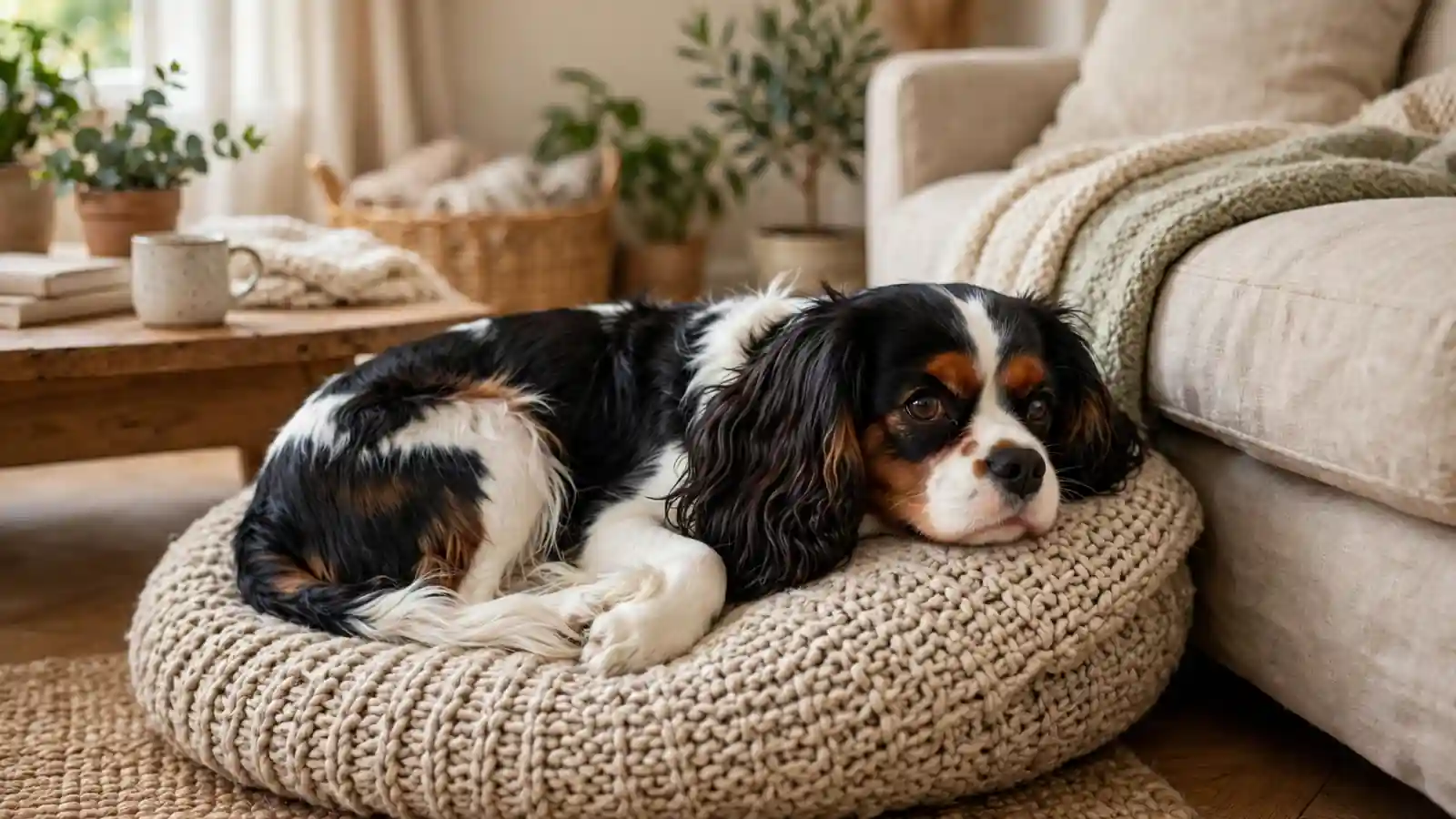
Family Suitability
Superb with everyone. Here is the picture. The Cavalier King Charles Spaniel dog is superb with everyone.
Gentle with children, friendly with strangers, good with other dogs and cats. There is hardly a household the Cavalier does not fit, provided someone is home enough.
The main family cautions are separation anxiety and the heart-health conversation.
With families, gentleness leads and togetherness sets the limit. The breed is gentle with children, friendly with strangers, and good with other dogs and cats, with hardly a household it does not fit, provided someone is home enough. The main family cautions are separation anxiety and the heart-health conversation, and families that are home usually love the superb companion most.
Finding a Breeder or Rescue
The most health-critical breeder choice after the Bulldog. Here is how. The Cavalier King Charles Spaniel dog needs a breeder who follows the MVD heart protocol.
Seek breeders who follow the MVD breeding protocol (heart-clear parents of appropriate ages), test eyes and hips, and MRI-screen for syringomyelia where possible. Cavalier rescues have lovely dogs, often adults whose health status is known.
- Ask what health testing the breeder does on their dogs
- Ask to see the parents and the living conditions
- Puppies should be raised in a home environment
- A good breeder answers questions openly and asks you some too
Quick Quiz: Is a Cavalier King Charles Spaniel Right for You?
Answer four questions. Tap yes or no.
Frequently Asked Questions
Are Cavaliers good family dogs?
Superb. They are gentle, affectionate, and patient with children and everyone else.
How much exercise does a Cavalier need?
About 30 to 45 minutes of walking daily plus playtime. They are adaptable.
Do Cavaliers bark a lot?
They are relatively quiet, though they will alert to visitors.
Do Cavaliers shed a lot?
Moderately year-round. Regular brushing manages it.
How long do Cavaliers live?
Typically 9 to 14 years, though heart disease affects many.
Can Cavaliers be left alone?
They dislike solitude and can develop separation anxiety. They suit homes where someone is around most of the day.
What do Cavalier owners say about living with the breed?
Owners consistently describe the Cavalier as gentle, affectionate, and cheerful. In practice, owners report that the breed’s loving nature is the main reason they recommend it to anyone wanting a true companion.
When should I ask my vet about my Cavalier’s health?
Schedule annual wellness exams with cardiac checks, or twice-yearly exams for adults, and ask your vet about screening for conditions the breed can be prone to, such as mitral valve disease. Consult your veterinarian promptly if you notice coughing, exercise intolerance, or changes in appetite, weight, or energy.
The Cavalier King Charles Spaniel is happiness in dog form: gentle, affectionate and endlessly adaptable. Choose your breeder by heart testing, keep someone home, and this royal lap dog will fill the house with cheer.
Similar Breeds Worth Exploring
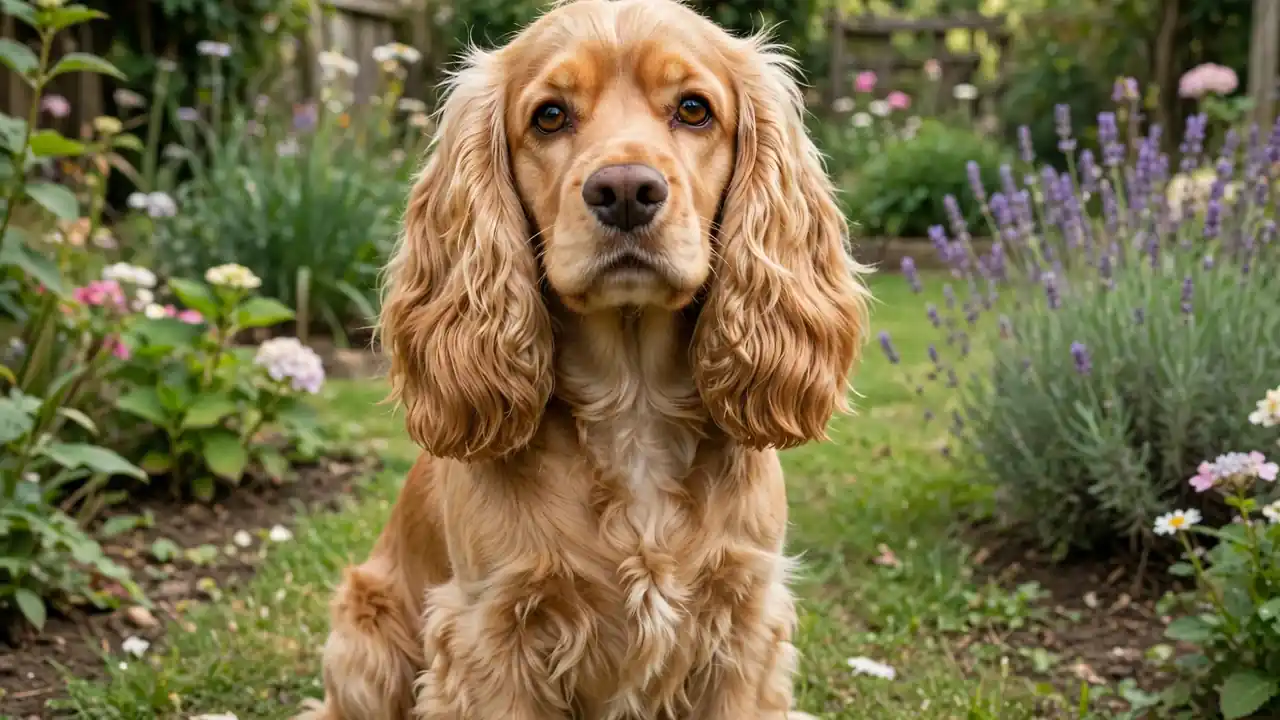
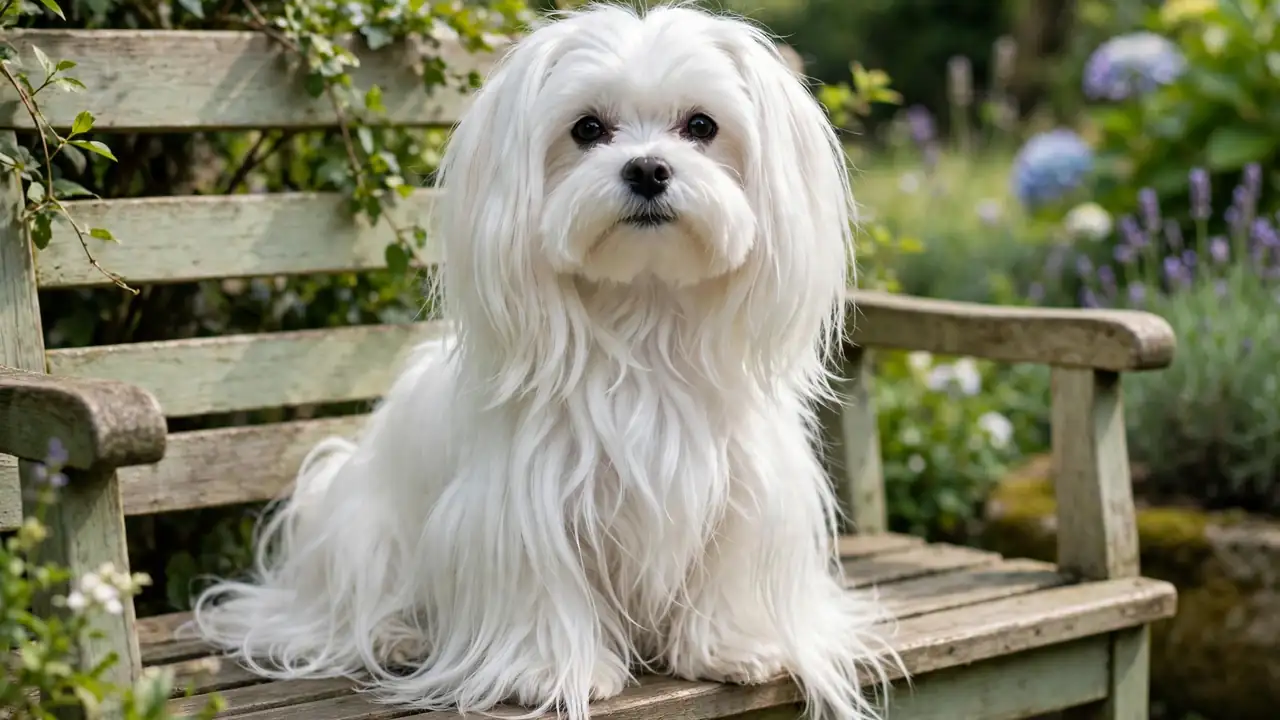
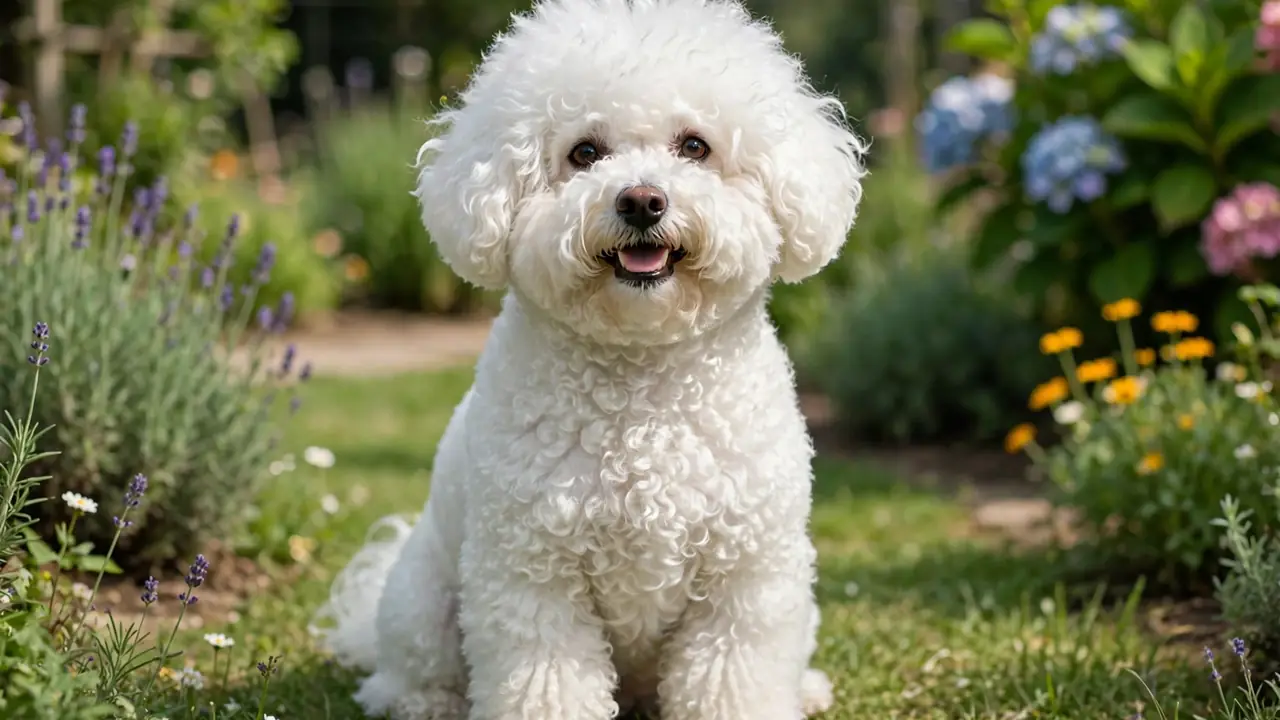
Related Breed Guides
- Cocker Spaniel Dog Breed Guide
- Maltese Dog Breed Guide
- Bichon Frise Dog Breed Guide
- Pug Dog Breed Guide
Keep Exploring
Browse all our Dog Breed Guides, try the Dog Age Calculator, or explore our Cat Breed Guides.