
Scottish Terrier Dog Breed Guide
Scottish Terrier: the dignified little Scotsman
Scottish Terrier dog: the dignified little Scotsman: independent, brave, and full of character. Care and health in one complete guide.
Lifespan 11 to 13 yrs Weight 18 to 22 lbs Independent, brave, loyal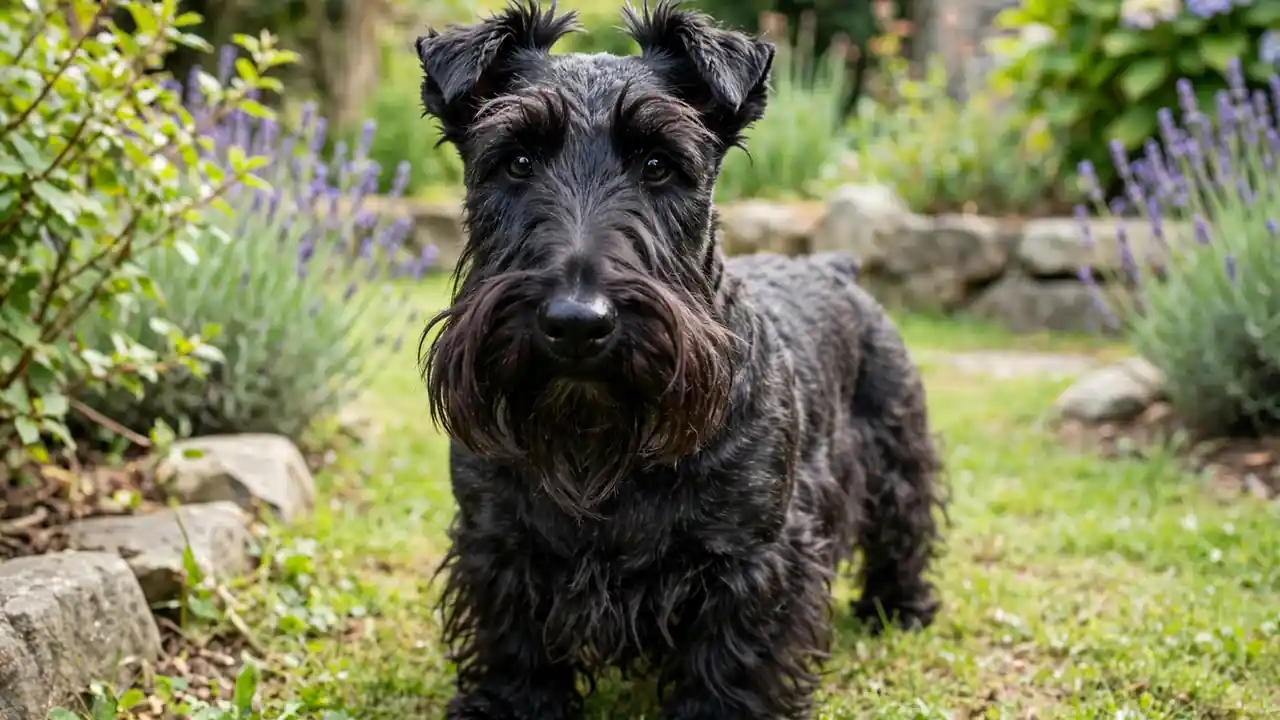
Scottish Terrier dog: the Scottish Terrier dog is the dignified little Scotsman: independent, brave, and full of character.
This guide covers the Scottish Terrier dog in full, from size and coat to personality, care, and health, so you can decide whether this Scottish Terrier dog fits your home.
At a Glance
Size and Weight
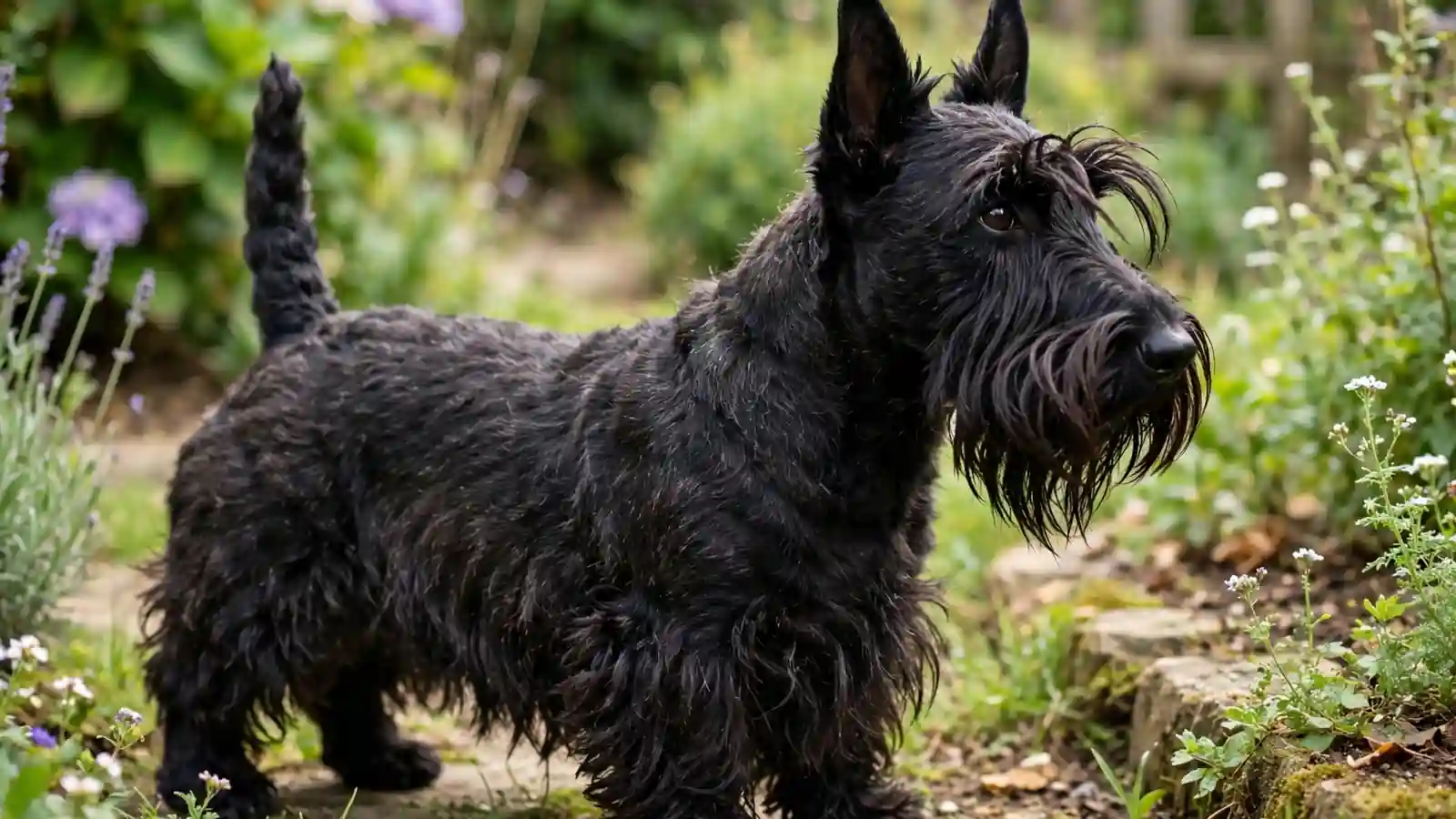
Adults stand about 10 inches and weigh 18 to 22 pounds. The build is low-slung, sturdy, and distinctive.
Coat and Colors
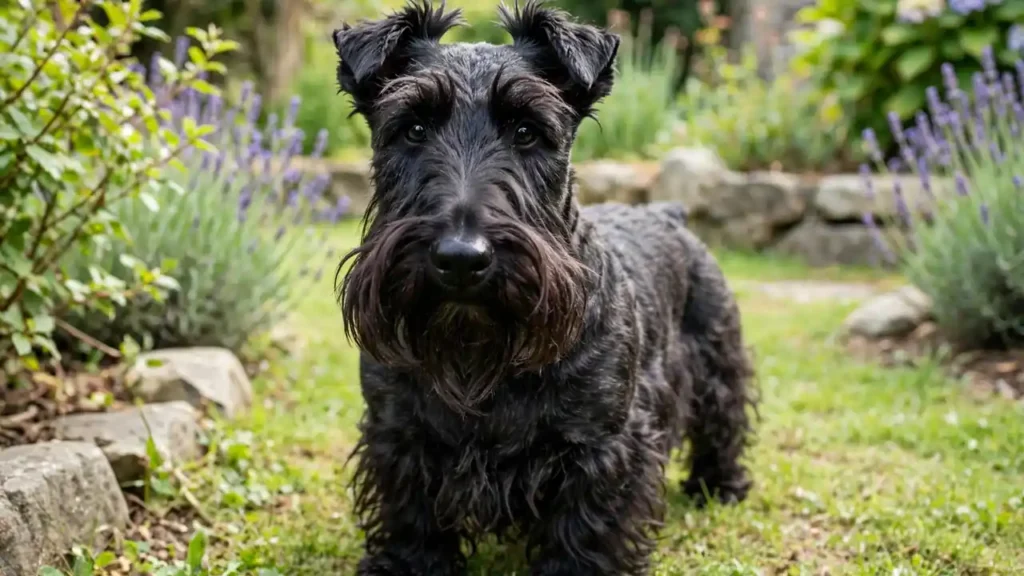
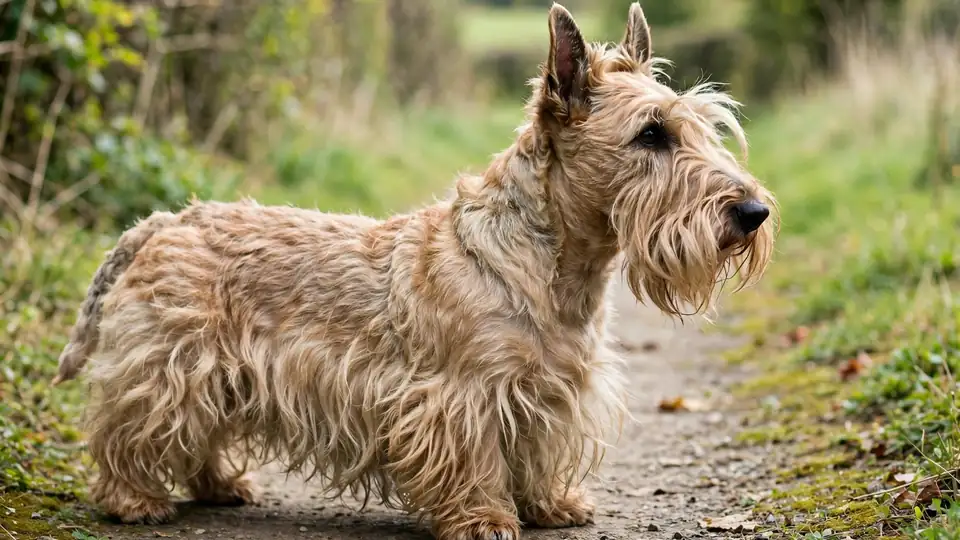
A harsh, wiry outer coat with a soft dense undercoat, in black, wheaten, or brindle. The famous beard and eyebrows are the signature. The coat needs hand-stripping or clipping every 6 to 8 weeks.

History and Origins
Scotties worked the Scottish Highlands as vermin hunters for centuries.
They became famous worldwide, from presidential pets to advertising icons.
The working heritage shows in the independence, courage, and dignity.
Physical Characteristics
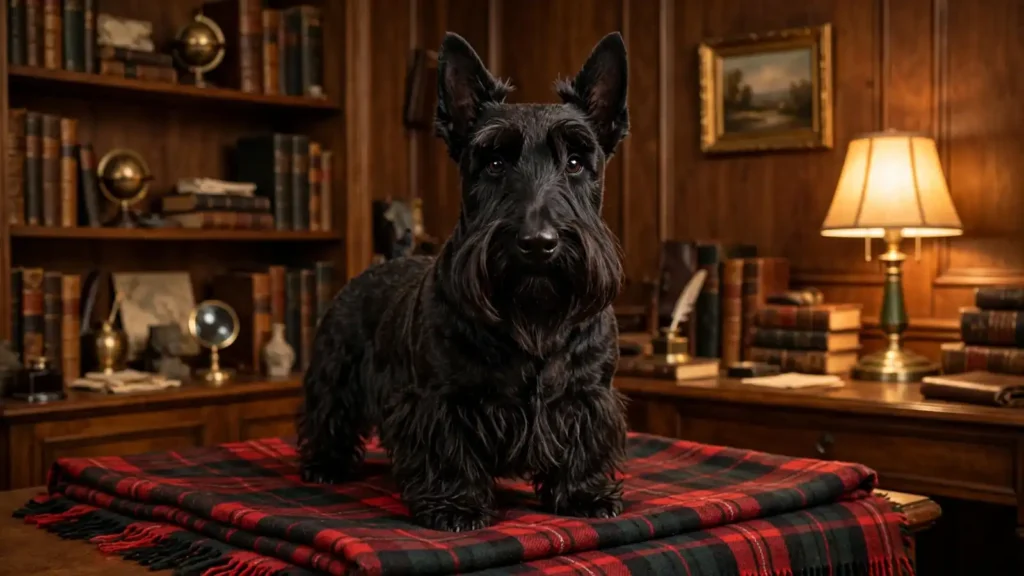
Low-slung body with a long head, beard, erect ears, and the distinctive profile. The expression is dignified and keen.
Scottish Terrier Personality and Behavior
Scotties are famously dignified, independent, and brave. They are loyal to their families but not effusive; they are calm and self-possessed. They can be aloof with strangers.
They are true terriers: stubborn, scrappy with other dogs, and possessed of strong opinions. They need patient, consistent training and are not recommended for first-time owners.
Owners consistently describe the Scottie as dignified, independent, and brave. In practice, owners report that the Scottish Terrier dog’s characterful independence is the main reason they recommend it to experienced terrier owners.
The dignified independence is the breed’s hallmark. The Scottish Terrier dog is loyal to its family without being effusive, calm and self-possessed at home, and aloof with strangers until it decides otherwise. Owners who respect that reserve usually earn a deep, steady loyalty; owners who demand constant cuddles usually misunderstand the breed entirely.
Training a Scottie is an exercise in patience and consistency. The stubborn streak and strong opinions mean rules must stay the same from everyone in the house, and the scrappy streak toward other dogs makes early socialization essential rather than optional. This is why the breed is not recommended for first-time owners: a Scottie respects a calm, confident leader and tests everyone else.
Scotties are famously dignified, independent, and brave. They are loyal to their families but not effusive; they are calm and self-possessed. They can be aloof with strangers.
They are true terriers: stubborn, scrappy with other dogs, and possessed of strong opinions. They need patient, consistent training and are not recommended for first-time owners.
Owners consistently describe the Scottie as dignified, independent, and brave. In practice, owners report that the breed’s characterful independence is the main reason they recommend it to experienced terrier owners.
- Loyal, calm, and self-possessed
- Distinctive bearded profile
- Moderate exercise needs
- Not recommended for first-time owners
- Higher risk of certain cancers
- Stubborn and scrappy with other dogs
Care Essentials
Scotties need 30 to 45 minutes of daily exercise. They are indoor family dogs who want their space respected. They do well in apartments with enough activity.
The grooming is a real commitment. Budget for professional grooming every 6 to 8 weeks.
A typical day respects both activity and space. Thirty to forty-five minutes of walks, play, and games cover the exercise, and the indoor family dog that results wants its space respected as much as its company enjoyed. Given enough activity, apartment life suits the breed well, and the grooming calendar is the other fixture: professional grooming every six to eight weeks is a commitment to budget honestly.
Feed a measured, high-quality diet in two meals a day. Keep them lean. They can gain weight if under-exercised.
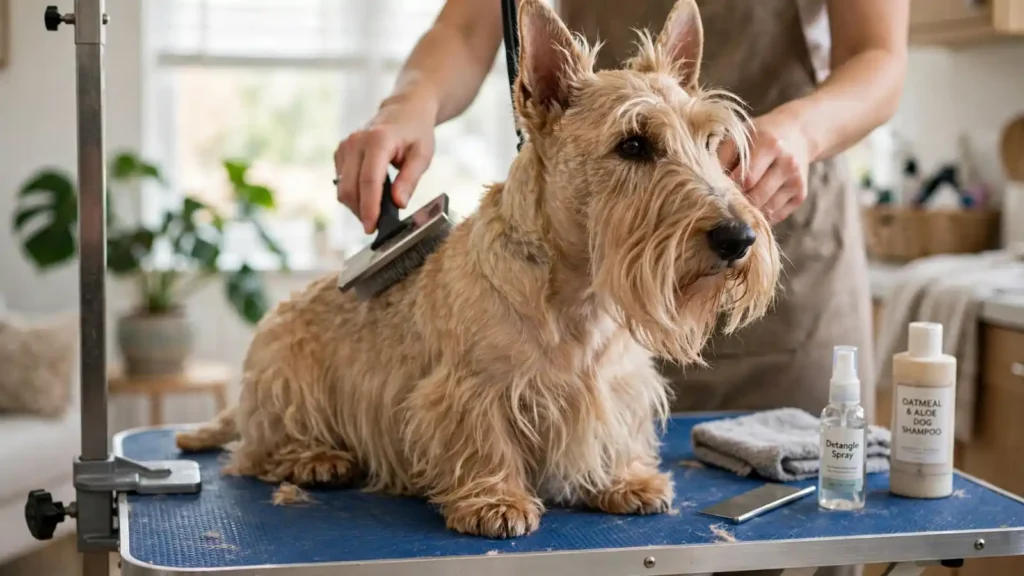
Hand-strip or clip every 6 to 8 weeks to maintain the classic Scottie outline. Brush two to three times a week, especially the beard. Trim nails, clean ears, brush teeth.
Aim for 30 to 45 minutes of activity daily: walks, play, games. They enjoy earthdog trials. Mental enrichment suits the independent mind.
Scotties live indoors and are good apartment dogs with enough exercise. They need a secure yard; they dig.
Nutrition and Diet
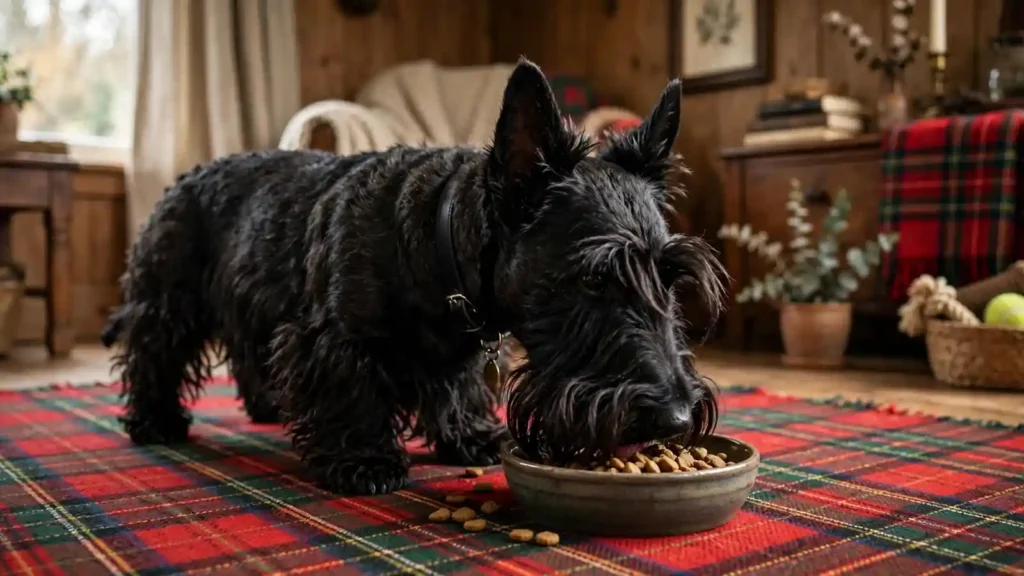
Feed a measured, high-quality diet in two meals a day. Keep them lean. They can gain weight if under-exercised.
Feeding stays measured and watchful. A high-quality diet in two meals keeps the low-slung build lean, and weight gain creeps up when exercise drops, so portions and treats both deserve counting. A lean Scottie moves better and ages better than one carrying extra weight on a short-legged frame.
Grooming
Hand-strip or clip every 6 to 8 weeks to maintain the classic Scottie outline. Brush two to three times a week, especially the beard. Trim nails, clean ears, brush teeth.
The classic outline takes routine. Hand-stripping or clipping every six to eight weeks maintains the shape, brushing two to three times a week keeps the harsh, wiry outer coat tidy, and the beard deserves special attention since it mats and collects everything the dog investigates. The same session covers nails, ears, and teeth, so the whole routine fits into one regular habit.
Exercise and Enrichment
Aim for 30 to 45 minutes of activity daily: walks, play, games. They enjoy earthdog trials. Mental enrichment suits the independent mind.
Exercise suits the independent mind. Walks, play, and games cover the body, while earthdog trials suit the instincts and mental enrichment suits a dog that likes to think for itself. A Scottie with outlets for body and mind is calmer and easier to live with than one with energy and nothing to spend it on.
Health
Scotties have a higher risk of certain cancers, including bladder cancer; stay vigilant.
Loose kneecaps occur in the breed.
Both appear in some lines; good breeders screen for von Willebrand’s.
Schedule annual wellness exams, or twice-yearly exams for adults given the cancer risk, and ask your vet about screening for conditions the Scottish Terrier dog can be prone to. Consult your veterinarian promptly if you notice blood in urine, skin lumps, limping, or changes in appetite, weight, or energy. Learn more about the Scottish Terrier dog on Wikipedia.
Health care has one point owners should know early: the guide recommends twice-yearly exams for adults given the cancer risk, so the vet relationship matters more than usual for this breed. The signs worth mentioning promptly are blood in urine, skin lumps, limping, and changes in appetite, weight, or energy. Breeders who screen for von Willebrand’s and patellas and who pay attention to cancer in their lines are worth seeking out for the same reason.
Indoor and Outdoor Living
Scotties live indoors and are good apartment dogs with enough exercise. They need a secure yard; they dig.
Indoor living suits the breed provided the yard is secure. A Scottie that digs will test fences from below as well as at the gate, so checking boundaries matters as much as building them. Indoors, the breed wants family company with its space respected, and with activity covered it is a calm, dignified housedog.
Family Suitability
Loyal to their families but not typically cuddly. They can be good with respectful older kids. They can be scrappy with other dogs; early socialization is essential.
With families, loyalty leads and cuddles do not. The breed is loyal to its family but not typically cuddly, good with respectful older kids, and scrappy with other dogs, so early socialization is essential and introductions deserve care. The Scottish Terrier dog’s characterful independence shows best in experienced terrier homes that enjoy a dignified small dog with opinions.
Finding a Breeder or Rescue
Good breeders screen for von Willebrand’s, patellas, and pay attention to cancer in their lines. Scottie rescues have wonderful dogs.
- Ask about health screening for cancer risk and patellar luxation
- Meet the puppy’s mother and see where the puppies are raised
- Ask how the puppies are socialized in their first weeks
- Consider rescue too: breed rescues place wonderful dogs
Quick Quiz: Is a Scottish Terrier Right for You?
Answer four questions. Tap yes or no.
Frequently Asked Questions
Are Scottish Terriers good family dogs?
They suit experienced households. They are loyal but independent, not typically cuddly.
How much exercise does a Scottie need?
About 30 to 45 minutes of activity daily.
Do Scotties shed?
Moderately. The harsh coat needs stripping or clipping.
Are Scotties easy to train?
They are intelligent but independent and stubborn. Patient, consistent training is essential.
How long do Scottish Terriers live?
Typically 11 to 13 years.
Why are Scotties prone to cancer?
The breed has a higher incidence of certain cancers; regular vet checks and vigilance matter.
What do Scottie owners say about living with the breed?
Owners consistently describe the Scottie as dignified, independent, and brave. In practice, owners report that the breed’s characterful independence is the main reason they recommend it to experienced terrier owners.
When should I ask my vet about my Scottie’s health?
Schedule annual wellness exams, or twice-yearly exams for adults given the cancer risk, and ask your vet about screening for conditions the breed can be prone to. Consult your veterinarian promptly if you notice blood in urine, skin lumps, limping, or changes in appetite, weight, or energy.
The Scottish Terrier is a dignified, brave little Scotsman for experienced terrier owners. It is not effusive, but its loyalty and character run deep.
Similar Breeds Worth Exploring
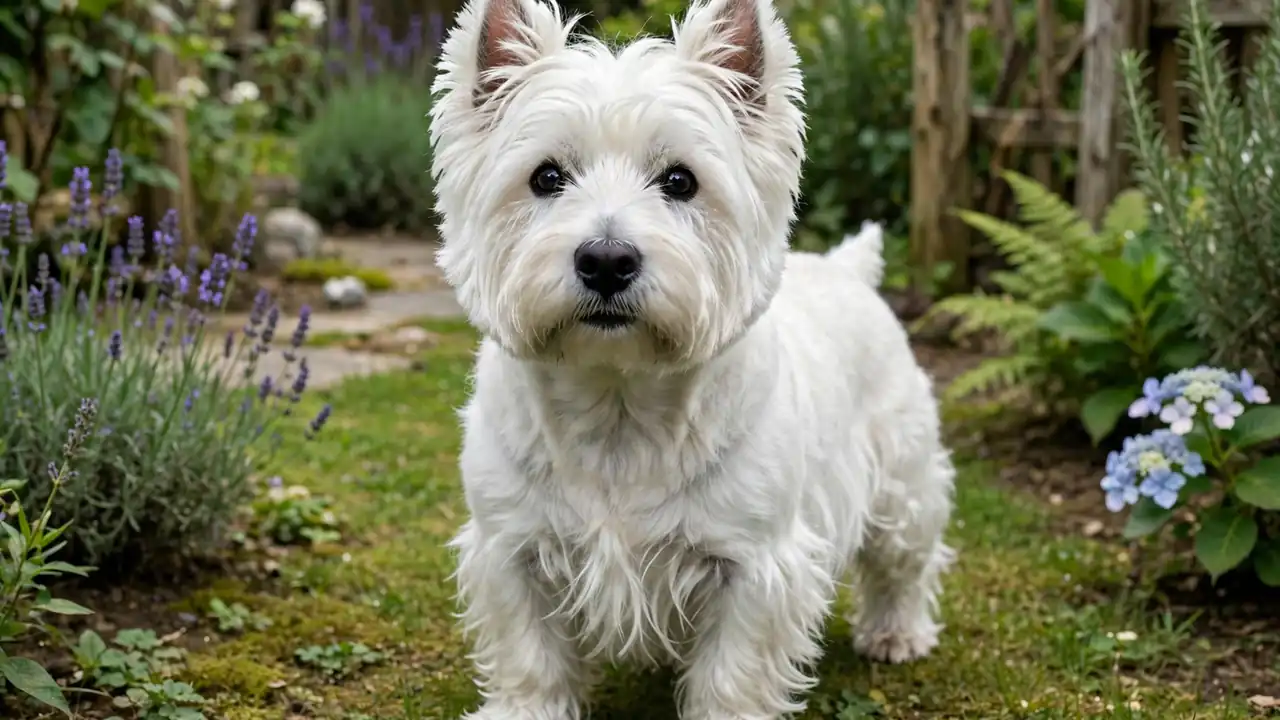
If the Scottie appeals to you, consider the West Highland White Terrier (the cheerful cousin), the Cairn Terrier (similar spirit), the Norfolk Terrier (similar size), or the Schnauzer (bearded and smart).
Related Breed Guides
Keep Exploring
Browse all our Dog Breed Guides, try the Dog Age Calculator, or explore our Cat Breed Guides.