
Samoyed Dog Breed Guide
Samoyed: the smiling white cloud
Beautiful, friendly, and full of mischief — the dog with the permanent smile. Care, grooming, and health in one complete guide.
By Emily Carter · Reviewed by our vet team · Updated 22 October 2026 · 10 min read
Lifespan 12–14 yrs Weight 35–65 lb Friendly & playful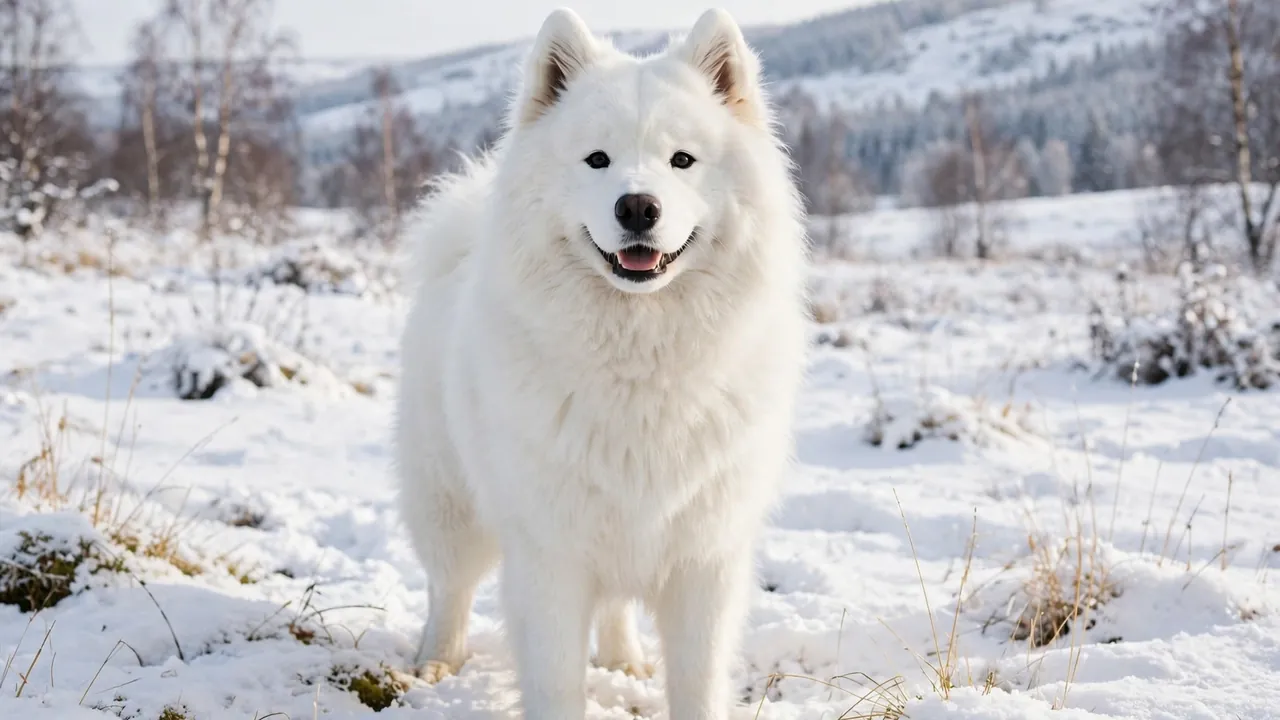
Samoyed dog: The smiling white cloud: beautiful, friendly, and full of mischief.
The Samoyede people of Siberia bred these dogs to herd reindeer, pull sleds, and keep warm at night. The dogs lived as family members, which shaped the famously friendly temperament. The Samoyed dog was bred for herding and sled work.
They came to the West with polar explorers and became beloved companions — but under the beauty is a working dog with energy, opinions, and a legendary coat.
At a Glance
Size and Weight
Medium-large and fluffy: males stand 21 to 24 inches and weigh 45 to 65 pounds; females are 19 to 21 inches and 35 to 50 pounds. The Samoyed dog is a medium-large, fluffy breed.
The profuse coat makes them look bigger than they are. Under the coat is a real athlete in a medium frame: strong enough to pull, compact enough to live in an ordinary house, so long as the house accepts the fur.
Coat and Colors
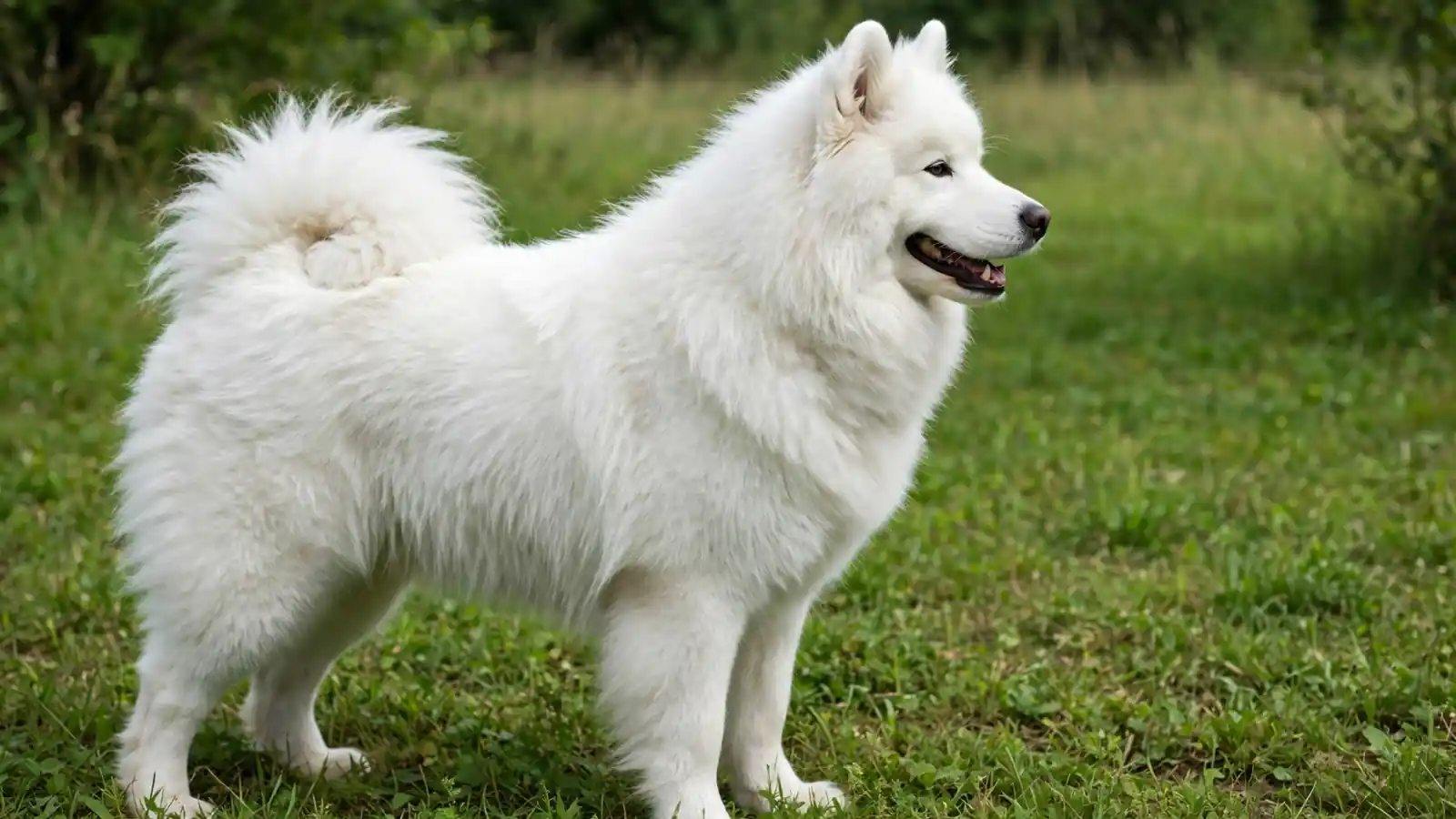
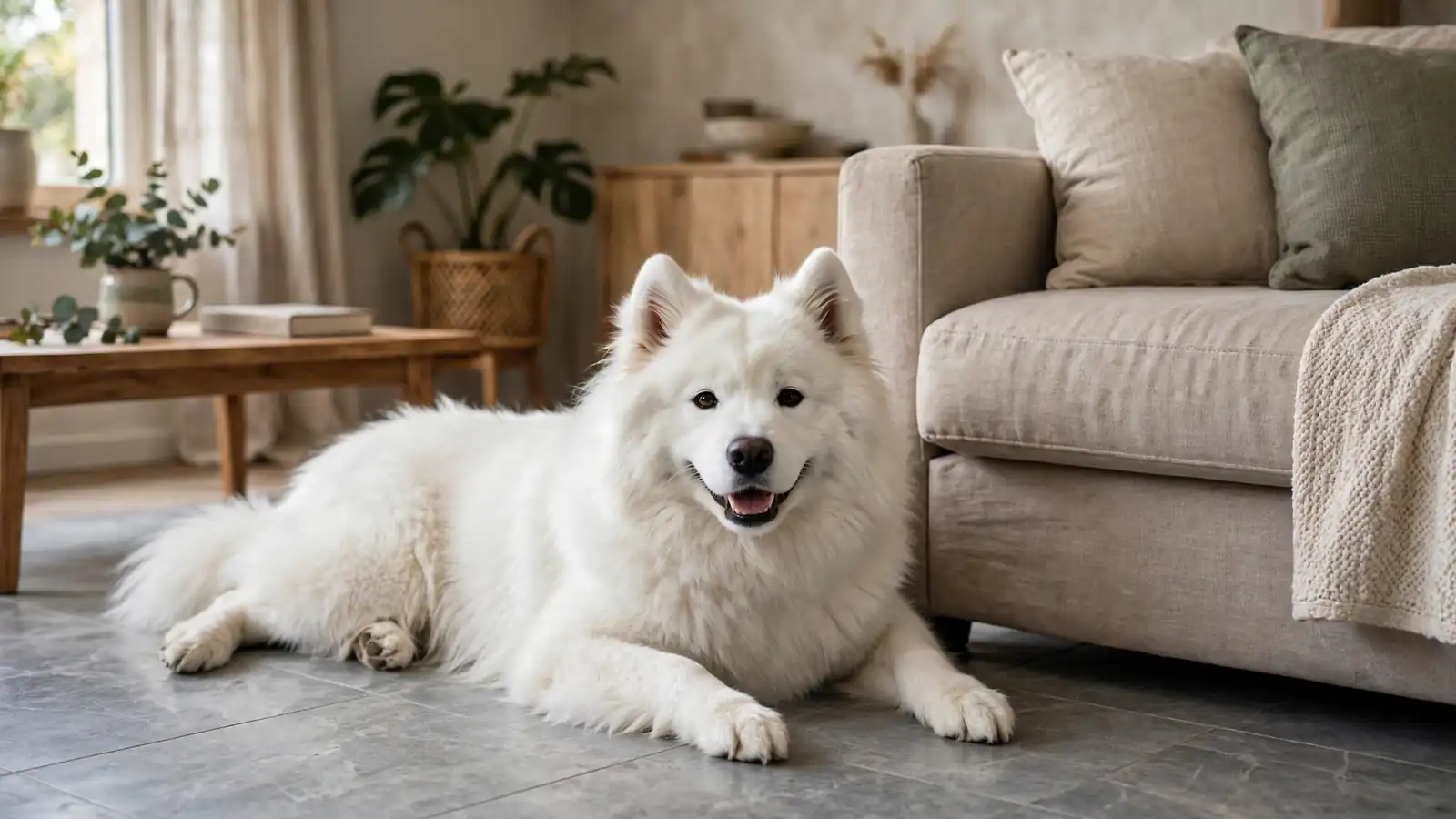
The magnificent white double coat: thick and weather-resistant, in white, cream, or biscuit. The Samoyed dog has a magnificent white coat.
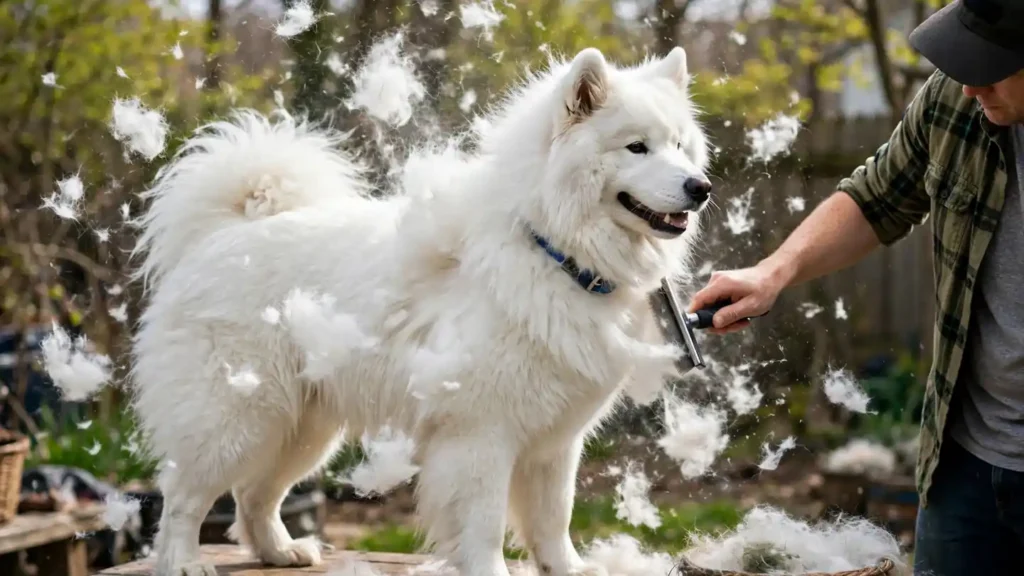
Shedding is heavy year-round with spectacular seasonal coat blows; owners harvest enough fluff to knit sweaters. The famous “Sammy smile” comes from the upturned mouth corners.
This is a high-maintenance coat. Be honest about the commitment. Dirt, surprisingly, mostly dries and brushes out of the outer coat; the real commitment is the undercoat, which leaves in drifts if brushing lapses.
History and Origins
The Samoyede people bred these dogs to herd reindeer, pull sleds, and share warmth at night.
The dogs lived as family members, which shaped the famously friendly temperament.
They came to the West with polar explorers and became beloved companions.
A herding and sled dog first, a beauty second — remember the order and the breed makes sense. The Samoyed dog is a herding breed first.
Physical Characteristics
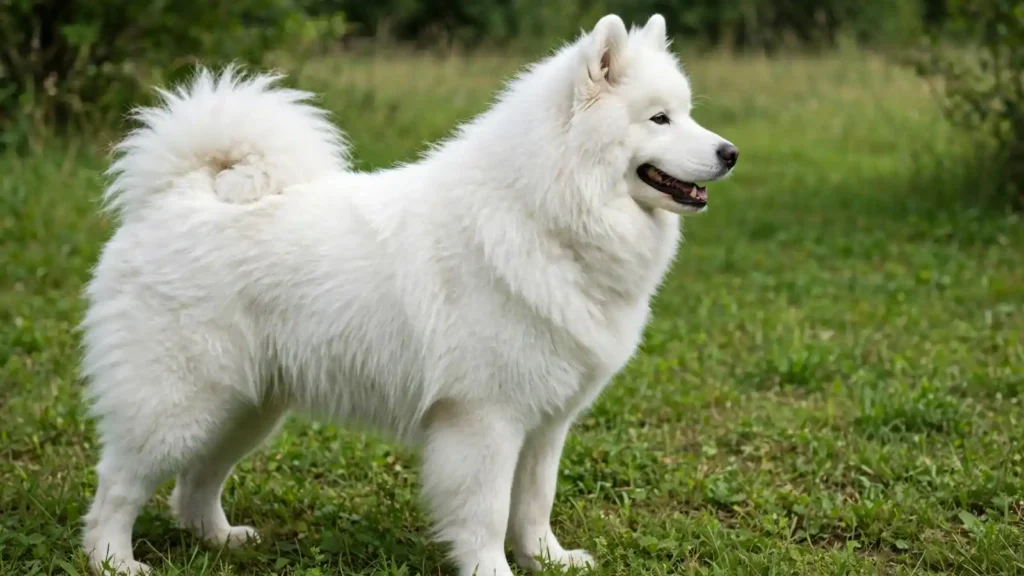
A white cloud with a smile: a compact, muscular body under the profuse coat, with a wedge-shaped head and the signature upturned mouth.
The tail curls over the back. The expression is famously happy.
Samoyed Personality and Behavior
Friendly mischief in a fluffy package: famously friendly, playful, and gentle. They love everyone, adore children, and are cheerful companions. They are intelligent but famously mischievous and independent; training requires patience and humor. The Samoyed dog is famously friendly.
They are vocal and love to “talk.” They can be escape artists and diggers. They hate being alone and need companionship. The herding instinct may show as chasing.
Owners consistently describe the breed as friendly, playful, and mischievous — and its joyful nature is why they recommend it to active, patient families.
Visitors are greeted like long-lost family, deliveries are announced with enthusiasm, and quiet is a rumor from another household.
Friendly mischief in a fluffy package is exactly right. The Samoyed dog is friendly, playful, and gentle, loving everyone and adoring children, with the cheerful companionship shaped by centuries of living as family members in Siberian homes. The intelligence underneath is real but independent, and the mischief is the price of a clever working mind.
The vocal, roaming side needs management. The breed loves to talk, can be an escape artist and a digger, and hates being alone, while the herding instinct may show as chasing, so secure fencing and early training matter. Visitors are greeted like long-lost family and deliveries announced with enthusiasm, which is the temperament at its joyful best.
Living as family members for centuries made them people dogs to the core.
Clever enough to invent its own entertainment; channel it or live with it.
Expect commentary — this breed narrates its day.
- Friendly, playful, and gentle
- Adores children and family life
- That famous permanent smile
- Heavy shedding with spectacular coat blows
- Vocal, mischievous, and a talented escape artist
- Hates being alone; overheats in warm weather
Care Essentials
Exercise, grooming, and companionship — here is the daily reality. The grooming is the real commitment: budget time or money for it honestly.
A typical day runs on exercise, grooming, and companionship together. The grooming is the real commitment, budgeted in time or money honestly, and the daily reality is a high-energy working dog that needs activity, coat care, and people in equal measure. A Samoyed left alone or unbrushed for long stretches is a Samoyed whose mischief finds its own outlet.
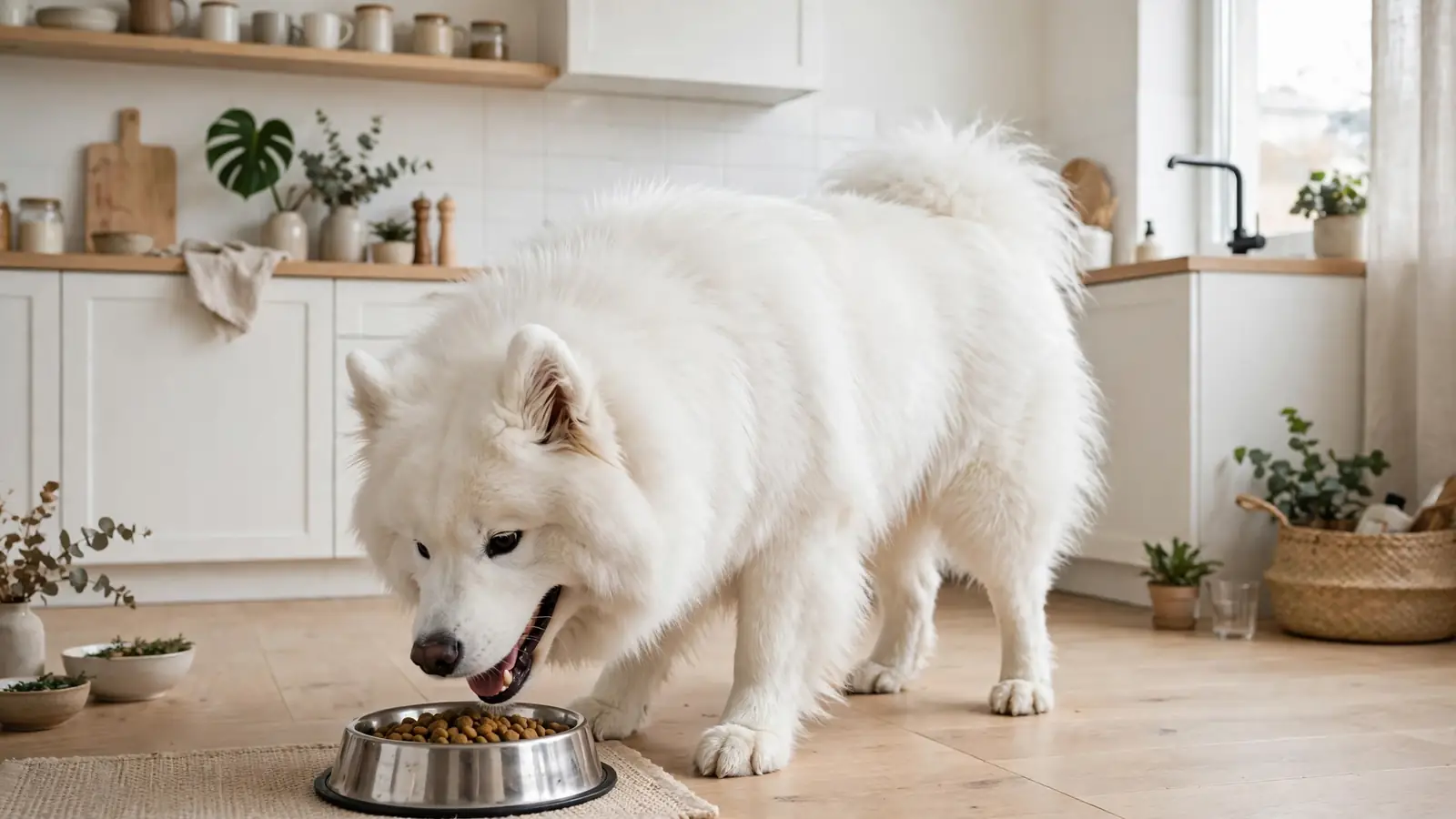
A measured, high-quality diet in two meals a day; feel the ribs regularly under the fluff.
Brush two to three times a week minimum, daily during coat blows; never shave the coat.
60 minutes or more daily: walks, hiking, running, and play in the cool hours.
An indoor family home with a securely fenced yard and company most of the day.
Nutrition and Diet
Active dog, quality fuel: feed a measured, high-quality diet in two meals a day. The Samoyed dog needs a measured diet.
Keep them lean under all that fluff; feel the ribs regularly. Adjust to activity level. Treats vanish fast when training a clever breed; keep them tiny, count them in the daily total, and let praise do most of the work.
Feeding follows the working load. A measured, high-quality diet in two meals keeps the athlete lean under all that fluff, with ribs felt regularly rather than trusted to the eye, and portions adjusting to activity level. Treats vanish fast when training a clever breed, so keep them tiny, count them in the daily total, and let praise do most of the work.
Grooming
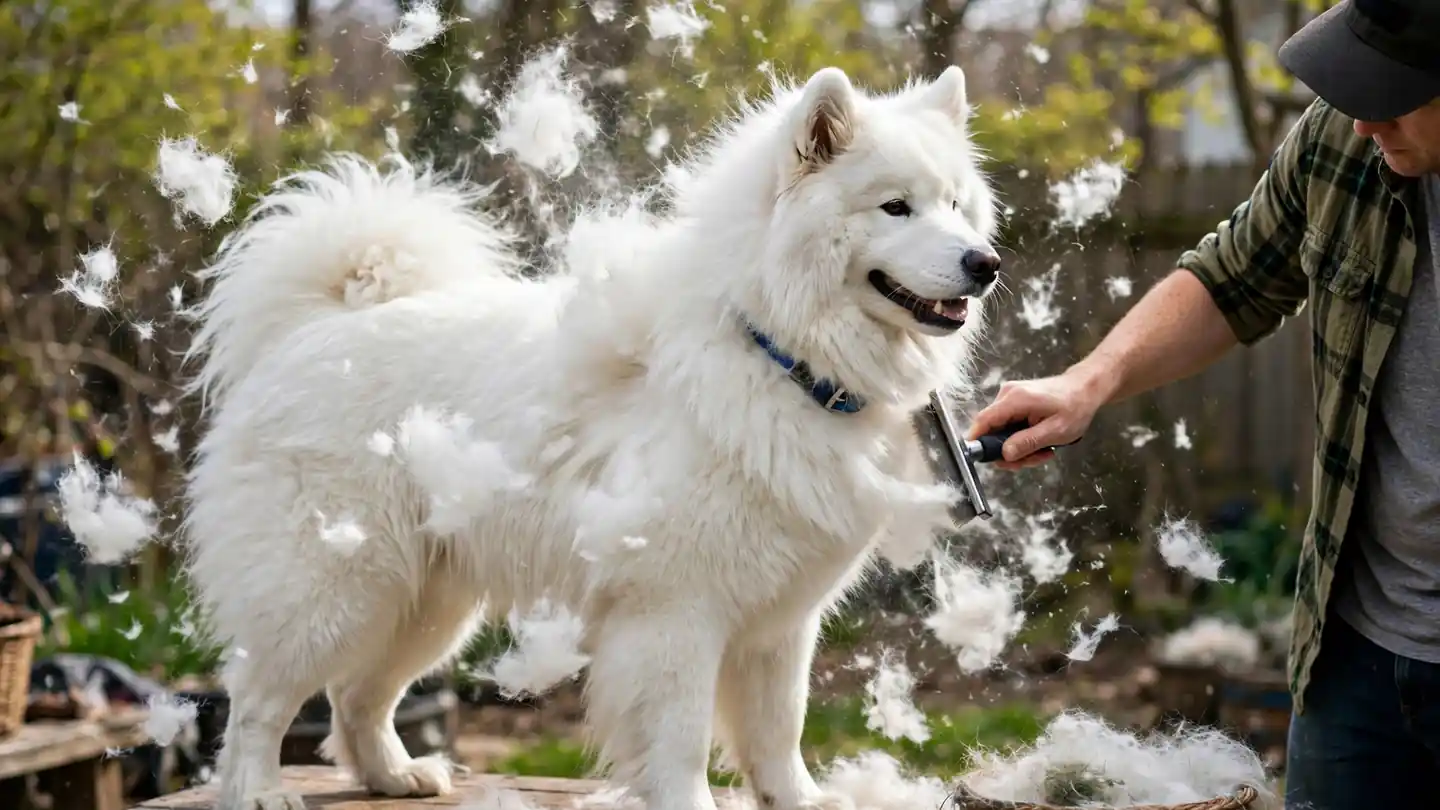
The beautiful burden: brush two to three times a week minimum; daily during coat blows. The Samoyed dog needs regular brushing.
The coat rarely needs trimming. Bathe as needed; the white coat shows dirt. Never shave the coat.
The coat is the beautiful burden, as the guide says. Brushing two to three times a week covers the thick, weather-resistant double coat, daily brushing during the spectacular seasonal coat blows manages the drifts, and the coat rarely needs trimming. Dirt mostly dries and brushes out of the outer coat, but never shave it, and the white coat shows dirt, so baths come as needed.
Exercise and Enrichment
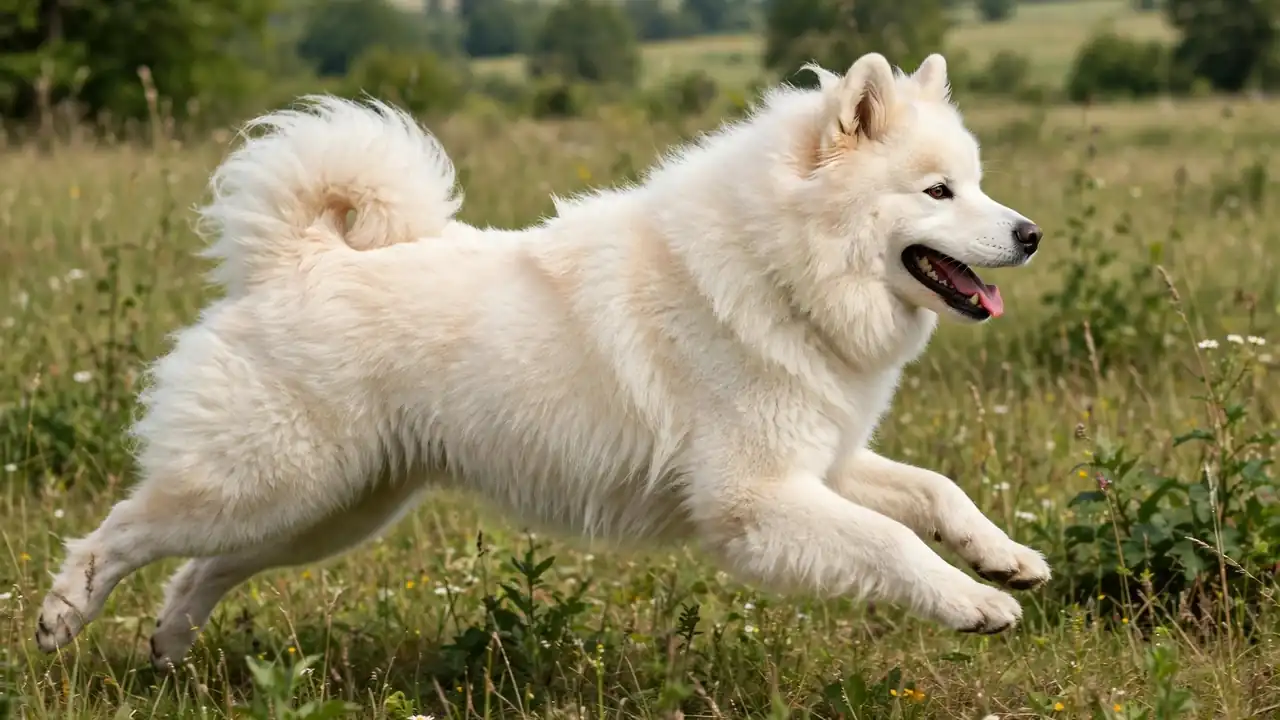
High energy with working drive: aim for 60 minutes or more of activity daily — walks, hiking, running, play. The Samoyed dog enjoys daily exercise.
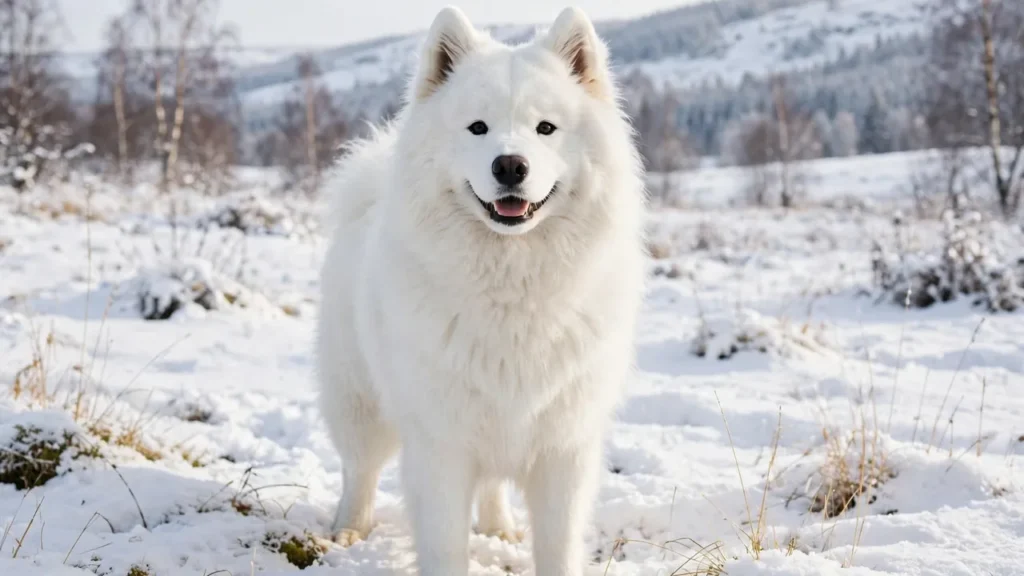
They enjoy pulling sports and agility. Mental work through training channels the mischief. They overheat easily with the heavy coat; exercise in cool hours. In snow, expect a transformation: this is the weather the breed was made for, and a winter walk can look like the happiest day of its year.
Exercise is high-energy and cool-weather friendly. Sixty minutes or more of walks, hiking, running, and play cover the need, pulling sports and agility suit the working drive, and mental work through training channels the mischief. The heavy coat overheats easily, so exercise in cool hours is the rule, and in snow, expect a transformation: this is the weather the breed was made for.
Health
Most live 12 to 14 years. Here are the health issues to know:
Hip dysplasia occurs; choose screened breeders.
Progressive retinal atrophy and cataracts occur.
Samoyed hereditary glomerulopathy, a kidney condition, appears in some lines.
Diabetes and hypothyroidism occur in the breed.
Schedule annual wellness exams, or twice-yearly exams for seniors, and ask your vet about screening for conditions the breed can be prone to, such as hip dysplasia and eye conditions. Consult your veterinarian promptly if you notice increased thirst and urination, or changes in appetite, weight, or energy. For general background, see the Wikipedia guide.
Health care follows the familiar rhythm with joint and eye screening in focus. Annual exams, twice-yearly exams for seniors, and screening for hip dysplasia and eye conditions cover the ground the guide names, and breeders who screen hips, eyes, and kidneys and breed for sound temperaments are worth seeking out. Day to day, limping, eye changes, and changes in appetite, weight, or energy deserve a prompt vet call.
Indoor and Outdoor Living
Indoor family member, outdoor snow lover: they live indoors with their people and enjoy outdoor exercise. The Samoyed dog lives indoors with its family.
They love cold weather and struggle in heat. A securely fenced yard is important; they roam. Give the dog a cool place to sleep and expect it to ignore the expensive bed in favor of tiles, doorways, and anywhere a draft sneaks through.
Indoor living as a snow-loving family member defines the arrangement. The breed lives indoors with its people and enjoys outdoor exercise, loving cold weather and struggling in heat, so a cool place to sleep matters more than an expensive bed. A securely fenced yard is important, since the breed roams, and drafts, tiles, and doorways will beat any bed you buy.
Family Suitability
Wonderful with active families: friendly and playful with children, good with other dogs.
The exuberance can overwhelm small kids. They usually accept cats they are raised with. Children raised with one gain a playmate with endless enthusiasm for games, snow days, and being the center of attention at the park.
With families, enthusiasm leads and exuberance sets the limit. The breed is wonderful with active families: friendly and playful with children, good with other dogs, and usually accepting of cats raised with it, though the exuberance can overwhelm small kids. Children raised with one gain a playmate with endless enthusiasm for games and snow days, and the Samoyed dog’s joyful, friendly character shows best in active, patient homes.
Finding a Breeder or Rescue
Health testing matters: good breeders screen hips, eyes, and kidneys, and breed for sound temperaments.
Rescues have wonderful dogs; the breed’s grooming and energy needs cause surrenders. Meet the parents if you can: friendly, relaxed adults are the best advertisement for the temperament a breeder is producing.
- Ask about screening — hips, eyes, and kidneys
- Ask how the breeder assesses temperament
- Ask how puppies are raised and socialized
- Consider a breed rescue
Quick Quiz: Is This Smiling Cloud Right for You?
Answer four questions. Tap yes or no.
Frequently Asked Questions
Are Samoyeds good family dogs?
Wonderful for active families. They are friendly, playful, and great with children.
How much exercise does a Samoyed need?
Sixty minutes or more of activity daily.
Do Samoyeds shed a lot?
Heavily, year-round, with spectacular seasonal coat blows.
Are Samoyeds easy to train?
They are intelligent but independent and mischievous. Patient, fun training works.
How long do Samoyeds live?
Typically 12 to 14 years.
Why is it called the Sammy smile?
The upturned mouth corners give a permanent smiling expression.
What do Samoyed owners say about living with the breed?
Owners consistently describe the Samoyed as friendly, playful, and mischievous. In practice, owners report that the breed’s joyful nature is the main reason they recommend it to active, patient families.
When should I ask my vet about my Samoyed’s health?
Schedule annual wellness exams, or twice-yearly exams for seniors, and ask your vet about screening for conditions the breed can be prone to, such as hip dysplasia and eye conditions. Consult your veterinarian promptly if you notice increased thirst and urination, or changes in appetite, weight, or energy.
Beauty with a working soul: friendly, playful, and mischievous, with the most famous smile in the dog world. The coat, the chatter, and the energy are a real commitment — active, patient families get a joyful companion in return.
Similar Breeds Worth Exploring
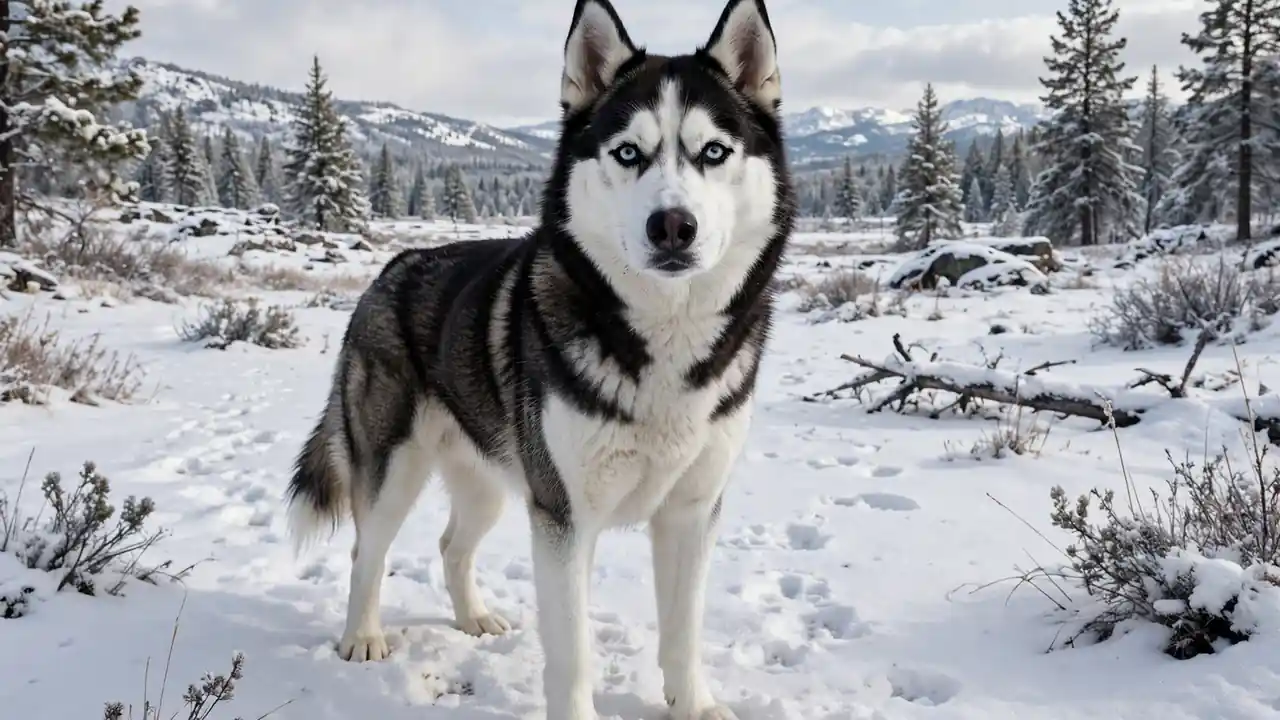
If this breed appeals to you, consider the American Eskimo Dog (smaller, similar look), the Finnish Spitz (similar northern spirit), the Keeshond (medium fluffy companion), or the Siberian Husky (more independent sled dog).
Related Breed Guides
Keep Exploring
Browse all our Dog Breed Guides, try the Dog Age Calculator, or explore our Cat Breed Guides. Every guide on this site follows the same layout, so the facts you need are always in the same place.