
Shih Tzu Dog Breed Guide
Shih Tzu: the little lion
Shih Tzu dog: sweet, affectionate, and bred purely for companionship. Care, grooming, and health in one complete guide.
By Emily Carter · Reviewed by our vet team · Updated 22 October 2026 · 10 min read
Lifespan 10–18 yrs Weight 9–16 lb Sweet & affectionate
Shih Tzu dog: the little lion of Chinese royalty: sweet, affectionate, and bred purely for companionship.
They were bred in Chinese palaces for centuries as treasured companions, likely from Tibetan dogs crossed with Chinese breeds. They were royal exclusives, never workers.
The companion heritage is the whole breed: they exist to be loved. This guide covers the sweetness honestly, including the one real commitment — the coat.
At a Glance
Size and Weight for the Shih Tzu dog
Small and sturdy: they weigh 9 to 16 pounds and stand 9 to 10 inches tall.
The build is surprisingly solid for a toy breed.
Coat and Colors for the Shih Tzu dog
The luxurious flowing coat: a long, flowing double coat in virtually any color.
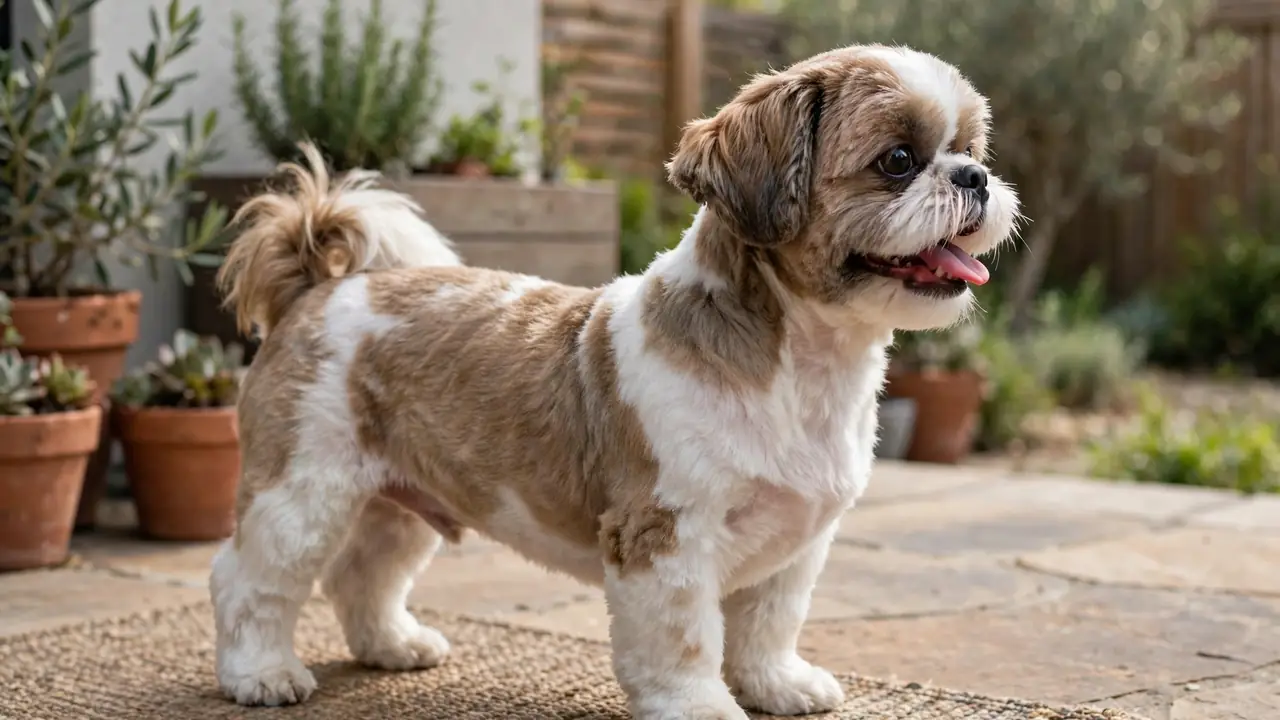
Kept in full coat, it needs daily brushing; most pet owners choose a short puppy cut. Shedding is minimal. The name means “little lion,” earned by the magnificent mane.



History and Origins
Bred in Chinese palaces for centuries as treasured companions, likely from Tibetan dogs crossed with Chinese breeds.
They were palace dogs, never workers, kept purely for company.
The name itself honors the lion-like mane and the breed’s royal aura.
Palace breeding produced a Shih Tzu dog engineered for one environment: a loving home, at close quarters, all day. Modern apartment life is remarkably close to the original brief.
Physical Characteristics
A little lion with a sweet face: a compact, solid body with a broad head, large expressive eyes, and the flowing coat.
The tail is carried curled over the back with a plume.
Under all that coat is a sturdier little dog than people expect: solid bone, a level back, and a tail that wags the whole rear end when its favorite person appears.
Shih Tzu Personality and Behavior
Sweetness as a lifestyle: famously sweet, affectionate, and playful. They adore their people, love children, and are friendly with everyone. They are outgoing and charming, with a happy outlook on life.
They can be stubborn about house training, but they are eager to please in general. They are companion dogs who hate being alone.
Owners consistently describe the Shih Tzu dog as sweet, affectionate, and playful — and its loving nature is why they recommend it to companion-dog lovers.
Sweetness as a lifestyle is exactly right. The Shih Tzu dog is sweet, affectionate, and playful, adoring its people and loving children, with an outgoing, charming outlook that makes friends of strangers and other pets alike. The palace heritage shows in the confidence: this is a small dog that expects to be loved and usually is.
The companion nature sets the limits. The breed hates being alone, so a household where someone is usually around suits it best, and stubbornness about house training needs patience rather than frustration, since the eagerness to please in general wins out with gentle consistency. A Shih Tzu that trusts its household is a happy, devoted companion.
Affectionate with family, visitors, and strangers alike; suspicion is not in the repertoire.
Outgoing and charming, with a generally sunny view of every day.
House training can test patience; everything else, they are eager to please.
- Sweet, affectionate, and playful with everyone
- Minimal shedding; ideal apartment dog
- Very long-lived: 10 to 18 years
- Full coat needs daily brushing; puppy cut is the easier life
- Eye problems and dental disease are common
- House training can be stubborn; hates being alone
Care Essentials
Companionship and coat care — here is the daily reality. They need 20 to 30 minutes of gentle daily activity: short walks and indoor play. They are indoor lap dogs who must live with their people, and they do poorly left alone all day.
The grooming is the real commitment if the coat is kept long.
A typical day is gentle and close. Twenty to thirty minutes of short walks and indoor play cover the activity, and the indoor lap dog that results must live with its people, doing poorly left alone for long hours. The grooming commitment is the other daily reality: if the coat is kept long, it needs real time every day, not occasional attention.
A measured small-breed diet in two meals a day; dental health matters.
Full coat: daily brushing. Puppy cut: trims every 6 to 8 weeks. Daily eye-area cleaning.
20 to 30 minutes of gentle activity daily; indoor play counts.
Indoor apartment living; protection from heat outdoors.
Nutrition and Diet
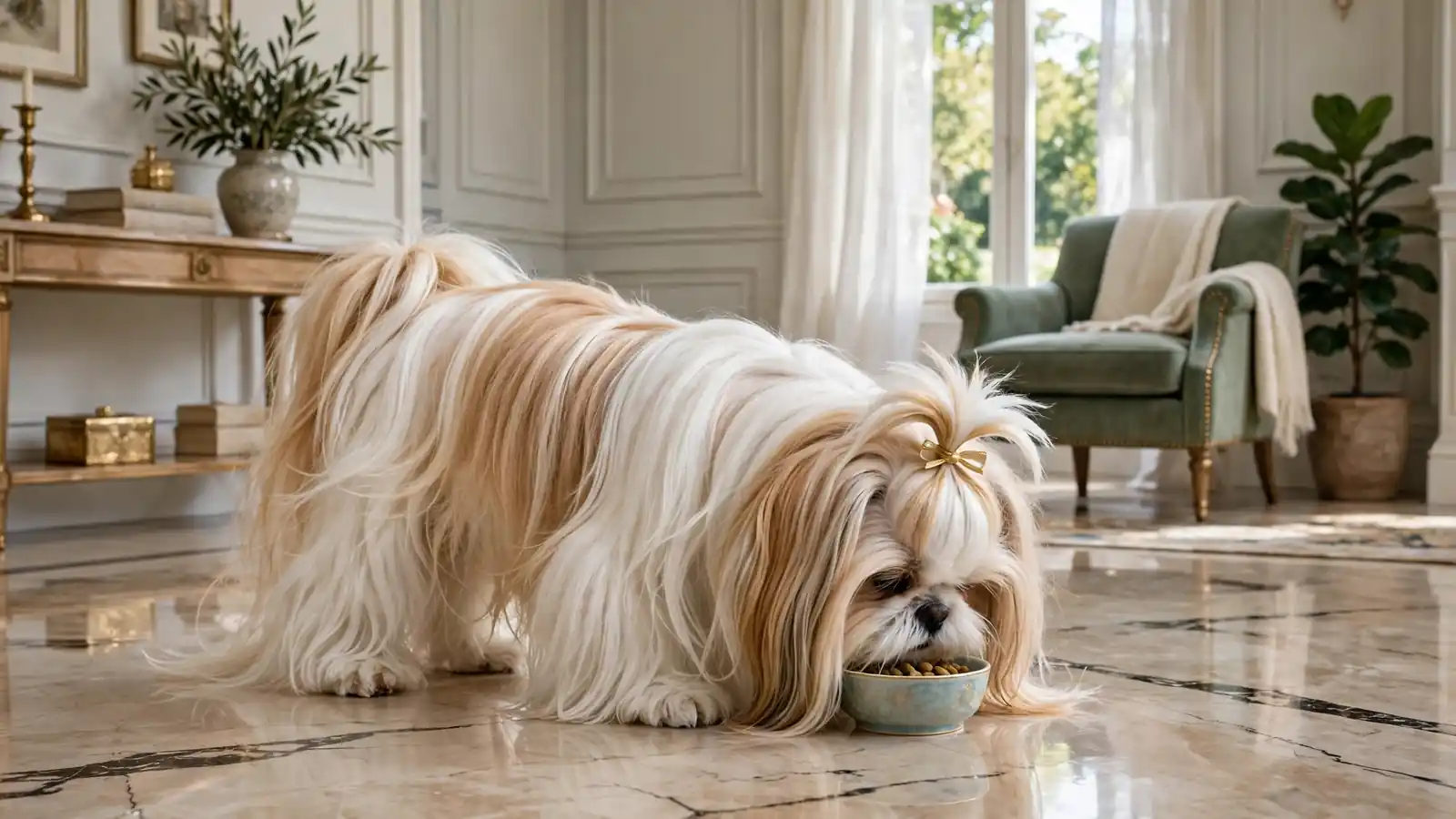
Small dog, quality food: feed a measured, high-quality small-breed diet in two meals a day.
Keep them lean; extra weight strains the body. Dental health matters; appropriate kibble helps.
Feeding suits the small companion. A measured, high-quality small-breed diet in two meals keeps the sturdy build lean, since extra weight strains the body, and dental health matters alongside weight, with appropriate kibble helping the small mouth. Treats stay counted, since a toy breed gains weight quietly when extras go unmeasured.
Grooming
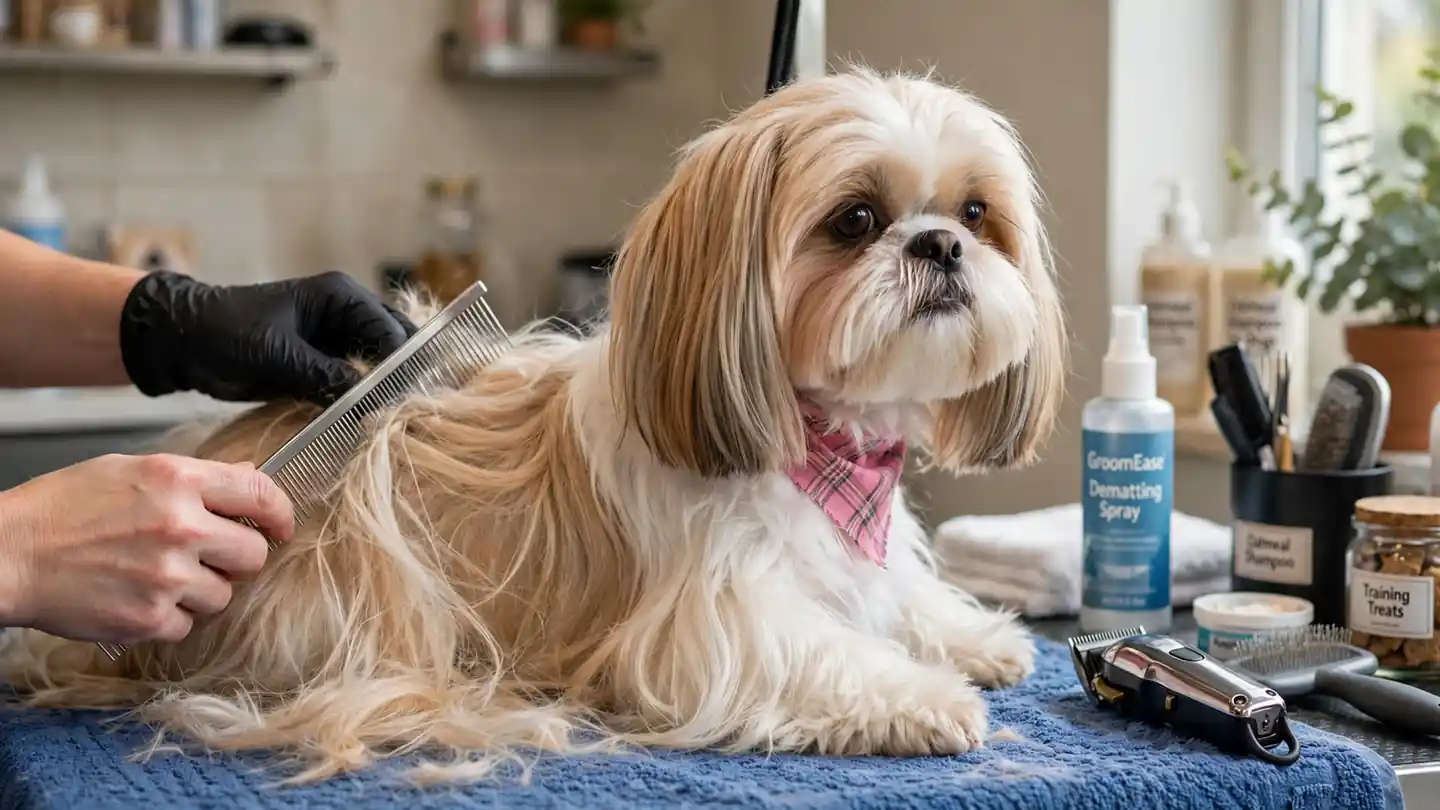
The coat decision defines the routine. Full coat: daily brushing to prevent mats, regular baths, professional grooming.
Puppy cut: much easier, with trims every 6 to 8 weeks. For all: daily eye-area cleaning, regular nail trims, teeth brushing. The prominent eyes need regular checks and cleaning.
The coat decision defines the routine, as the guide says. Full coat means daily brushing to prevent mats, regular baths, and professional grooming, while the puppy cut trades that for trims every six to eight weeks and much easier days. For all coats, daily eye-area cleaning matters, since the prominent eyes need regular checks and cleaning, plus nails and teeth.
Exercise and Enrichment
Low to moderate energy: aim for 20 to 30 minutes of gentle activity daily. Indoor play counts.
They enjoy short walks and gentle games.
Short games suit them best: a few minutes of fetch down a hallway or a gentle wander around the garden delivers the activity without taxing the breathing.
Exercise is gentle and game-sized. Twenty to thirty minutes of gentle activity daily cover the need, indoor play counts fully, and short games suit best: a few minutes of fetch down a hallway or a gentle wander around the garden deliver the activity without taxing the breathing. The low-to-moderate energy means a Shih Tzu tires happily rather than endlessly.
Health
Most live 10 to 18 years. Here are the health issues to know: Learn more about the Shih Tzu dog on Wikipedia.
Dry eye, ulcers, and proptosis are common with the prominent eyes.
Breathing issues occur in this brachycephalic breed.
Dental disease is common; regular dental care helps.
They can be heat-sensitive; keep outdoor time short in warm weather.
Schedule annual wellness exams, or twice-yearly exams for seniors, and ask your vet about screening for conditions the Shih Tzu dog can be prone to, such as eye and dental issues. Consult your veterinarian promptly if you notice eye problems, labored breathing, or changes in appetite, weight, or energy.
Health care follows the familiar rhythm with eye and dental screening in focus. Annual exams, twice-yearly exams for seniors, and screening for eye and dental issues cover the ground the guide names, and the Shih Tzu dog’s breeders should health-test eyes and patellas and breed for sound structure. Day to day, eye changes, mouth discomfort, and changes in appetite, weight, or energy deserve a prompt vet call.
Indoor and Outdoor Living
Indoor lap dog, absolutely: they live indoors and are ideal apartment dogs.
They need protection from heat and should have short, supervised outdoor time.
They adapt to almost any home size, from studio to house, because the territory they truly claim is whichever cushion is nearest their person.
Indoor living is absolute for this breed. The Shih Tzu lives indoors as an ideal apartment dog, adapting to almost any home size from studio to house, since the territory it truly claims is whichever cushion is nearest its person. Protection from heat and short, supervised outdoor time complete the picture for a flat-faced companion.

Family Suitability
Wonderful companions for many households: great with children, friendly with strangers, usually good with other dogs and cats.
Their small size and sweet nature suit many living situations.
Their tolerance is part of the charm: children, visitors, and other pets are generally received as new friends rather than disruptions.
With families, tolerance is the charm. The breed is wonderful for many households: great with children, friendly with strangers, and usually good with other dogs and cats, with children, visitors, and other pets generally received as new friends rather than disruptions. The Shih Tzu dog’s sweet, outgoing character shows best in homes that enjoy a small, affectionate companion.
Finding a Breeder or Rescue
Careful breeding matters: good breeders health-test (eyes, patellas), breed for sound structure, and raise puppies in the home.
Breed rescues have wonderful dogs.
- Ask about testing — eyes and patellas
- Ask how the breeder selects for sound structure
- Ask how puppies are raised and socialized
- Consider a breed rescue
Quick Quiz: Is the Little Lion Right for You?
Answer four questions. Tap yes or no.
Frequently Asked Questions
Are Shih Tzus good family dogs?
Wonderful. They are sweet, affectionate, and great with children.
How much exercise does a Shih Tzu need?
Only 20 to 30 minutes of gentle activity daily.
Do Shih Tzus shed?
Very little. The long coat is minimal-shedding but needs brushing.
Are Shih Tzus easy to house train?
They can be stubborn about it. Patience and consistency are required.
How long do Shih Tzus live?
Typically 10 to 18 years, one of the longer-lived breeds.
Do Shih Tzus bark a lot?
Moderately. They alert to visitors but are not excessive barkers.
What do Shih Tzu owners say about living with the breed?
Owners consistently describe the Shih Tzu as sweet, affectionate, and playful. In practice, owners report that the breed’s loving nature is the main reason they recommend it to companion-dog lovers.
When should I ask my vet about my Shih Tzu’s health?
Schedule annual wellness exams, or twice-yearly exams for seniors, and ask your vet about screening for conditions the breed can be prone to, such as eye and dental issues. Consult your veterinarian promptly if you notice eye problems, labored breathing, or changes in appetite, weight, or energy.
Sweet, affectionate, and playful: a palace companion whose loving nature has survived centuries unchanged. Choose the coat you can maintain, protect the eyes, and you get one of the longest-lived, happiest little companions there is.
Similar Breeds Worth Exploring
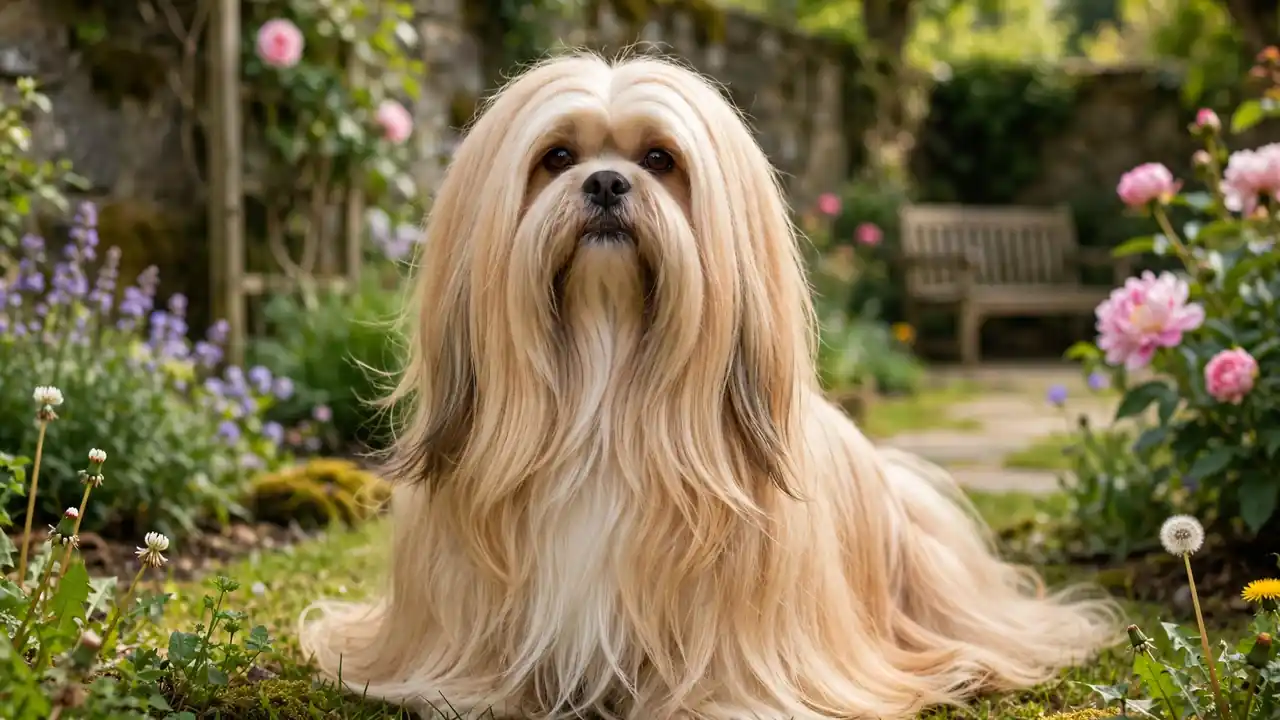
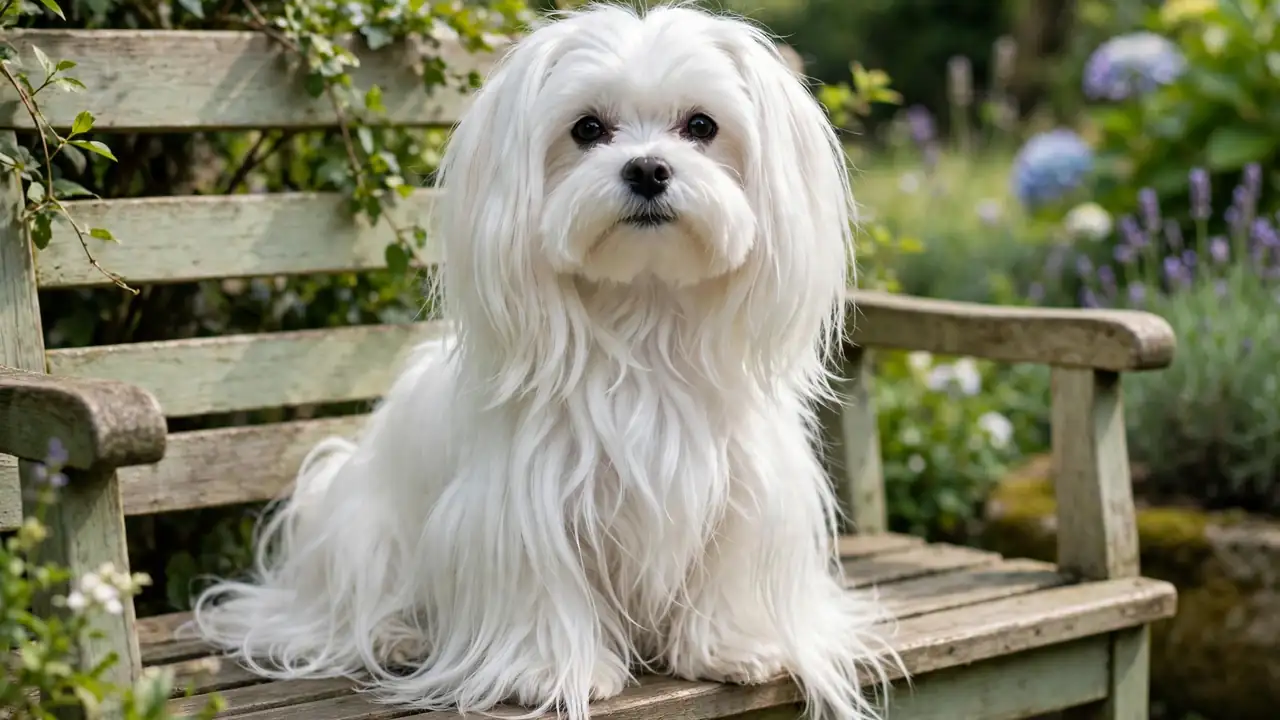
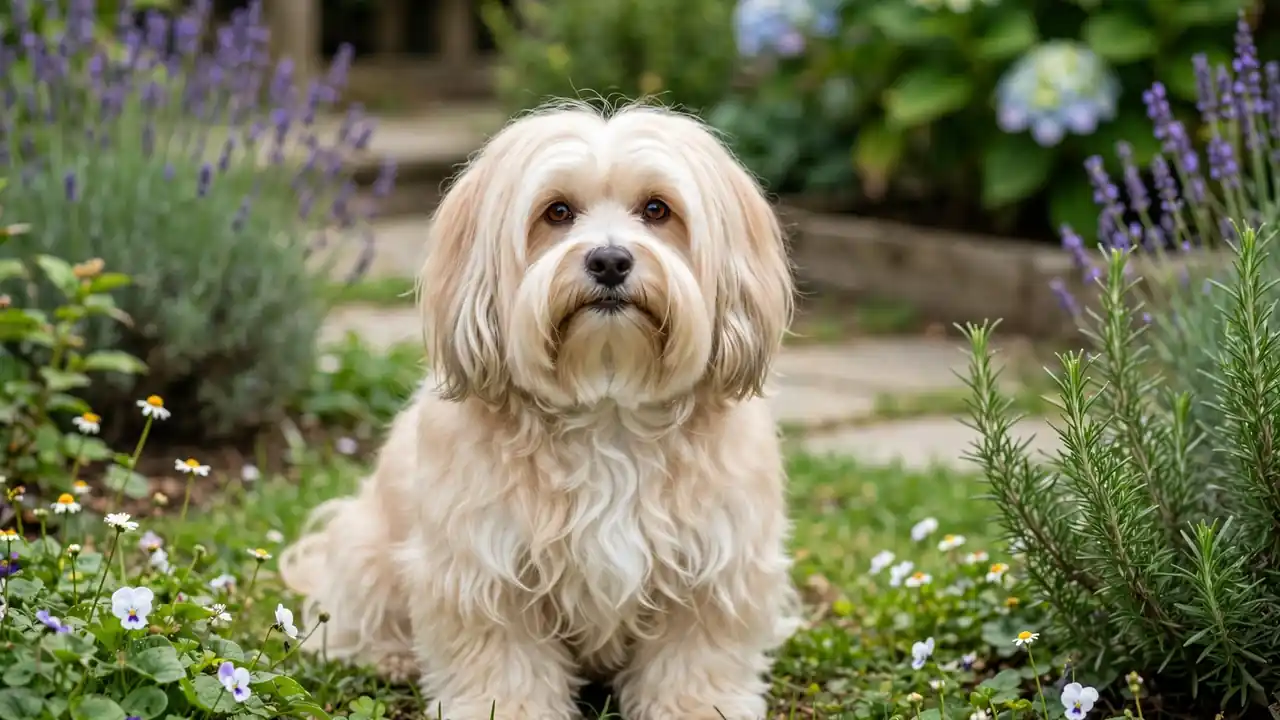
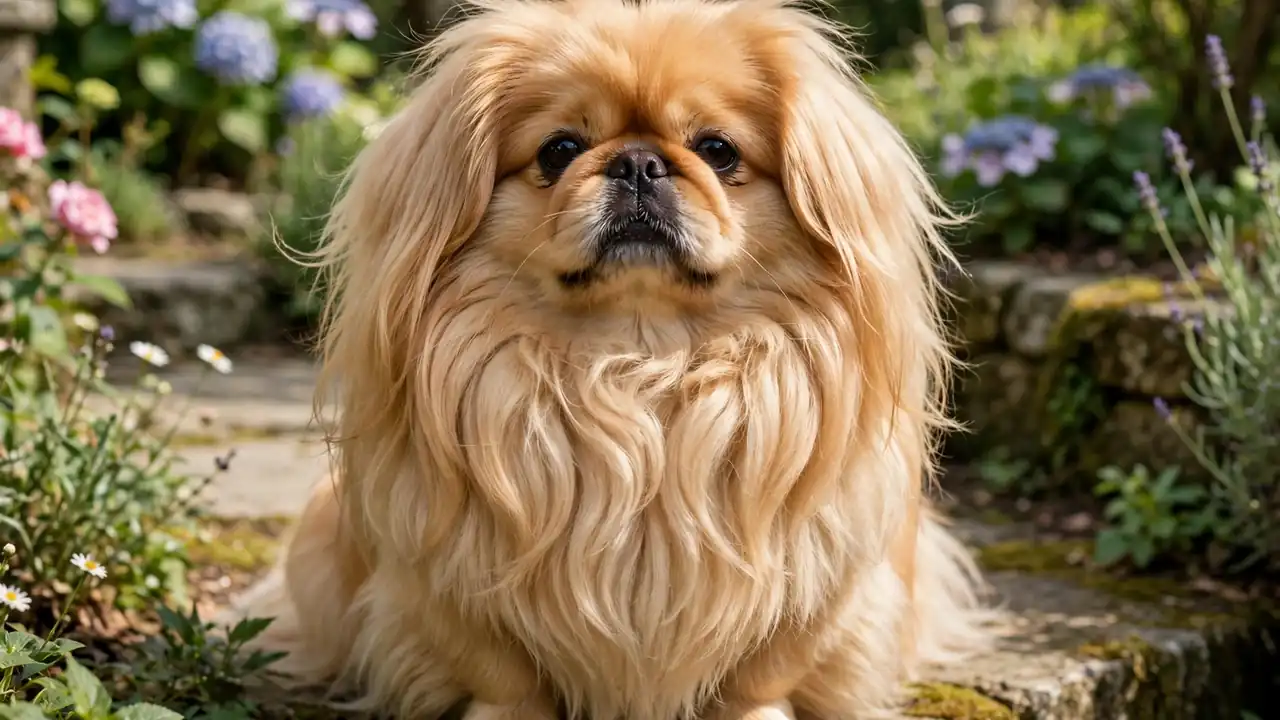
If this Shih Tzu dog appeals to you, consider the Lhasa Apso (similar look, more independent), the Maltese (gentler white toy), the Havanese (playful and similar), or the Pekingese (another Chinese royal).
Related Breed Guides
Keep Exploring
Browse all our Dog Breed Guides, try the Dog Age Calculator, or explore our Cat Breed Guides. Every guide on this site follows the same layout, so the facts you need are always in the same place.