
Siberian Husky Dog Breed Guide
Siberian Husky: the striking sled dog
Siberian Husky dog: endless energy and a talent for escape — the beautiful sled dog that runs all day. Care, grooming, and health in one complete guide.
By Emily Carter · Reviewed by our vet team · Updated 22 October 2026 · 10 min read
Lifespan 12–15 yrs Weight 35–60 lb Extremely high energy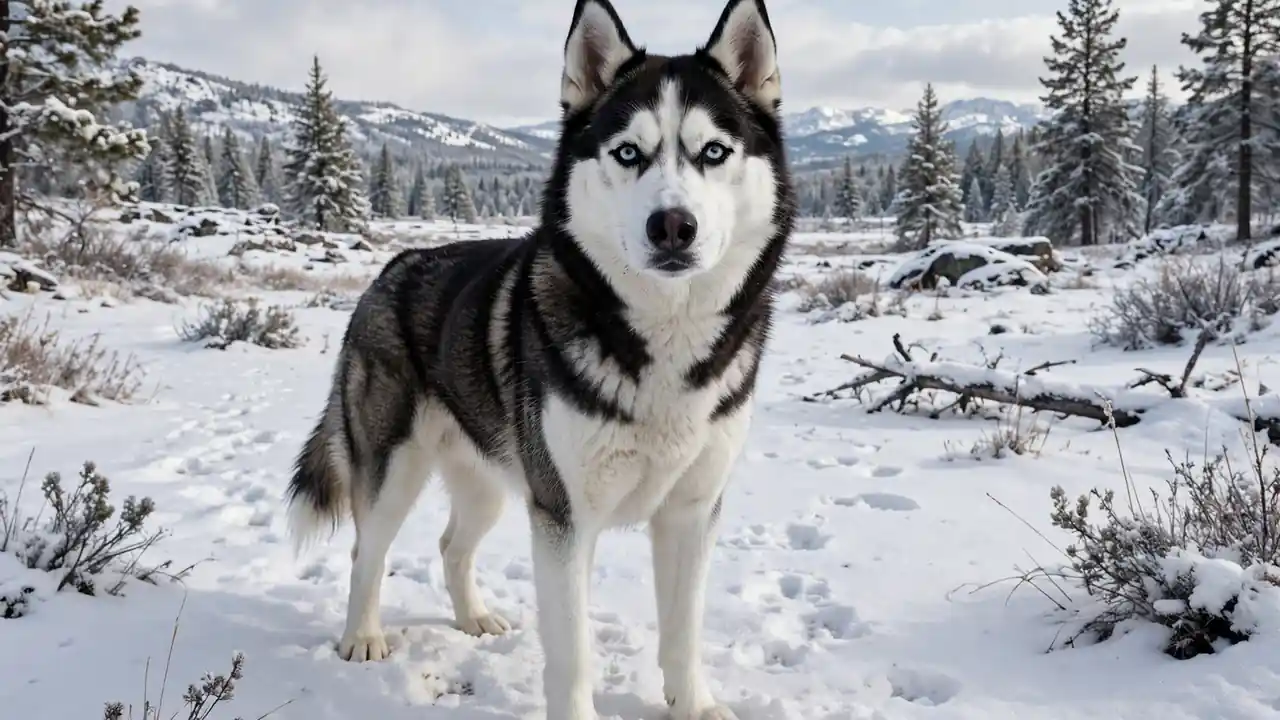
Siberian Husky dog: the striking sled dog with endless energy and a talent for escape.
The Chukchi people of Siberia bred these dogs to pull light loads over vast distances; they came to Alaska for sled racing in the early 1900s and became famous through the serum run to Nome.
The sled heritage is the whole temperament: running, independence, and pack sociality. Understand that and everything else about living with this Siberian Husky dog falls into place — skip it, and the Siberian Husky dog will educate you through your fence, your garden, and your furniture.
It is also, honestly, one of the most surrendered breeds in rescues — not because the Siberian Husky dogs are difficult, but because the homework was not done. This guide is the homework.
At a Glance
Size and Weight for the Siberian Husky dog
Medium-large and athletic: males stand 21 to 24 inches and weigh 45 to 60 pounds; females are 20 to 22 inches and 35 to 50 pounds.
The build is compact and built for endurance running — lighter and quicker than the freight-hauling sled breeds, made for covering ground all day at a steady, ground-eating trot.
Weights surprise people: for all the presence, this is a moderate-sized dog. The impression of size comes from the coat, the carriage, and the personality.
Coat and Colors for the Siberian Husky dog
The thick double coat: dense, in black, gray, red, sable, agouti, or white, often with striking facial markings.
Blue, brown, or heterochromatic eyes are famous. Shedding is heavy year-round with spectacular seasonal coat blows.
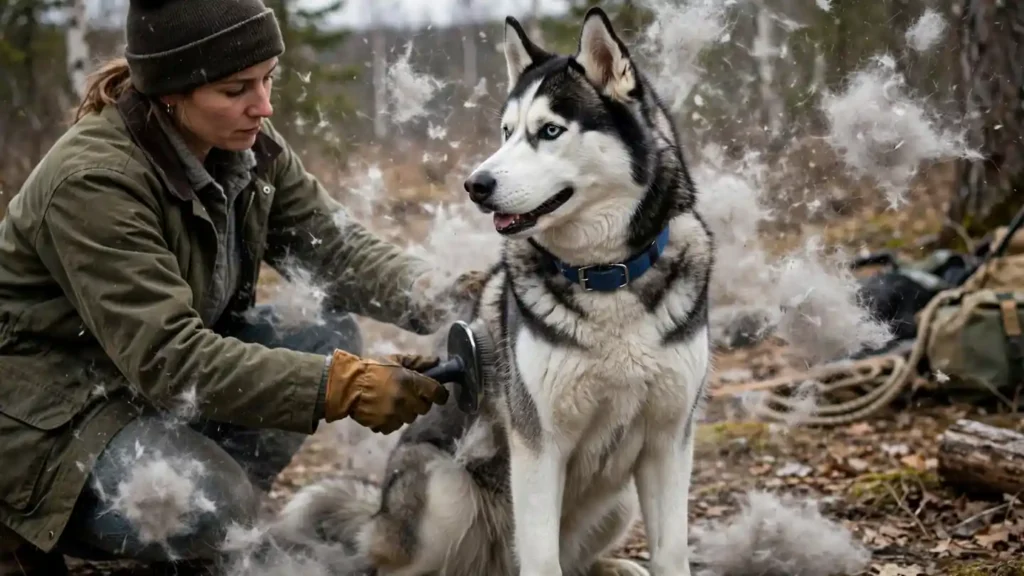
Weekly brushing minimum; daily during blows. Never shave a Siberian Husky dog.
The facial markings are part of the fame: caps, bars, and spectacles around the eyes give each dog a distinct, almost masked look that owners learn to read like expressions.


History and Origins
The Chukchi people of Siberia bred these dogs to pull light loads over vast distances.
They came to Alaska for sled racing in the early 1900s.
The sled relay to Nome made the breed famous far beyond the Arctic.
This is a working dog in the most literal sense: the Siberian Husky dog was shaped by teams, distance, and cold, and it still organizes its whole personality around all three.
The serum run dogs became celebrities, but the Siberian Husky dog’s real fame came from what owners discovered at home: a Siberian Husky dog of enormous charm and absolutely no interest in being decorative.
Physical Characteristics
Built to run all day: a compact, athletic body with a deep chest and the famous erect ears and curled tail. The expression is keen and friendly.
Everything about the Siberian Husky dog says endurance and cold-weather efficiency.
Siberian Husky Personality and Behavior
Friendly, dramatic, and unstoppable: famously friendly, outgoing, and social. They love people and other dogs, are full of energy, and are famously vocal, howling and “talking.” They are intelligent but independent and notoriously stubborn about training.
They are legendary escape artists who can climb, dig, and open doors. They have a powerful prey drive and cannot be trusted off-leash or with small animals. They are not guard dogs; they greet intruders as friends.
Owners consistently describe the Siberian Husky dog as friendly, independent, and mischievous — and its joyful energy is why they recommend it only to highly active, savvy owners.
Plan on the Siberian Husky dog being the most extroverted member of the household: visitors are new best friends, other dogs are a pack waiting to happen, and every closed door is a puzzle with a deadline.
Expect singing along with sirens, commentary on the mail carrier, and a celebratory howl when the leash appears; silence is not this Siberian Husky dog’s love language. Two dogs are easier than one for many owners: the pack sociality is real, and a compatible companion burns off social energy that would otherwise be spent redecorating.
Friendly, dramatic, and unstoppable is exactly right. The breed is famously friendly, outgoing, and social, loving people and other dogs, full of energy and famously vocal, howling and talking. Intelligent but independent, the dog is the most extroverted member of the household: visitors are new best friends, and every closed door is a puzzle with a deadline.
The escape artistry and prey drive set the limits. Legendary escape artists climb, dig, and open doors, with a powerful prey drive that means no off-leash trust and no small animals unsupervised. Not guard dogs, the breed greets intruders as friends, and singing along with sirens plus commentary on the mail carrier is the daily soundtrack.
People, dogs, and probably burglars — this is no guard dog.
Climbs, digs, and opens doors; containment is a serious engineering project.
Howling and “talking” are daily programming, not emergencies.
- Friendly, outgoing, and social
- Excellent with other dogs
- Generally healthy, long-lived, and naturally clean
- Extreme energy: 90+ minutes of hard exercise daily
- Legendary escape artistry and strong prey drive
- Heavy shedding; struggles in heat
Care Essentials
Running is life — here is the daily reality. They are indoor family dogs who want pack closeness but will destroy a house if under-exercised. Secure containment is essential: a Siberian Husky dog will find every weakness in your fence.
Audit your home like an escape committee: door latches, window latches, gate springs, and the gap under the fence all get tested, usually in that order.
A typical day runs on running as life. Indoor family dogs wanting pack closeness destroy a house if under-exercised, with secure containment essential, since every weakness in fencing gets found. Auditing the home like an escape committee, door latches, window latches, gate springs, and the gap under the fence, is the weekly routine.
A measured, high-quality diet in two meals; they need less food than expected for their activity.
Brush several times a week, daily during coat blows; never shave the double coat.
90 minutes or more of vigorous exercise daily: running, biking, sled sports.
An indoor family home with an escape-proof yard: tall fences, dig guards.
Nutrition and Diet
Efficient metabolism: feed a measured, high-quality diet in two meals a day.
They are famously efficient and need less food than expected for their activity. Keep them lean — weigh food rather than eyeballing it, because an efficient metabolism turns small daily extras into visible weight surprisingly fast.
Appetite can be modest for days and then suddenly enormous in hard training weeks; follow the ribs and the energy, not a fixed scoop, and expect the coat to report the diet before the scales do.
Feeding suits an efficient metabolism. A measured, high-quality diet in two meals keeps the dog lean, since the breed needs less food than expected for its activity, and weighing food rather than eyeballing it matters, since small daily extras turn into visible weight surprisingly fast. Appetite varies with training load, so following ribs and energy, not a fixed scoop, is the rule.

Grooming
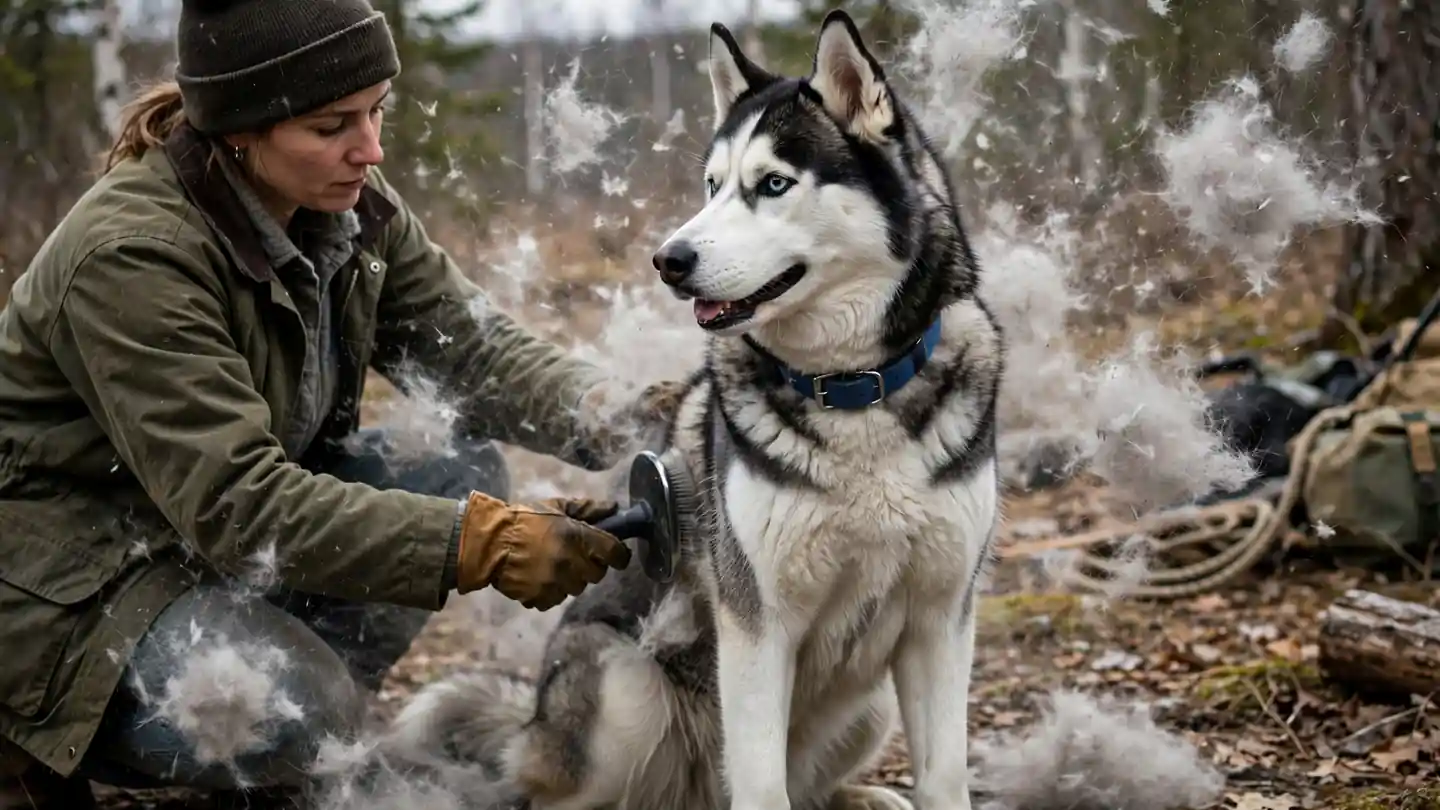
The shedding is legendary: brush several times a week; daily during coat blows.
Bathe as needed; they are naturally clean. Trim nails, check ears, brush teeth regularly. Never shave the double coat. During a coat blow, work in sections outdoors if you can: the undercoat comes out in handfuls, and it is far easier on the house than discovering it later on every surface you own.
Nail care matters more than in couch breeds: a Siberian Husky dog covering this much ground needs sound feet, and long nails change how the foot lands on every stride.
Grooming is legendary shedding with a clean dog underneath. Brushing several times a week, daily during coat blows, manages the thick double coat and its heavy year-round shedding, with baths as needed, since the breed is naturally clean. The same session covers nails, ears, and teeth, and the double coat must never be shaved.
Exercise and Enrichment
Extreme energy is the baseline: ninety minutes or more of hard exercise daily. Running, biking, and sled sports suit the breed.
Mental work helps but never replaces running. A tired dog of this breed is a wonderful dog; anything less is a project. Build the day around the exercise the way you would build it around a job: fixed times, real intensity, and variety across the week, because a fit dog with a routine is calmer than a fit dog guessing.
Two shorter, harder sessions often beat one marathon, and a rest day after a truly big day keeps joints and enthusiasm intact; young dogs, especially, should build distance gradually rather than being run into the ground on a weekend whim.
Exercise is extreme energy as the baseline. Ninety minutes or more of hard exercise daily cover the need, with running, biking, and sled sports all suited, and mental work helping but never replacing running. Building the day around exercise like a job, with fixed times, real intensity, and variety, keeps the dog wonderful, while anything less is a project.

Health
Most live 12 to 15 years and are generally healthy. Here is what to know: Learn more about the Siberian Husky dog on Wikipedia.
Cataracts, progressive retinal atrophy, and corneal dystrophy occur.
Hip dysplasia occurs occasionally.
Zinc-responsive skin conditions appear in some lines.
Schedule annual wellness exams, or twice-yearly exams for seniors, and ask your vet about screening for conditions the breed can be prone to, such as eye conditions. Consult your veterinarian promptly if you notice vision changes, skin problems, or changes in appetite, weight, or energy.
Eyes deserve particular attention at every check-up: several of this breed’s known conditions affect vision, and early changes are easy to miss at home.
Health care follows the familiar rhythm with eye vigilance in focus. Annual exams, twice-yearly exams for seniors, and screening for eye conditions cover the ground the guide names, and breeders who screen eyes and hips are worth seeking out. Day to day, vision changes and changes in appetite, weight, or energy deserve a prompt vet call, since several known conditions affect vision and early changes are easy to miss at home.
Indoor and Outdoor Living
Indoor pack member, outdoor runner: they live indoors with their families and exercise outdoors hard.
They love cold weather and struggle in heat. The yard must be escape-proof: tall fences, dig guards. They are not apartment dogs for most owners. Assume any fence is a first draft: walk the perimeter weekly, check for dig sites at the base, and treat gates and latches as moving parts that a clever, motivated dog is quietly studying.
Cold is a feature, not a bug: many will choose a snowbank over a heated room given the choice, and a winter garden becomes a second home.
Indoor living as a pack member defines the arrangement. The breed lives indoors with its family and exercises outdoors hard, loving cold weather and struggling in heat, with an escape-proof yard: tall fences and dig guards. Cold is a feature, not a bug, and many choose a snowbank over a heated room, making a winter garden a second home.

Family Suitability
Great with active families: friendly and playful with children, excellent with other dogs.
The energy and exuberance can overwhelm small kids. Small pets are at risk from the prey drive.
Supervise play with younger children not from any concern about temperament but about physics: an exuberant 50-pound greeter can bowl a toddler without noticing.
With families, friendliness leads and exuberance sets the limit. The breed is great with active families: friendly and playful with children, excellent with other dogs, though energy and exuberance can overwhelm small kids. Small pets are at risk from the prey drive, and supervising play with younger children matters for physics, not temperament: an exuberant 50-pound greeter can bowl a toddler without noticing.
Finding a Breeder or Rescue
Working versus show lines differ, so know what you need: working lines are more intense. Good breeders screen eyes and hips.
Rescues are full of wonderful dogs; the breed’s energy and escape artistry cause surrenders. Be honest with any breeder or rescue about your exercise reality, not your exercise intentions: this breed is surrendered by people who meant well on exactly that point.
Ask to see how the breeder’s adults live: a settled, well-exercised adult pack is the best preview of what your puppy can become in the right home.
- Ask about eye and hip screening
- Ask whether the line is working or show bred, and what that means daily
- Ask how puppies are raised and socialized
- Consider a breed rescue
Quick Quiz: Is This Sled Dog Right for You?
Answer four questions. Tap yes or no.
Frequently Asked Questions
Are Siberian Huskies good family dogs?
They are wonderful for highly active families. They are friendly and great with kids.
How much exercise does a Husky need?
Ninety minutes or more of vigorous exercise daily. This is an extreme-energy breed.
Do Huskies shed a lot?
Heavily, year-round, with spectacular seasonal coat blows.
Why does my Husky howl?
Howling is natural communication for the breed. They are famously vocal.
How long do Huskies live?
Typically 12 to 15 years.
Can Huskies live in hot climates?
They struggle in heat. Air conditioning and cool-hour exercise are essential.
What do Husky owners say about living with the breed?
Owners consistently describe the Husky as friendly, independent, and mischievous. In practice, owners report that the breed’s joyful energy is the main reason they recommend it only to highly active, Husky-savvy owners.
When should I ask my vet about my Husky’s health?
Schedule annual wellness exams, or twice-yearly exams for seniors, and ask your vet about screening for conditions the breed can be prone to, such as eye conditions. Consult your veterinarian promptly if you notice vision changes, skin problems, or changes in appetite, weight, or energy.
Friendly, independent, and mischievous, with joyful energy to burn: a sled dog first and a pet second. Give it running, a pack, and a fence it cannot beat, and it is one of the most fun dogs on earth; shortchange any of the three and it will redesign your house and garden.
Similar Breeds Worth Exploring
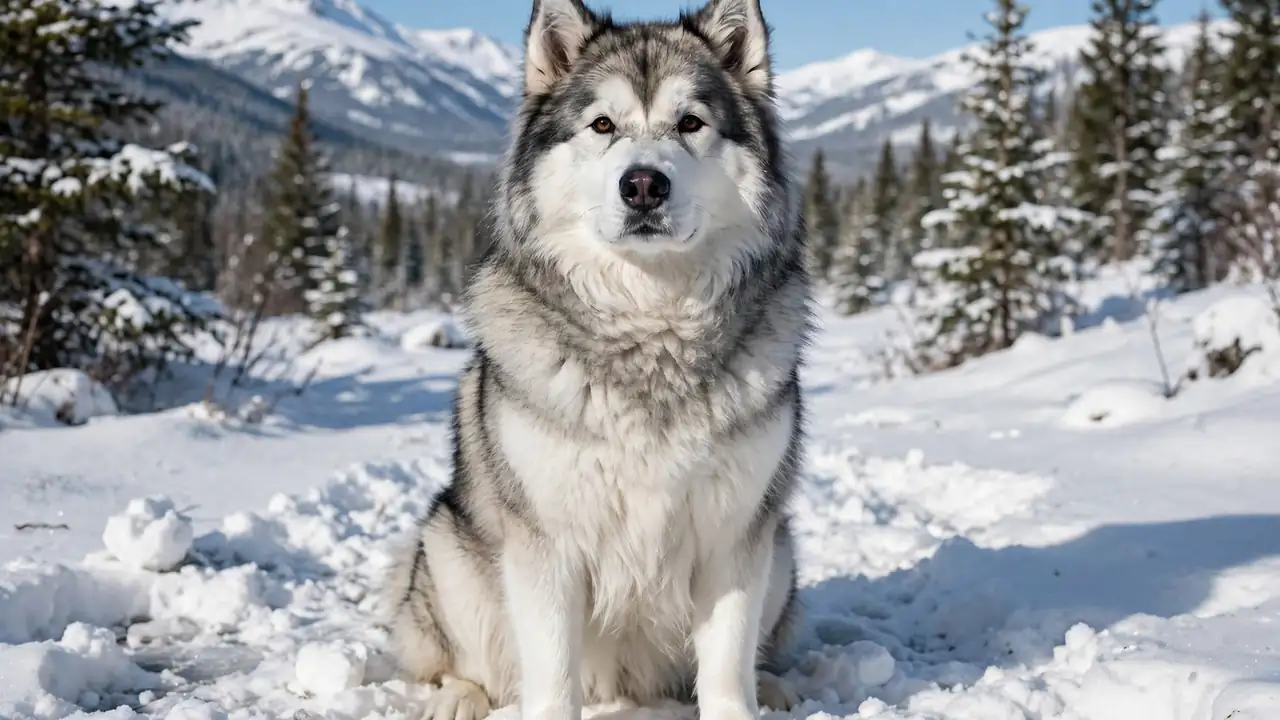
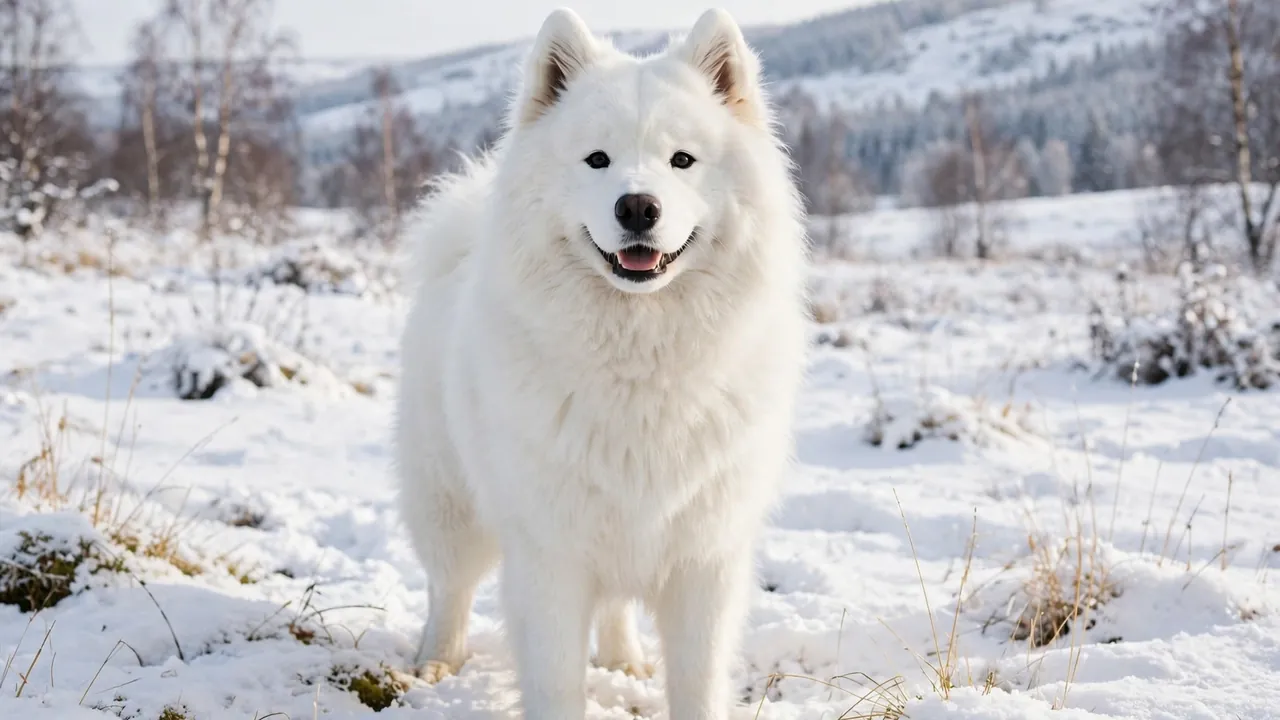
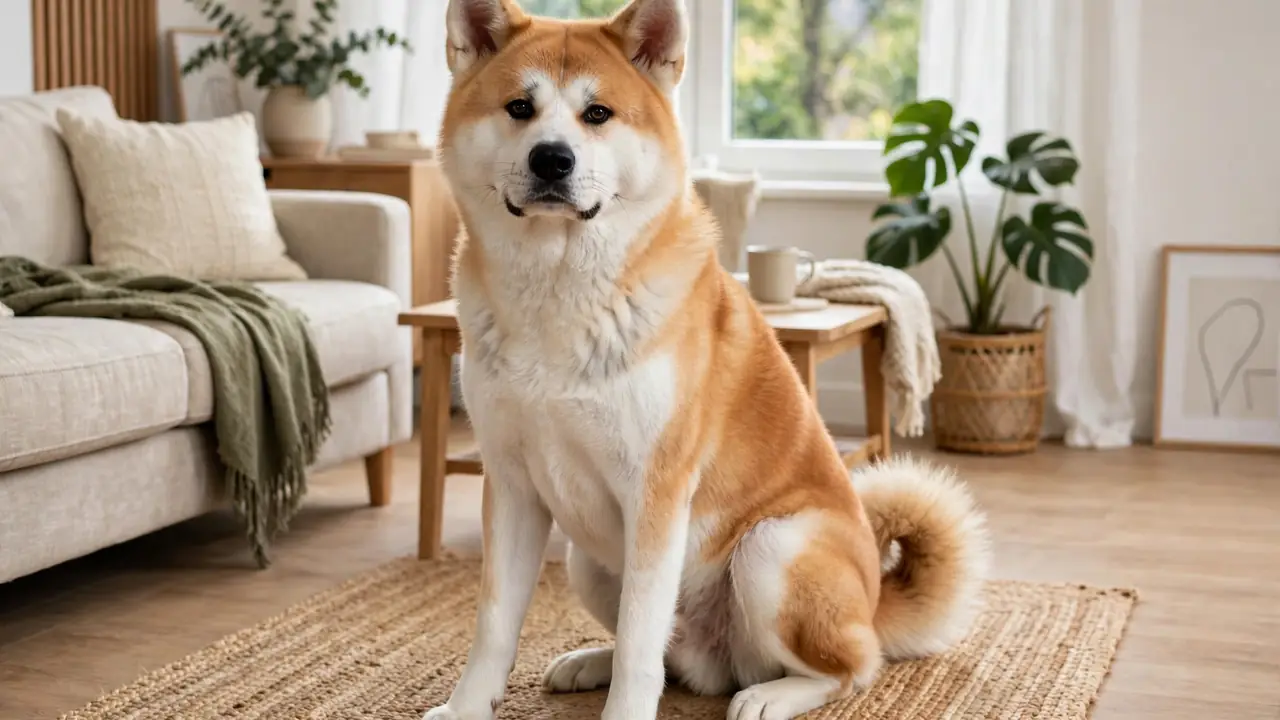
If this breed appeals to you, consider the Alaskan Malamute (larger, stronger sled dog), the Samoyed (friendlier sled dog), the Akita (more guardian-like), or the American Eskimo Dog (smaller Spitz).
Related Breed Guides
Keep Exploring
Browse all our Dog Breed Guides, try the Dog Age Calculator, or explore our Cat Breed Guides. Every guide on this site follows the same layout, so the facts you need are always in the same place.