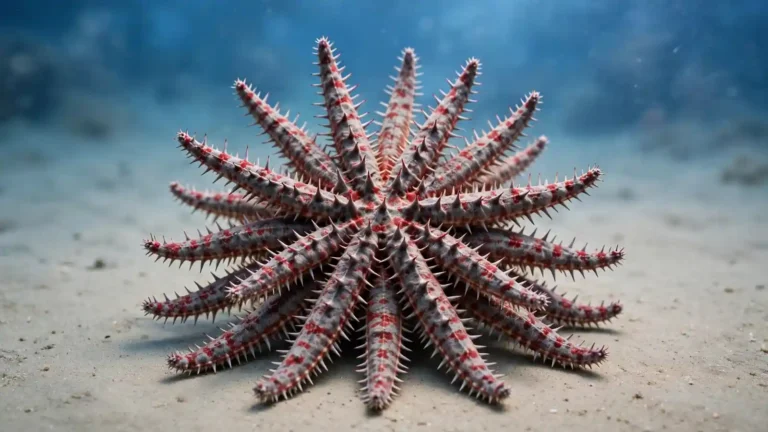
Sea Lion vs Seal
Sea Lion vs Seal: The Ears Give It Away Every Time
One of them sits up like a dog and barks at the harbour. The other lies flat like a spotted banana and barely makes a sound. They are close cousins, but once you know where to look, you will never mix them up again.
By Emily Carter · Reviewed by our vet team · Updated 10 November 2026 · 9 min read
The ear test never fails8 key differencesPhotos of both, side by side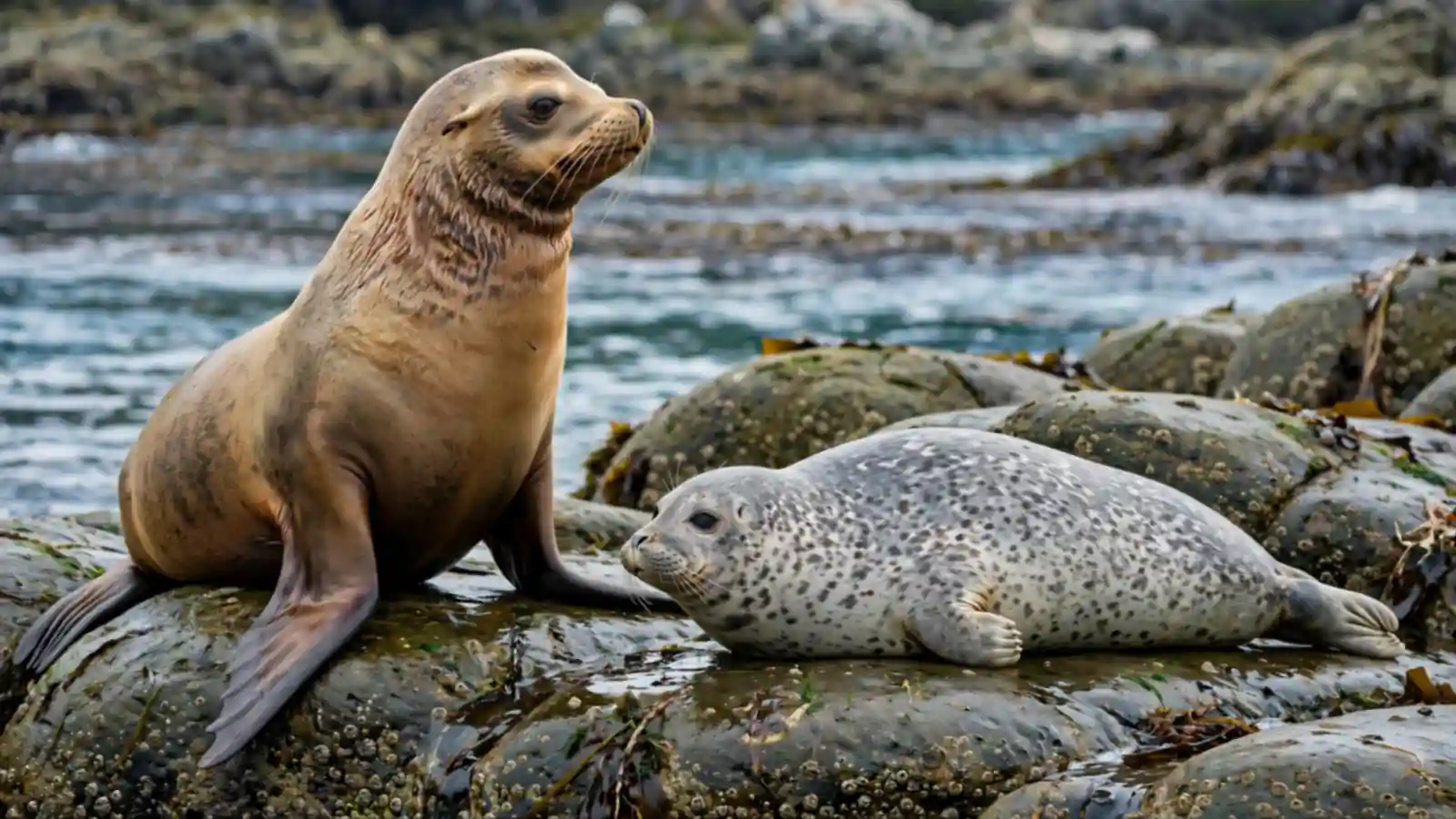
At a Glance
Sea lion vs seal is the classic seaside mix-up, and it is an easy one to forgive: both are fin-footed marine mammals, both haul out on the same rocks, and both answer to the name “seal” in everyday speech. Sea lions are, in fact, seals of a kind: they belong to the eared seal family, while the animals most people picture as seals are the true, or earless, seals. The good news is that you do not need to be a biologist to separate them. Eight honest differences, starting with the ears, will do it every time.
Sea Lion vs Seal Differences
Lay the two animals side by side and the family split shows everywhere, from the ear to the tail. This table is the heart of the sea lion vs seal comparison: work down it on any animal you meet, and the identification makes itself.
| Trait | Sea Lion | True Seal |
|---|---|---|
| Ears | A small external ear flap, like a tiny rolled ear on the side of the head | No ear flap at all, just a round ear hole behind the eye |
| Front flippers | Long, smooth and mostly hairless, strong enough to prop the body up like arms | Short, furred and clawed, held tucked against the chest |
| Hind flippers | Can rotate forwards under the body, so the animal can “walk” on land | Point permanently backwards, useless for walking on land |
| Face | Long, dog-like muzzle with a clear forehead and whiskered snout | Round, cat-like face with big eyes and a short muzzle |
| Coat | A single sleek coat of coarse hair that looks dark and wet | Fur over thick blubber, often spotted, marbled or ringed |
| On land | Sits upright and walks on all fours, surprisingly fast over rocks | Moves by humping and flopping along on its belly |
| In the water | Flies through the water with slow, powerful strokes of the front flippers | Kicks with the hind flippers and steers with the front ones |
| Voice | Loud and social: colonies bark, roar and honk for hours | Mostly silent above water, with soft grunts and snorts |
If you remember only one line, make it the ears: a flap means the eared family, and a bare hole means a true seal. For a pocket version of the same test, this university extension guide to telling seals and sea lions apart walks through the same checks with drawings. It is the same method marine wildlife watchers use on every beach, and it is why the sea lion vs seal question takes seconds, not minutes, once you know it.
Meet the Sea Lion
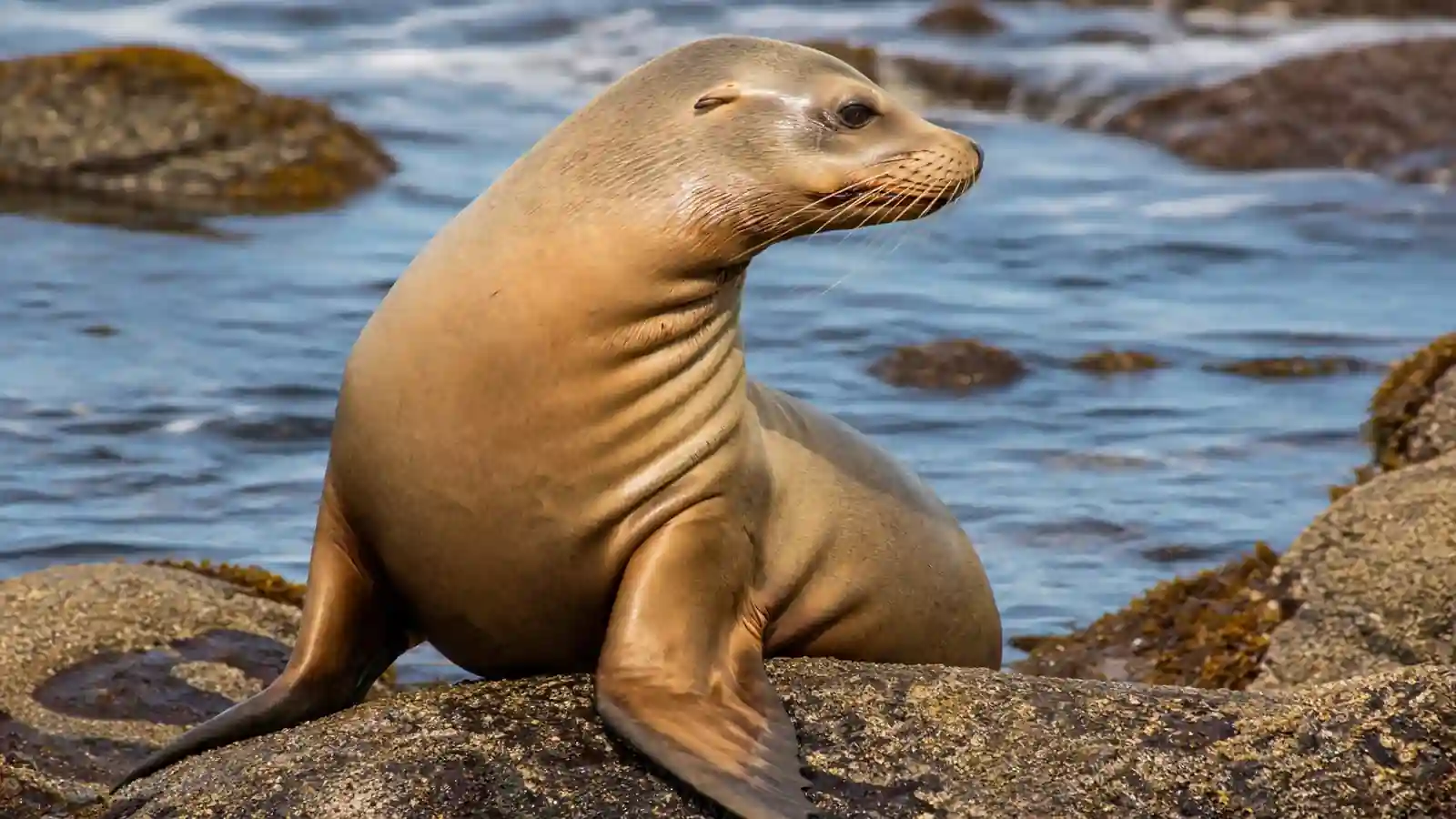
The sea lion is the show-off of the family: upright, noisy and built like a swimmer who never quite left the land behind. Those long front flippers work as arms, pushing the chest up so the animal can survey the beach, and the rotating back flippers let it galumph across rocks and even climb onto docks, boats and harbour steps. It is this posture, more than anything, that wins the sea lion vs seal argument at a glance: if it is sitting up, it is a sea lion.
Six kinds of sea lion survive today, from the barking California sea lion of the Pacific coast to the giant Steller sea lion of the cold North Pacific, and their close cousins the fur seals share the same eared design. Meet the family properly in our full sea lion guide, where the group’s size, diet and beach politics get the space they deserve.
Meet the True Seal
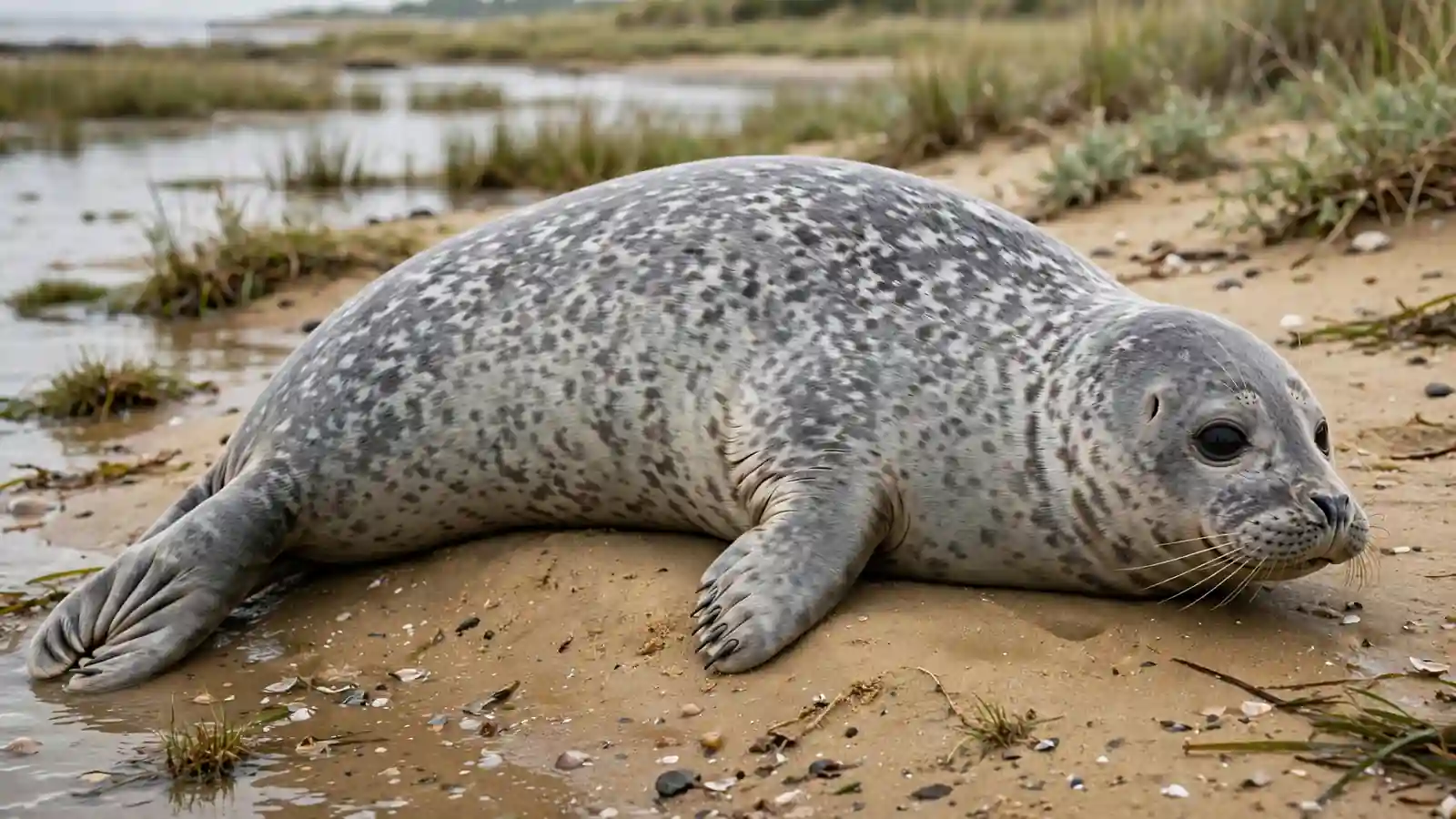
The true seal is the quieter, softer-looking animal, and the one that gave the whole group its name. With no ear flap, a round face and those short, clawed front flippers, it is hopelessly clumsy on land and utterly graceful in the water, where the back flippers do the driving. On the beach it rests in the famous banana pose, head and tail lifted, waiting for the tide to do the travelling: a sea lion vs seal contrast you can read from a hundred metres away.
True seals are the bigger family, running from the little ringed seal of the Arctic ice to the spotted harbor seal of northern harbours and the enormous elephant seals of the sub-Antarctic. Our guide to the types of seals and sea lions tours both families species by species, so you can put a name to whichever animal is snoozing on your local shoreline.
Watching Them in the Wild
Distance changes the game. Across a harbour, the ear flap is too small to see, so read the silhouette instead: a sea lion at rest holds its head and chest high, often in a crowd, shifting and calling; a true seal lies low and alone-looking even in a group, each animal spaced like a pebble on the sand. In the water, watch the front end: a sea lion rows itself with great slow strokes of its foreflippers, porpoising in arcs, while a true seal sculls along with its back end, foreflippers pressed to its sides.
Pups sharpen the contrast further. Sea lion pups are born onto crowded rookery beaches, where mothers bark their babies out of the crowd by voice and smell. True seal pups are born on quieter shores and ice, many in a white fluffy coat their sea lion cousins never wear, and their mothers leave them ashore for hours while they feed at sea. Spot a white-coated pup alone on the ice and you are looking at a true seal, almost certainly a harp, ringed or grey.
Frequently Asked Questions
What Is the Easiest Way to Tell a Sea Lion From a Seal?
Look at the ear. A sea lion has a small external ear flap; a true seal has only a round ear hole. If the animal is sitting upright on long front flippers, that confirms it: upright posture is something no true seal can manage, and it settles most sea lion vs seal sightings on the spot.
Do Sea Lions Have Ears but Seals Do Not?
Both have ears, and both hear well. The difference is what shows on the outside: sea lions carry a little rolled ear flap, while true seals have no flap at all, just an opening. It is the same split that gives the two families their everyday names, eared seals and earless seals.
Can a Seal Walk on Land Like a Sea Lion?
No. A true seal’s hind flippers point backwards and cannot rotate under its body, so on land it moves by humping along on its belly. A sea lion turns its hind flippers forwards and walks on all fours, which is why sea lions climb rocks, docks and harbour steps that defeat every true seal.
Which Is Bigger, a Sea Lion or a Seal?
It depends which species you pick. The biggest sea lion, the Steller, reaches about 3.3 metres and a tonne, longer than almost any true seal. But the heavyweight champions of the whole group are true seals: a southern elephant seal bull can pass 5 metres and 3,500 kilograms, dwarfing every sea lion alive.
Are Fur Seals Really Seals or Sea Lions?
Despite the name, fur seals belong to the sea lion family. They have the ear flap, the long front flippers and the rotating hind flippers of the eared seals, plus an extra-thick double coat that true seals do not grow. Think of fur seals as small, extra-furry sea lions and you will have them right.
Which Is Friendlier, a Sea Lion or a Seal?
Neither is tame, and both deserve space and respect on a beach. Sea lions are bolder and more curious, and will sometimes investigate swimmers and surfers, while true seals are shyer and usually slip into the water when people approach. In the sea lion vs seal temperament contest, the sea lion is the extrovert every time.
Is a Sea Lion a Type of Seal?
Yes, in the broad sense. Sea lions and true seals are both pinnipeds, the fin-footed marine mammals, and sea lions sit inside the eared seal family. So every sea lion is a kind of seal, but no true seal is a sea lion. The walrus, with its tusks, is the third branch of the same family tree.
Similar Species Worth Exploring
Keep Exploring
Still deciding between the two families? Start with the full sea lion guide, then browse every species in the marine mammals collection, and finish with the tusked third cousin in our walrus guide: once you can settle sea lion vs seal on sight, the walrus is the easiest identification of all.