Copper Shark Facts: Bronze Whaler Size, Range and Diet
Copper Shark: The Bronze Whaler of Temperate Seas
The copper shark is the bronze whaler — one shark with two names — and it is the only requiem shark that prefers temperate seas.
By Emily Carter · Reviewed by our vet team · Updated 10 November 2026 · 9 min read
Also called bronze whalerUp to 3.3 m longVulnerable
At a Glance
The copper shark is the bronze whaler — one shark, two names — and it is the only requiem shark that prefers temperate seas. It hunts squid and sardines from South Africa to Australia, joins the sardine run in huge numbers, and grows to over three metres. This guide covers its two names, its size, its ring around the temperate world, the sardine run, and the slow decline that has left it vulnerable.
Copper Shark or Bronze Whaler? Two Names, One Shark
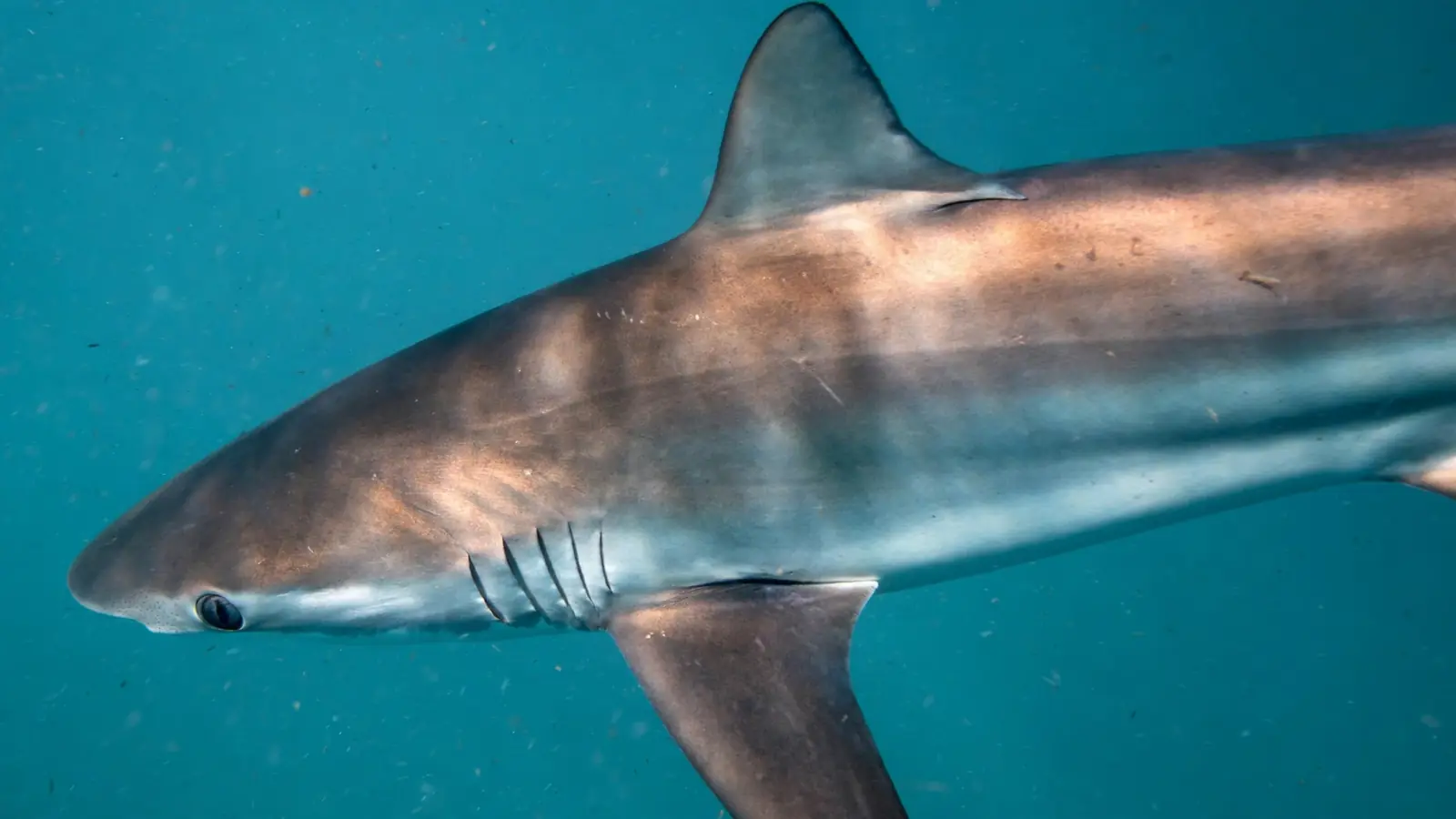
One shark carries both names. It is called the copper shark in South Africa and Namibia and in the scientific literature, and the bronze whaler in Australia and New Zealand — two names for one species, Carcharhinus brachyurus. The ‘copper’ and the ‘bronze’ both describe the same thing: the warm, metallic sheen on the shark’s back, which glows copper-brown in the sunlight.
The two names cause endless confusion, so this guide uses the first name throughout — but if you hear ‘bronze whaler’ on an Australian beach, it is the same animal. It is a requiem shark, a member of the family Carcharhinidae, and it is the only requiem shark that prefers temperate seas. For the full species record, see the bronze whaler species articles.
Copper Shark Size: How Big Do They Get?
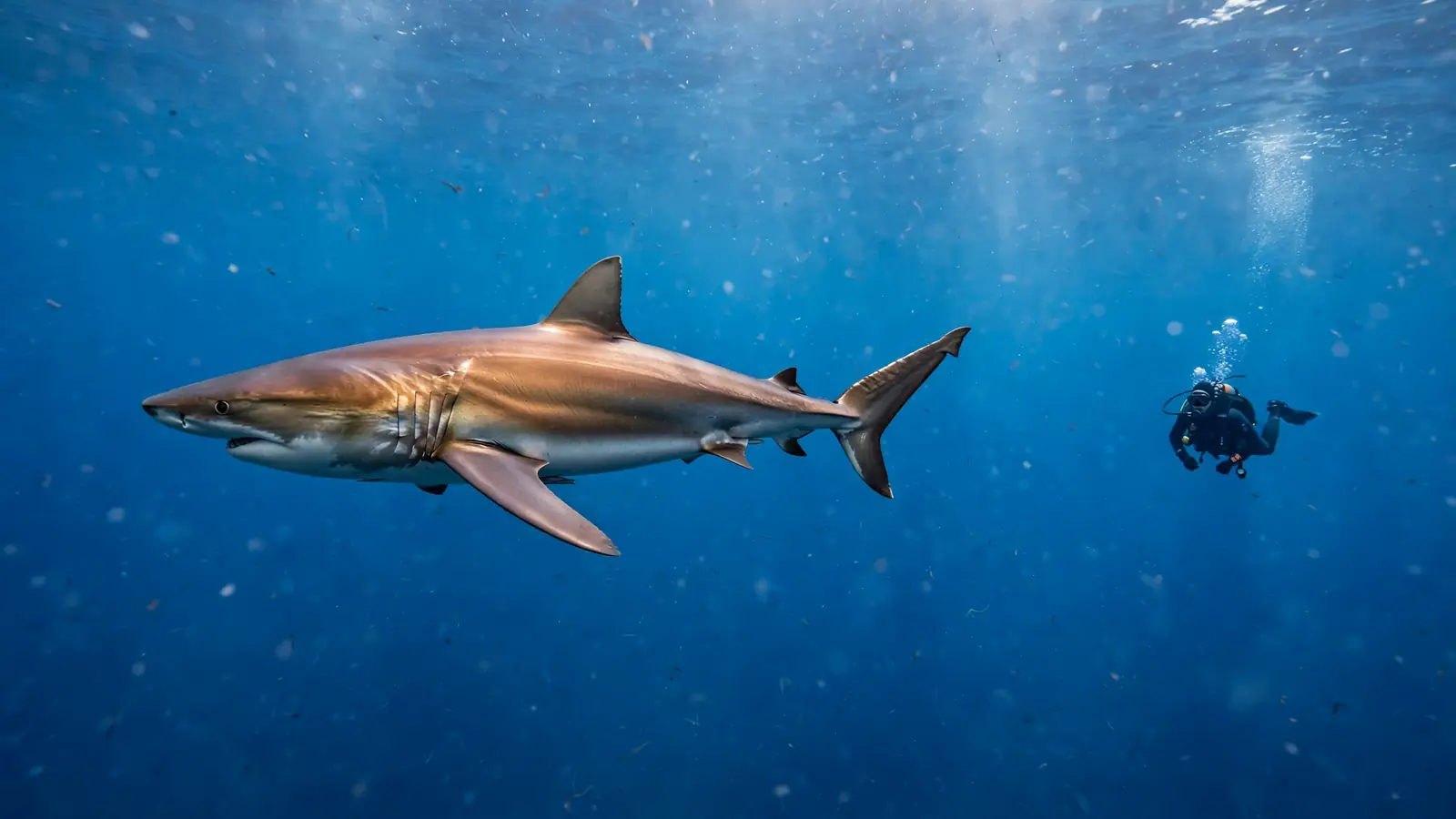
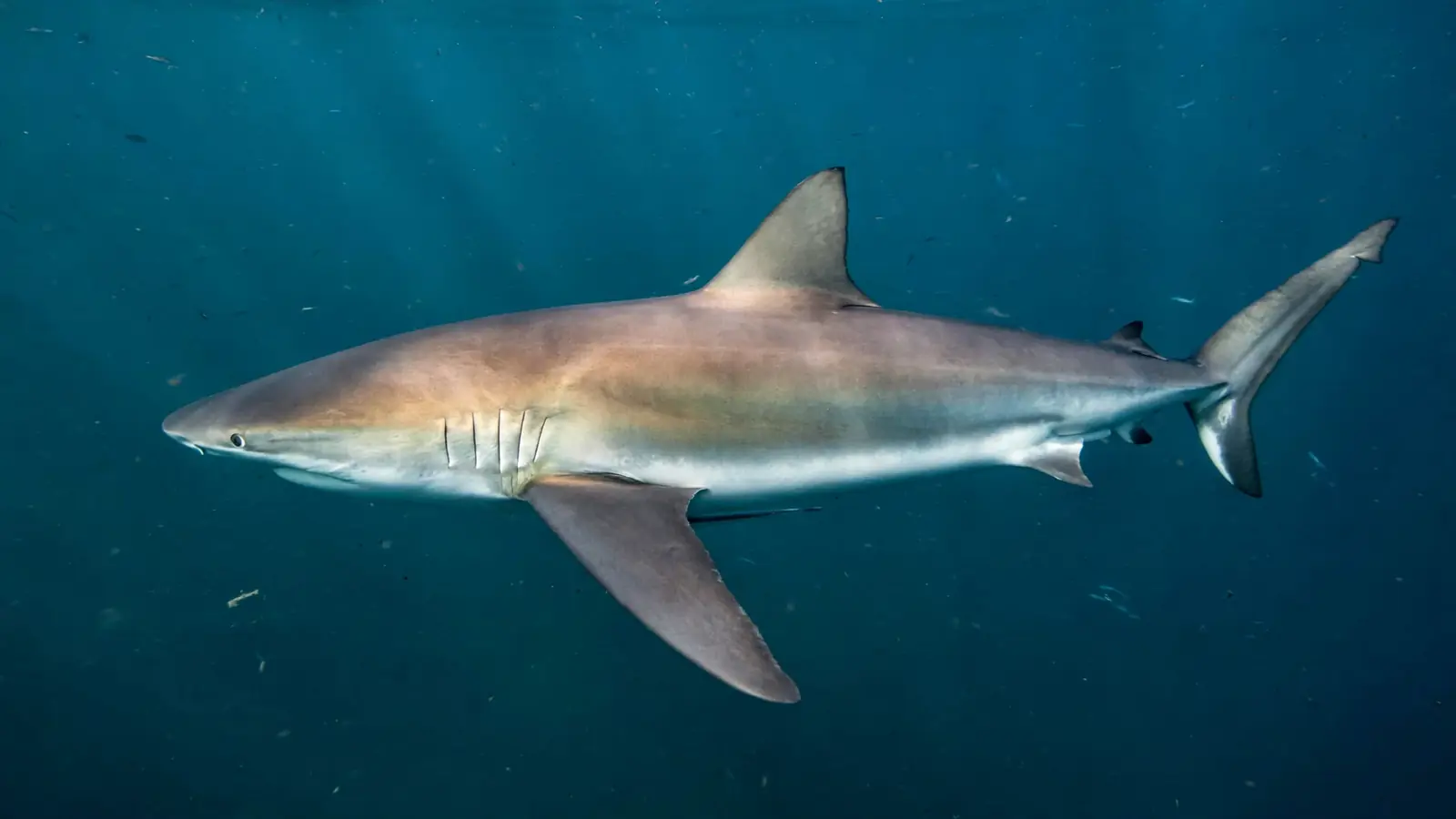
Copper sharks grow to 3.3 metres long and 305 kg, though most adults are 2 to 2.5 metres. Females grow larger than males, and the biggest females are the ones that produce the most pups. It is a big, solid requiem shark — broad-shouldered, with a pointed snout and a bronze back that fades to white underneath.
Size matters in the sardine run. A big one can push through a bait ball and take what it wants, and the smaller sharks give way. But size is also what makes it vulnerable: a big shark needs a lot of food, and it grows slowly, so it cannot replace itself quickly when fishing takes it out of the sea.
Where They Live: A Ring Around the Temperate World
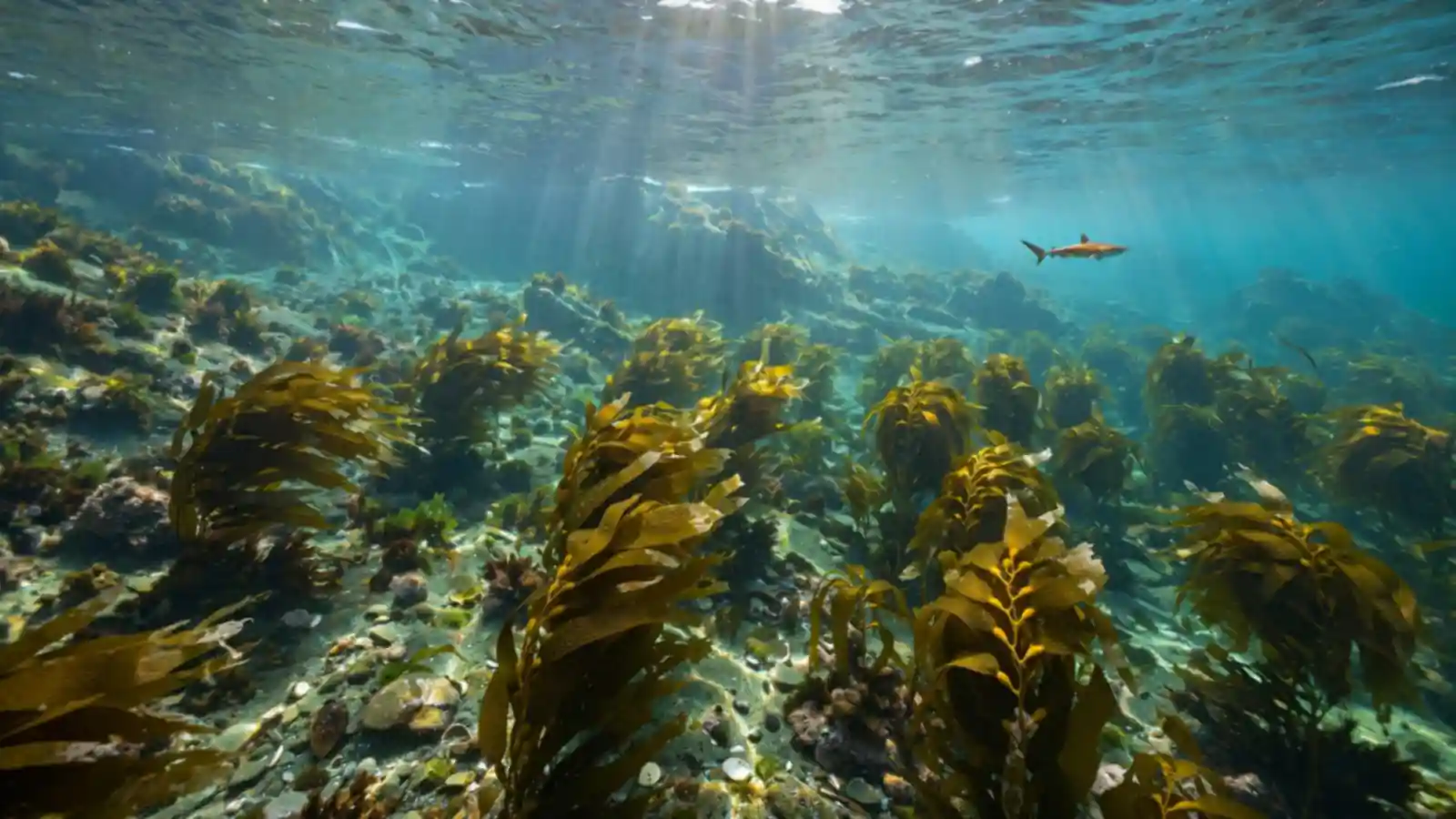
Copper sharks live in warm-temperate seas worldwide, in water of 12 to 24 °C, from South Africa and Namibia to Australia, New Zealand, Japan, the Mediterranean and the Americas. They form a ring around the temperate world — present in every ocean, but absent from the equatorial belt, where the water is too warm for them.
They are the only Carcharhinus that prefers temperate seas. Most requiem sharks are tropical, but it has made the cool water its home, and it follows the seasons: moving inshore in summer, offshore in winter, and following the sardines when the run begins. They are most common where the continental shelf is wide and the water is rich — the coasts of South Africa, Australia and New Zealand.
What Do They Eat? Squid, Sardines and the Sardine Run
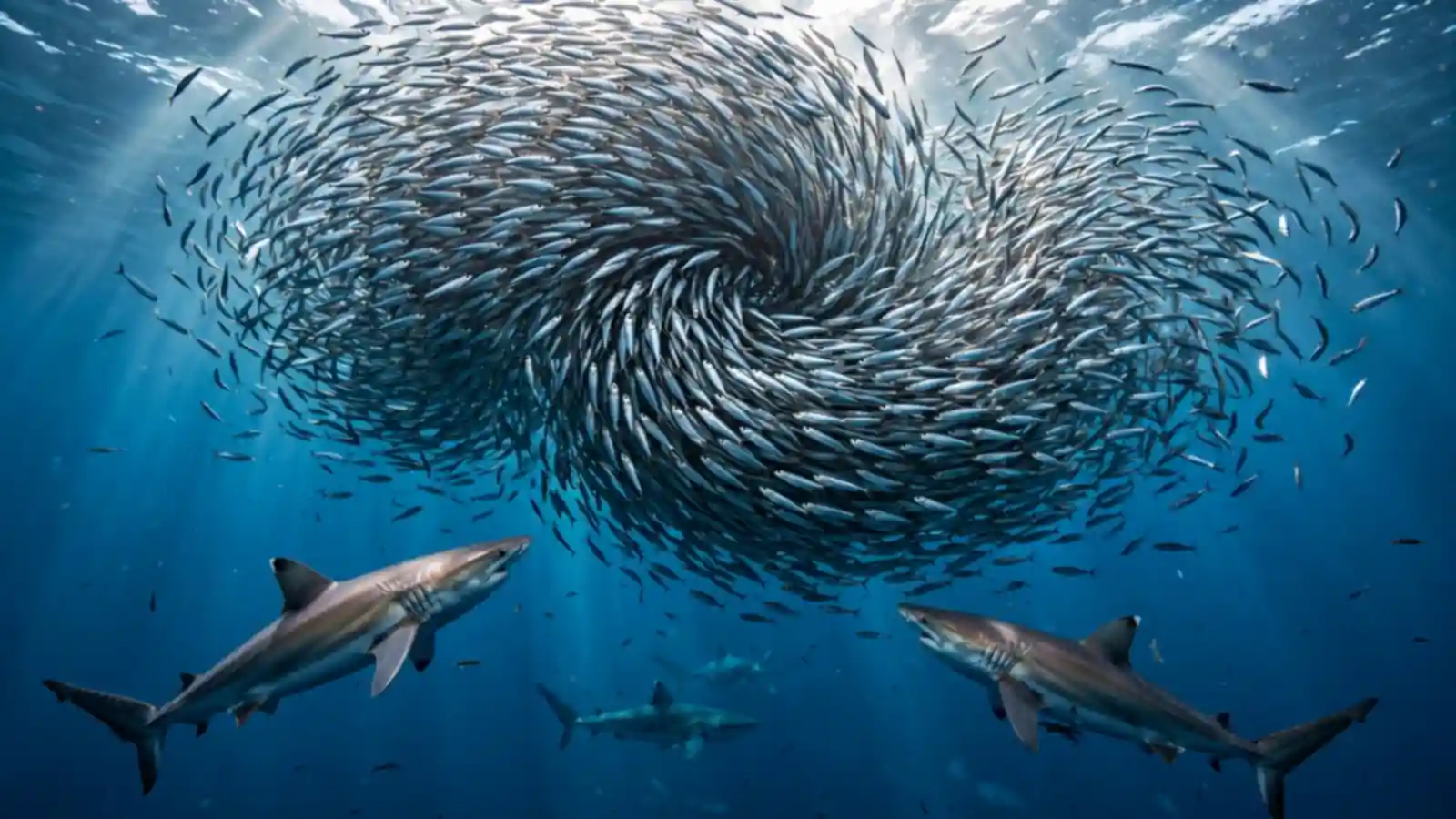
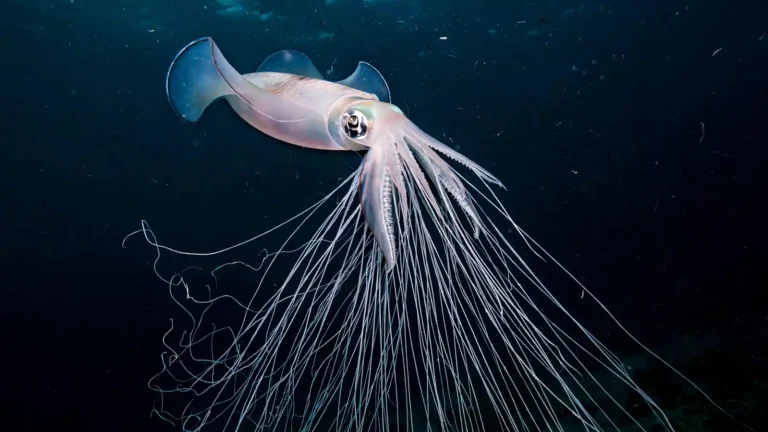
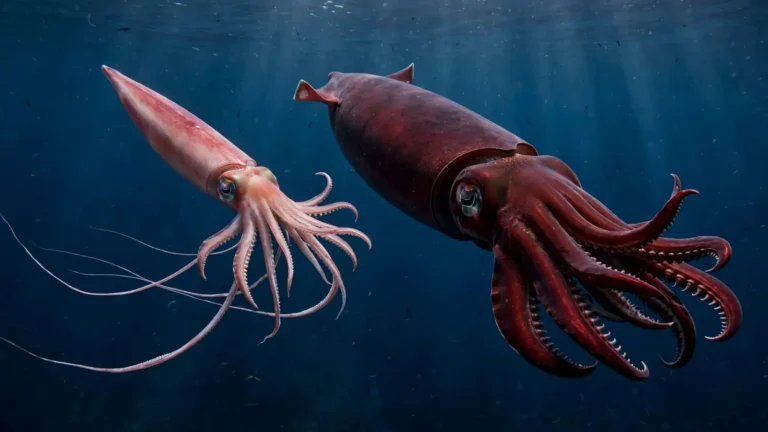
Copper sharks eat squid, sardines and other bony fish, and they are the most numerous large shark in South Africa’s sardine run. The run happens every year from May to July, when billions of sardines migrate along South Africa’s east coast, and the copper sharks follow them in huge numbers — sometimes hundreds of sharks in a single bait ball, feeding alongside dolphins, whales and seabirds.
The sardine run is a feast, but it is also a risk. The sharks that gather for the run are the ones most likely to be caught — in nets, on lines, and in the shark nets that protect the beaches. The run is its greatest opportunity, and its greatest danger, all in the same few weeks.
Behaviour: Solitary Hunters, Group Feeders
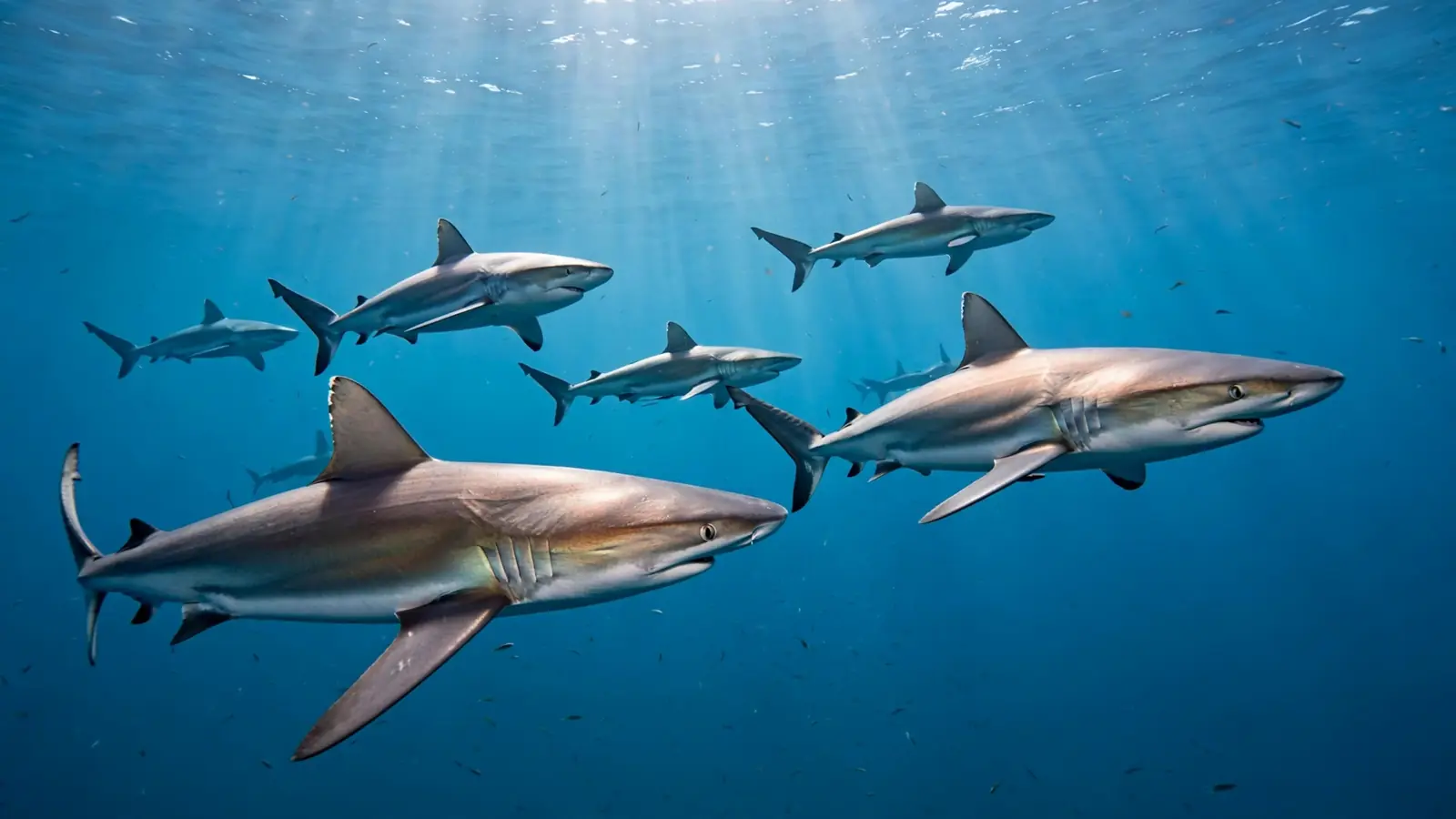
Copper sharks are solitary hunters for most of the year, swimming alone along the coast and hunting squid and fish by themselves. But when the sardines run, they gather in groups — sometimes in the hundreds — and feed together, circling the bait ball and taking turns to strike. It is a rare moment of cooperation for a shark that usually hunts alone.
They are also travellers. Copper sharks migrate with the seasons, moving hundreds of kilometres along the coast, and they return to the same places year after year. They are strong, steady swimmers, and they can cover long distances without stopping — a shark built for the open temperate sea, not for the reef.
Are They Dangerous to Humans?
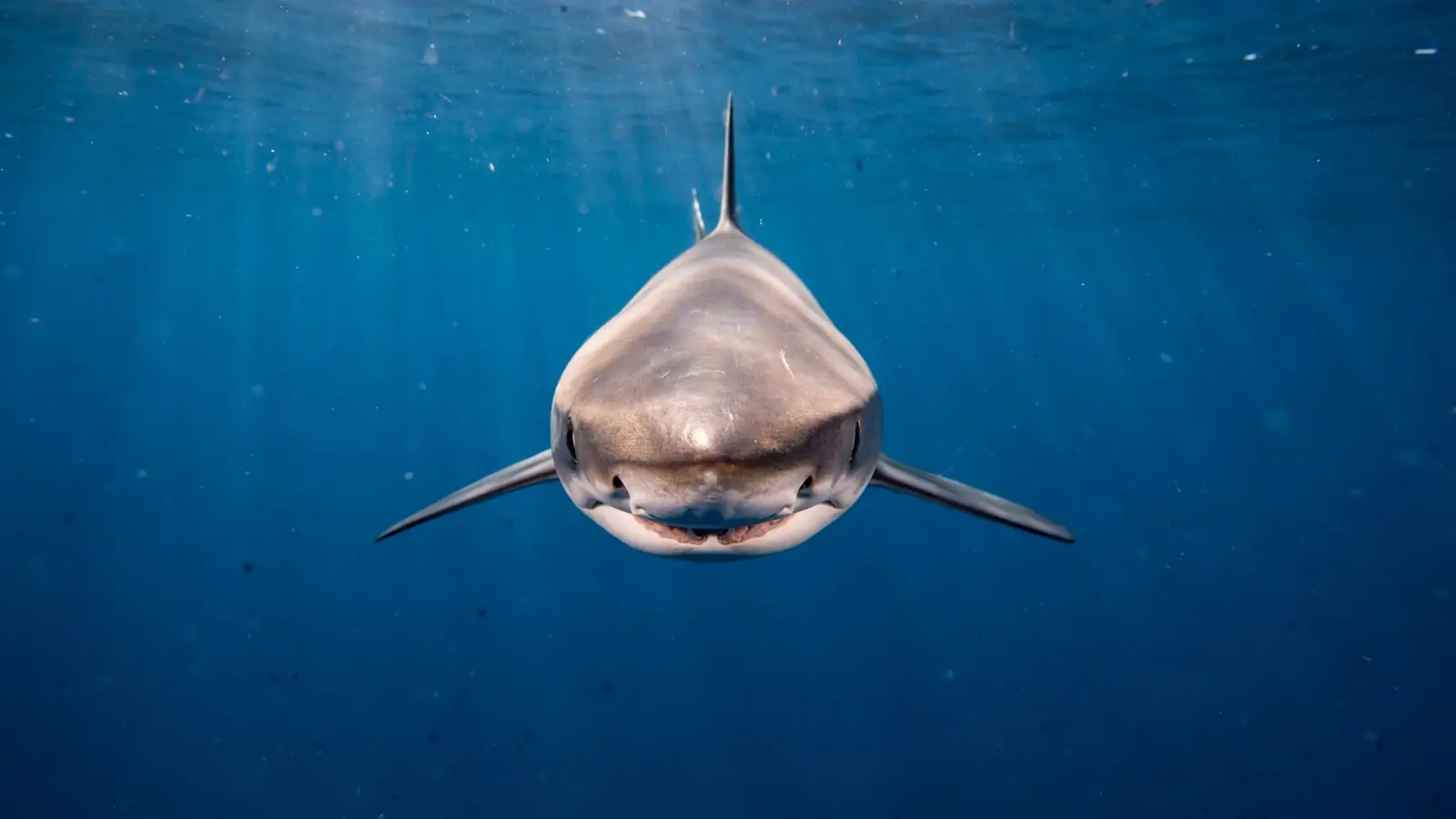
Copper sharks are not considered a major threat to people, but they are large, powerful sharks, and infrequent attacks have been recorded. They rank 10th in unprovoked attacks — a reminder that they deserve respect, not fear. Most encounters happen during the sardine run, when the sharks are feeding in a frenzy and a swimmer or surfer is in the wrong place at the wrong time.
The rule is the same as for any large shark: give it space, and it will give you yours. Copper sharks do not hunt people, and they are not aggressive by nature — but a three-metre shark in a feeding frenzy is not an animal to test. Like the blue shark, they are wide-ranging requiem sharks that usually ignore people — and like the blue shark, they are best watched from a respectful distance.
Vulnerable: The Slow Decline
It is listed as Vulnerable (2020), and its numbers are falling. It grows slowly and produces few young — a female gives birth to 7 to 24 pups every other year after a gestation of about a year — so it cannot replace what fishing takes. It is caught as bycatch in tuna and swordfish fisheries, in shark nets, and in the sardine run itself.
The decline is slow, and that is part of the problem: a shark that falls slowly does not make headlines. But the trend is clear, and it is the same for copper sharks everywhere — from South Africa to Australia, the numbers are down. Protecting it means protecting the temperate seas it lives in, and the sardine run it depends on. Like the sandbar shark, it is a temperate requiem shark that needs time — and time is what fishing does not give it.
Fun Facts
- The bronze whaler is the same shark — two names, one species.
- It is the only requiem shark that prefers temperate seas.
- Copper sharks are the most numerous large shark in South Africa’s sardine run.
- They can grow to 3.3 metres and 305 kg.
- They are absent from the equatorial belt — they like it cool.
- It can live for 30 years or more.
- They hunt in groups during the sardine run, but mostly swim alone.
Frequently Asked Questions
Is a copper shark the same as a bronze whaler?
Yes. Copper shark and bronze whaler are two names for one species, Carcharhinus brachyurus. It is called the copper shark in South Africa and Namibia and in the scientific literature, and the bronze whaler in Australia and New Zealand.
How big do copper sharks get?
Up to 3.3 metres long and 305 kg, though most adults are 2 to 2.5 metres. Females grow larger than males.
Where do copper sharks live?
In warm-temperate seas worldwide, in water of 12 to 24 °C, from South Africa and Namibia to Australia, New Zealand, Japan, the Mediterranean and the Americas. They are absent from the equatorial belt.
What do copper sharks eat?
Squid, sardines and other bony fish. They are the most numerous large shark in South Africa’s sardine run, where they hunt the migrating sardine shoals in huge numbers.
Are copper sharks dangerous to humans?
Infrequent attacks have been recorded, and they rank 10th in unprovoked attacks — but they are not considered a major threat. Treat them with respect, not fear: they are large, powerful sharks, and they deserve their space.
What is the sardine run?
The annual migration of billions of sardines along South Africa’s east coast, from May to July, when cold water pushes the shoals north. Sharks, dolphins, whales and seabirds follow the sardines, and the copper shark is the most numerous large shark in the run.
Are copper sharks endangered?
They are listed as Vulnerable (2020), and their numbers are falling. They grow slowly and produce few young, so they cannot replace what fishing takes, and they are caught as bycatch and in shark nets.
Similar Species Worth Exploring
Keep Exploring
Still following the sardine run? Meet the other wide-ranging requiem shark in our Blue Shark guide, compare the river hunter in our Bull Shark guide, and size up the whole family in the Types of Sharks hub — then watch the temperate seas for the copper shark.