
Cocker Spaniel Dog Breed Guide
Cocker Spaniel: the merry, silky-eared companion
The merry, silky-eared companion that has charmed families for generations. Personality, grooming, care, and health in one complete guide.
By Emily Carter · Reviewed by our vet team · Updated 22 October 2026 · 9 min read
Lifespan 10–14 yrsWeight 20–35 lbGentle & happy
Cocker Spaniel dog is the merry, silky-eared companion that has charmed families for generations. Here is what matters before you bring one home.
At a Glance
Size and Weight
Small to medium and sturdy. Here are the numbers. The Cocker Spaniel dog is small to medium and sturdy.
English Cockers stand 15 to 17 inches and weigh 26 to 35 pounds; American Cockers are slightly smaller at 13 to 15 inches and 20 to 30 pounds. Both are compact, well-balanced dogs. The Cocker Spaniel dog comes in English and American types, with the English slightly larger.
The English type is a bit larger and more field-oriented; the American type is smaller with a plusher coat. Know which one you are getting.
Coat and Colors
Silky, feathered, and beautiful. Here is what to expect.
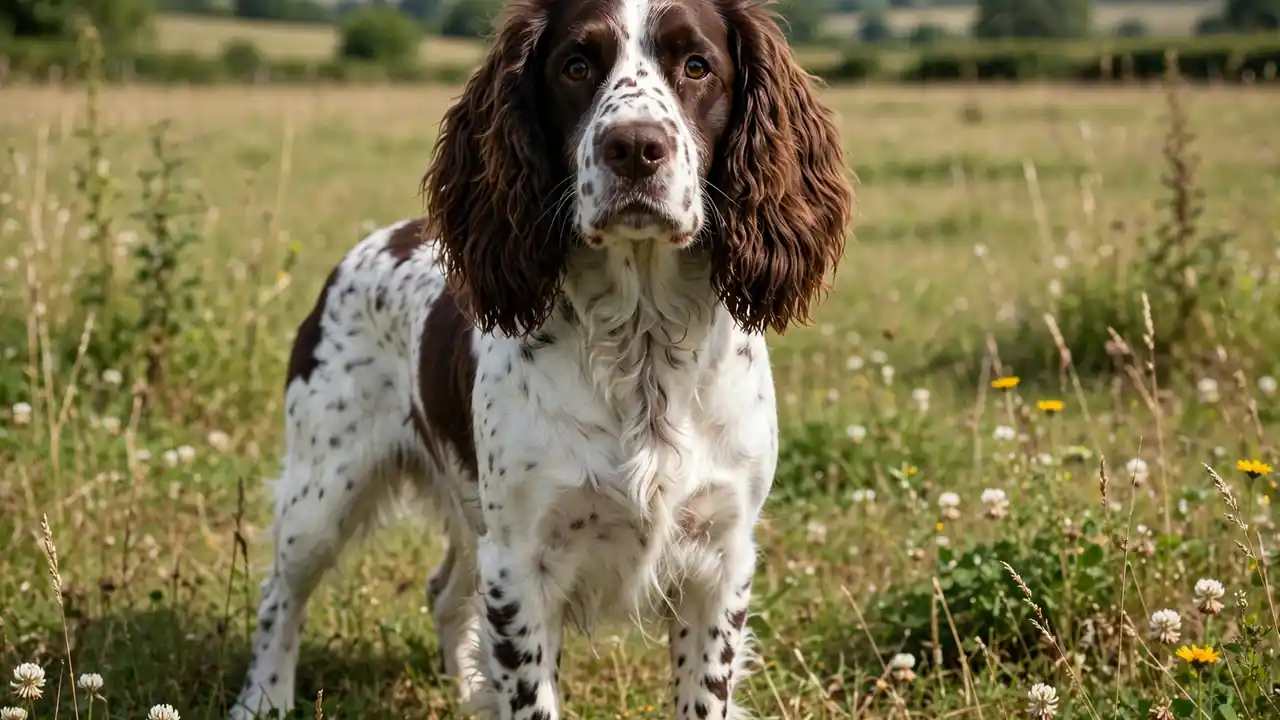
A medium-length silky coat with feathering on ears, chest, legs, and belly. Colors include golden, black, buff, red, brown, and parti-colors. The coat mats easily and needs real commitment. The Cocker Spaniel dog wears a medium-length silky coat with feathering on ears, chest, legs, and belly.
This is a high-maintenance coat. If you will not brush regularly or pay for grooming, choose another breed.




History and Origins
Spaniels flushed game birds for hunters for centuries; the smaller “cocking” spaniels specialized in woodcock, giving the name.
English and American breeders diverged in the 1900s into two distinct types: the English slightly larger and more field-oriented, the American smaller with a plusher coat.
They became one of America’s most popular family dogs in the mid-1900s and remain beloved companions.
A flushing spaniel refined on two continents. Here is the story. The Cocker Spaniel dog is a flushing spaniel refined on two continents.
Spaniels flushed game birds for hunters for centuries; the smaller “cocking” spaniels specialized in woodcock, giving the name. English and American breeders diverged in the 1900s into two distinct types, now separate breeds in many registries.
They became one of America’s most popular family dogs in the mid-1900s and remain beloved companions.
Physical Characteristics
Compact, elegant, and expressive. Here is the structure.
Well-balanced body with a deep chest and strong legs. The head is refined with large, soft eyes and famously long, low-set ears. The tail wags constantly; the whole rear end wags with it.
The expression is the breed’s trademark: sweet, hopeful, and impossible to resist.
Cocker Spaniel Personality and Behavior
A happy optimist in dog form. Here is the honest picture.
Cockers are famously gentle, affectionate, and eager to please. They adore their families, love children, and are friendly with strangers. They are sensitive souls who wilt under harsh corrections and bloom with praise. The Cocker Spaniel dog is famously gentle, affectionate, and eager to please.
They can be prone to separation anxiety because they bond so deeply. They are also champion tail-waggers whose happiness is physically visible at all times.
Owners consistently describe the Cocker as gentle, happy, and affectionate. In practice, owners report that the breed’s sweet temperament is the main reason they recommend it to loving families.
A happy optimist in dog form is exactly right. The breed is famously gentle, affectionate, and eager to please, adoring its family and loving children, friendly with strangers, and sensitive in the best way: wilting under harsh corrections and blooming with praise. The tail wags constantly, and the whole rear end wags with it, so happiness is physically visible at all times.
The deep bond sets the conditions. Separation anxiety is a real tendency, since the dog bonds so deeply, and a household where someone is usually around suits it best. Sensitivity is the other rule: rough handling or harsh scolding upsets the dog deeply, while praise-based training turns the eagerness to please into a joy.
Gentle, affectionate, and eager to please, adoring their families and friendly with strangers.
They wilt under harsh corrections and bloom with praise, and can be prone to separation anxiety because they bond so deeply.
The tail wags constantly; the whole rear end wags with it. Their happiness is physically visible at all times.
- Excellent, patient family dogs
- Friendly with everyone they meet
- Training is a joy; they want to please
- A high-maintenance coat that mats easily
- Ear infections top the health list
- Prone to separation anxiety
Care Essentials
Two measured meals a day, treats counted. These dogs gain weight easily, and extra pounds strain joints and health; a lean dog is a healthier, longer-lived one.
Brush two to three times a week minimum, daily is better. Professional grooming every 6 to 8 weeks keeps the coat manageable. Clean ears weekly, trim nails, brush teeth.
45 to 60 minutes of activity daily: walks, fetch, swimming and nose games. They love retrieving and water.
Indoors with its family, and good apartment dogs with enough exercise. They do poorly left alone all day.
Companionship plus coat care. Here is the daily reality.
Cockers need to be with their people and do poorly left alone all day. They need 45 to 60 minutes of daily exercise: walks, fetch, and play. Training is a joy because they want to please. The Cocker Spaniel dog needs to be with its people and does poorly left alone all day.
The grooming commitment is the real consideration. Budget time or money for it honestly.
A typical day runs on companionship plus coat care. Forty-five to sixty minutes of walks, fetch, and play cover the activity, and the indoor family dog that results needs to be with its people and does poorly left alone all day. The grooming commitment is the real consideration, budgeted in time or money honestly.
Nutrition and Diet
Hearty appetites in medium bodies. Here is the plan.
Feed a measured, high-quality diet in two meals a day. Cockers gain weight easily, and extra pounds strain joints and health. Count treats. The Cocker Spaniel dog needs a measured, high-quality diet in two meals a day.
Ask your vet for a target weight. A lean Cocker is a healthier, longer-lived Cocker.
Feeding suits a hearty appetite in a medium body. A measured, high-quality diet in two meals keeps weight steady, since the breed gains weight easily and extra pounds strain joints and health. Counting treats matters, and asking the vet for a target weight keeps owners honest, since a lean dog is a healthier, longer-lived dog.

Grooming
The beautiful burden. Here is the routine.
Brush two to three times a week minimum to prevent mats, daily is better. Professional grooming every 6 to 8 weeks keeps the coat manageable; many pet owners choose a shorter “puppy cut.” Clean ears weekly; the long ears trap moisture. Trim nails, brush teeth regularly. The Cocker Spaniel dog needs brushing two to three times a week minimum, daily if possible, plus professional grooming every 6 to 8 weeks.
The coat is the beautiful burden, as the guide says. Brushing two to three times a week prevents mats, daily brushing is better, and professional grooming every six to eight weeks keeps the coat manageable, with many pet owners choosing a shorter puppy cut. Clean ears weekly, since the long ears trap moisture, and the same session covers nails and teeth.

Exercise and Enrichment
Moderate to high energy, sporting heritage. Here is the plan.
Aim for 45 to 60 minutes of activity daily: walks, fetch, swimming, and nose games. They love retrieving and water. Mental enrichment through training keeps the clever mind engaged. The Cocker Spaniel dog needs 45 to 60 minutes of activity daily: walks, fetch, swimming, and nose games.
Exercise is sporting and water-loving. Forty-five to sixty minutes of walks, fetch, swimming, and nose games cover the need, and retrieving plus water suit the flushing heritage best. Mental enrichment through training keeps the clever mind engaged, and a dog that works its nose and retrieves is usually calmer than one that only walks.

Health
Cockers live 10 to 14 years. Here are the health issues to know.
Ear infections top the list due to the long ears. Progressive retinal atrophy and cataracts affect the eyes; choose breeders who screen. Hip dysplasia occurs. Autoimmune conditions appear in some lines. The Cocker Spaniel dog faces ear infections above all, due to the long ears trapping moisture.
Schedule annual wellness exams, or twice-yearly exams for seniors, and ask your vet about screening for conditions the breed can be prone to, such as eye disorders and hip dysplasia. Consult your veterinarian promptly if you notice changes in appetite, thirst, weight, or energy. For general background, see the Cocker Spaniel article on Wikipedia.
Health care follows the familiar rhythm with ear and eye screening in focus. Annual exams, twice-yearly exams for seniors, and screening for eye disorders and hip dysplasia cover the ground the guide names, and breeders who health-test eyes, hips, and thyroid and breed for stable temperaments are worth seeking out. Day to day, ear odor or head shaking, eye changes, and changes in appetite, weight, or energy deserve a prompt vet call.
Top the list due to the long ears trapping moisture. Clean ears weekly.
Progressive retinal atrophy and cataracts affect the eyes; choose breeders who screen.
Hip dysplasia occurs, and autoimmune conditions appear in some lines.
Indoor and Outdoor Living
Indoor family dog, outdoor player. Here is the balance. The Cocker Spaniel dog is an indoor family dog and an outdoor player.
Cockers live indoors with their families and enjoy outdoor exercise and play. They handle moderate climates well. A fenced yard is great for safe play.
They are good apartment dogs with enough exercise, being relatively quiet indoors.
Indoor living as a family dog defines the arrangement. The breed lives indoors with its family and enjoys outdoor exercise and play, handling moderate climates well, with a fenced yard great for safe play. Good apartment dogs with enough exercise, being relatively quiet indoors, which suits neighbors as well as owners.

Family Suitability
Excellent family dogs. Here is the picture. The Cocker Spaniel dog is an excellent family dog.
Gentle and patient with children, friendly with strangers, usually good with other dogs and with cats they are raised with. The main caution is the sensitivity; rough handling or harsh scolding upsets them deeply.
With families, gentleness leads and sensitivity sets the limit. The breed is gentle and patient with children, friendly with strangers, and usually good with other dogs and with cats raised with it. The main caution is sensitivity: rough handling or harsh scolding upsets the dog deeply, and gentle households usually love the sweet temperament most.
Finding a Breeder or Rescue
Temperament varies with breeding. Choose carefully. The Cocker Spaniel dog needs a breeder who health-tests eyes, hips, and thyroid and breeds for stable temperaments.
Good breeders health-test (eyes, hips, thyroid), breed for stable temperaments, and raise puppies in the home. Cocker rescues have wonderful dogs; the breed’s popularity means surrenders happen.
- Ask what health testing the breeder does on their dogs
- Ask to see the parents and the living conditions
- Puppies should be raised in a home environment
- A good breeder answers questions openly and asks you some too
Quick Quiz: Is a Cocker Spaniel Right for You?
Answer four questions. Tap yes or no.
Frequently Asked Questions
Are Cocker Spaniels good family dogs?
Excellent. They are gentle, affectionate, and patient with children.
How much grooming does a Cocker Spaniel need?
A lot. Brushing several times a week plus professional grooming every 6 to 8 weeks.
How much exercise does a Cocker need?
About 45 to 60 minutes of activity daily.
Do Cocker Spaniels bark a lot?
Moderately. They alert to visitors but are not excessive barkers.
How long do Cocker Spaniels live?
Typically 10 to 14 years.
What is the difference between English and American Cockers?
The English is slightly larger and more field-oriented; the American is smaller with a plusher coat.
What do Cocker owners say about living with the breed?
Owners consistently describe the Cocker as gentle, happy, and affectionate. In practice, owners report that the breed’s sweet temperament is the main reason they recommend it to loving families.
When should I ask my vet about my Cocker’s health?
Schedule annual wellness exams, or twice-yearly exams for seniors, and ask your vet about screening for conditions the breed can be prone to, such as eye disorders and hip dysplasia. Consult your veterinarian promptly if you notice changes in appetite, thirst, weight, or energy.
The Cocker Spaniel is a happy optimist with a trademark sweet expression and a constantly wagging tail. Bring time for grooming, company and play, and few breeds give back affection more visibly.
Similar Breeds Worth Exploring


Related Breed Guides
- English Springer Spaniel Dog Breed Guide
- Cavalier King Charles Spaniel Dog Breed Guide
- Golden Retriever Dog Breed Guide
Keep Exploring
Browse all our Dog Breed Guides, try the Dog Age Calculator, or explore our Cat Breed Guides.