
Chihuahua Dog Breed Guide
Chihuahua: the smallest dog breed in the world
The smallest dog breed in the world, with a personality far larger than its body. Care, training, and health in one complete guide.
By Emily Carter · Reviewed by our vet team · Updated 22 October 2026 · 9 min read
Lifespan 14–20 yrsWeight 2–6 lbBold & loyal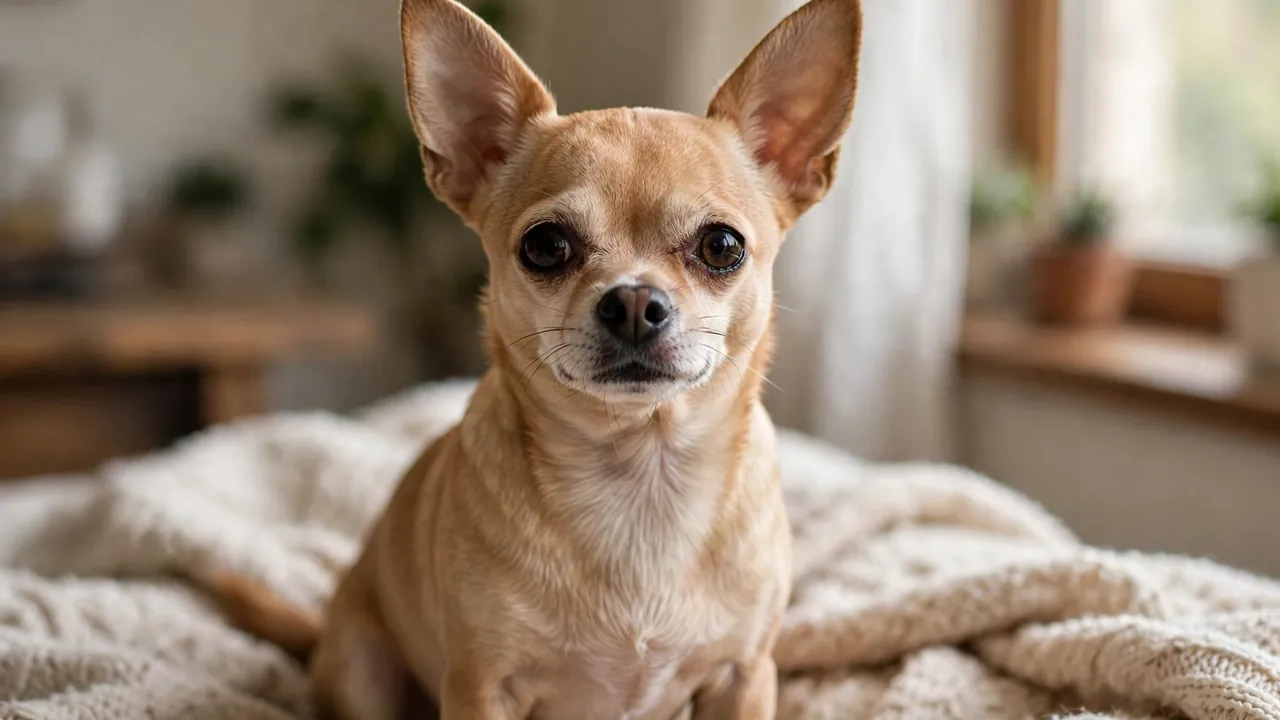
Chihuahua dog is the smallest dog breed in the world, with a personality far larger than its body. Here is what matters before you bring one home.
At a Glance
Size and Weight
Tiny, even by toy standards. Here are the numbers. The Chihuahua dog is tiny even by toy standards.
They weigh 2 to 6 pounds and stand 5 to 8 inches tall. They are the smallest recognized breed, small enough to be carried in one hand. The Chihuahua dog weighs 2 to 6 pounds and stands 5 to 8 inches tall.
The size is the point and the challenge. Everything must be scaled down, and fragility is a real consideration with children and larger pets.
Coat and Colors
Two coat types, every color. Here is what to expect.
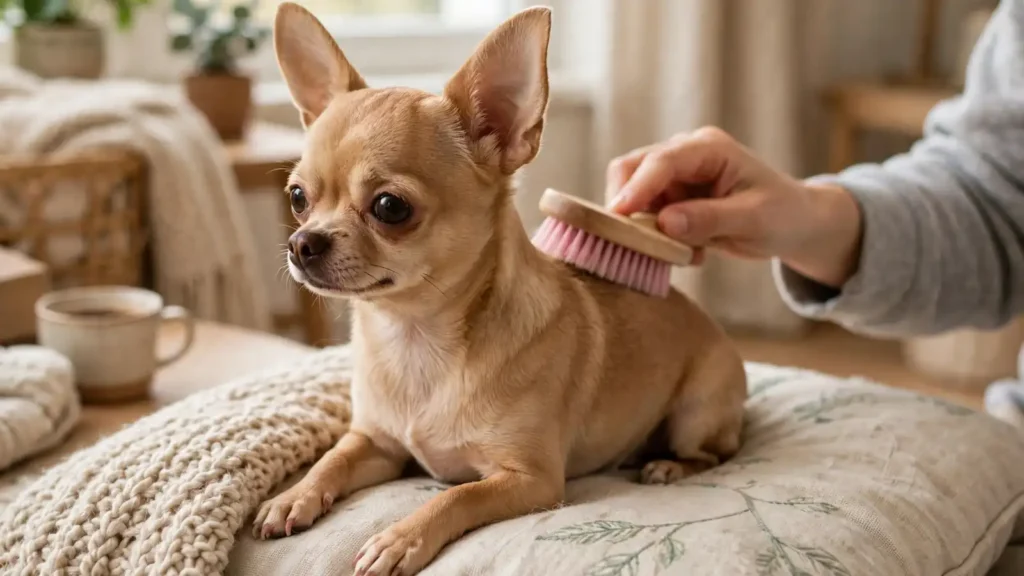
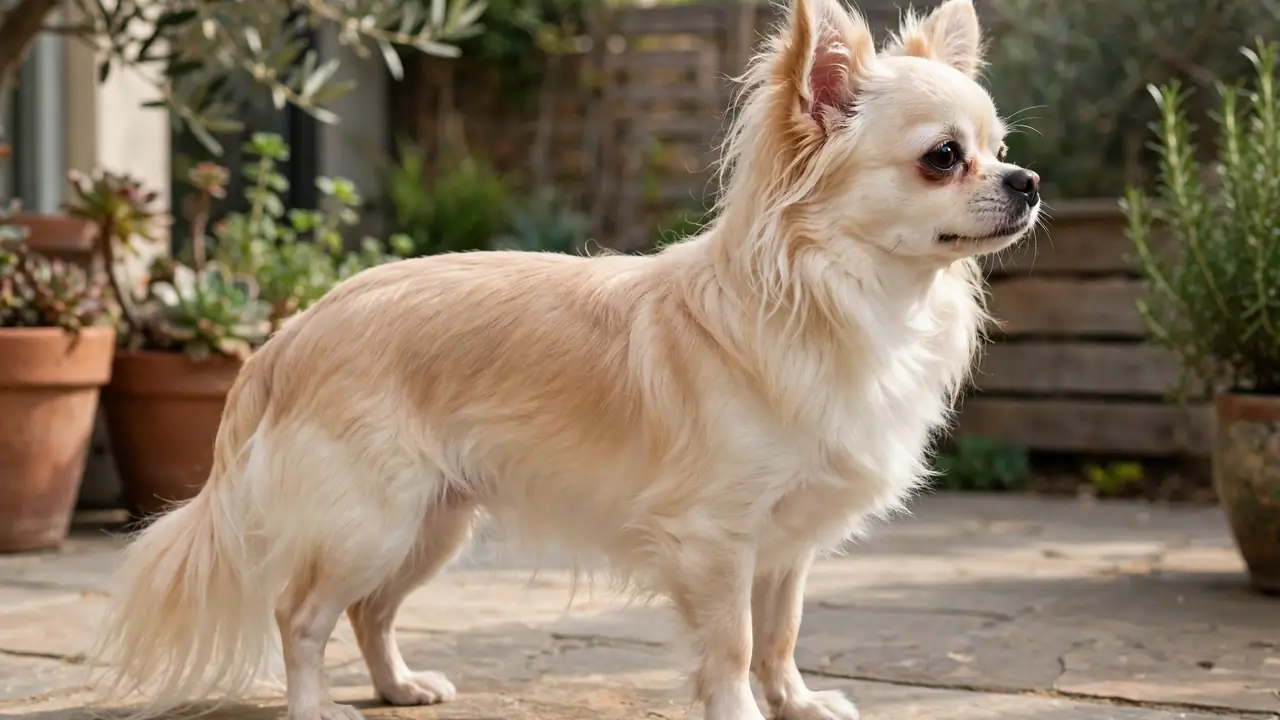
Smooth (short) and long-haired varieties both occur, in virtually every color and pattern. Shedding is moderate for both; the long coat needs more brushing to prevent mats. The Chihuahua dog comes in smooth and long coats in virtually every colour and pattern.
Grooming is easy either way. The smooth coat is wash-and-wear; the long coat needs brushing a few times a week.


History and Origins
They descend from the Techichi, a companion dog of the Toltec people in Mexico over a thousand years ago.
The modern breed took its name from the Mexican state where it was refined.
They came to America in the 1800s and became beloved companions, helped along by considerable charm and portability.
An ancient Mexican breed. Here is the story. The Chihuahua dog is an ancient Mexican breed descended from the Techichi.
They descend from the Techichi, a companion dog of the Toltec people in Mexico over a thousand years ago. The modern breed was refined in the Mexican state of Chihuahua, which gave the name.
They came to America in the 1800s and became beloved companions, helped along by considerable charm and portability.
Physical Characteristics
A big dog in miniature. Here is the structure.
Apple-domed head, large erect ears, expressive eyes, and a compact body. The tail curls over the back. Despite the size, the build is sturdy, not delicate-boned like some toy breeds.
They carry themselves with enormous confidence. The attitude is the breed’s most famous feature.
Chihuahua Personality and Behavior
Six pounds of pure opinion. Here is the honest picture.
They are famously bold, loyal, and devoted to their person, often choosing one favorite human. They are alert watchdogs who announce everything. They are also charming and entertaining, with big-dog confidence. The Chihuahua dog is famously bold, loyal, and devoted to its person.
The challenges are real: they can be snappy if mishandled, yappy if undertrained, and difficult to housetrain. “Small dog syndrome” (bad behavior excused because of size) ruins many of these dogs; they need the same training standards as big dogs.
Owners consistently describe the breed as bold, loyal, and charming. In practice, owners report that the breed’s huge personality is the main reason they recommend it to dedicated small-dog people.
Six pounds of pure opinion is exactly right. The breed is famously bold, loyal, and devoted to its person, often choosing one favorite human, with alert watchdog habits that announce everything. Charming and entertaining, with big-dog confidence, the attitude is the breed’s most famous feature, and the personality is far larger than the body.
The challenges are real and need the same training standards as any dog. The breed can be snappy if mishandled, yappy if undertrained, and difficult to housetrain, and small dog syndrome, bad behavior excused because of size, ruins many of these dogs. Consistency wins eventually, and a well-trained tiny dog is a delight rather than a menace.
Bold, loyal, and devoted to their person, often choosing one favorite human.
They announce everything, with big-dog confidence and enormous charm.
Bad behavior excused because of size ruins many of these dogs; they need the same training standards as big dogs.
- Among the longest-lived breeds (14 to 20 years)
- Deeply loyal and entertaining
- An excellent apartment dog
- Fragile; risky with rough handling and small children
- Can be snappy, yappy and hard to housetrain
- Dental disease is extremely common
Care Essentials
Two to three small measured meals a day of a high-quality small-breed diet; tiny dogs can be prone to low blood sugar if meals are skipped. Even a little extra weight is a lot on a 4-pound frame.
Brush the smooth coat weekly, the long coat a few times a week. Trim nails regularly (small nails grow fast) and brush teeth daily if possible.
20 to 30 minutes of walking daily plus indoor play: games, trick training and puzzle toys. Do not skip walks because the dog is small.
Indoors with its people, in sweaters in cool weather, with plenty of blankets to burrow in. Protect from rough handling, larger dogs and falls.
Small body, full dog needs. Here is the daily reality.
They need daily walks like any dog; carrying everywhere creates behavioral problems. They are cold-sensitive and need sweaters in cool weather. They must be protected from rough handling, larger dogs, and falls. The Chihuahua dog needs daily walks like any dog, not just being carried everywhere.
Housetraining takes patience. Small bladders and stubborn streaks mean accidents happen; consistency wins eventually.
A typical day runs on full dog needs in a tiny package. Daily walks like any dog cover the need, since carrying everywhere creates behavioral problems, with cold sensitivity meaning sweaters in cool weather. Protection from rough handling, larger dogs, and falls is part of the routine, and housetraining takes patience, since small bladders and stubborn streaks mean accidents happen.
Nutrition and Diet
Tiny stomach, real needs. Here is the plan.
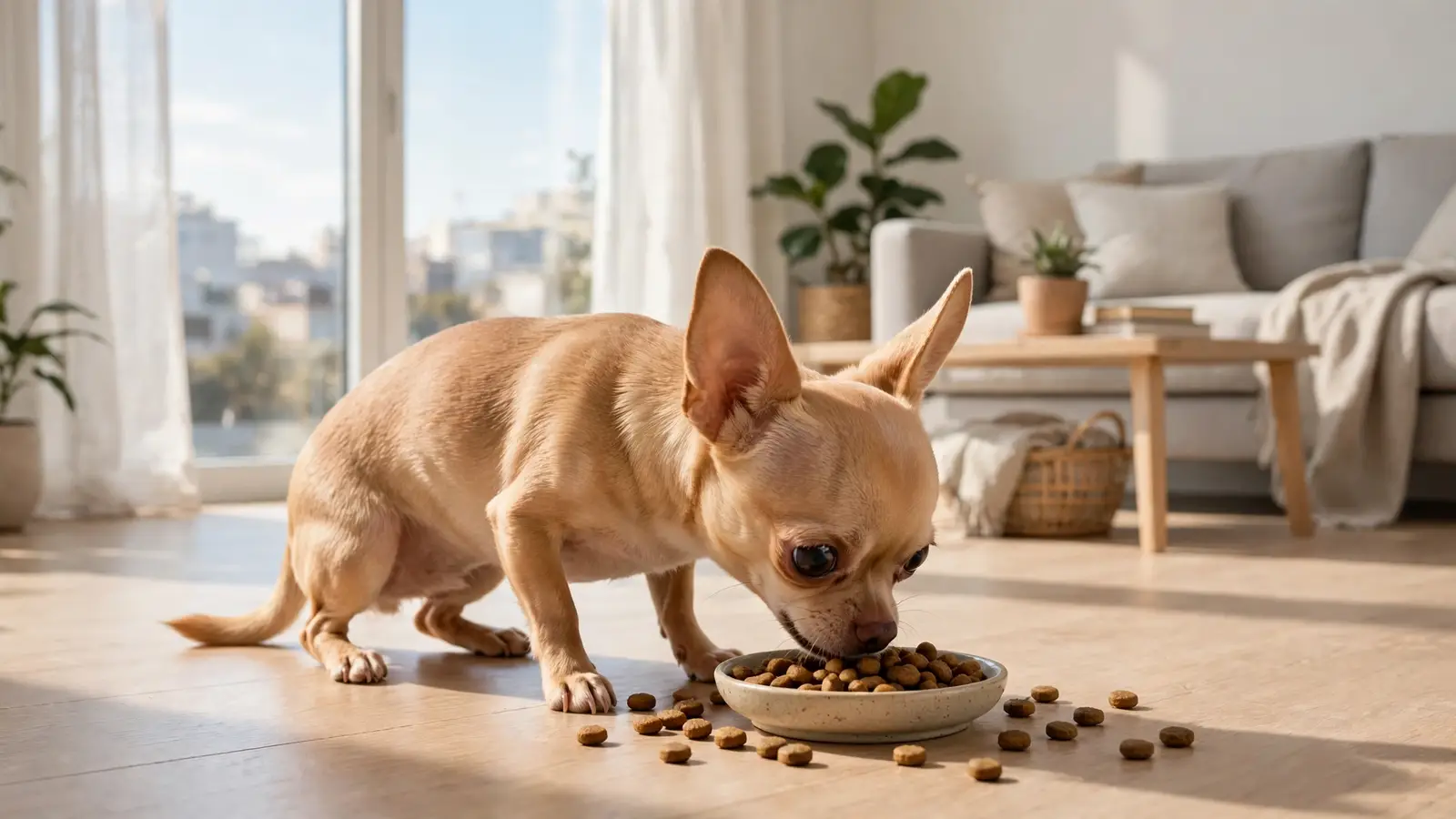
Feed a high-quality small-breed diet in two to three small meals a day; tiny dogs can be prone to low blood sugar if meals are skipped. Measure food; even a little extra weight is a lot on a 4-pound frame. The Chihuahua dog needs a high-quality small-breed diet in two to three small meals a day.
Avoid over-treating. Obesity in this breed strains the heart, joints, and trachea.
Feeding suits a tiny stomach with real needs. A high-quality small-breed diet in two to three small meals keeps the dog steady, since tiny dogs can be prone to low blood sugar if meals are skipped, and measured food matters, since even a little extra weight is a lot on a 4-pound frame. Avoid over-treating, since obesity strains the heart, joints, and trachea.
Grooming
Minimal effort, maximum cuteness. Here is the routine.
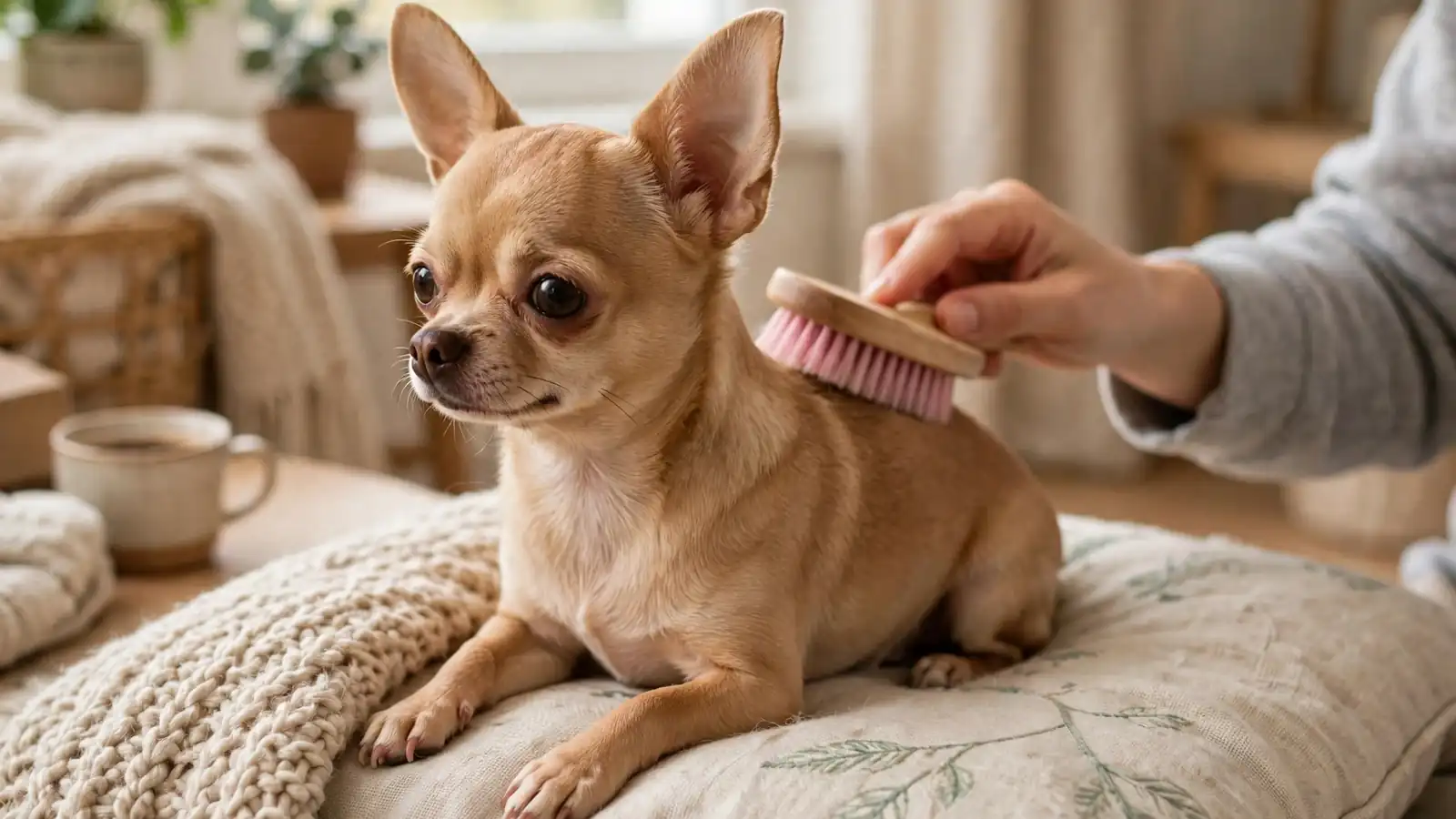
Brush the smooth coat weekly; brush the long coat a few times weekly. Bathe as needed. Trim nails regularly (small nails grow fast), brush teeth daily if possible, as dental disease is common. The Chihuahua dog needs weekly brushing for the smooth coat and a few brushings a week for the long coat.
Grooming is minimal effort with dental care in focus. Weekly brushing covers the smooth coat, with a few times weekly for the long coat to prevent mats, and baths come as needed. The same session covers nails, which grow fast, and teeth, brushed daily if possible, since dental disease is common from crowded teeth.
Exercise and Enrichment
Moderate energy in a tiny package. Here is the right amount.
Aim for 20 to 30 minutes of walking daily plus indoor play. They enjoy games, trick training, and puzzle toys. Do not skip walks because the dog is small; under-exercised dogs become yappy and anxious. The Chihuahua dog needs 20 to 30 minutes of walking daily plus indoor play.
Exercise is moderate energy in a tiny package. Twenty to thirty minutes of walking daily plus indoor play cover the need, with games, trick training, and puzzle toys all enjoyed. Walks should never be skipped because the dog is small, since under-exercised dogs become yappy and anxious, and indoor play rounds out the day.
Health
They live 14 to 20 years, among the longest of any breed. Here is what to know.
Dental disease is extremely common due to crowded teeth; regular dental care is essential. Patellar luxation (slipping kneecaps) occurs. Tracheal collapse can affect the breed; use a harness, never a collar. Heart disease appears in some lines. Hypoglycemia can affect tiny puppies. The Chihuahua dog faces dental disease as an extremely common problem, due to crowded teeth.
Schedule annual wellness exams, or twice-yearly exams for seniors, and ask your vet about screening for conditions the breed can be prone to, such as patellar luxation and dental disease. Consult your veterinarian promptly if you notice coughing, limping, or changes in appetite, weight, or energy. For general background, see the Chihuahua article on Wikipedia.
Health care follows the familiar rhythm with dental and joint screening in focus. Annual exams, twice-yearly exams for seniors, and screening for patellar luxation and dental disease cover the ground the guide names, and breeders who health-test patellas, heart, and eyes are worth seeking out. Day to day, coughing, limping, mouth odor, and changes in appetite, weight, or energy deserve a prompt vet call, and a harness, never a collar, protects the trachea.
Extremely common due to crowded teeth; regular dental care is essential.
Slipping kneecaps occur in the breed; ask your vet about screening.
Tracheal collapse can affect the breed, so use a harness, never a collar. Heart disease appears in some lines, and hypoglycemia can affect tiny puppies.
Indoor and Outdoor Living
Indoor dog, outdoor explorer in miniature. Here is the balance. The Chihuahua dog is an indoor dog and an outdoor explorer in miniature.
They live indoors and are excellent apartment dogs. They enjoy outdoor walks and play but must be protected from cold, hawks, and larger dogs. A fenced yard is nice but they should never be outside alone.
They are burrowers who love blankets. Provide plenty.
Indoor living as a burrower defines the arrangement. The breed lives indoors as an excellent apartment dog, enjoying outdoor walks and play but protected from cold, hawks, and larger dogs, with a fenced yard nice but never a place to be outside alone. Burrowers who love blankets need plenty provided, which is the cozy part of the deal.

Family Suitability
Best with adults and older kids. Here is the picture. The Chihuahua dog is best with adults and older children.
They bond intensely with their people and can be wonderful companions. With small children, the fragility is a real risk; they suit families with gentle older kids or adults. They are often wary of strangers.
With other pets, they usually do fine with dogs their size and with cats, but large dogs pose an injury risk through rough play.
With families, devotion leads and fragility sets the limit. The breed bonds intensely with its people and can be a wonderful companion, suiting families with gentle older kids or adults, since fragility is a real risk with small children. Often wary of strangers, the breed usually does fine with dogs its size and with cats, while large dogs pose an injury risk through rough play.
Finding a Breeder or Rescue
Tiny breed, big puppy-mill problem. Choose carefully. The Chihuahua dog needs a breeder who health-tests patellas, heart, and eyes.
Good breeders health-test (patellas, heart, eyes), raise puppies in the home, and do not sell “teacup” as a premium feature (it is a marketing term, not a variety). Rescues are overflowing; adopting is a wonderful option.
- Ask what health testing the breeder does on their dogs
- Ask to see the parents and the living conditions
- Puppies should be raised in a home environment
- A good breeder answers questions openly and asks you some too
Quick Quiz: Is a Chihuahua Right for You?
Answer four questions. Tap yes or no.
Frequently Asked Questions
Are Chihuahuas good family dogs?
They are best with adults or families with older, gentle children. They are fragile for rough toddler play.
How much exercise does a Chihuahua need?
About 20 to 30 minutes of walking daily plus indoor play. They still need real walks.
Do Chihuahuas bark a lot?
They can be very vocal without training. They are alert watchdogs by nature.
Are Chihuahuas easy to housetrain?
They are famously challenging to housetrain. Patience and consistency are required.
How long do Chihuahuas live?
Typically 14 to 20 years, among the longest-lived breeds.
Do Chihuahuas get cold easily?
Yes. They are cold-sensitive and need sweaters in cool weather.
What do Chihuahua owners say about living with the breed?
Owners consistently describe the breed as bold, loyal, and charming. In practice, owners report that the breed’s huge personality is the main reason they recommend it to dedicated small-dog people.
When should I ask my vet about my Chihuahua’s health?
Schedule annual wellness exams, or twice-yearly exams for seniors, and ask your vet about screening for conditions the breed can be prone to, such as patellar luxation and dental disease. Consult your veterinarian promptly if you notice coughing, limping, or changes in appetite, weight, or energy.
This breed packs the biggest personality in the dog world into its smallest body. Treat it like a real dog, with walks, training and dental care, and this bold, loyal companion can share your life for up to two decades.
Similar Breeds Worth Exploring
Related Breed Guides
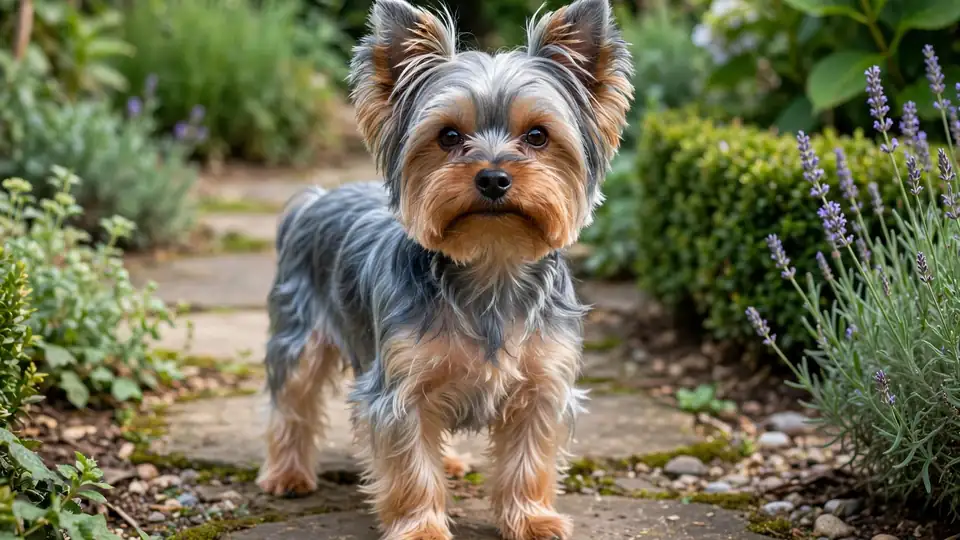
- Yorkshire Terrier Dog Breed Guide
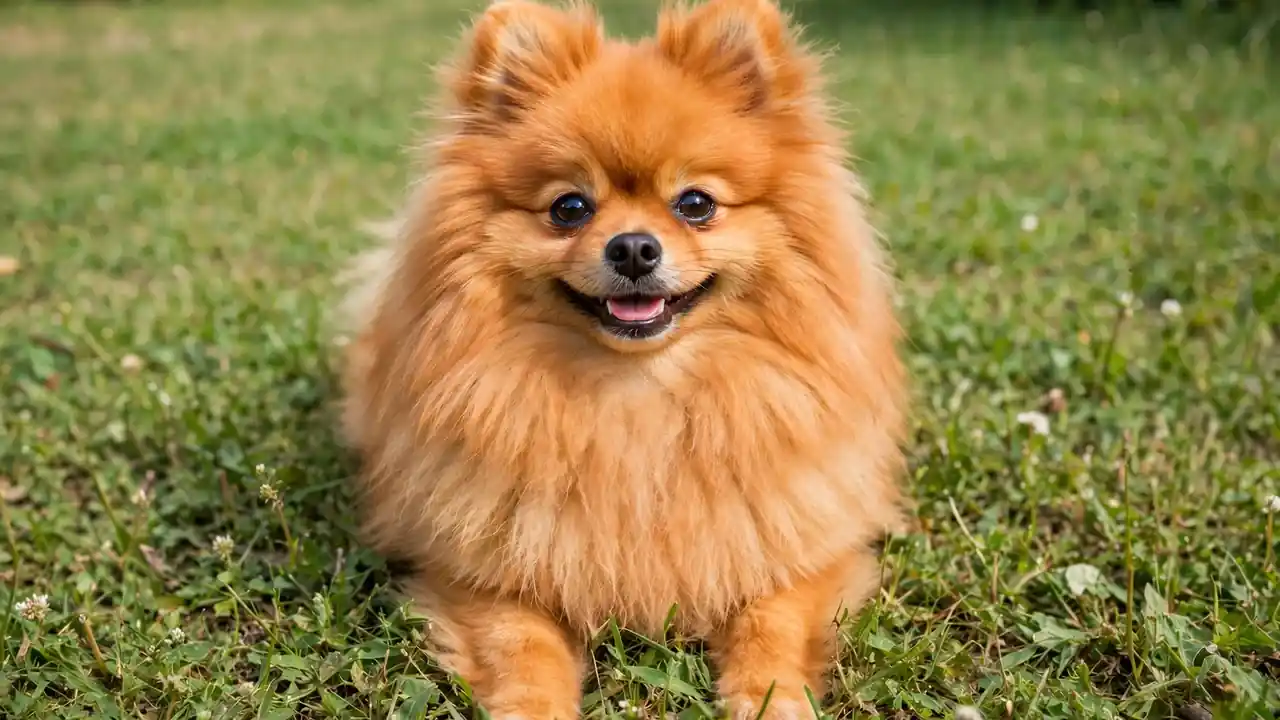
- Pomeranian Dog Breed Guide
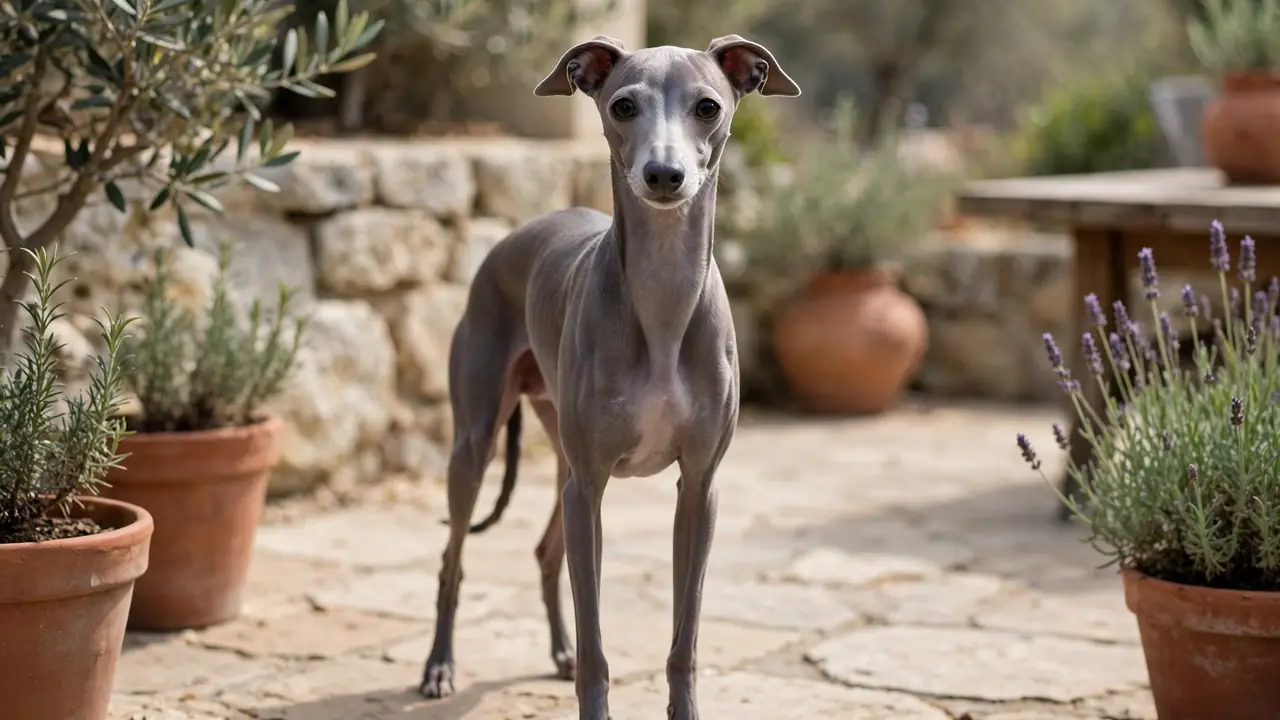
- Italian Greyhound Dog Breed Guide
- Maltese Dog Breed Guide
Keep Exploring
Browse all our Dog Breed Guides, try the Dog Age Calculator, or explore our Cat Breed Guides.