
Vizsla Dog Breed Guide
Vizsla: the velcro hunting dog
Vizsla dog: affectionate, athletic, and inseparable from its people. Care, grooming, and health in one complete guide.
By Emily Carter · Reviewed by our vet team · Updated 22 October 2026 · 10 min read
Lifespan 12–15 yrs Weight 45–60 lb Affectionate & energetic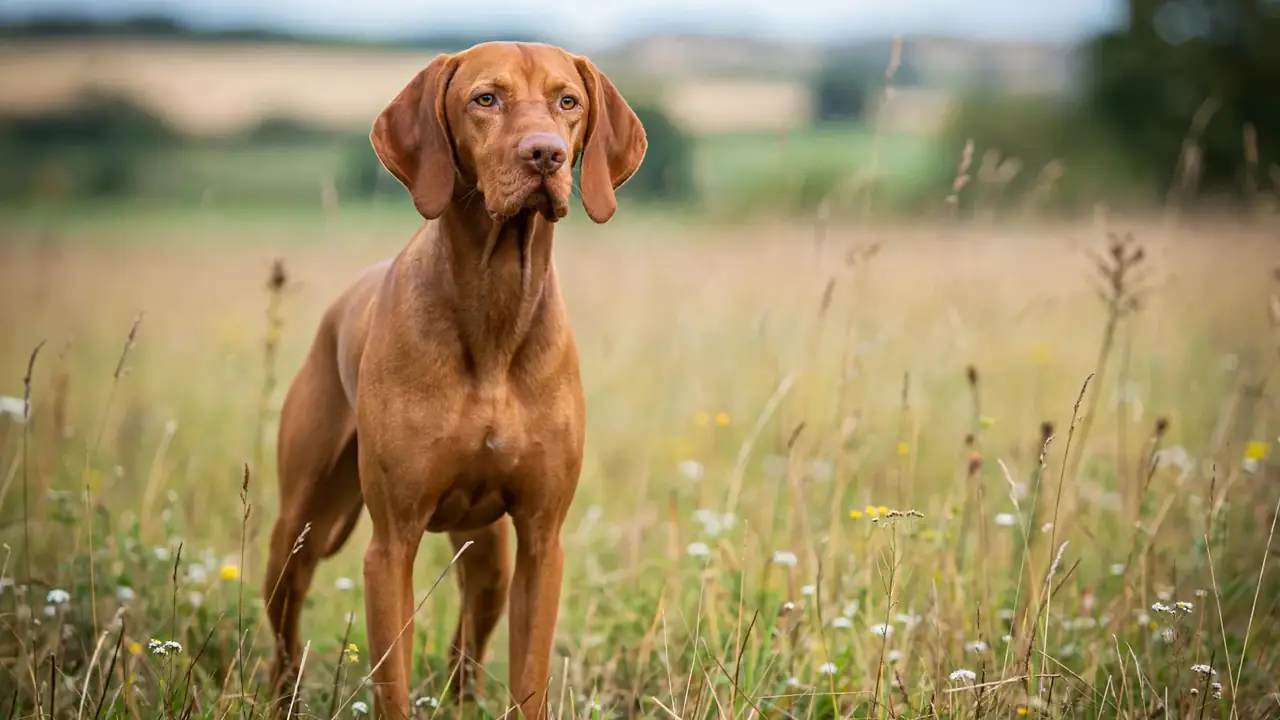
Vizsla dog: the velcro hunting dog: affectionate, athletic, and inseparable from its people.
These dogs hunted with Hungarian nobility for centuries, pointing and retrieving, and the hunting heritage drives both the energy and the famous velcro temperament.
This is a breed with two non-negotiables: serious daily exercise, and physical closeness to its people. Offer both, and you get one of the most devoted sporting companions in the world.
At a Glance
Size and Weight for the Vizsla dog
Medium-large and sleek: males stand 22 to 24 inches and weigh 55 to 60 pounds; females are 21 to 23 inches and 45 to 55 pounds.
The build is lean, muscular, and elegant — an athlete’s frame with not an unnecessary ounce on it.
Coat and Colors for the Vizsla dog
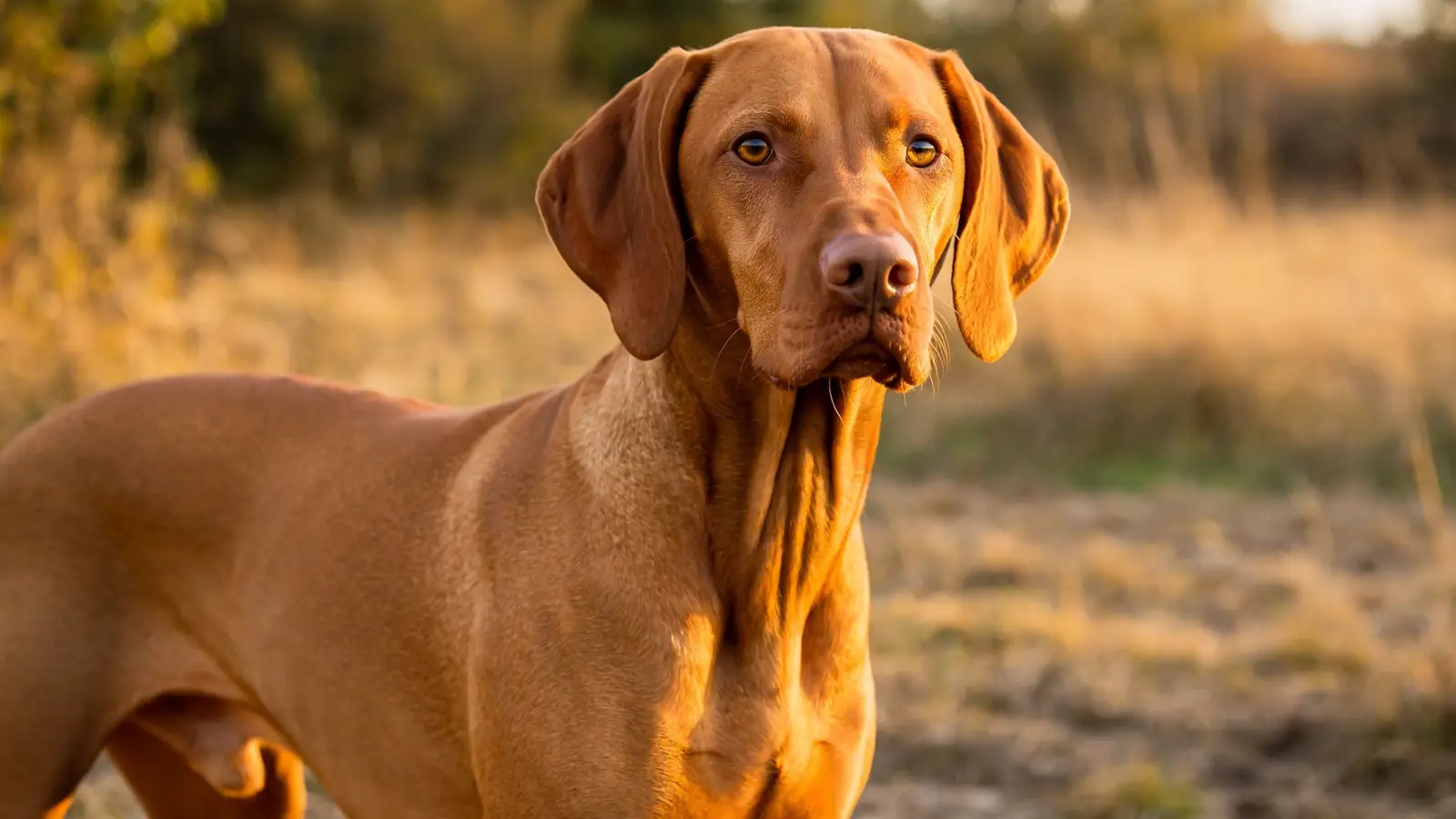
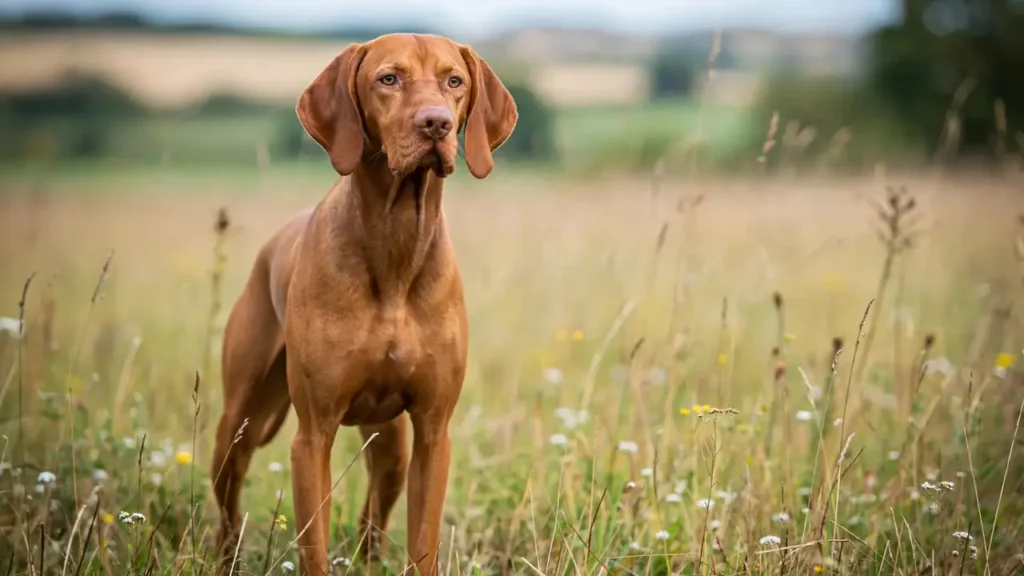
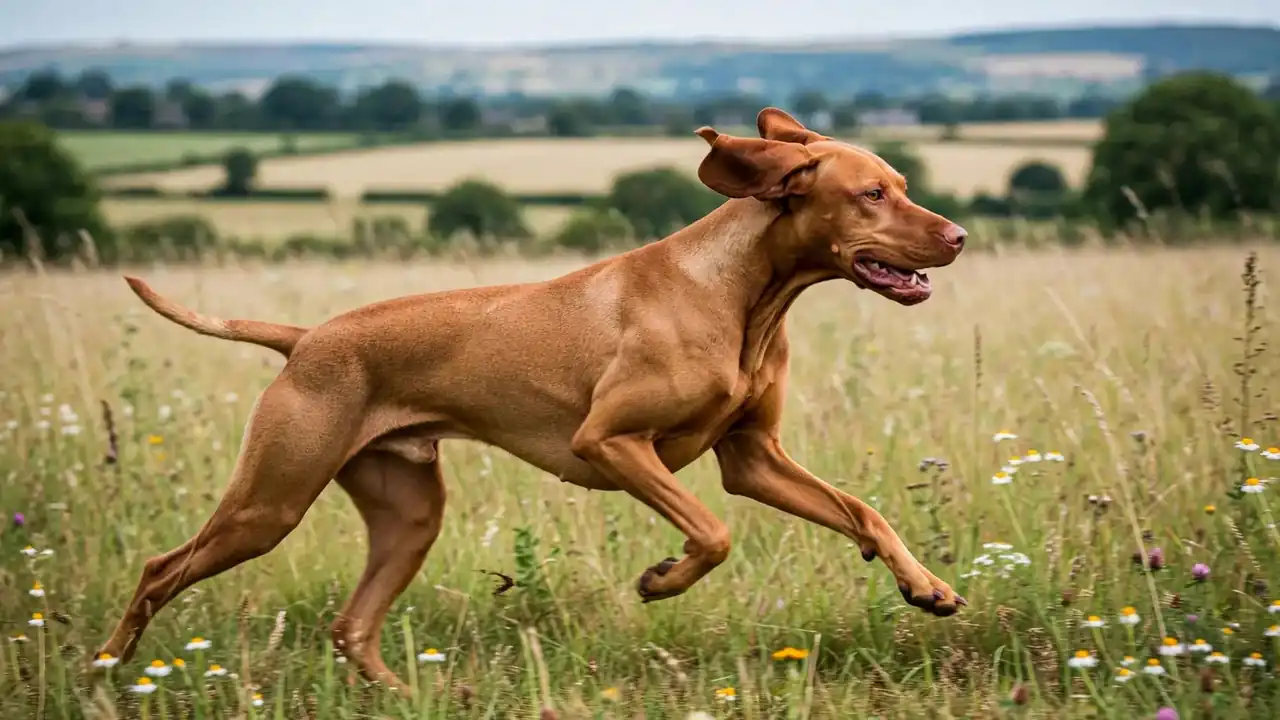
The russet gold coat: short, smooth, and dense, in golden rust.
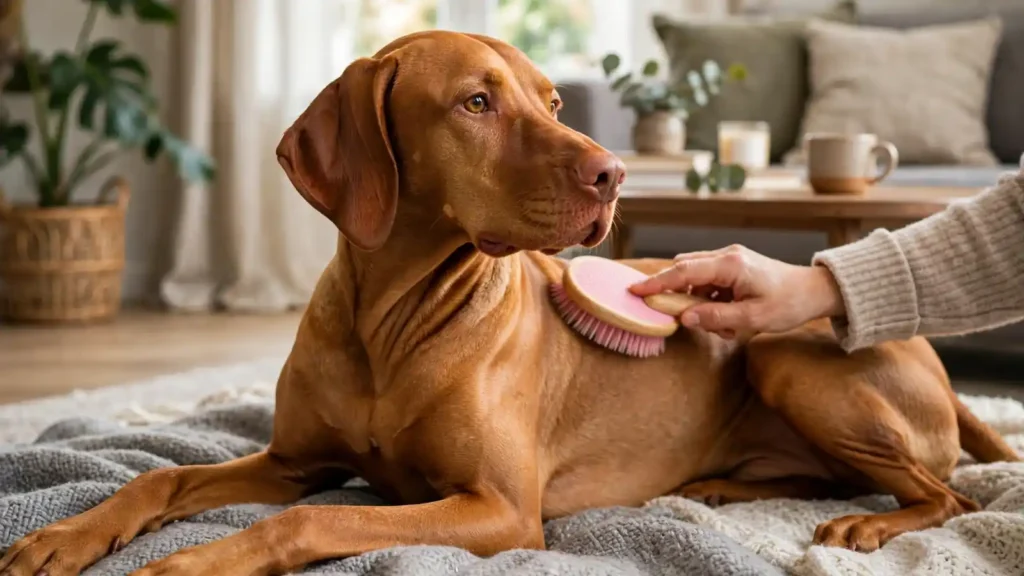
Shedding is moderate. Grooming is minimal: weekly brushing.
The short coat means they feel the cold; sweaters help in winter.

History and Origins
These dogs hunted with Hungarian nobility for centuries, pointing and retrieving.
The breed nearly went extinct after the world wars and was rebuilt by dedicated breeders.
They came to America in the 1950s and became beloved sporting and family dogs.
A nobleman’s hunting companion that worked within sight and reach of its person — which is exactly where the modern dog still insists on being.
Physical Characteristics
An elegant athlete: a lean, muscular body with a noble head and expressive eyes.
The build is all grace and stamina.
The eyes tell the story: soft, expressive, and fixed on their person with an intensity owners describe as being watched by love itself.
Vizsla Personality and Behavior
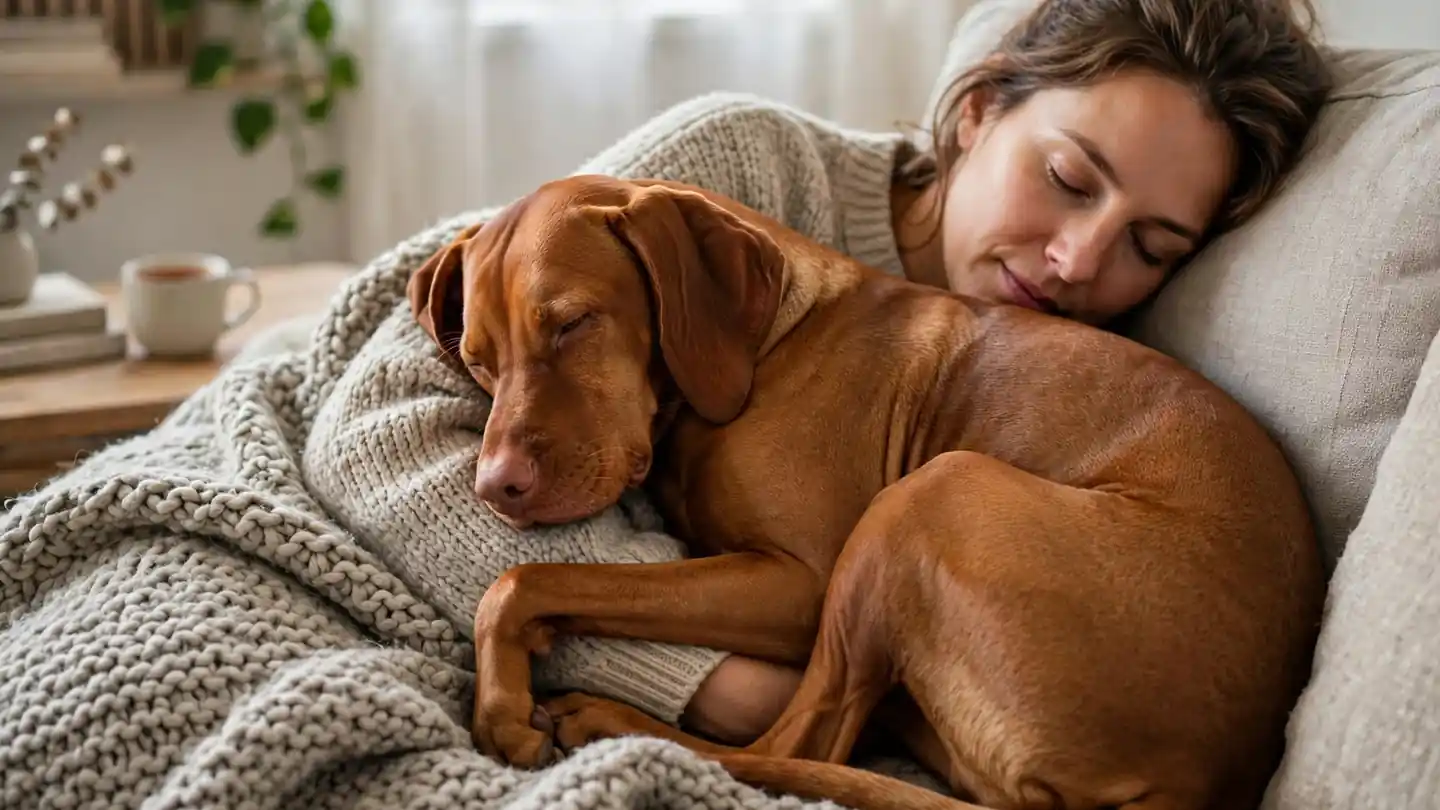
The ultimate velcro dog: famously affectionate, gentle, and attached to their people. They want physical contact constantly: on the couch, in the bed, against your leg. They are sensitive souls who wilt with harsh handling.
They are also very high-energy athletes who need serious daily exercise. Without it, the anxiety and energy turn destructive. They are not independent dogs and do poorly left alone.
Owners consistently describe the Vizsla dog as affectionate, energetic, and gentle — and its devoted closeness is why they recommend it to owners who want a constant companion.
The velcro temperament is literal. The Vizsla dog wants physical contact constantly: on the couch, in the bed, against your leg, and the hunting heritage explains why, since a nobleman’s companion that worked within sight and reach of its person still insists on being exactly there. The affectionate, gentle nature makes the closeness a pleasure rather than a burden for owners who want a constant companion.
The sensitivity and energy set the conditions. A sensitive soul that wilts with harsh handling needs gentle consistency, and a very high-energy athlete without serious daily exercise turns anxiety and energy destructive. The breed is not independent and does poorly left alone, so separation anxiety prevention from puppyhood, in tiny successful steps, matters more than any later correction.
Physical contact is not a preference; it is the operating system.
Harsh handling wilts it; gentle, consistent training gets everything.
Field-bred stamina that needs a real daily outlet, not a stroll.
- Affectionate, gentle, and eager
- Devoted constant companion
- Minimal grooming; easy short coat
- Separation anxiety is the breed’s great challenge
- Very high energy: 60 to 90 vigorous minutes daily
- Feels the cold; needs owners who are home
Care Essentials
Closeness and running — here is the daily reality. They excel at field work, agility, and running sports. They are indoor dogs who must live glued to their people. Separation anxiety is the Vizsla dog’s great challenge: they need owners who are home.
Build alone-time gradually from puppyhood in tiny, successful steps; prevention is far easier than treating full separation anxiety in an adult.
A typical day runs on closeness and running together. Field work, agility, and running sports suit the athlete, and the indoor dog that results must live glued to its people, with alone-time built gradually from puppyhood rather than imposed later. The two non-negotiables frame everything: serious daily exercise, and physical closeness to the family.
A measured, high-quality diet in two meals; keep them lean and conditioned.
Weekly brushing, occasional baths, regular nail trims, ear checks, teeth brushing.
60 to 90 minutes of vigorous activity daily: running, hiking, field work, swimming.
An indoor home with people around most of the day.
Nutrition and Diet
Active dog, quality fuel: feed a measured, high-quality diet in two meals a day.
Keep them lean and conditioned. Adjust to activity level — a Vizsla dog in hard training weeks eats like an athlete; the same dog in a quiet month does not.
Feeding follows the training load. A measured, high-quality diet in two meals keeps the lean, muscular build conditioned, and portions adjust to activity level: a dog in hard training weeks eats like an athlete, while the same dog in a quiet month does not. Keeping the dog lean matters as much as fueling it, since an athlete’s frame carries no unnecessary ounce.

Grooming
Minimal effort: weekly brushing, occasional baths, regular nail trims, ear checks, teeth brushing.
The short coat is genuinely easy — one of the simplest coats on any sporting breed.
Grooming is minimal effort, as the guide says. Weekly brushing covers the short, smooth, dense russet coat, occasional baths come as needed, and the real routine is nails, ear checks, and teeth brushing. The short coat is genuinely easy, one of the simplest coats on any sporting breed, which leaves more time for the running this breed actually needs.

Exercise and Enrichment
Very high energy: aim for 60 to 90 minutes of vigorous activity daily — running, hiking, field work, swimming.
Mental work through training helps. A tired dog of this Vizsla dog is a cuddly one: the run is what unlocks the famous sofa mode.
Off-leash running in safe country is the gold standard where it is safe and allowed: nothing else quite empties the tank like free running, and the recall training it rewards is worth every session.
Exercise is vigorous and freeing. Sixty to ninety minutes of running, hiking, field work, and swimming cover the need, mental work through training helps channel the energy, and off-leash running in safe country is the gold standard where safe and allowed: nothing else quite empties the tank like free running. The run is what unlocks the famous sofa mode, and owners who provide it usually get the cuddliest version of the dog.
Health
Most live 12 to 15 years. Here are the health issues to know: Learn more about the Vizsla dog on Wikipedia.
Hip dysplasia occurs; choose screened breeders.
Epilepsy appears in some lines.
Skin allergies occur in the breed.
Behavioral but central to the breed; plan your life around it.
Schedule annual wellness exams, or twice-yearly exams for seniors, and ask your vet about screening for conditions the Vizsla dog can be prone to, such as hip dysplasia. Consult your veterinarian promptly if you notice seizures, skin problems, or changes in appetite, weight, or energy.
Health care follows the familiar rhythm with hip screening in focus. Annual exams, twice-yearly exams for seniors, and screening for hip dysplasia cover the ground the guide names, and breeders who screen hips, eyes, and thyroid and breed for sound temperaments are worth seeking out. Day to day, seizures and changes in appetite, weight, or energy deserve a prompt vet call.
Indoor and Outdoor Living
Indoor velcro, outdoor athlete: they live indoors, ideally touching you, and exercise outdoors hard.
They are cold-sensitive. A fenced yard is great for play.
In winter, plan on a coat for the Vizsla as automatically as you plan your own; a short-coated athlete loses heat fast standing around between runs.
Indoor living as velcro defines the arrangement. The breed lives indoors, ideally touching its people, and exercises outdoors hard, cold-sensitive with its short coat and in need of sweaters and a winter coat in cool weather. A fenced yard is great for play, but it never replaces the running: a Vizsla needs real outings, not just a yard.
Family Suitability
Wonderful with devoted families: affectionate and gentle with children, good with other dogs.
The energy can overwhelm small kids. They usually accept cats they are raised with. The family must want a Vizsla dog that is physically attached at all times.
With families, devotion leads and energy sets the limit. The breed is wonderful with devoted families: affectionate and gentle with children, good with other dogs, and usually accepting of cats raised with it, though the energy can overwhelm small kids. The family must want a dog that is physically attached at all times, and the Vizsla dog’s devoted, velcro character shows best in homes that welcome exactly that.
Finding a Breeder or Rescue
Health testing matters: good breeders screen hips, eyes, and thyroid, and breed for sound temperaments.
Breed rescues have wonderful dogs; the Vizsla’s energy and neediness cause surrenders.
Ask breeders how their own dogs spend a normal day: you are buying into that daily rhythm, not just the puppy.
- Ask about screening — hips, eyes, and thyroid
- Ask how the breeder assesses temperament
- Ask how puppies are raised and socialized
- Consider a breed rescue
Quick Quiz: Is This Velcro Dog Right for You?
Answer four questions. Tap yes or no.
Frequently Asked Questions
Are Vizslas good family dogs?
Wonderful for devoted, active families. They are affectionate and gentle with children.
How much exercise does a Vizsla need?
Sixty to 90 minutes of vigorous activity daily.
Why are Vizslas called velcro dogs?
They insist on constant physical contact with their people. It is the breed’s defining trait.
Do Vizslas have separation anxiety?
They are prone to it. They need owners who are home most of the time.
How long do Vizslas live?
Typically 12 to 15 years.
Do Vizslas shed a lot?
Moderately. The short coat makes it manageable.
What do Vizsla owners say about living with the breed?
Owners consistently describe the Vizsla as affectionate, energetic, and gentle. In practice, owners report that the breed’s devoted closeness is the main reason they recommend it to owners who want a constant companion.
When should I ask my vet about my Vizsla’s health?
Schedule annual wellness exams, or twice-yearly exams for seniors, and ask your vet about screening for conditions the breed can be prone to, such as hip dysplasia. Consult your veterinarian promptly if you notice seizures, skin problems, or changes in appetite, weight, or energy.
Affectionate, energetic, and gentle: the velcro dog in the truest sense, an athlete outdoors and a shadow indoors. Meet the exercise and the togetherness honestly, and few breeds repay devotion like this one.
Similar Breeds Worth Exploring
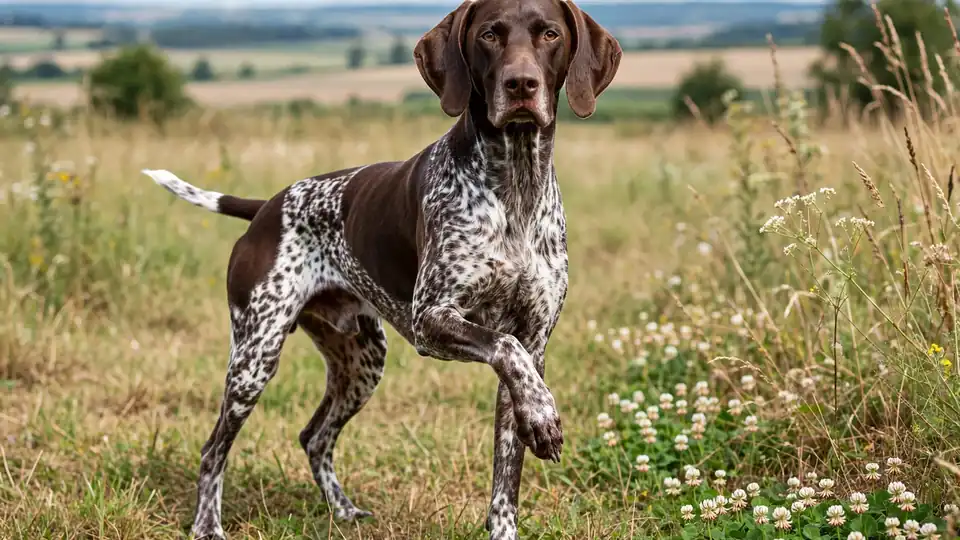
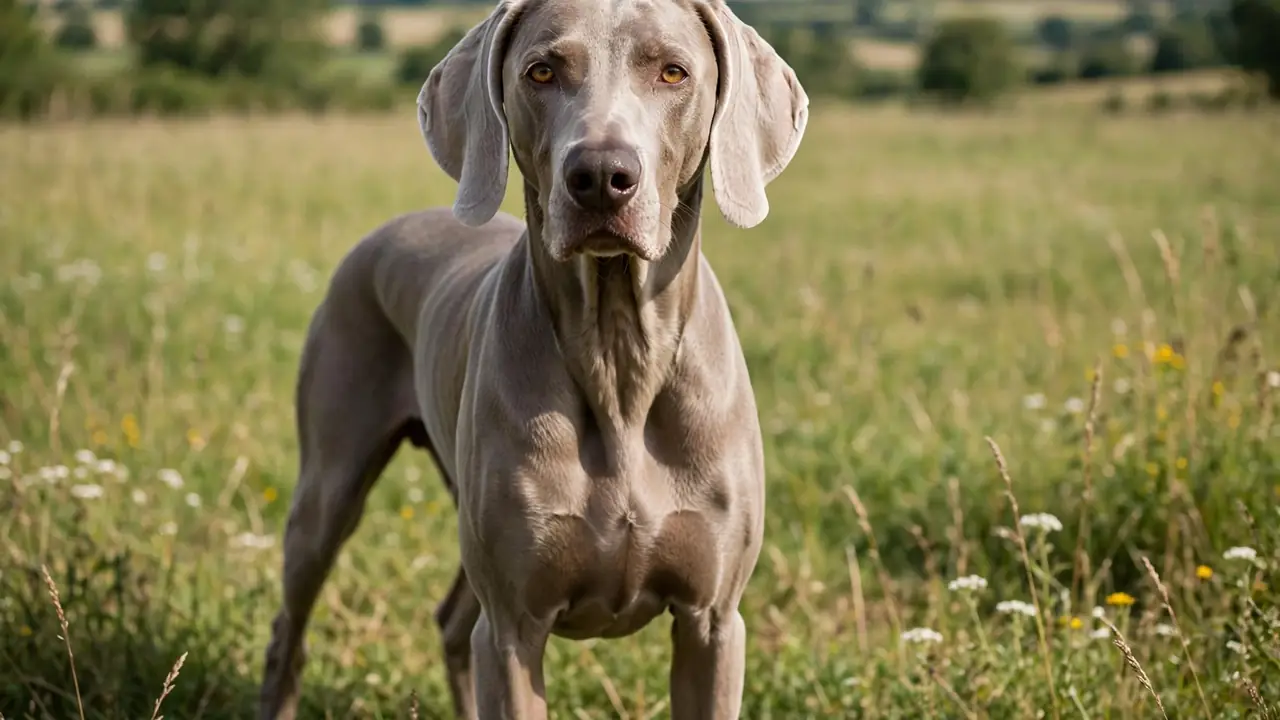
If this breed appeals to you, consider the German Shorthaired Pointer (similar energy, less velcro), the Weimaraner (larger and more demanding), the Rhodesian Ridgeback (independent athlete), or the English Pointer (elegant specialist).
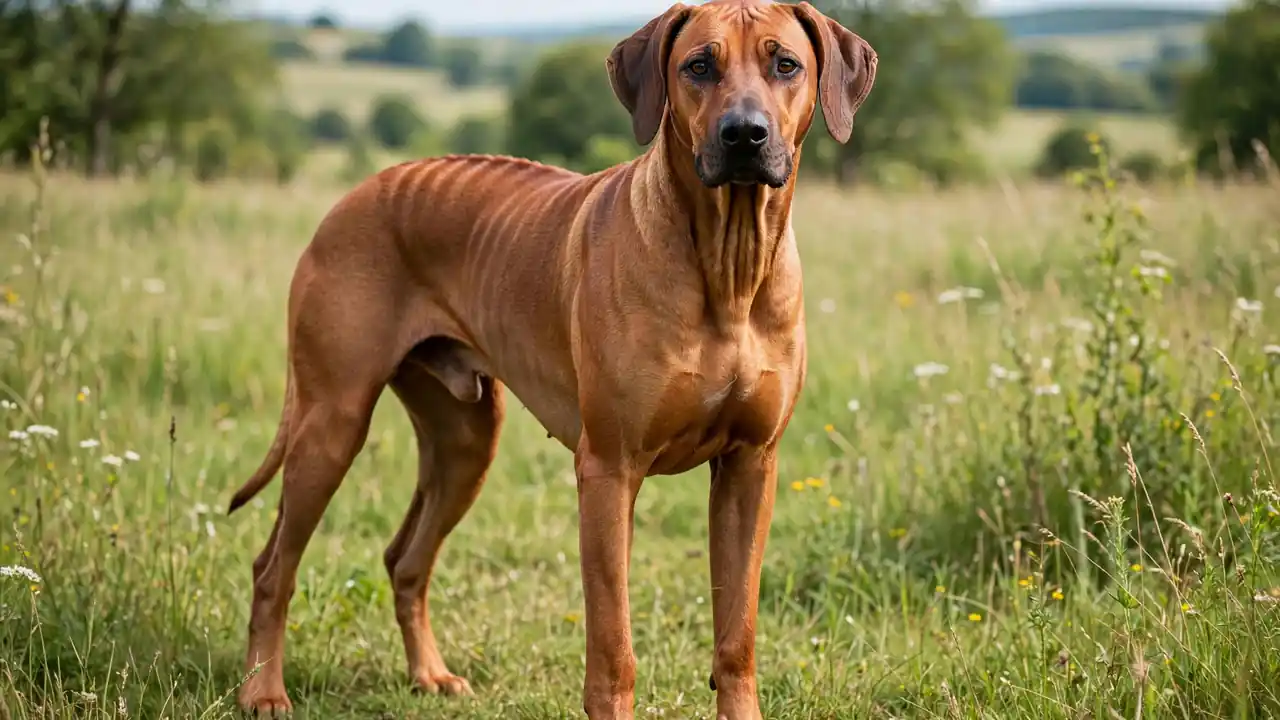
Related Breed Guides
- German Shorthaired Pointer Dog Breed Guide
- Weimaraner Dog Breed Guide
- Rhodesian Ridgeback Dog Breed Guide
Keep Exploring
Browse all our Dog Breed Guides, try the Dog Age Calculator, or explore our Cat Breed Guides. Every guide on this site follows the same layout, so the facts you need are always in the same place.