
French Bulldog Breed Guide
French Bulldog: the bat-eared clown
The bat-eared clown that became the world’s most popular breed. Personality, care, and health in one complete guide.
By Emily Carter · Reviewed by our vet team · Updated 22 October 2026 · 8 min read
Lifespan 10–12 yrsWeight under 28 lbPlayful & funny
French Bulldog dog is the bat-eared clown that became the world’s most popular breed: compact, funny, and full of love. Here is what matters before you join the club.
At a Glance
Size and Weight
Small, stocky, and portable. Here are the numbers. The French Bulldog dog is small, stocky, and portable.
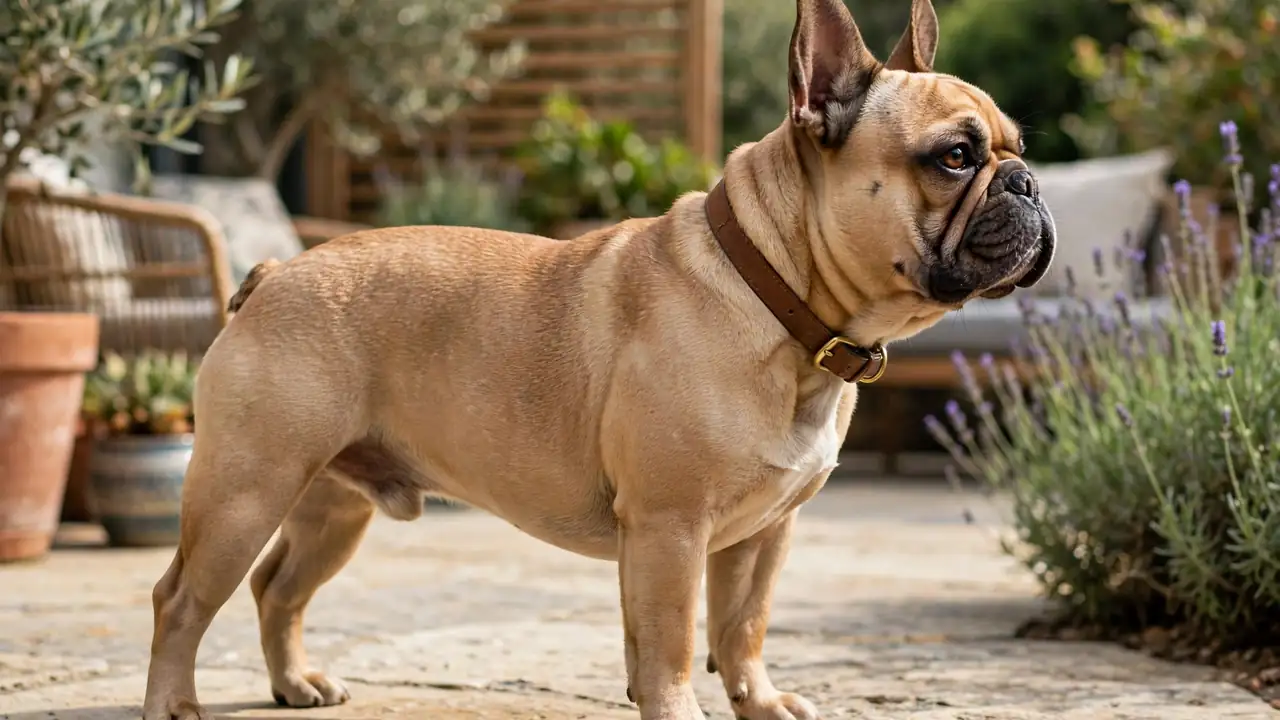
French Bulldogs weigh under 28 pounds, typically 16 to 28, and stand 11 to 13 inches tall. The build is compact and muscular with a large head and bat ears.
The size makes them ideal apartment dogs and travel companions. The French Bulldog dog is an ideal apartment dog and travel companion.
Coat and Colors
Short, smooth, and easy. Here is what to expect.
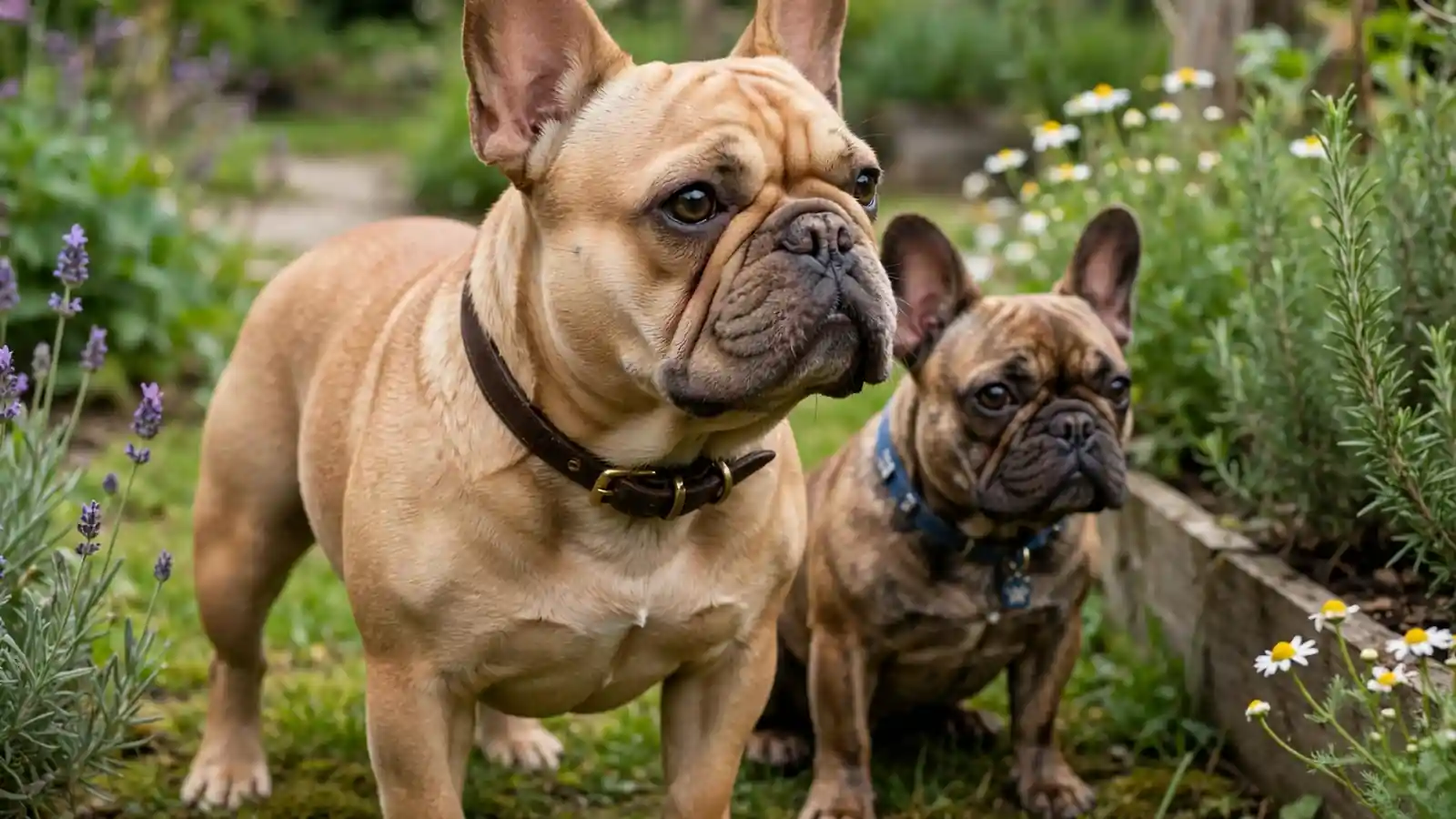
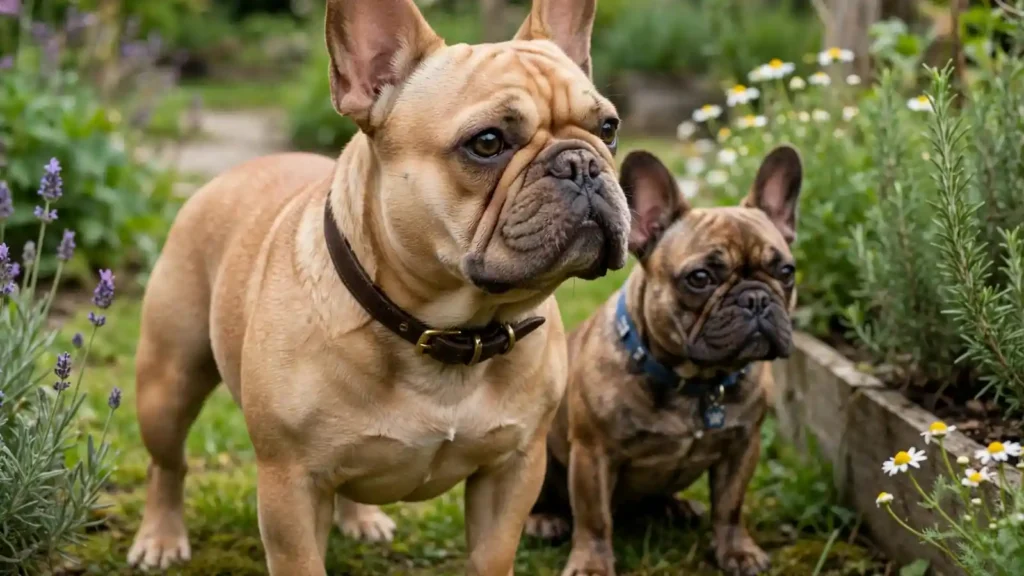
A short, fine coat in brindle, fawn, white, or combinations. Shedding is moderate year-round. The facial wrinkles need regular cleaning. The French Bulldog dog wears a short, fine coat in brindle, fawn, white, or combinations.


History and Origins
Small Bulldogs went with English lace workers to France in the 1800s, where they were crossed with local ratters.
They became the Parisian favorite, from café society to artists’ studios. The bat ears, not the rose ears the English preferred, became the signature.
They came to America in the late 1800s and steadily rose to become the most popular breed in many countries.
English lace workers took them to France. Here is the story. The French Bulldog dog came to France with English lace workers.
Small Bulldogs went with English lace workers to France in the 1800s, where they were crossed with local ratters and became the Parisian favorite, from café society to artists’ studios. The bat ears (not the rose ears the English preferred) became the signature.
They came to America in the late 1800s and steadily rose to become the most popular breed in many countries.
Physical Characteristics
A mini Bulldog with radar ears. Here is the structure.
Compact, muscular body with a large square head, short muzzle, and the famous erect bat ears. The tail is short, either straight or screwed.
The flat face defines the breed’s health profile. Cuteness and breathing challenges come together.
French Bulldog Personality and Behavior
A comedian who loves everyone. Here is the honest picture.
Frenchies are famously playful, affectionate, and funny. They adore their people, love children, and are friendly with strangers. They are adaptable to their owner’s lifestyle: happy with a short walk or a long cuddle. The French Bulldog dog is famously playful, affectionate, and funny.
They can be stubborn about training, but food motivation helps enormously. They snore, snort, and make a symphony of funny noises. They are companion dogs through and through.
Owners consistently describe the Frenchie as playful, affectionate, and funny. In practice, owners report that the breed’s clownish charm is the main reason they recommend it to companion-dog lovers.
A comedian who loves everyone is exactly right. The breed is famously playful, affectionate, and funny, adoring its people and loving children, friendly with strangers, and adaptable to the owner’s lifestyle: happy with a short walk or a long cuddle. The clownish charm owners describe is the daily reality, not a special occasion.
The stubbornness is manageable with food motivation. Training needs patience, but food motivation helps enormously, and the companion nature means the dog wants to be with its people always. The symphony of funny noises, snoring, and snorting included, is part of the package families sign up for, and most find it endearing.
Playful, affectionate, and funny, adoring their people and friendly with strangers.
Happy with a short walk or a long cuddle, fitting themselves to their owner’s lifestyle.
They snore, snort, and make funny noises, and can be stubborn about training, though food motivation helps enormously.
- Wonderful with children and other pets
- Among the best apartment dogs in existence
- Low exercise needs
- Significant health needs; budget seriously for vet care
- Dangerously heat-intolerant and cannot swim
- Puppies are expensive and breeding is fraught
Care Essentials
Two measured meals a day, kept lean. These dogs gain weight easily and can have sensitive digestion and gas; extra weight worsens breathing and joint stress.
Brush weekly for shedding. Clean facial wrinkles regularly and keep them dry. Clean ears, trim nails, brush teeth.
20 to 30 minutes of gentle walking daily, split into short sessions, in cool hours. Avoid heat, humidity, and strenuous exercise.
Indoors in climate-controlled comfort, absolutely. They are among the best apartment dogs in existence, and they want to be with their people always.
Low exercise, high health awareness. Here is the daily reality.
Frenchies need only 20 to 30 minutes of gentle daily exercise. They are extremely heat-sensitive due to the flat face; air conditioning is essential, exercise happens in cool hours, and they must never be left in heat. They cannot swim; most sink. The French Bulldog dog needs only 20 to 30 minutes of gentle daily exercise.
They are indoor dogs who want to be with their people always.
A typical day is low-exercise and high-awareness. Twenty to thirty minutes of gentle daily exercise cover the need, and the indoor dog that results wants to be with its people always. Heat awareness is the real daily work: air conditioning is essential, exercise happens in cool hours, and the dog must never be left in heat.
Nutrition and Diet
Easy keepers with sensitive stomachs. Here is the plan.
Feed a measured, high-quality diet in two meals a day. Frenchies gain weight easily and can have sensitive digestion and gas. Find a food that agrees with your dog. The French Bulldog dog needs a measured, high-quality diet in two meals a day.
Keep them lean. Extra weight worsens breathing and joint stress in this breed.
Feeding suits an easy keeper with a sensitive stomach. A measured, high-quality diet in two meals keeps weight steady, and finding a food that agrees with the dog matters, since sensitive digestion and gas are common. Keeping the dog lean matters most of all, since extra weight worsens breathing and joint stress in this breed.

Grooming
Easy coat, watch the wrinkles. Here is the routine.
Brush weekly for shedding. Clean facial wrinkles regularly and keep them dry. Clean ears, trim nails, brush teeth regularly. The French Bulldog dog needs weekly brushing and regular wrinkle cleaning.
The coat is easy and the wrinkles are the work. Weekly brushing covers the short, fine coat and its moderate shedding, while facial wrinkles need regular cleaning and must be kept dry. The same session covers ears, nails, and teeth, and the wrinkle routine is the one grooming habit that must never lapse.

Exercise and Enrichment
Low to moderate energy. Here is the right amount.
Aim for 20 to 30 minutes of gentle walking daily, split into short sessions. Avoid heat, humidity, and strenuous exercise. Indoor play and gentle training provide enrichment. The French Bulldog dog needs 20 to 30 minutes of gentle walking daily, split into short sessions.
Exercise is gentle and split. Twenty to thirty minutes of gentle walking daily, split into short sessions, cover the need, with heat, humidity, and strenuous exercise all avoided. Indoor play and gentle training provide enrichment, which suits a companion dog that values people time over athletic feats.
Health
Frenchies live 10 to 12 years with significant health needs. Here is the honest picture.
Brachycephalic airway syndrome affects breathing; many need surgical help. They are dangerously heat-intolerant. Spinal issues (hemivertebrae), hip dysplasia, skin allergies, and eye problems occur. Reproduction typically requires veterinary assistance, which is why puppies are expensive. The French Bulldog dog faces brachycephalic airway syndrome as its defining health issue.
Budget seriously for vet care. Schedule twice-yearly exams, and ask your vet about screening for conditions the breed can be prone to, such as airway and spinal issues. Consult your veterinarian promptly if you notice labored breathing, overheating, or back pain. For general background, see the French Bulldog article on Wikipedia.
Health care follows the familiar rhythm with airway and spinal vigilance in focus. Twice-yearly exams are the schedule, and screening for airway and spinal issues covers the ground the guide names, while breeders who health-test spine, heart, eyes, and patellas and breed for better breathing are worth seeking out. Day to day, labored breathing and changes in appetite, weight, or energy deserve a prompt vet call, and budgeting seriously for vet care is part of owning this breed.
Affects breathing; many dogs need surgical help. Choose breeders who breed for better breathing.
Dangerous in this breed. Air conditioning is essential and they must never be left in heat.
Hemivertebrae, hip dysplasia, skin allergies, and eye problems all occur. Reproduction typically requires veterinary assistance.
Indoor and Outdoor Living
Indoor dog, absolutely. Here is why. The French Bulldog dog is an indoor dog, absolutely.
Frenchies must live indoors in climate-controlled comfort. They cannot handle heat, should never be left outside unsupervised, and cannot swim. Short, supervised outdoor time in mild weather is enough.
They are among the best apartment dogs in existence.
Indoor living is absolute for this breed. The dog must live indoors in climate-controlled comfort, cannot handle heat, should never be left outside unsupervised, and cannot swim, so short, supervised outdoor time in mild weather is enough. Among the best apartment dogs in existence, the breed suits small spaces with big comfort.

Family Suitability
Wonderful companions for many households. Here is the picture. The French Bulldog dog is a wonderful companion for many households.
Great with children, friendly with strangers, usually good with other dogs and cats. Their small size and gentle nature suit many living situations.
The cautions are health costs, heat sensitivity, and the noise (snoring).
With families, the fit is broad and the cautions are practical. The breed is great with children, friendly with strangers, and usually good with other dogs and cats, with small size and gentle nature suiting many living situations. The cautions are health costs, heat sensitivity, and the noise, and households that budget for all three usually love the breed most.
Finding a Breeder or Rescue
Extreme care needed. The breed’s popularity attracted terrible breeding. The French Bulldog dog needs extreme care in choosing a breeder.
The best breeders health-test extensively (spine, heart, eyes, patellas), breed for better breathing, and are transparent. Expect very high prices; cheap Frenchies come from suffering. Frenchie rescues are full of wonderful dogs.
- Ask what health testing the breeder does on their dogs
- Ask to see the parents and the living conditions
- Puppies should be raised in a home environment
- A good breeder answers questions openly and asks you some too
Quick Quiz: Is a French Bulldog Right for You?
Answer four questions. Tap yes or no.
Frequently Asked Questions
Are French Bulldogs good family dogs?
Wonderful. They are affectionate, playful, and great with children.
How much exercise does a Frenchie need?
Only 20 to 30 minutes of gentle walking daily. They are low-energy.
Do French Bulldogs have health problems?
Honestly, yes. Breathing, heat tolerance, spine, and skin all need management. Budget for vet care.
Can French Bulldogs swim?
Most cannot swim safely. Never leave one near water unsupervised.
How long do French Bulldogs live?
Typically 10 to 12 years.
Do French Bulldogs bark a lot?
No. They are relatively quiet, though the snoring is legendary.
What do Frenchie owners say about living with the breed?
Owners consistently describe the Frenchie as playful, affectionate, and funny. In practice, owners report that the breed’s clownish charm is the main reason they recommend it to companion-dog lovers.
When should I ask my vet about my Frenchie’s health?
Schedule twice-yearly exams, and ask your vet about screening for conditions the breed can be prone to, such as airway and spinal issues. Consult your veterinarian promptly if you notice labored breathing, overheating, or back pain.
The French Bulldog is a bat-eared clown that has charmed its way to the top of the popularity charts. Bring air conditioning, wrinkle care and a serious vet budget, and this affectionate comedian will run your home with joy.
Similar Breeds Worth Exploring


Related Breed Guides
Keep Exploring
Browse all our Dog Breed Guides, try the Dog Age Calculator, or explore our Cat Breed Guides.