
Shar Pei Dog Breed Guide
Shar Pei: the wrinkled guardian from China
Shar Pei dog: dignified, loyal, and unmistakable. Care, skin care, and health in one complete guide.
By Emily Carter · Reviewed by our vet team · Updated 22 October 2026 · 10 min read
Lifespan 8–12 yrs
Weight 45–60 lb
Dignified & loyal
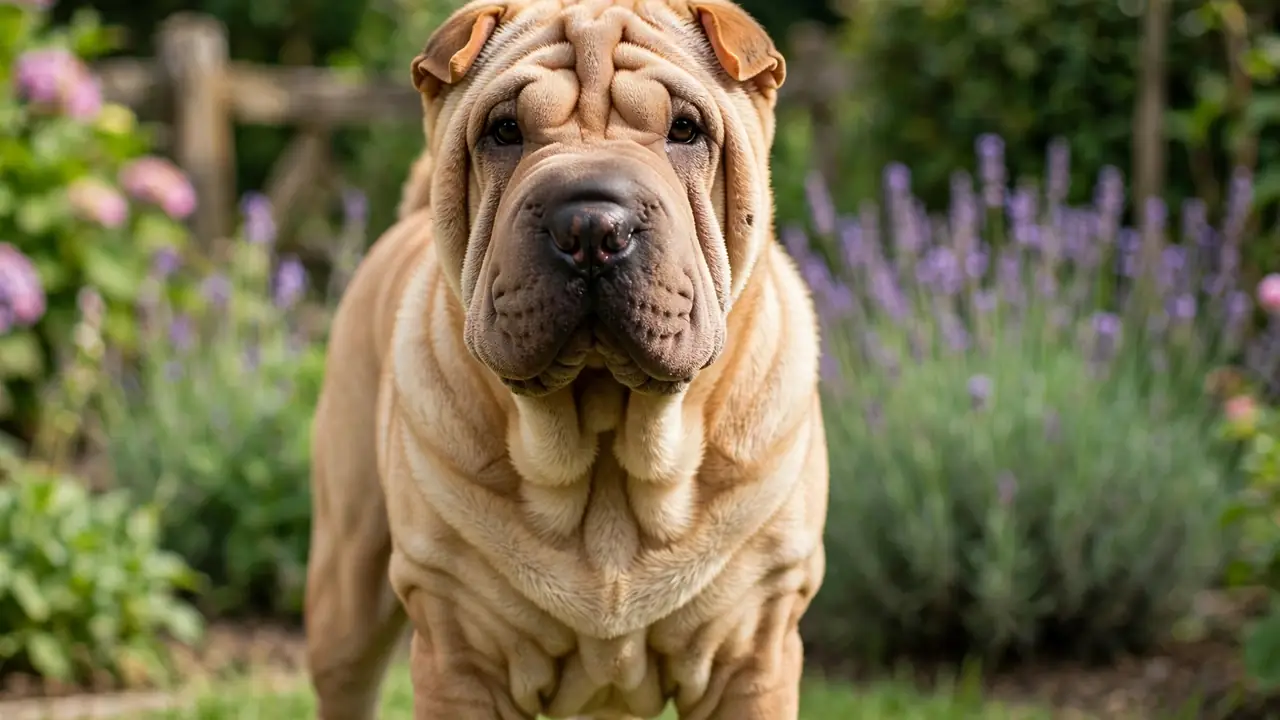
Shar Pei dog: The wrinkled guardian from China: dignified, loyal, and unmistakable.
This is an ancient breed that worked Chinese farms as a guardian, herder, and hunter for centuries — and very nearly vanished in the 20th century before being rebuilt from a handful of dogs. The Shar Pei dog is an ancient guardian breed.
The guardian heritage defines the temperament: loyal to family, wary of strangers, and calm in a way few breeds manage. This guide is honest about the rest, too — the skin care and the vet budget are part of the package.
Read the health section twice before deciding: this breed rewards informed owners and punishes optimistic ones.
At a Glance
Size and Weight for the Shar Pei dog
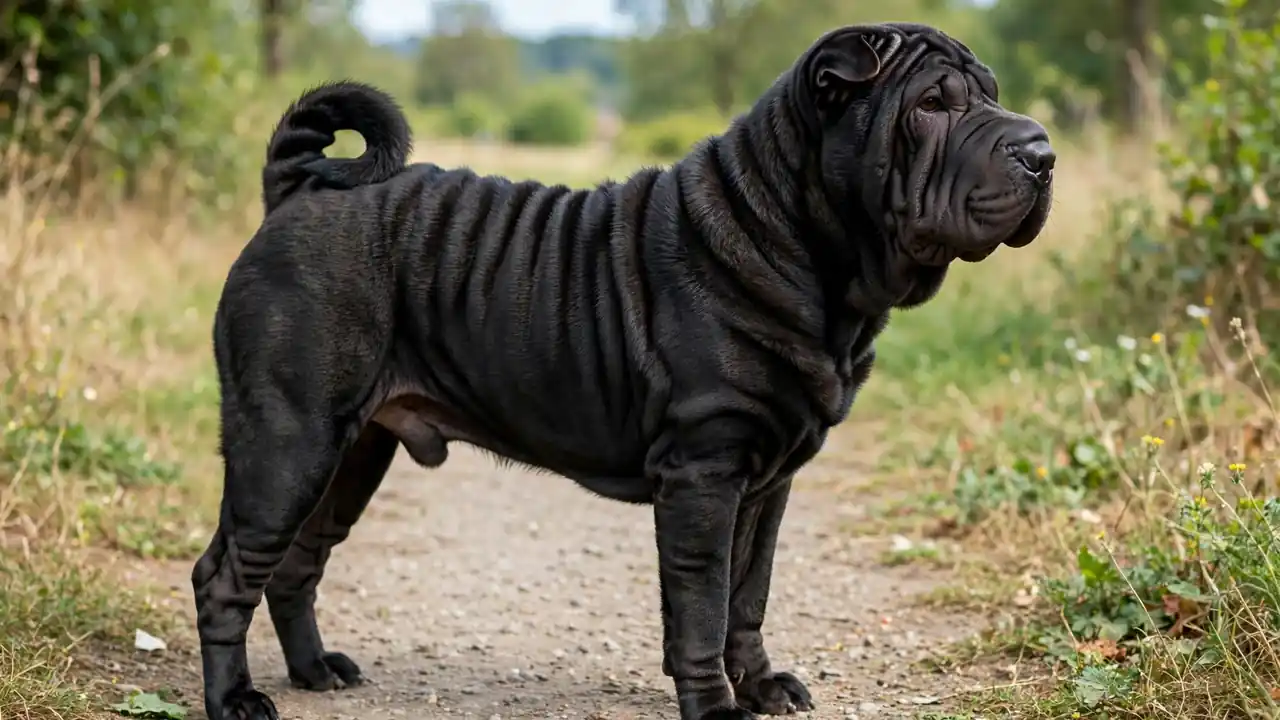
Medium and solid: they stand 18 to 20 inches and weigh 45 to 60 pounds. The build is compact and muscular. The Shar Pei dog is medium and solid.
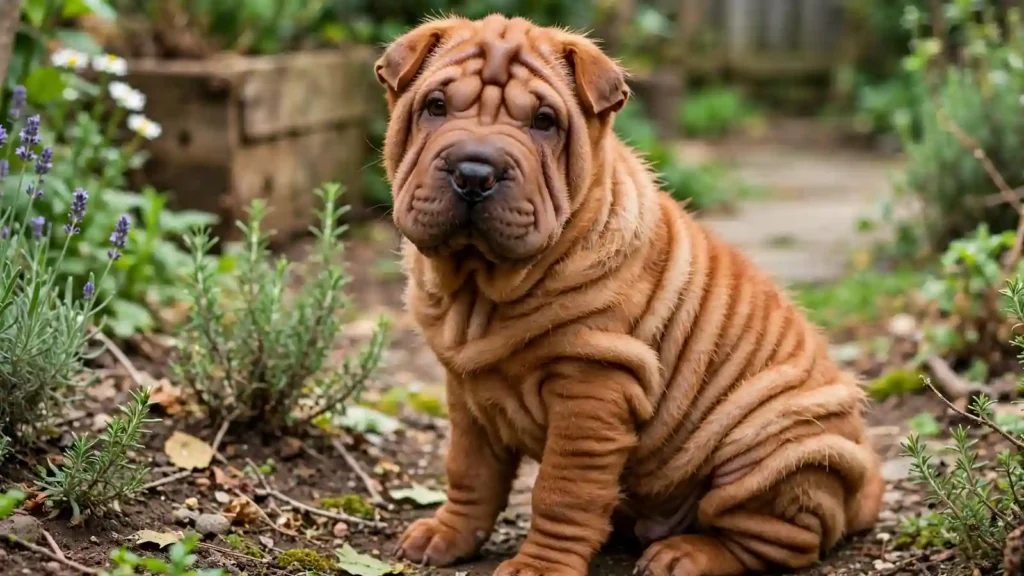
The wrinkles are most profuse in puppies and smooth out somewhat with age — though the face keeps its famous folds for life.
Adults carry their weight with a certain gravitas: broad through the chest, level-backed, and heavier in the hand than they look, which surprises people who meet the loose skin first.
Coat and Colors for the Shar Pei dog
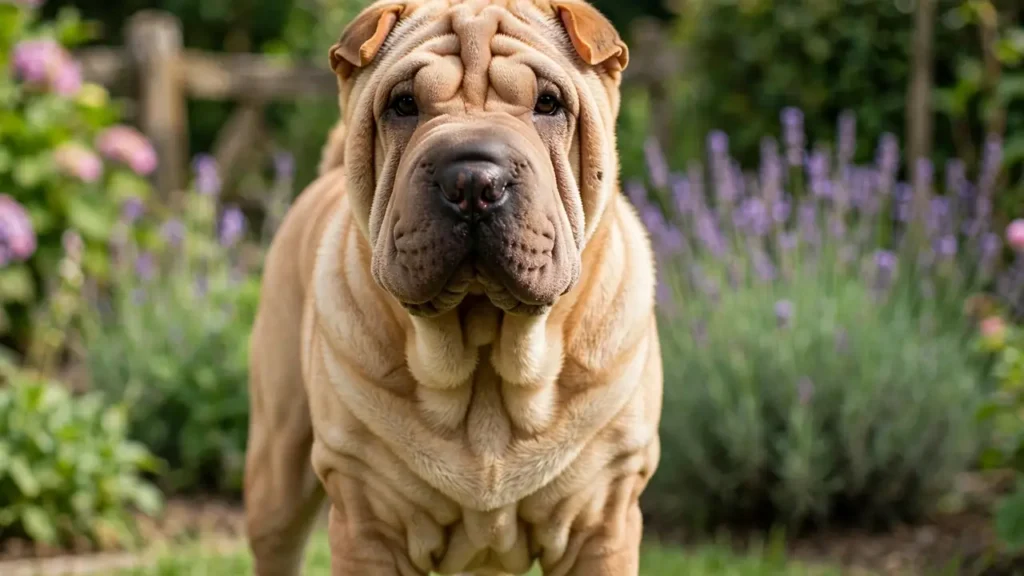
The bristly coat and famous wrinkles: a short, harsh, bristly coat in fawn, red, black, blue, cream, or chocolate. The Shar Pei dog has a bristly coat.
The loose wrinkled skin is the signature. Shedding is moderate.
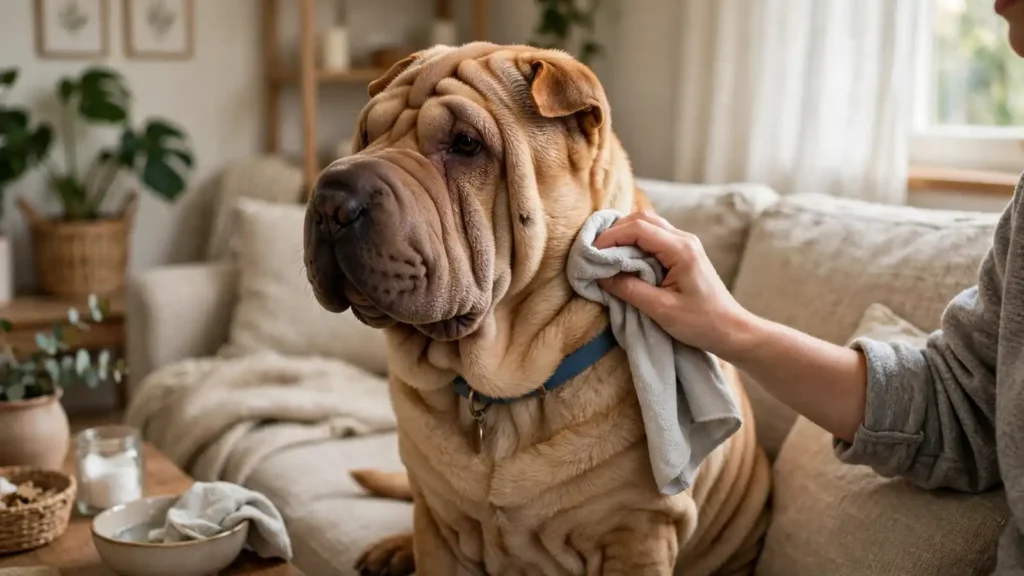
The wrinkles need regular cleaning to prevent skin infections — a small daily habit that prevents a large vet bill.
The harsh texture is not a flaw to soften with conditioners: it is the breed’s working finish, and it should feel bristly to the hand.

History and Origins
These dogs worked Chinese farms as guardians, herders, and hunters for centuries; the loose skin and prickly coat helped in confrontations.
The breed nearly went extinct in the 20th century.
The breed was rebuilt from a handful of dogs, and the guardian heritage still defines the temperament today.
Few breeds alive today were saved by so few dogs — one more reason health testing in breeding matters so much.
That combination — farm utility, guarding instinct, and a coat an opponent could not grip — made the breed a fixture of rural life long before it was a fixture of city homes. The Shar Pei dog has a guardian heritage.
Physical Characteristics
Wrinkles with dignity: a compact, muscular body with abundant loose skin forming wrinkles, especially on the head.
The head is broad with small, sunken eyes and small ears. The tail curls over the back.
The overall impression is of a dog wearing a coat two sizes too large, tailored by centuries of work rather than fashion.
Shar Pei Personality and Behavior
A dignified one-family dog: famously dignified, loyal, and independent. They bond deeply with their families and are calm, quiet house dogs. With strangers they are naturally reserved and aloof. The Shar Pei dog is famously dignified.
They are not effusive or eager to please; they are calm guardians who decide for themselves. They need confident, patient training and thorough socialization. They can be strong-willed and are not recommended for first-time owners.
Owners consistently describe the breed as dignified, loyal, and independent — and its calm devotion is why they recommend it to experienced owners.
Socialization is not optional with a natural guardian: a well-socialized puppy grows into a dog that can tell a welcome guest from a genuine concern, while an under-socialized one may decide every stranger is the second kind.
Affection, when it comes, is rationed and therefore valuable: a head rested on your shoe, a body leaned lightly against your leg, a watchful presence in the doorway of whatever room you are in.
A dignified one-family dog is exactly right. The breed is famously dignified, loyal, and independent, bonding deeply with its family and calm as a quiet house dog, naturally reserved and aloof with strangers. Not effusive or eager to please, the dog is a calm guardian who decides for itself, which is the guardian heritage at work.
Socialization is not optional with a natural guardian. A well-socialized puppy grows into a dog that can tell a welcome guest from a genuine concern, while an under-socialized one may decide every stranger is a concern, and confident, patient training with thorough socialization is the only path. Affection, when it comes, is rationed and therefore valuable: a head rested on your shoe, a body leaned lightly against your leg.
Bonds completely with its family and keeps its devotion quiet and steady.
Aloof by design; guests are assessed, not greeted.
Decides for itself — training must persuade, never bully.
- Dignified, loyal, and calm
- Typically quiet indoors
- Low to moderate exercise needs
- Significant health needs; budget seriously for vet care
- Wrinkles need regular cleaning
- Reserved, strong-willed, and not for first-time owners
Care Essentials
Calm leadership and skin care — here is the daily reality. They do poorly with harsh handling; calm, consistent leadership works. The skin and health needs are significant: budget seriously for vet care.
Settle handling early: feet, ears, folds, and mouth should all be calmly examinable from puppyhood, because this breed will need all of them checked for life.
A typical day runs on calm leadership and skin care. Calm, consistent leadership works, since the dog does poorly with harsh handling, with handling settled early: feet, ears, folds, and mouth calmly examinable from puppyhood, because the breed will need all of them checked for life. The skin and health needs are significant, so budgeting seriously for vet care is part of the daily reality.
Feeding
A measured, high-quality diet in two meals; keep them lean and watch the skin.
Grooming
Weekly brushing; clean the skin folds regularly and keep them dry.
Exercise
30 to 45 minutes daily in the cool hours; they overheat easily.
Home
An indoor family home with air conditioning in warm climates.
Nutrition and Diet
Quality food, watch the skin: feed a measured, high-quality diet in two meals a day. The Shar Pei dog needs quality food.
Some have food sensitivities; work with your vet if skin issues appear. Keep them lean — extra weight makes skin folds deeper, hotter, and harder to keep healthy, so the waistline and the skin are the same conversation in this breed.
Introduce any new food gradually and note the skin’s response over the following weeks; in this breed the folds often report dietary problems before anything else does.
Feeding suits quality food with skin watched. A measured, high-quality diet in two meals keeps the dog lean, since extra weight makes skin folds deeper, hotter, and harder to keep healthy, so the waistline and the skin are linked. New foods should be introduced gradually, with the skin’s response noted over following weeks, since the folds often report dietary problems before anything else does.

Grooming
Easy coat, watch the wrinkles: weekly brushing for the short coat. The Shar Pei dog needs fold care.
Clean skin folds regularly and keep them dry. Clean ears, trim nails, brush teeth regularly. Build fold cleaning into the routine from puppyhood so it is a normal, calm part of the day rather than a wrestling match with a 50-pound adult.
Grooming is an easy coat with watchful wrinkles. Weekly brushing covers the short, harsh, bristly coat, with skin folds cleaned regularly and kept dry, since the wrinkles need regular cleaning to prevent infections. Building fold cleaning into the routine from puppyhood makes it a normal, calm part of the day, and the same session covers ears, nails, and teeth.

Exercise and Enrichment
Low to moderate energy: aim for 30 to 45 minutes of activity daily — walks and gentle play. The Shar Pei dog enjoys gentle exercise.
They are calm indoors. They overheat easily; exercise in cool hours. A dignified stroll with plenty of sniffing suits the breed better than frantic games, and a tired dog of this breed mostly looks like a dog asleep in a slightly different place.
Never push a reluctant dog in warm weather: overheating is a genuine emergency risk here, and cooling down matters far more than finishing the route.
Exercise is low to moderate with cool hours as the rule. Thirty to forty-five minutes of walks and gentle play cover the need, with a dignified stroll and plenty of sniffing suiting the breed better than frantic games. The dog overheats easily, so exercise happens in cool hours, and a reluctant dog should never be pushed in warm weather, since overheating is a genuine emergency risk.
Health
Most live 8 to 12 years, with significant health needs. Here is the honest picture:
Familial amyloidosis is the breed’s signature concern, causing fever episodes and kidney risk.
Skin infections in the wrinkles are common; keep folds clean and dry.
Eyelid rolling often needs surgical correction.
Hip dysplasia occurs, and hypothyroidism appears in some lines.
Budget seriously for vet care. Schedule twice-yearly exams, and ask your vet about screening for conditions the breed can be prone to, such as kidney issues and entropion. Consult your veterinarian promptly if you notice fever, swollen hocks, eye irritation, or skin problems. Learn the early signs of a fever episode from your vet, keep a note of any episode and what preceded it, and treat unexplained fever in this breed as a same-day phone call, not a wait-and-see. For general background, see the Wikipedia guide.
Health care follows the familiar rhythm with vet-budget honesty in focus. Twice-yearly exams and screening for kidney issues and entropion cover the ground the guide names, and breeders who test for fever markers, screen hips and eyes, and breed for sound temperaments are worth seeking out. Day to day, skin flare-ups, eye squinting, and changes in appetite, weight, or energy deserve a prompt vet call, and reading the health section twice before deciding is wise advice.
Indoor and Outdoor Living
Indoor family guardian: they live indoors with their families and are calm house dogs. The Shar Pei dog lives indoors with its family.
They overheat easily and need air conditioning in warm climates. Short outdoor sessions in the cool of the day, shade and water always available, and a cool floor to sprawl on indoors make summers manageable.
A fenced garden for patrol duty and short explorations suits the breed; long days outside do not.
Indoor living as a family guardian defines the arrangement. The breed lives indoors with its family as a calm house dog, overheating easily and needing air conditioning in warm climates, with short outdoor sessions in the cool of the day, shade and water always available, and a cool floor to sprawl on indoors. A fenced garden for patrol duty and short explorations suits the breed; long days outside do not.

Family Suitability
Devoted to their families: loyal and protective of their family, including children they know.
They can be wary of unfamiliar children and need supervision. They are often fine with other pets they are raised with but can be dog-aggressive. The Shar Pei dog is devoted to its family.
Teach children the household rule early: this is a dog that appreciates being approached calmly and left alone when it walks away, and it rewards that respect with deep loyalty to its own young people.
With families, devotion leads and wariness sets the limit. The breed is devoted to its family: loyal and protective of its family, including children it knows, though wary of unfamiliar children and needing supervision. Often fine with other pets raised with but sometimes dog-aggressive, the dog rewards the household rule: approached calmly and left alone when it walks away, it repays respect with deep loyalty to its own young people.
Experienced ownersCalm, quiet householdsPeople who will keep up skin careHomes with air conditioning
First-time dog ownersYou want an effusive, everyone-is-a-friend dog
Finding a Breeder or Rescue
Health testing is critical: the best breeders test for fever markers, screen hips and eyes, and breed for sound temperaments.
Breed rescues have wonderful dogs. Ask any breeder directly what health testing they do and expect paperwork, not reassurance; in a breed rebuilt from a handful of dogs, careful breeding is the whole ballgame.
Expect a good breeder to ask about your experience, too: they know exactly how much dog this is.
- Ask about fever-marker testing and kidney screening
- Ask about hip and eye screening
- Ask how puppies are raised and socialized
- Consider a breed rescue
Quick Quiz: Is This Wrinkled Guardian Right for You?
Answer four questions. Tap yes or no.
Frequently Asked Questions
Are Shar Peis good family dogs?
They are devoted to their families but best with experienced owners. They are wary of strangers.
How much exercise does a Shar Pei need?
About 30 to 45 minutes of activity daily.
Do Shar Peis have health problems?
Honestly, yes. Shar Pei fever, skin issues, and entropion need management. Budget for vet care.
Do Shar Peis bark a lot?
No. They are typically quiet and calm indoors.
How long do Shar Peis live?
Typically 8 to 12 years.
Why does my Shar Pei have a fever?
Recurrent fever episodes can indicate Shar Pei fever. See your vet promptly.
What do Shar Pei owners say about living with the breed?
Owners consistently describe this particular breed as dignified, loyal, and independent. In practice, owners report that the breed’s calm devotion is the main reason they recommend it to experienced owners.
When should I ask my vet about my Shar Pei’s health?
Schedule twice-yearly exams, and ask your vet about screening for conditions the breed can be prone to, such as kidney issues and entropion. Consult your veterinarian promptly if you notice fever, swollen hocks, eye irritation, or skin problems.
Dignified, loyal, and independent: a calm guardian whose devotion runs deep and quiet. The wrinkles, the skin care, and the vet budget are real, and this breed is not for first-time owners — experienced households get a one-of-a-kind companion.
Similar Breeds Worth Exploring
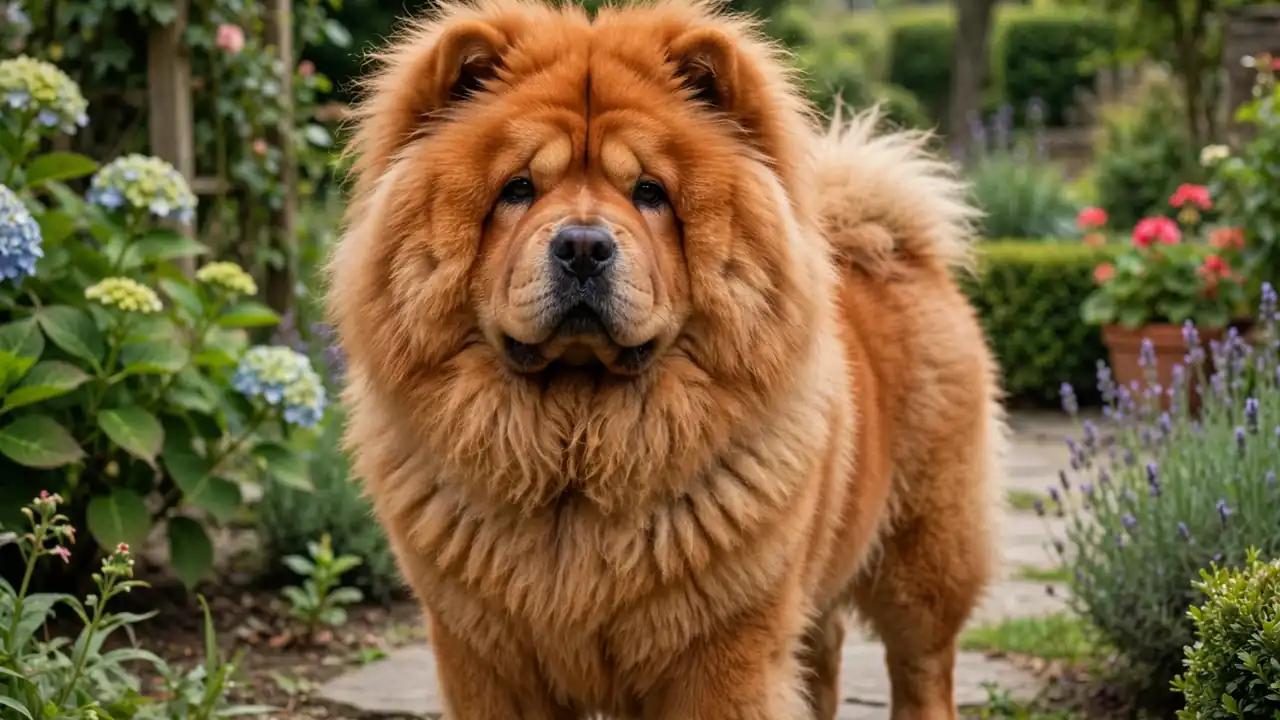
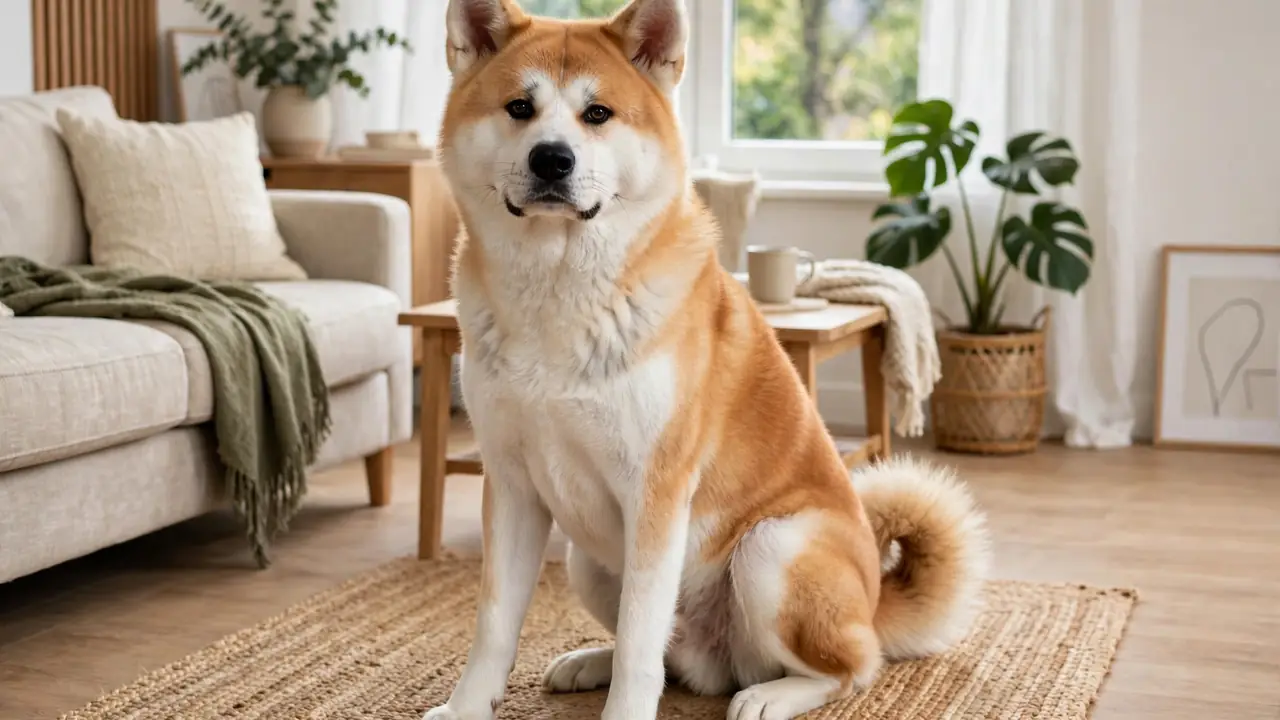
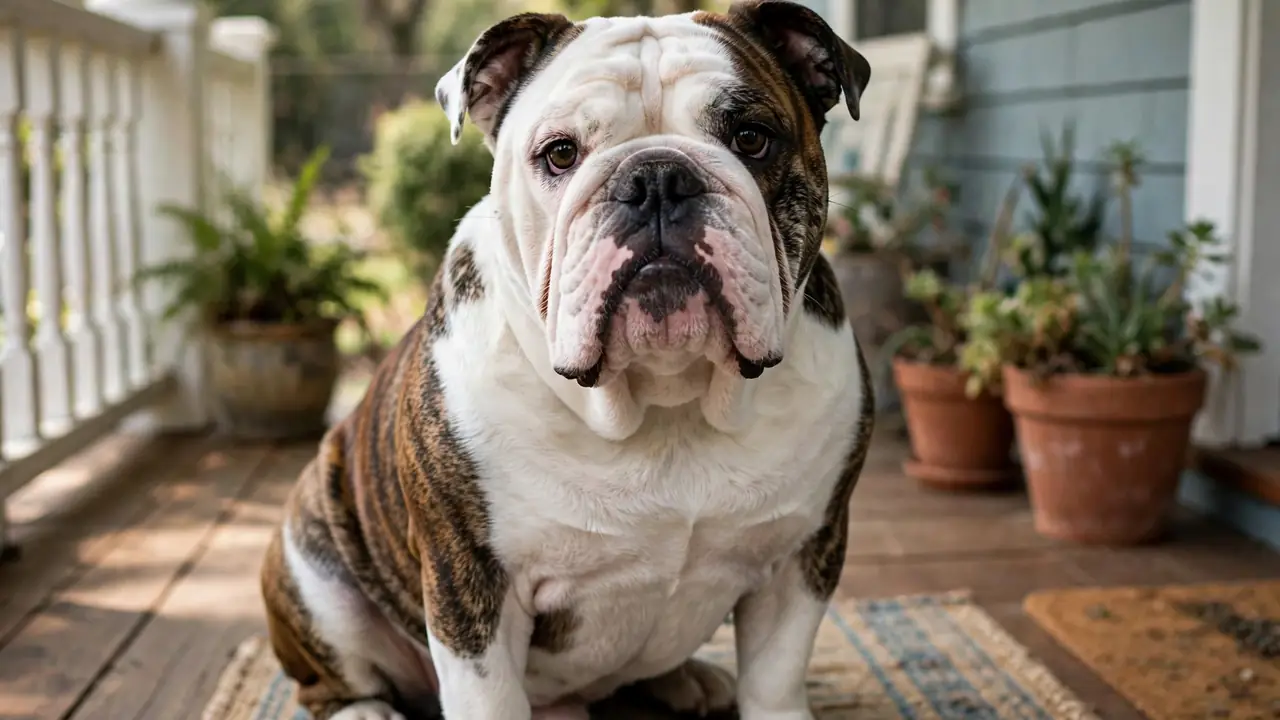
If this breed appeals to you, consider the Chow Chow (another Chinese guardian), the Akita (dignified Japanese guardian), the Bulldog (wrinkled and calm), or the Neapolitan Mastiff (more wrinkles, more giant).
Related Breed Guides
Keep Exploring
Browse all our Dog Breed Guides, try the Dog Age Calculator, or explore our Cat Breed Guides. Every guide on this site follows the same layout, so the facts you need are always in the same place.