
Chow Chow Dog Breed Guide
Chow Chow: the dignified bear-like guardian with the blue-black tongue
A dignified, bear-like guardian from ancient China with a famous blue-black tongue and a fiercely independent spirit.
Lifespan 8 to 12 yrs Weight 45 to 70 lbs Aloof, dignified, independent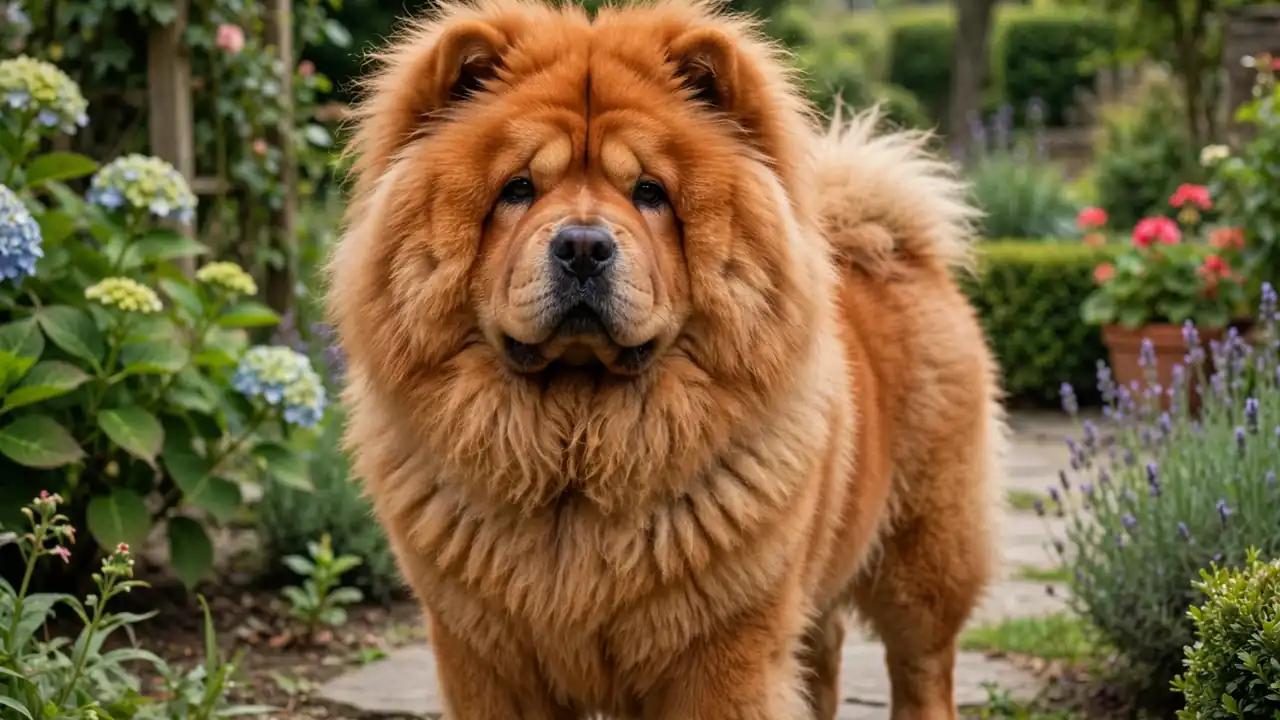
Chow Chow dog is a large, bear-like dog from ancient China, famous for a blue-black tongue and a temperament as serious as its looks. Before you fall for the teddy-bear face, here is what matters most.
This guide covers the breed in full, from size and coat to personality, care, and health, so you can decide whether this breed fits your home.
At a Glance
Size and Weight
They are compact but heavy, with a stocky, powerful build that feels bigger than the height suggests. The Chow Chow dog is compact but heavy for its height.
Males typically stand 19 to 20 inches tall and weigh 55 to 70 pounds. Females are 17 to 19 inches and weigh 45 to 60 pounds. Puppies grow steadily and reach their adult size by about 12 to 15 months, though the coat keeps getting fuller for another year or two. The Chow Chow dog stands 17 to 20 inches tall.
The broad chest, heavy bone, and dense coat make even a mid-sized Chow look imposing. They take up real space in the home and need a car, crate, and doorway sized for a solid, muscular dog. The Chow Chow dog looks imposing even at a mid-size.
Coat and Colors
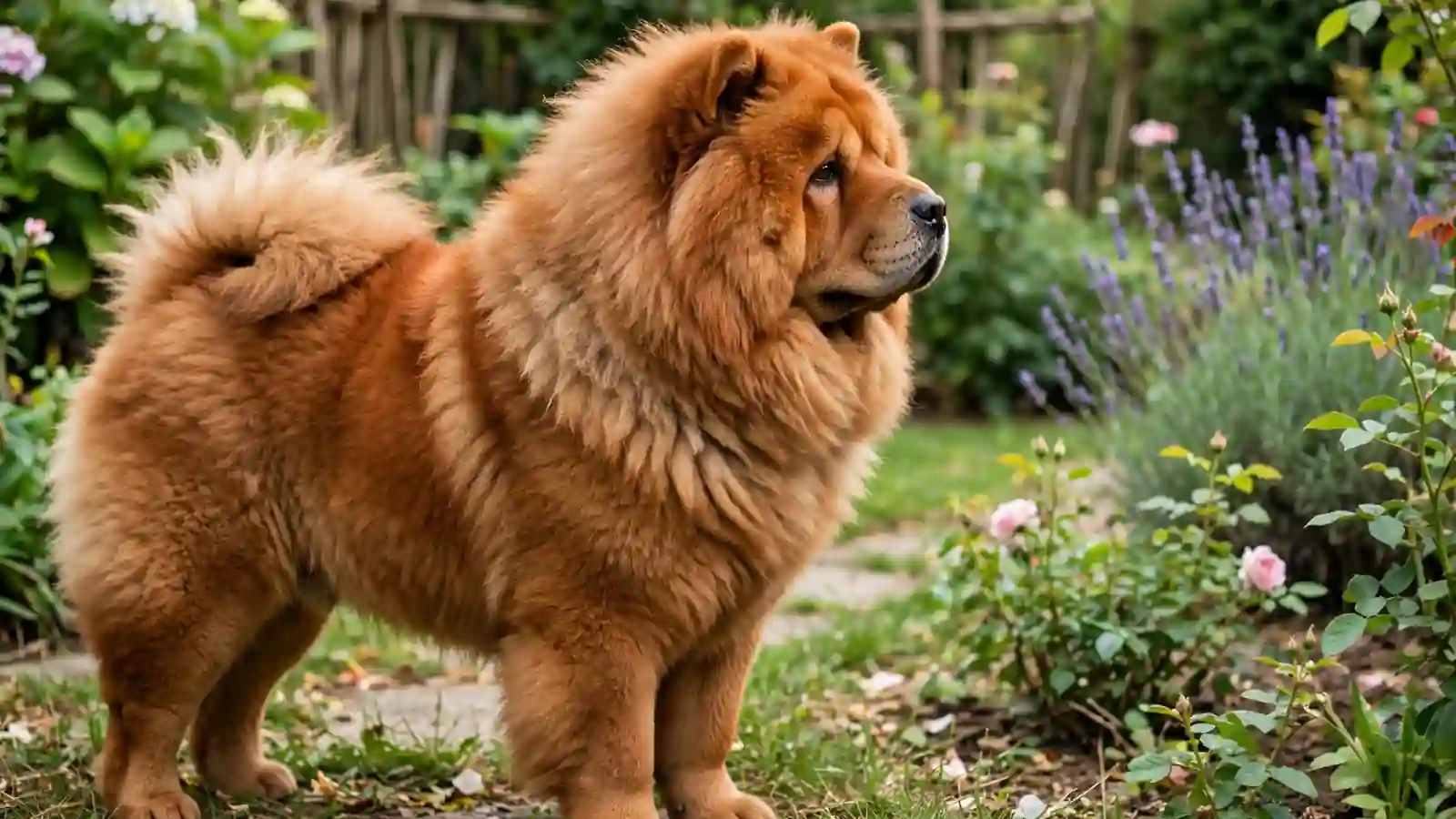
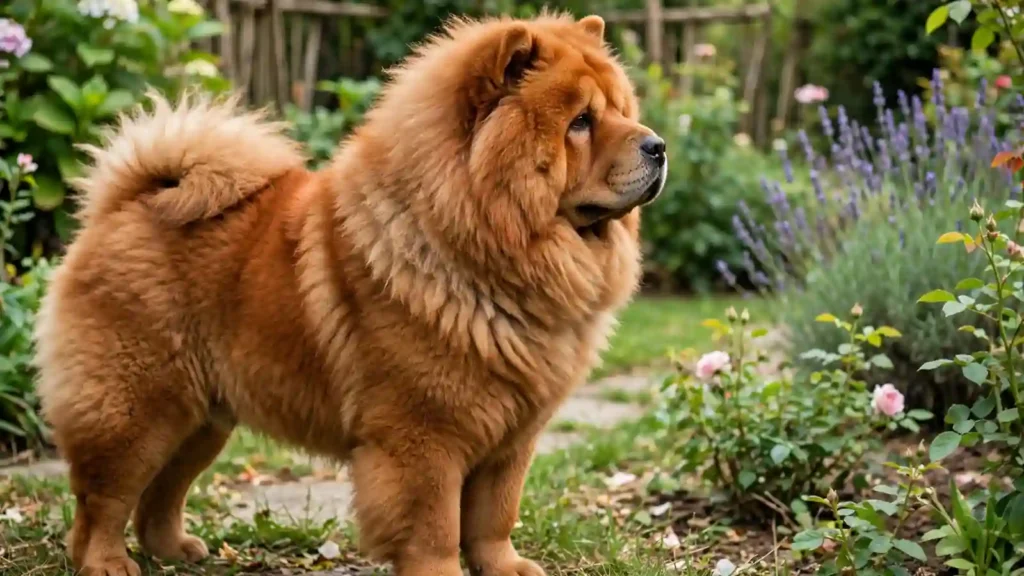
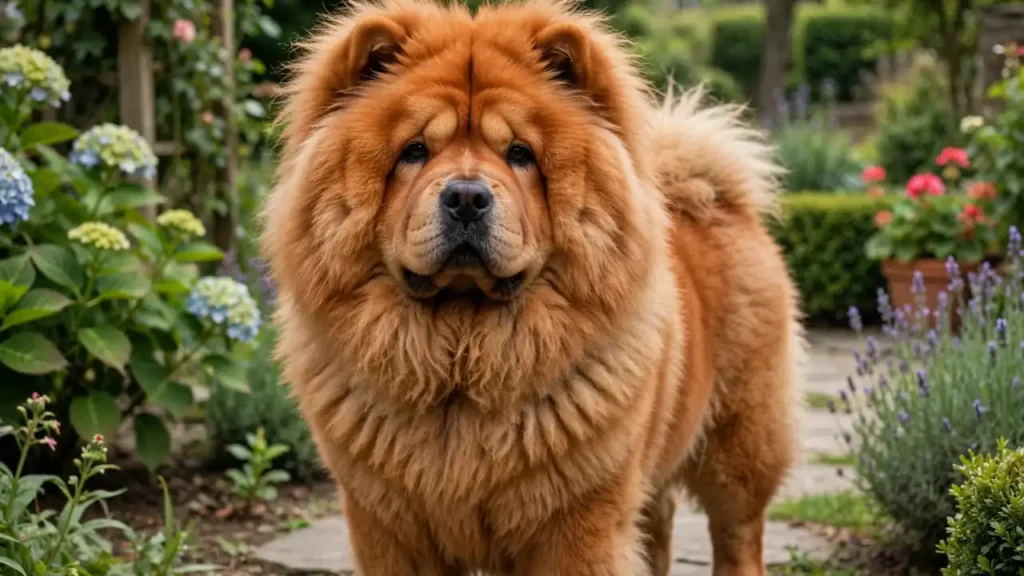
The Chow’s famous mane is built for harsh weather. The Chow Chow dog is famous for its thick mane.
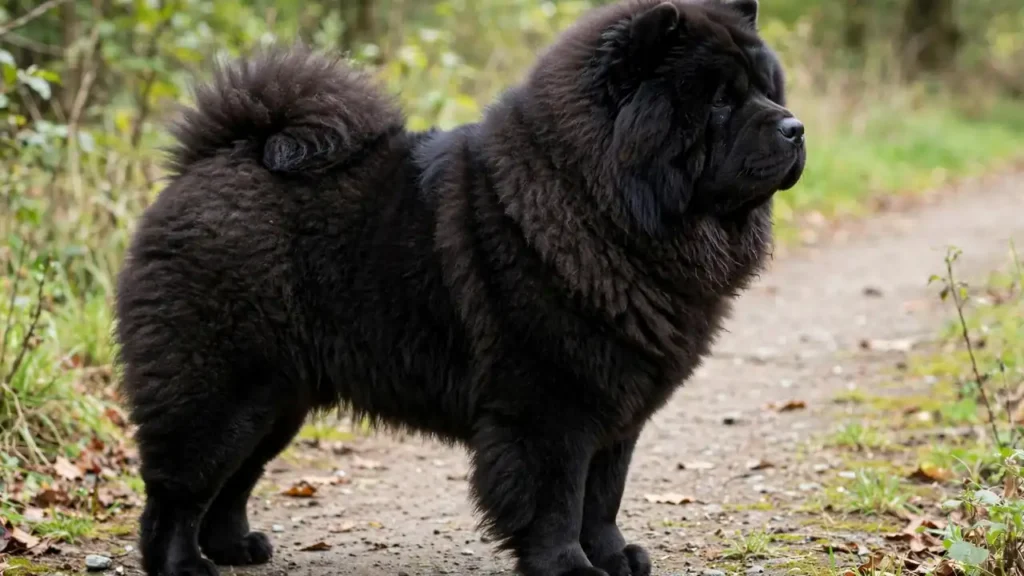
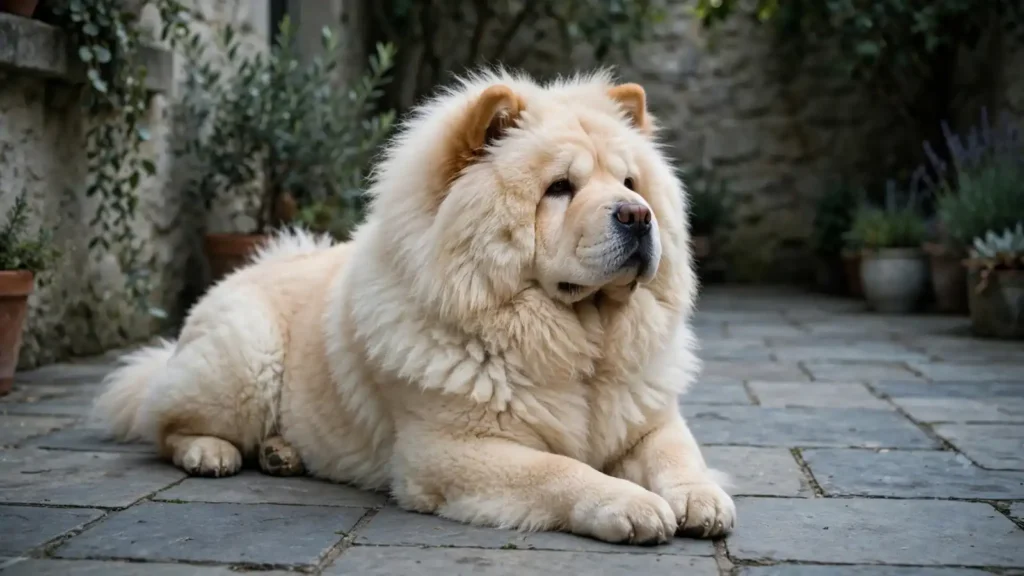
The breed comes in two coat types: rough (long, abundant, with a thick ruff around the neck and head) and smooth (shorter, dense). Both have a soft, woolly undercoat beneath a coarser outer coat. Standard colors include red, black, blue, cinnamon, and cream. The Chow Chow dog comes in rough and smooth coats.
Shedding is moderate to heavy, with a serious seasonal coat blow. The rough coat needs several thorough brushing sessions a week to prevent mats; the smooth coat is easier but still sheds. Both varieties share the breed’s trademark blue-black tongue and deep-set eyes. The Chow Chow dog sheds heavily in season.
History and Origins
The Chow Chow is one of the oldest known breeds, with roots going back thousands of years in northern China. Its story explains the temperament.
Bred as an all-purpose working dog, the Chow pulled sleds, guarded property, herded livestock, and even hunted. Ancient records describe them as fierce and capable dogs kept by emperors. One 8th-century emperor reportedly kept thousands of Chows with a small army of attendants.
The breed reached the West in the late 1800s and earned a reputation as a dignified, reserved companion. Sigmund Freud famously kept Chow Chows in his consulting room. That ancient working-dog independence is still wired into the modern Chow.
Physical Characteristics
A Chow looks like no other dog. That is the whole point.
The broad, flat skull, deep-set eyes, and small triangular ears give a scowling, lion-like expression. The famous blue-black tongue is unique to the Chow and the Shar Pei. The tail curls tightly over the back, and the hind legs are famously straight, giving the breed a stilted, rolling gait. The Chow Chow dog has a broad, flat skull and deep-set eyes.
This is not a graceful or athletic dog by design; it is a sturdy, self-possessed guardian built like a small bear.
Chow Chow Personality and Behavior
Aloofness is the whole personality in one word, but there is more beneath it.
Chows bond deeply with their own family while remaining famously reserved, even distant, with strangers. They are independent and stubborn rather than eager to please, and they neither demand affection nor always welcome it. Many actively object to being fussed over by people they do not know. The Chow Chow dog bonds deeply with its own family.
This is a serious, quiet dog with strong guarding instincts. They are vocal when something is wrong and can be suspicious of visitors. Training takes patience, consistency, and an experienced hand, because the Chow decides whether it respects you before it decides whether to obey you.
In practice, owners report that the breed suits people who enjoy independence in a dog and do not need constant demonstrations of affection. A Chow gives its love at a distance, on its own terms.
Aloofness is the whole personality in one word. The Chow Chow dog is a large, bear-like dog from ancient China, bonding deeply with its own family while remaining famously reserved, even distant, with strangers. Independent and stubborn rather than eager to please, the dog neither demands affection nor always welcomes it.
The serious, quiet guarding instinct sets the conditions. Vocal when something is wrong and suspicious of visitors, the breed needs training with patience, consistency, and an experienced hand, since the dog decides whether to cooperate. The breed suits people who enjoy independence in a dog and do not need constant demonstrations of affection.
Aloofness is the whole personality in one word, but there is more beneath it.
Chows bond deeply with their own family while remaining famously reserved, even distant, with strangers. They are independent and stubborn rather than eager to please, and they neither demand affection nor always welcome it.
This is a serious, quiet dog with strong guarding instincts. They are vocal when something is wrong and can be suspicious of visitors.
- Deeply loyal to its own family
- Quiet, dignified, and self-possessed
- Unmistakable bear-like looks and blue-black tongue
- Reserved, even distant, with strangers
- Heavy shedding with a serious seasonal coat blow
- Heat-sensitive and not a dog-park dog
Care Essentials
A Chow is not a casual pet, and care reflects that. The Chow Chow dog is not a casual pet.
Expose puppies to many people, places, and situations so the natural wariness does not harden into aggression. Training should be firm, calm, and consistent; harsh methods backfire badly with this proud breed. The Chow Chow dog needs early, wide socialisation.
A securely fenced yard is important, and so is an owner comfortable with a strong, independent dog. Chows are generally poor candidates for dog parks, as many are not friendly with unfamiliar dogs.
A typical day runs on early socialization and calm leadership. Exposing puppies to many people, places, and situations keeps natural wariness from hardening into aggression, with training firm, calm, and consistent, since harsh methods backfire badly with this proud breed. A securely fenced yard matters, and the dog is generally a poor candidate for dog parks.
A solid dog needs solid fuel.
The coat is magnificent and the upkeep is real.
Chows are not marathon dogs, but they still need real exercise.
A house with a securely fenced yard is ideal. They need a large garden or yard for patrolling and lounging, and they do best in cooler climates or air-conditioned homes.
Nutrition and Diet
A solid dog needs solid fuel.
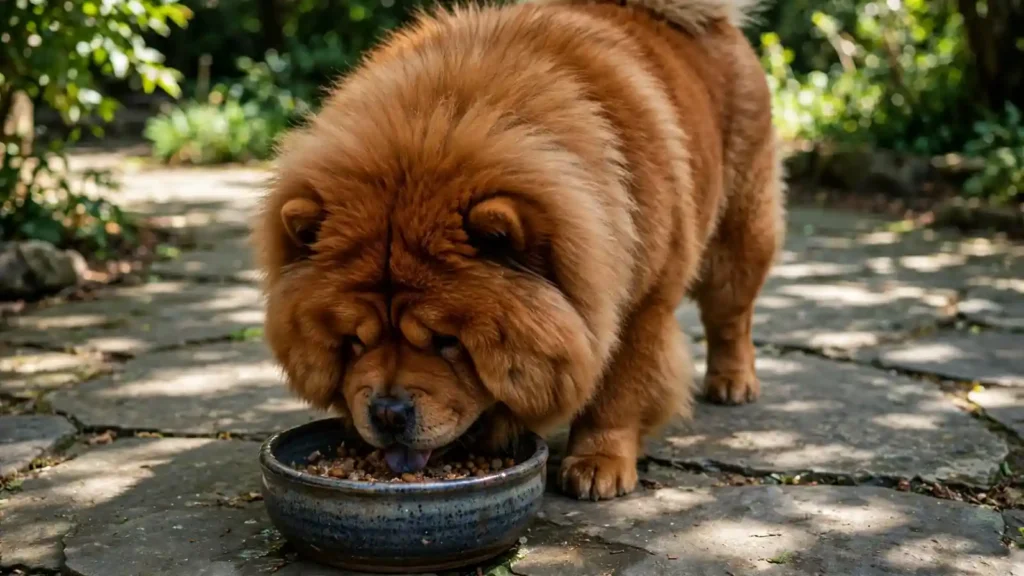
Feed a high-quality diet appropriate for the dog’s age and size, with real meat as a main ingredient. Most adult Chows do well on two measured meals a day rather than free-feeding, which helps manage weight.
Chows can be prone to food sensitivities, so introduce new foods gradually and watch for digestive upset. Ask your vet about the right portions, because this breed gains weight easily once it stops growing.
Feeding suits a solid dog with solid fuel. A high-quality diet appropriate for age and size, with real meat as a main ingredient, keeps the dog steady, with two measured meals a day rather than free-feeding helping manage weight. Food sensitivities mean new foods should be introduced gradually, with digestive upset watched, since the breed gains weight easily once it stops growing.
Grooming
The coat is magnificent and the upkeep is real.
Brush the rough coat thoroughly three to four times a week, daily during the seasonal coat blow, working down to the skin to prevent mats behind the ears and under the legs. Bathe every one to two months. Trim nails monthly, check ears weekly, and brush teeth several times a week.
The deep-set eyes and extra skin around them can cause irritation, and the eyelids sometimes turn inward. If your Chow squints or tears excessively, see your vet.
Grooming is a magnificent coat with real upkeep. Brushing the rough coat thoroughly three to four times a week, daily during the seasonal coat blow, working down to the skin, prevents mats behind the ears and under the legs, with baths every one to two months. The same session covers nails monthly and eye checks, since deep-set eyes and extra skin can cause irritation.

Exercise and Enrichment
Chows are not marathon dogs, but they still need real exercise.
One to two hours of walking a day suits most adult Chows, split into two outings. They enjoy active walks and will happily patrol the yard, but they overheat easily in hot weather because of the dense coat, so exercise in the cooler parts of the day.
Mental stimulation matters more than mileage. Training sessions, puzzle feeders, and new walking routes keep the independent mind engaged. A bored Chow becomes a stubborn Chow.
Exercise is real but not marathon. One to two hours of walking a day, split into two outings, cover the need, with active walks and yard patrolling enjoyed, though overheating easily in hot weather because of the dense coat means exercising in cool hours. Mental stimulation matters more than mileage: training sessions, puzzle feeders, and new walking routes keep the independent mind engaged.
Health
Joint problems occur; ask breeders about hip and elbow screening.
The eyelids sometimes turn inward, irritating the deep-set eyes.
The thick coat and heavy build make heatstroke a serious concern.
Heat sensitivity is a serious concern. The thick coat and heavy build make Chows vulnerable to heatstroke. They should have shade, water, and air conditioning in warm weather, and never be left in a parked car. For general background, see the Chow Chow dog reference on Wikipedia.
Health care follows the familiar rhythm with heat vigilance in focus. Shade, water, and air conditioning in warm weather are essential, since the thick coat and heavy build make the dog vulnerable to heatstroke, and the dog should never be left in a parked car. Day to day, squinting, excessive tearing, and changes in appetite, weight, or energy deserve a prompt vet call, and asking the vet about hip, elbow, and eye screening keeps the breeder choice honest.
Indoor and Outdoor Living
A house with a securely fenced yard is ideal. They need a large garden or yard for patrolling and lounging, and they do best in cooler climates or air-conditioned homes. Chows can live in semi-rural or suburban areas and tolerate being alone reasonably well once trained.
They are not suited to hot, humid climates without serious cooling measures. If you live somewhere warm, the smooth-coated variety is the more practical choice.
Indoor living as a patrolling companion defines the arrangement. A house with a securely fenced yard is ideal, with a large garden or yard for patrolling and lounging, doing best in cooler climates or air-conditioned homes. The breed is not suited to hot, humid climates without serious cooling measures, and in warm places the smooth-coated variety is the more practical choice.
Family Suitability
Chows can work in a family, but they are not the classic family dog. The Chow Chow dog can work in a family with care.
They need additional supervision around children and do best with older, dog-savvy kids who understand boundaries. Many Chows do not enjoy rough play or hugs from children, and their guarding instinct can make them wary of visiting kids.
With other pets, they may need additional training to coexist peacefully, and many Chows simply do not like other dogs. They are usually a one-dog household’s dog unless raised carefully with a companion from puppyhood.
With families, care leads and aloofness sets the limit. The Chow Chow dog can work in a family with care, though it is not the classic family dog, needing additional supervision around children and doing best with older, dog-savvy kids who understand boundaries. Many do not enjoy rough play or hugs from children, and with other pets the breed may need additional training, usually suiting a one-dog household unless raised carefully with a companion from puppyhood.
Finding a Breeder or Rescue
Take your time finding the right source.
Look for a breeder who health-tests their dogs, raises puppies in the home, and is honest about the breed’s temperament challenges. Ask about hip and elbow screening and eye checks. A good breeder will interview you as thoroughly as you interview them. The Chow Chow dog does best with breeders who health-test hips and elbows.
Chow rescues exist and often have wonderful adult dogs whose temperaments are already known, a sensible option for first-time Chow owners. Avoid breeders who cannot show you health records or who minimize the breed’s wariness of strangers.
- Ask about health screening for hip and elbow dysplasia and entropion
- Meet the puppy’s mother and see where the puppies are raised
- Ask how the puppies are socialized in their first weeks
- Consider rescue too: breed rescues place wonderful dogs
Quick Quiz: Is a Chow Chow Right for You?
Answer four questions. Tap yes or no.
Frequently Asked Questions
Are Chow Chows good for first-time dog owners?
Generally no. Their independence, wariness of strangers, and guarding instincts suit experienced owners. They are not eager to please and can be difficult to manage without confident handling.
Why does the Chow Chow have a blue tongue?
Nobody knows for sure. The blue-black pigmentation is a breed trait shared only with the Shar Pei, and it is present from birth. It has nothing to do with health or temperament.
Do Chow Chows shed a lot?
Yes. They shed year-round and blow their undercoat heavily once or twice a year. The rough variety needs several brushing sessions a week.
How long do Chow Chows live?
Typically 8 to 12 years with good care.
Are Chow Chows aggressive?
They are not inherently aggressive, but they are powerful, protective, and reserved with strangers. Poor socialization and irresponsible breeding can produce reactive dogs. Training and socialization determine the outcome.
Can Chow Chows live in apartments?
It is difficult. They need space, a yard is strongly preferred, and the thick coat makes them uncomfortable in warm apartments. Consider it only with a serious exercise and cooling commitment.
What do Chow Chow owners say about living with the breed?
Owners consistently describe the Chow as dignified, independent, and cat-like in its affection. In practice, owners report that the breed’s quiet, undemanding loyalty is the main reason they recommend it to experienced dog people.
When should I ask my vet about my Chow Chow’s health?
Schedule annual wellness exams, or twice-yearly exams for seniors, and ask your vet about screening for conditions the breed can be prone to, such as hip and elbow dysplasia and eye problems. Consult your veterinarian promptly if you notice changes in appetite, thirst, weight, or energy.
The Chow Chow is a dignified, independent guardian for experienced owners. It gives its love at a distance, on its own terms, and that is exactly its appeal.
Similar Breeds Worth Exploring
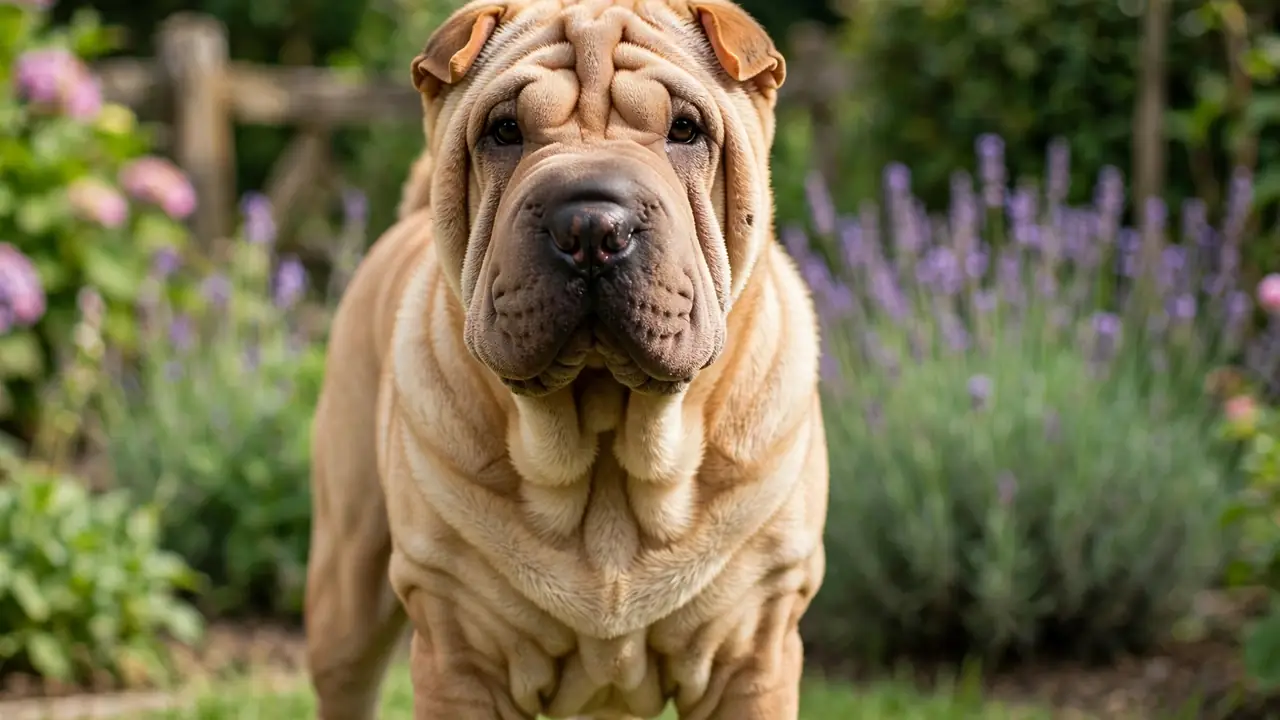
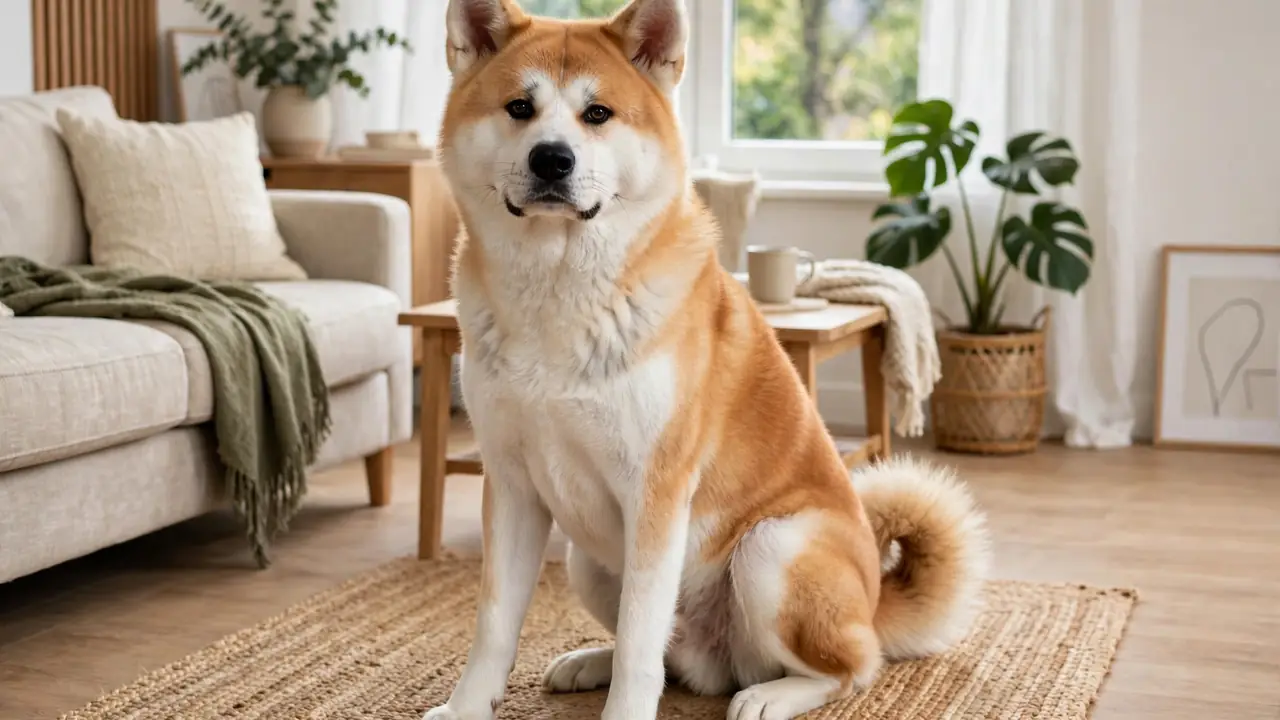
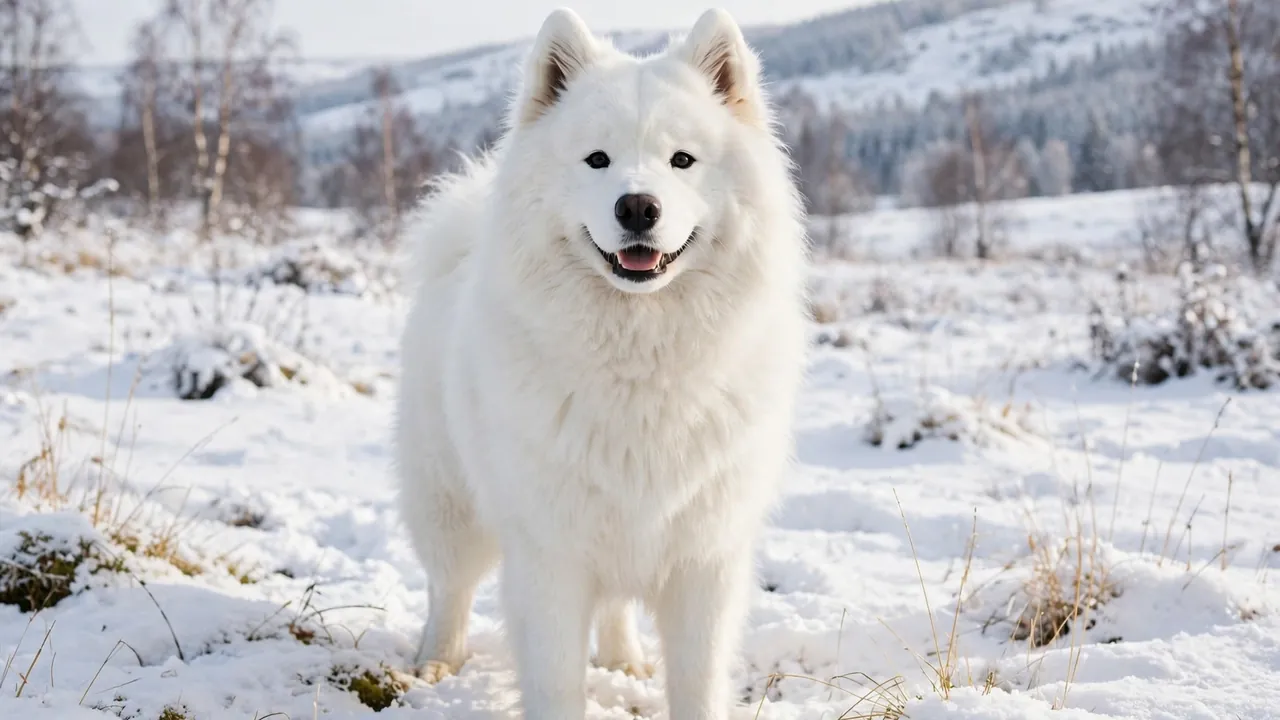
If the Chow Chow appeals to you, these breeds share some traits: the Shar Pei (wrinkled, reserved, ancient Chinese), the Akita (loyal, dignified, powerful guardian), the Keeshond (spitz-type look, more sociable), and the Samoyed (fluffy spitz coat, friendlier temperament).
Related Breed Guides
Keep Exploring
Browse all our Dog Breed Guides, try the Dog Age Calculator, or explore our Cat Breed Guides.