Turkish Van Cat Breed Guide
Turkish Van: the Swimming Cat of Lake Van
The swimming cat of Lake Van: a big, athletic natural breed in a chalk white cashmere coat, color only on its head and tail. Energetic, clever and famously fond of water.
By Emily Carter · Reviewed by our vet team · Updated 21 October 2026 · 13 min read
Lifespan 13–17 yrs Males up to 20 lb The swimming cat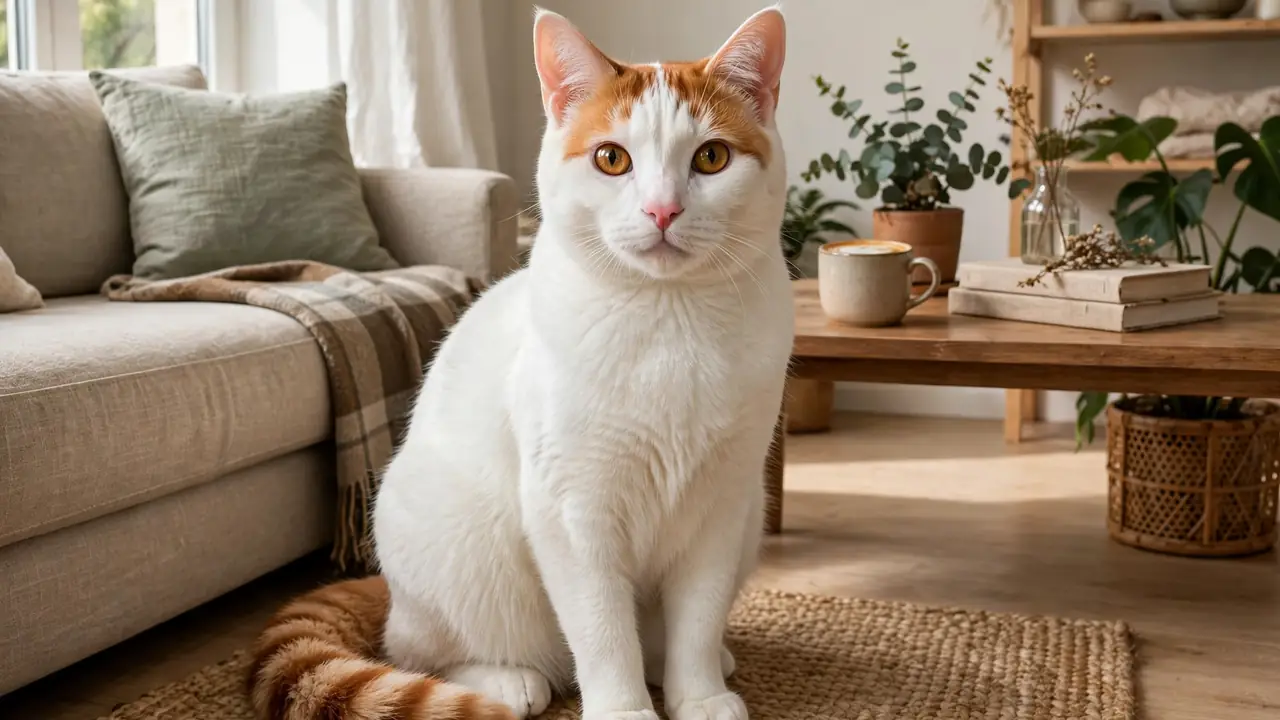
The Turkish Van cat is famous for loving water, with a cashmere-soft coat and classic van markings. Energetic, intelligent, and confident, it brings adventure to everyday life.
At a Glance
Size and Weight
The Turkish Van cat is built like an athlete, and the scale proves it.
Males typically weigh between 15 and 20 pounds, which places them among the larger domestic breeds. Females are clearly smaller at 7 to 12 pounds, yet they share the same muscular frame and balanced proportions.
This is not a round or cobby cat. The body is long and powerful, with a broad chest, strong shoulders, and solid bone. Every line of the build speaks of strength and stamina rather than softness.
Growth is gradual, so a young adult may still be filling out. Feed measured meals and keep playtime generous so that athletic frame stays lean and fit.
Coat and Colors
The coat is the signature of the Turkish Van cat, and it deserves a closer look.
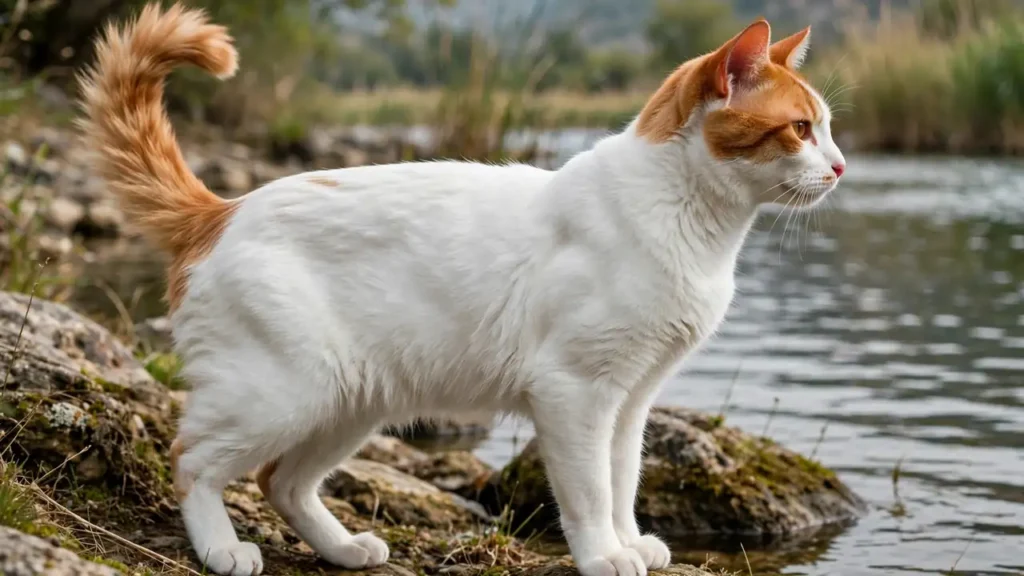
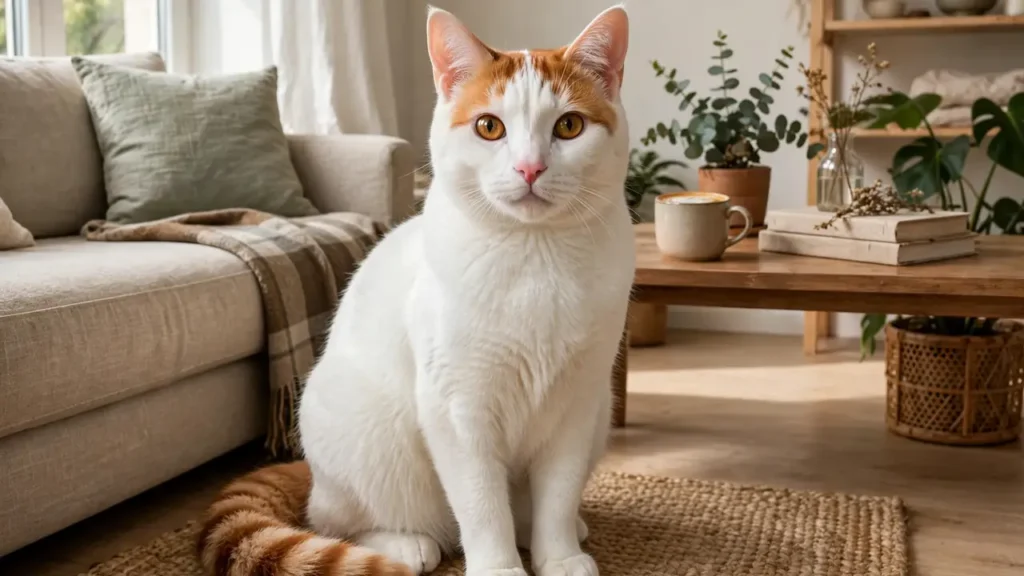
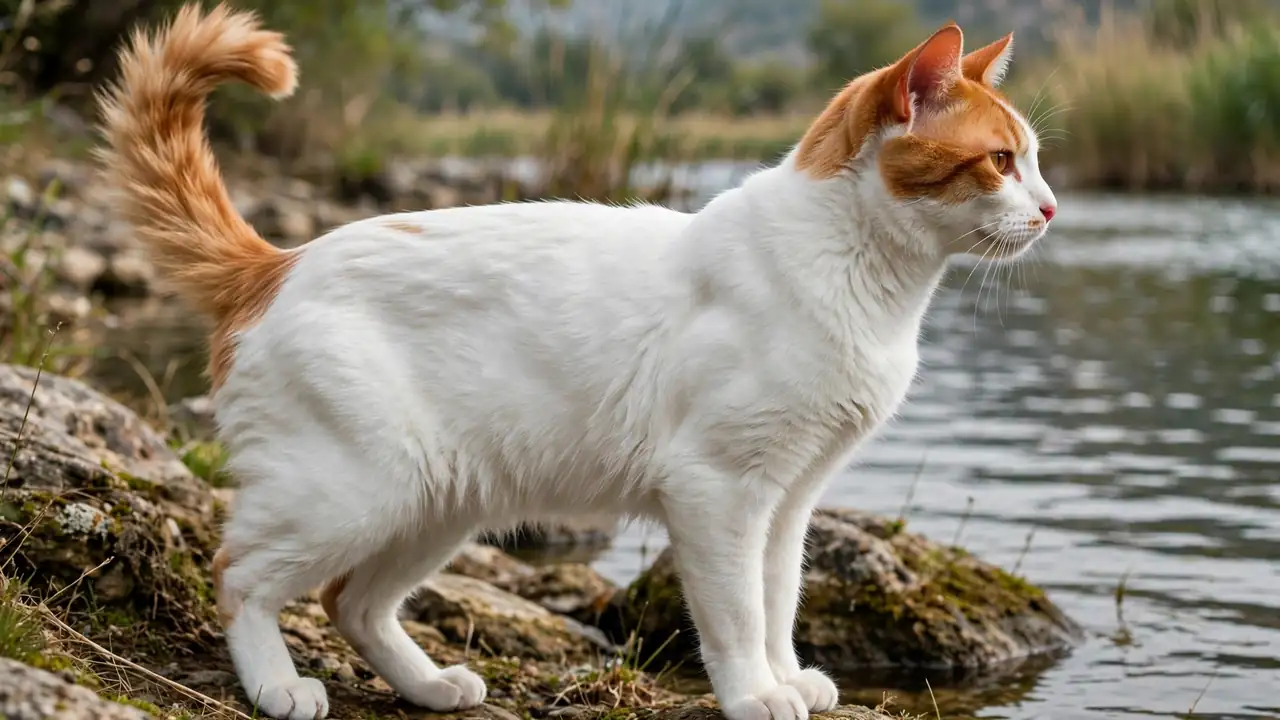
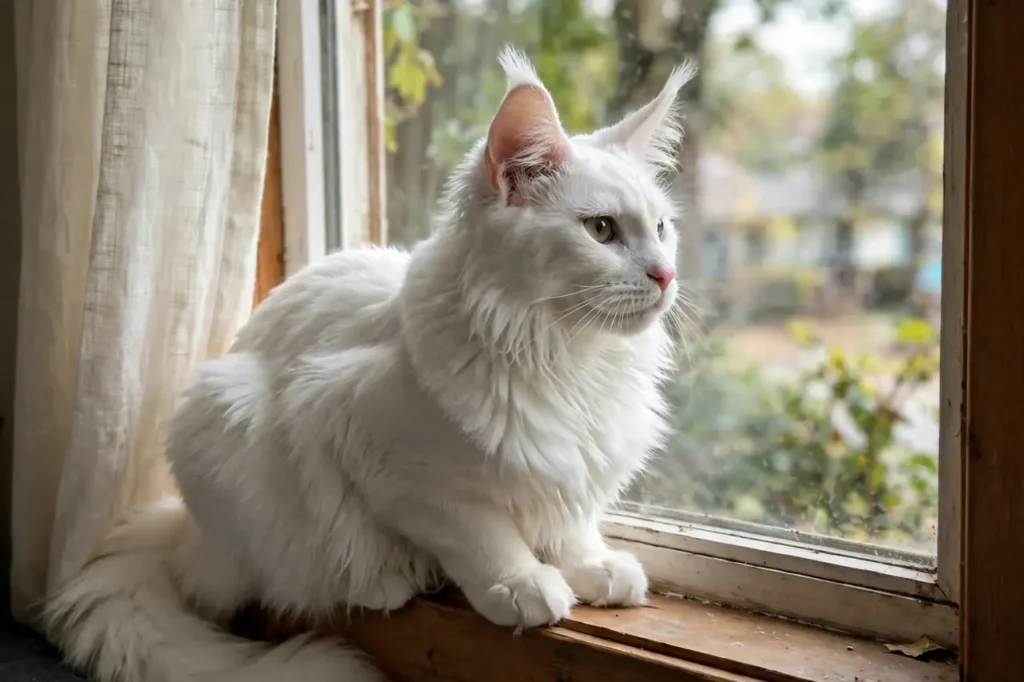
The classic look is called the van pattern. The body is chalk white, the head wears colored markings like a cap between the ears, and the tail is fully colored and plumed. The contrast is unmistakable, and you can spot it across a room.
Touch the fur and you will understand its fame. The texture is often compared to cashmere, soft and silky with a light, airy feel. There is no thick woolly undercoat, so the coat lies smooth, resists tangling, and sheds water instead of soaking it up. After a splash, it dries remarkably fast.
Red tabby is the classic marking color, a warm ginger that glows against the white. Cream offers a softer, paler version of the same warmth. Black, blue, and tortoiseshell markings are also accepted, and each gives the cat its own character while keeping the bold pattern.
Kittens are sometimes born with small colored spots scattered across the body. These usually fade as the cat matures, leaving the clean white coat the breed is known for.
The eyes add a final flourish. Amber is common and especially striking with red markings. Blue eyes appear in some lines, and a few cats have one blue eye and one amber eye, a look many admirers find unforgettable.

History and Origins
Few breeds can claim a homeland as dramatic as the one behind the Turkish Van cat.
An ancient natural breed from the Lake Van region of eastern Turkey, developed without human design, shaped over centuries by the land and climate around one of the largest lakes in the region.
Local stories say these cats swam in the lake to cool off during hot summers. Whether legend or truth, the swimming habit is real and well documented in the modern breed.
The breed reached the wider world in the mid twentieth century, when travelers visiting the Lake Van region brought cats home. From those few founders, careful breeding kept the natural look and spirited character intact.
This is an ancient natural breed from the Lake Van region of eastern Turkey. It developed without human design, shaped over centuries by the land and climate around one of the largest lakes in the region.
Local stories say these cats swam in the lake to cool off during hot summers, which may explain the famous love of water. Whether legend or truth, the swimming habit is real and well documented in the modern breed.
The breed reached the wider world in the mid twentieth century, when travelers visiting the Lake Van region brought cats home with them. From those few founders, careful breeding built the Turkish Van cat we know today, keeping the natural look and spirited character intact.
Physical Characteristics
Every part of this cat looks made for power and grace.
The head is a broad wedge with a long straight nose and large ears set high. The expression is alert and intelligent, with eyes that seem to take in everything at once.
The body tells the swimming story. A long muscular torso, strong legs, and neat rounded paws give real power in the water and on land. The tail is full and plumed, carried high like a banner.
Males are impressively large, while females keep the same balanced proportions on a smaller frame. The Turkish Van cat moves with a confident stride that turns heads.
Turkish Van Personality and Behavior
If you want a quiet decoration of a cat, the Turkish Van cat is not for you.
Engaging and social with their families, often choosing a favorite person to shadow. Affectionate on their own terms, they prefer active interaction to long, still cuddles.
Cautious with strangers, but they study you, approve of you, then love you with unusual intensity.
Meals, play and greetings at the door, on schedule. These cats notice routine, and notice when it slips.
- Hardy natural breed, few health issues
- Cashmere coat resists tangles
- Playful, confident and entertaining
- High energy — needs two play sessions a day
- Expect splashing around every water bowl
- Big males need sturdy climbing furniture
This is an energetic, intelligent, and endlessly playful breed. The Turkish Van cat wants to be involved in everything, from your morning routine to your evening on the couch.
Then there is the water. Many of these cats are fascinated by running taps, will paddle happily in a shallow basin, and some will even join you near a pool. The nickname “the swimming cat” was earned through real behavior, not marketing.
Confidence defines the temperament. These cats are engaging and social with their families, often choosing a favorite person to shadow around the house. They are affectionate on their own terms and prefer active interaction to long, still cuddles.
Care Essentials
Foods built around animal protein, in measured meals. Extra weight is easy to miss under all that fur, so watch the waistline from above.
A gentle brushing once or twice a week — the lack of dense undercoat means the fur resists matting. A little more in the spring shed, plus nails, ears and teeth.
At least two lively play sessions a day — wands, teasers, fetch — plus puzzle feeders and supervised water play in a shallow basin.
Indoor living with tall, sturdy trees, shelves and window perches. Heavy water bowls that resist tipping are essential; supervise any pool or pond time.
Care for this breed is straightforward, with one wet twist.
Water is part of daily life here. Use heavy bowls that are hard to tip, because many will test them with a curious paw. A shallow basin set aside for supervised play can be a wonderful treat.
Provide tall, sturdy climbing furniture. A large athletic cat needs trees and perches that will not wobble, plus scratching posts that can take serious daily use.
Routine matters more than gadgets. Regular meals, daily play sessions, and a calm household rhythm keep this confident cat content. The breed does best in a home where someone is around for much of the day.
Nutrition and Diet
A big, active body needs quality fuel.
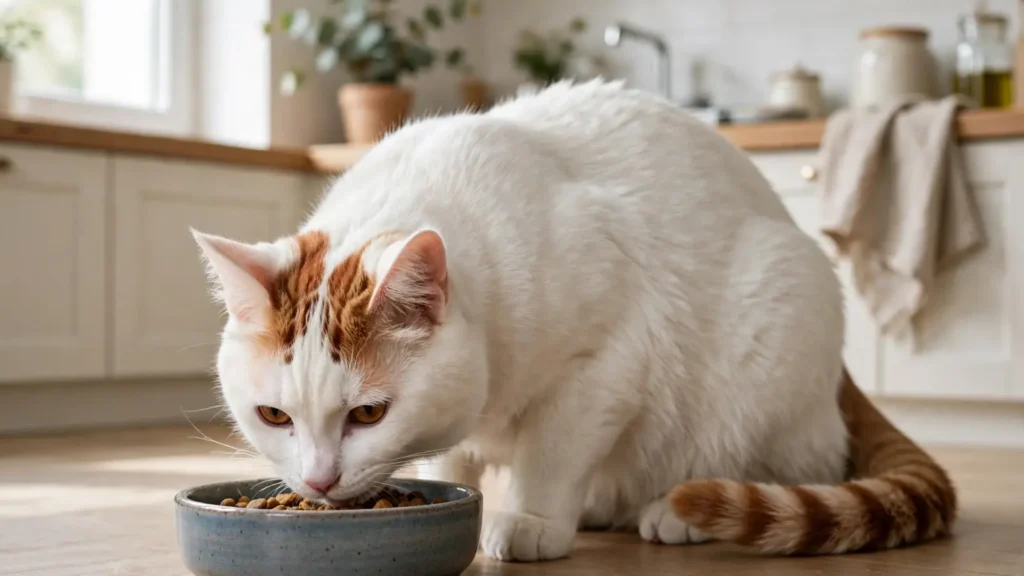
Choose foods built around animal protein, which supports lean muscle in an athletic breed. Look for recipes where meat or fish leads the ingredient list and fillers stay in the background.
Measured meals suit most Turkish Vans better than free feeding. Their size makes extra weight easy to miss under all that fur, so portion with care and watch the waistline from above.
Fresh water should always be available. Given the fascination with water, expect some splashing around the bowl, and rinse and refill it daily.
Grooming
Good news: the glorious coat of the Turkish Van cat is easier to care for than it looks.
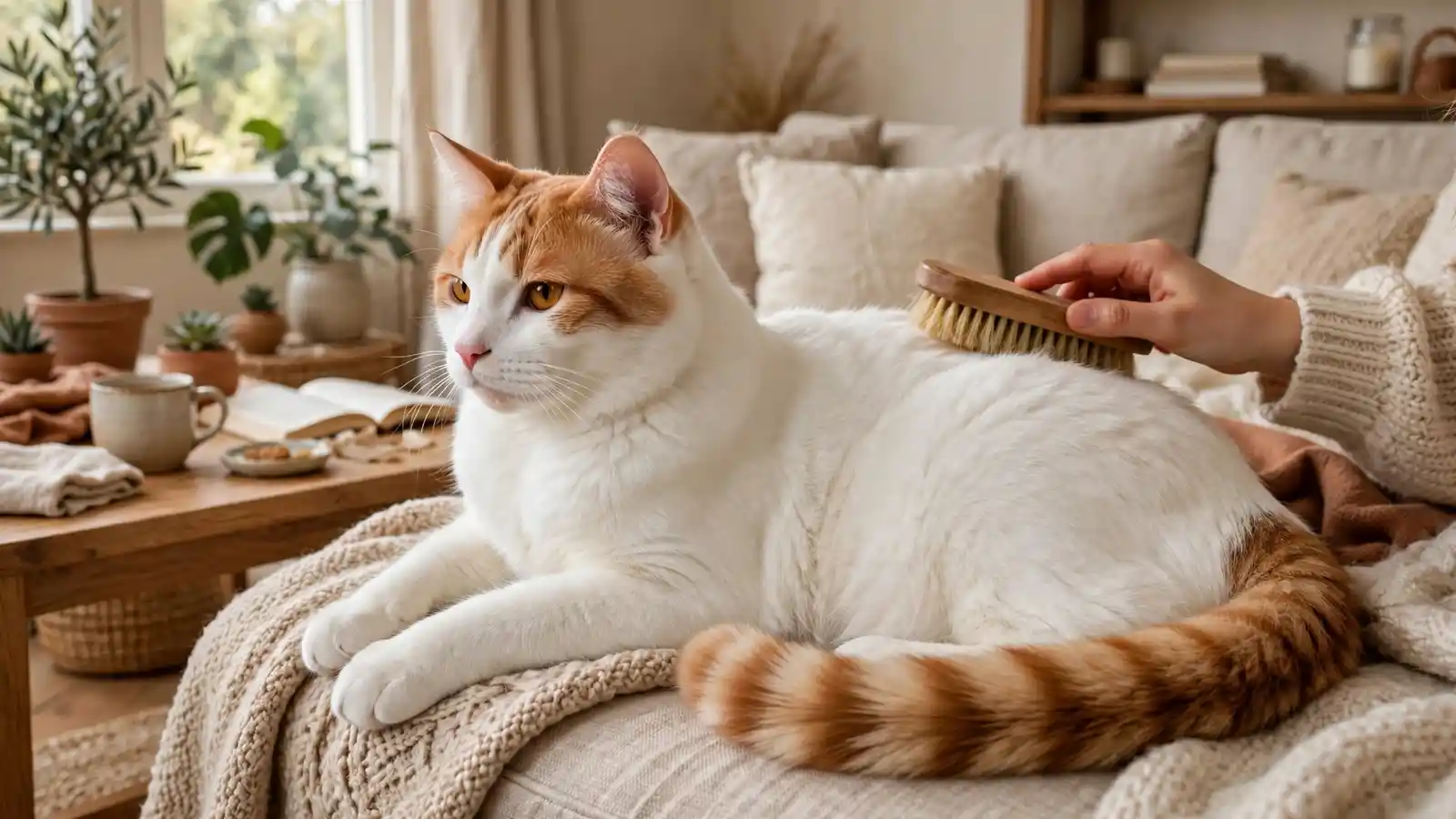
The lack of a dense undercoat means the fur resists matting far better than many long coats. A gentle brushing once or twice a week is usually enough to keep it smooth and lift away loose hair.
Shedding rises in spring as the winter coat gives way to a lighter summer one. During that season, brush a little more often to stay ahead of loose fur on furniture and clothes.
Round out the routine with trimmed nails, a weekly ear check, and tooth brushing as your vet advises. Most Turkish Vans accept grooming calmly when it starts in kittenhood.
Exercise and Enrichment
A bored Turkish Van will invent its own entertainment, so it pays to stay one step ahead.
Daily interactive play is essential for this energetic breed. Wand toys, feather teasers, and fetch games burn energy and satisfy the hunting instinct. Aim for at least two lively sessions every day.
Climbing shelves, tall trees, and window perches feed the love of heights and good vantage points. Puzzle feeders add mental work to mealtime and slow down cats that eat too fast.
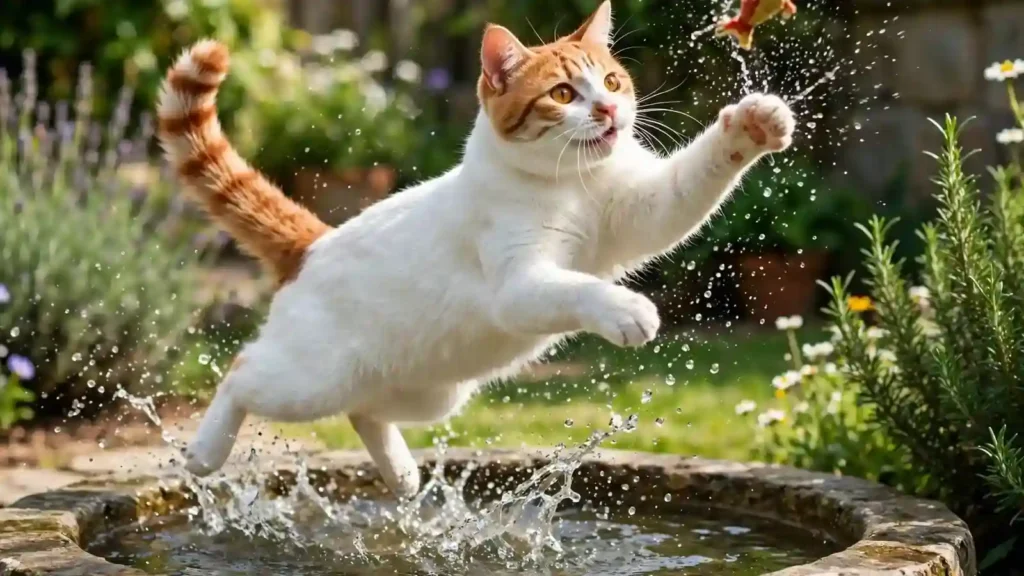
Supervised water play can be a highlight of the week. A shallow basin or a gently dripping tap, always under watchful eyes, lets the swimming instinct shine in complete safety.
Health
This is a hardy breed, but no cat is maintenance free.
As a natural breed, the Turkish Van has no major breed specific problems widely reported — one quiet advantage of a cat shaped by real life rather than extreme features.
Annual exams, core vaccinations, parasite prevention and dental checks catch small issues early. Weight is the main thing to watch in a large breed.
As a natural breed, the Turkish Van cat has no major breed specific problems widely reported. That is one quiet advantage of a cat shaped by real life rather than extreme features.
Routine veterinary care still matters a great deal. Annual exams, core vaccinations, parasite prevention, and dental checks catch small issues before they grow into big ones.
Weight is the main thing to watch in a large breed. Keep an eye on body condition, adjust food and play as needed, and that athletic build should stay trim for years.
Indoor and Outdoor Living
The safest adventures for this swimmer happen close to home.
An indoor life with plenty of enrichment suits this breed best. It keeps the white coat clean and protects the cat from traffic, predators, and disease.
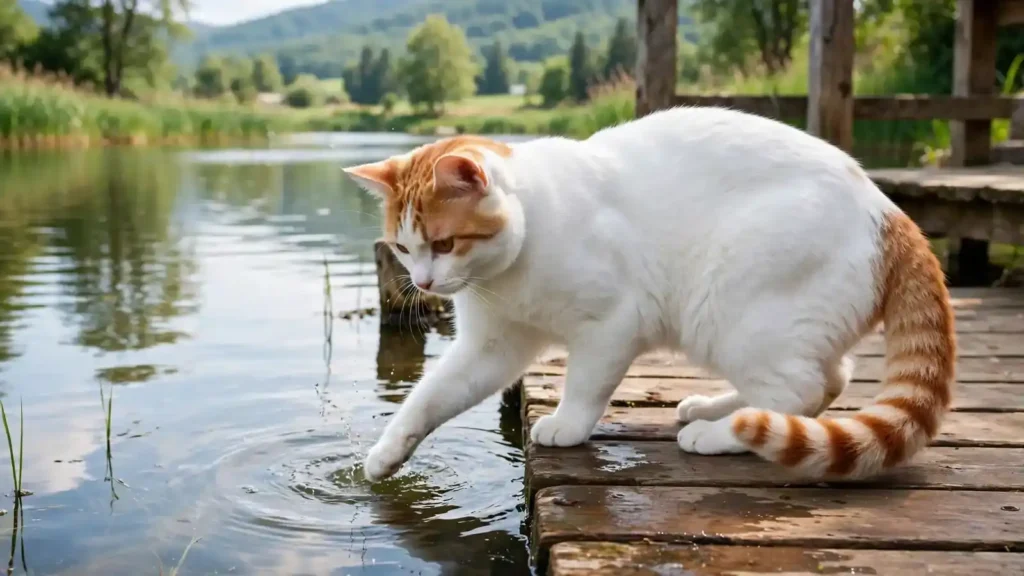
If you have a pool or pond, treat water safety with respect. Supervise all outdoor time, and consider a secure catio or harness walks for fresh air without the risks of roaming free.
Inside, give the cat room to run and climb. Vertical space, from tall trees to high shelves, makes even a modest home feel much bigger to an athletic climber.
Family Suitability
Confident, playful, and social, this breed fits lively households well.
The Turkish Van cat usually does well with respectful children who understand that cats are not toys. Their sturdy build handles active play better than more delicate breeds can.
They often get along with dogs that are used to cats, especially when introductions happen gradually. Another playful cat can be an excellent companion, since this breed genuinely enjoys company.
What they want most is involvement. A family that plays, talks, and includes the cat in daily life will bring out the very best in this engaging breed.
Finding a Breeder or Rescue
Take your time with this step. The right start matters.
Look for a breeder who raises kittens in the home rather than in cages, and who welcomes all your questions. The kittens should have bright eyes, clean coats, and show no fear of being handled.
Ask about health screening, vaccination records, and any health guarantee in writing. A responsible breeder will interview you too, because they care deeply about where their kittens go.
Do not overlook rescue. Rescue groups dedicated to the breed and local shelters sometimes have Turkish Vans or Turkish Van mixes waiting for homes. An adult rescue can be a wonderful match, and what you see is what you get.
- Kittens raised in the home, bright eyed and confident with handling
- Ask about health screening, vaccination records and a written guarantee
- A responsible breeder will interview you too
- Check breed rescues and shelters — Vans sometimes wait there
Quick Quiz: Is a Turkish Van Right for You?
Answer four questions. Tap yes or no.
Frequently Asked Questions
Do Turkish Van cats really like water?
Many of them do. This breed is famous for paddling in basins, playing with running taps, and even swimming. Not every individual will take a full swim, but a fascination with water is a true hallmark of the breed.
How big do Turkish Van cats get?
Males can reach 15 to 20 pounds, which makes them one of the larger domestic breeds. Females are smaller at 7 to 12 pounds, with the same athletic build in a more compact frame.
Do Turkish Van cats shed a lot?
Shedding is moderate. The coat has little undercoat, so it tangles less and sheds less than many long coats. Expect a heavier shed in spring when the winter coat comes out.
Are Turkish Van cats good with children?
Yes, when children are respectful. They are sturdy, playful, and social, which suits an active family well. Teach kids to handle the cat gently and to read its signals.
What colors do Turkish Van cats come in?
The body is white, with colored markings on the head and a fully colored tail. Accepted marking colors include red, cream, black, blue, and tortoiseshell, with red tabby the classic and most recognized look.
How long do Turkish Van cats live?
With good care, the Turkish Van cat often lives 13 to 17 years. Regular veterinary visits, balanced nutrition, and daily play all support a long and healthy life.
The Turkish Van is a splash of wild joy: a chalk white swimmer with a cashmere coat and total confidence. In a lively, involved home, few breeds are more fun.
Similar Breeds Worth Exploring
Related Breed Guides
Keep Exploring
Browse the full A to Z cat breed collection to compare personalities, or find out your cat’s age in human years with the cat age calculator.