Chartreux Cat
Chartreux: France’s smiling blue cat
Quiet, loyal, and dog like in devotion, the Chartreux pairs a woolly blue gray coat with glowing copper eyes. This complete breed guide covers its history, personality, care, and health.
By Emily Carter · Reviewed by our vet team · Updated 21 October 2026 · 10 min read
Lifespan 11–15 yrs Weight 7–16 lb Quiet & loyal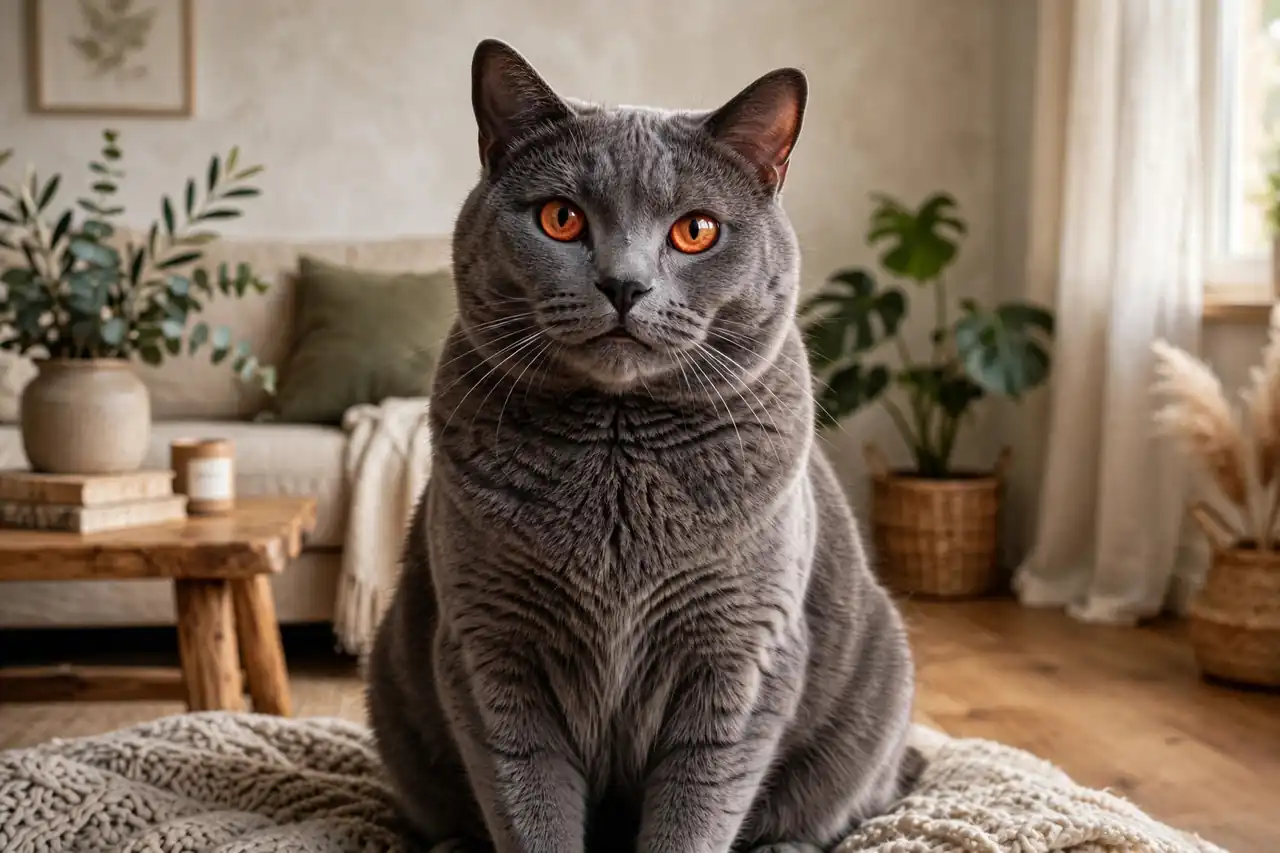
A sturdy blue gray cat with glowing copper eyes and a face that always seems to be smiling. Quiet, loyal, and dog like in its devotion, the Chartreux cat is one of France’s oldest and most treasured breeds. Yet it remains rare, even in its homeland.
This complete guide covers everything about the Chartreux: its fascinating history, striking appearance, gentle personality, care needs, health, and whether this smiling French cat is right for your home.
At a Glance
Size and Weight
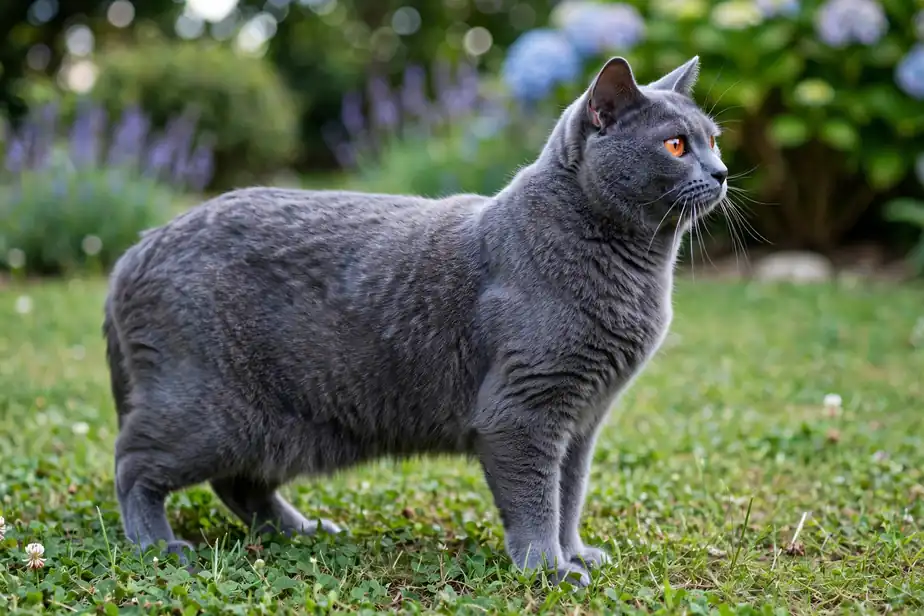
The Chartreux cat is a study in contrasts: a heavy, muscular body carried on surprisingly fine boned legs. Fanciers sometimes call it a potato on toothpicks.
Males are much larger than females and slower to mature. Adult females typically reach full maturity around three years, while males may take five years to fill out completely. Mature adults generally weigh between 7 and 16 pounds, with males at the top of the range.
Despite the sturdy build, these cats are extremely supple and agile, refined rather than coarse. They carry their weight like athletes, not couch potatoes.
Coat and Colors
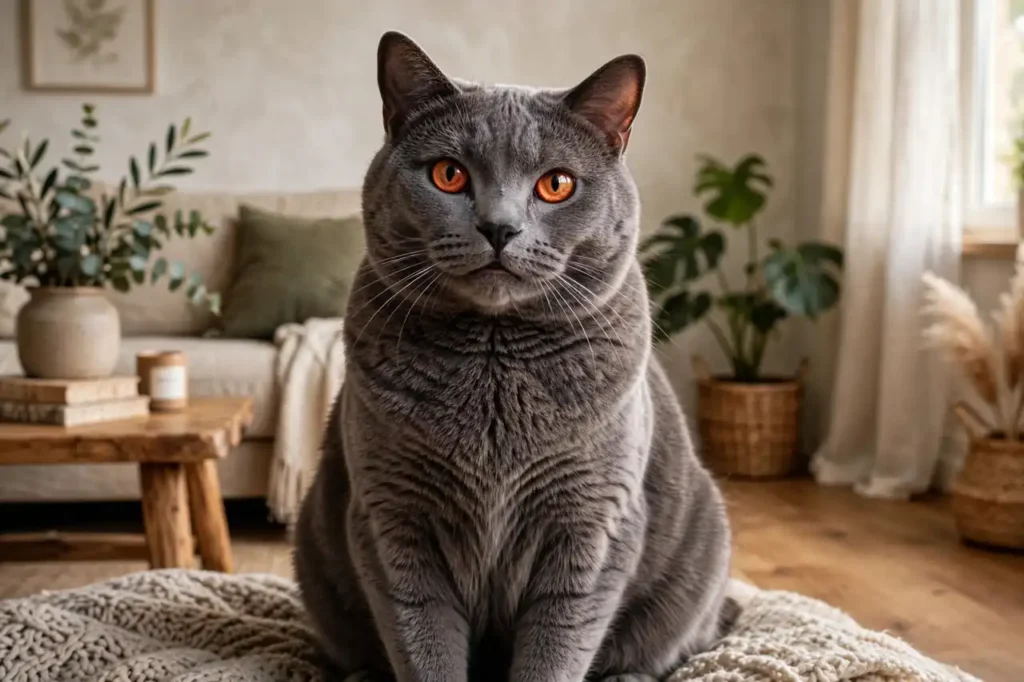
The Chartreux cat comes in one color family only: blue gray.
Every shade is accepted, from light ash to deep slate, with the coat tips sometimes lightly brushed with silver for an iridescent sheen. The emphasis in the breed standard is on clarity and uniformity rather than any particular shade. The nose leather is slate gray, the lips blue, and the paw pads a distinctive rose taupe.
The texture is the breed’s signature. The coat is medium short, dense, and slightly woolly, with a resilient undercoat and a longer protective topcoat that is naturally water repellent. It should break like sheepskin at the neck and flanks. The coat grows thicker and longer in winter, and mature males carry the heaviest coats.
Those famous eyes range from yellow through copper to gold, with a deep brilliant orange preferred. Large, rounded, and open, they light up the whole face.
History and Origins
One tale traces the breed to feral cats from Syria, brought to France by Crusaders in the 13th century.
Legend says they lived alongside Carthusian monks in the head monastery near Paris — a charming tale that remains unproven.
A Chartreux type cat appears in a 1558 poem by Joachim du Bellay, and the breed name itself was first mentioned in 1723.
World War II nearly wiped the breed out; dedicated breeders rebuilt it afterward.
The breed reached the United States in the 1970s — and it is still rare, even in France.
Stories of these blue cats begin in the 16th century, describing stocky cats with woolly ash gray coats and copper eyes. Legend says they lived alongside Carthusian monks in the head monastery near Paris, their quiet dispositions perfectly suited to monastic life. However, no official record of the cats exists in the monks’ archives, so this charming tale remains unproven.
The breed reached the United States in the 1970s. Today it is still rare, even in France, which only adds to its mystique.
Physical Characteristics
Look at a Chartreux and you will swear it is grinning at you.
The rounded head tapers toward a narrow muzzle, and the corners of the mouth turn gently upward, creating a sweet smiling expression. Combined with full cheeks, large orange eyes, and medium ears set high on the head, the result is one of the most endearing faces in the cat world.
It is a fitting look for a breed known for its gentle, contented nature.
Chartreux Personality and Behavior
The Chartreux cat is often described as middle of the road, and that is a compliment.
These cats are not demanding attention seekers, nor are they shy hiders. They are calm, observant, intelligent, and non aggressive, attaching themselves devotedly to their families. They often bond most strongly with one person, following that favorite from room to room, while remaining loving toward everyone else in the household.
They are creatures of habit who develop rituals and routines with their people. They play in short spurts, a burst of hunting games or a retrieved toy, then settle in for a nap. Many learn to respond to their names, walk on a leash, and play fetch, earning them a reputation for dog like behavior.
Their voice is one of their most charming traits. Most Chartreux have a tiny voice they use rarely, and some are nearly mute. Instead they communicate with murmurs, chirps, expressive eyes, and subtle body language. A Chartreux might touch your leg with a paw to ask for lap time, or drop a toy at your feet to request play.
They are also known to be good travelers, an unusual trait in cats, and they adapt well to new situations without complaint.
They attach devotedly to their families, often bonding most strongly with one favorite person.
A tiny voice used rarely — they speak with murmurs, chirps, expressive eyes and a paw touch instead.
They develop rituals and routines with their people, and play in short, happy spurts.
- Calm, gentle and non aggressive
- Low maintenance — great for first-time owners
- Good travelers who adapt well to new situations
- Rare — expect a breeder waiting list
- Heavy undercoat shedding once or twice a year
- Weight gain needs watching in mature cats
Care Essentials
Measured meals and reasonable treats — weight gain can be a problem for some mature Chartreux.
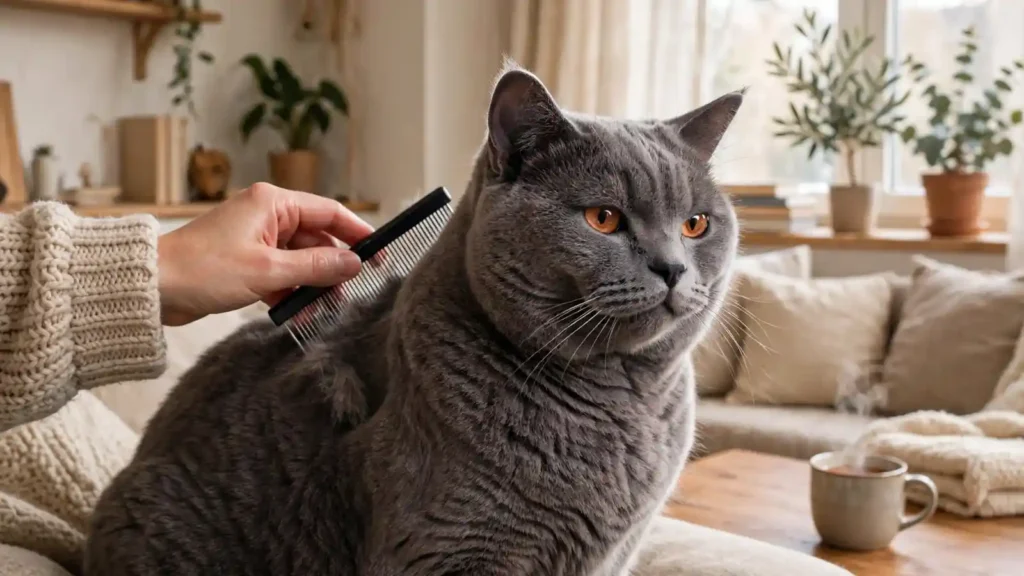
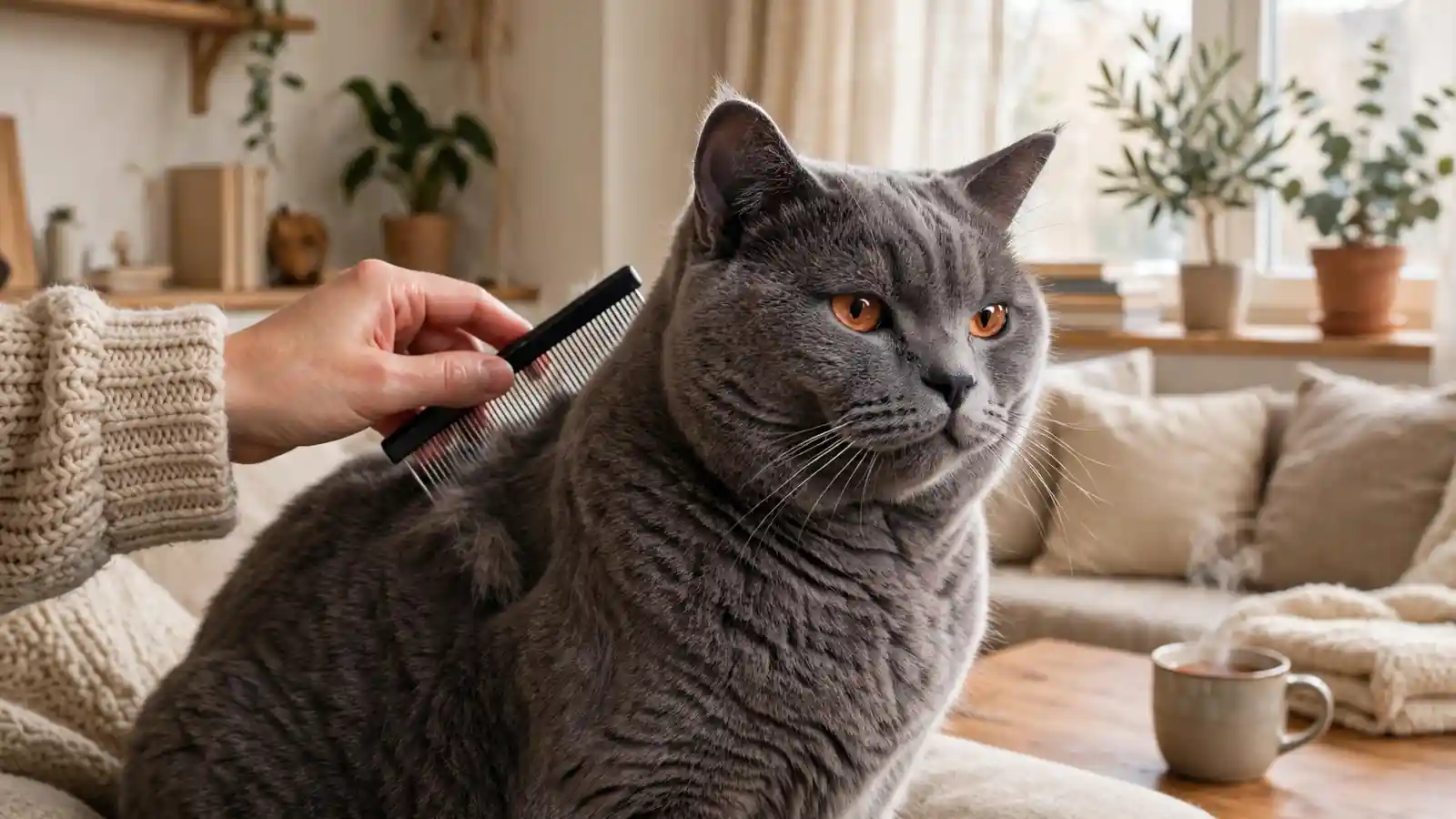
Comb the dense woolly coat regularly — never brush — with daily combing during the spring shed.
Hunting games, fishing pole toys and puzzle toys honor their heritage as mousers.
Primarily an indoor cat; outdoor time only in an enclosure, behind secure fencing, or on a leash.
Nutrition and Diet
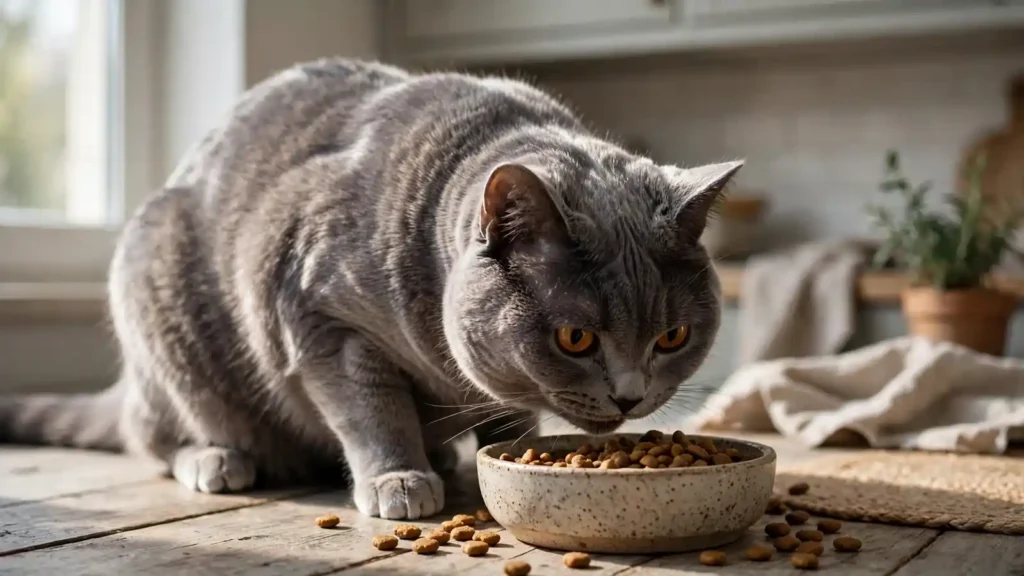
Because this is a thick, muscular cat, nutrition must be carefully controlled. A proper weight must be maintained, and weight gain can be a problem for some mature Chartreux. Measure each meal, be reasonable with treats, and ask your breeder or veterinarian for diet recommendations if your cat struggles to stay in condition. Quality food and fresh clean water daily are the foundation.
Grooming
Despite the short coat, grooming matters. The dense woolly fur should be combed regularly, not brushed, to prevent knots, especially during seasonal changes. Chartreux typically shed their undercoat heavily once or twice a year, usually in spring, when daily combing may be needed. The rest of the year, a few sessions a week suffice. Trim nails monthly, check ears regularly, and brush teeth with cat safe toothpaste.
Exercise and Enrichment
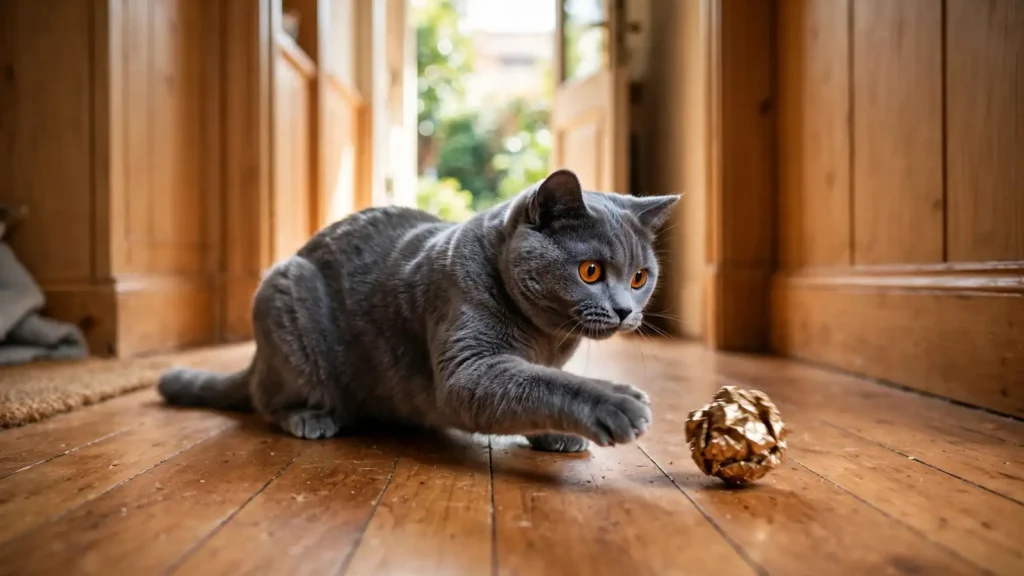
These intelligent Chartreux cats need both physical and mental stimulation. They love hunting games that honor their heritage as mousers, climbing, and fishing pole toys. Puzzle toys that reward problem solving are ideal, and many Chartreux enjoy learning tricks and commands. Interactive play sessions also help keep their weight in check.
Health
The Chartreux cat is considered one of the healthiest of all purebred cats, with little to no breed specific genetic problems reported.
A heritable kneecap condition that can affect mobility; cats can be screened by a veterinarian, and affected cats should not be bred.
The most common concern in mature Chartreux — controlled portions and regular weigh ins keep it in check.
With good care, Chartreux typically live 11 to 15 years. Keep vaccinations and parasite treatments current, and schedule yearly veterinary checkups.
Indoor and Outdoor Living
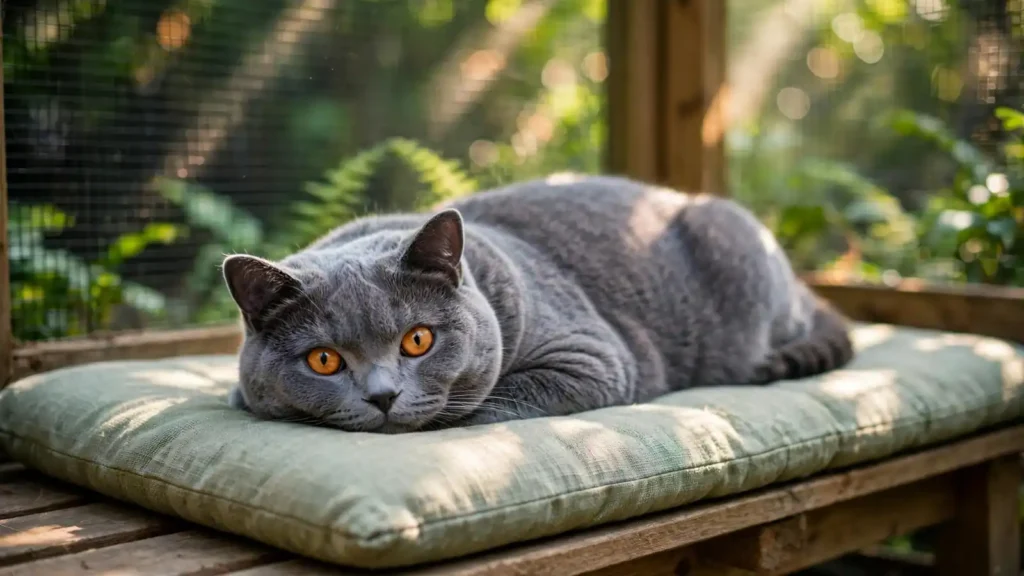
The Chartreux cat is primarily an indoor cat, but it enjoys outdoor time in fair weather. Outdoor access should be restricted, through a purpose built enclosure, secure fencing, or leash walks, which many Chartreux genuinely enjoy. They should not be allowed to roam freely.
Family Suitability
Yes, the Chartreux cat is an excellent family cat.
Their calm, gentle nature makes them suitable for homes with young children, and they generally get along well with other cats and dogs. They are equally good companions for single people, the elderly, and anyone in a relaxed household. They do not mind being left alone for hours, making them practical for working owners, yet they greet their people warmly at the door.
Teach children of all ages to handle cats gently, and the Chartreux will reward the whole family with loyal affection.
Finding a Breeder or Rescue
Because the breed is rare, finding a Chartreux cat takes patience.
Expect a waiting list with reputable breeders. Look for breeders registered with major associations who health screen their cats, raise kittens in the home, and welcome questions. Be wary of anyone offering unusually cheap kittens or refusing to show health records. Rescue organizations occasionally have Chartreux or Chartreux mixes, so checking shelters is worthwhile too.
Prices reflect the breed’s rarity, so budget accordingly and never buy from sellers who cannot document their cats’ background.
- Ask about health screening, including patellar luxation
- Kittens should be raised in the home
- Expect a waiting list with reputable breeders
- Be wary of unusually cheap kittens or missing health records
Quick Quiz: Is a Chartreux Right for You?
Answer four questions. Tap yes or no.
Chartreux vs Russian Blue
Both are blue gray cats, but they differ in build, coat and eyes.
Frequently Asked Questions
Are Chartreux cats rare?
Yes. The breed is uncommon worldwide and still rare even in its native France, a legacy of its near disappearance during World War II.
Are Chartreux cats hypoallergenic?
No cat breed is truly hypoallergenic. The Chartreux sheds moderately and heavily during seasonal coat changes, so allergy sufferers should spend time with the breed before committing.
Do Chartreux cats meow a lot?
No. They are famously quiet, with a tiny voice used rarely. They prefer chirps, murmurs, and expressive body language.
How big do Chartreux cats get?
Adults typically weigh 7 to 16 pounds. Males are significantly larger than females and take up to five years to fully mature.
Are Chartreux good apartment cats?
Yes. They are calm, quiet, and content indoors, and they tolerate being left alone during the day, making them well suited to apartment life.
What is the difference between a Chartreux and a Russian Blue?
Both are blue gray cats, but the Chartreux is stockier and more muscular with copper to gold eyes and a woolly water repellent coat, while the Russian Blue is more slender and elegant with green eyes and a plush silvery coat.
What do Chartreux owners say about living with the breed?
Owners consistently describe the Chartreux as easygoing and balanced. The Chartreux cat is often described as middle of the road, and that is a compliment. In practice, owners report that this personality is the main reason they recommend the breed to friends.
When should I ask my vet about my Chartreux’s health?
Schedule annual wellness exams, or twice-yearly exams for seniors, and ask your vet about screening for conditions the breed can be prone to, such as patellar luxation. Consult your veterinarian promptly if you notice changes in appetite, thirst, weight, breathing, or litter box habits.
The Chartreux cat is a breed of beautiful contradictions: a powerful hunter with a gentle soul, a muscular athlete on delicate legs, a nearly silent cat that communicates volumes. For those lucky enough to share their home with one, that famous smile says it all.
Similar Breeds Worth Exploring
Related Breed Guides
Keep Exploring
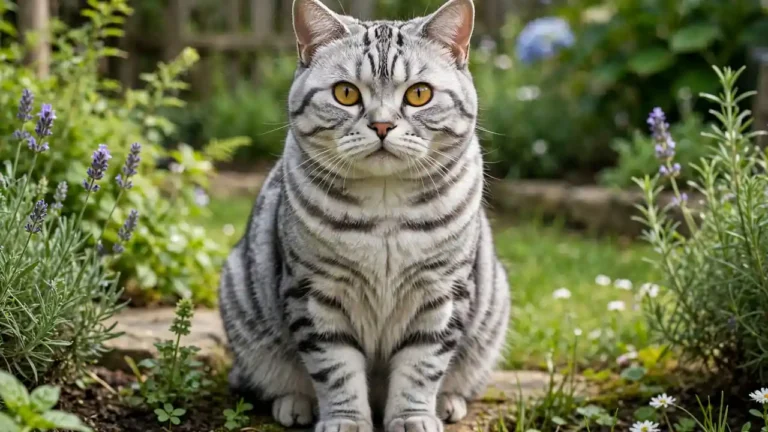
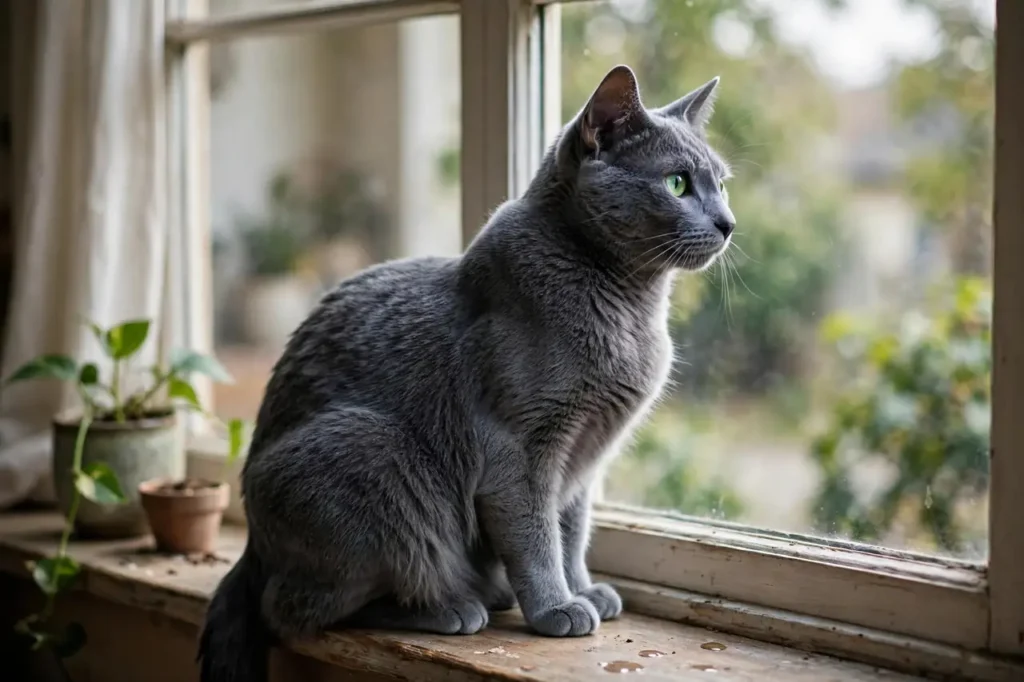
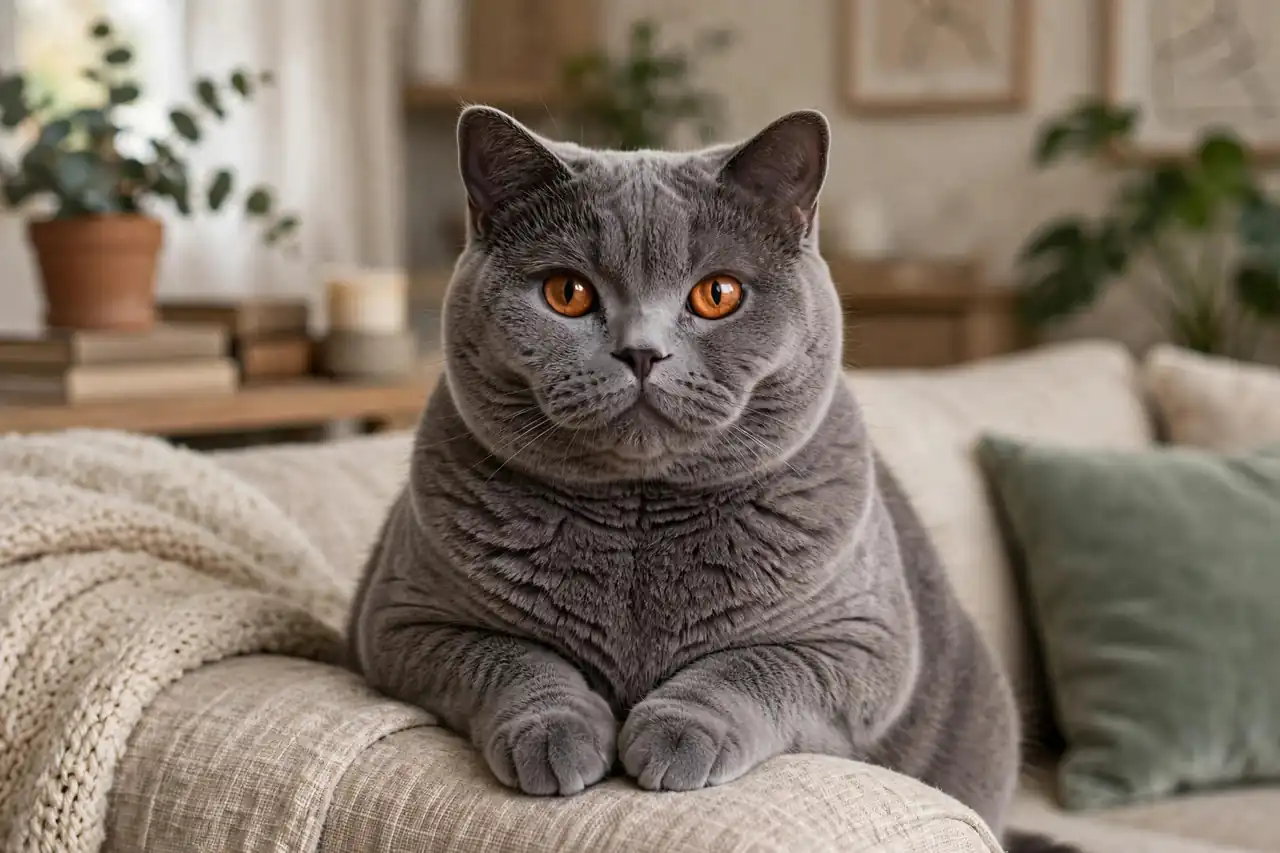
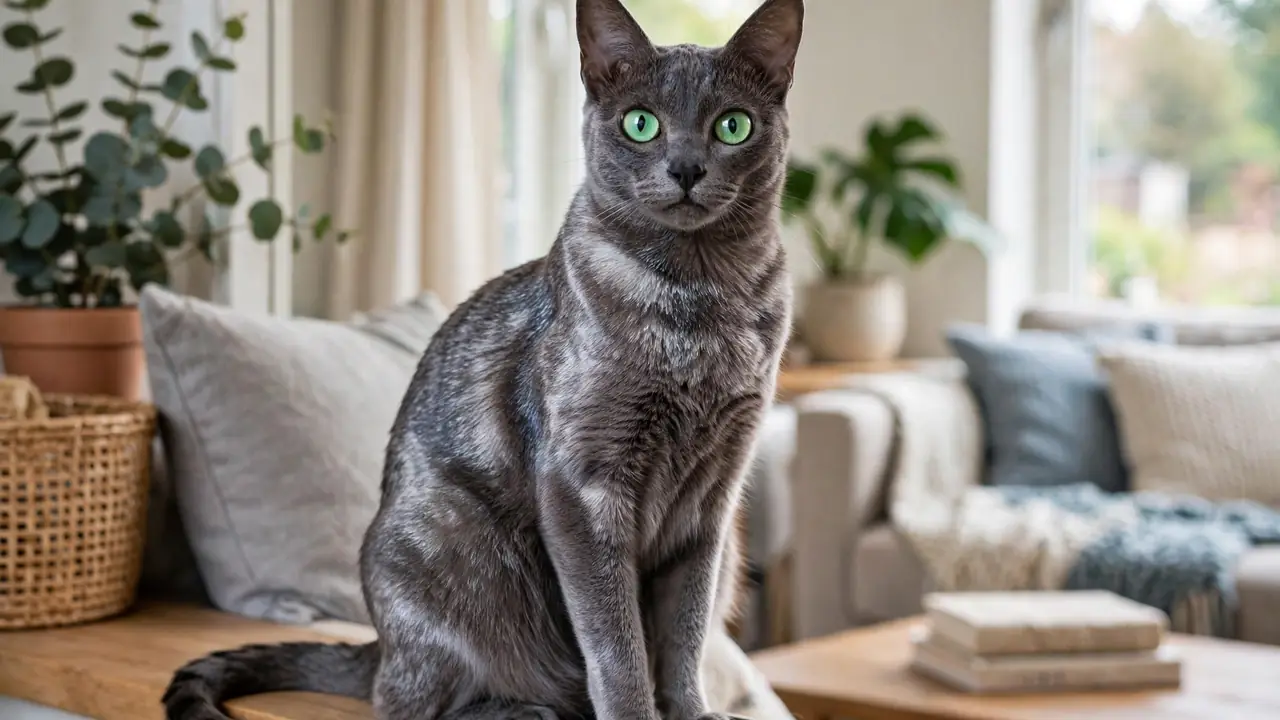
Keep exploring: the elegant Russian Blue, the sturdy British Shorthair and the silver blue Korat in the guides above.