Siberian Cat Breed Guide
Siberian: russia’s Majestic Forest Cat
Russia’s native forest cat: a big, powerful survivor in a water resistant triple coat. Devoted and dog like, the Siberian follows its people, plays fetch, and chirps in a soft musical voice.
By Emily Carter · Reviewed by our vet team · Updated 21 October 2026 · 13 min read
Lifespan 12–15 yrs Weight 10–20 lb Forest cat, dog like heart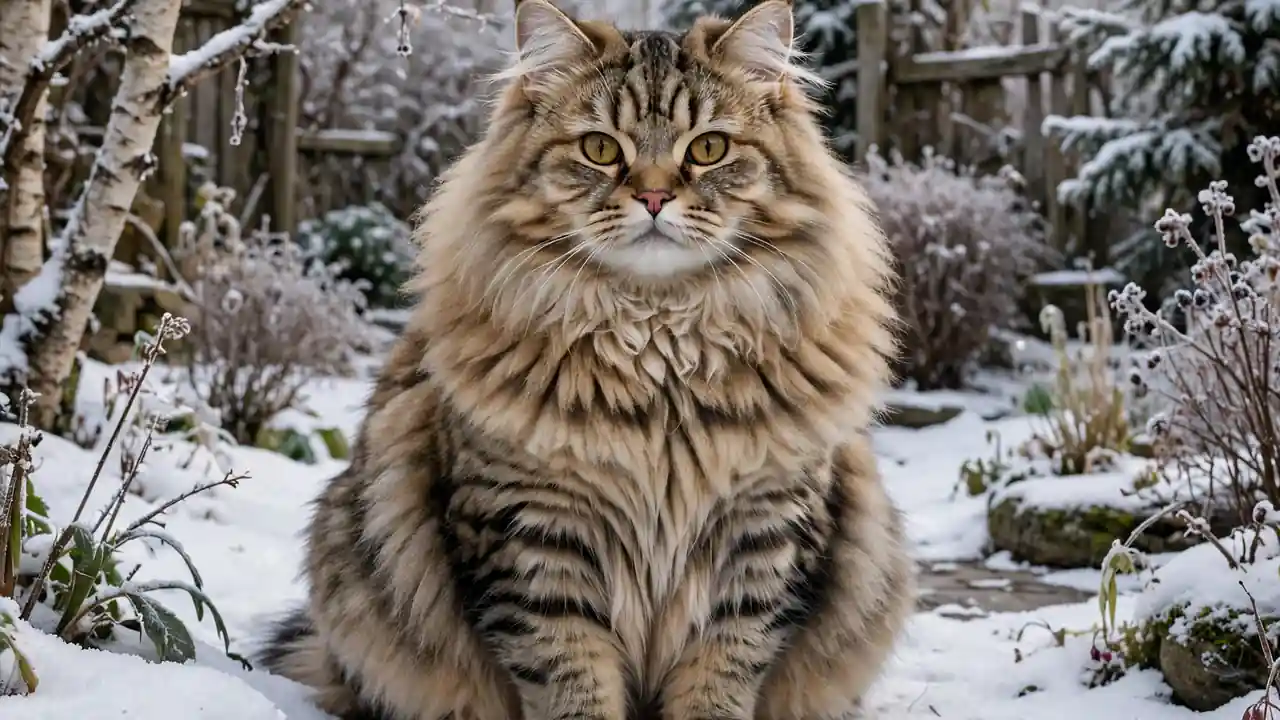
The Siberian cat is a powerful, triple-coated forest cat with a dog-like heart. Affectionate, playful, and agile despite its size, it thrives in lively homes.
At a Glance
Size and Weight
Do not let the fluff fool you. There is a serious athlete under all that fur.
Most adults weigh between 10 and 20 pounds, which puts the breed firmly in the large category. Males run bigger than females, and it can take up to five years for a Siberian cat to reach full size. They mature slowly.
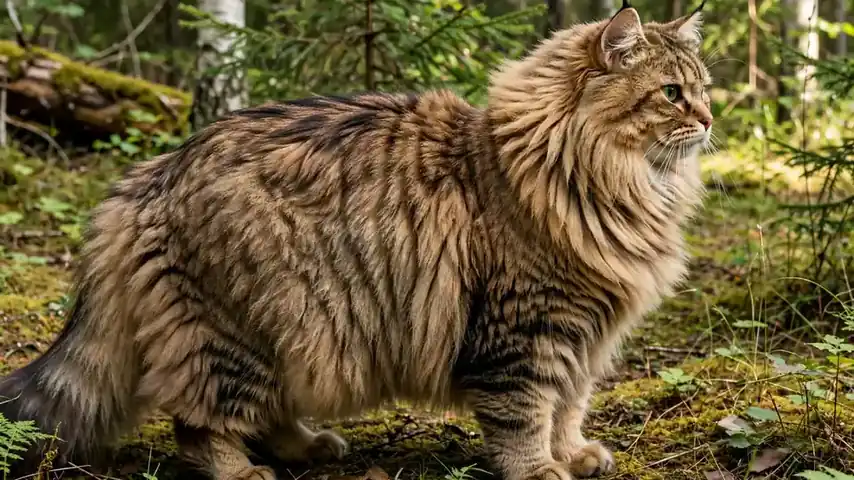
What surprises people is how the weight is built. This is not just a big cat, it is a powerfully muscled one, with a barrel chest and strong legs. Pick one up and you feel solid, balanced heft. Yet for all that size, they move like gymnasts, launching to the top of a tall bookcase from a standing start and landing without a sound.
Coat and Colors
The coat is the crowning glory of this breed, and it deserves a proper look.
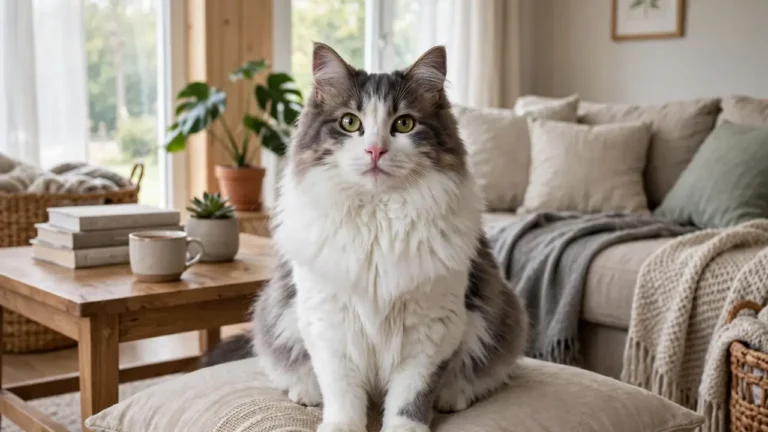
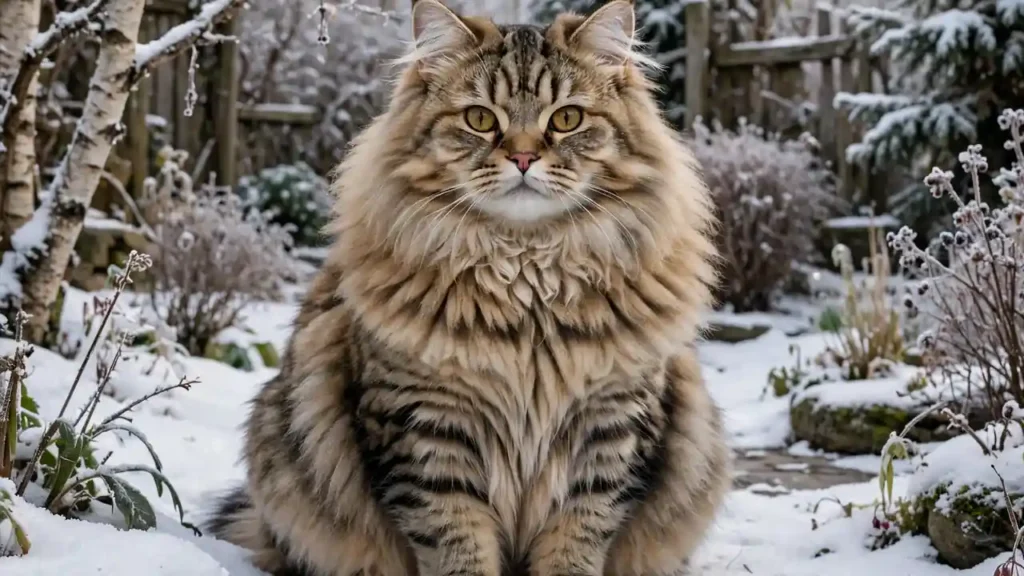
A Siberian cat wears a true triple coat built for survival. The outer guard hairs are long and glossy and shed water, the middle layer of awn hairs adds body, and beneath it all sits a dense, soft undercoat that traps warmth against the skin. Together they create a coat that feels substantial and looks almost regal in full winter growth.
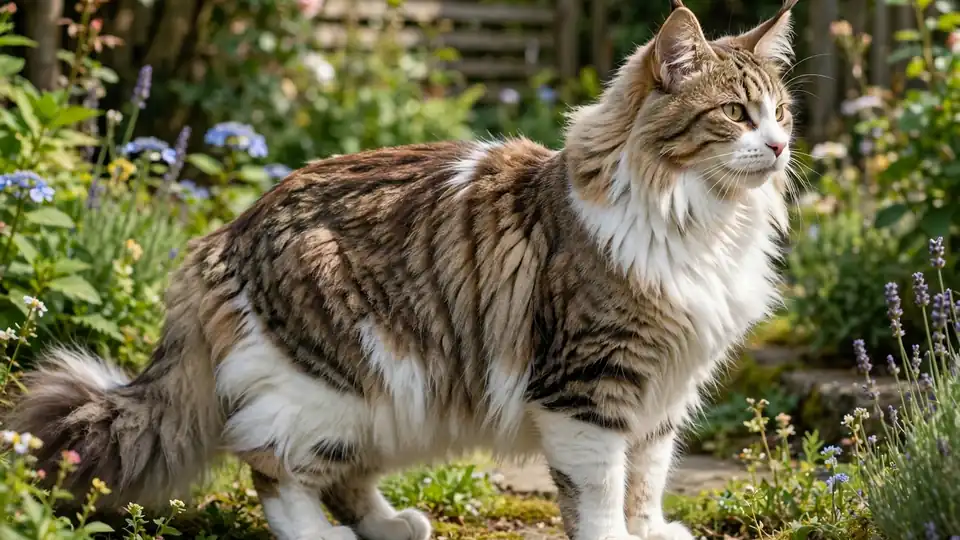
The details pile up fast. A magnificent ruff frames the neck and chest, thicker on males. The hind legs wear full britches of long fur, the tail is a grand plume, tufts tip the ears like a wild lynx, and the paws carry fur between the toes that works like little snowshoes. Every one of these features helped the breed weather real Russian winters.
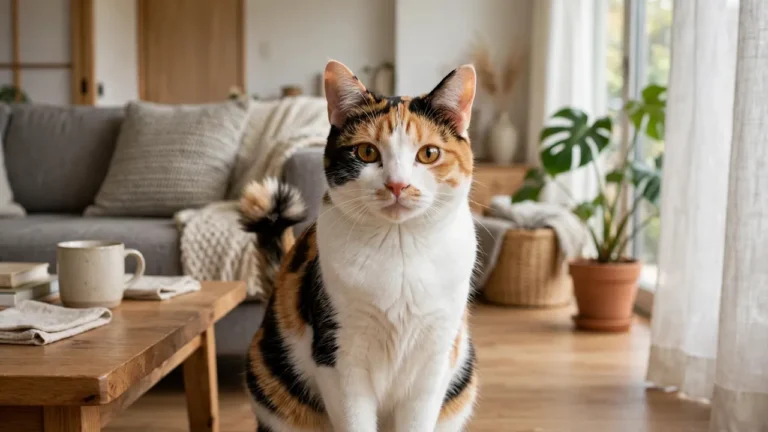
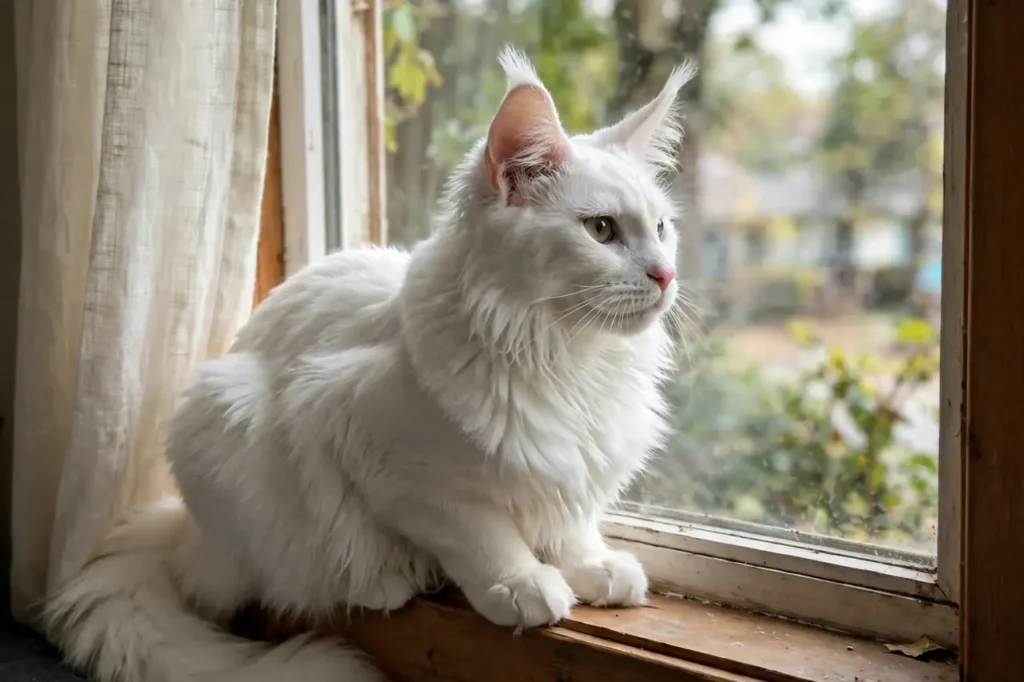
The color range is wide. These cats come in solids, tabbies, tortoiseshells, bicolors, and colorpoints, in shades from black and blue to red and cream. The classic brown tabby shows the coat best, with the pattern rippling through the long guard hairs, while a solid white cat with green eyes stops people in their tracks. Eyes can be green, gold, or blue depending on the coat.
The coat is a seasonal performer. It grows thick through autumn and peaks in midwinter, then releases the undercoat in a dramatic spring shed that leaves the cat looking suddenly slimmer. This cycle is completely normal and is the main reason the breed asks for extra grooming help each spring.
History and Origins
This is not a manufactured breed. It is a survivor of real Russian forests.
The Siberian is Russia’s native forest cat, a natural breed that developed over centuries in the harsh climate of the north. Longhaired cats appear in Russian stories and art going back hundreds of years.
No one designed this cat in a breeding program. The forest shaped it, and only the toughest, thickest coated cats thrived — hardy farm and household cats that could hunt in deep snow.
That history still shows today: these cats problem solve, adapt to new homes quickly, and handle high shelves with total confidence.
The Siberian cat is Russia’s native forest cat, a natural breed that developed over centuries in the harsh climate of the north. Longhaired cats appear in Russian stories and art going back hundreds of years, valued as hardy farm and household cats that could hunt in deep snow and bitter cold.
No one designed this cat in a breeding program. The forest shaped it, and only the toughest, thickest coated cats thrived. The result was a robust, intelligent animal with a practical mind. That history still shows today: these cats problem solve, adapt to new homes quickly, and seem to learn household routines almost at once.
Physical Characteristics
Everything about this cat says strength, from the paws to the tail tip.
The body is large and stocky, slightly longer than tall, with a broad chest and a level back. The legs are powerfully muscled, ending in big round paws built for balance. The head is a broad, rounded wedge with full cheeks and medium to large ears set wide apart.
The eyes are large and almost round, giving an alert, intelligent expression. Balance is the hidden talent here. Siberian cats judge distances well and handle high shelves with the confidence of a much smaller cat, so owners quickly learn to clear the tops of wardrobes and tall cabinets.
Siberian Personality and Behavior
Expect a cat that shadows you like a loyal dog.
Many are drawn to running taps, pat at water in a bowl, and splash in shallow basins. The voice is soft and musical: chirps and trills, with full meows saved for important moments.
Cautious with strangers, but they study you, approve of you, then love you with unusual intensity.
Meals, play and greetings at the door, on schedule. These cats notice routine, and notice when it slips.
- Devoted, dog like companion
- Hardy natural breed
- Patient and sturdy with children
- Dramatic spring shed — daily brushing then
- Big and powerful — needs sturdy furniture
- Coat hides weight gain — check ribs monthly
These cats bond deeply with their families and like to be involved in everything. They follow you from room to room, greet you at the door, and settle nearby while you work. Many learn to come when called and trot over for a cuddle.
Playfulness runs strong and it lasts for years. A Siberian cat stays kittenish well into adulthood, inventing games with toys and paper balls. Fetch is a particular favorite. Throw a crumpled receipt across the room and do not be surprised when it comes sailing back.
One of the most charming quirks is a fondness for water. Many are fascinated by running taps, will pat at water in a bowl, and some splash in shallow basins. The voice is soft and musical rather than demanding: chirps and trills for conversation, with full meows saved for moments that truly matter, like dinner running late.
Care Essentials
A high quality complete food with real animal protein first, portioned for an active adult. Watch the waistline, not just the scale — the thick coat hides gain.
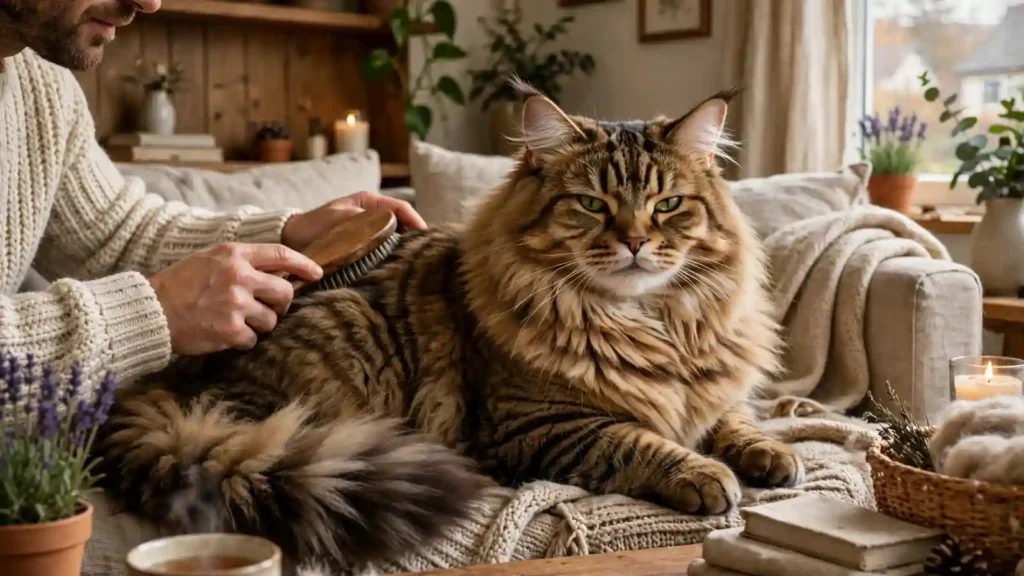
Brush two or three times a week with a steel comb and slicker, through the ruff, britches and tail plume. In the spring shed, brush daily for a few weeks.
Interactive play twice a day — wands, teasers, fetch — plus puzzle feeders, rotating toys and trick training to work the clever mind.
Indoor living with tall, sturdy cat trees, wall shelves and window perches. A secure catio or harness walk gives safe outdoor time.
A hardy cat still needs thoughtful daily care to truly thrive.
Start with the basics done well. Fresh water every day, a clean litter box scooped daily, and a stable routine will keep a Siberian cat content. These cats notice changes in the household, so predictable routines help them settle happily.
Mental stimulation matters as much as food and water. Puzzle feeders, rotating toys, and a tall cat tree near a window go a long way. They adore interactive play with their people, so set aside time each day for a proper session. Because of the thick coat, check ears and paws weekly during cuddle time.
Nutrition and Diet
A big, active cat needs fuel that matches its lifestyle.
Feed a high quality complete cat food with real animal protein as the main ingredient. A Siberian cat burns plenty of energy playing and climbing, so choose food formulated for active adults and follow the portion guidance for their weight. Kittens and young adults under three are still growing and may need kitten food longer.
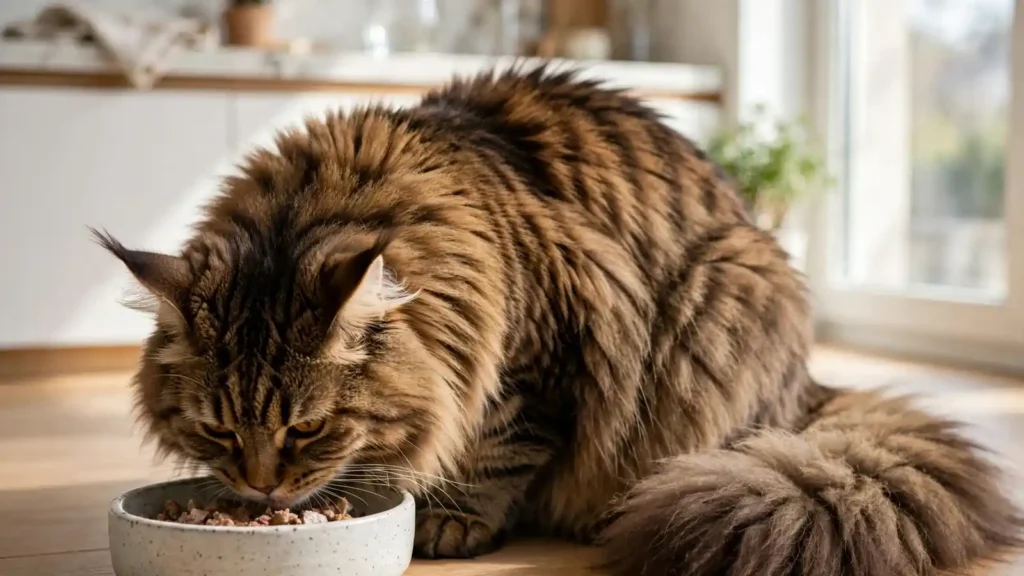
Watch the waistline, not just the scale, because the thick coat hides weight gain. Run your hands along the ribs monthly; you should feel them under a light layer of fat. Fresh water matters too, so a wide bowl or a fountain encourages drinking, and wet food as part of the diet helps with hydration.
Grooming
The glorious coat asks for regular attention, and spring asks for a lot of it.
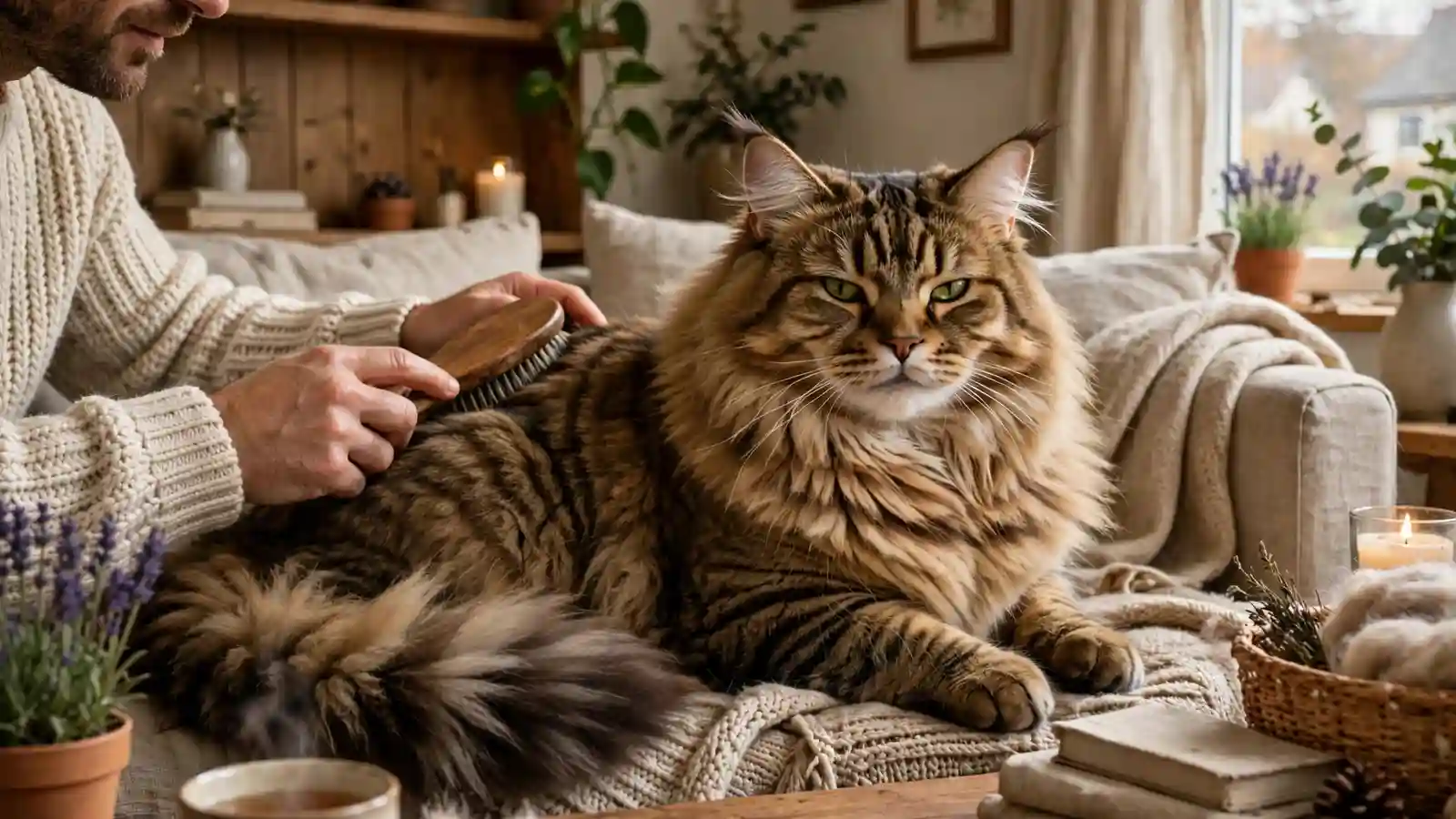
Brush two or three times a week with a steel comb and a slicker brush, working gently through the ruff, britches, and tail plume where tangles like to start. Most learn to enjoy the routine if you start young and keep sessions short. Regular brushing also cuts down on hairballs.
Spring is shedding season, and it is serious. As the weather warms, the dense undercoat releases in clouds and daily brushing becomes necessary for a few weeks. This seasonal blowout is healthy and normal. Baths are rarely needed, since the coat shrugs off most dirt, but if one becomes necessary, dry the dense undercoat thoroughly afterward.
Exercise and Enrichment
This breed was built to move, and a sedentary life does not suit it.
Give them vertical territory. Tall cat trees, wall shelves, and window perches satisfy the climbing instinct and keep powerful muscles working. Choose a sturdy tree, because a flimsy one will not survive a 15 pound cat launching at full speed.
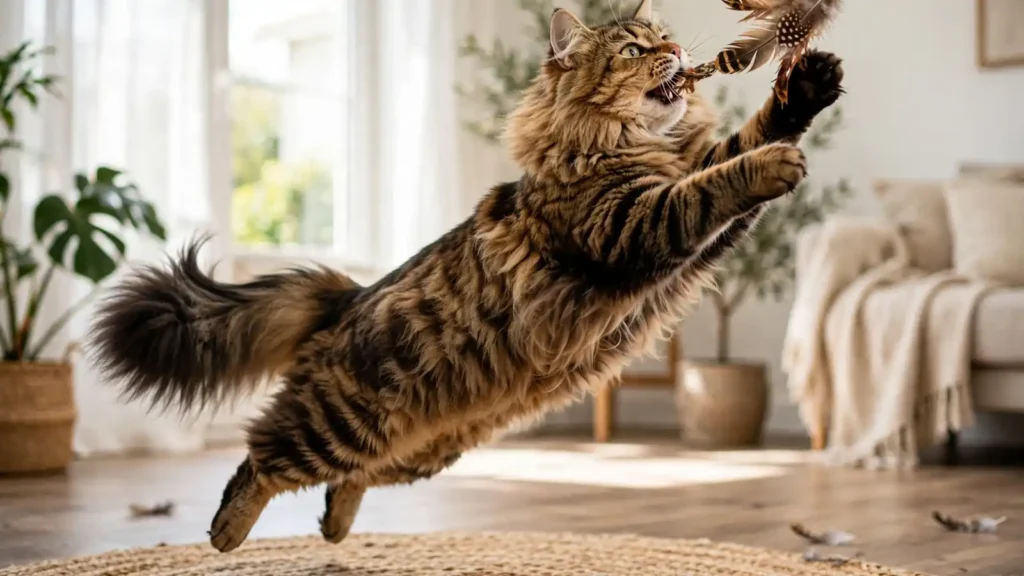
Interactive play twice a day keeps mind and body sharp. Wand toys and feather teasers trigger the full hunting sequence of stalk, chase, and pounce. End sessions with a small treat. Rotate toys weekly, try puzzle feeders, and teach tricks like sit and high five, which most food motivated cats pick up fast.
Health
A hardy breed is still a living animal that needs preventive care.
The main concern responsible breeders watch for is hypertrophic cardiomyopathy, a heart condition found in many breeds. Screening breeding cats with heart scans is the standard of good practice — ask any breeder about it.
Annual checkups, dental checks, vaccinations and parasite prevention cover the rest. Extra pounds stress joints and the heart, so weigh your cat regularly.
The Siberian cat is generally robust, a legacy of its natural origins. The main concern responsible breeders watch for is hypertrophic cardiomyopathy, a heart condition found in many breeds. Screening breeding cats with heart scans is the standard of good practice, so ask any breeder about their testing program.
Routine vet care covers the rest: annual checkups, dental checks, vaccinations as your vet recommends, and parasite prevention. Weight deserves attention in a large breed, since extra pounds stress joints and the heart, and the fluffy coat can hide gradual gain. Weigh your cat a few times a year and keep play sessions regular.
Indoor and Outdoor Living
That forest heritage might suggest an outdoor cat, but indoors is the safer choice.
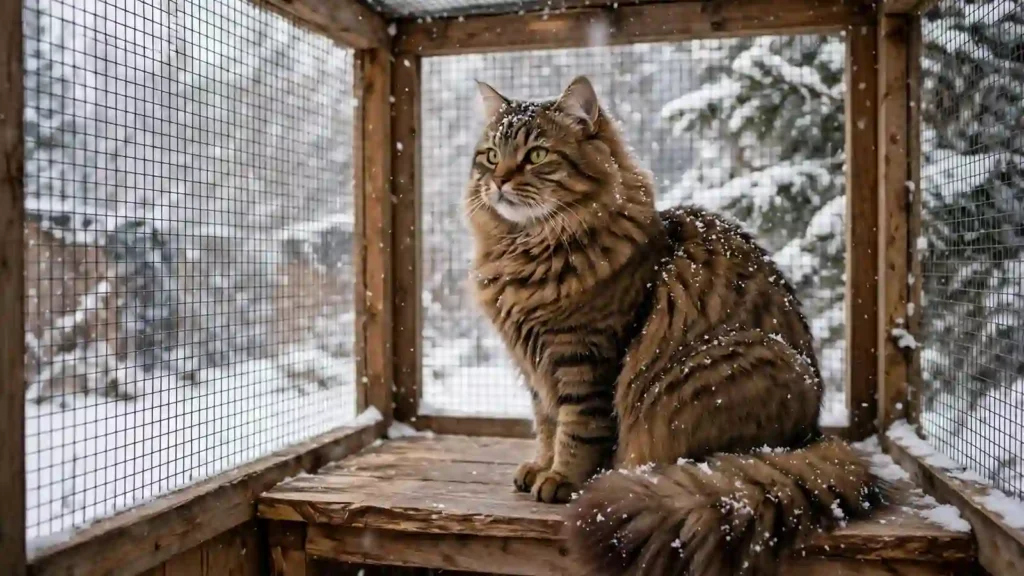
These cats do beautifully indoors as long as their need for activity is met. Climbing structures, play sessions, and window views give them plenty to do, and a secure catio or harness trained walk can offer safe outdoor time. Free roaming is risky, and a stunning longhaired cat may be taken, so channel outdoor interest into supervised adventures.
Family Suitability
Few breeds fit so naturally into busy family life.
Patient, sturdy, and playful, the Siberian cat is a strong match for households with children. It tolerates the noise and motion of family life well and often becomes a devoted companion to kids. Teach children gentle handling and give the cat a quiet retreat. Other pets are usually welcomed too, and many form close friendships with the family dog.
Finding a Breeder or Rescue
A little homework now prevents heartache later.
Look for a breeder who raises kittens in the home, welcomes visits, and answers questions openly. Ask about health screening, especially heart screening, and about the parent cats’ personalities. A good breeder will ask you just as many questions. Be wary of anyone who always has kittens available, will not show you the living conditions, or pressures you to decide quickly. Breed specific rescues and shelters sometimes have these cats too, and an adult rescue lets you see the full grown coat and settled personality.
- Breeder screens with heart scans and shares results
- Kittens raised in the home; breeder welcomes visits
- Ask about the parent cats’ personalities
- Check rescues — Siberians occasionally need homes
Quick Quiz: Is a Siberian Right for You?
Answer four questions. Tap yes or no.
Frequently Asked Questions
Are Siberian cats good for people with allergies?
They are often described as more allergy friendly than many breeds, and some allergy sufferers report fewer symptoms around them. That said, no cat is truly hypoallergenic. Spend time with the breed before committing if allergies are a concern.
Do Siberian cats shed a lot?
They shed moderately most of the year and heavily in spring when the winter undercoat comes out. Regular brushing keeps loose hair under control, and daily brushing during the few weeks of the spring shed makes a big difference.
Are Siberian cats lap cats?
Many are, on their own terms. They love being near their people and will often settle on a lap, but some prefer to sprawl beside you instead. Either way, expect plenty of affectionate company.
How big do Siberian cats get?
Adults typically weigh between 10 and 20 pounds, with males larger than females. They mature slowly and may keep filling out until around five years of age. The thick coat can make them look even bigger than they are.
Do Siberian cats really like water?
Many do. They are often fascinated by running taps, enjoy patting at water, and some splash in shallow basins. It is a common and charming breed trait, though individual cats vary.
Are Siberian cats vocal?
They are communicative but not loud. Expect soft chirps and trills rather than constant meowing. They will talk to you, especially at mealtimes, but are generally quieter than the famously chatty breeds.
The Siberian cat is a forest survivor with a dog like heart: powerful, playful and deeply devoted. For active families, it is one of the most rewarding big cats you can bring home.
Similar Breeds Worth Exploring
Related Breed Guides
Keep Exploring
Browse the full A to Z cat breed collection to compare personalities, or find out your cat’s age in human years with the cat age calculator.