Atlantic Salmon
Atlantic Salmon: the leaping river fish that returns again and again
The Atlantic salmon is born in a river, grows fat at sea, then swims home to the very stream where it hatched — and it can do the whole journey more than once. Few fish leap so high, travel so far, or carry so much of a river’s story in a single silver body.
By Emily Carter · Reviewed by our vet team · Updated 10 November 2026 · 9 min read
Leaps waterfalls up to 4.5 metresSurvives spawning — unlike Pacific salmonReturns to its birth river to spawn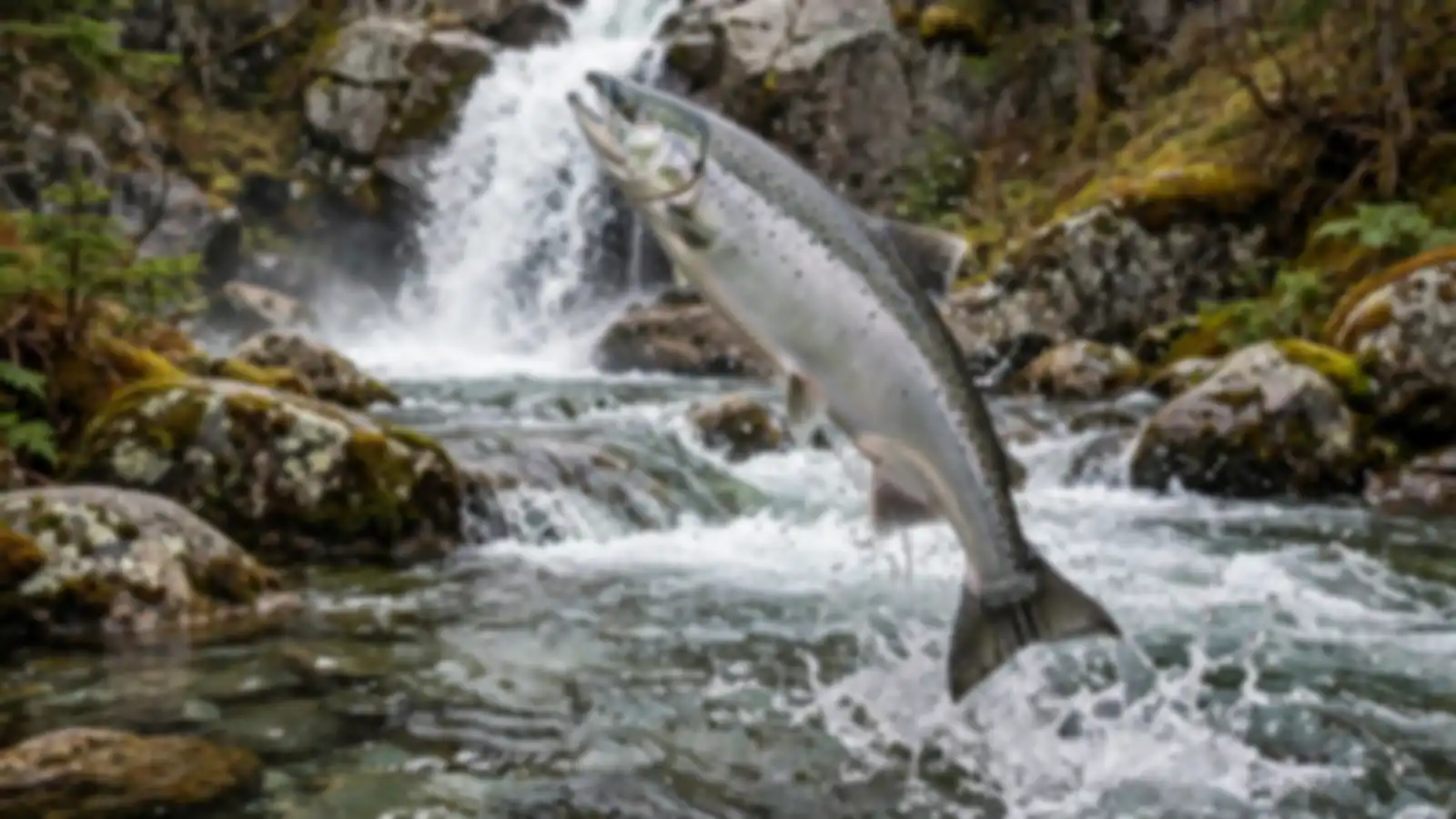
At a Glance
The Atlantic salmon, Salmo salar, is the only salmon native to the Atlantic, and it lives a double life: it hatches in a cold, clear river, grows to adulthood in the open North Atlantic, then returns to fresh water to spawn. Unlike its Pacific cousins, it does not have to die after spawning — a survivor can drop back to the sea, feed, and come home to spawn again. That second chance, plus the famous leaps up waterfalls, is what makes this fish a legend of rivers on both sides of the ocean.
What Is an Atlantic Salmon?
It is a large, silvery fish of the trout and salmon family, built for two worlds. In the sea it is bright silver with a dark-spotted back, a torpedo body and a deeply forked tail; in the river, as spawning approaches, it darkens and the males grow a hooked lower jaw, the kype. Young fish, called parr, wear dark bars along their flanks in the river, then turn silver as smolts and head out to sea.
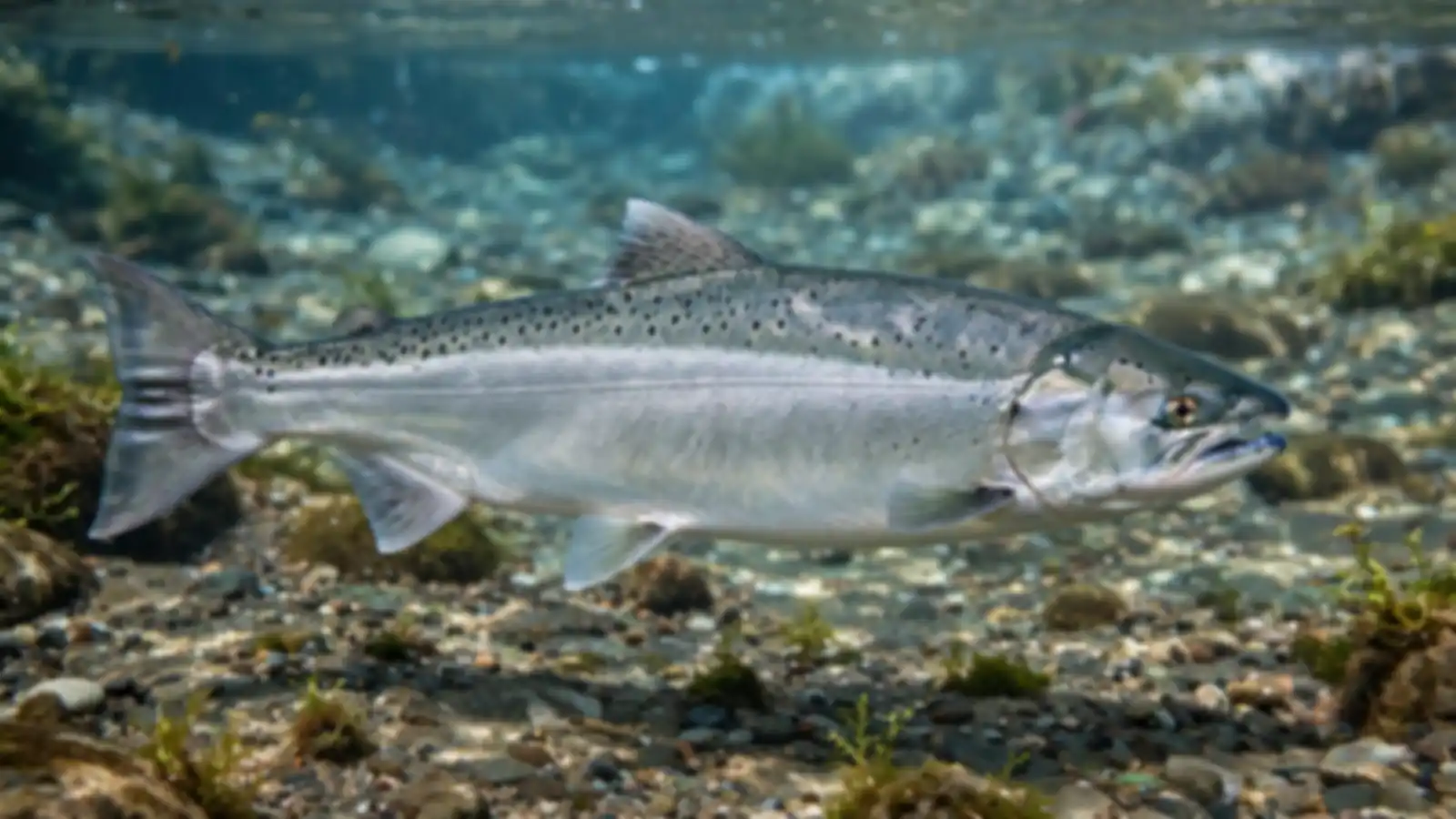
The species ranges around the North Atlantic, from New England and eastern Canada across to Iceland, Norway, Scotland and Russia. Every population is tied to its own rivers: a salmon almost always returns to the stream where it was born, reading the water’s chemistry the way a traveller reads a map. That homing instinct is so strong that fish from different rivers behave like separate tribes, each timed to its own stream’s seasons.
Size and the Leaping Record
A typical returner from two winters at sea measures about 71–76 centimetres (28–30 inches) and weighs roughly 8–12 pounds, but the species grows much larger: the published maximum is 150 centimetres and 46.8 kilograms, a fish more than twice the length of an average returner. Size depends on how long the fish stays at sea — one winter, two winters, or three — and the longest-staying fish, the big multi-sea-winter salmon, are the trophies of the river.
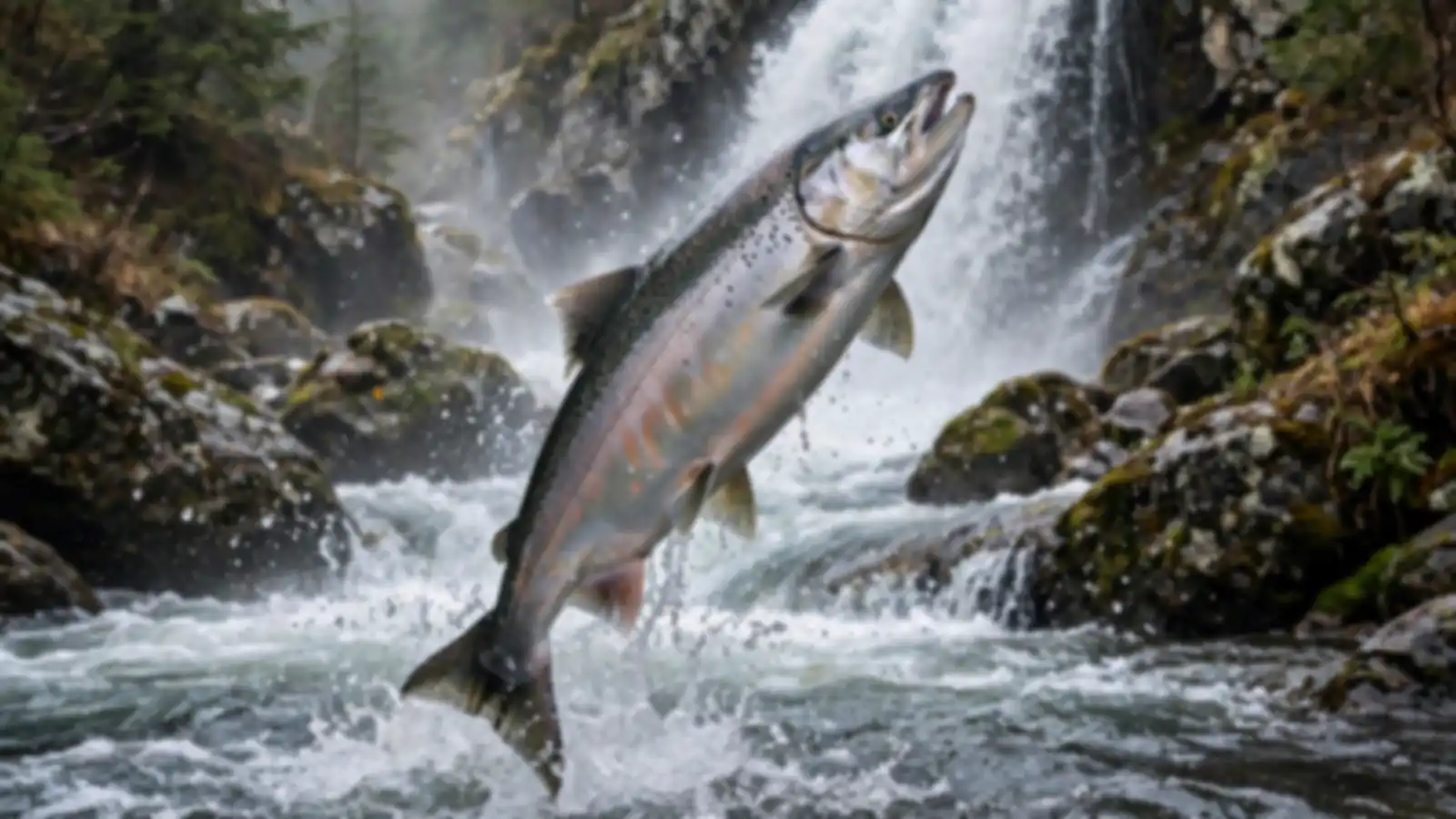
The leap is its signature move. Faced with a waterfall, it gathers speed in the pool below, then launches itself clear of the water, clearing falls up to 4.5 metres high in a single bound. It does not leap for show: each jump is a calculated attempt to pass an obstacle on the way home, and a fish may try the same fall dozens of times before it succeeds or gives up.
Migration: Rivers, Sea and Back Again
Its migration is one of the great journeys of the fish world. Smolts leave their rivers in spring and head for feeding grounds in the North Atlantic, some travelling thousands of kilometres and swimming up to 100 kilometres a day at sea. They feed and grow in the open ocean for one to three winters, far from the river that will call them home.

When the time comes, the adults turn back. They stop feeding as they enter fresh water and run upstream on stored fat, navigating by smell to the exact tributary of their birth. The return run is the hardest part of the life: rapids, waterfalls, predators and low summer water all stand between the salmon and the gravel bed where its own life began.
Spawning and Redds
Spawning happens in autumn, in shallow, fast-flowing water over clean gravel. The female turns on her side and beats her tail to dig a shallow nest, the redd, then lays her eggs in it while the male releases milt over them, and she covers the eggs with gravel before digging the next nest. A single redd holds thousands of eggs: counts average around 7,500 per redd in one survey, while other records give a range of 8,000 to 25,000, so the honest figure is a wide range, not a single number.
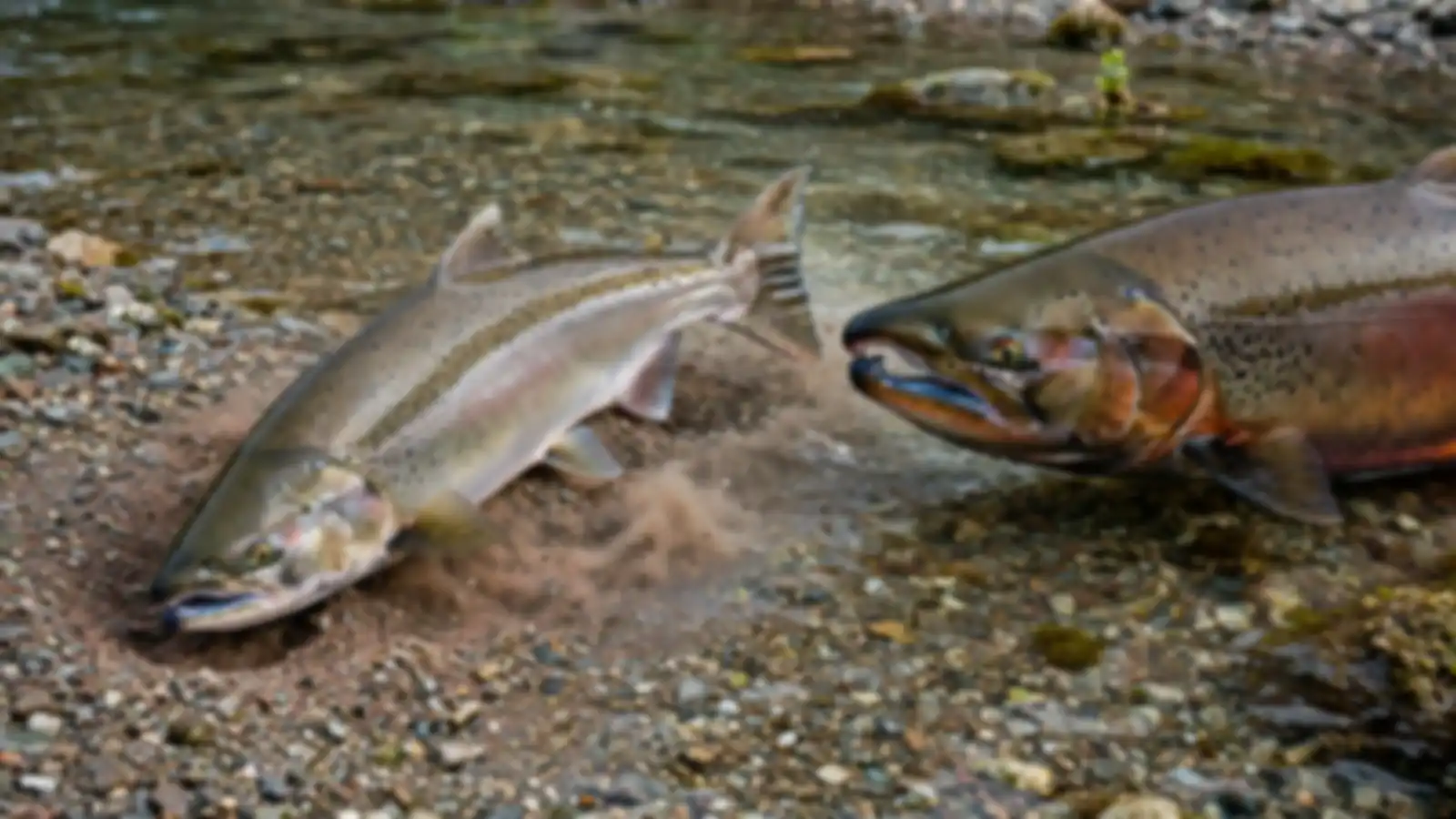
Here is the fact that sets it apart from every Pacific salmon: it survives spawning. Pacific salmon die after a single spawning run, but one that has spawned can drop back downstream as a thin, exhausted fish called a kelt, return to the sea, feed and rebuild, and come home to spawn again in a later year. Our guides to the Chinook salmon and the pink salmon tell the other side of that story, where spawning is a once-in-a-lifetime act.
Diet at Sea and in Rivers
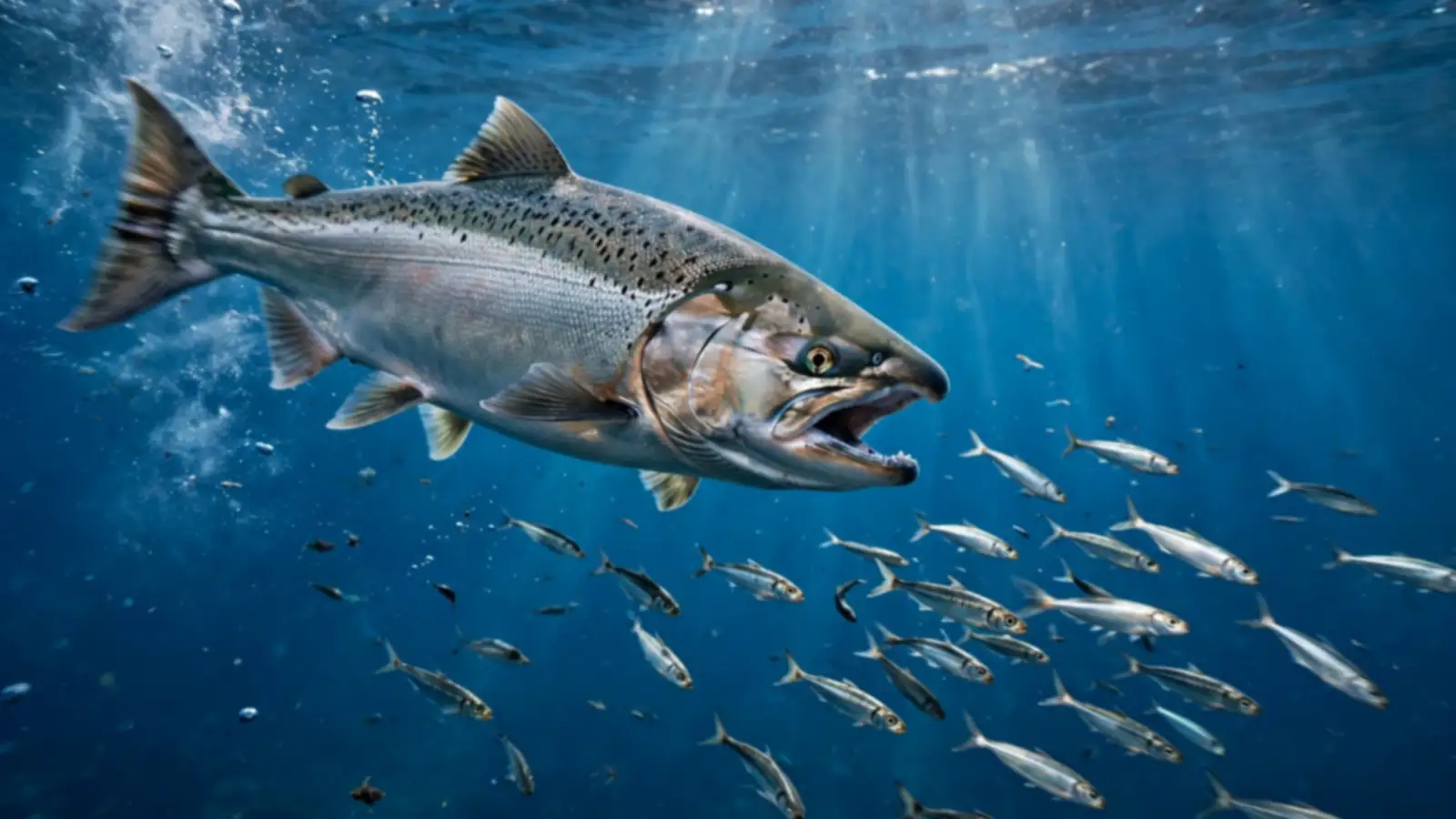
At sea, it is a hunter of the open water, feeding on small fish such as herring and sand eels, on squid, and on shrimps and other small crustaceans. That rich marine diet is what builds the fat reserves that carry the fish through its fasting upstream run, and it is also what gives the flesh its colour: the pink comes from pigments in the crustaceans it eats.
In fresh water the salmon’s feeding changes completely. Smolts in the river eat insects and small invertebrates, but the returning adult stops feeding altogether once it enters the river, living off its stored fat for the whole run. That is why a salmon caught in the river is running on empty, and why the journey home is a race against its own reserves.
Farming: The Farmed Majority
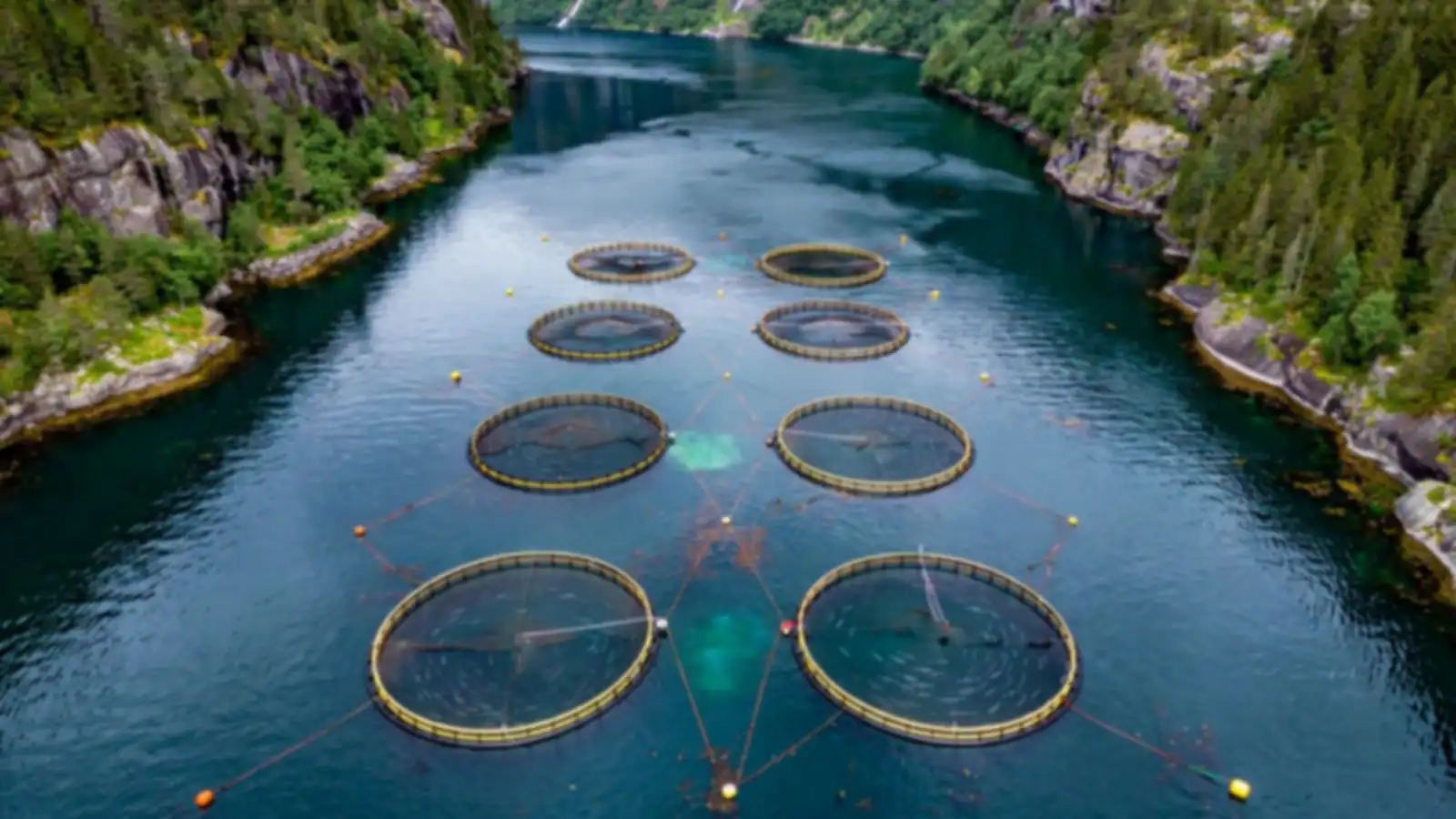
Almost every salmon on a dinner plate today is a farmed one: virtually all farmed salmon worldwide is this species, raised in sea pens in Norway, Scotland, Chile, Canada and elsewhere. Farming has made salmon an everyday fish, but it has also raised hard questions, because farmed fish can escape and interbreed with wild river populations, and sea lice from pens can trouble wild smolts passing by.
Wild fish, by contrast, have declined across much of their range. Rivers that once ran silver now hold a fraction of their old numbers, and the remaining populations are watched closely: in the United States, the Maine populations are listed as endangered, and many rivers are managed with catch-and-release rules. The wild fish is still there, in the rivers that raised it, but it needs the river kept clean and the way home kept open. The species summary for Salmo salar records the full published size, range and life-history figures behind this guide.
Fun Facts
- It can leap a waterfall up to 4.5 metres high, clearing in one bound an obstacle taller than a person.
- Unlike Pacific salmon, it can survive spawning and return to the sea to spawn again in a later year.
- A salmon finds its birth river by smell, reading the water’s chemistry after years away at sea.
- At sea, it may swim up to 100 kilometres in a single day.
- The pink colour of salmon flesh comes from pigments in the crustaceans the fish eats at sea.
- Virtually all farmed salmon in the world is this species, raised in sea pens in cold coastal waters.
Frequently Asked Questions
How Big Do Atlantic Salmon Get?
A typical Atlantic salmon returning after two winters at sea is about 71–76 centimetres (28–30 inches) long and weighs roughly 8–12 pounds. The published maximum for the species is much larger: 150 centimetres and 46.8 kilograms. Fish that stay at sea for three winters are the biggest, and males tend to grow larger than females.
Do Atlantic Salmon Die After Spawning?
No. They are iteroparous, meaning they can survive spawning and spawn again. After spawning, the fish drops back downstream as a thin kelt, returns to the sea, feeds and rebuilds its strength, and may come home to spawn in a later year. This is the key difference from Pacific salmon, which die after a single spawning run.
How Far Do Atlantic Salmon Migrate?
They migrate thousands of kilometres between their birth rivers and their feeding grounds in the North Atlantic, and they can cover up to 100 kilometres a day at sea. The exact distance depends on the river: fish from some rivers travel to feeding grounds off Greenland, while others stay closer to home.
How High Can Atlantic Salmon Leap?
They can leap waterfalls up to 4.5 metres high, according to Canadian fisheries records. A salmon gathers speed in the pool below a fall and launches itself clear of the water, and it may attempt the same fall many times before it succeeds.
What Is the Difference Between Atlantic and Pacific Salmon?
They belong to the genus Salmo and live only in the Atlantic, while Pacific salmon belong to the genus Oncorhynchus and live in the Pacific. The biggest life-history difference is that they survive spawning and may spawn again, while Pacific salmon die after spawning once. They also have only one species in their genus, while the Pacific has several.
What Do Atlantic Salmon Eat?
At sea, they eat small fish such as herring and sand eels, squid, and shrimps and other small crustaceans. In the river, young salmon eat insects and small invertebrates. Returning adults stop feeding once they enter fresh water and run upstream on stored fat.
Are Wild Atlantic Salmon Endangered?
Wild fish have declined across much of their range, and some populations are formally protected: in the United States, the Maine populations are listed as endangered. Many rivers are managed with catch-and-release rules, and the main threats are habitat loss, dams blocking migration, and pressure from escaped farmed fish and sea lice.
Similar Species Worth Exploring
Keep Exploring
Keep exploring the salmon story through the Chinook salmon, the largest of the Pacific salmon, the pink salmon on its fixed two-year clock, and the wider world of the types of fish. Few fish work so hard to get home, and fewer still get to do it twice, like the Atlantic salmon.