Ocicat Cat: Personality, Care, Health, History & Breed Guide
Ocicat: wild spots, devoted heart
Spotted like a wild ocelot but entirely domestic, the Ocicat cat hides one of the most people-centered personalities in the cat world: athletic, curious, and deeply devoted to its family.
By Emily Carter · Reviewed by our vet team · Updated 21 October 2026 · 9 min read
Lifespan 12–18 yrsWeight 7–15 lbDog like devotion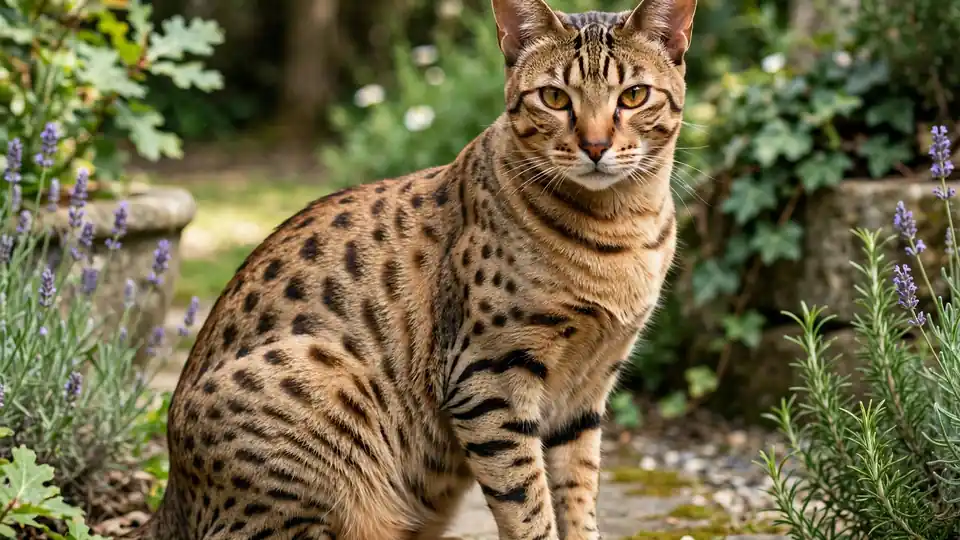
The Ocicat is the only spotted domestic breed that was bred on purpose to look like a wild cat. Underneath the exotic coat lives a friendly, chatty, and devoted family pet with no wild DNA at all. If you want a cat that plays fetch, walks on a leash, greets guests at the door, and acts much like a dog, this guide covers the Ocicat cat in full.
At a Glance
Size and Weight
Males usually weigh 10 to 15 pounds and females 7 to 12 pounds, so expect individual cats to fall somewhere in the 8 to 15 pound range. Ocicats are medium to large cats with long bodies: height runs about 9 to 11 inches at the shoulder, and the breed feels heavier than it looks because of its dense muscle and solid bone.
Coat and Colors
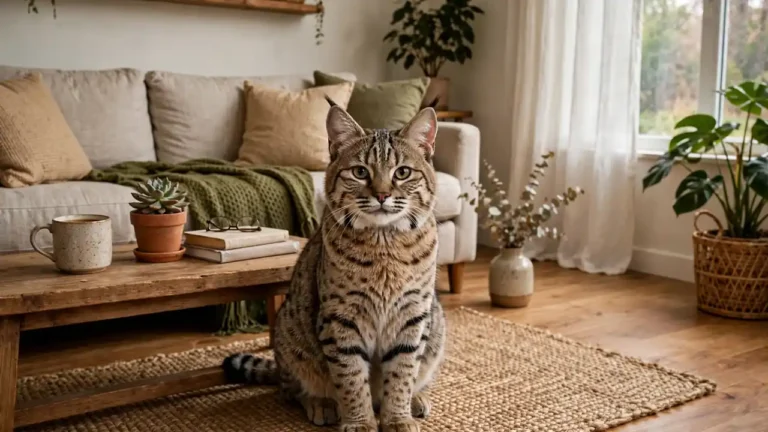
The coat is short, fine, dense, and close lying, with a satiny texture that catches the light. The signature feature is the pattern: large, thumbprint shaped spots scatter across the shoulders, sides, and hindquarters, with rows of round spots along the spine and smaller spots down the legs. Twelve colors are accepted, from tawny, chocolate, and cinnamon to the six silver versions.


History and Origins
This breed began with a happy accident in the United States, not with a plan to create a spotted cat. In 1964, Virginia Daly of Berkley, Michigan, crossed a ruddy Abyssinian male with a seal point Siamese female, aiming for a Siamese with Abyssinian style points.
One spotted kitten, Tonga, changed everything. The story might have ended there, but geneticist Dr. Clyde Keeler heard about Tonga: he wanted a domestic cat that echoed the look of vanishing spotted wild cats.
Further crossings fixed the spotted pattern, and the breed took its name from the ocelot it resembles, despite having no wild DNA at all. That happy accident created the Ocicat cat we know today.
Spotted like a wild ocelot but entirely domestic, this is the only spotted breed bred on purpose to look wild, and it hides one of the most people centered personalities in the cat world.
Physical Characteristics
This breed was built to look athletic and exotic while staying fully domestic in body and temperament. The body is medium to large, long, and muscular, with a deep chest and substantial bone; owners are often surprised by the weight, since the cat feels much heavier than its frame suggests. The head is a modified wedge, longer than it is wide, with large ears set wide apart and large, almond shaped eyes.
Ocicat Personality and Behavior
This is where this breed truly stands out. Ocicats are confident, outgoing, and affectionate: the Ocicat cat bonds tightly with its family, follows its people from room to room, and often chooses a favorite person to shadow. They greet visitors at the door, and they are chatty and expressive while they do it.
They follow their people from room to room, greet guests at the door, and often choose a favorite person to shadow.
Intelligence defines daily life: they learn tricks and commands quickly, and can be trained to play fetch, walk on a leash, and come when called.
An expressive voice keeps the household informed; this is a cat that talks back.
- Deeply devoted and people centered
- Learns tricks, fetch and leash walking
- Wild looks with zero wild DNA
- Needs attention the way it needs food
- Unhappy during long, lonely stretches
- An under exercised Ocicat rearranges your shelves
Care Essentials
Complete, balanced food with quality animal protein as a main ingredient, matched to life stage; treats kept to a small share for training.
A brush or comb through about once a week; a polish with a soft chamois cloth brings out the satiny sheen.
Interactive play sessions with wand toys, feather teasers, and crinkle balls every day. Fetch is a natural game for this breed.
Tall cat trees, wall shelves, and window perches, so these athletic cats can jump, survey, and nap up high.
Nutrition and Diet
A complete, balanced cat food matched to your cat’s age is the foundation of good health. Because the breed is muscular and very active, an Ocicat cat benefits from food with quality animal protein as a main ingredient. Kittens need kitten food until they finish growing, treats are useful for training, and fresh, clean water should be available at all times.

Grooming
Grooming is one of the easiest parts of living with an Ocicat cat. The short coat needs a brush or comb through about once a week: a rubber curry comb lifts loose hair, and a polish with a soft chamois cloth brings out the shine. Trim nails regularly, check ears for wax buildup, and ask your vet about tooth brushing.

Exercise and Enrichment
An under exercised member of this breed is a cat that rearranges your shelves, so plan for real daily activity. Interactive play sessions with, feather teasers, and crinkle balls tap into the hunting instinct. Fetch is a natural game for this breed, and many Ocicats bring the toy back for another round.

Health
This breed is generally healthy with a good lifespan. Routine veterinary care, vaccinations, parasite prevention, and dental checks form the core of lifelong health.
Progressive retinal atrophy is the main inherited concern reported for the breed: part of the eye degenerates, and it can result in blindness. DNA testing is available, and reputable breeders screen their cats.
Regular checkups catch dental disease, urinary issues, and other common feline problems early, when they are easiest to treat.
An Ocicat cat benefits from maintaining a healthy weight. The muscular build can hide extra pounds, so your vet should check body condition at each visit.
Indoor and Outdoor Living
The safest choice for this breed is an indoor life with supervised outdoor time. These cats are bold, curious, and confident, and they should not be unsupervised outdoors: traffic, predators, disease, parasites, and theft are real risks. Indoor living does not mean a dull life: an Ocicat cat adapts well to houses and apartments as long as the space offers climbing, play, and company, and leash training opens up safe outdoor adventures.
Family Suitability
Ocicats suit active households that want a cat involved in everything. With children, an Ocicat cat does well when kids are taught to handle the cat gently and respectfully, with calm introductions and supervised play. With other pets, the outlook is bright: Ocicats often live happily with other cats and form strong bonds with well behaved dogs.
Finding a Breeder or Rescue
Take your time and choose a source that puts cat welfare first. This is a premium breed, and published figures vary: kittens from about $800 to $1,200, with some breeders asking up to $2,500. A responsible breeder health tests breeding cats, raises kittens in the home, and socializes them from an early age. Ocicat cat kittens are playful, curious, and quick to bond.
- Ask about DNA testing for progressive retinal atrophy and general health screening
- Ask to see the parents and the living conditions
- Kittens should be raised in a home environment
- Plan the arrival for a time when someone can be home for the first week or two
Quick Quiz: Is an Ocicat Right for You?
Answer four questions. Tap yes or no.
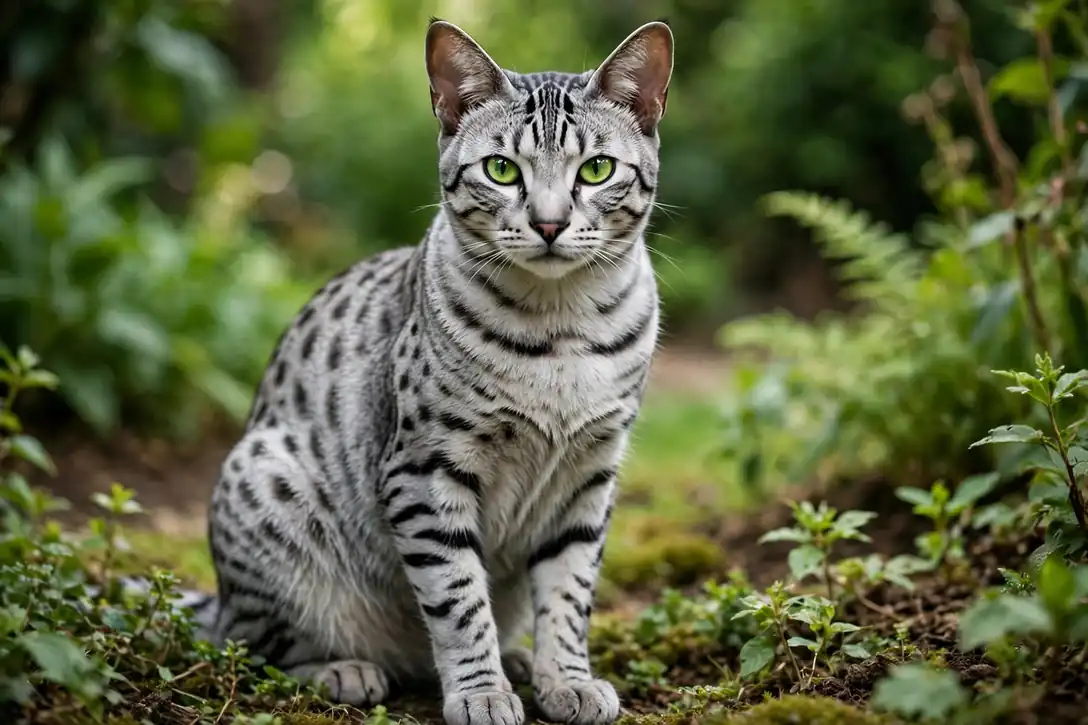
Ocicat vs Egyptian Mau
The spotted look has close rivals, so it helps to know how this breed differs.
Frequently Asked Questions
Are ocicats part wild cat?
No. This breed is one hundred percent domestic with no wild DNA. The name comes from its resemblance to the ocelot, but the breed was created by crossing Siamese, Abyssinian, and American Shorthair cats.
Do ocicats like to be held?
Many ocicats enjoy close contact and will sit with their favorite people, but they are active cats that often prefer interactive play to long cuddle sessions. They show affection by following you, talking to you, and joining in whatever you do.
Are ocicats good with dogs?
Yes, members of this breed generally get along well with cat friendly dogs. Their confident, social nature helps them form bonds with dogs, and many owners say the cat acts like a dog itself. Introduce them gradually and supervise early meetings.
Do ocicats shed a lot?
No. Ocicats are mild to moderate shedders with short coats that need only weekly brushing. A quick brush keeps loose hair under control and the coat looking glossy.
For the right household, the Ocicat cat is a joyful match: wild to look at, warm to live with, and loyal for well over a decade. Choose this breed if you want an interactive, social, and trainable cat that behaves like a companion rather than a decoration.
Similar Breeds Worth Exploring
Related Breed Guides
Keep Exploring
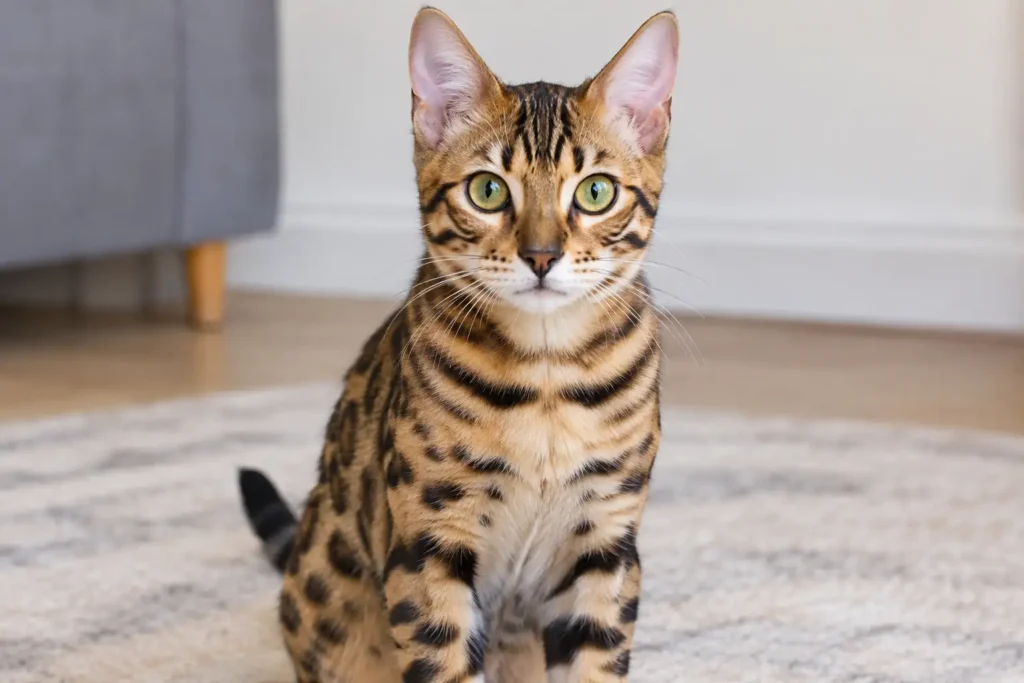
Still deciding? Compare the genuinely wild crossed Bengal, or meet the naturally spotted Egyptian Mau. Every guide on this site follows the same layout, so the facts you need are always in the same place.