Savannah Cat: Personality, Care, Health, History & Breed Guide
Savannah: tall, bold, and unforgettable
The Savannah cat is the tallest domestic breed, with a lean athletic build and a personality closer to a clever dog than a quiet lap cat. Striking, bold, and long lived: not a breed for beginners.
By Emily Carter · Reviewed by our vet team · Updated 21 October 2026 · 10 min read
Lifespan 12–20 yrsWeight 12–25 lbTallest domestic breed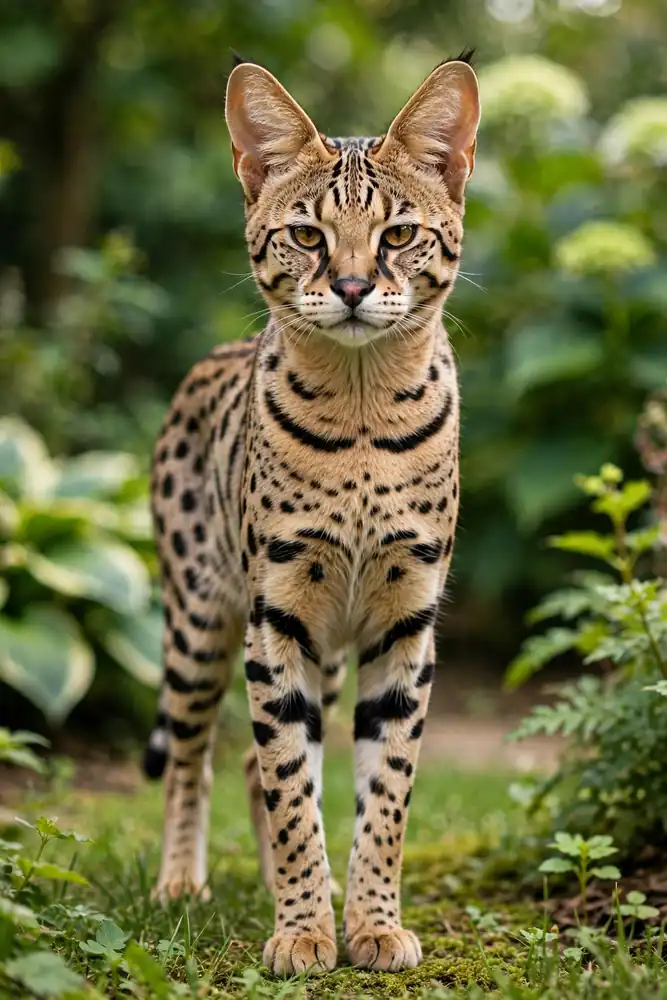
Few cats stop people in their tracks the way a Savannah does. With tall ears, bold spots, and a long athletic frame, it looks like it walked straight out of the African grasslands. This guide covers the Savannah cat in full: size, generations, character, daily care, health, legality, and cost.
At a Glance
Size and Weight
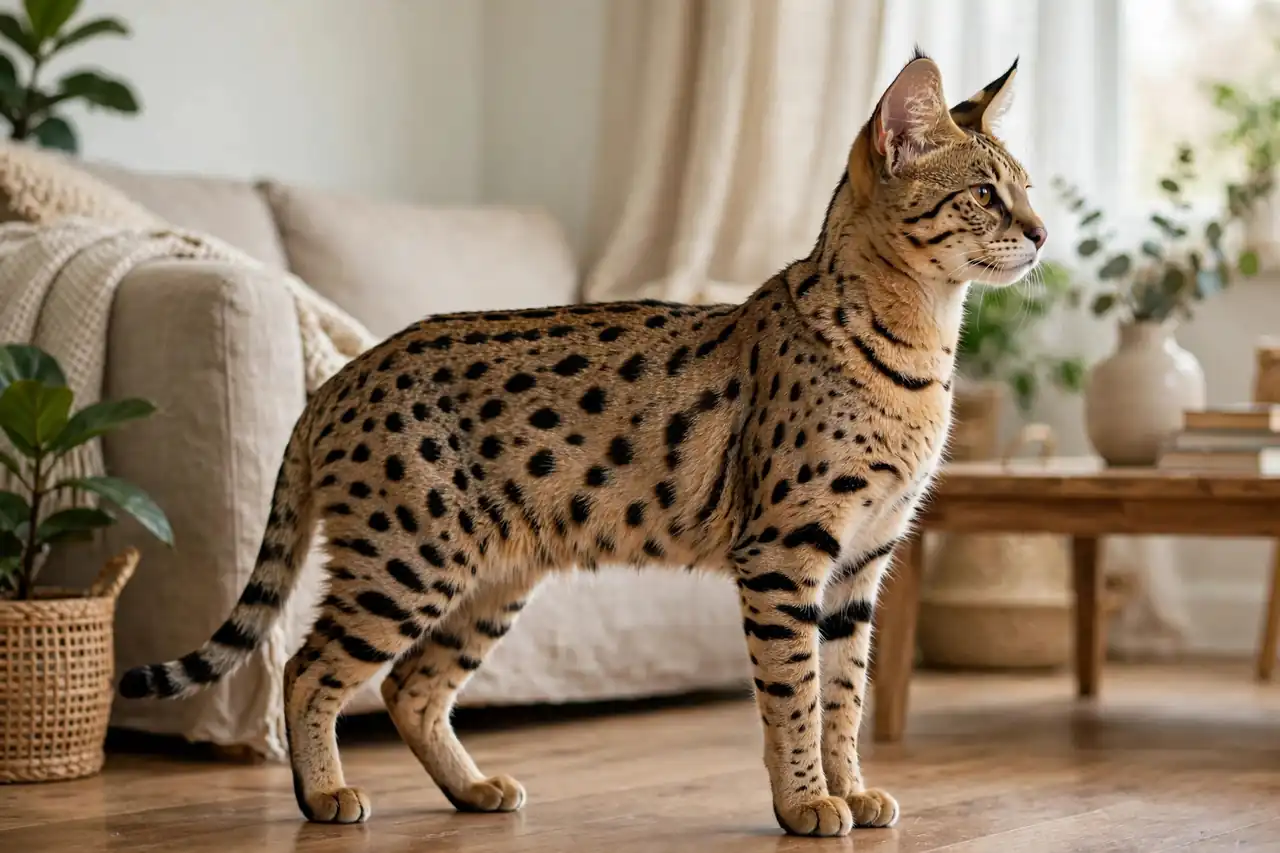
Most pet Savannah cats weigh between 12 and 25 pounds, with males running larger than females; early generation males can reach 25 to 28 pounds. Adults typically measure 20 to 22 inches in body length, and they stand remarkably tall: one Savannah measured just over 19 inches at the shoulder, earning a world record as the tallest domestic cat. The breed often looks bigger than it really is, thanks to the tall, lanky frame.
Coat and Colors
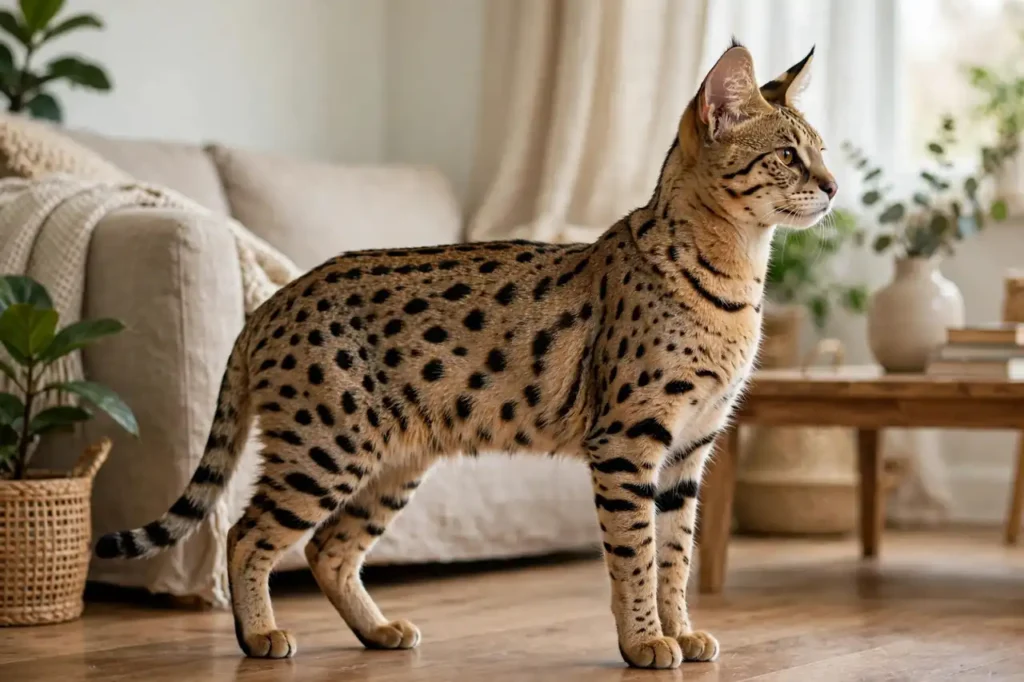
The Savannah cat has a short, close lying coat with a bold spotted pattern that echoes the serval, and no heavy undercoat, which keeps grooming simple and shedding moderate. Four standard colors are recognized: brown spotted tabby, silver spotted tabby, black, and black smoke. Solid colored cats may show faint ghost spots beneath the darker color.
History and Origins
A female domestic cat gave birth to a kitten sired by an African serval. The kitten was a girl, and she was named Savannah, which is where the breed gets its name.
Word of the unusual kitten reached Patrick Kelly, who wanted to develop a new breed around that striking appearance. He persuaded breeder Joyce Sroufe to join the effort, and together they wrote the original breed plan.
This is one of the youngest recognized cat breeds in the world, and its whole story starts with that single litter in 1986. Generations are counted from the serval: F1 is one generation removed, F2 two, and so on.
That wild heritage shapes everything about owning one: these cats are smart, active, and demanding in a way most pet cats never are.
Physical Characteristics
Every line of this cat is built for movement. The overall impression is a tall, lean, graceful cat with striking dark spots and bold markings: the neck is long and slim, the body is long and well muscled, and the legs are exceptionally long. The head is small in proportion to the body and forms a triangle shape, topped by the breed’s most famous feature: large, tall ears set high on the head, with light colored markings on the backs.
Savannah Personality and Behavior
Forget everything you know about quiet lap cats: the Savannah cat personality is closer to a clever dog living in a cat’s body. These are curious, assertive cats that seek out adventure at every opportunity, and they are very active, needing a great deal of interaction each day. Loyalty is one of the breed’s defining traits: Savannahs bond strongly with their families, greeting people at the door, following them from room to room, and giving frequent headbutts.
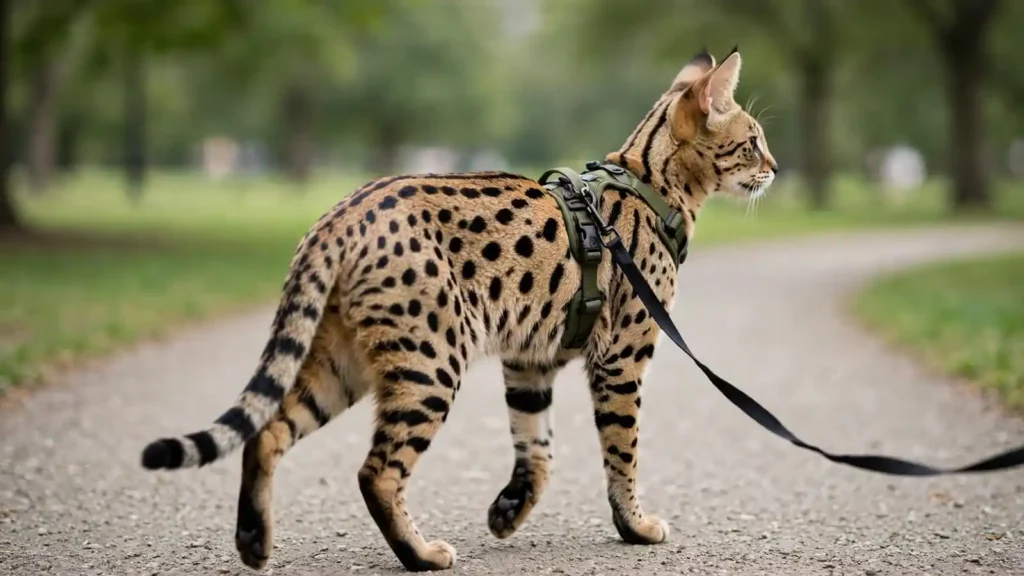
They play fetch, learn to walk on a leash, splash in water, and follow their people around the house.
Curious and assertive, very active, and always looking for the next game or the highest shelf in the room.
Bonds strongly with its family and shows it openly: greetings at the door, room to room following, and frequent headbutts.
- Striking, unforgettable looks
- Loyal and dog like
- Intelligent and trainable
- Not for beginners: demanding and intense
- A bored Savannah is a destructive cat
- Legality varies: check your local rules
Care Essentials
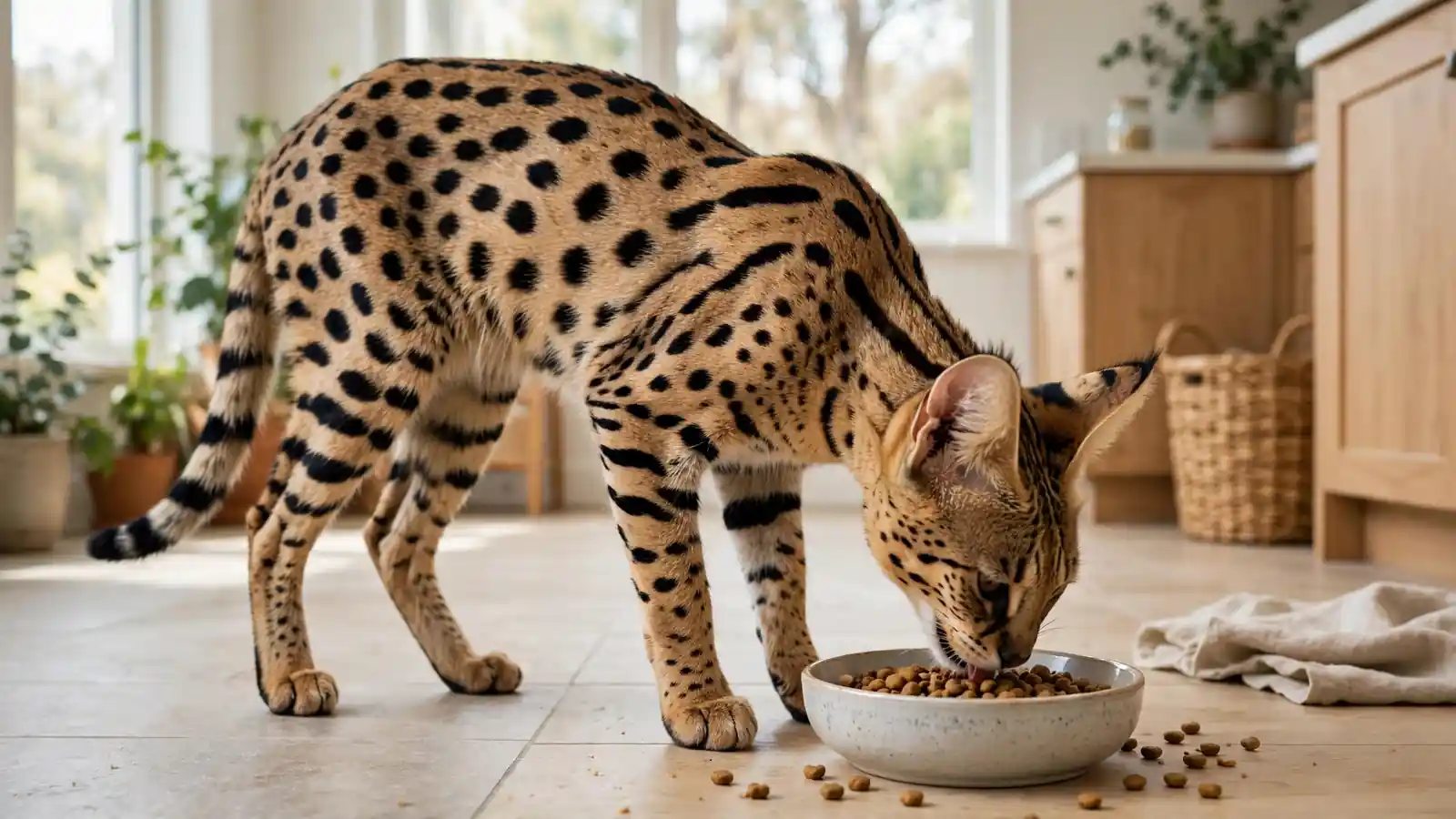
High quality complete food for active cats in measured meals, plus fresh water daily: many drink more readily from a fountain.
A weekly brush with a stainless steel brush or fine comb; nails every couple of weeks, with ears and teeth on a routine.
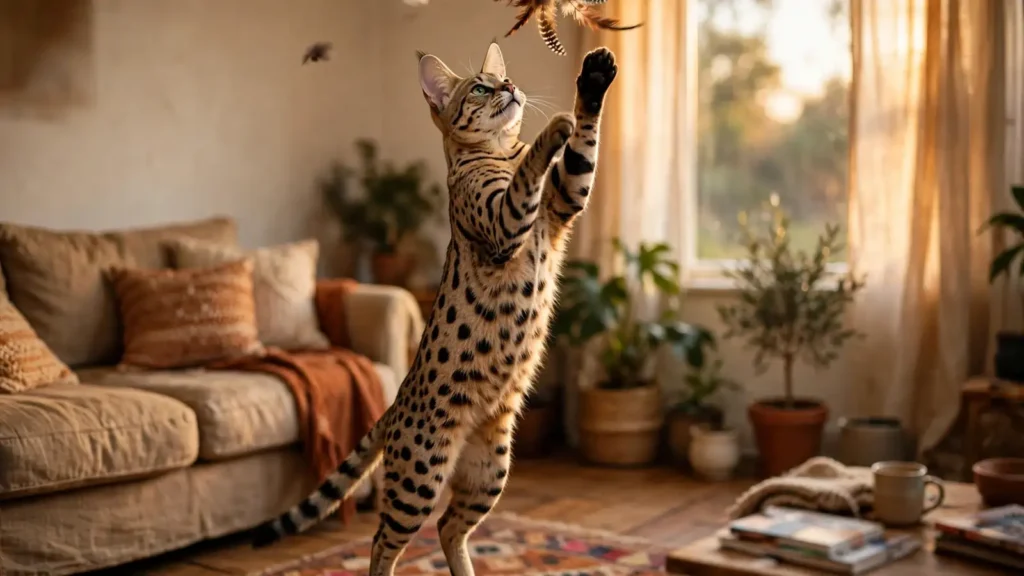
Vigorous interactive play once or twice a day: wand toys, feather teasers, and fetch tap the hunting instinct.
Climbing space is essential: tall cat trees, wall shelves, and window perches. These cats think vertically.
Nutrition and Diet
An athlete needs good fuel. For this breed, that means quality food, right sized portions, and plenty of water. Choose a high quality complete cat food formulated for active adult cats, and feed measured meals rather than leaving food down all day. Fresh water deserves real attention: change it daily, keep the bowl well away from food dishes, and consider a filtered fountain, since many cats drink more readily from moving water.
Grooming
Here is one area where the Savannah cat is refreshingly easy. The short coat has no heavy undercoat, so grooming takes minutes rather than hours: a weekly brush with a stainless steel brush or a fine comb removes loose hair and keeps the coat glossy. Trim nails every couple of weeks, check and clean the ears, and brush the teeth regularly.

Exercise and Enrichment
A bored Savannah cat is a destructive cat, so plan for daily activity like it is part of the job, because it is. Start with vigorous interactive play once or twice a day: wand toys, feather teasers, and toys that mimic prey tap directly into the hunting instinct and burn off energy fast, and fetch is a favorite game for many. Climbing space is essential, not optional: expect your cat to claim the highest point in every room.
Health
Savannahs are generally healthy cats, but smart buyers ask about screening before they fall for a kitten. Regular vet care and a breeder who tests are the foundation of a long, healthy life.
Pyruvate kinase deficiency, a condition that causes anaemia by shortening the life of red blood cells, is the notable inherited concern in the breed. A DNA test exists for this condition.
Progressive retinal atrophy, an eye disease that can lead to vision loss. Health screening is recommended for breeding cats.
Screening is recommended for PK deficiency and PRA in breeding cats, alongside routine testing for common infections. Always ask breeders for results.
Indoor and Outdoor Living
Indoor living is the safest choice for a Savannah cat, and this is one breed where the question comes with legal fine print: ownership rules vary by region, and some places require cats to be several generations removed from the serval. These are valuable, athletic, high prey drive cats that can clear fences and open latches. A large, secure outdoor enclosure, a catio, gives your cat sunshine, breezes, and climbing space with none of the risks.
Family Suitability
Savannahs bond deeply with their families and thrive in homes where people are around and engaged. They are a good choice for families with older children, who can match the cat’s energy in play and understand its signals. Strangers get mixed reactions: some Savannahs are confident and social with visitors, while others hide or react defensively, and early, positive socialization as a kitten makes the biggest difference.
Finding a Breeder or Rescue
This is not an impulse purchase breed, and finding the right cat takes research. Savannahs rank among the most expensive cat breeds in the world, and price tracks closely with generation: earlier generations, closer to the serval, command the highest prices. Choose the generation that matches your lifestyle: first and second generation kittens are the largest, most athletic, and most demanding, while third generation and later cats suit more households.
- Ask about PK deficiency and PRA screening results
- Ask which generation (F1, F2, F3 and later) the kitten is
- Check your local rules on hybrid cat ownership before you commit
- Kittens should be raised in the home and well socialized
Quick Quiz: Is a Savannah Right for You?
Answer four questions. Tap yes or no.
Savannah vs Bengal
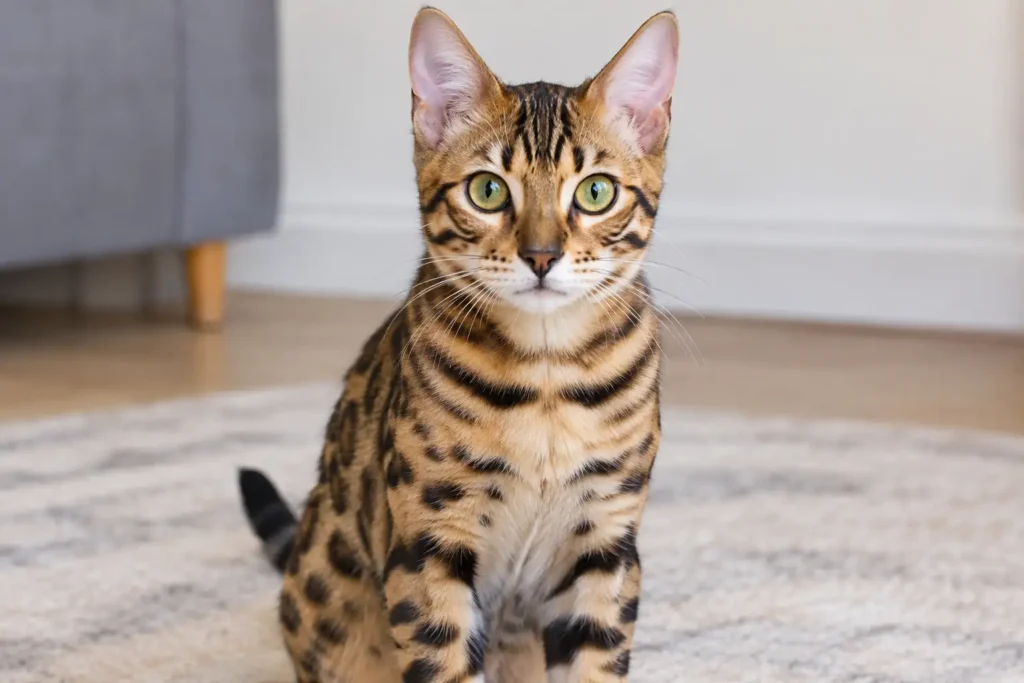
Love the spotted look but unsure about the wild heritage? These breeds give you options. If you want the hybrid energy with a longer breeding history, the Bengal is the natural alternative.
Frequently Asked Questions
How big does a savannah cat get?
Most pet savannah weigh 12 to 25 pounds and measure 20 to 22 inches in body length. Early generation males can reach 25 to 28 pounds. The tallest on record measured just over 19 inches at the shoulder.
Are savannah cats legal to own?
It depends entirely on where you live. Many US states require savanna to be at least four generations removed from the serval, and some ban them outright. In the UK, early generation cats need a Dangerous Wild Animals licence. Always check your local and state laws before buying.
How long do savannah cats live?
The typical range is 12 to 20 years, and many reach 17 to 20 with good care. Plan for a long commitment.
Do savannah cats get along with dogs?
Later generations often enjoy playing with friendly dogs, especially when introduced young and socialized well. First generation cats may find dogs harder to accept. Supervise all early meetings.
The Savannah is ideal for an experienced owner who wants a bold, loyal, dog like companion, and can give it time, space, and daily play for up to two decades. It is not a breed for beginners, or for anyone who wants a quiet lap cat.
Similar Breeds Worth Exploring
Related Breed Guides
Keep Exploring
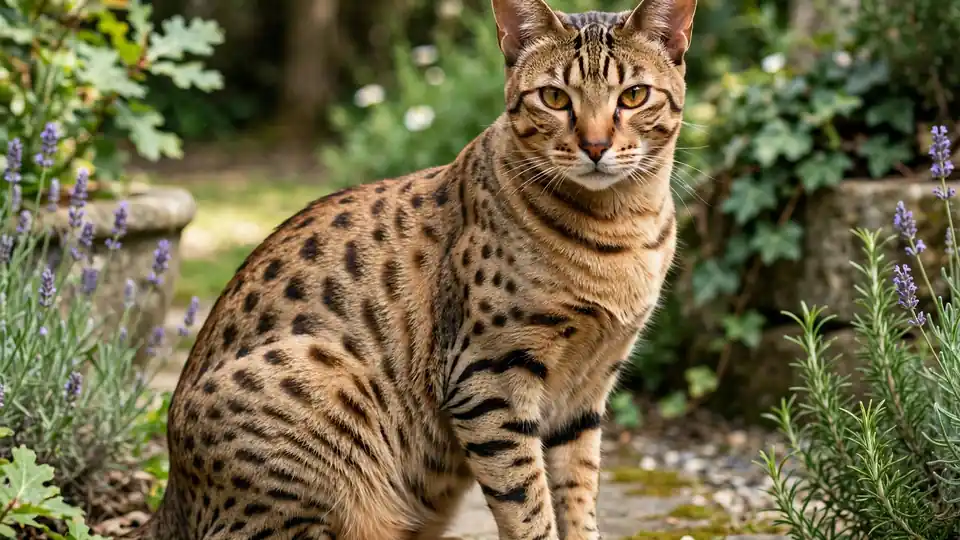
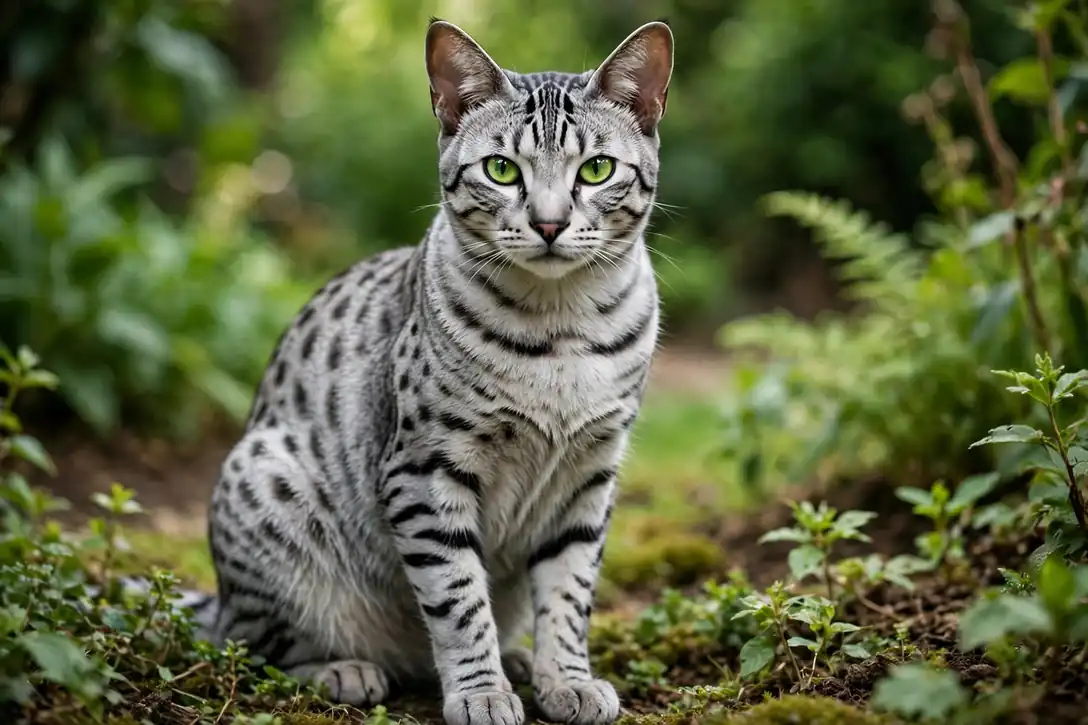
Still deciding? Compare the established hybrid, the Bengal, or the fully domestic Ocicat. Every guide on this site follows the same layout, so the facts you need are always in the same place.