Persian Cat: Personality, Care, Health, History & Breed Guide
Persian: quiet dignity, sweet nature
The Persian cat is placid, sweet, and gentle, with a quiet dignity. Famous for its luxurious long coat and calm temperament, it is the classic lap cat.
By Emily Carter · Reviewed by our vet team · Updated 21 October 2026 · 9 min read
Lifespan 12–17 yrsWeight 7–15 lbDaily grooming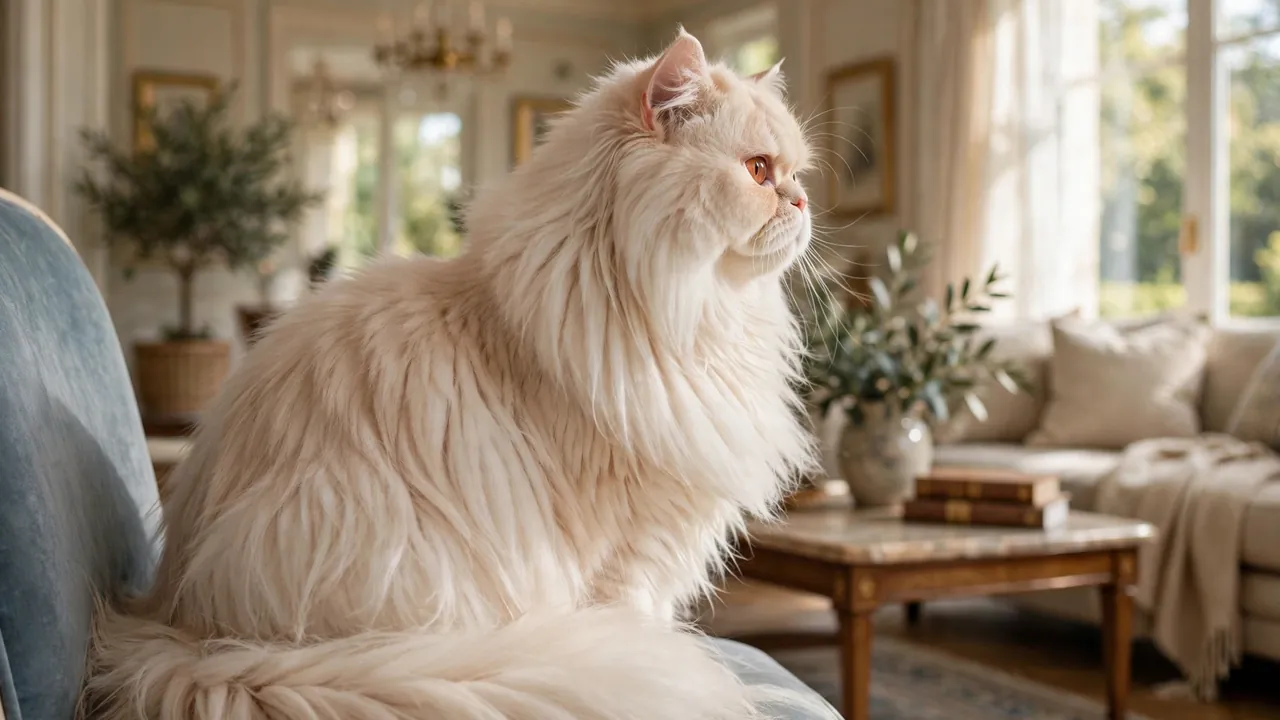
The Persian is one of the most recognized cats in the world. With a long flowing coat, a round face, and a calm sweet nature, this breed has been a favorite of cat lovers for centuries. This guide covers the Persian cat in full: coat, character, daily care, health, and cost.
At a Glance
Size and Weight
The Persian usually weighs between 7 and 15 pounds, with males typically a little bigger than females. The breed is heavy boned, so a Persian can feel solid and sturdy when you pick one up. Most measure 14 to 18 inches from nose to tail tip, with height at the shoulder usually 8 to 10 inches.
Coat and Colors
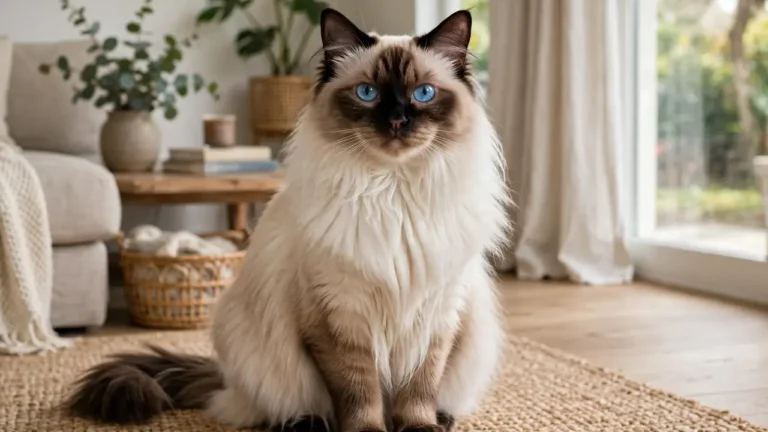
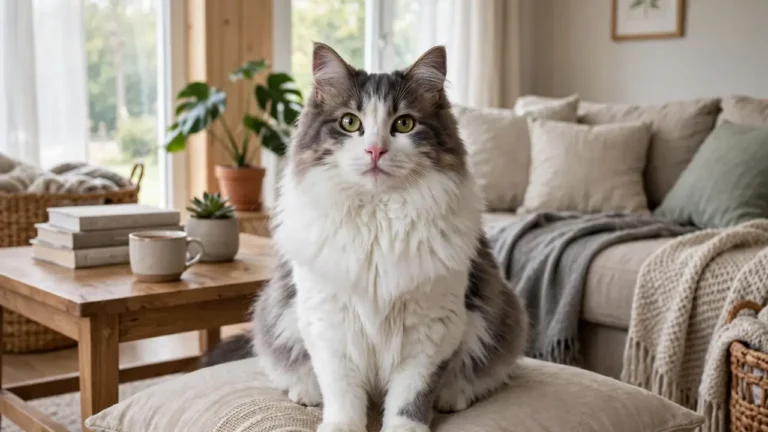
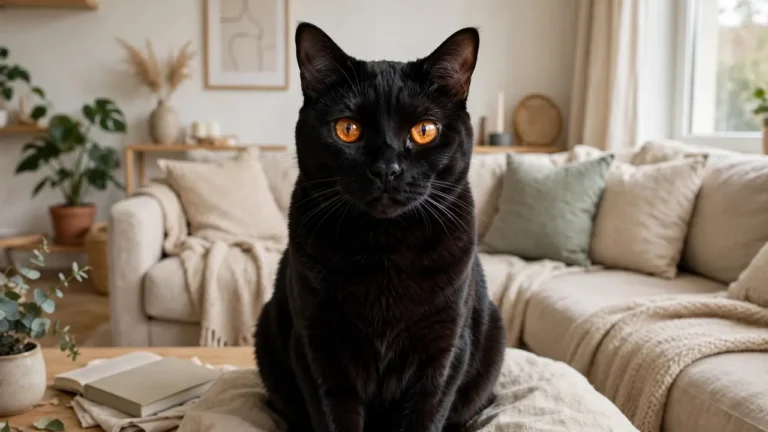
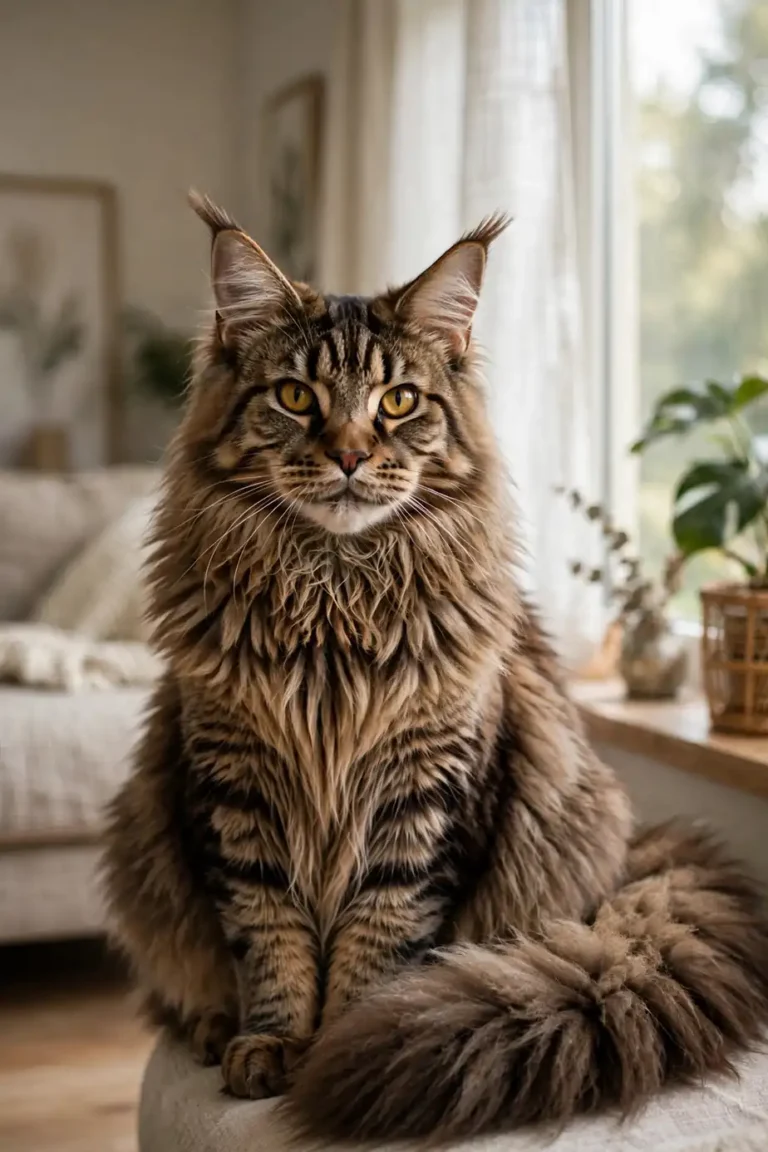
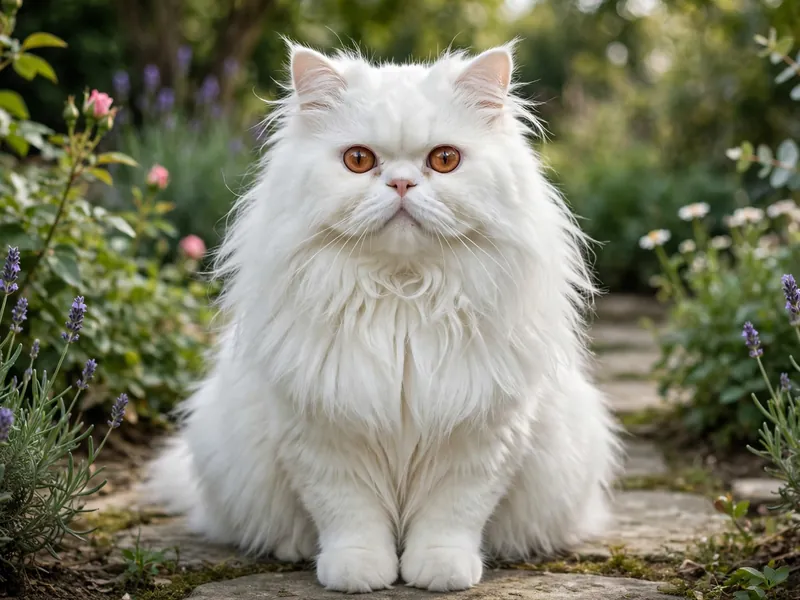
Every Persian cat wears the same unmistakable silhouette: a long, flowing coat over a short, thick, cobby body. The coat comes in a wide range of colors and patterns, from solid white, black, blue, and red to chocolate and lilac. It is the coat that draws most people to the breed, and the coat that demands daily work.

History and Origins
The breed takes its name from Persia, modern day Iran, where longhaired cats were first brought to the attention of Europeans. Longhaired cats were present in Italy in the 1500s, imported from Asia.
The Persian we know today is thought to have developed from Turkish Angora cats crossed with other Asian longhair cats. The long hair itself is believed to be a random mutation that became the dominant trait.
With a long flowing coat, a round face, and a calm sweet nature, the breed became a favorite of cat lovers for centuries, and one of the most recognised cats in the world.
The Persian has one of the longest histories of any breed, though much of it is unrecorded.
Physical Characteristics
The Persian has an unmistakable look built on roundness. The head is large and round with a short face and a snub nose; the cheeks are full and the eyes are large, round, and set wide apart. The body is short and thick with a cobby build, the legs are short and strong, and the paws are large and round with tufts of fur between the toes.
Persian Personality and Behavior
The Persian is placid, sweet, and gentle, with a quiet dignity. This is a calm breed that enjoys a peaceful home and a set routine: it will stretch out next to you, sleep in your bed, and sit on your lap when the mood strikes. The Persian is friendly and easygoing but does not bond with everyone at once: you earn its trust over time, and it is worth the patience.
Placid, sweet, and gentle, this is a calm breed that enjoys a peaceful home and a set routine.
Friendly and easygoing, but trust is earned over time. Once built, these cats love attention without demanding it constantly.
Between long, regal naps, many Persians show surprising bursts of kitten like playfulness.
- Calm, sweet and gentle
- The classic lap cat
- An excellent apartment cat
- Daily brushing and eye cleaning, no exceptions
- Sheds heavily all year
- Prone to more health issues than average
Care Essentials
Measured meals on a regular schedule rather than food left out all day: nutrition needs control because the breed is not very active.
Daily brushing and combing, daily eye wipes, and a bath about once a month. Grooming is the biggest part of Persian care.
Short daily play sessions with interactive toys, chase balls, and catnip mice to keep weight under control.
A calm indoor home with window perches for sunbathing, a cat tree, and safe cozy spots around the house.
Nutrition and Diet
Good nutrition keeps a Persian in top condition, and portion control matters more here than in many breeds. Because the Persian has low energy needs and a relaxed lifestyle, it is easy for one to gain extra weight. Feed measured meals on a regular schedule, keep an eye on body condition, and talk to your vet about adjusting portions if your Persian is getting rounder around the middle.

Grooming
Grooming is the defining daily task of Persian ownership, and it cannot be skipped. Brush and comb the coat every day to prevent tangles and mats, working through the ruff, the belly, and behind the legs where mats start most easily. Wipe the eyes every day, since tearing is common, and bathe your Persian about once a month, always combing thoroughly before the bath.

Exercise and Enrichment
The Persian will not exercise on its own the way an athletic breed does, so you need to build play into the day. Short daily play sessions keep a Persian fit and help control weight: interactive toys, chase balls, catnip mice, and a feather wand all work well. Puzzle feeders add a little mental stimulation to the routine.

Health
The Persian is prone to more health issues than the average mixed breed cat, so vet care and breeder screening matter. Schedule annual wellness exams, or twice yearly exams for seniors, and ask your vet about screening for the conditions below.
As a flat faced breed, the Persian can suffer from breathing difficulties and respiratory distress. The same facial structure can lead to excessive eye watering, eye ulcers, and eyelid abnormalities.
Polycystic kidney disease: an inherited condition where cysts form in the kidneys and can lead to kidney failure. DNA testing exists, and good breeders screen for it.
Progressive retinal atrophy: an inherited condition that gradually damages the retina and can lead to blindness. Ask breeders about screening.
Indoor and Outdoor Living
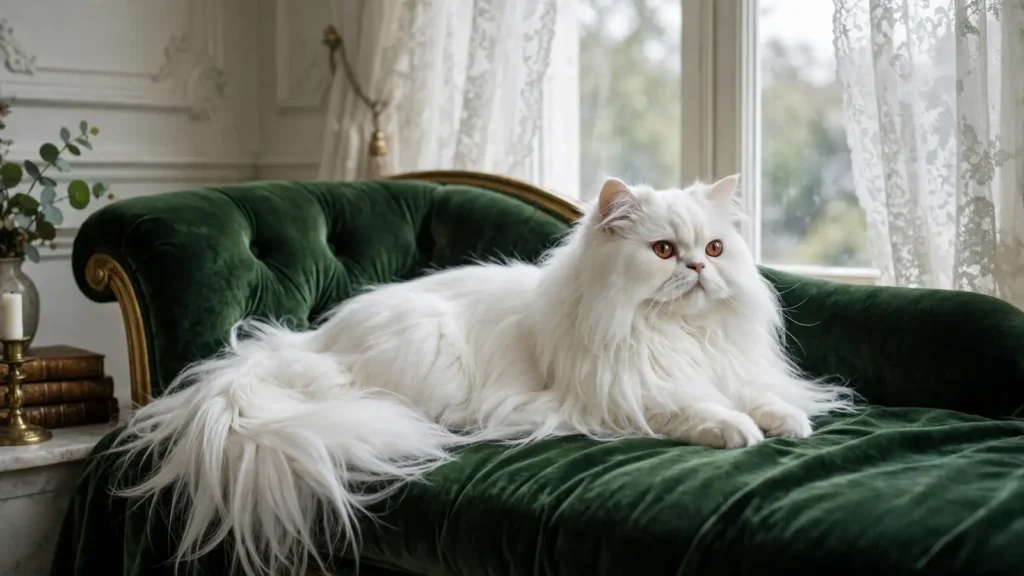
A Persian cat should live strictly indoors. The long coat picks up dirt, debris, and tangles quickly outside, and the flat face makes heat and exertion harder to handle. Indoor living does not mean a dull life: give your Persian window perches for sunbathing, a cat tree for resting up high, daily play sessions, and safe cozy spots around the house.
Family Suitability
The Persian fits best in a calm, gentle household. Persians do well with mild mannered children who understand how to handle a cat softly, and they are also fine with laid back dogs. These cats make excellent apartment cats: a Persian cat will not climb the curtains or race across the shelves, but will claim a sunny spot and observe the household in peace.
Finding a Breeder or Rescue
Take your time finding the right Persian cat, whether you choose a breeder or adoption. The purchase price from a breeder usually falls between $1,300 and $3,000, depending on pedigree, quality, and location. A good breeder raises kittens in the home, lets you meet the mother, and answers questions openly. Budget beyond the price too: this breed needs daily grooming supplies and higher than average veterinary care.
- Ask about health screening, including DNA testing for PKD and PRA
- Ask to see the parents and the living conditions
- Kittens should be raised in a home environment
- Start daily brushing from the first weeks at home so it becomes routine
Quick Quiz: Is a Persian Right for You?
Answer four questions. Tap yes or no.
Persian vs Exotic Shorthair
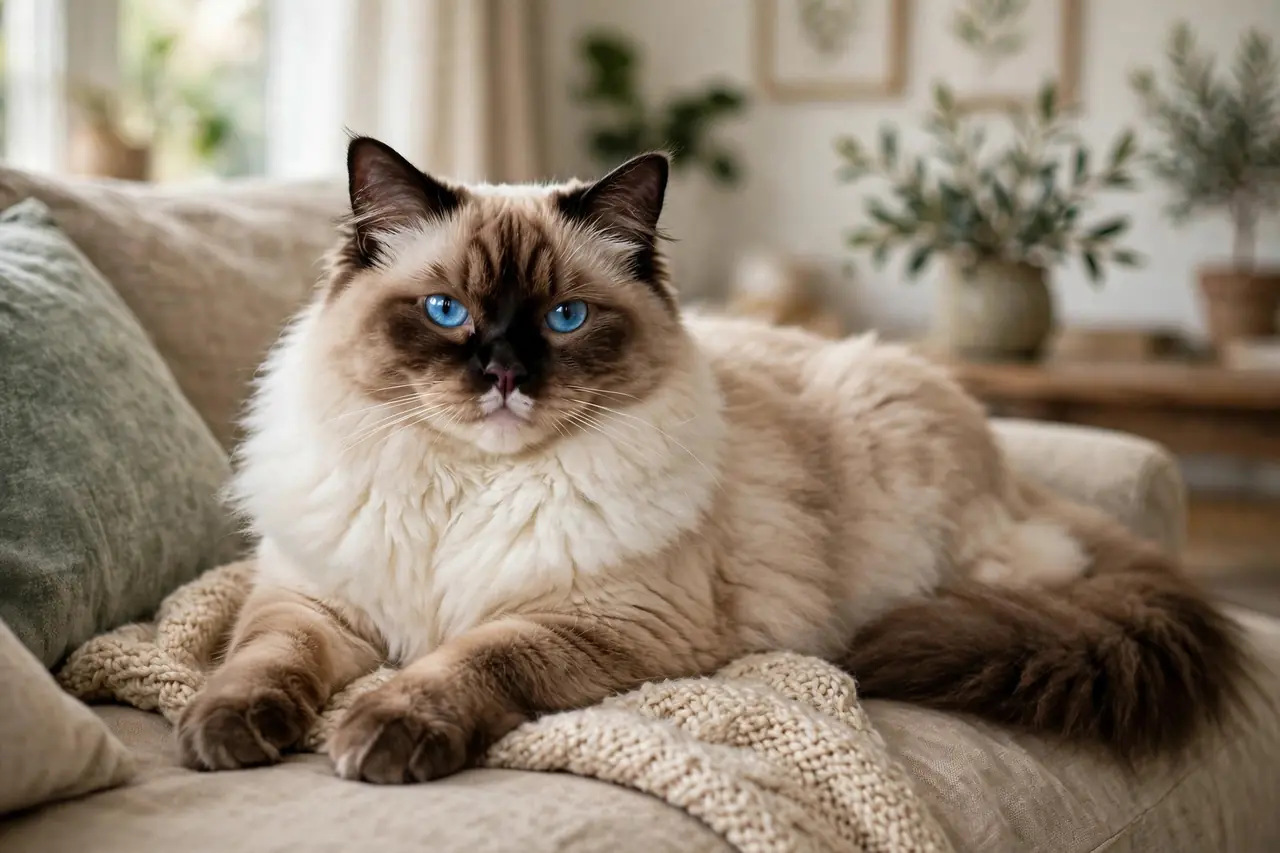
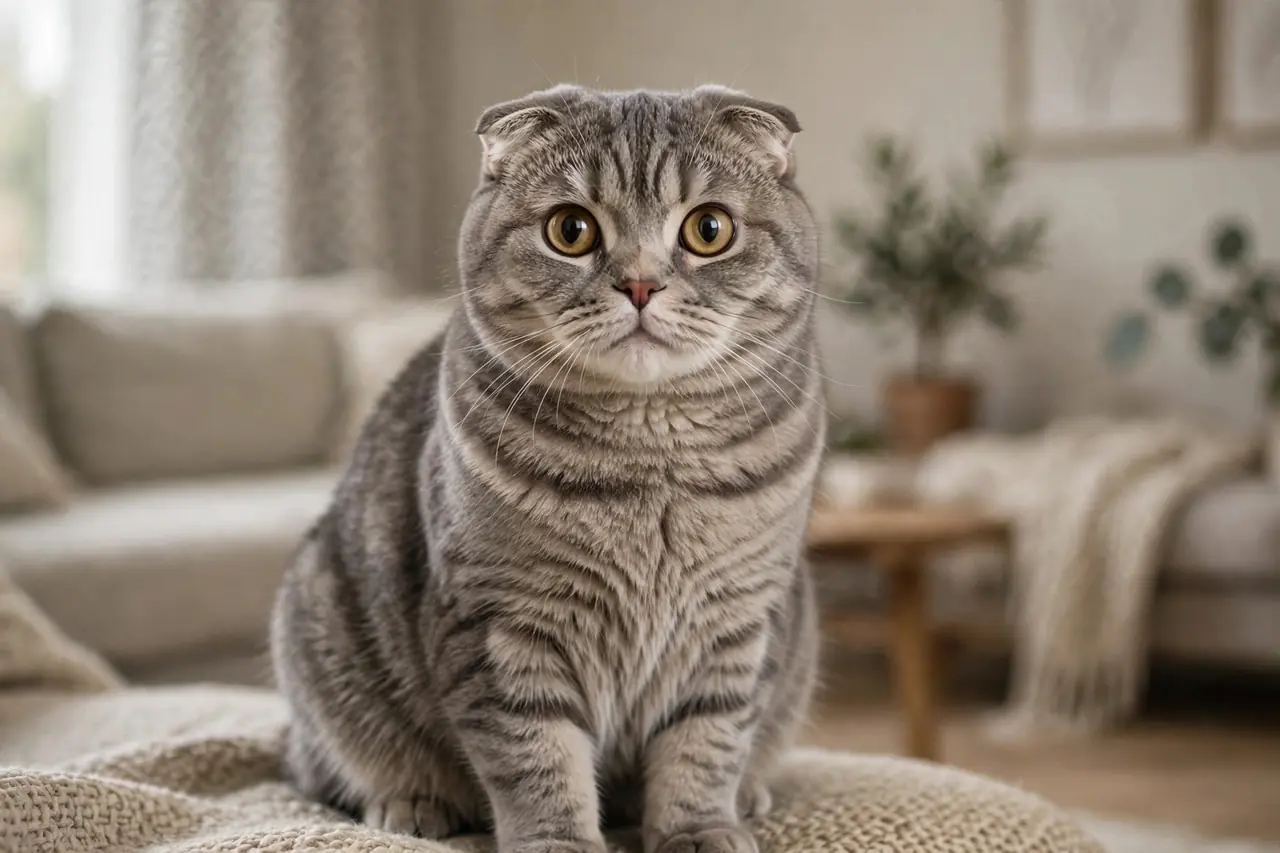
Several breeds look or feel similar to the Persian, but each has its own trade offs.
Frequently Asked Questions
Are Persian cats hard to take care of?
The Persian is sweet and sociable, so living with one is a joy. But the breed is high maintenance. Daily grooming, regular eye cleaning, and attention to health mean more work than many other breeds need.
Do Persian cats shed a lot?
Yes. The Persian sheds heavily. Daily brushing and combing remove loose hair and keep shedding around the house under control.
How long do Persian cats live?
A Persian usually lives 12 to 17 years with good care. Regular vet visits, a balanced diet, and daily grooming support a long life.
Are Persian cats good with children?
Persians do well with mild mannered children who treat them gently. They are less suited to loud, rough households.
The Persian cat is right for you if you want a calm, gentle, affectionate companion and you are ready for daily grooming. If you can give a Persian the daily care it needs, you will get one of the sweetest and most beautiful companions in the cat world in return.
Similar Breeds Worth Exploring
Related Breed Guides
- Birman Cat Breed Guide
- Ragdoll Cat Breed Guide
- Scottish Fold Cat Breed Guide
- British Longhair Cat Breed Guide
- Chimera Cat Breed Guide
- Himalayan Cat Breed Guide
Keep Exploring
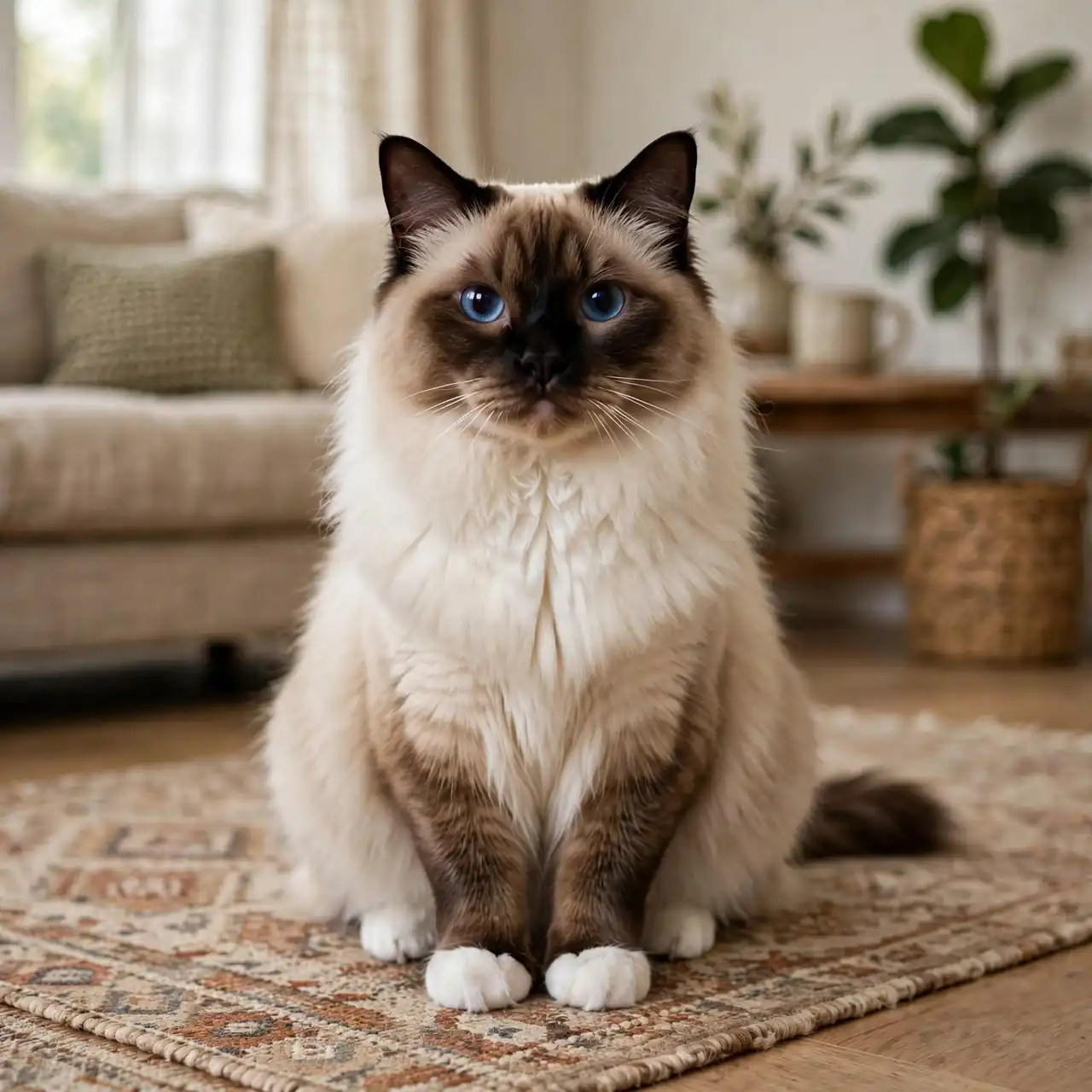
Still deciding? Compare the lower maintenance Birman, or meet the floppy, devoted Ragdoll. Every guide on this site follows the same layout, so the facts you need are always in the same place.